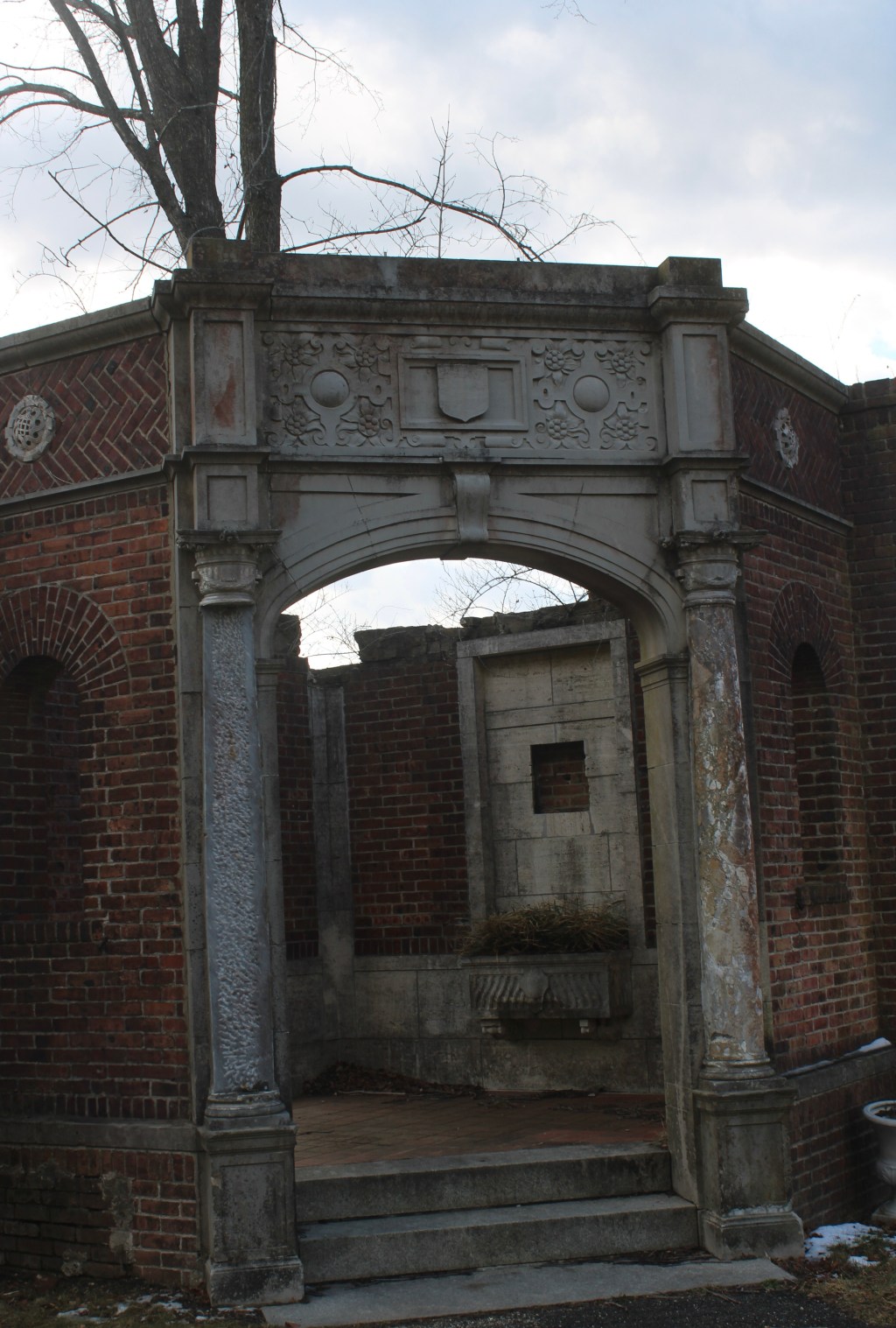
On January 29th, 2025, I got the chance to visit one of the most beautiful Gilded Age estate ruins i’ve ever heard of: that of “Rosemary Farm”, the Roland Ray Conklin mansion built from 1907-1912. Here’s the rundown of this incredibly unique property:
In mid 1893, a wealthy entrepreneur named Roland Ray Conklin located in Kansas City, Missouri bought a massive & undeveloped property near Lloyd Harbor, New York. For about 10 years, the property stayed untouched by Mr. Clark.
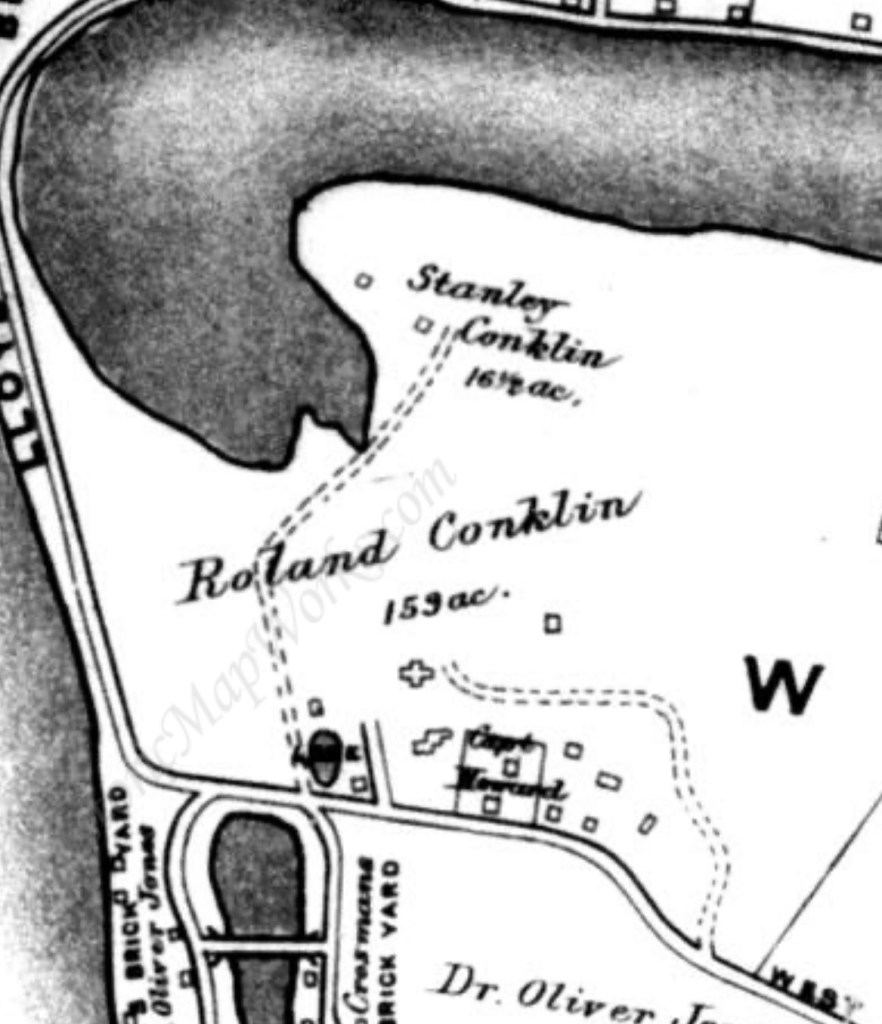
This wouldn’t last long though, as in 1906 Roland finally chose to build a beautiful mansion on his land overlooking Cold Spring Harbor. The home, which he named “Rosemary Farm” (after his daughter), was designed by Wilson Eyre and has its construction completed by 1907.
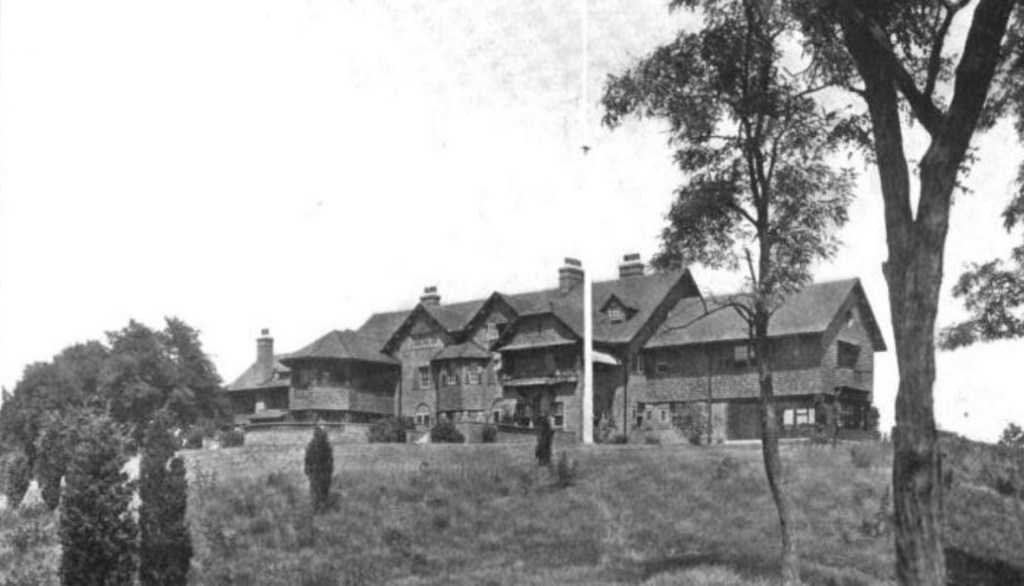
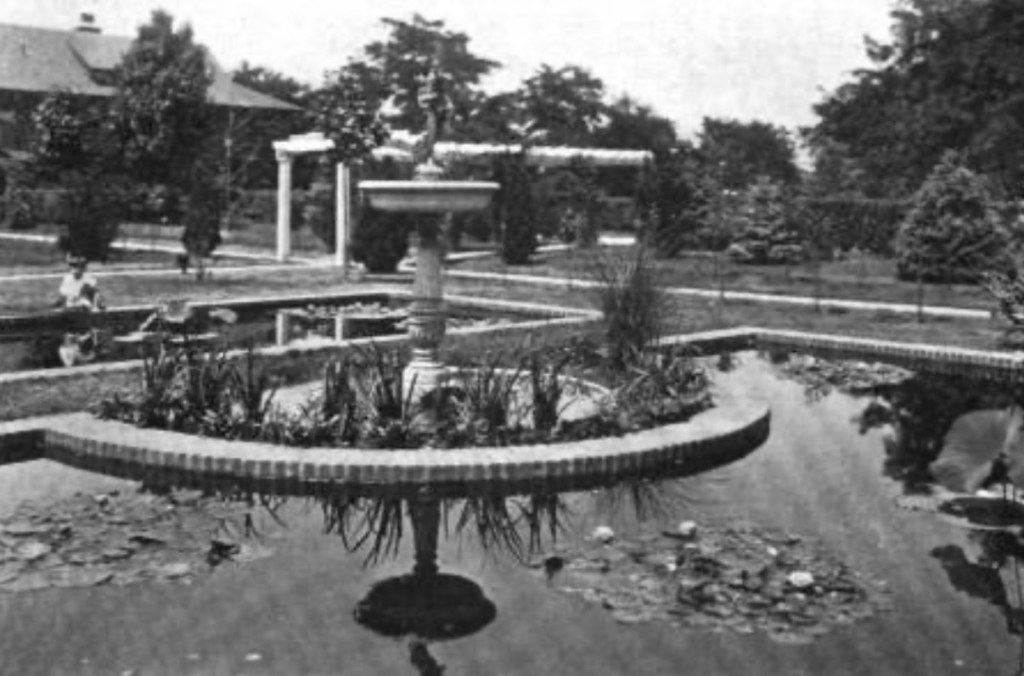
Roland lived many lives, being a part in multiple world and national affairs during his life, including the development of the motor bus. Anyways, when the home was finished, Conklin chose to fill its surroundings with some beautiful gardens designed by the Olmsted Brothers.
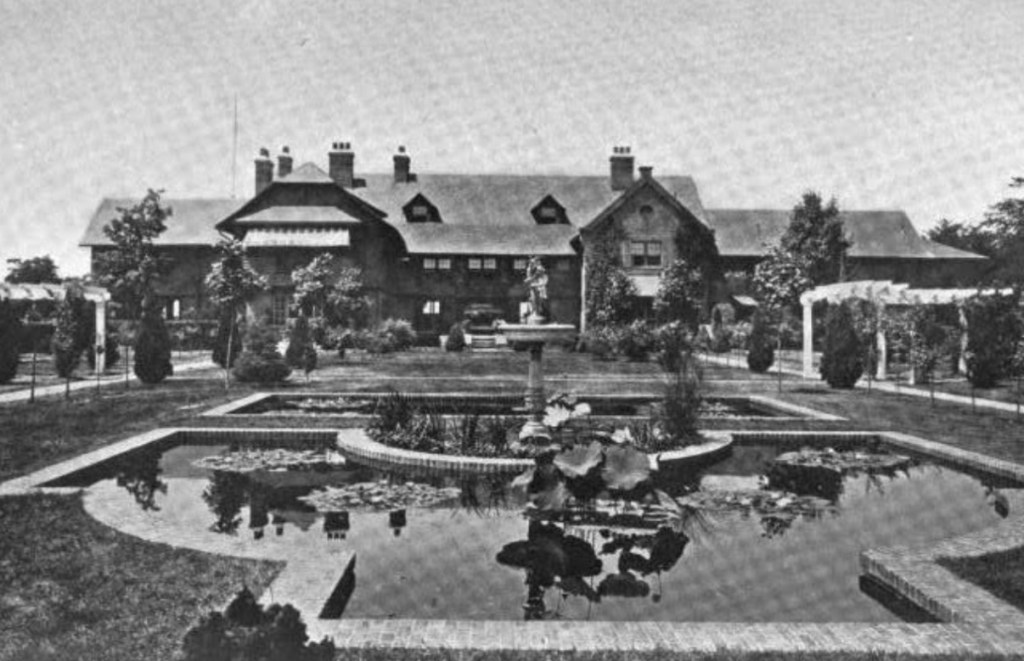
But, Mr. Conklin’s work on the estate wasn’t over yet. It’s important to first note that Mary MacFadden Conklin, Roland’s wife, was a notable Opera Singer. So, just a few years after his home was built, Conklin decided he would make a major change to his property by converting the “bowl-shaped hill” under his luxurious mansion into a massive Amphitheater. With an inspiration of Edward Bouton’s “Rusty Rocks”, Conklin approached the Olmstead brothers again in 1912 to build this arena in his backyard.
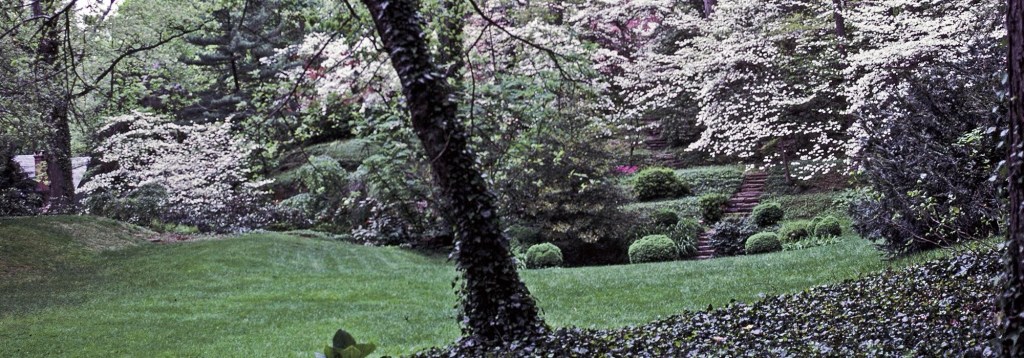
But, his plans were complex nonetheless. He hoped for a 4,000 person capacity and natural amphitheater to be built in such a short amount of time. Unfortunately, constructing such a complex structure in a short amount of time was a big feat. The olmsted brothers would have to work out a unique system for developing and maintining the landscape. Initially, Frederick Law Olmstead Jr. accepted the commission and began designing the theatre for Conklin.
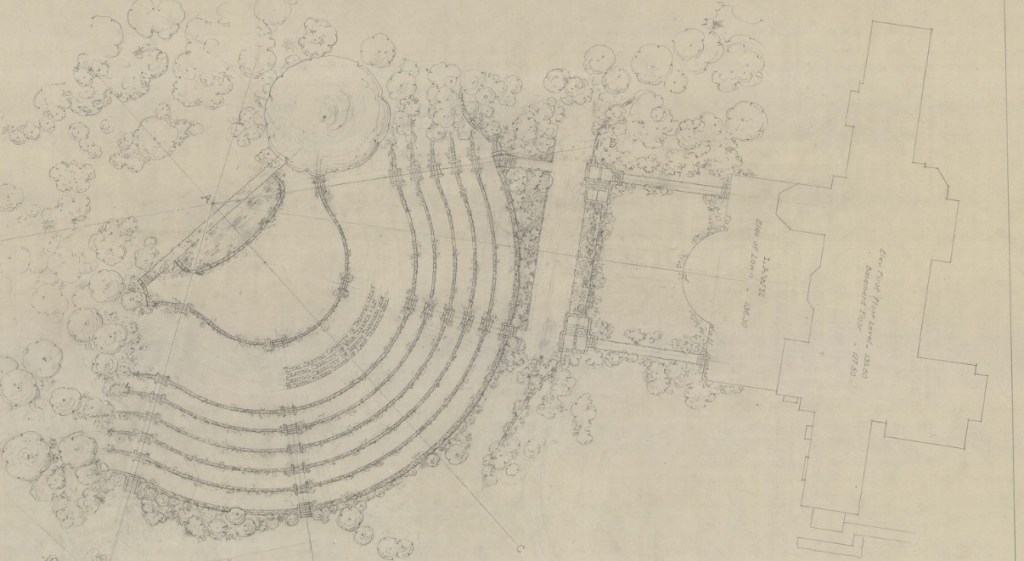
It was not long until Olmstead saw the full struggle of building a massive feat like this. So, he decided to opt out of the controversial project just under a year later. Despite this hold back, Roland decided to take the Olmstead Brothers plans and build the amphitheater himself in 1916 (with external help & some olmstead consultation, of course).
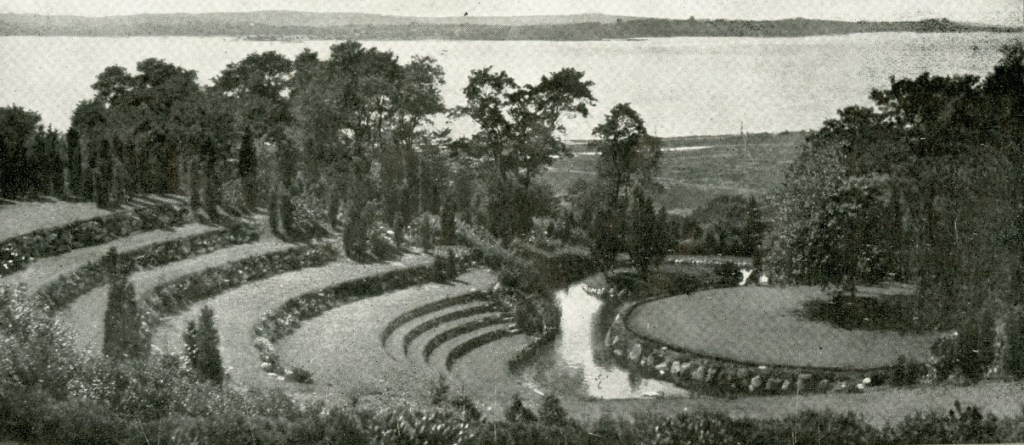
Soon, a beautiful brick & grass amphitheater named “The Rosemary Open Air Amphitheater” was constructed, and multiple massive events such as the National Red Cross Pageant (for war funding) would be held.
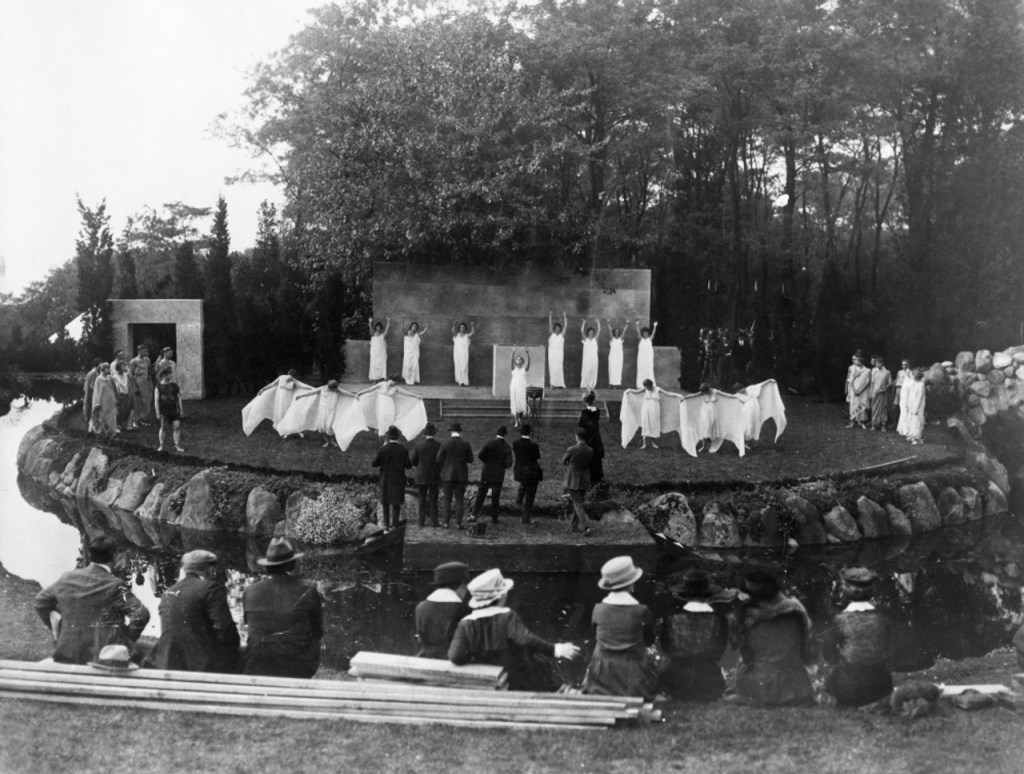
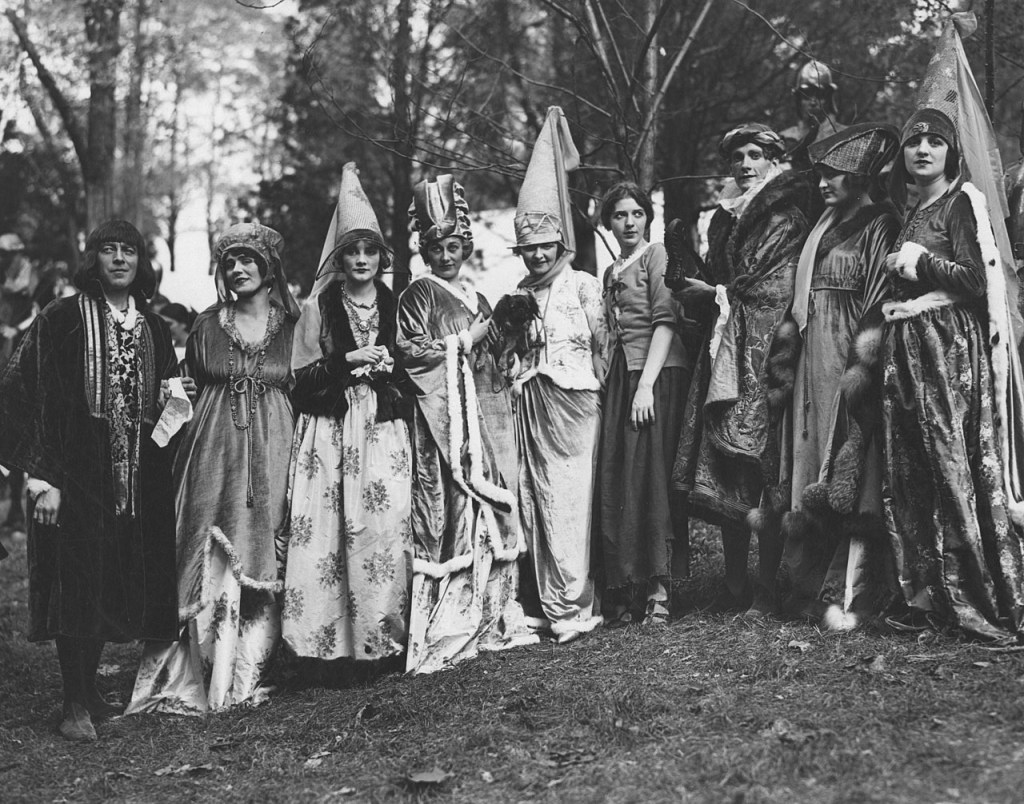
Along with that, many notable actors of the time would brave the stage, including big names like John & Ethel Barrymore, Tyrone Powers, Sarah Bernhardt, and John Philip Sousa.
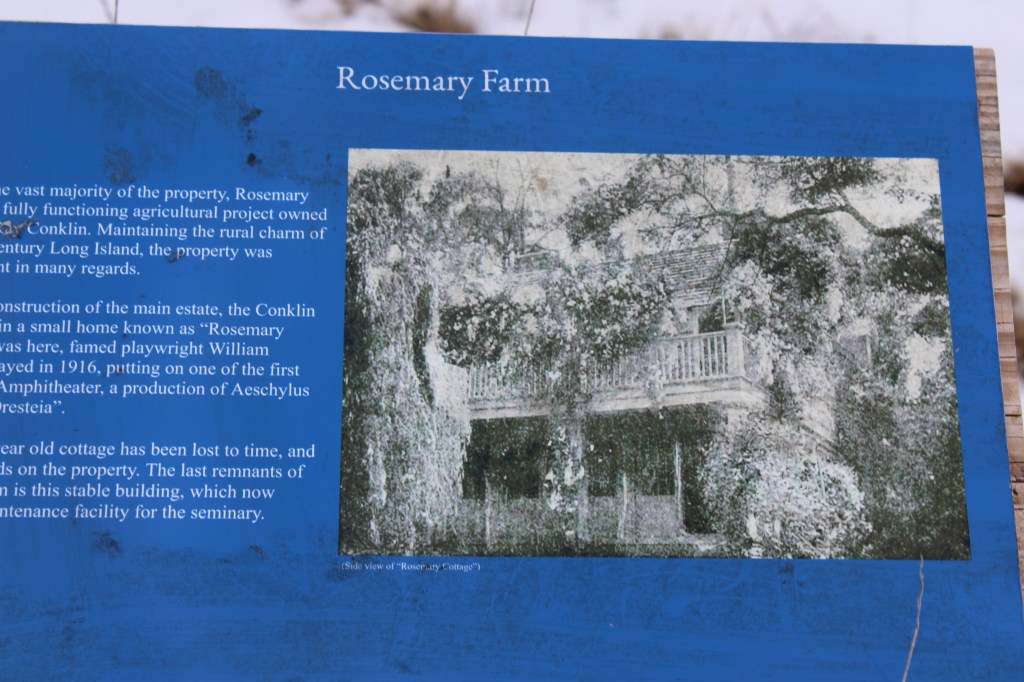
Shortly after he finished building his theatre, Roland made a final edition to the estate with his small home “Rosemary Cottage” which stood just a few hundred yards from the main home.
Unfortunately, the beautiful estate wouldn’t be in Mr. Conklins hands for much longer. In 1919, Mary passed, leaving Roland depressed and soon he moved out. So, he donated his entire estate to the Brooklyn Diocese. In 1924, they built the Seminary Of The Immaculate Conception here, which trained priests from around the world.
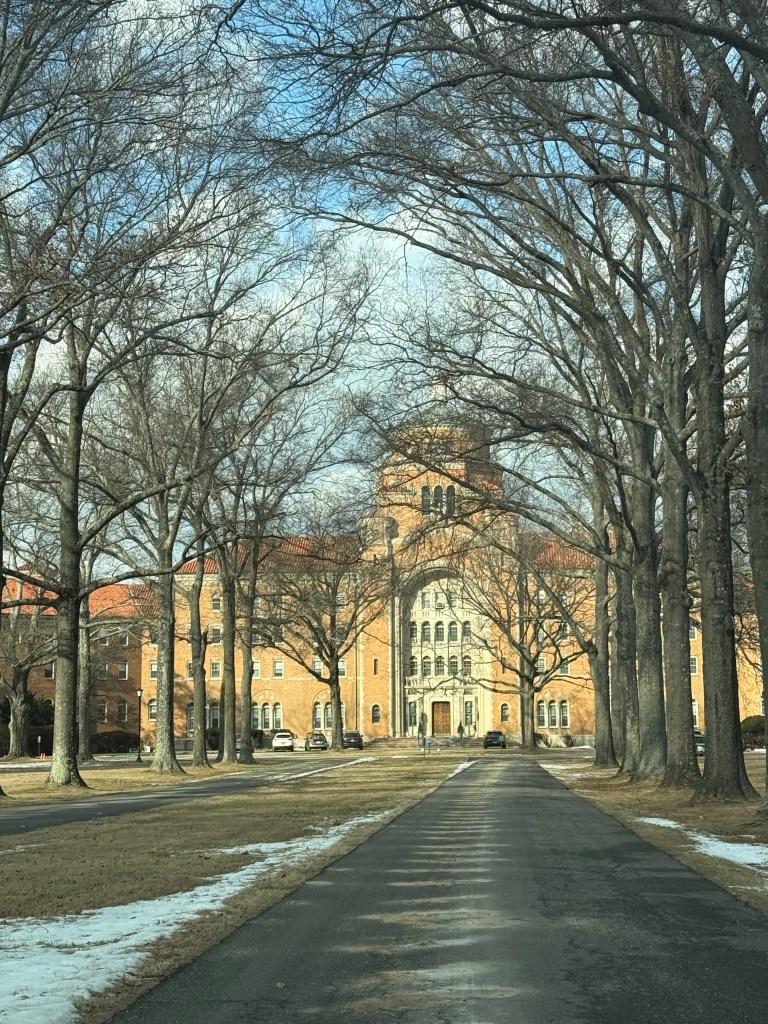
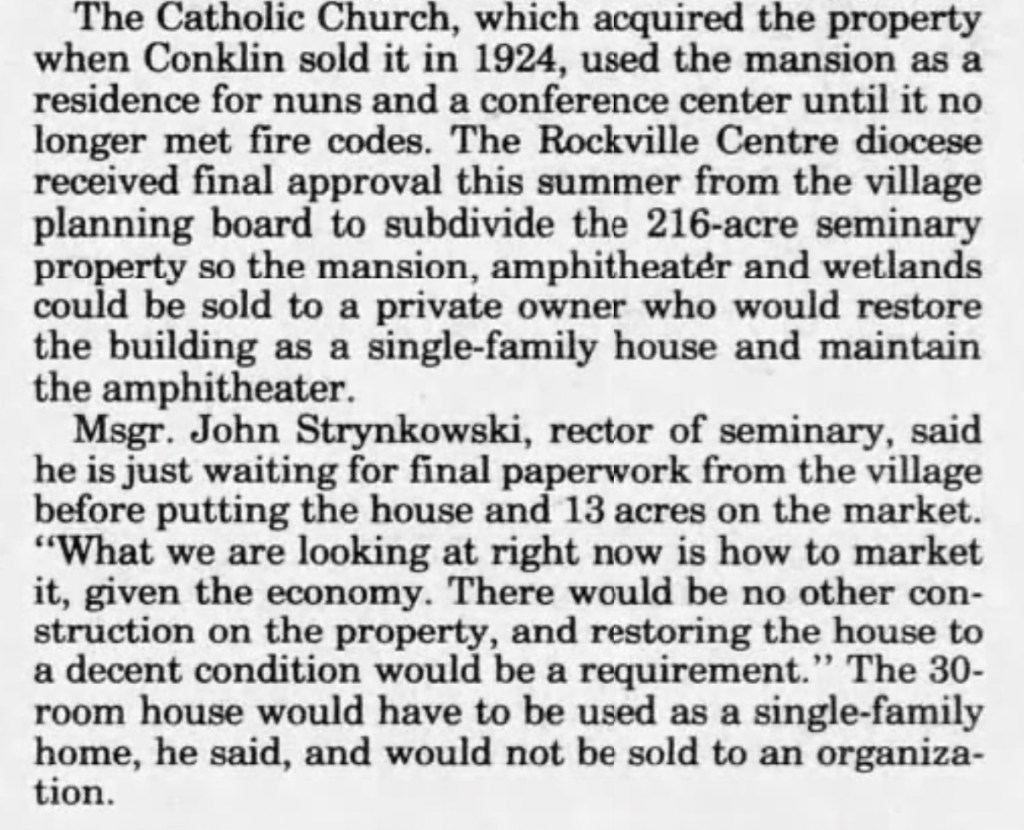
The massive structure and its subsequent alumni utilized the entire estate during their stay. Soon, the old driveway was turned into beautiful walking grounds and many events would be later held in the Ampitheatre, including countless seminaries. Along with that, the decaying but still upkept mansion was occasionally used (until 1980, when it was essentially abandoned). By 1990, the Diocese that owned the property was planning on selling the residence and its amphitheater to private owners while maintaining the 1924 Immaculate Conception building.
Ironically, just TWENTY SIX days after the sale was announced, the house burst into flames due to vandals. At just 8 Am on December 27, 1990, a nearby resident spotted the burning home and called in authorities.
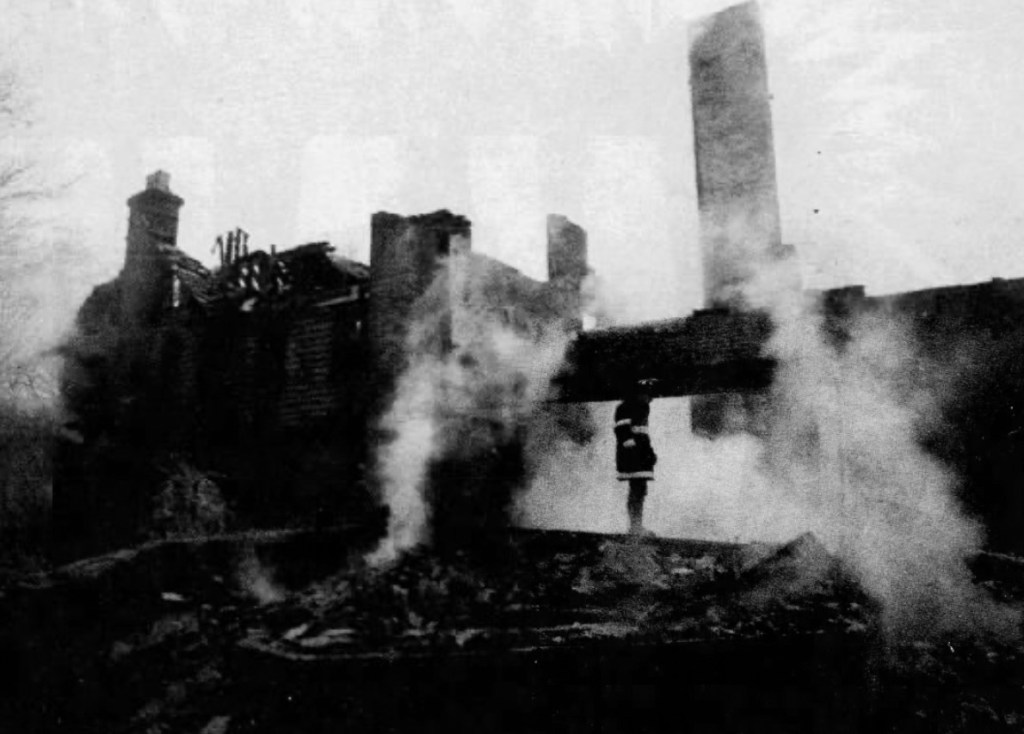
Eventually, all that was left was some walls, fireplaces, and the former entrance. Since this tragedy, the Seminary has chosen to make the best out of the rare opportunity to own the remnants of a beautiful estate. Despite closing in 2012, the seminary and property incorporating the remains has received much support by local activists, who have significantly restored and brought back to life most of the estate.
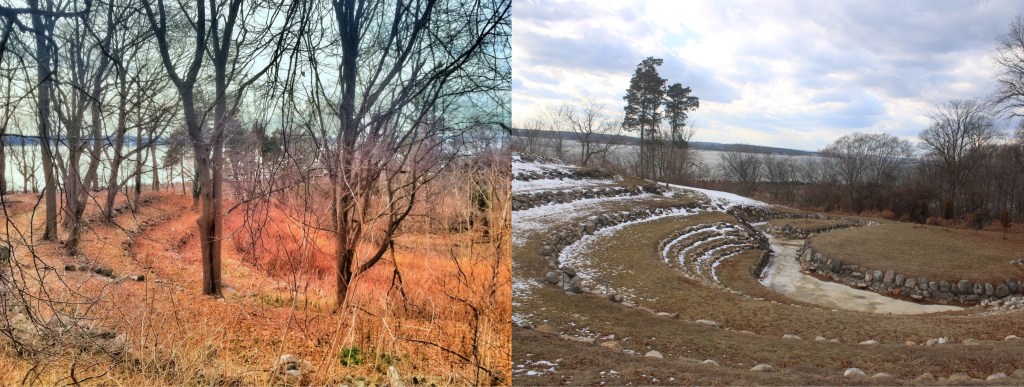
While no events are held on-grounds anymore, a visit today offers a beautiful view and upkept property (with signs informing you on each remnant!). I was lucky enough to see these remains today. Here’s an idea of what to do to see these remains, and what you’ll find:
First, I recommend contacting the Seminary before anything. They are still active on facebook and seem to be fine with visitors for the mansion only.
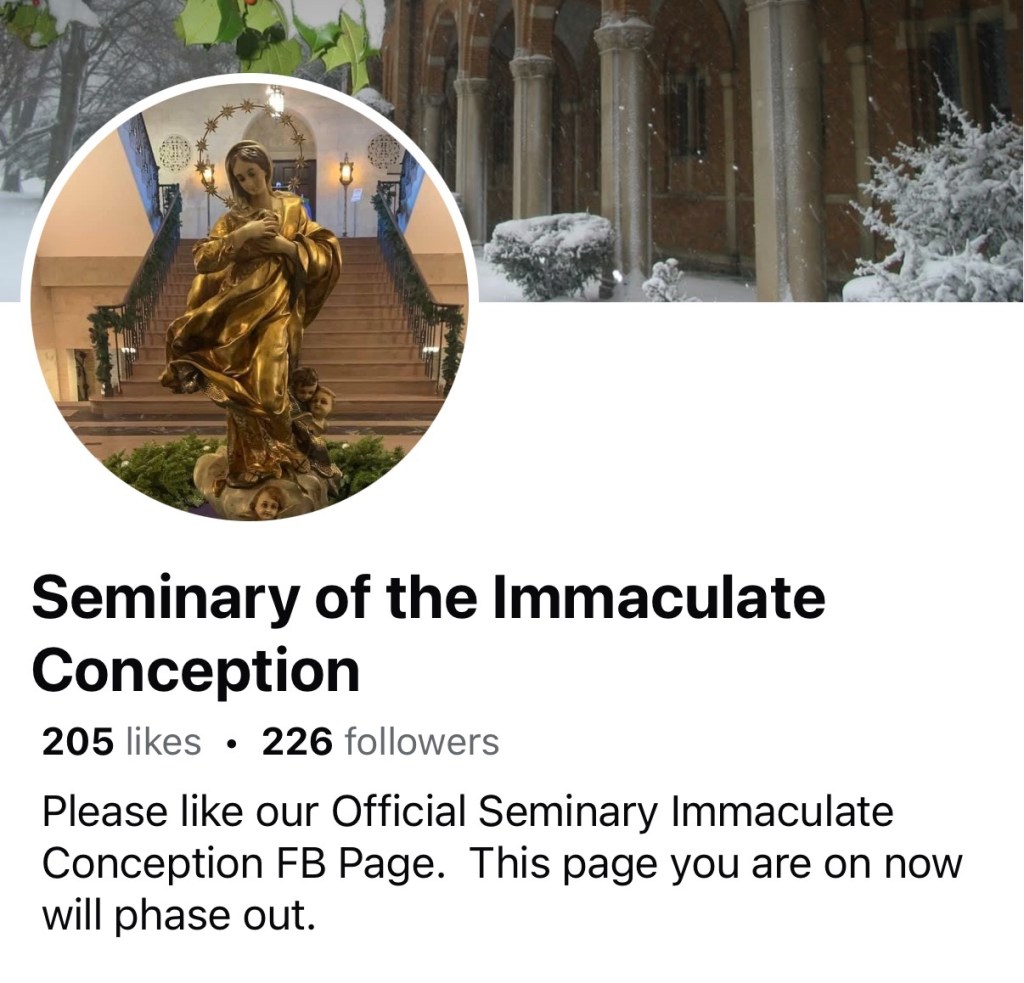
But, i’m not sure of their hours or if they always have staff on property. Anyways, if you’re permissed, visit the beautiful building that holds the Seminary.
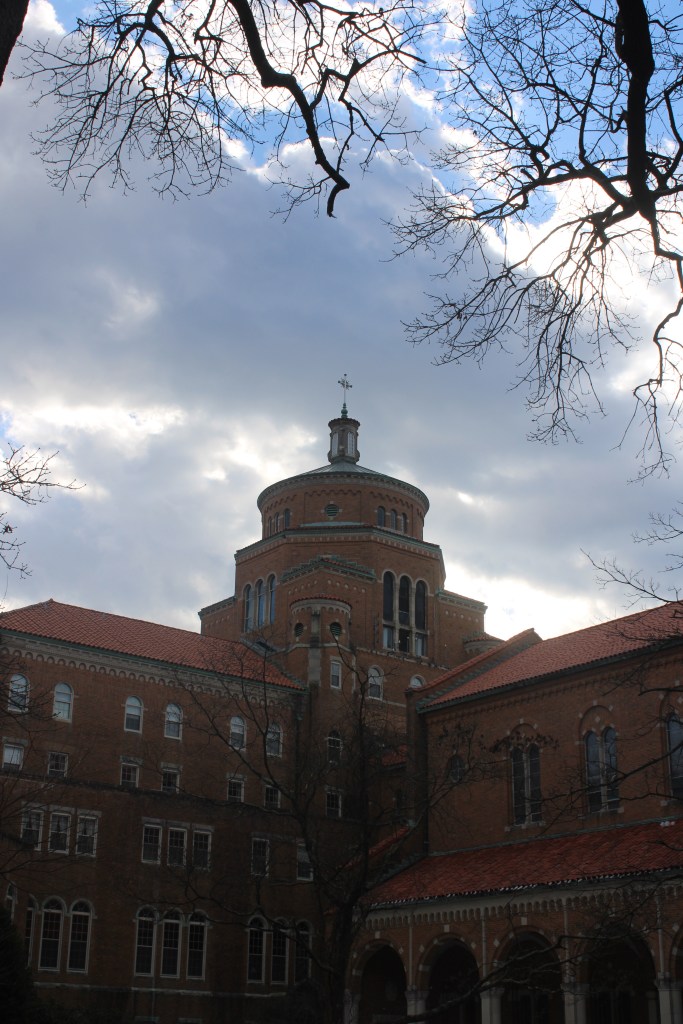
Then, go to the attendance office (left of the main entrance) and sign in your name and why you’re there. They will give you visitors passes and hand you a beautiful map of the entire property.
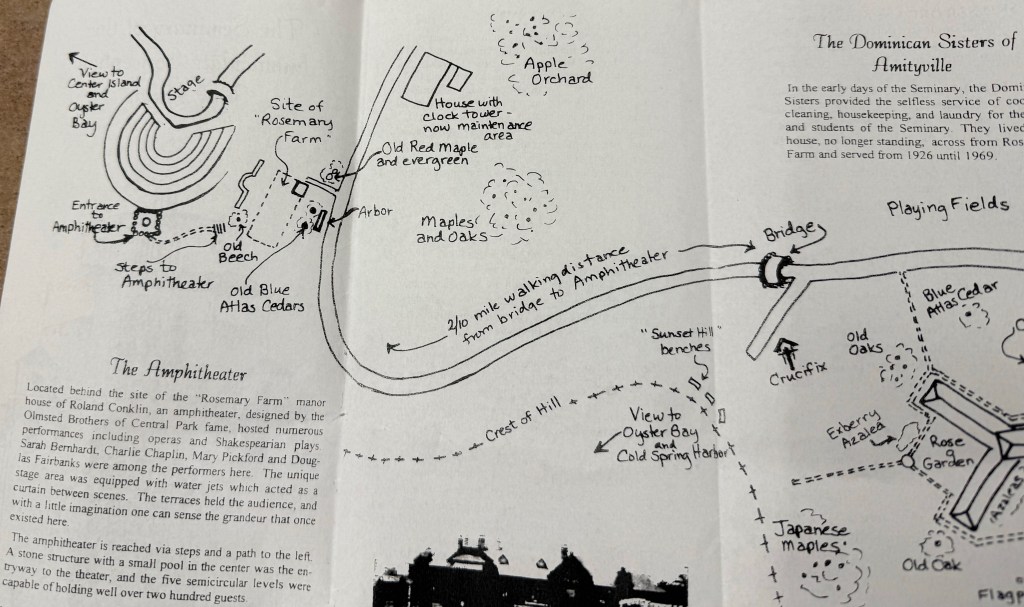
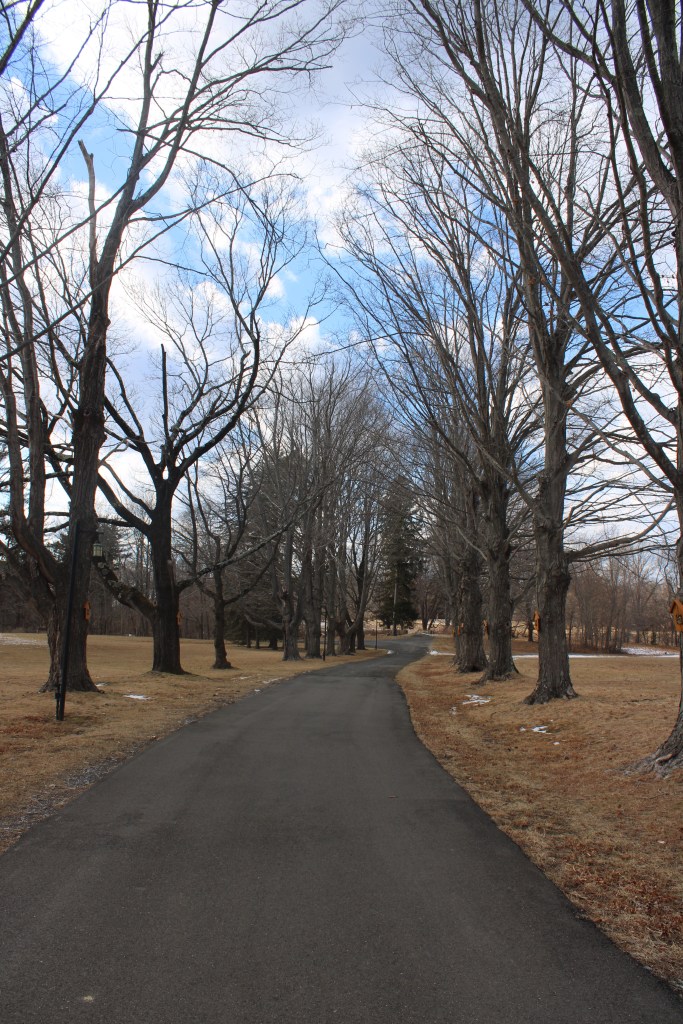
Now, you’re on your way! After leaving (through the visitors exitin the back I believe), turn left and walk down the allée of trees where you’ll cross over an original bridge from Conklin.
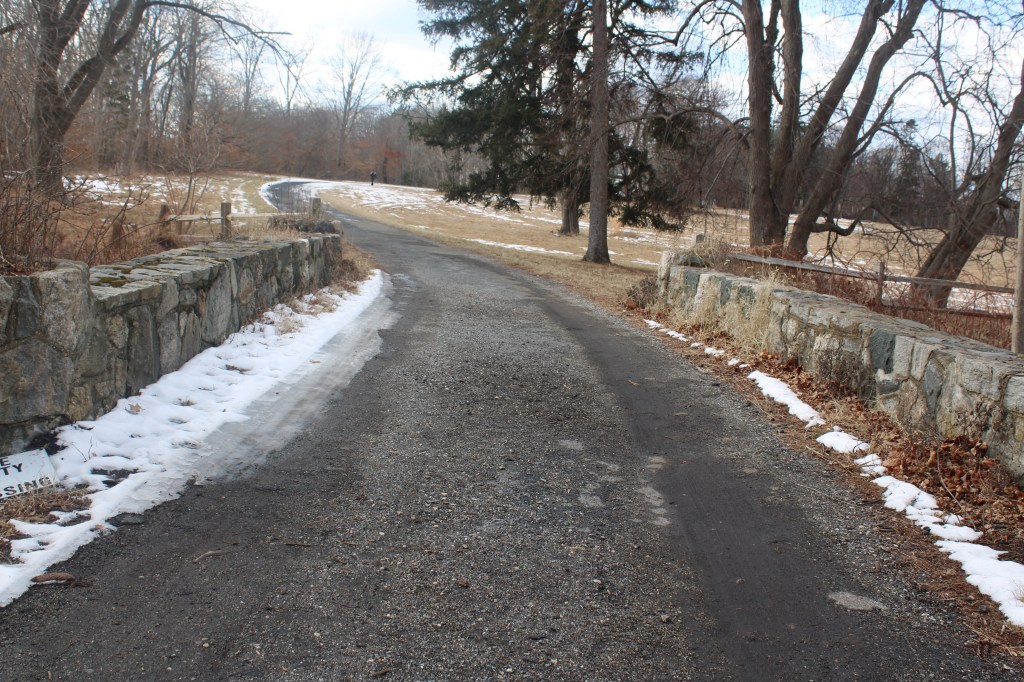
Then, keep walking and you’ll soon come across a beautiful wall with at least 15 pillars (which once held a beautiful trellis walkway).
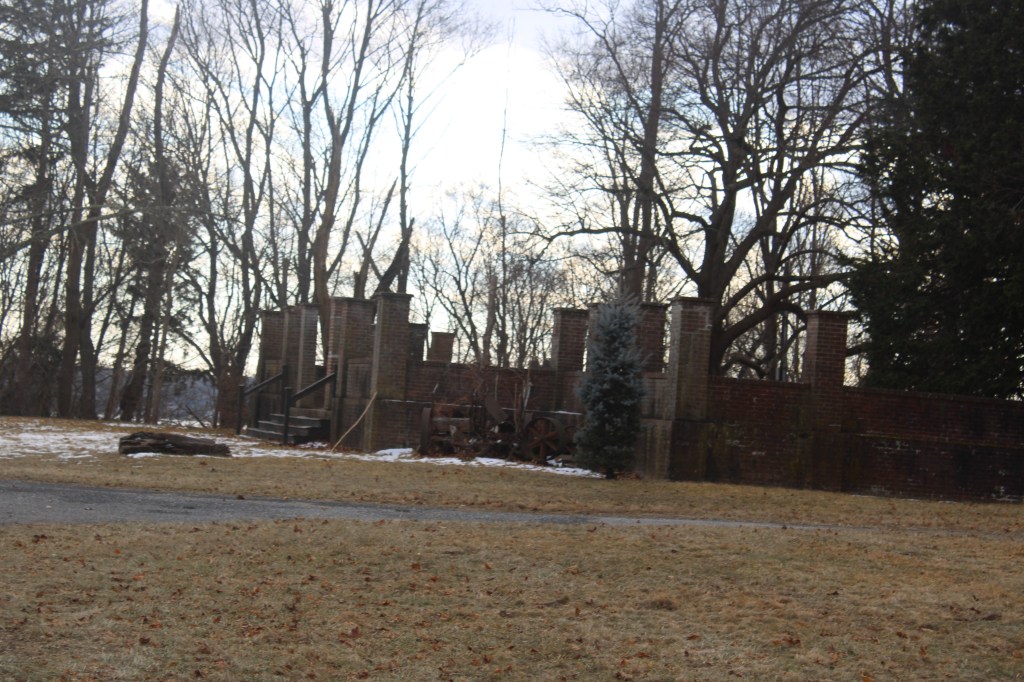
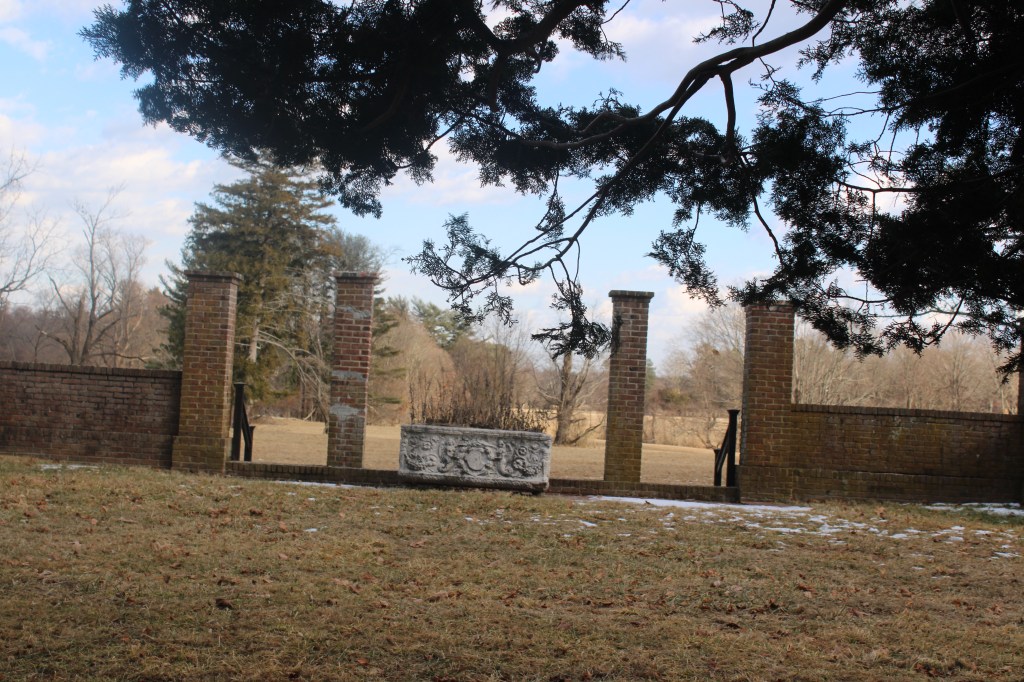
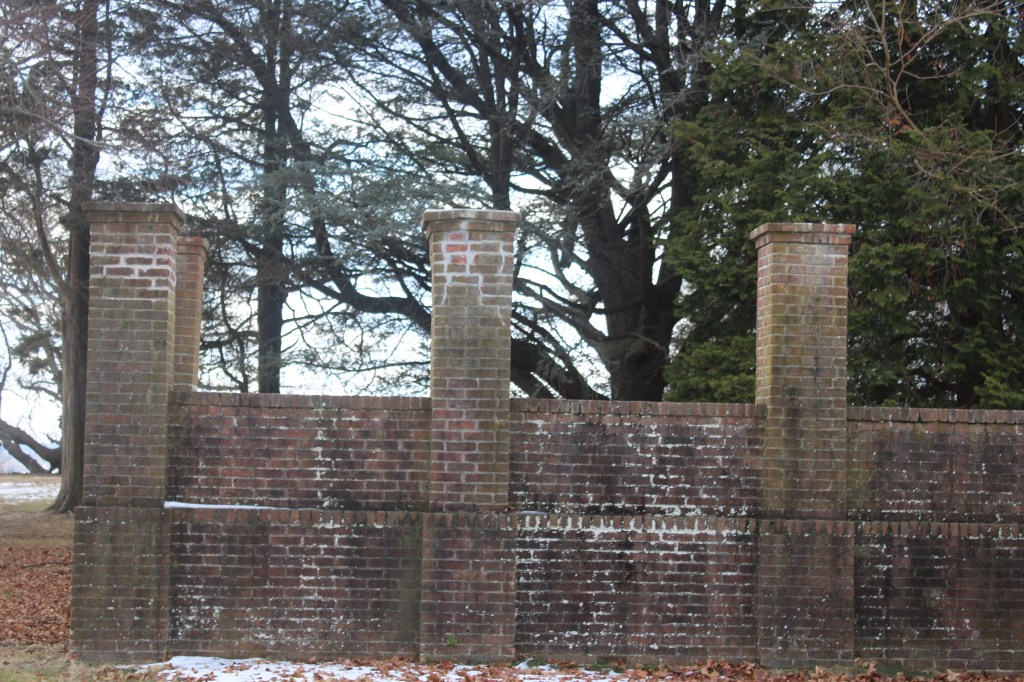
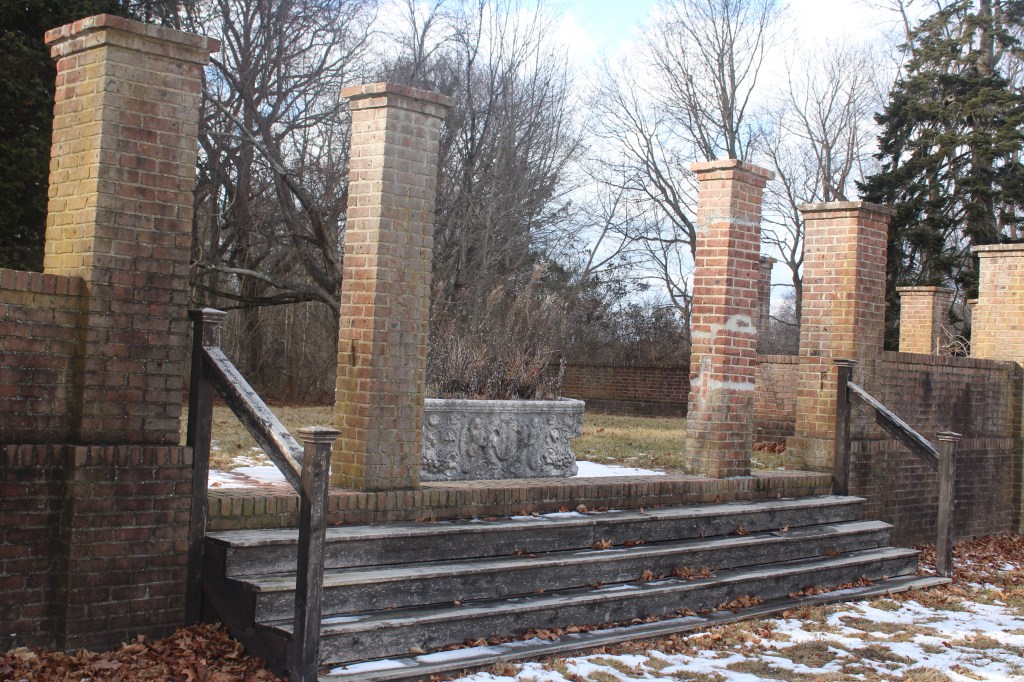
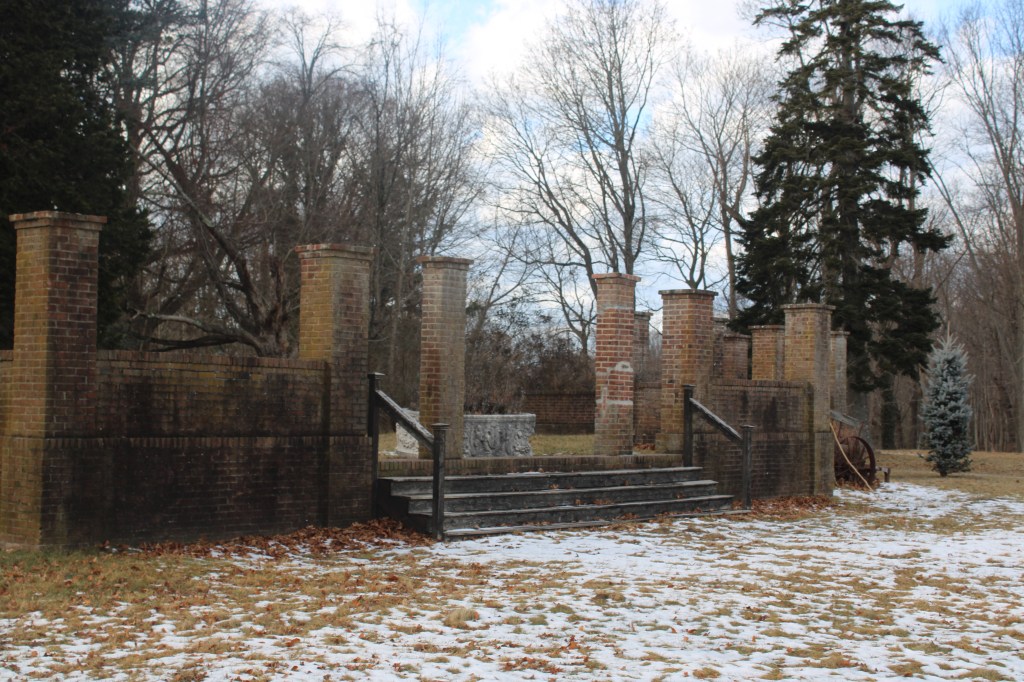
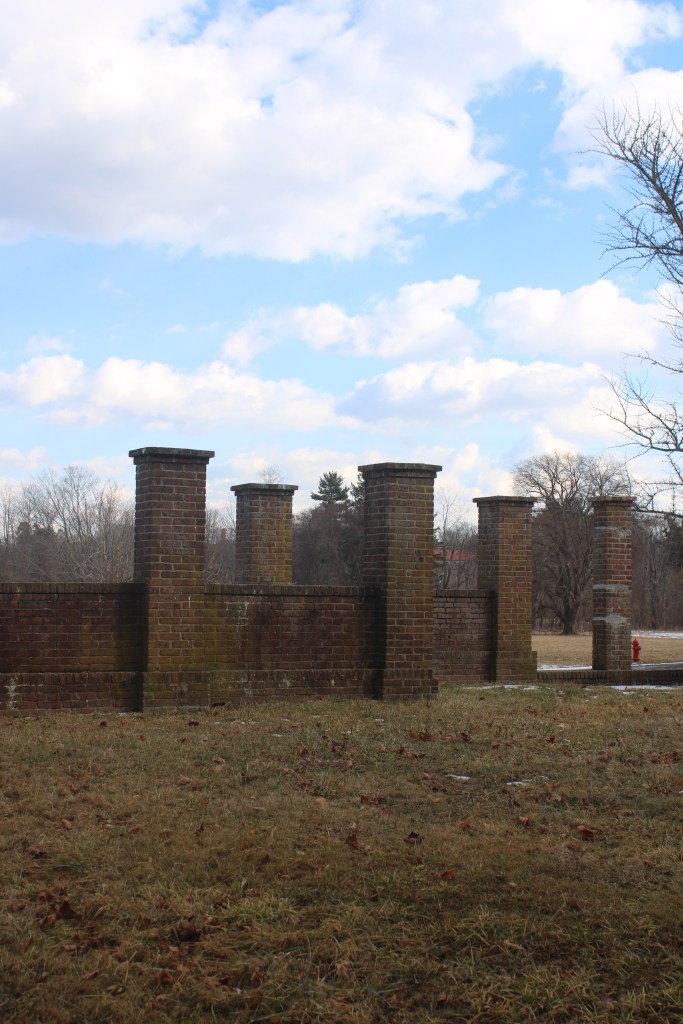
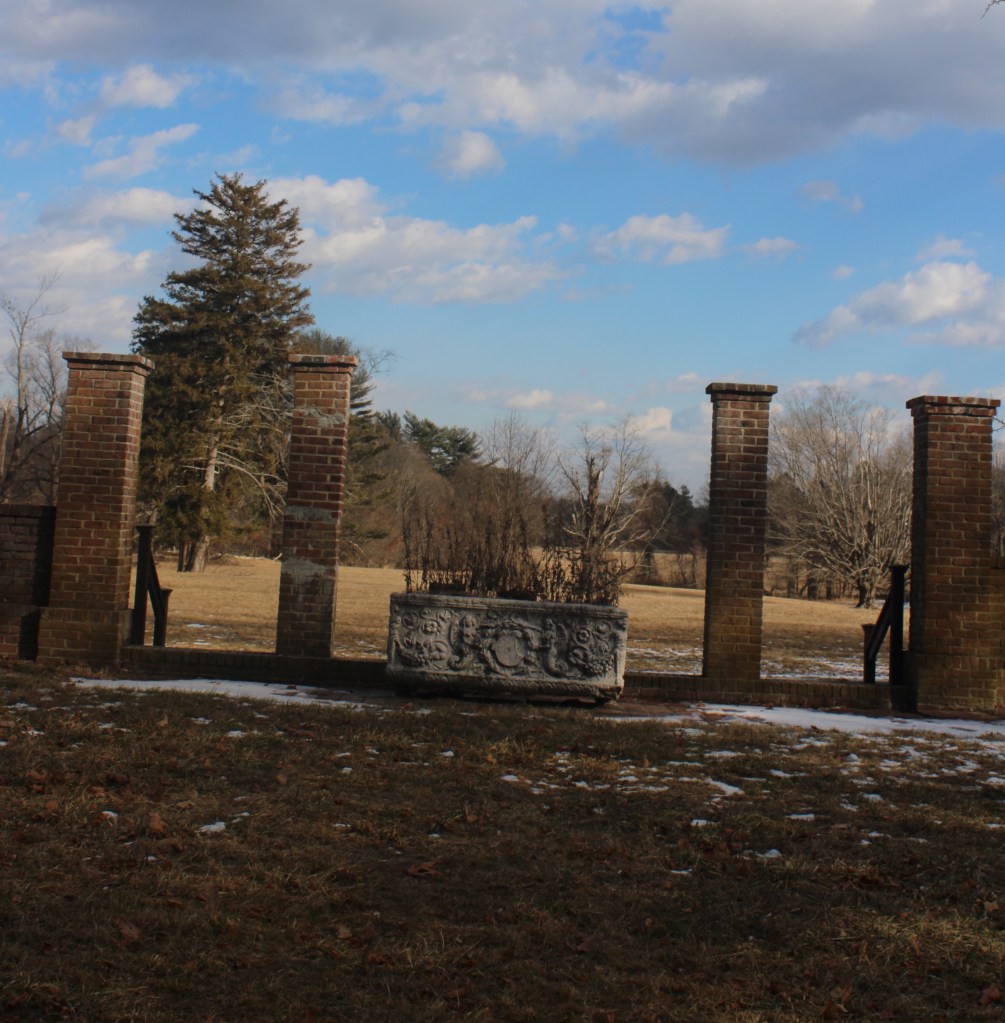
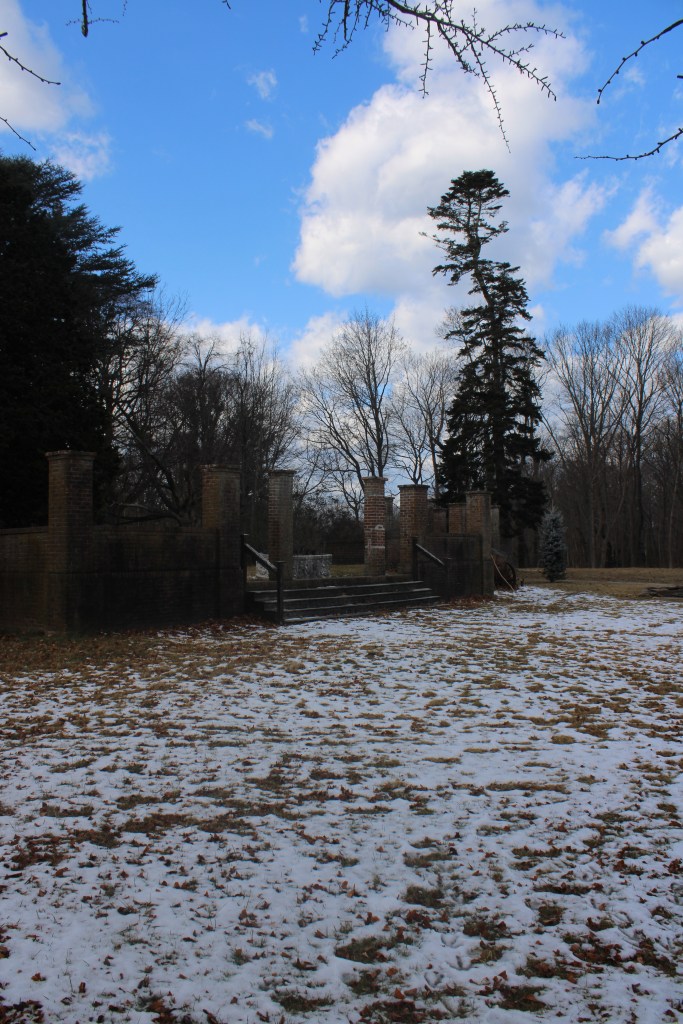
Walk through the entrance in the middle and you are now on the grounds of Rosemary Farm! Unfortunately, what is now a landscaped field with a few pine trees was once a massive garden, one of my favorites on the Gold Coast. Keep walking forward and you’ll find a small sunken garden remnant and a planter ahead.
Turn right and you will see the only remnant of the once massive mansion that was kept and partially restored. This was the original entrance (imported from Italy) which still has all its original bricks.
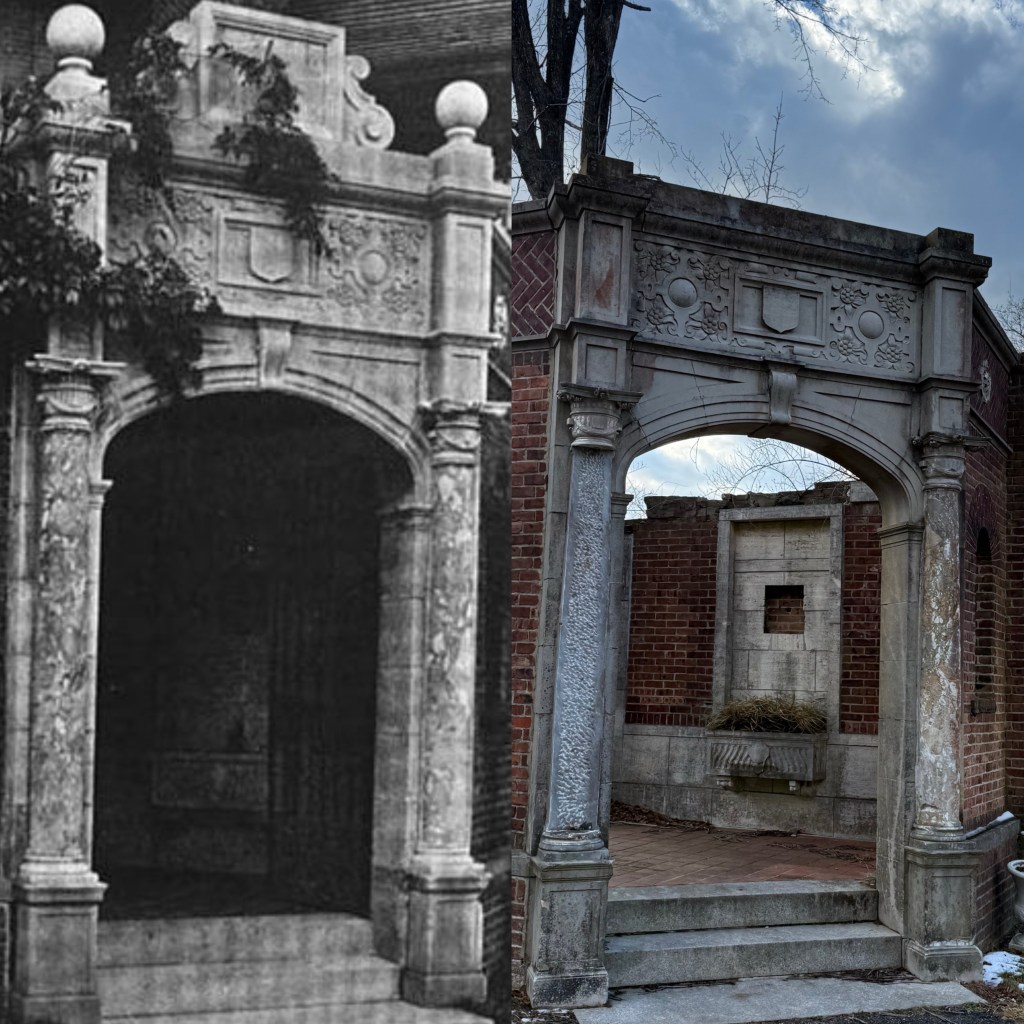
Unfortunately, it’s not completely upkept, as you can see it’s somewhat falling apart.
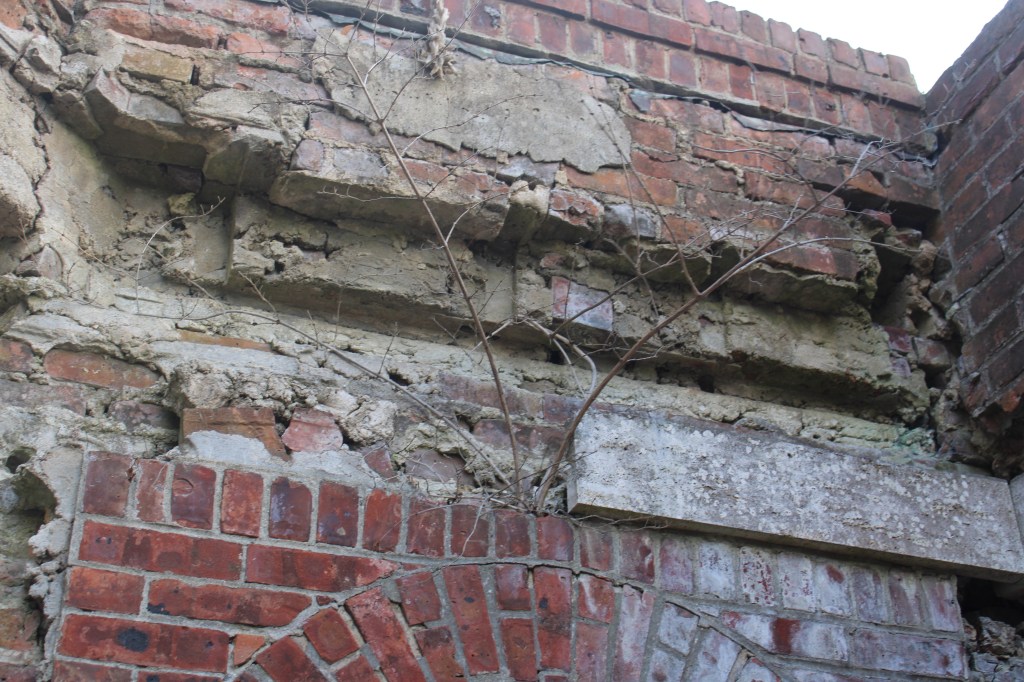
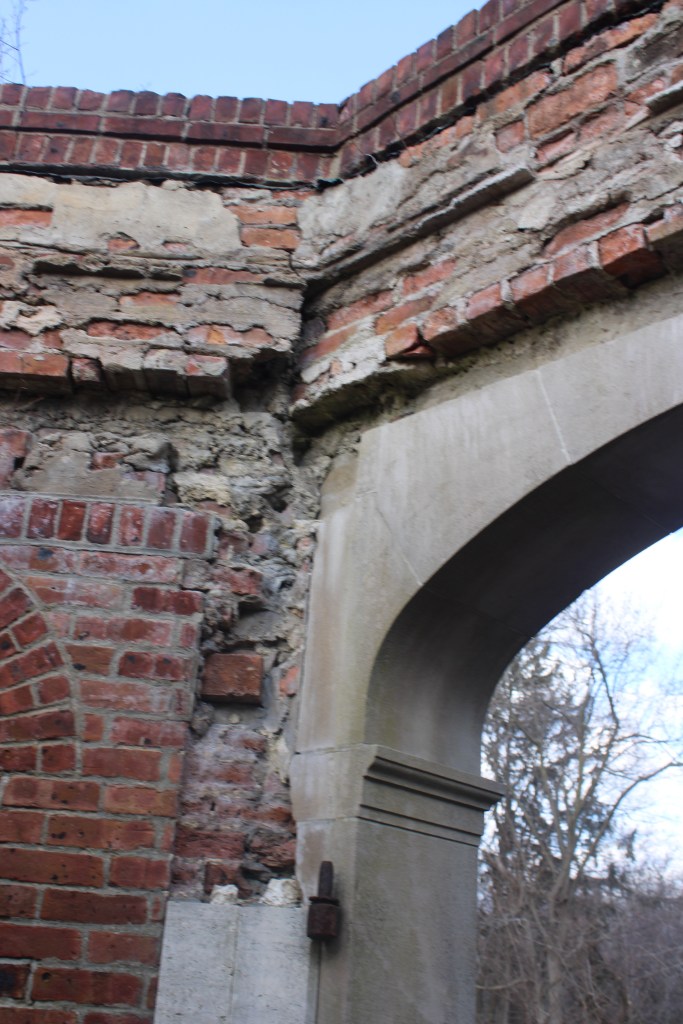
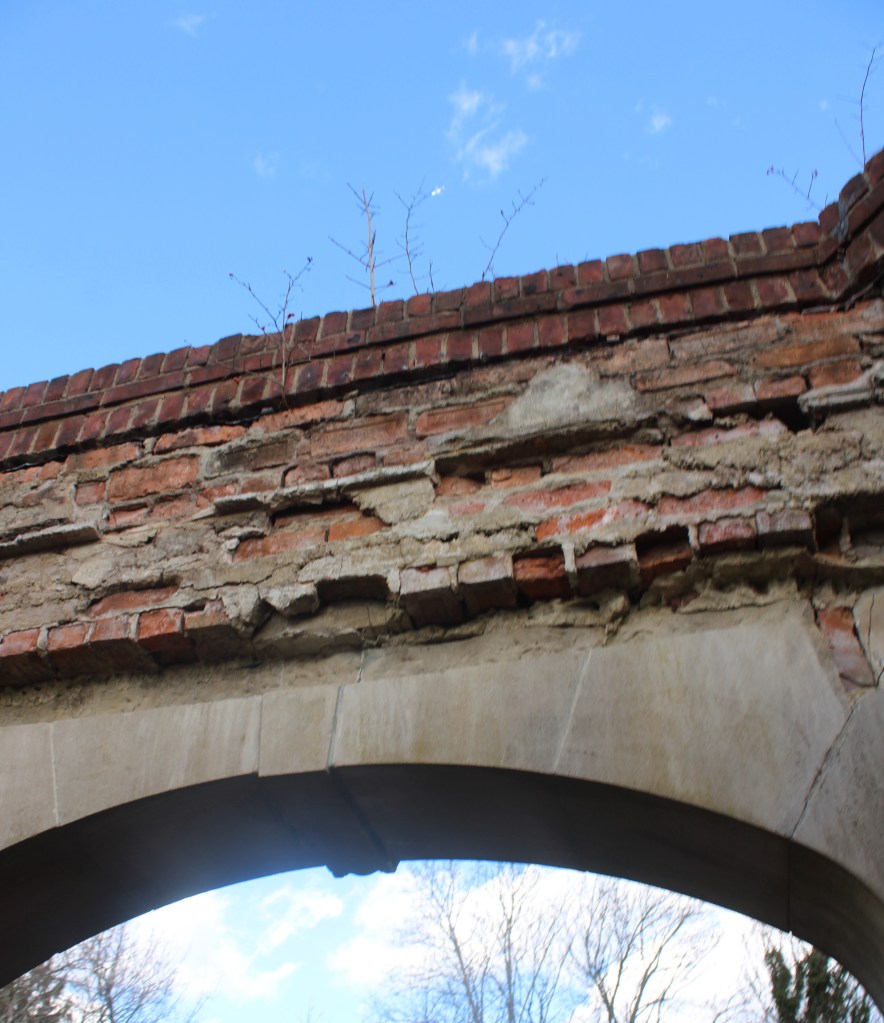

Either way, it’s probably my favorite part of the estate. Anyways, you should then step out of the ruin and turn left to keep walking into the clearing. Here you will find the original terracotta terrace, which is beautifully done and in fantastic quality.
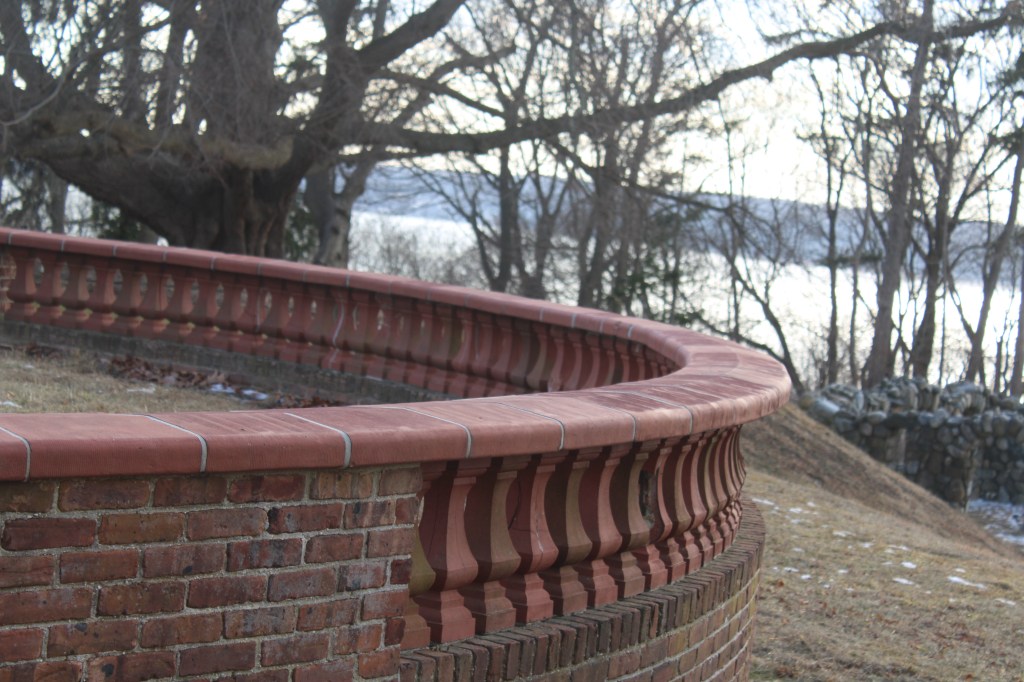
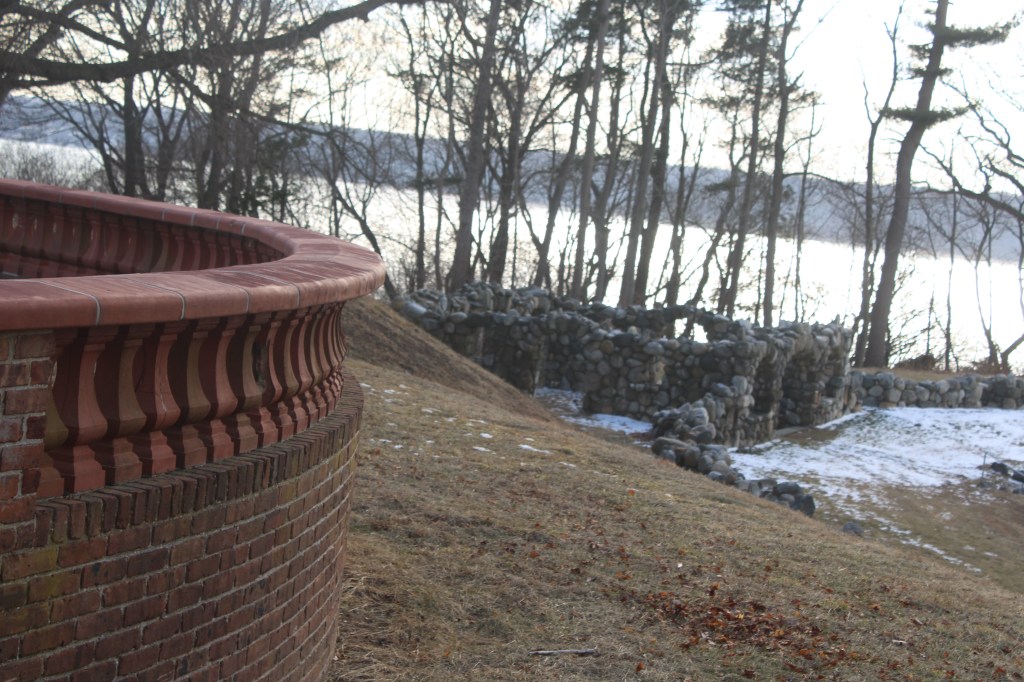
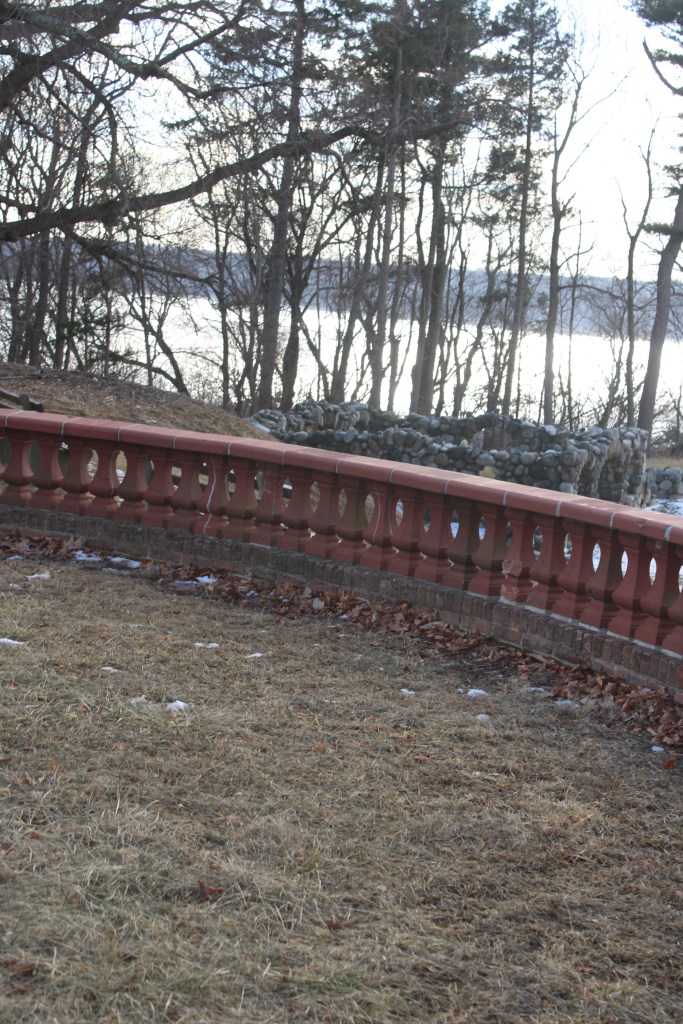
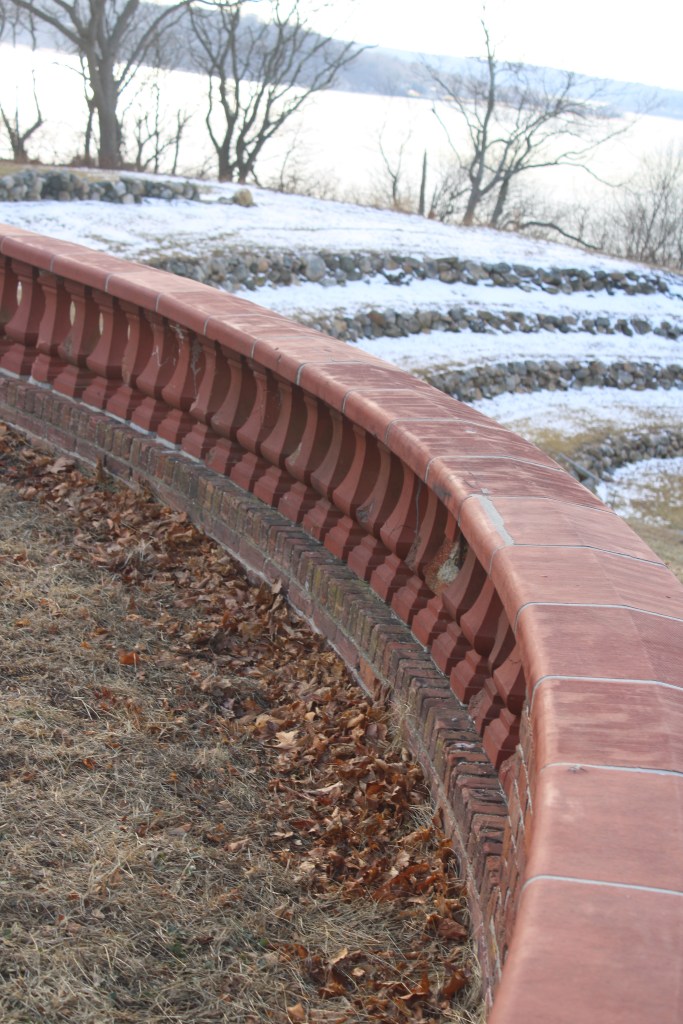
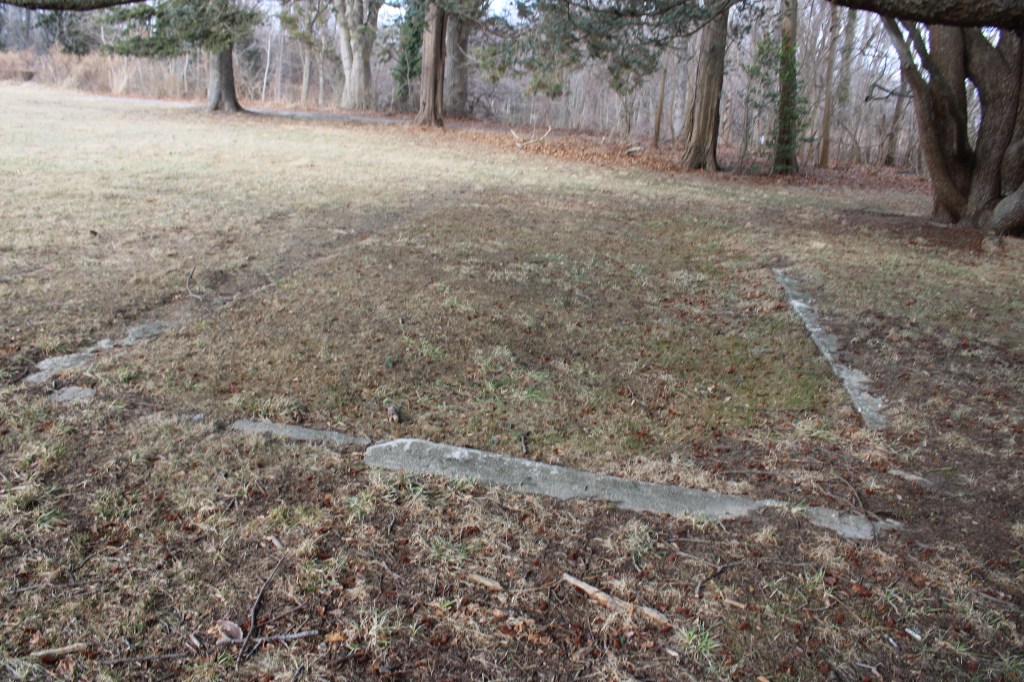
Walk past that and you will see some steps leading you into the massive Ampitheatre (which is right in front of you at this point). P.S: USE THE STEPS!!! I made the stupid mistake of doing an walking down the hill (with steps 2 feet to my right, mind you) and I fell STRAIGHT on my butt, winded as ever. I got up though, and kept touring.
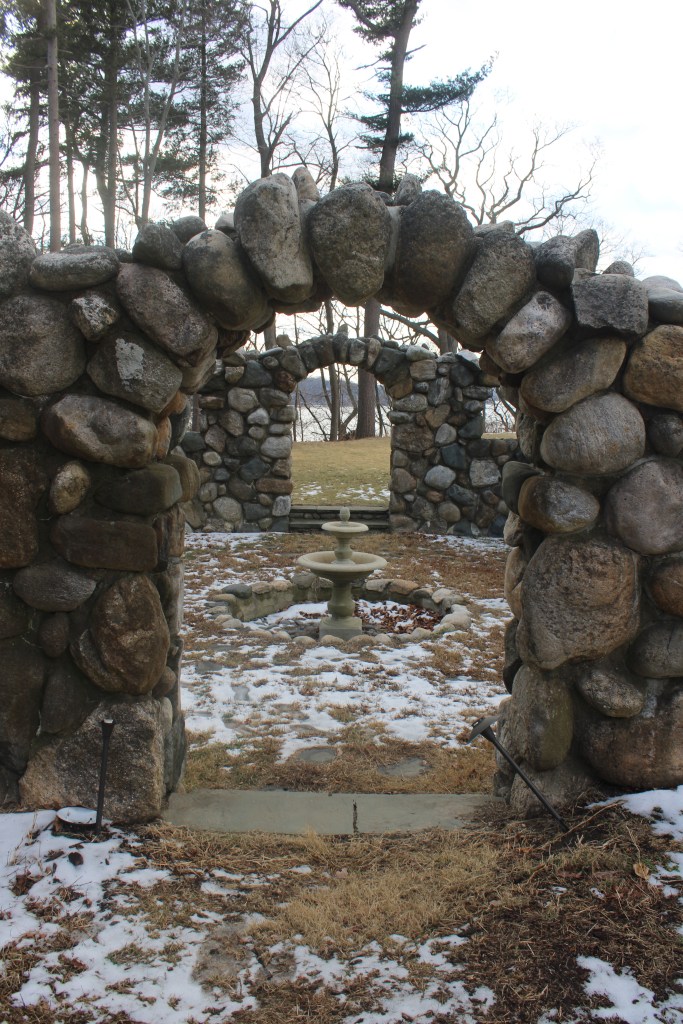
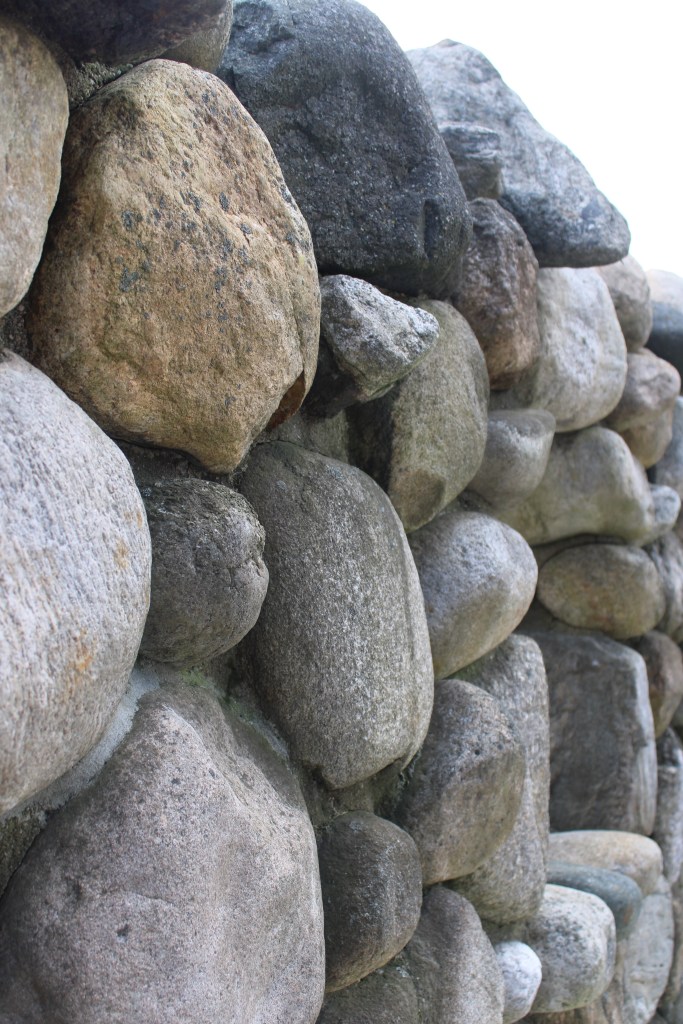
Anyways, once you walk down the stairs you will find a little druid building, which has been also restored and now has a cute fountain in the center. If you’re there, feel the rocks. It’s kind of therapeutic!
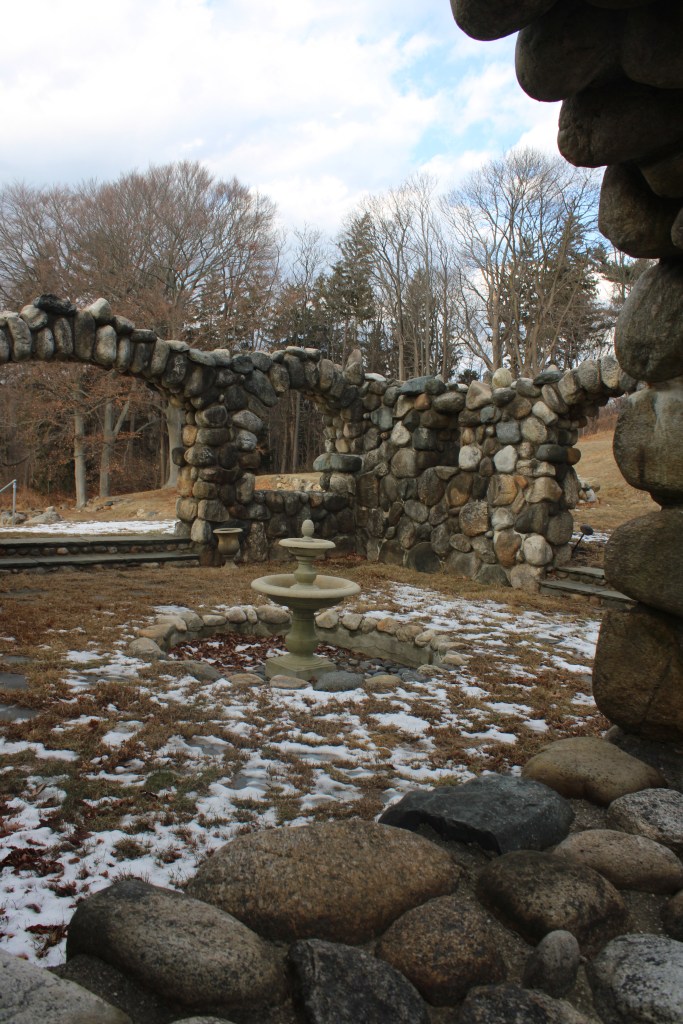
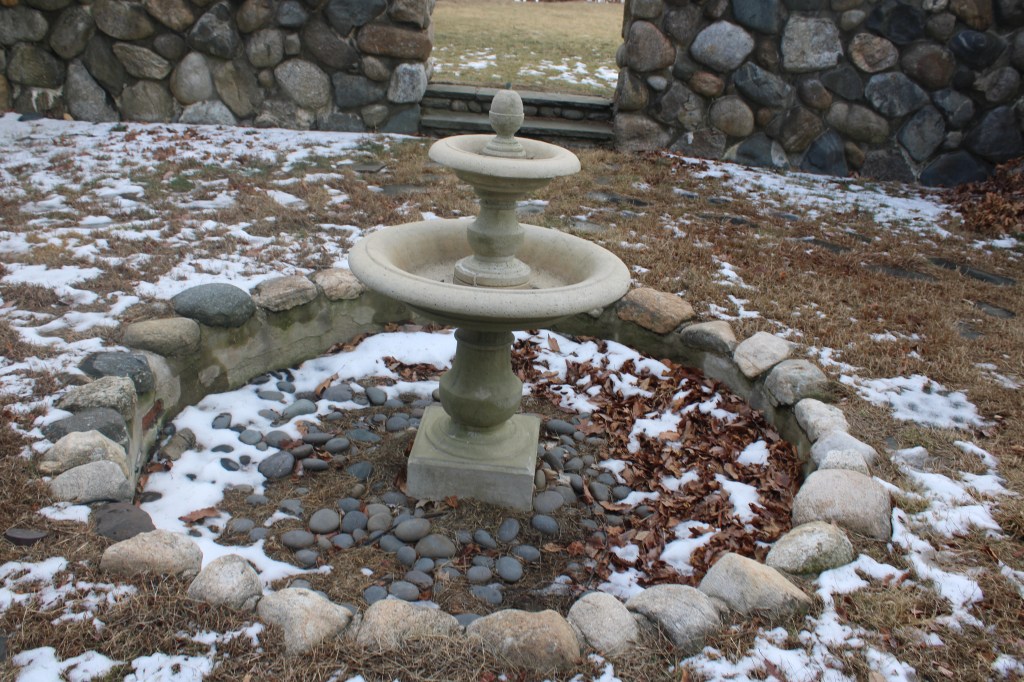
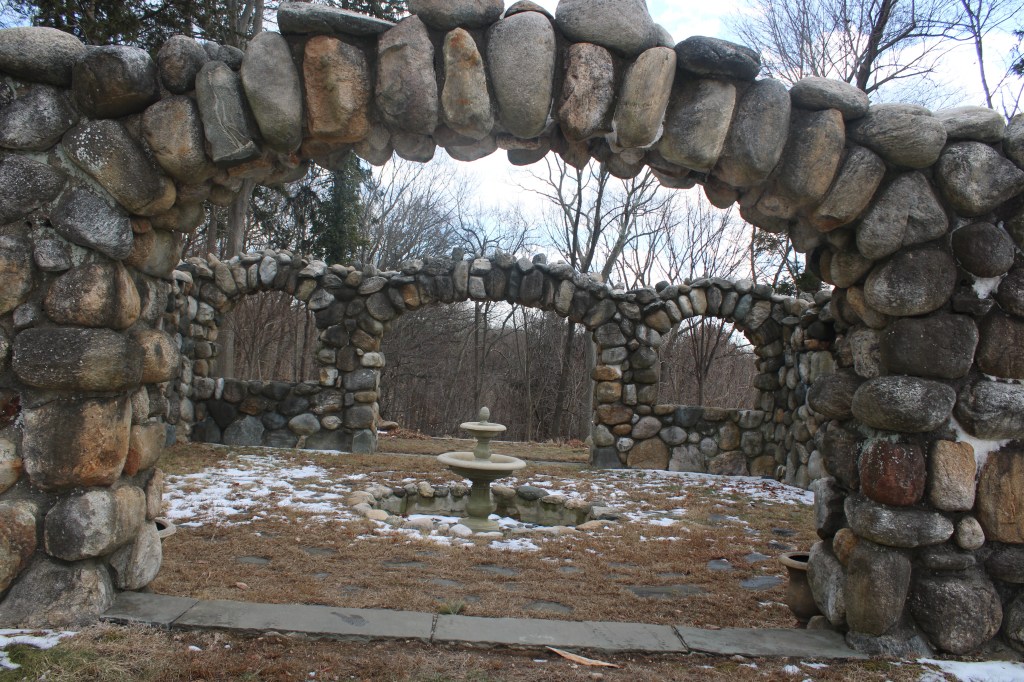
Anyways, keep going and turn right to see the massive amphitheater (which again, is impossible to not have already noticed). This thing is massive, like REALLY massive. With at least 9 rows of “seats” (just grass), you can walk down the whole thing and imagine the sights you’d see 20 years ago.
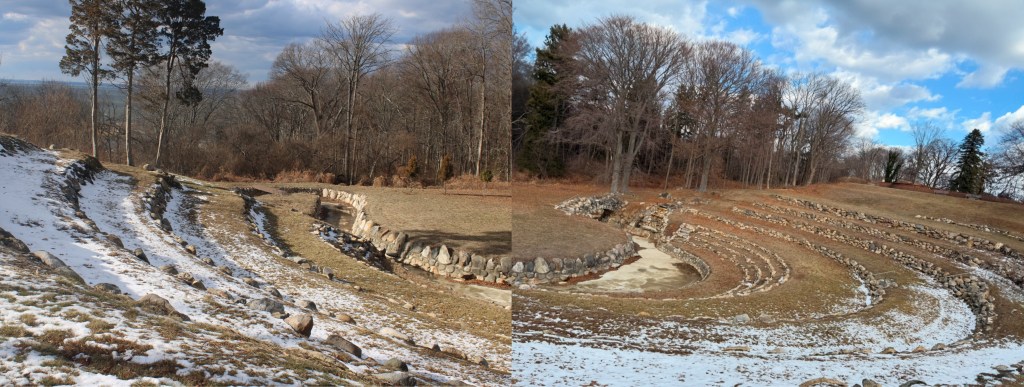
I also recommend downloading some photos too, there’s many online of the performances that would occur here. While I didn’t do this (was still winded from my fall and was on a bit of a time crunch), you can also walk onto the stage and bridges of the stage.
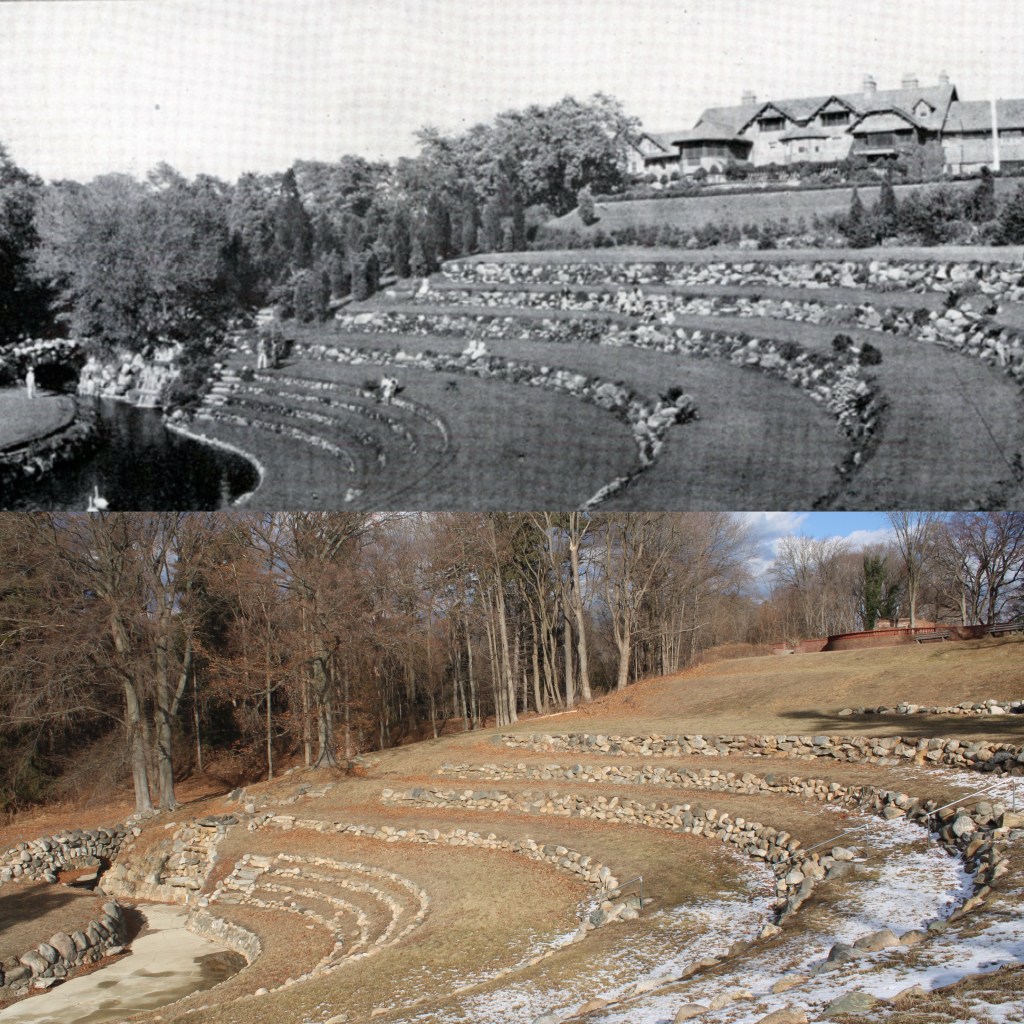
If you also have a keen eye, you can spot where the old man-made waterfall was (which would also shoot out water for a performer arriving on stage back in the day). Anyways, once your visit with the main home is done, you can visit the stables. These were for both “Rosemary Farm” and “Rosemary Cottage.” Unfortunately, both are now gone and the cottage completely plowed.
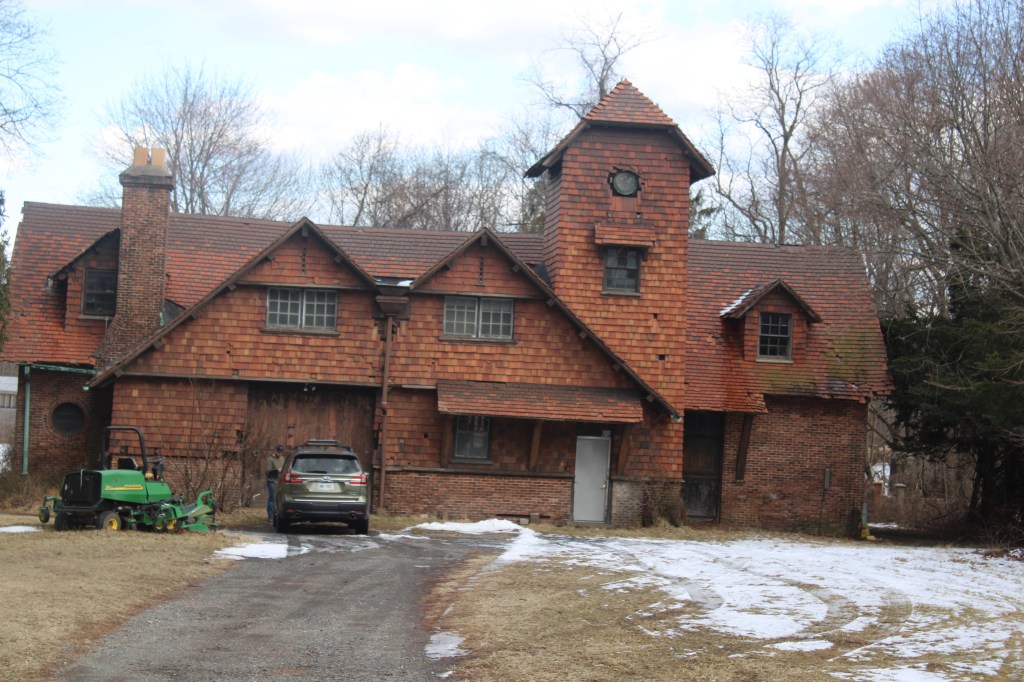
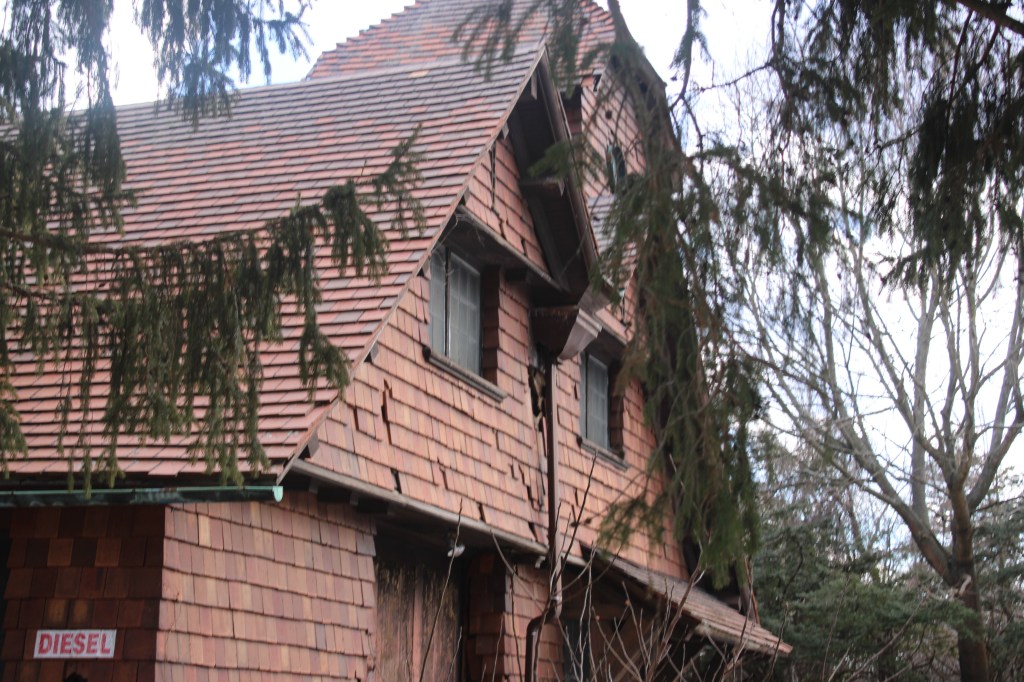
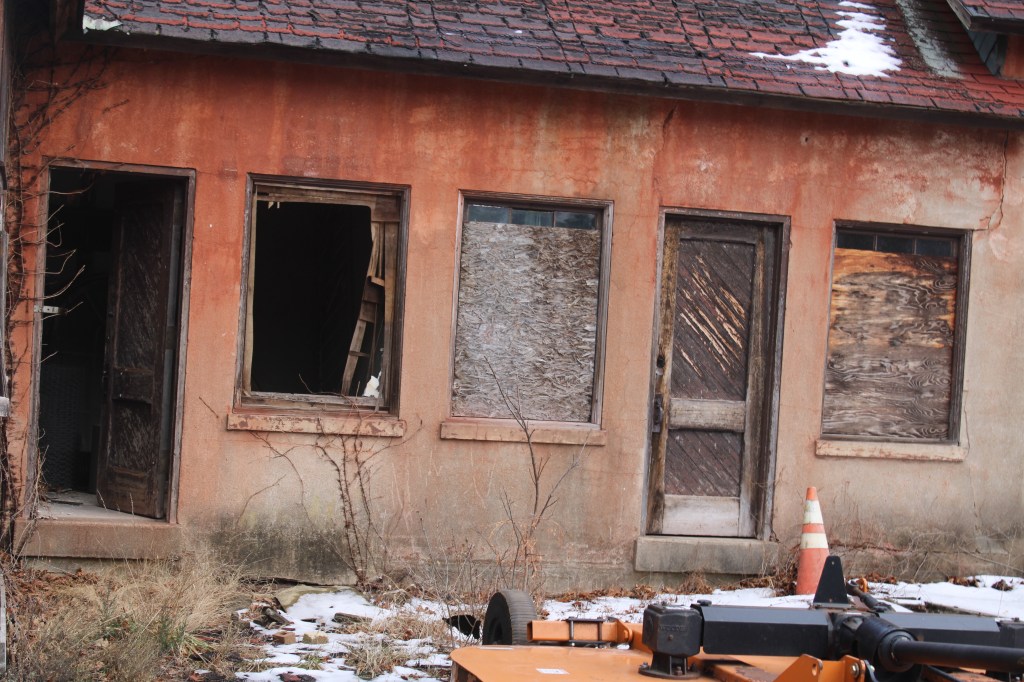
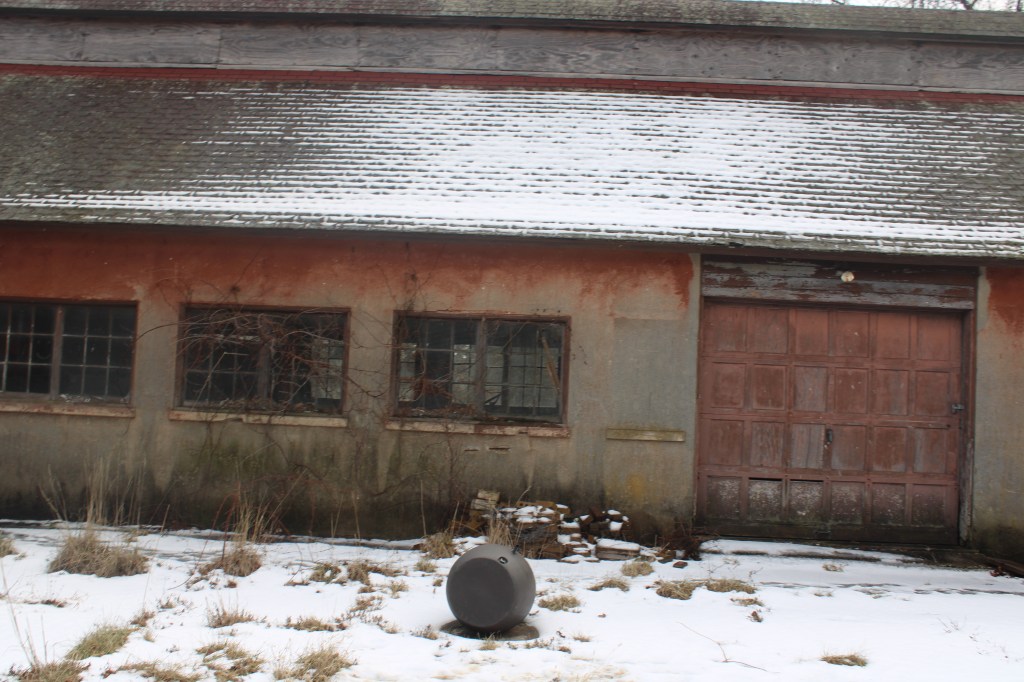
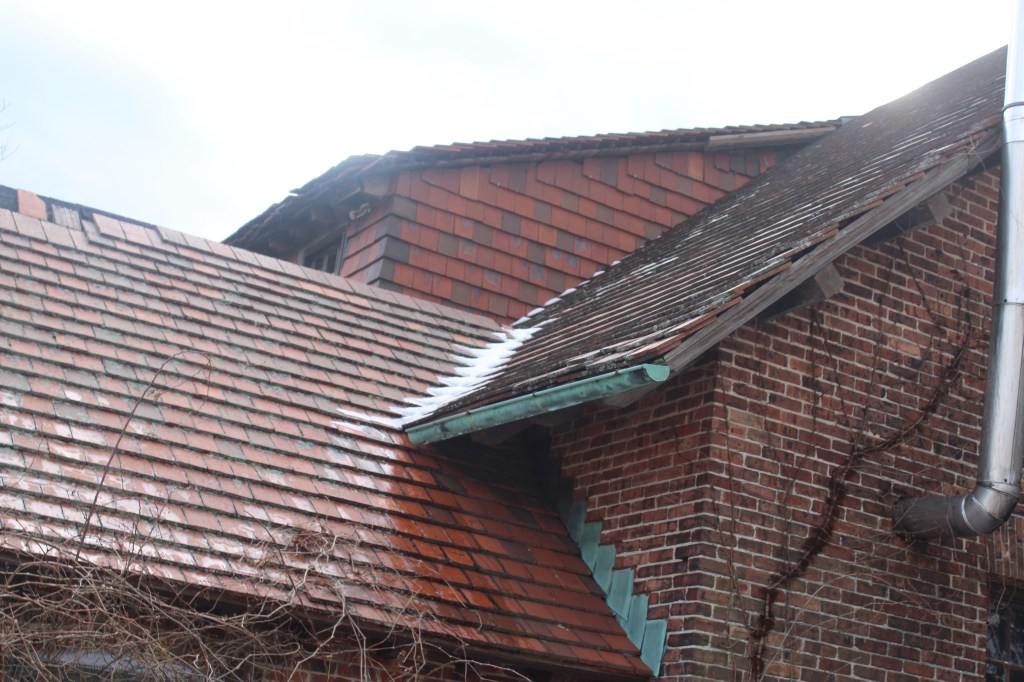
Nonetheless, these stables and farm buildings are beautiful. There used to be an original clock and some abandoned vibes to every structure. (because they are well, abandoned).
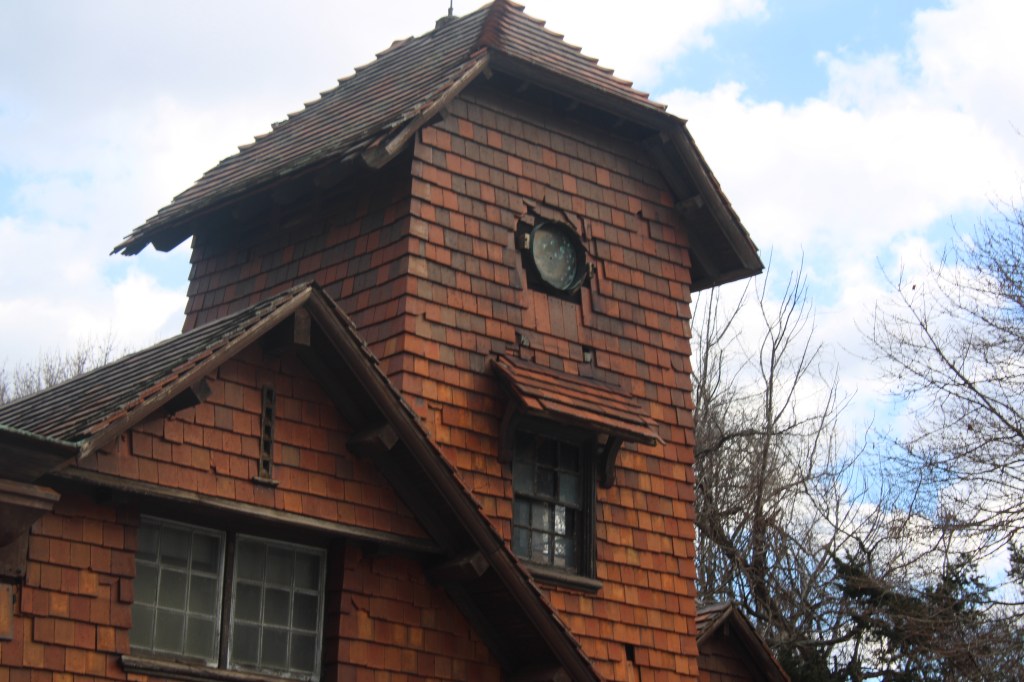
Now, your journey is complete! Honestly, you could spend a lot of time here but I only was there for 45 minutes due to an appointment I had to RUSH to. The good news is, this restoration isn’t over yet. The North Shore Land Alliance (which is responsible for MANY of the preserves on this side of the Island) recently purchased these lands and are planning on building a beautiful preserve out of them (after the village purchased nearly the whole property in 2018). For now, though, you have to go through the kind staff of the Seminary first. Excited to see what comes out of this! Thanks for reading!
NOTE: there’s a little urban myth (as far as i’m aware) in the area regarding this estate. Rumor has it it’s built upon an old war cemetery site forgotten by the Conklins. When the ampitheatre was built on top of the cemetery, they disturbed these spirits and as revenge they killed them off one by one mysteriously (which is untrue as there are very logical reasons for the passing of Mr. and Mrs. Conklin). Then, in 1990, it was a lightning strike that struck the estate (spawned by the dead) which burnt it down. Now, if you’re unlucky enough to stroll across these remains at night, you may come across the spirited performing as they once did…….. Thanks to Mission History for contacting locals and learning of this!
If any bit of this is true, that’s crazy. If it’s not, then the mansion history i’ve told you hopefully suffices!


Leave a Reply