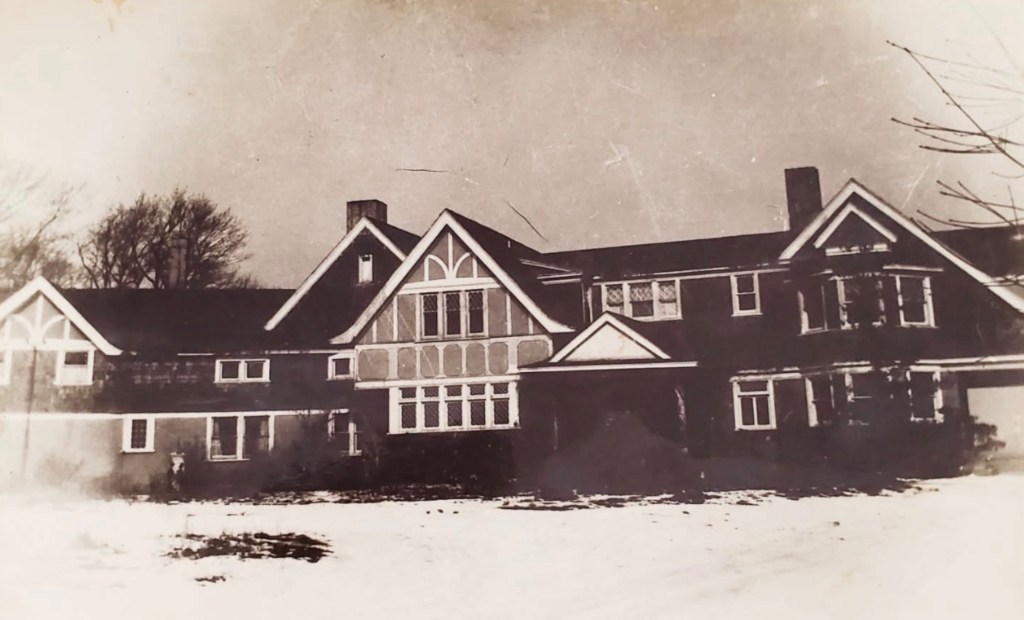
In 1895, Joseph Allen “Joe” Physioc Sr, a set designer and artist, had his New York country home constructed in a small settlement along the North Shore called Bayville.
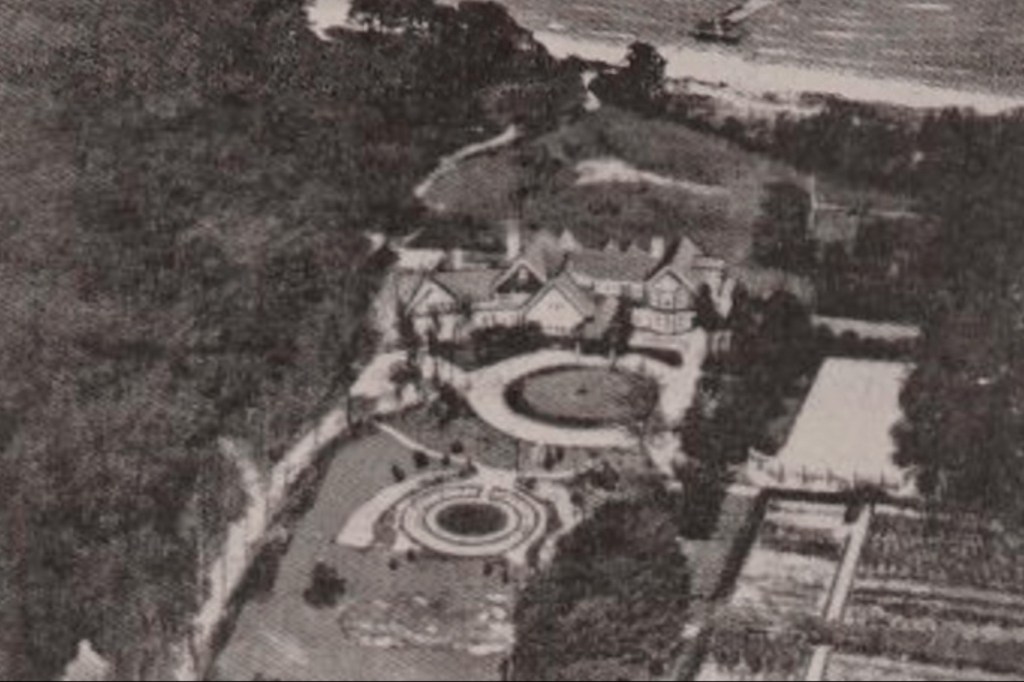
The estate, which stood within an estimated 6 acre long property, consisted of a large driveway with two entrances, a circular formal garden, a beachfront pathway, a private tennis court, some farmland and most importantly the main residence. This structure was of the dutch colonial style, and consisted of 26 beautiful rooms with views of either the Bayville woods or Long Island Sound.
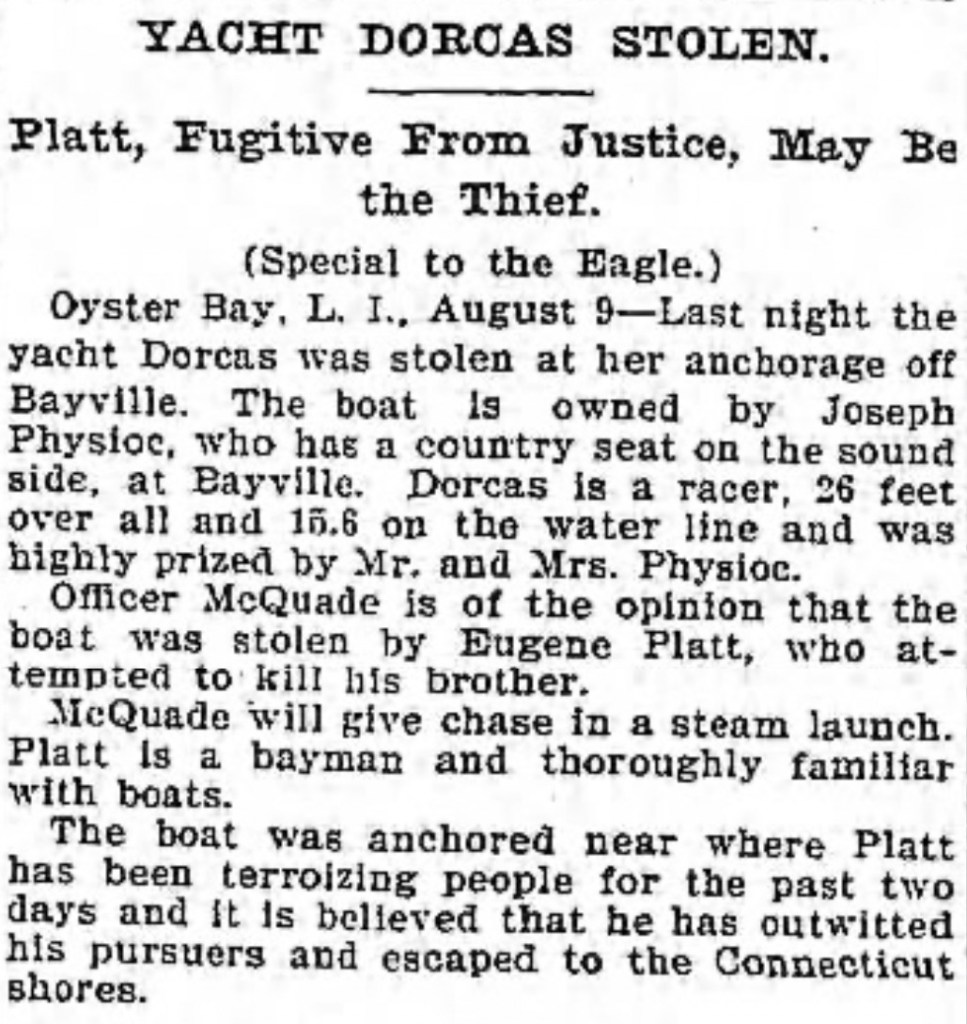
While living here, Physioc enjoyed a wide range of activities and delights year round, such as boat riding (until his yacht “Dorcas” was stolen in 1901).

In 1907, Joseph’s son was involved in a scandalous double-marriage between four 15 & 17 year olds. The couples lied about their ages to a bishop so they could quickly marry on the Physioc property. The family, who found out shortly after, was quick to split it up though it made headlines in the area in the coming months. Later, they married again, just of age this time. Anyways, During most summers, the estate was rented out to wealthy “vacationists” who desired a place to reside at with a view of the Long Island Sound.
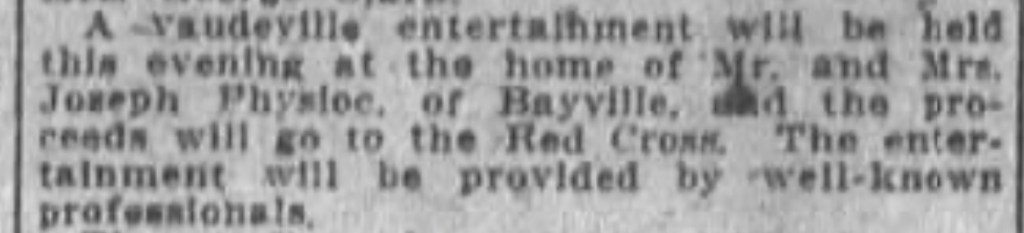
In 1918, the Physiocs held a “vaudeville entertainment” as their residence for WW1 funding with the Red Cross, in which multiple notable socialites and “professionals” attended.
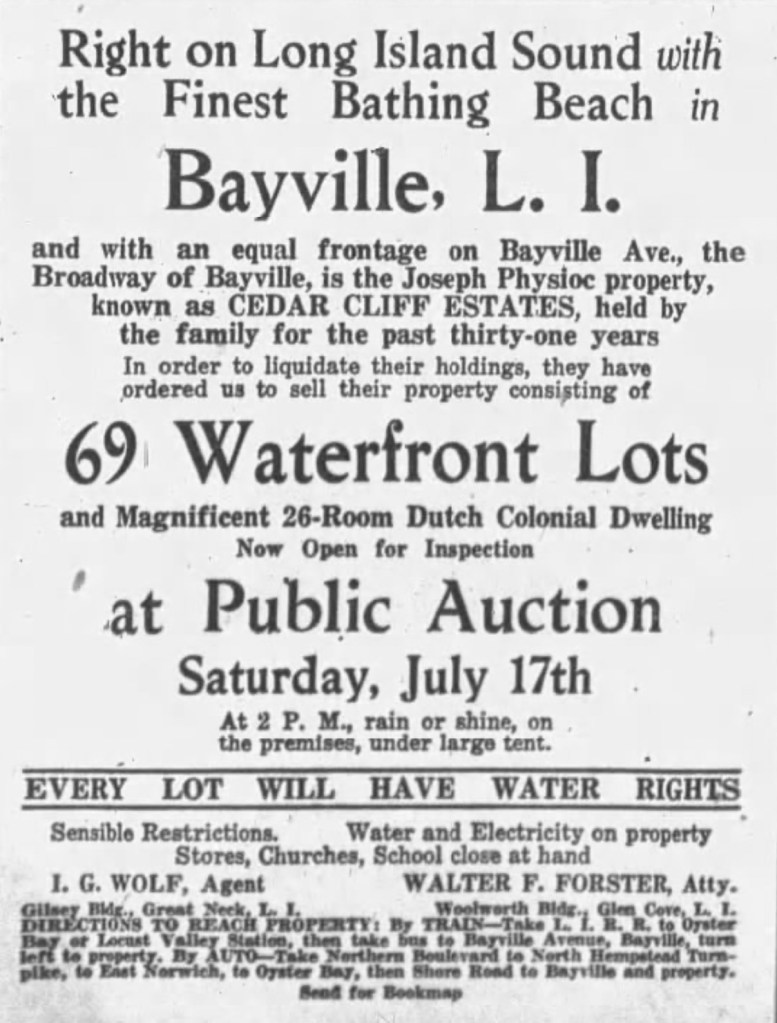
Unfortunately, in an attempt to liquidate their holdings in 1926, the Physioc family called upon William Kennelly Incorporated to convert the property into a neighborhood of 69 lots.
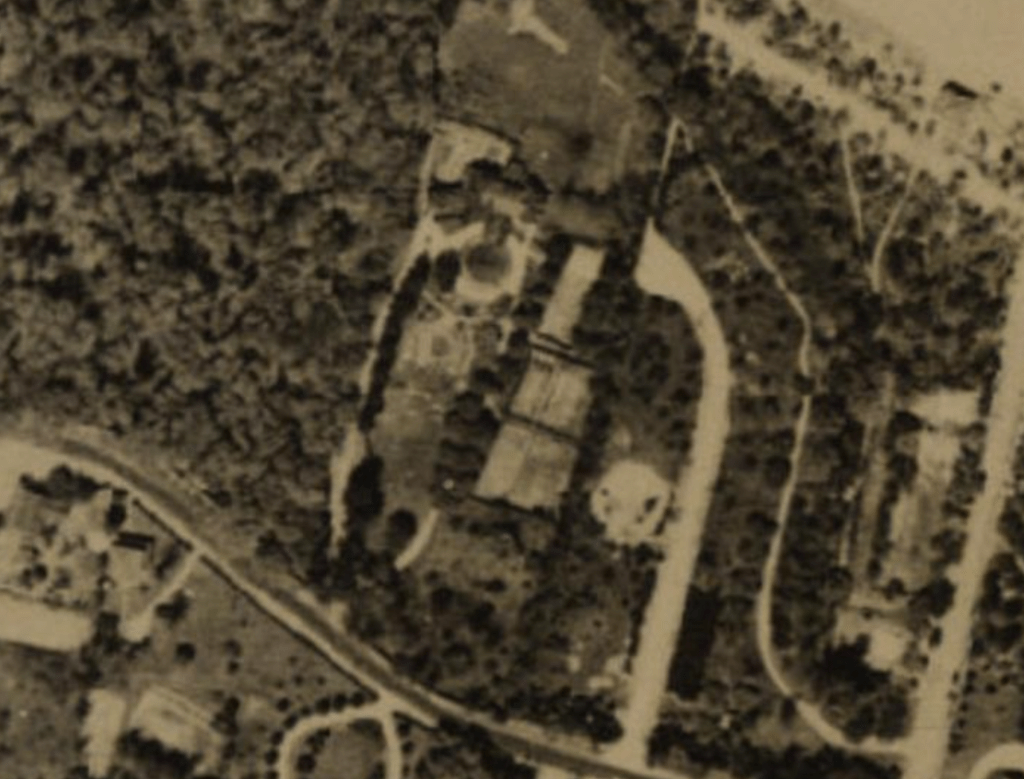
While the home was to be kept standing, the rest of the estate would be ripped down for the new homes. By the late 1920s, most of the “Cedar Cliff” property was cleared for redevelopment. With these major changes ongoing, Joseph Physioc and his family had to make a big decision. Was the home to be sold or not? Eventually, they chose to put it on the market. With a prime location and waterfront view, the home was understandably sold quick.
I must note, there are some inconsistencies: While it’s possible this purchase happened in the 1930s, some historic newspaper articles noted such a selling has happening in 1926. It’s possible this was just the Physioc family selling spare land, but I can’t confirm or deny then.
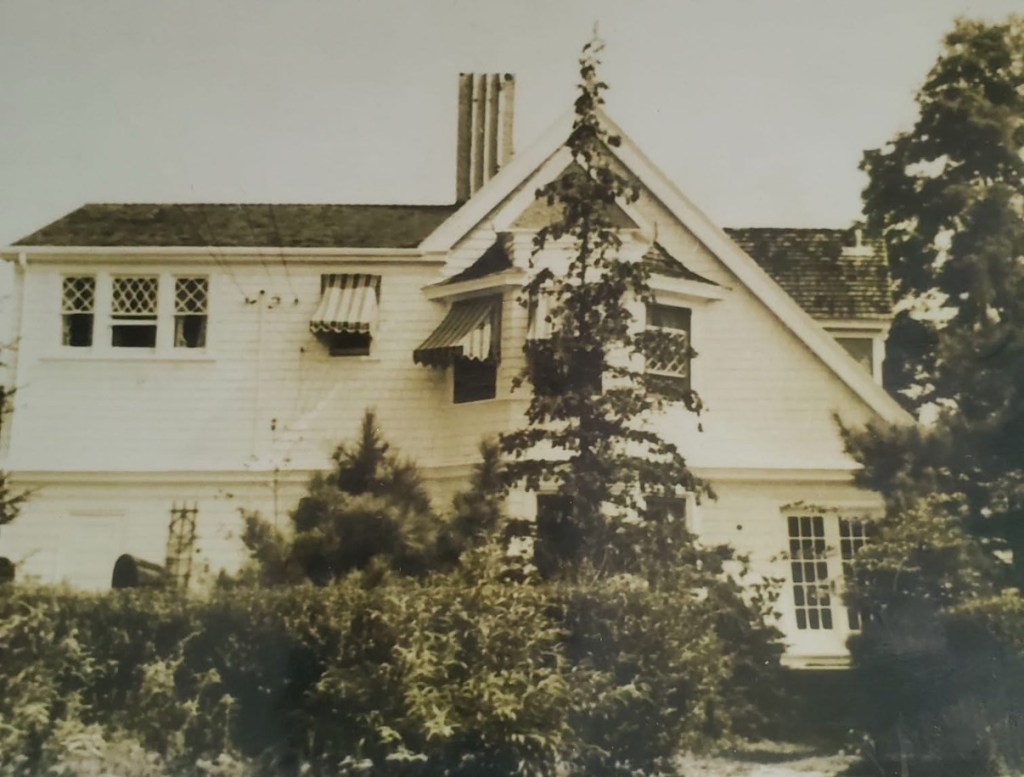
Anyways, the home would see its second and final (complete) change of hands in the late 1930s. It was then that a family by the name of the Leitners bought the house in its full grandeur. Sadly, the Leitner family made a tough choice (shortly after purchasing) to cut the house in half. According to Jane Leitner, who lived there at the time, the upkeep of such a grand mansion was simply too much. So, the split was soon completed and the house now stood at a third of its original size. It’s also important to note that the Physioc’s still lived in the area, but likely in a much smaller house. Nonetheless, the Leitners would reside at that small house-half for the next few decades. During this time (the 1940s, to be more specific), the entire property was finally built on.

It was in the 1970s when they finally moved out, with Jane moving to a smaller cottage (built by her father in 1952) nearby and the rest finding themselves far away. Luckily, this means the home would only see one final change in owners. Just that would happen in the late 70s when Pam Curran Henry’s family bought the residence. Today, Pam & her husband Jim live at the house.
So, how did I get the chance to tour this house?
Well, the story begins about a month and a half ago. At the time, I was beginning a project that documented and located all of the Gilded Age mansions to be built in Bayville, New York. Of course, this meant I had to be analyzing residences that have almost no documentation online. It actually took a lot of deep diving and researching to simply found out “Cedar Cliff” ever existed. But, when I did, I discovered something incredible.
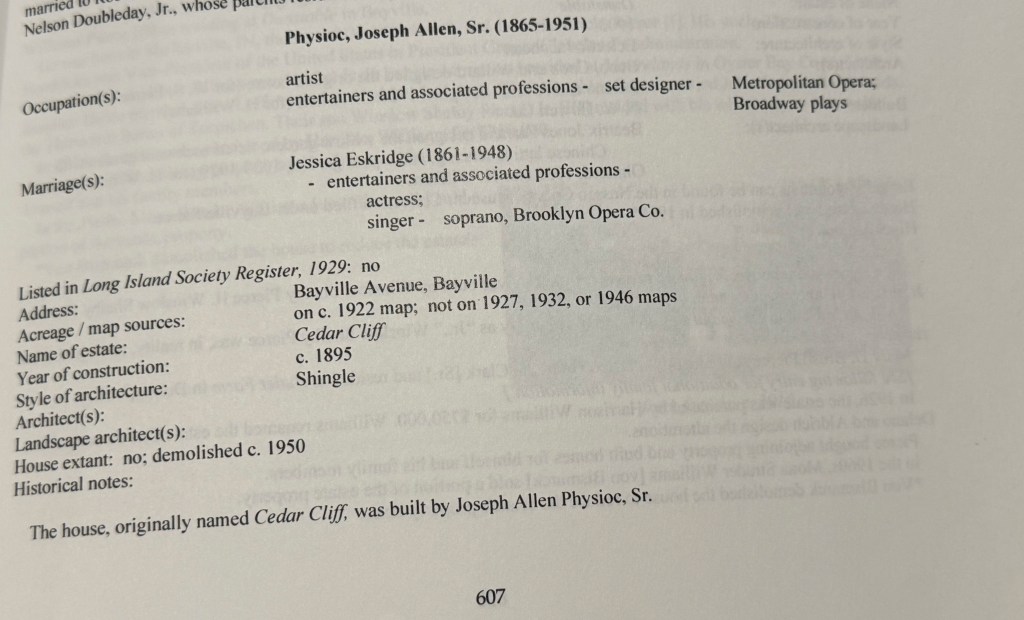
To start, every source I could find on the house either implied or directly stated it was demolished. None gave a date or time period, but all made it clear this home was no longer extant. But, I wasn’t that convinced.
Having found a forgotten Gilded Age home still standing (but in half) just a few days before, I wanted to see if locating “Cedar Cliff” would peak my interest.
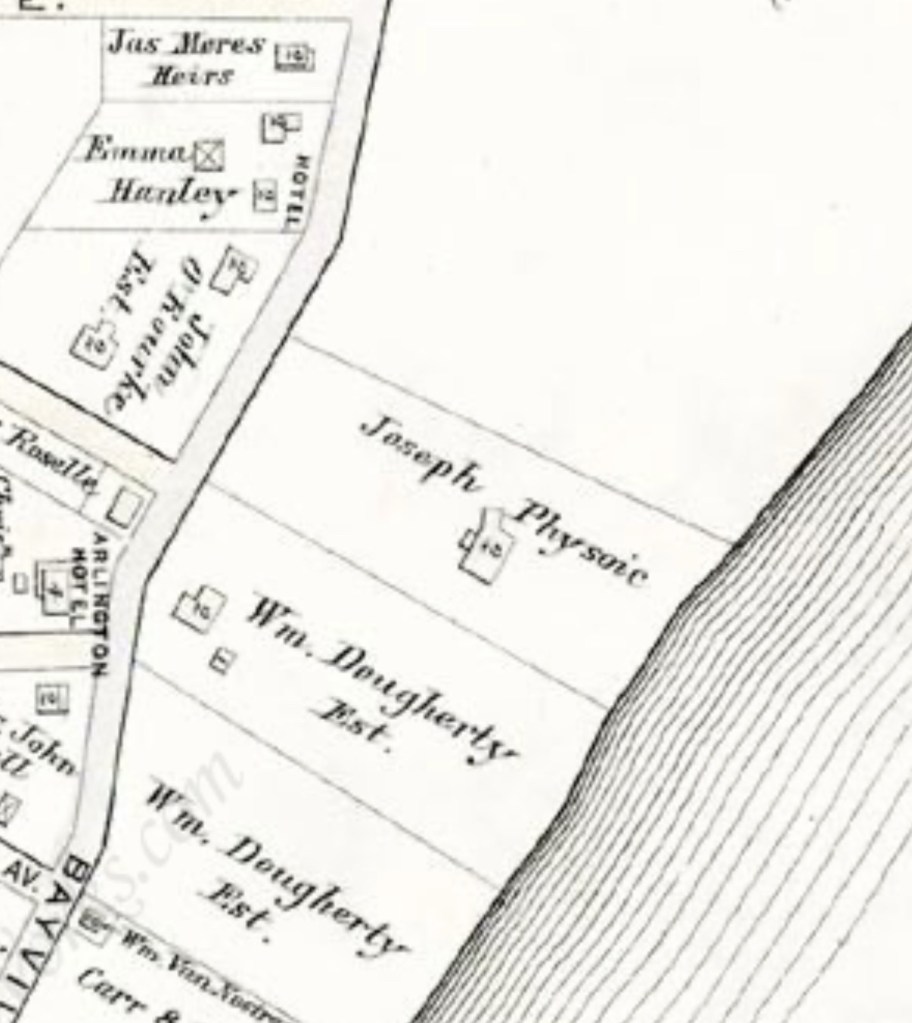
It took a bit of digging, searching through old maps, and pulling up historic aerial imagery to find the exact location of this mansion. But, I soon had an all-to-familiar revelation. Standing directly on top of Cedar Cliffs former location was a unique house. It resembled a much older architectural style, and felt.. incomplete.
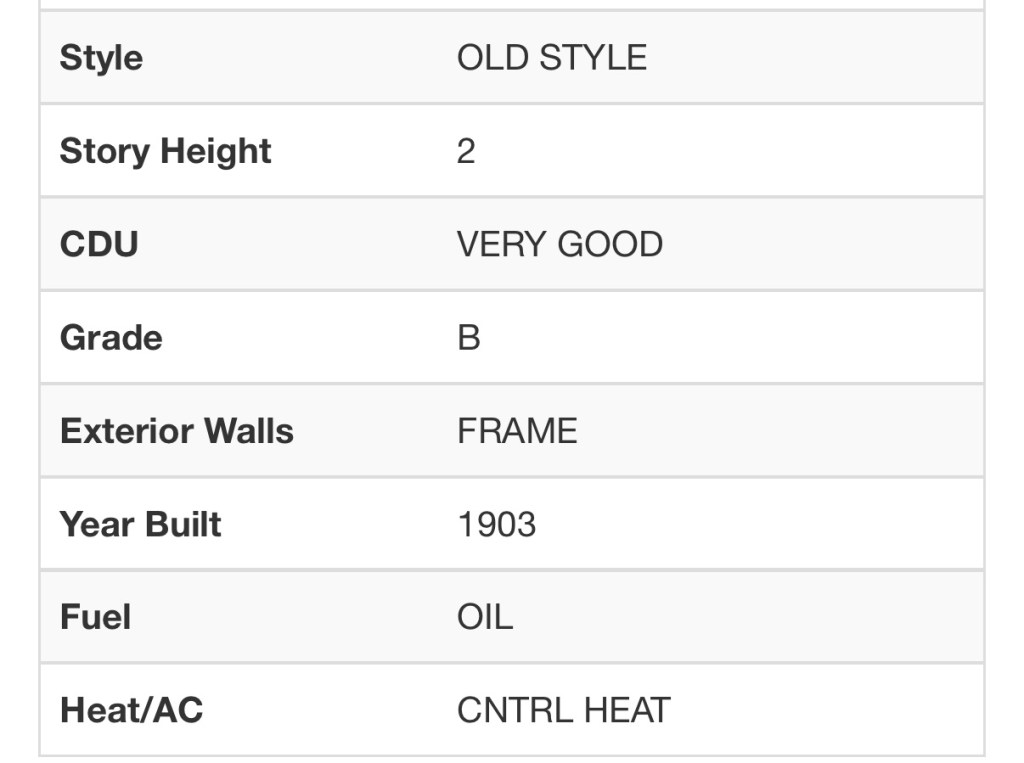
So, I pulled up some county records and saw the house was dated as 1903. While that wasn’t the building date of “Cedar Cliff”, I know that MANY of the construction dates on said records are often off by upward of ten years. Along with this, I also noticed that no houses surround this structure were built before 1940, further leading me to believe this building was of importance.
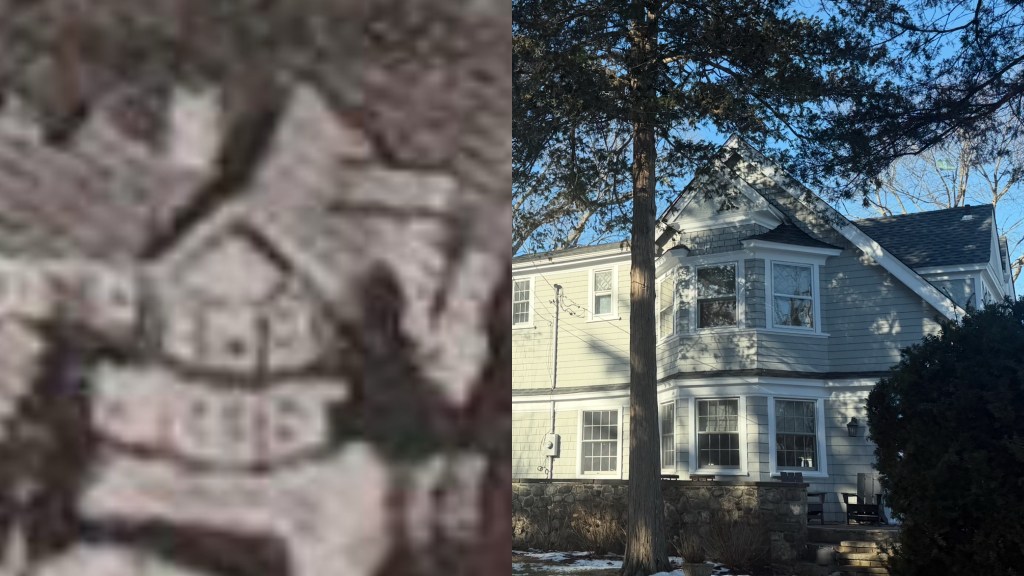
The final revelation, though, was when I put it side by side with an aerial of “Cedar Cliff”. Doing this satisfies my hypothesis; this still-standing building was once part of a larger mansion.
With this new information, I posted my findings online and got a variety of responses.
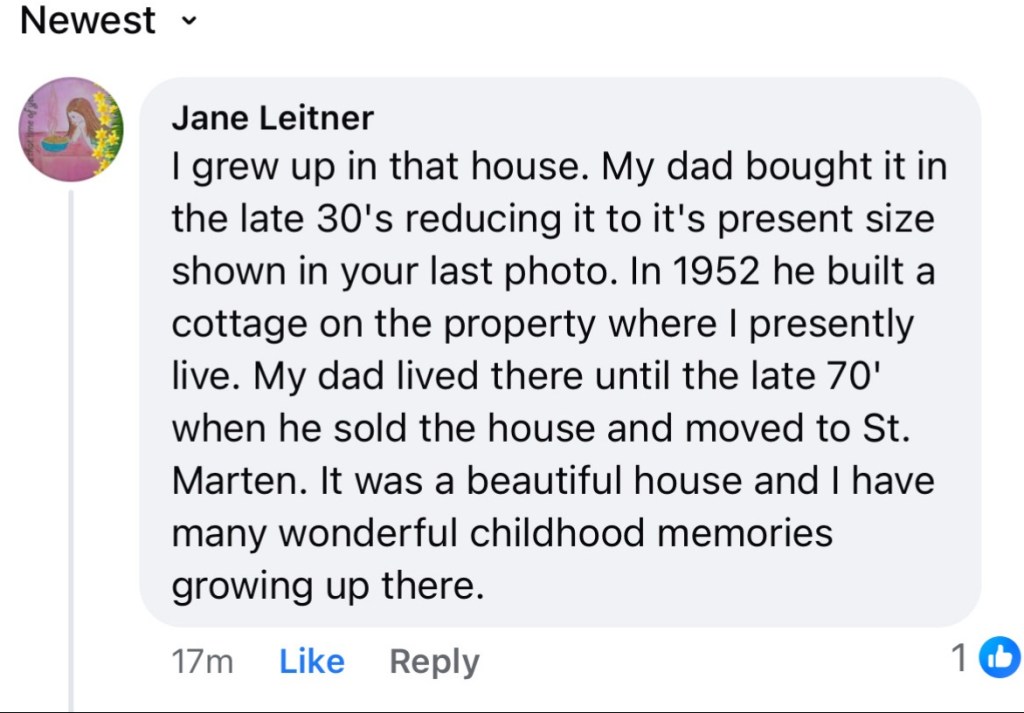
For one, the former resident Jane Leitner cleared up some facts and confirmed it was her family that tore down the remaining part of the mansion. Along with that, she shared some great photos with me.
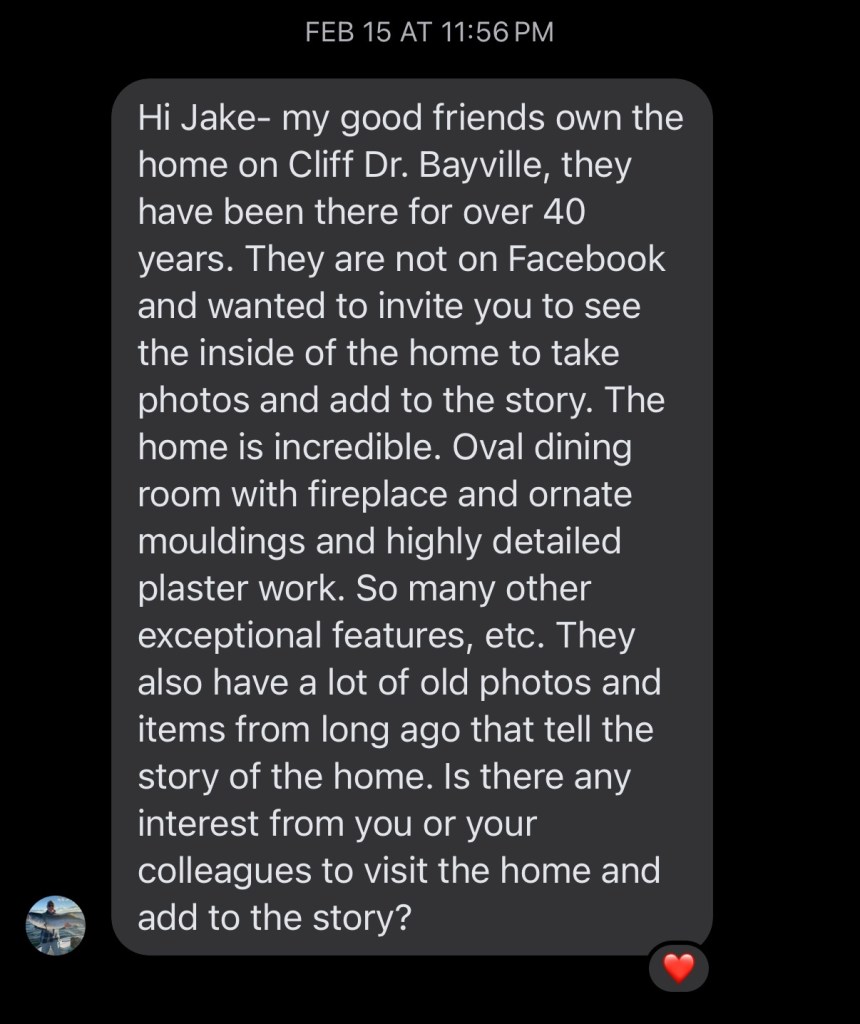
But, I was also able to get in contact with Scott Follett, a Bayville local who happened to have an important connection. Just one day after I posted about “Cedar Cliff”, he messaged me and told me he actually knew the owners of the remaining part. Not only that, but apparently they wanted to give me a tour! This was incredible and I was of course elated. He eventually got me in contact with owner Jim Henry, who was kind enough to set up a time for my family to see the whole house. That day was March 29 2025, and it went fantastic!
Here is the full rundown:
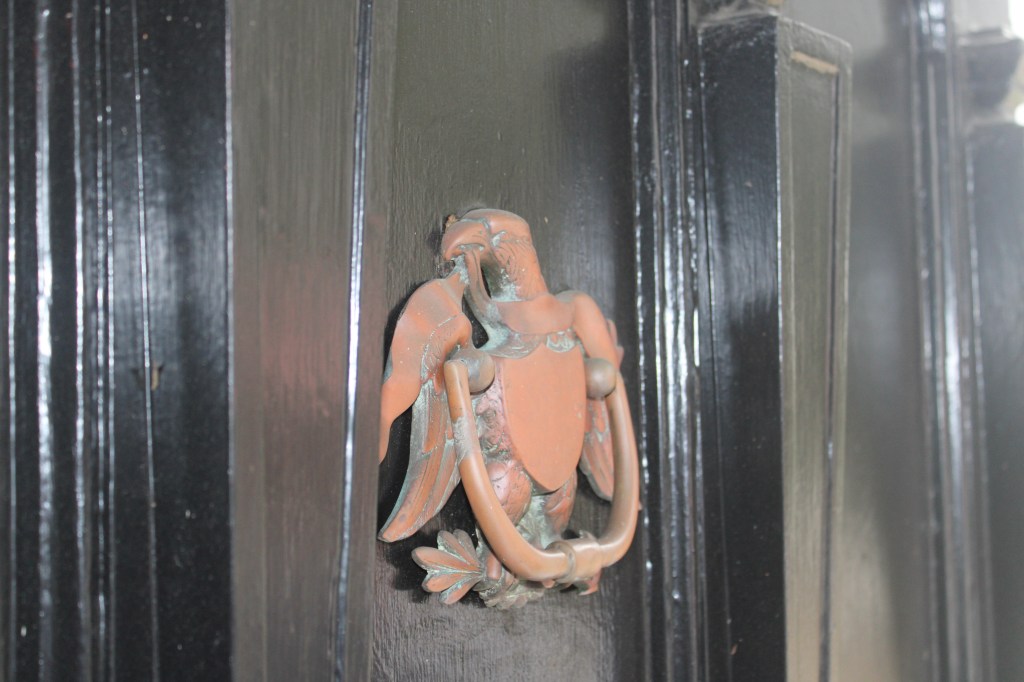
My tour began by entering the beautiful & original wooden entrance door installed by Joseph Physioc over 100 years ago. The doorknob and knocker were all so original, and truly introduced the history of the home!
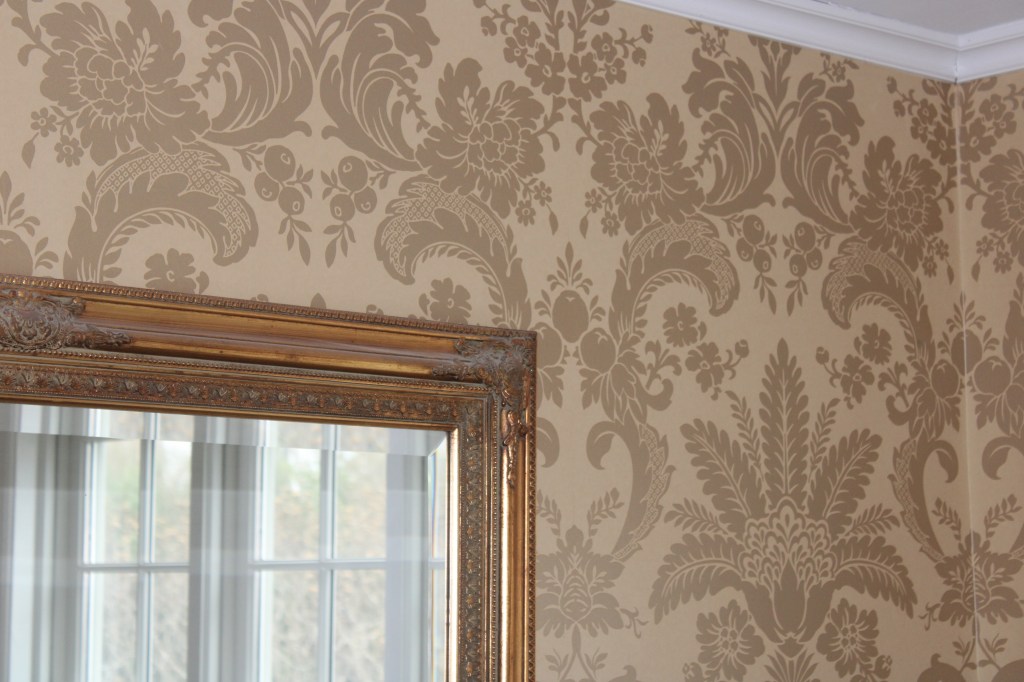
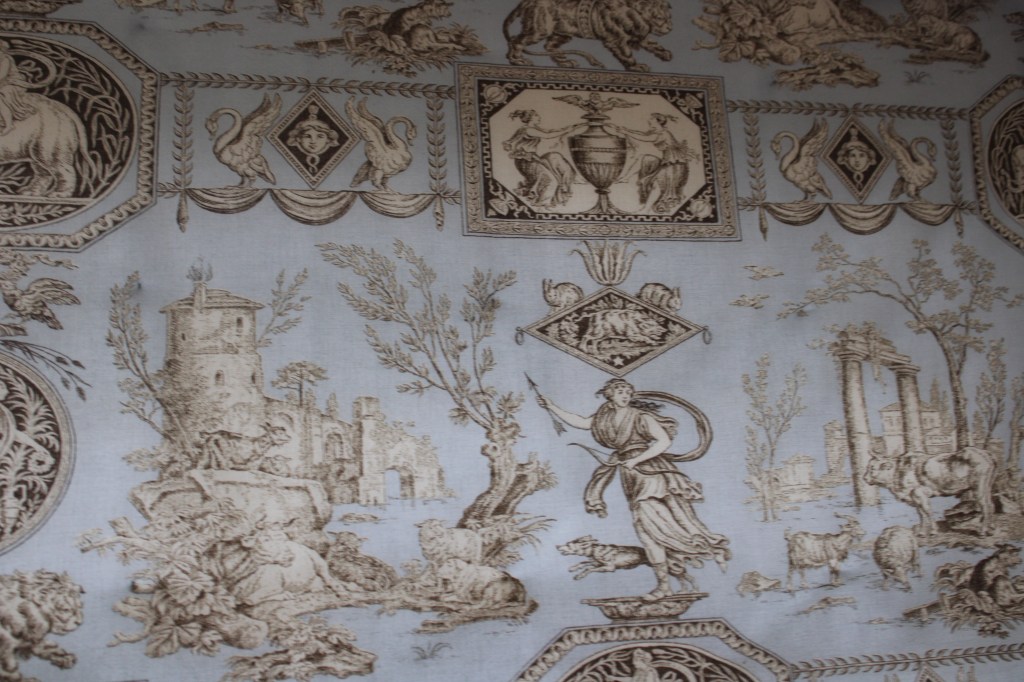
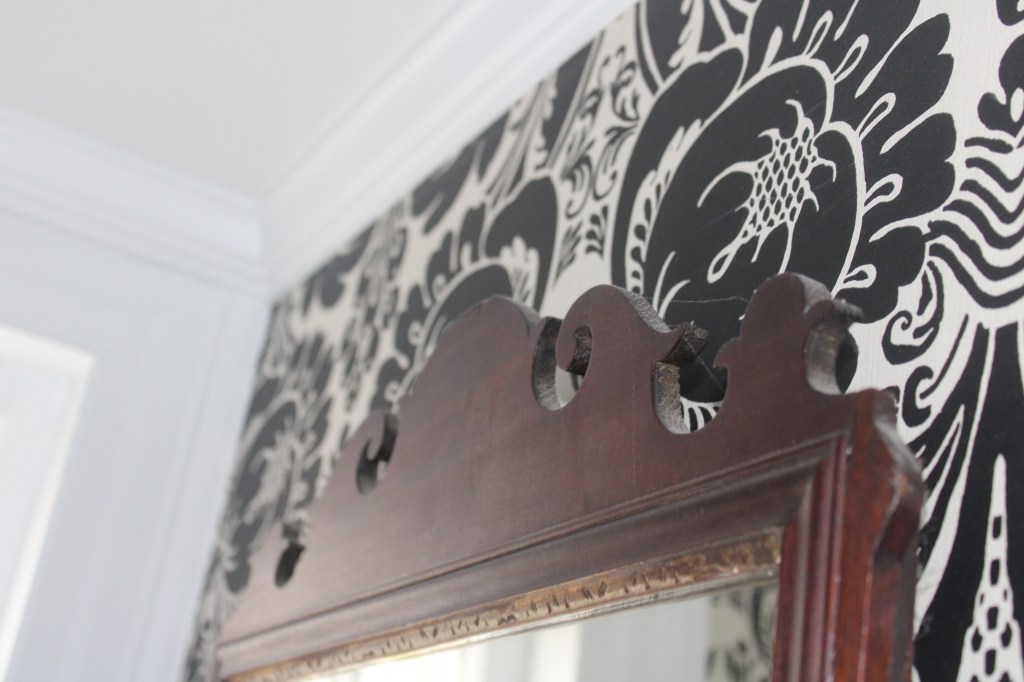
After entering, you find yourself in the mudroom. Today, it is an office, BUT the original wallpaper & mirror frame is all still there. Yet again, the history is right in front of you! You just need to know where to look.
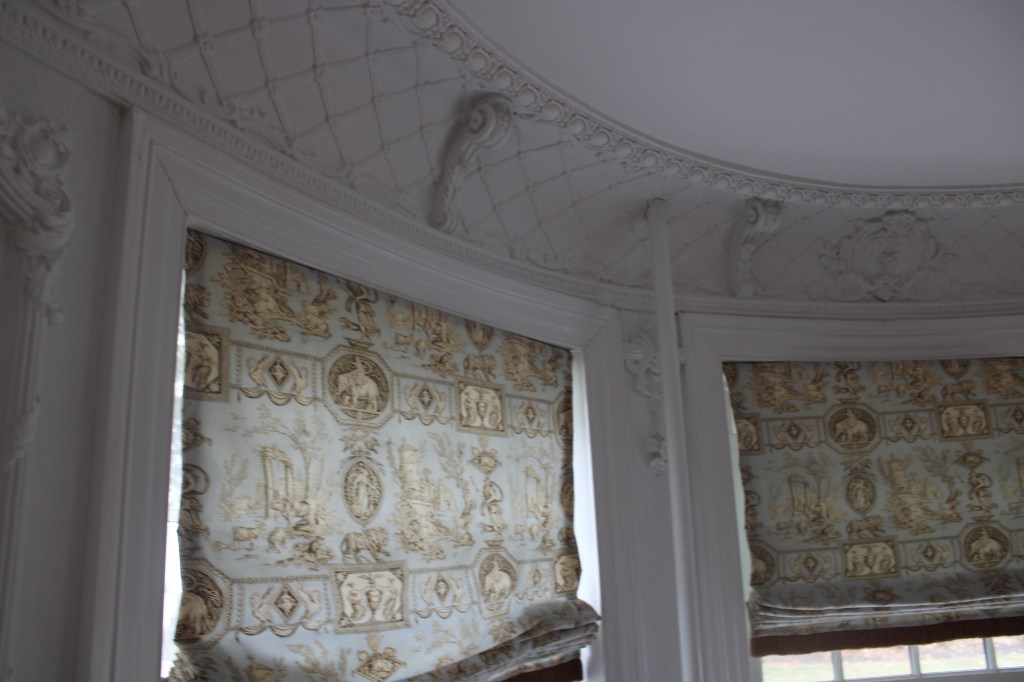
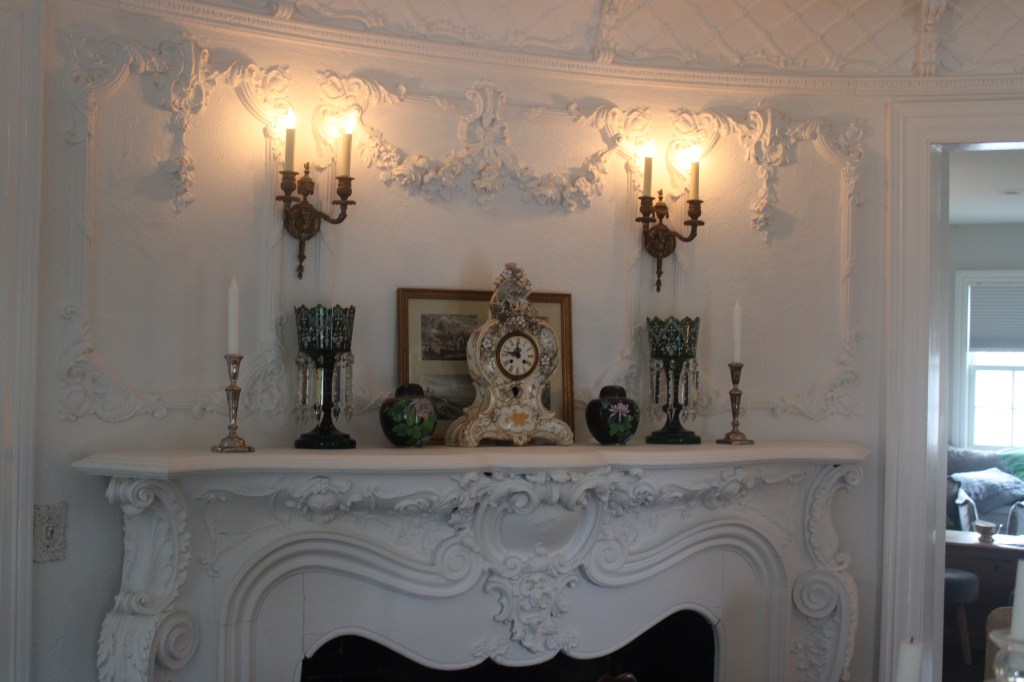
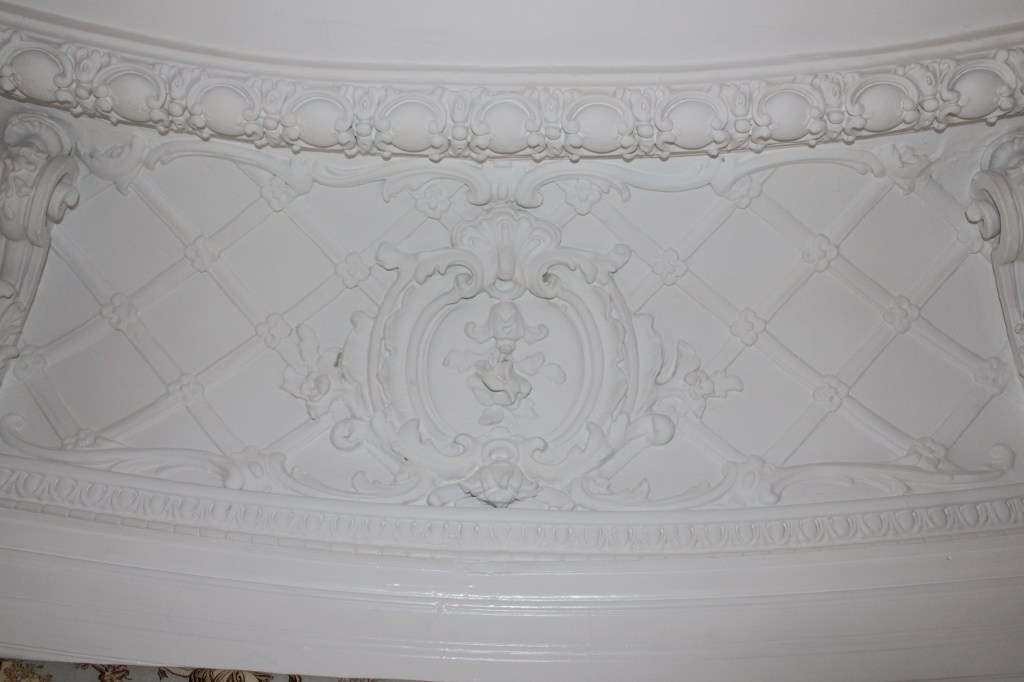
Once you’re done admiring the well-restored walls, you walk into what I believe to be the most beautiful room of all: The “Wedding Cake” Room. This French-inspired circular-shaped room immersed you into the life of a wealthy Gilded Age individual. I could spend hours just admiring every single detail of this room. From its fireplace to curtains to overall woodwork, this is by far the best and most upfront highlight of “Cedar Cliff.” I literally took so many photos I can’t include them all here!
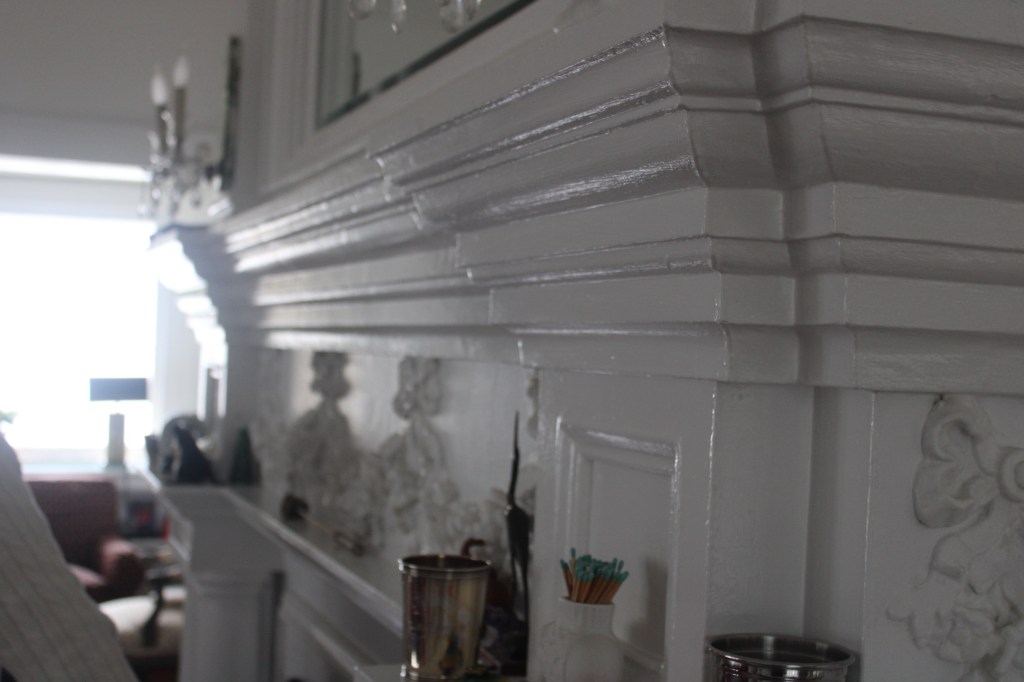
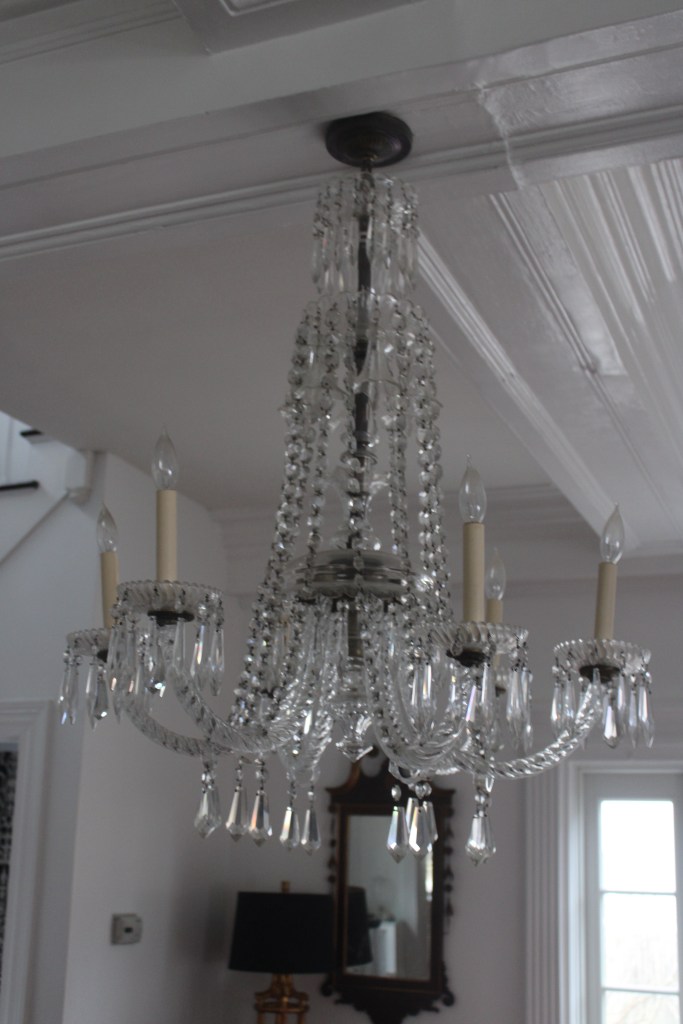
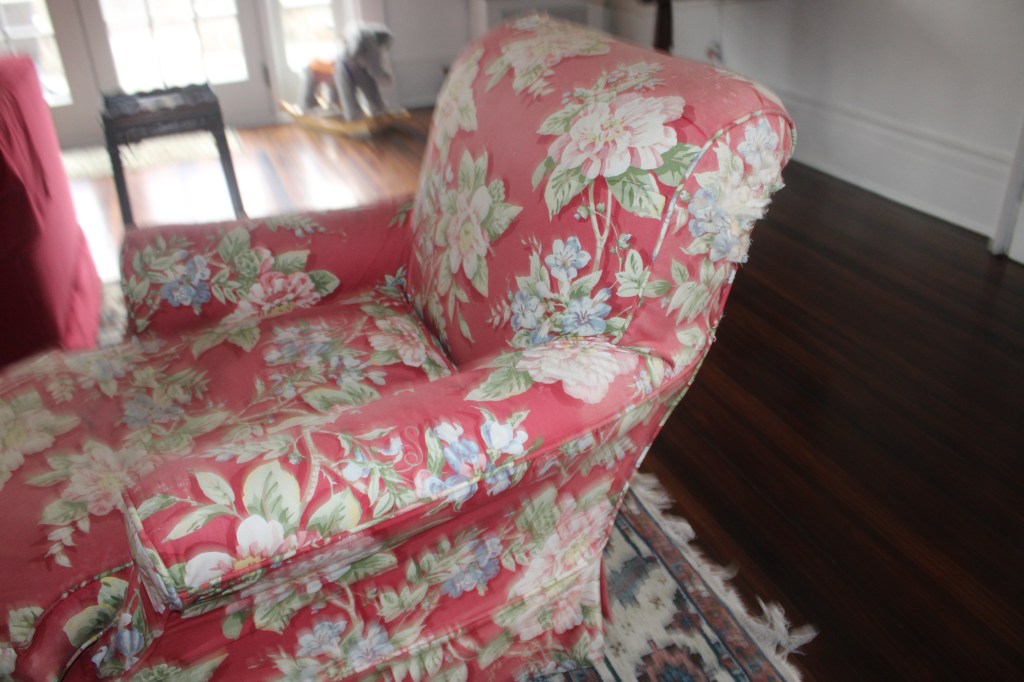
Once you’re done gawking at this beautiful space, you have one of two options: Either enter the kitchen or living room. Personally, I chose to enter the living room. This room, like the Wedding Cake Room, has a lot of original detailing. From chandeliers to furniture to fireplaces, I lost count of Gilded Age artifacts that were right in front of my own eyes! But, I surely did take many pictures.
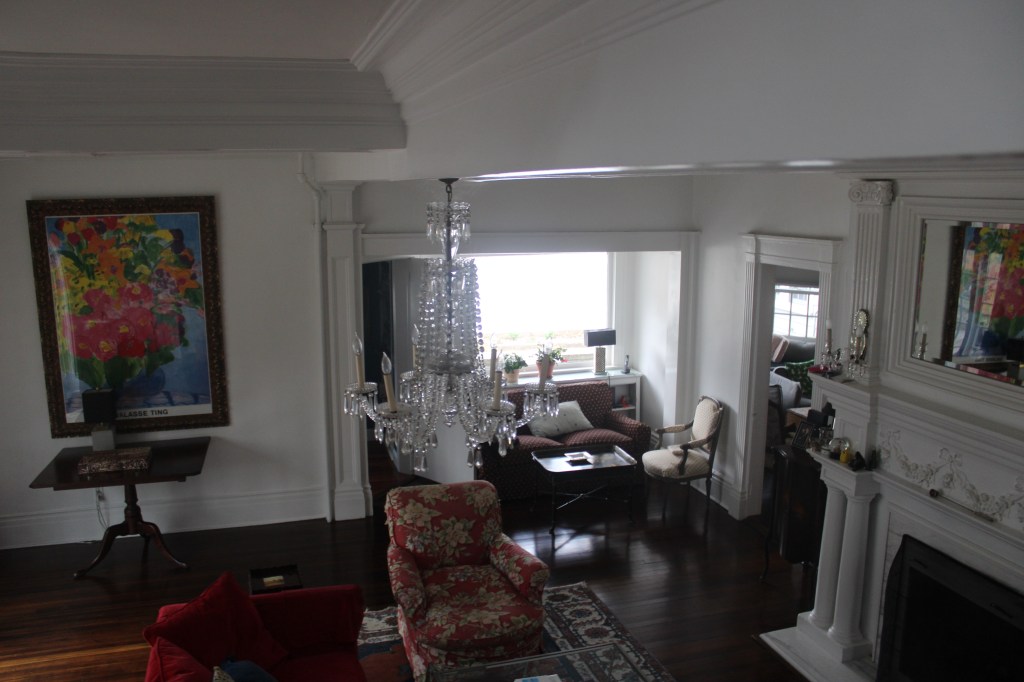
Following this room, I was brought into the kitchen. While this admittedly is the most changed room, it’s a lovely and cute place. But, I obviously wasn’t to interested in its design. Rather, I was intrigued by the next room they brought me into!
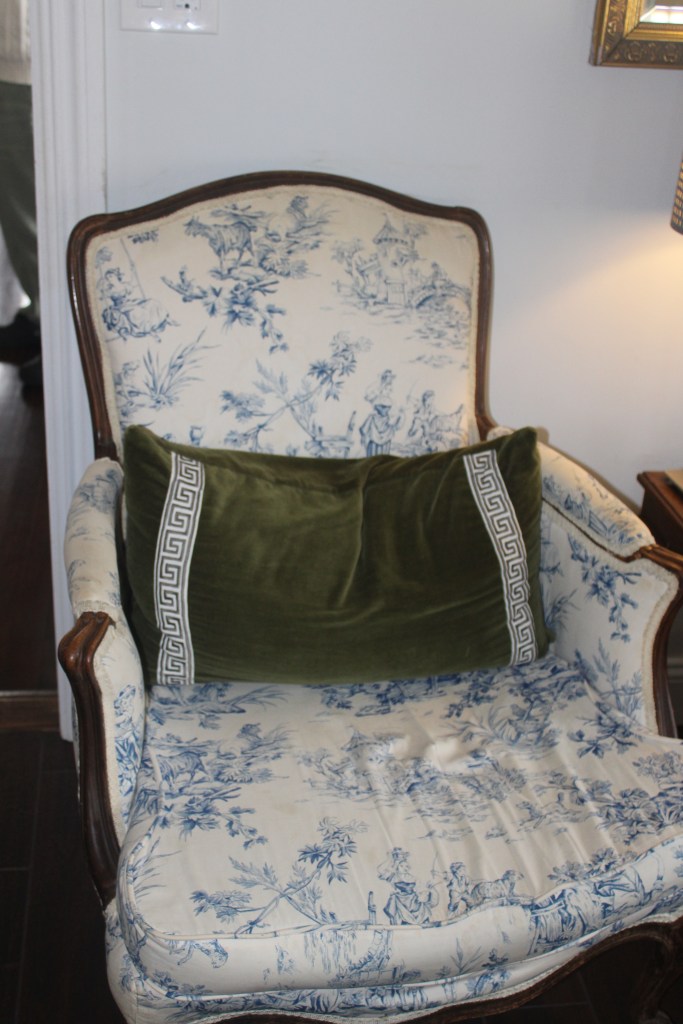
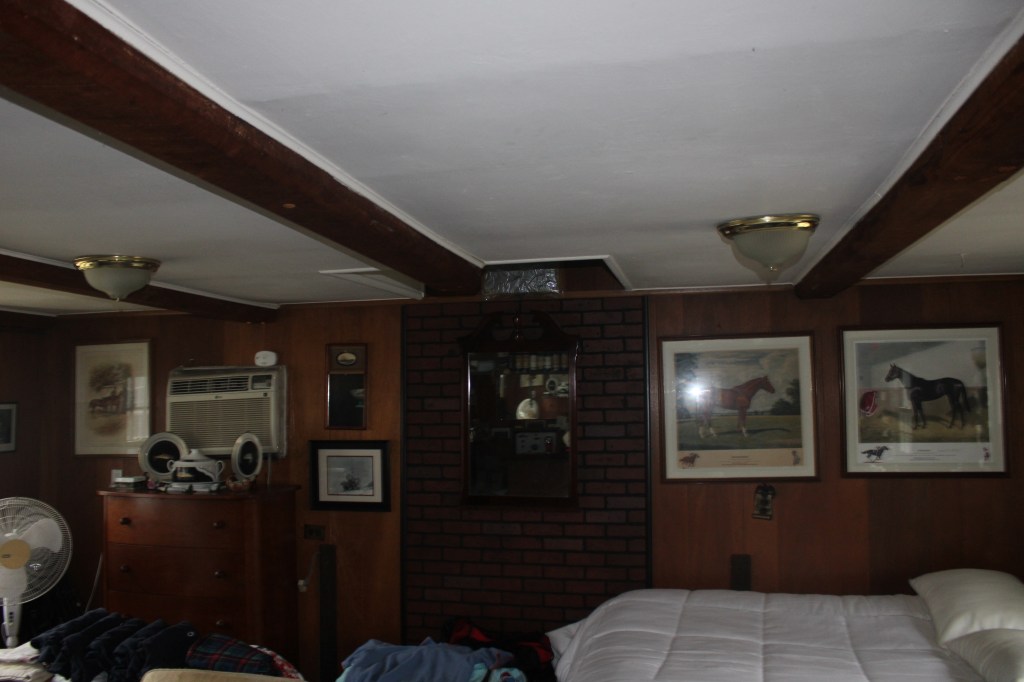
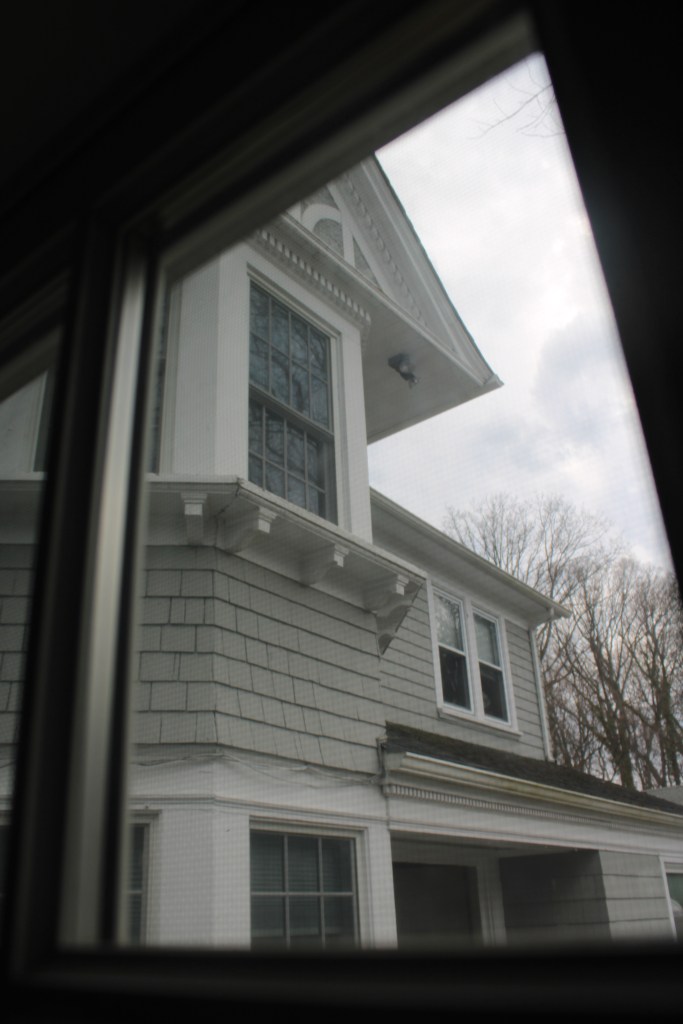
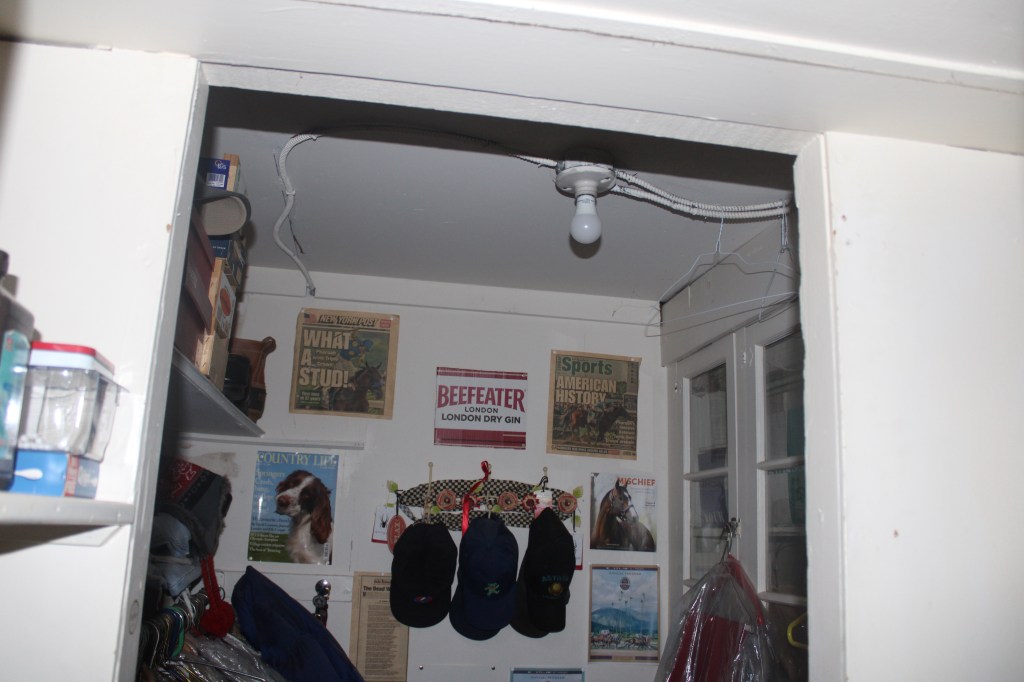
This was the Garage. It may not have as many details as the other rooms we’ve seen, but it is a perfect detail and they’ve made great use of it. Now, it is a mud room, guest room, and storage area. Thankfully, its size allows for all of those separate rooms! I also got a cool view of the back facade from a window in there, so that is cool!
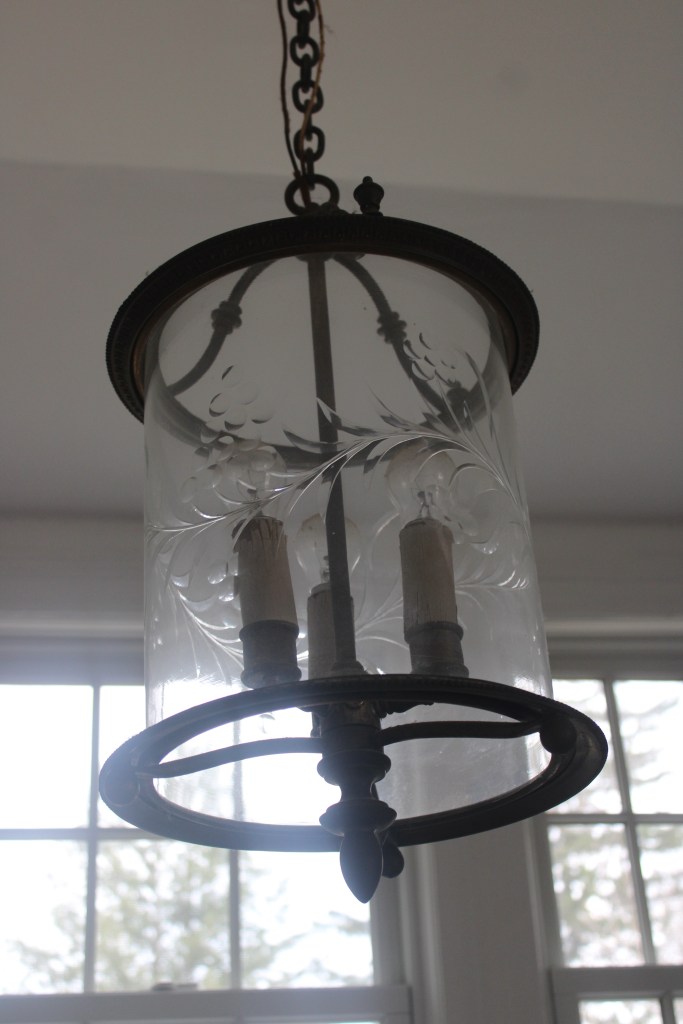
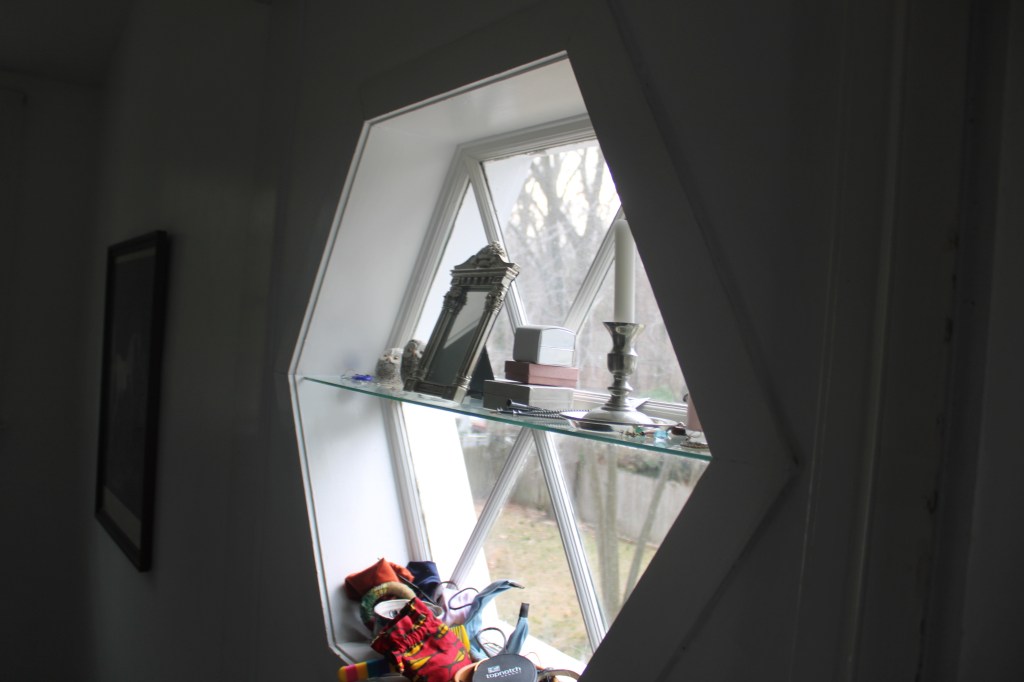
Thankfully, our next stop is the SECOND FLOOR! After walking up some altered but original steps, one can find themselves face to face with a beautiful hanging lamp that continues to light up the stairway 130 years later. Another detail here I thought was cute was how they included one of the houses cut-offs. It’s possible there used to be a doorway here, but since the house was split, only this hexagonal window remains!
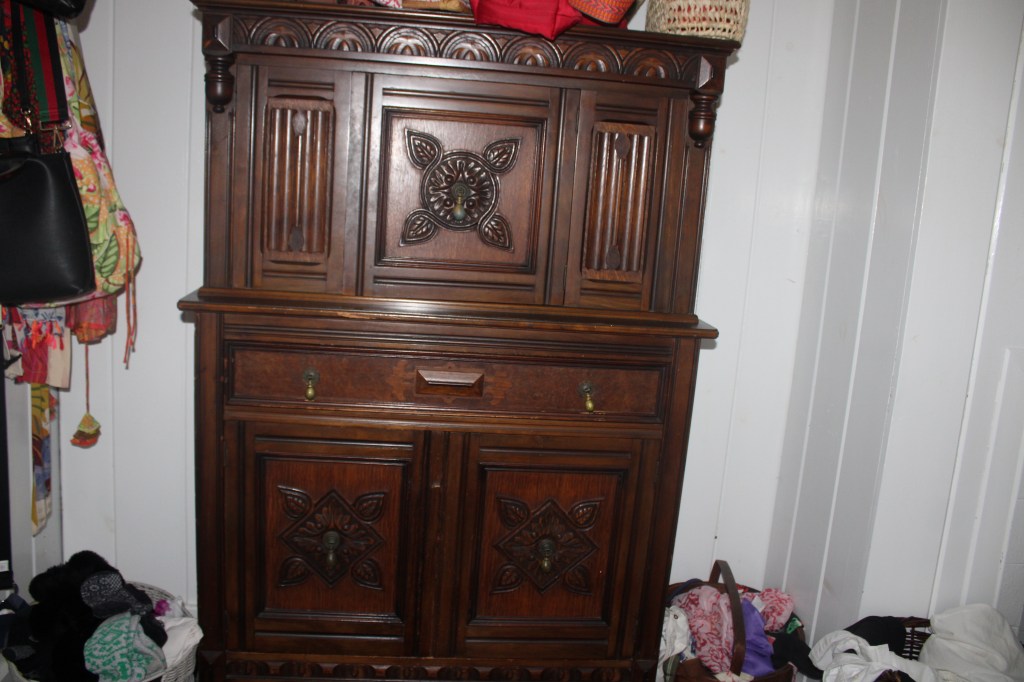
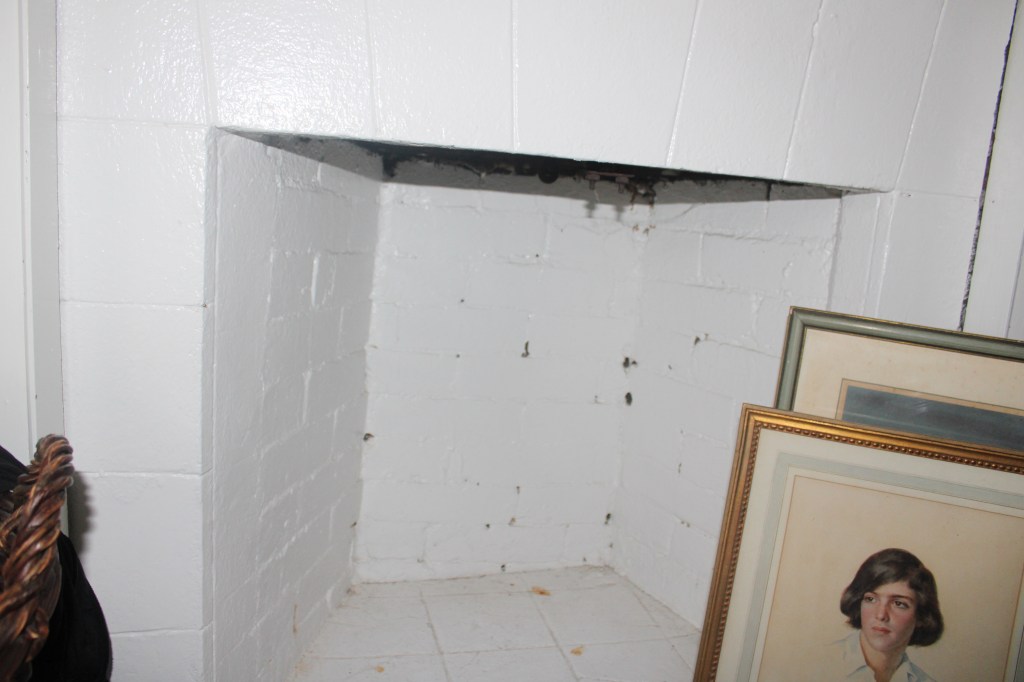
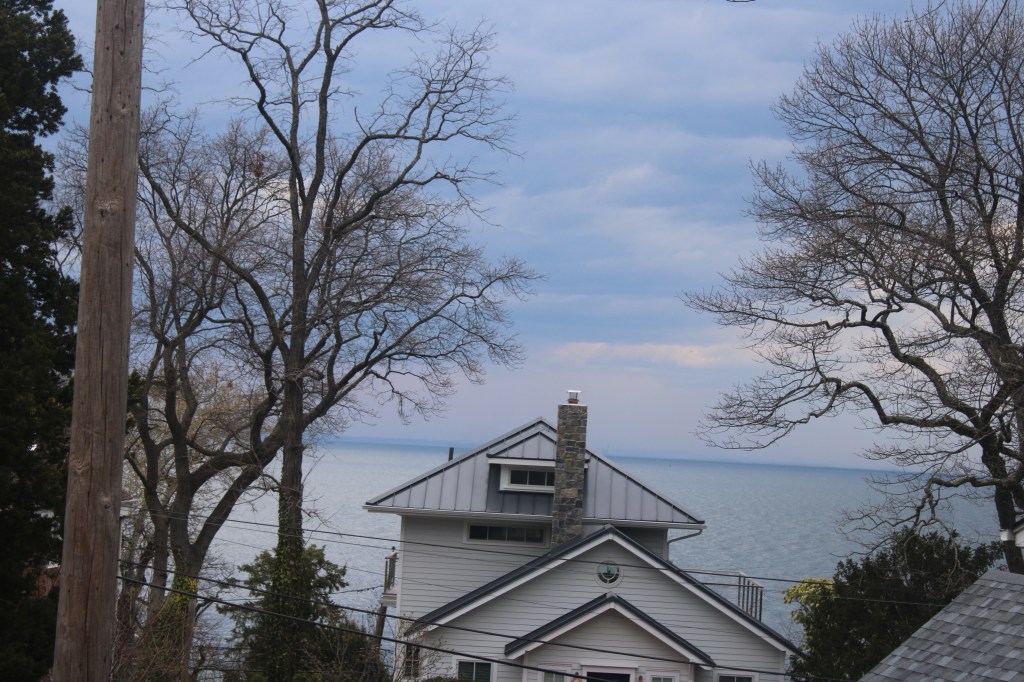
Anyways, I continued the tour with a showcase of some more lovely rooms. The first had an original dresser, fireplace, and beautiful view. I wouldn’t be surprised to learn the person that lived here many years back was checking out this very view every day!
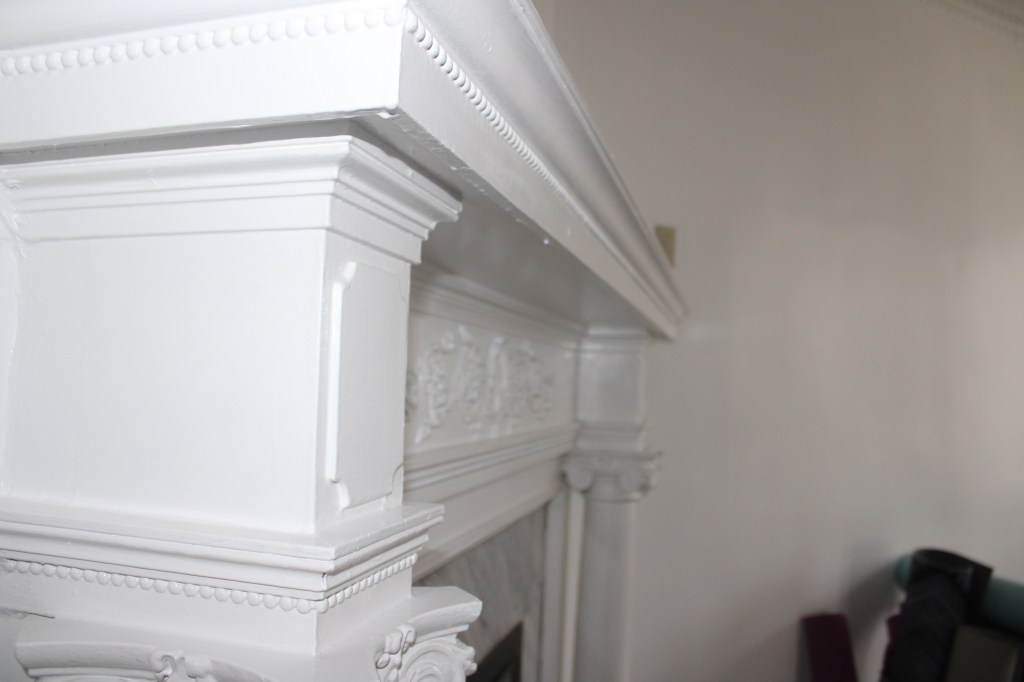
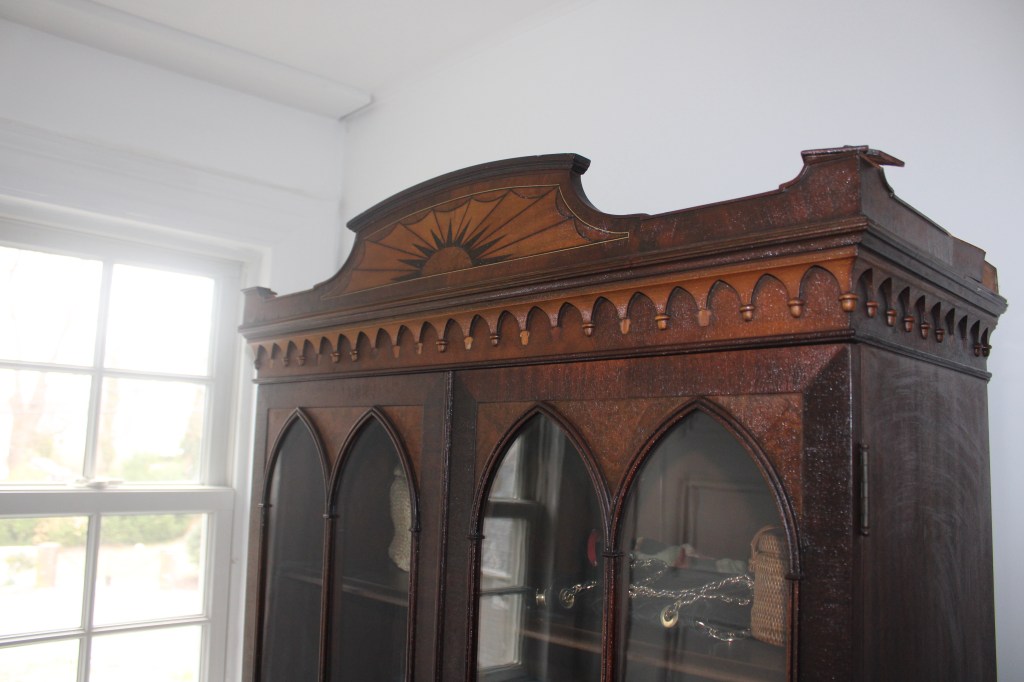
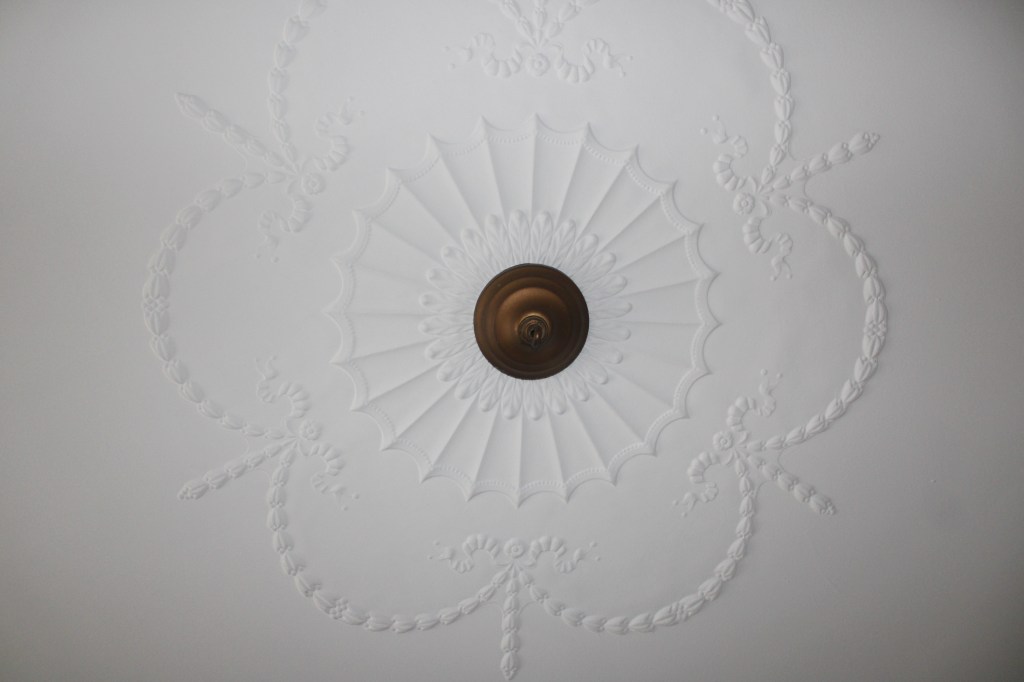
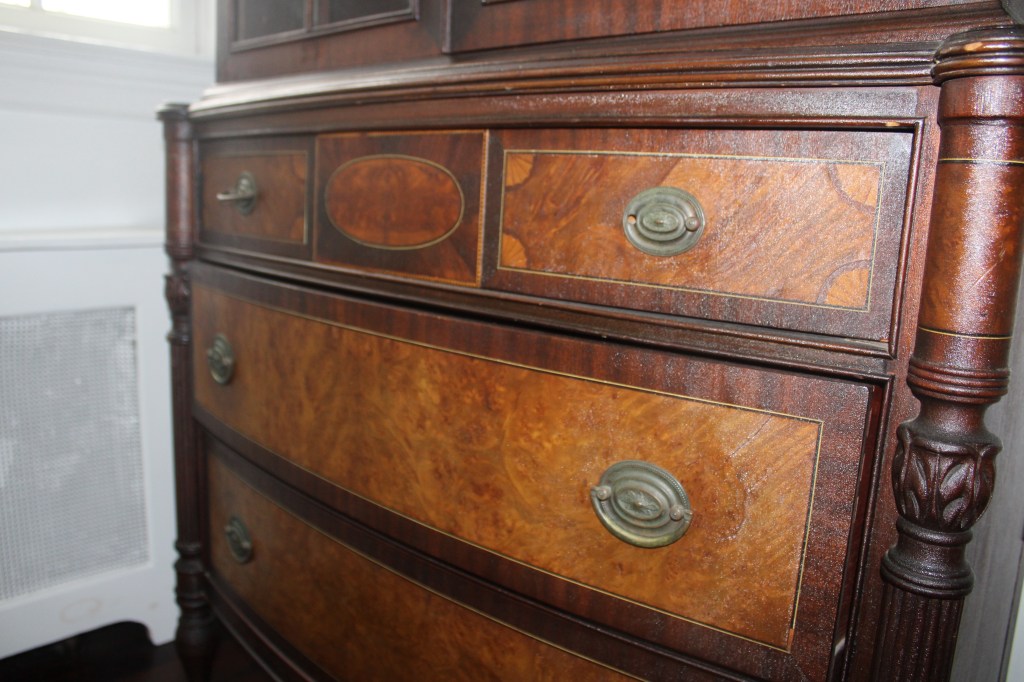
Lastly, I passed by some smaller closet spaces and found myself in the largest room of all. I speculate this was either a Ballroom or Mr. Physiocs own bedroom, as it had a splendid fireplace (unlike others we’ve seen here), dresser, view, and piece of ceiling woodwork. The massive space is currently cleared (as it may have been during its time as possible ballroom), but I believe there are plans to turn it into a bedroom!
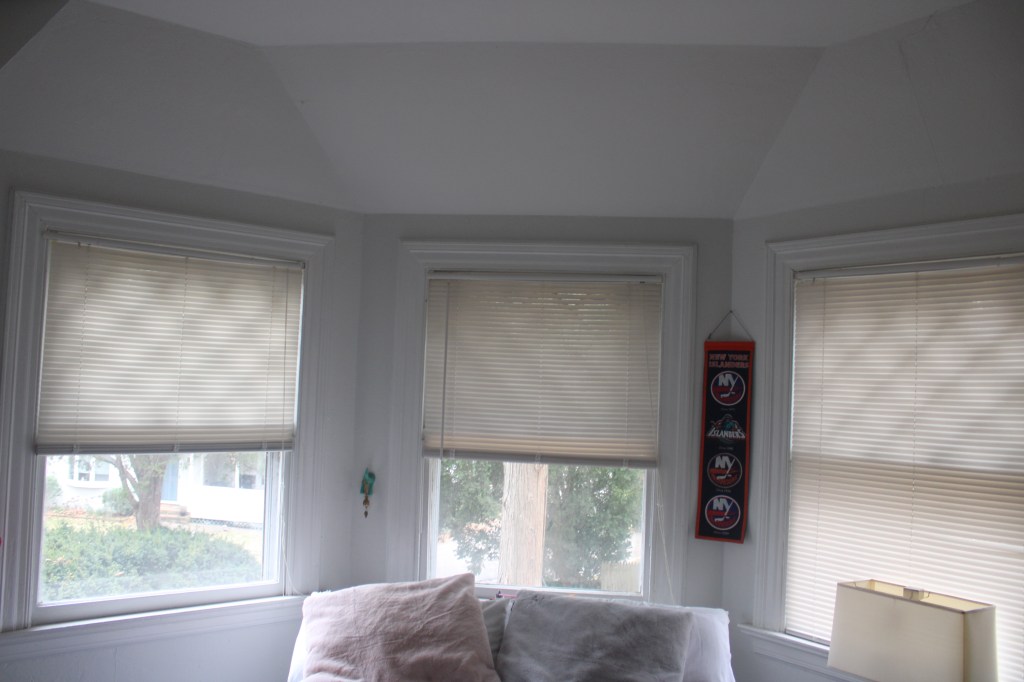
On the other side, one can find a somewhat underwhelming but still beautiful view out of the half-circle window. I’m not sure if that’s the word to describe it, but it was still one of the defining features that helped me realize this home was a remnant. Nonetheless, it was very pretty!
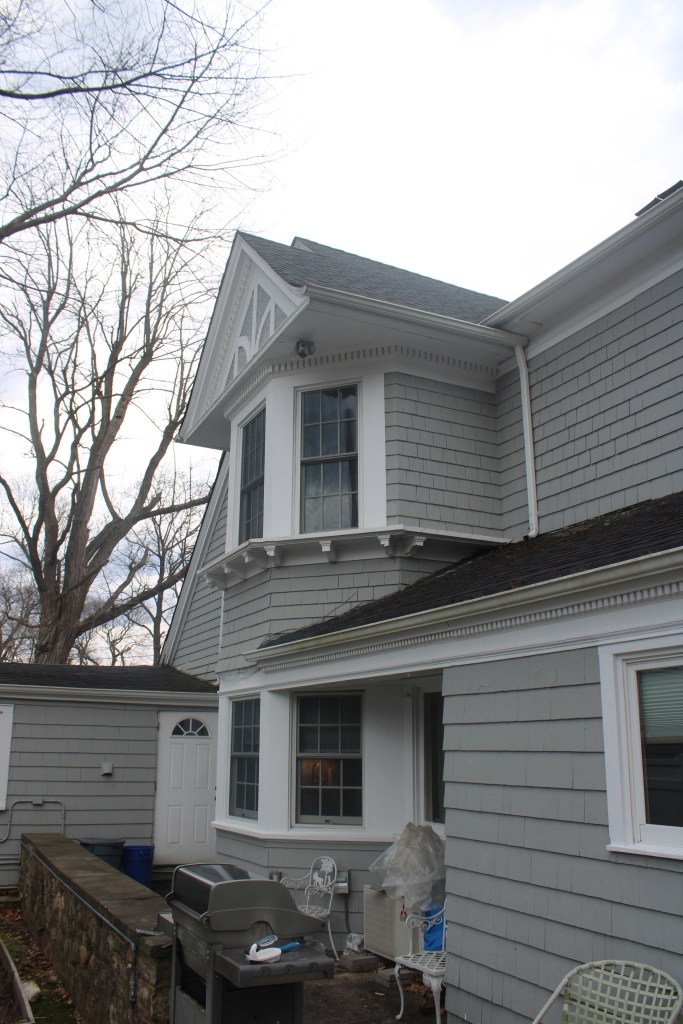
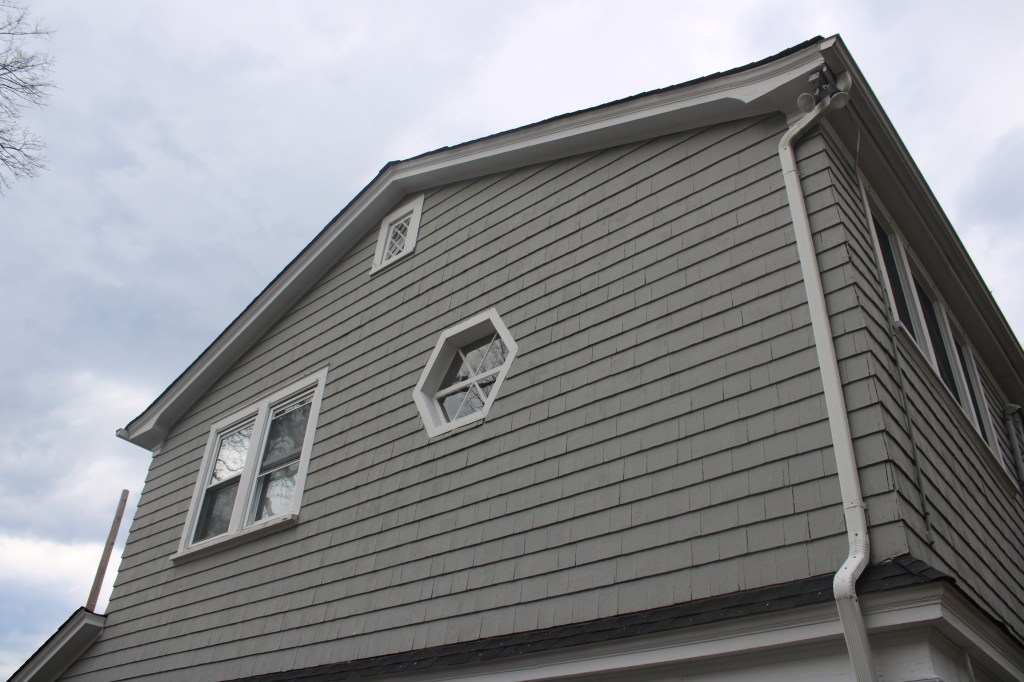
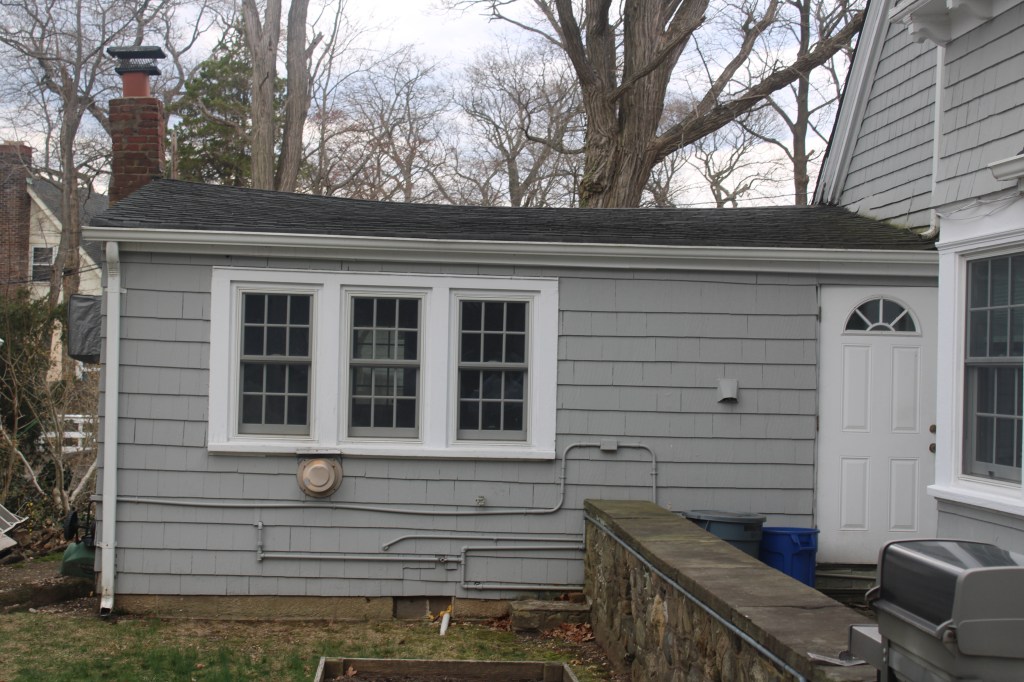
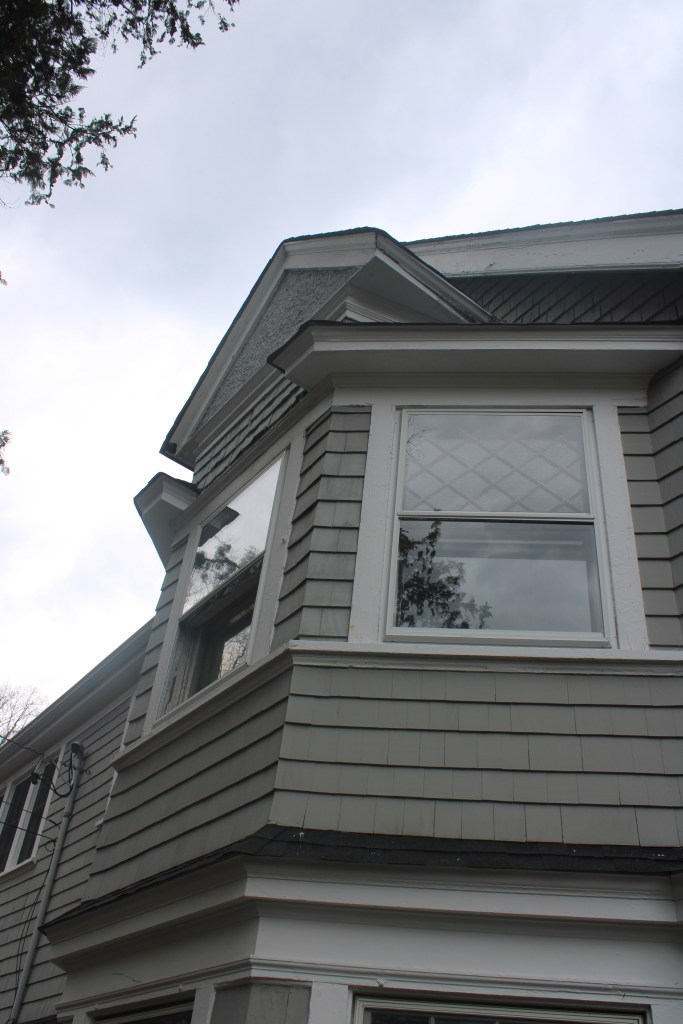
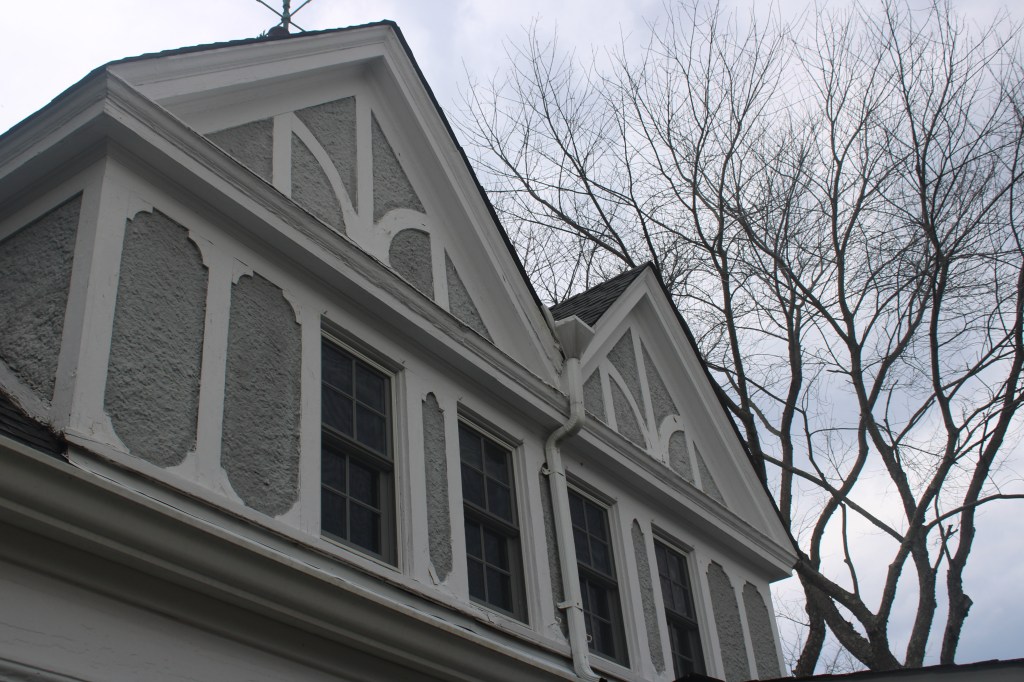
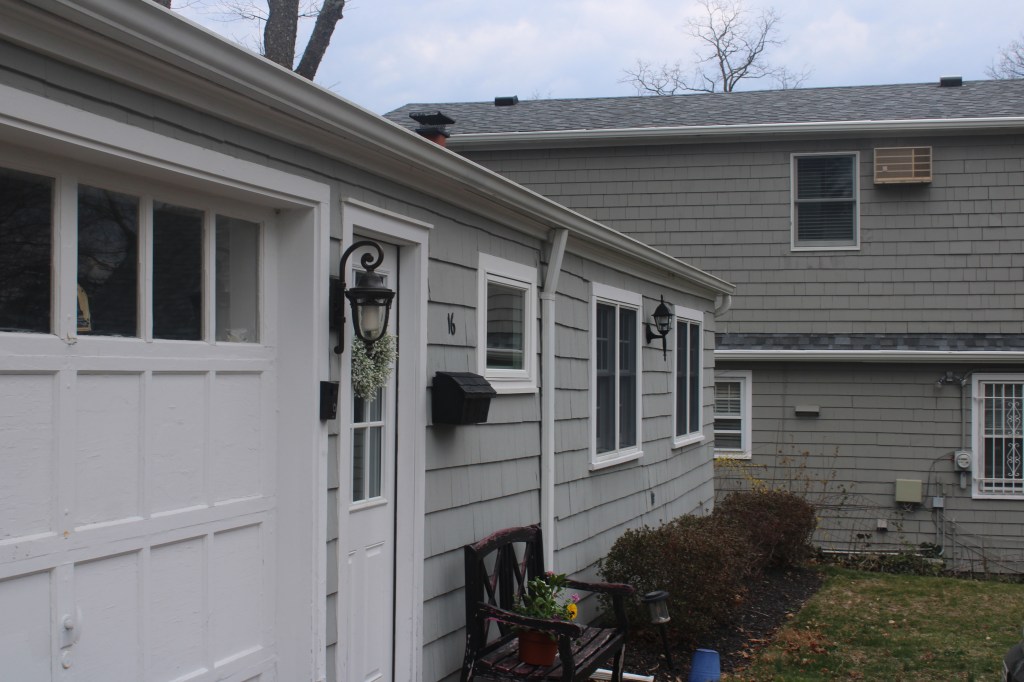
Lastly, I followed all my steps back downstairs and out the front door. Next, the Henry family kindly let me walk the grounds and take many photos, some of which are here. I was still starstruck (by a house, I know how silly it sounds), but managed to share with the couple my knowledge on the home.
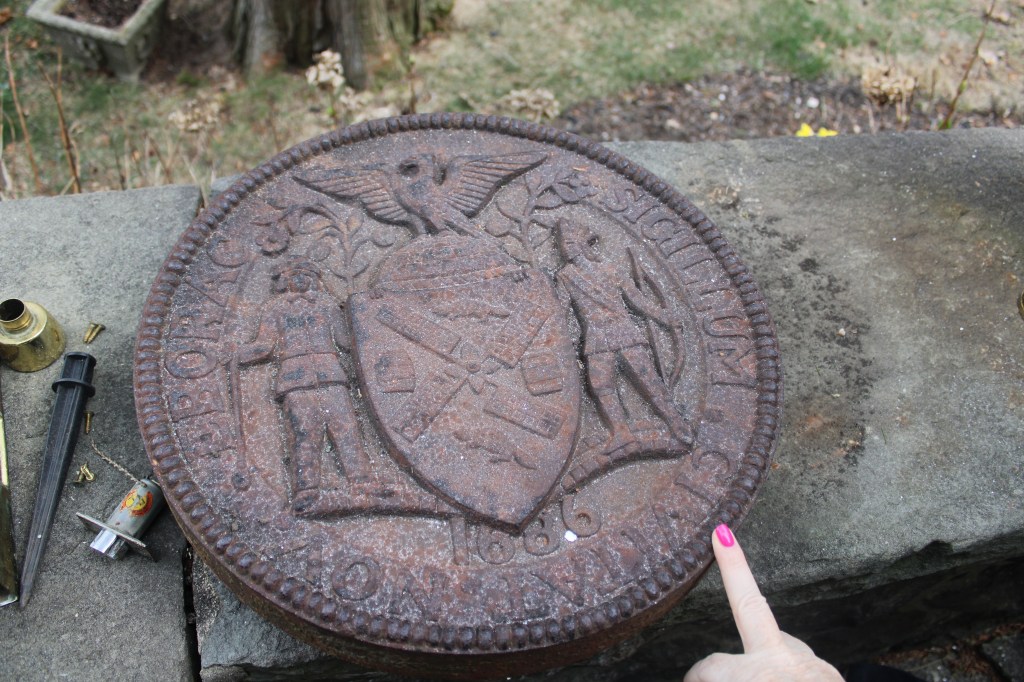
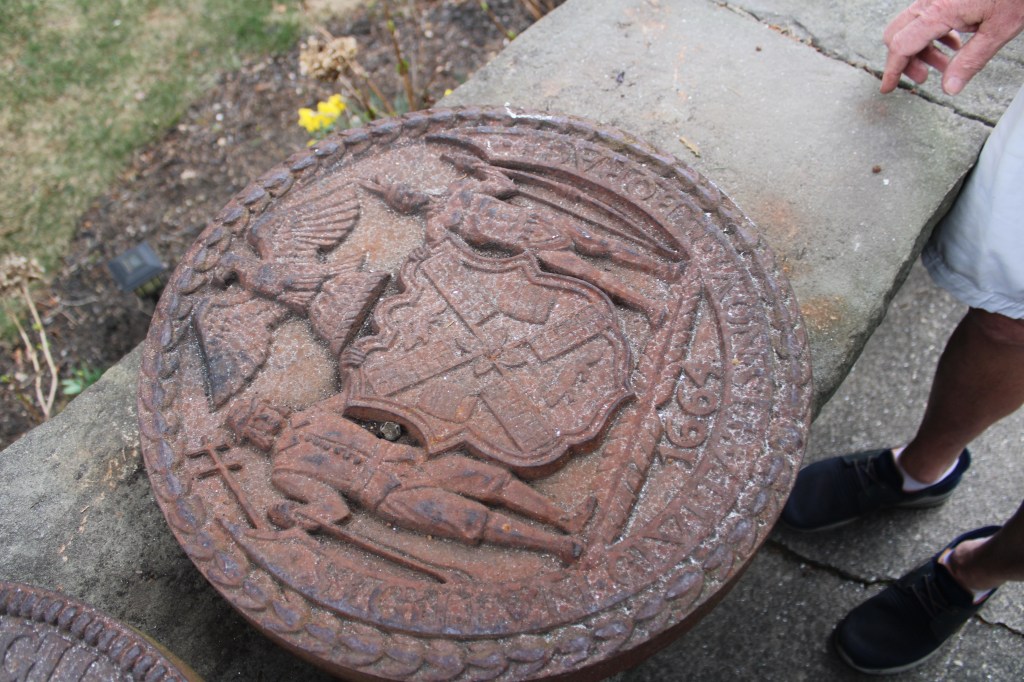
Eventually, we had to go and I said my goodbyes to Mr. & Mrs. Henry, and they said I was always welcome. Also, they showed me these two cool drain covers from some old NYC bridges they are working on locating. No clue what those may be, but I was still impressed.
Overall, this 1/3 of “Cedar Cliff” is actually still very original. From every fireplace being in pristine condition to some rooms having well-restored and preserved woodwork & design, this house was exactly what I wanted it to be! Not only that, but the exterior has undergone a fantastic renovation and just looks amazing in person.
The biggest thanks to Jim and Pam (whose family owned it originally) for the fantastic tour!! They did a fantastic job restoring this structure.
Lastly, I hope you all enjoyed the read and pictures!! This was a lovely moment and is truly unforgettable.


Leave a Reply