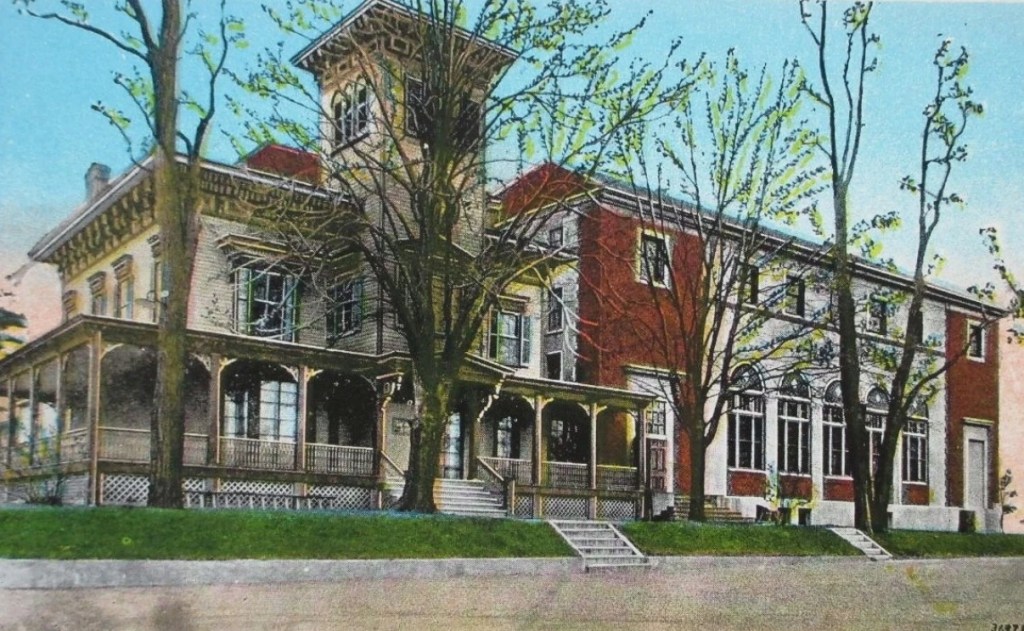
This incredible mansion was once converted into a well-renowned social clubhouse, before falling victim to the wrecking ball just 40 years after its construction. Told for the first time in this capacity, I am honored to present to you the story of “The Glen Cove Lodge of Elks.”
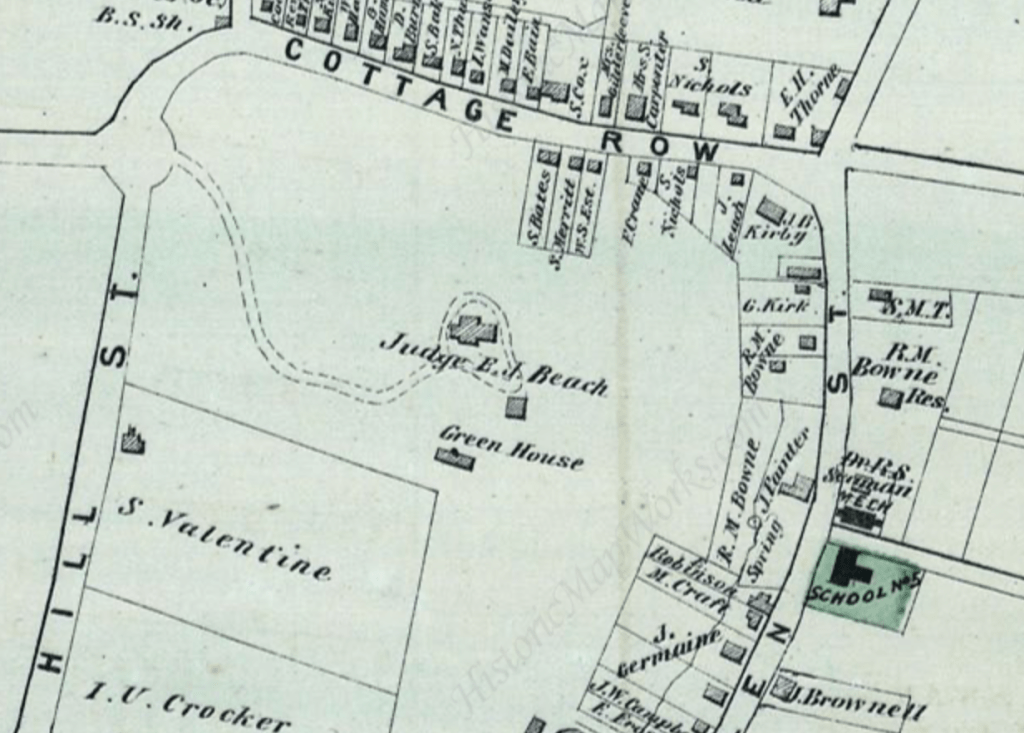
First known as the “Appleby Mansion”, this grand victorian structure was actually built in 1899, long after most buildings of its architecture were curated. It was located along Hill Street & Cottage Row in Glen Cove, New York, and replaced an equally-beautiful residence built in 1869 for Elias J. Beach, a prominent lawyer. When Beach died in 1877, his estate was passed on to his children, who sold it to Charles E. Appleby in 1884.
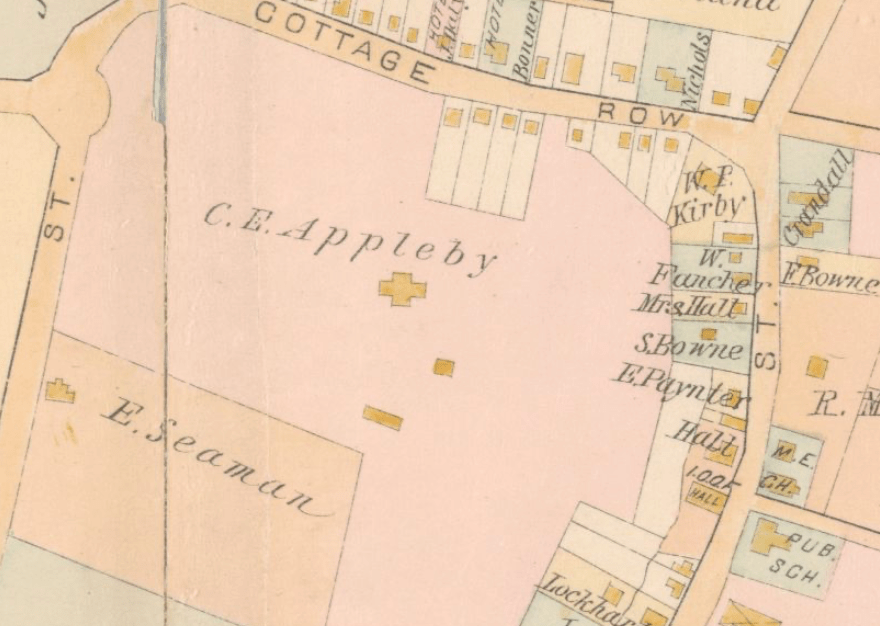
Despite the apparent landmark status of this mansion, and its extensive cost, Mr. Appleby would actually end up leaving the residence completely unoccupied – beginning the moment he bought it. According to timely newspapers, Mr. Appleby even refused to allow anyone on the property in this time. Only in September 1899 did he finally let anyone step foot on the land, and it was for a rather unexpected reason. Mr. Appleby wanted to, regretfully, demolish the former Beach residence.
Apparently, though, after tearing down this historic home, Appleby did actually have other intentions for the property. No, he wasn’t going to leave the grounds to become overgrown once more. Mr. Appleby actually wanted to build! Beginning in November of 1899, Charles E. Appleby had a new residence constructed atop the ruins of its predecessor. This time, Appleby left the house to his son, Edgar Storm Appleby.
Now, it is important to mention that there is reasonable doubt that this demolition – and subsequent rebuilding – ever occurred. Architecturally, the “new” Appleby mansion is of a style that was immensely rare by the 1890s. Not only this, but the home stood directly on the footprint of its potential predecessor, leaving many to believe the two homes are actually one. For this article, I have chosen to write under the premise that the Appleby mansion was built in 1899, although it is forever important to acknowledge that statements potential inaccuracy.
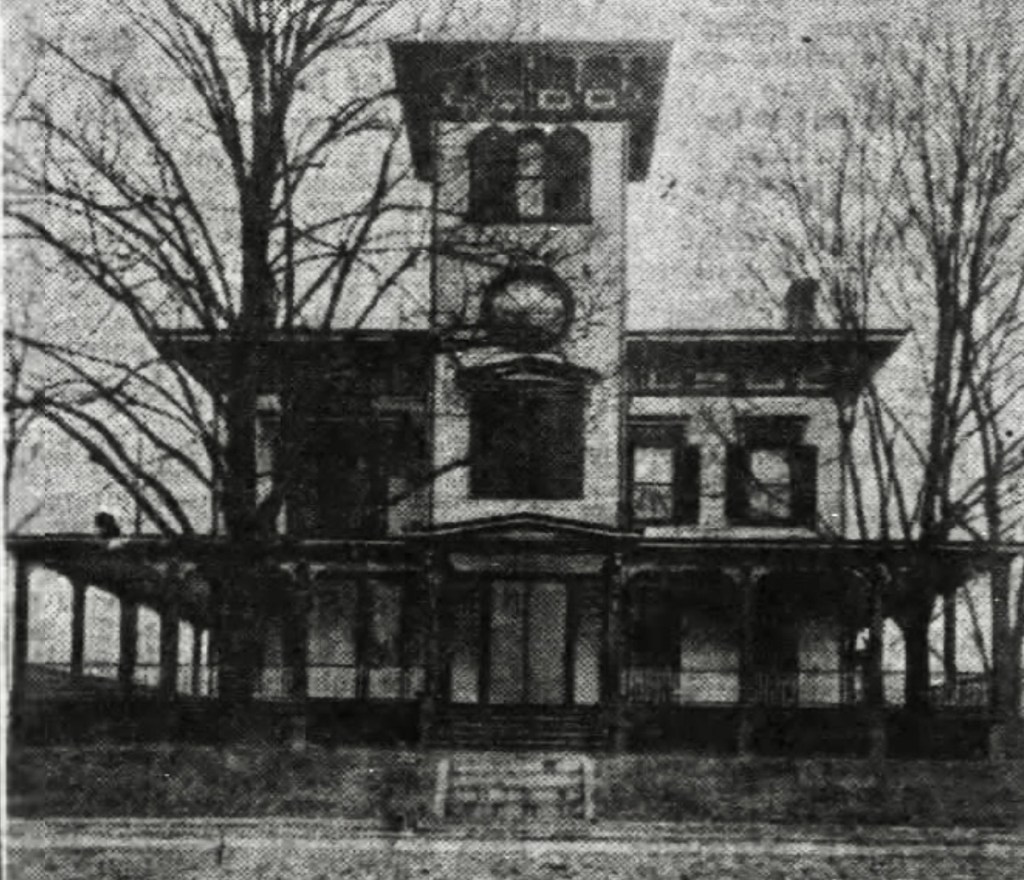
Nevertheless, one thing can be said about Mr. Appleby’s residence in 1899: it was nothing short of incredible. With a large stout tower in the center of the home, A massive wraparound porch, and a giant clock in the dead center of the front facade, the Appleby mansion was quick to be come an easily recognizable facet of Glen Cove, New York.
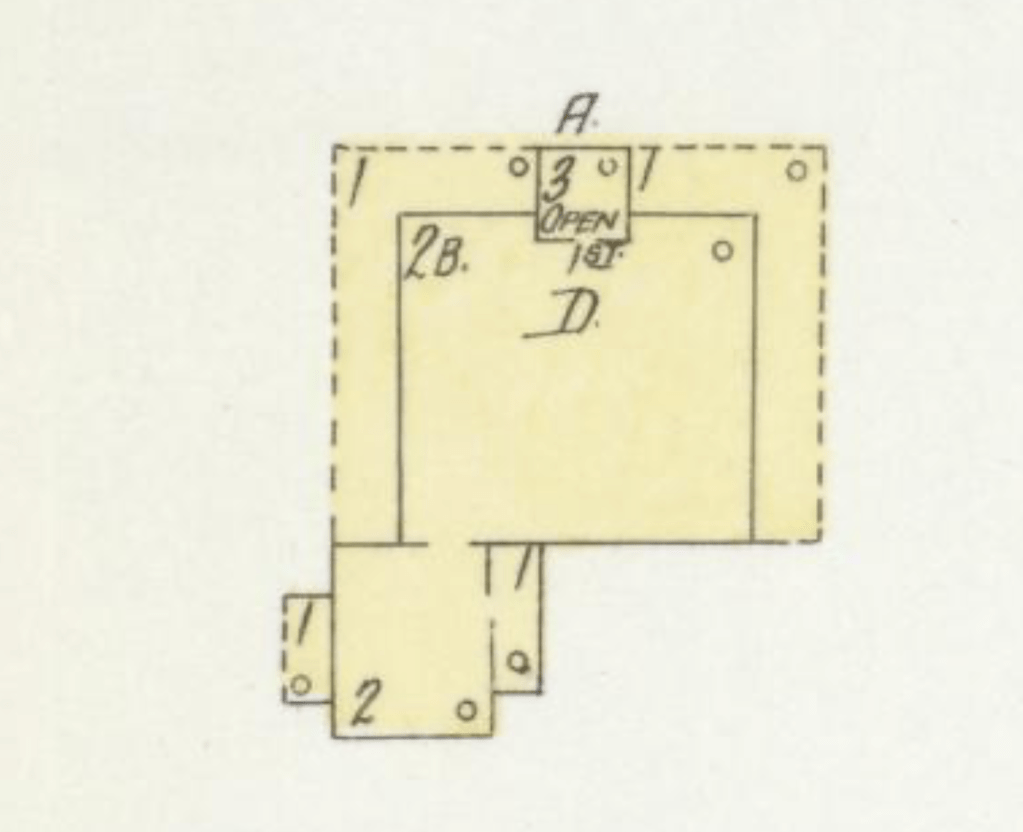
Mr. Edgar S. Appleby is said to have moved into the home in 1900, residing there until around 1923. In that time, he held galas, parties, and more at the stately home. Also on the property, Appleby made much use of his greenhouses, outbuildings, and sprawling fields. Overall, it can be safely concluded that Mr. Appleby’s time at this incredible mansion was certainly well-used. It was finally in early 1923 that Mr. Appleby decided he was ready to let go of his beloved mansion. Through it all, Appleby had simply found himself too preoccupied with his residences in NYC and elsewhere. So, he made the touch decision to place his Glen Cove estate on the market. On November 23, 1923, the announcement was made: A buyer was found.
Surprisingly, though, it was not a wealthy homeowner who had purchased this incredible property, nor was it a business or real estate developer. Rather, an organization known as the “Benevolent and Protective Order of Elks” had paid an estimated $75,000 (or $1.4 Million) for the home, with explicit plans to turn it into their newest club house. For those who don’t know, the BPOE, or Elks Lodge, is a fraternal order and charity organization dedicated to “nationwide brotherhood” and community service. It was formed in 1868, and by the 1920s, most major cities like Glen Cove had an Elks club house of their own.
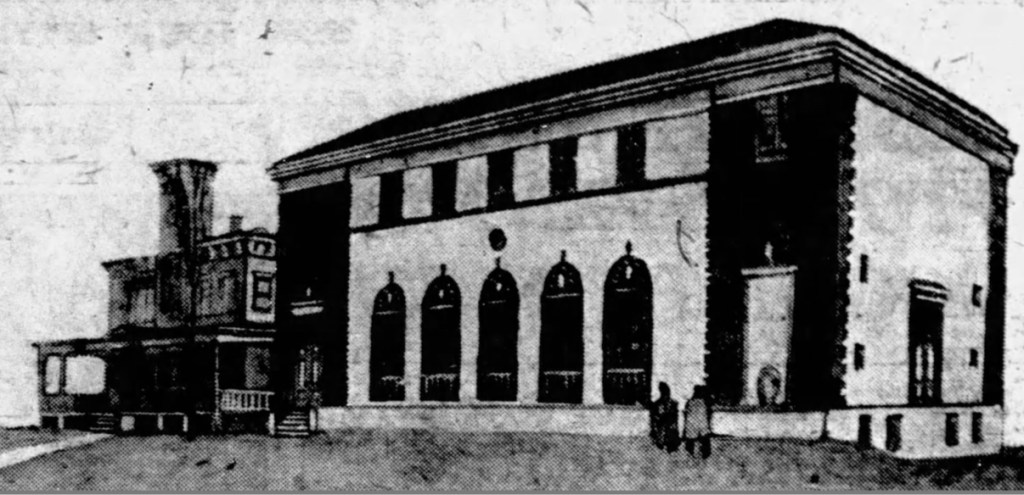
Thus, when The Elks announced their purchases of the Appleby estate in 1923, many were overjoyed to see the organization has found haven in little old Glen Cove. Immediately after purchasing, the Glen Cove Lodge of Elks (Number 1458) began working hard and quick to get the home prepared for opening as soon as possible. From revamping the interior to adding on a massive Brick & Stucco clubhouse extension, major improvements were made to the home in this time.
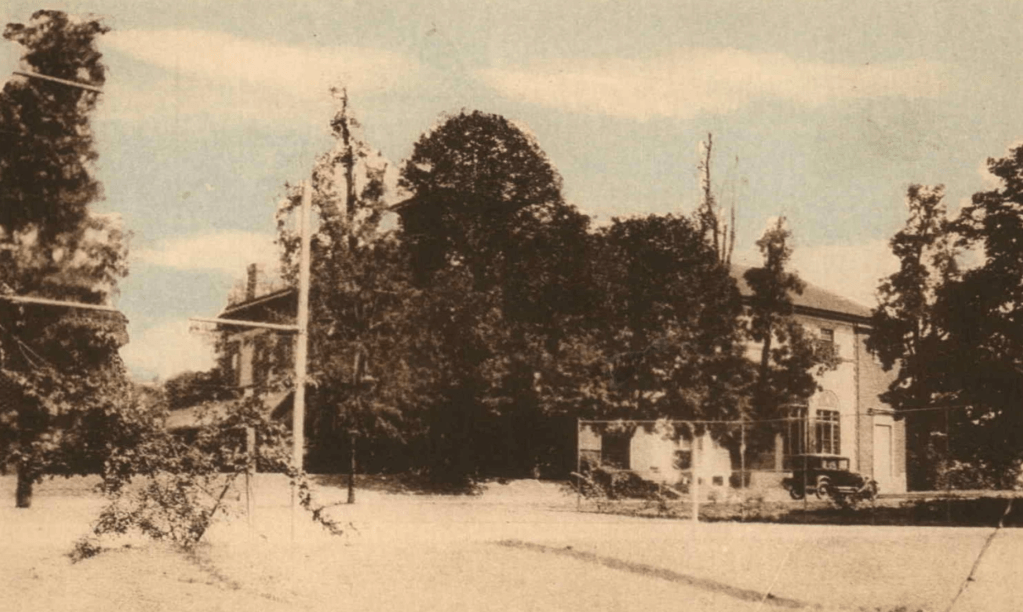
So, when the Clubhouse (which also cost $75,000) finally opened in December 1924, it was quick to be appreciated by locals and distant visitors alike. While architectural periodicals detailed the extension designed by George Buchtenkirk, social magazines kept close tabs on the many big names that stepped foot in the club. Ultimately, the new Elks Club was an absolute success, and many great years were expected to come.
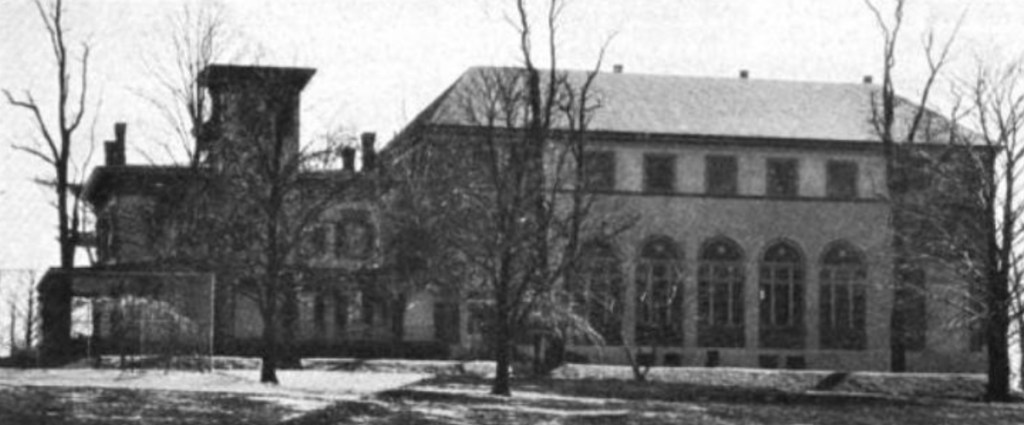
Luckily for them, “great years” is exactly what happened. The Glen Cove Lodge of Elks ran successfully throughout the majority of the 1920s, with much of this era being described as “boom times” for the organization. Only in the early 1930s did cracks begin to appear in the incredible creation that was Elks Lodge #1458. Later statements made by individuals involved with the behind-the-scenes workings of the club stated that as the 1930s & all its economic and global turmoil arrived, the Elks club began to see extensive financial loss.
This was so prominent that by 1931, the club was reportedly in over $110,000 ($2 Million when adjusted for inflation) of debt. So, that year, the club began desperately searching for ways to relive this debt. Many options were on the table, but in December 1931 it was announced that the most plausible involved an unfortunate sale of their incredible clubhouse. If the Elks actually sold their clubhouse for at least $110,000, they would’ve been able to continue extensive operations in Glen Cove, just at a new “modern club house” that they would supposedly build.
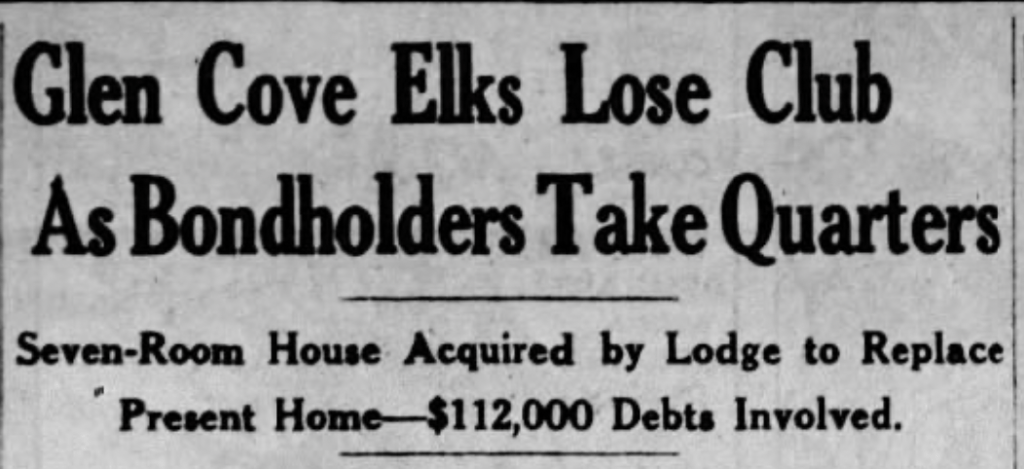
Sadly, this sale would actually never occur in the year of 1931, or any of the coming years at that matter. Only in 1936 were the Elks actually forced to give away their property. It took a lot of strong encouragement, but in January of that year the Elks turned over their clubhouse to their the bond holders. At the time, it’s believed that the club was only gaining money by running its restaurant, which was likely located inside of the iconic Appleby mansion. Because of all this, the change in ownership was ultimately beneficial to the club, and they were able to run for many more years (although at a different location in Glen Cove) past this point.
In regard to the mansion, the big question – past this point – would obviously be “what’s next?” Would it be torn down the second anyone new got their hands on it? Or would someone step in and preserve this amazing piece of history forever? Well, in early 1936 that fate certainly remained undetermined.
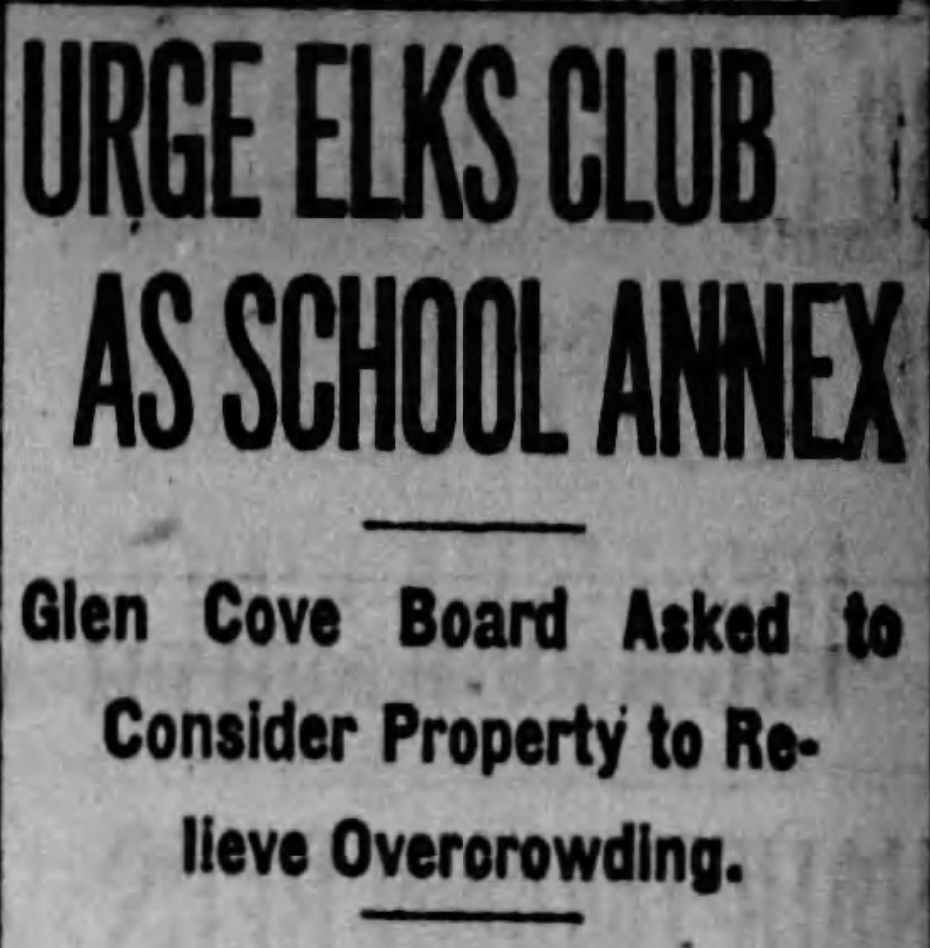
In February, a month after the Elks club announced their sale of the clubhouse, it was published that the Glen Cove School would be leasing the structure “sometime soon”, and the Elks would officially move out by April. Apparently, this was apart of an effort by the city of Glen Cove to ensure that the remaining $10,000 of debt that the Elks left behind on the property would be payed. So, did these leasings ever occur? For some time, the answer was yes. In November of 1936, the clubhouse was leased to the Glen Cove Fire department for an annual dance. However, other than this brief footnote, I can’t say the plans by the Glen Cove School or any other group to lease this clubhouse ever followed through.
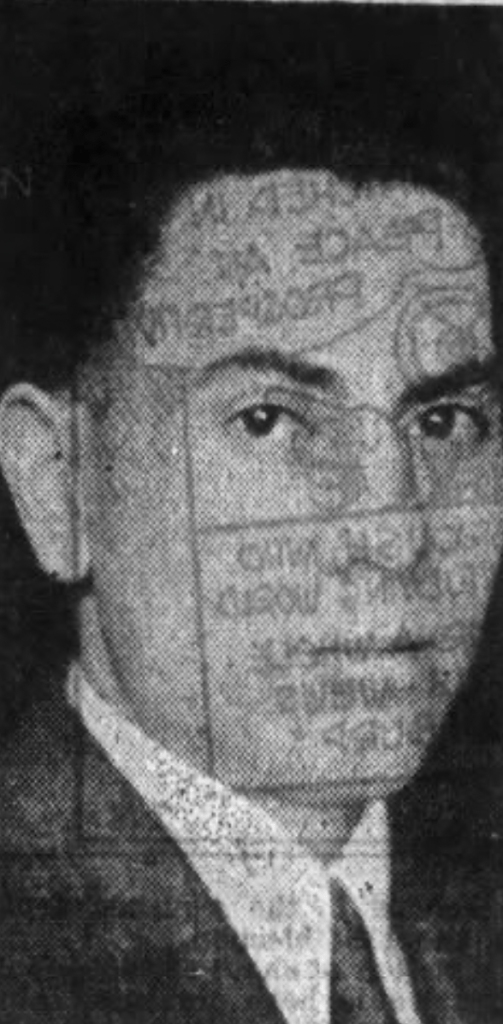
What I can say is that in January 1937, some very new and interesting plans did arise. This time, they were hard to disagree with. In an article published by the Brooklyn Times Union, the plans of Michael A Petroccia to convert the former Elks Clubhouse into a sports center or “semi-public country club” are detailed. While it’s an early stage, Pettrocia apparently had a lot of confidence in his vision, and was ready to start the legal purchasing process. And so, after this announcement was made, many eagerly awaited the newest update on the former Appleby Mansion & Estate. It had now been 6 years since the Clubhouse stopped full operation, and any new idea for the building (like that of Mr. Pettrocia) seemed necessary.
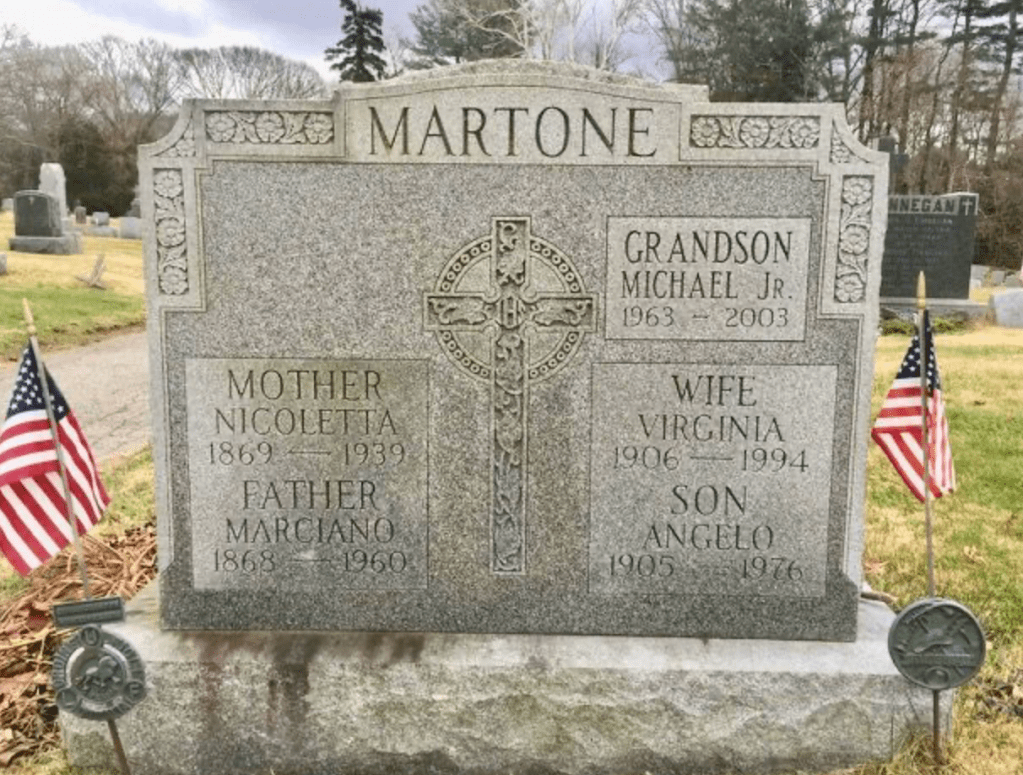
Unfortunately, in the typical fashion of this story, Mr. Pettrocia’s vision for a sprawling country club with the Appleby mansion at its forefront would never come to be. Not much was mentioned of the property, let alone the Pettrocia plans, until October 1940. It was then that Building Commissioner of Glen Cove Angelo Martone had a rare discussion with the Brooklyn Eagle about the Elks Clubhouse.
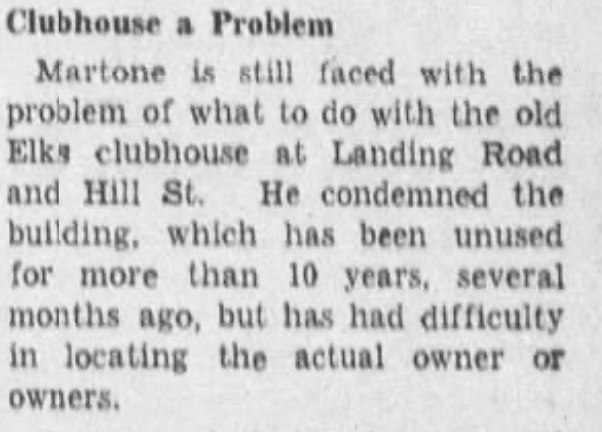
In this discussion, multiple details about the now 3-acre property, and its contents. Apparently, the Appleby Mansion turned Elks Clubhouse was now condemned, and parts of it have been “torn down” (although it is possible this could be referring to the Stucco & Brick addition of 1923). With these new details, and the porch reportedly collapsing in, one would expect the building to be set for demolition any moment now. But, according to Mr. Martone, the full clubhouse complex couldn’t actually be demolished until the exact owners of it were located. At the time, they were actually still unknown, and the aforementioned stockholders believed to have owned the property said they had no authorization to demolish any buildings. It was in September 1941 that the final update on the Elks Clubhouse / Appleby Mansion as we knew it came out. While brief, this mention is extremely relevant to the story of this home and gives us a glimpse into when (generally) the building was finally torn down. Essentially, what this mention (once more located in a Brooklyn Eagle article) says is that the former Elks Clubhouse & Property will finally be available to the city, if owners don’t pay for it, in September 1942. Past this point, the city expressed that they would be interested in having the land turned into a residential neighborhood, although for now all parties generally remain “hopelessly confused.” Obviously, this is very important news. Not only does it offer an absolute window of time left until the next change in ownership will occur regarding the Elks property, but it suggests that if and when this change occurs, the city will likely rip down the abandoned and decaying Appleby Mansion. Now, this is of course saddening and is not an ideal ending in any way. But, if it is truly this sequence of circumstances that played out, then it’s safe to say that the home absolutely had a good run.
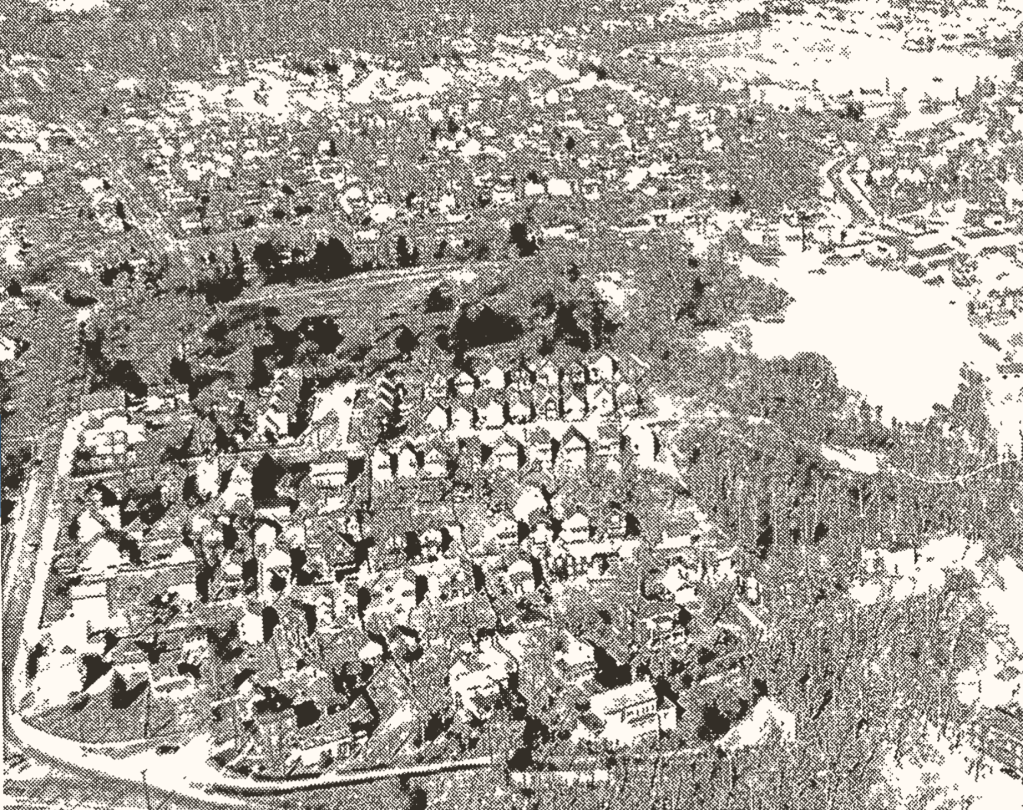
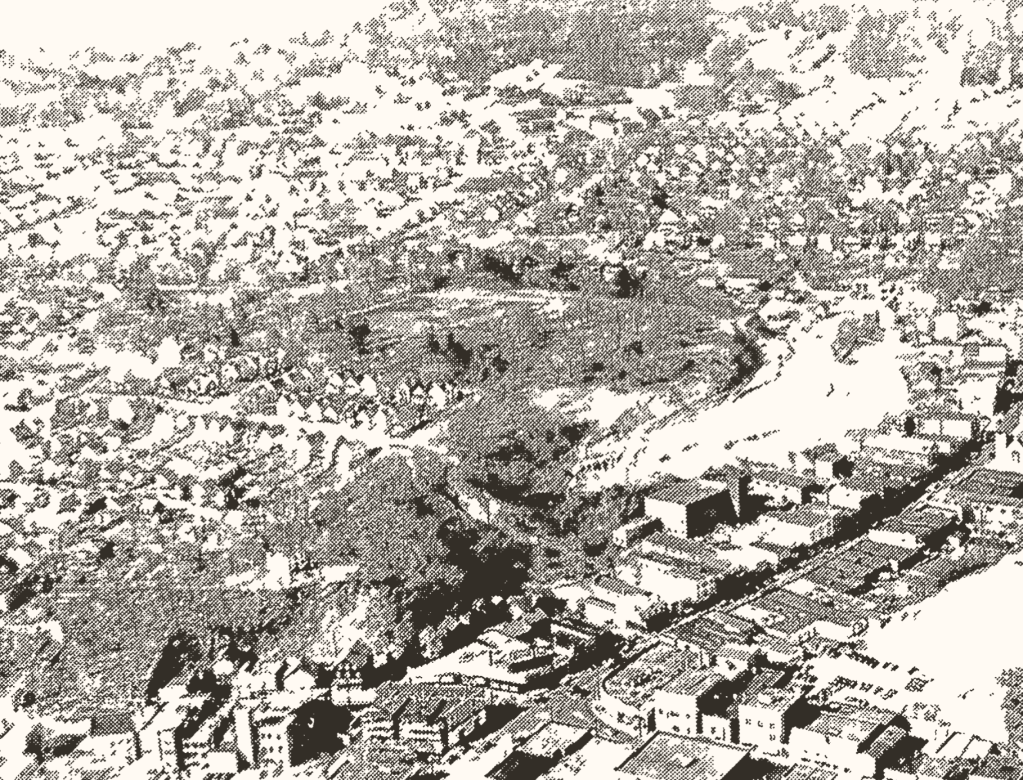
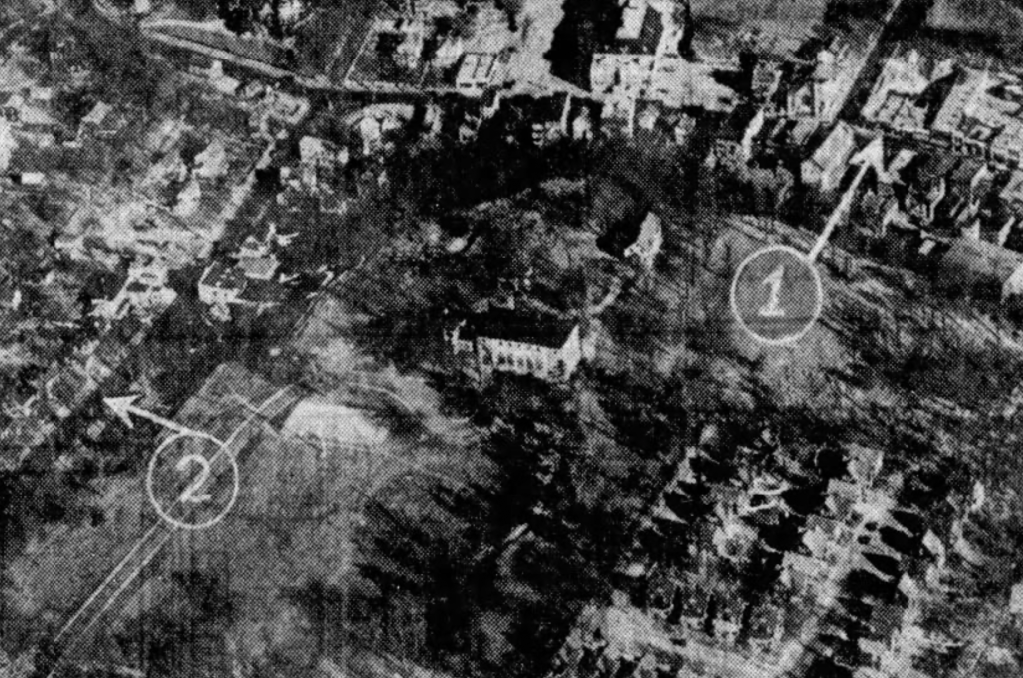
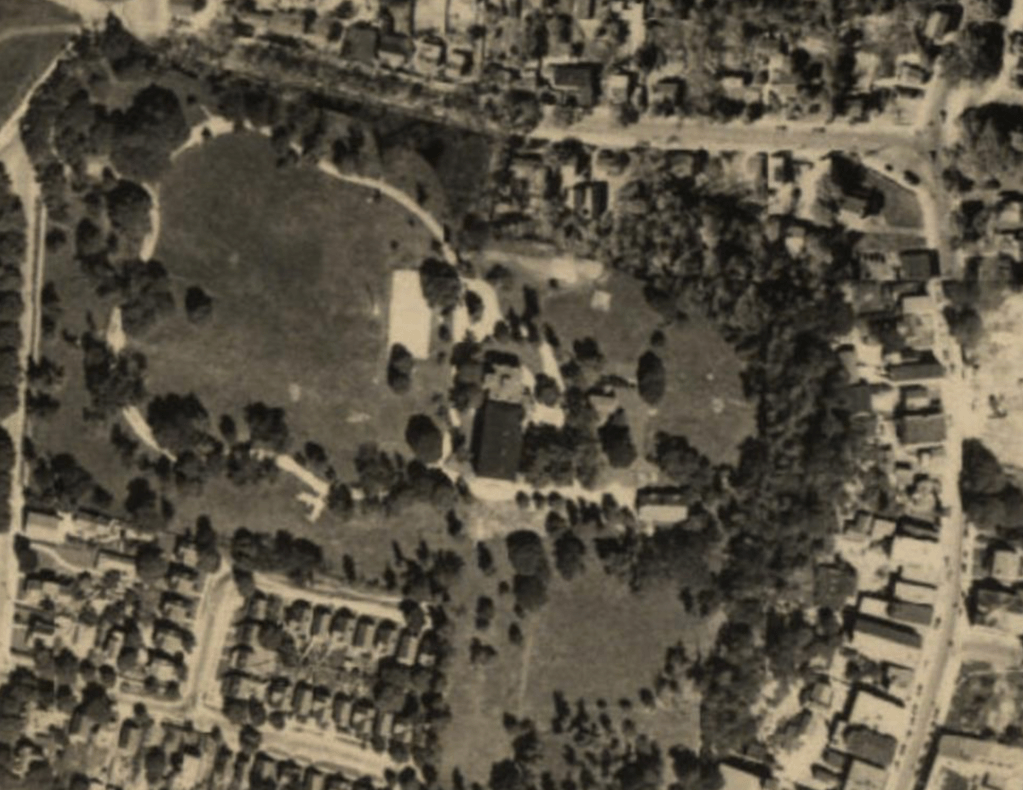
These 1953 aerial images showcase the Elks property after the house was demolished. Note the fresh soil in the center of the photo. Courtesy of The Glen Cove Spotlight.
I don’t know exactly when or how the mansion did finally get torn down completely, but I can say that by 1947, aerial imagery shows the land wiped clean, and in the 1953, it was sold off – with no clubhouse included.
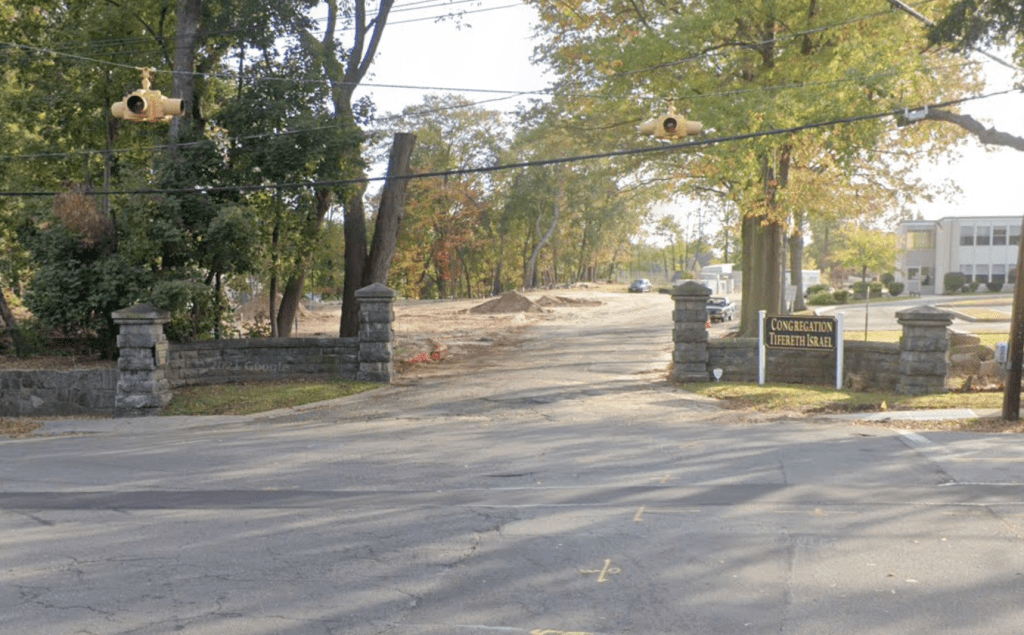
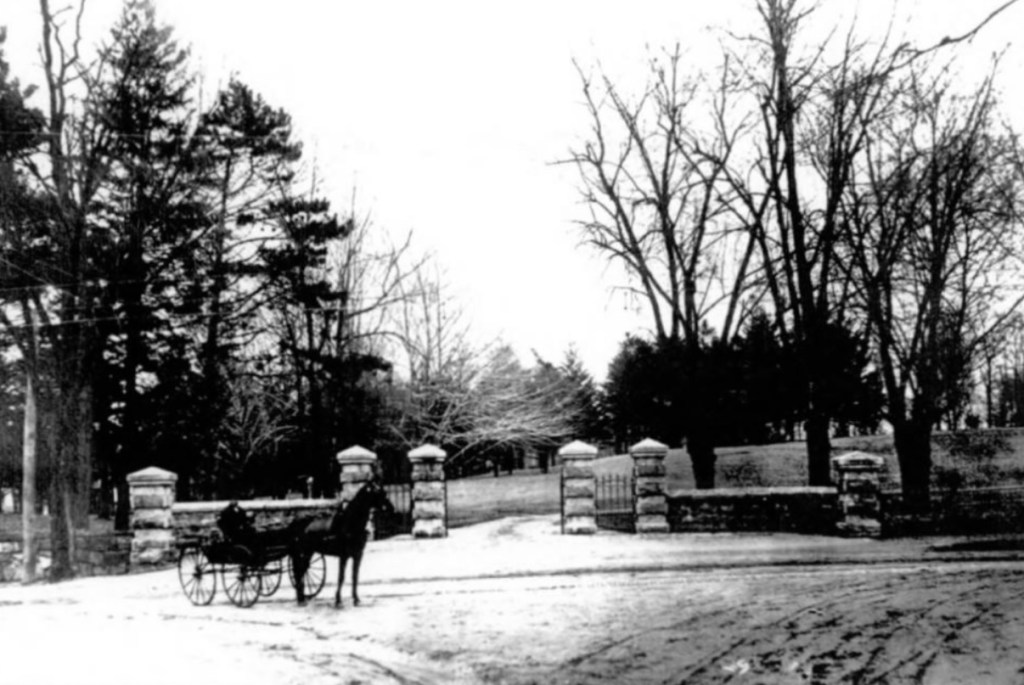
Today, the site is ran by the Congregation Tiferith Israel, a local Synegogue. While nothing remains from the days this property was owned by the Elks, the original gates constructed by Elias J Beach all the way back in 1869 do actually remain. They now signify the entrance to the Synagogue, and are in fantastic condition. In the end, the Appleby Mansion can be remembered for so many reasons: Its incredible repurposing as a club, Its magnificent appearance, Its monumentally slow decay, or its mysterious demise. There is so much more to note about this home, but I think it’s safe to say I got the gist. If you have any more information or potential memories from this home feel free to share!


Leave a Reply