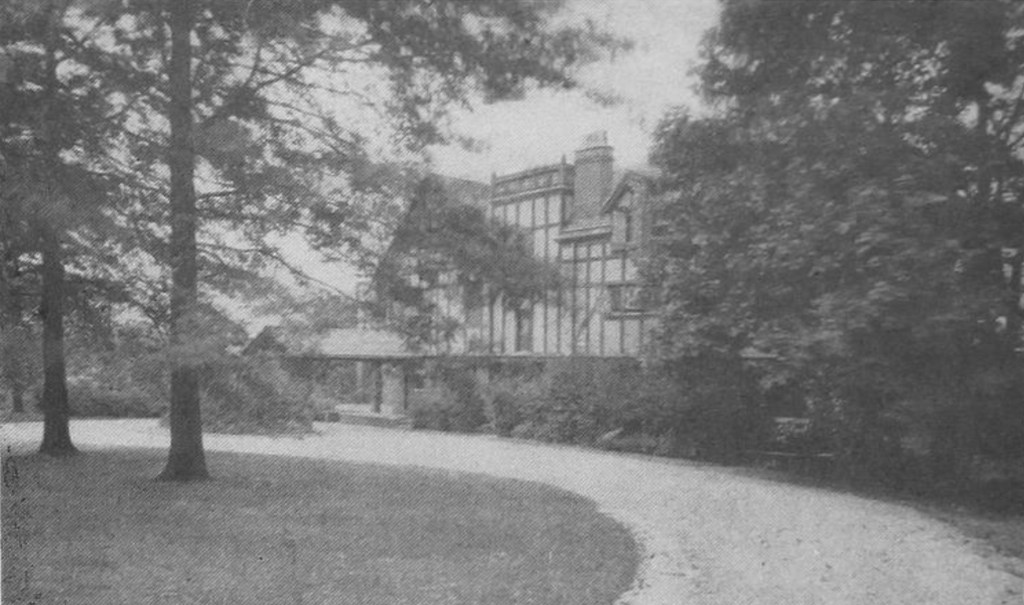
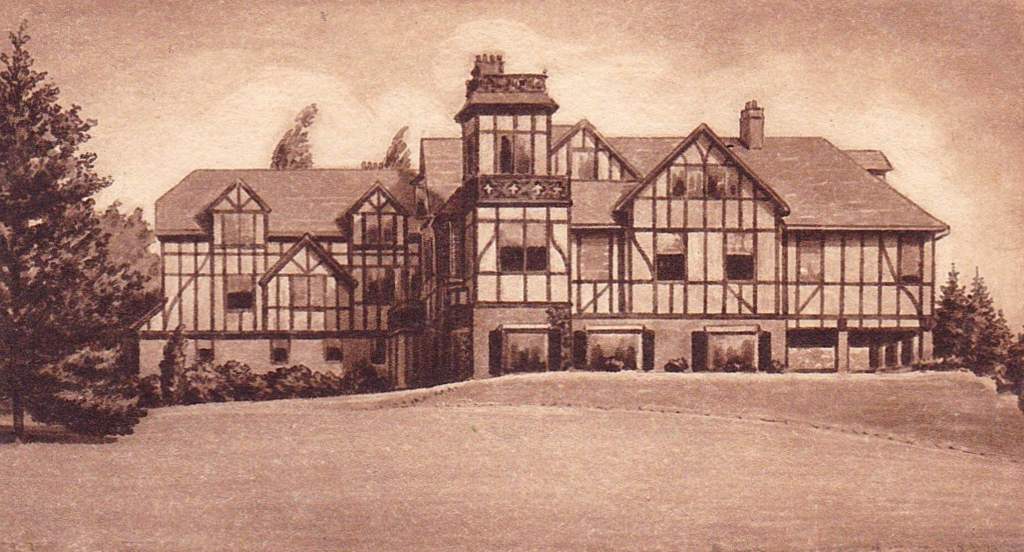
The tale of “Wyndhem” begins in a place forever keen to the realm of Gilded Age estates: Glen Cove, Long Island’s “North Country Colony.” Formed in 1893, the North Country Colony was a “residential enclave” dedicated to Americas wealthiest. It was (and has forever remained) the home of multiple extremely famous Long Island homes like that of F.W Woolworth, which is formerly known as “Winfield Hall.”
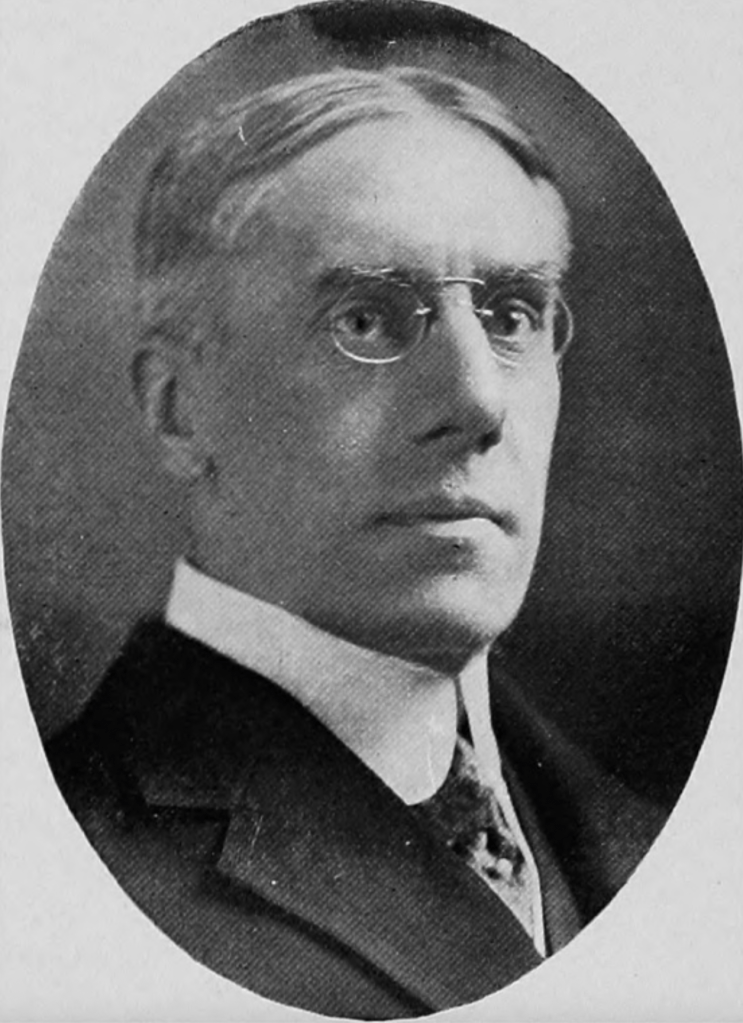
However, long before the North Country Colony was one of Long Island’s most sought after estate compounds, it was home to a few quaint and ornate residences. Of the first few socialites to settle in this promising colony was William Crittenden Adams, a New York City financier. Adams, and his brother in law Horatio, are believed to have settled in Glen Cove sometime between in the mid-1890s. While the exact dates that either of them had true homes built remains unknown, they were listed as contributors to the North Country Company in early 1894, and had confirmed estates by 1896. Hopefully, if history prevails, a construction date lies somewhere in that range. Nonetheless, by the late 1890s, the Adams family were already notable settlers in the Long Island scene, and both of their residences were widely applauded by magazines and periodicals alike. For today, though, we will be narrowing in on the William Crittenden Adams residence.
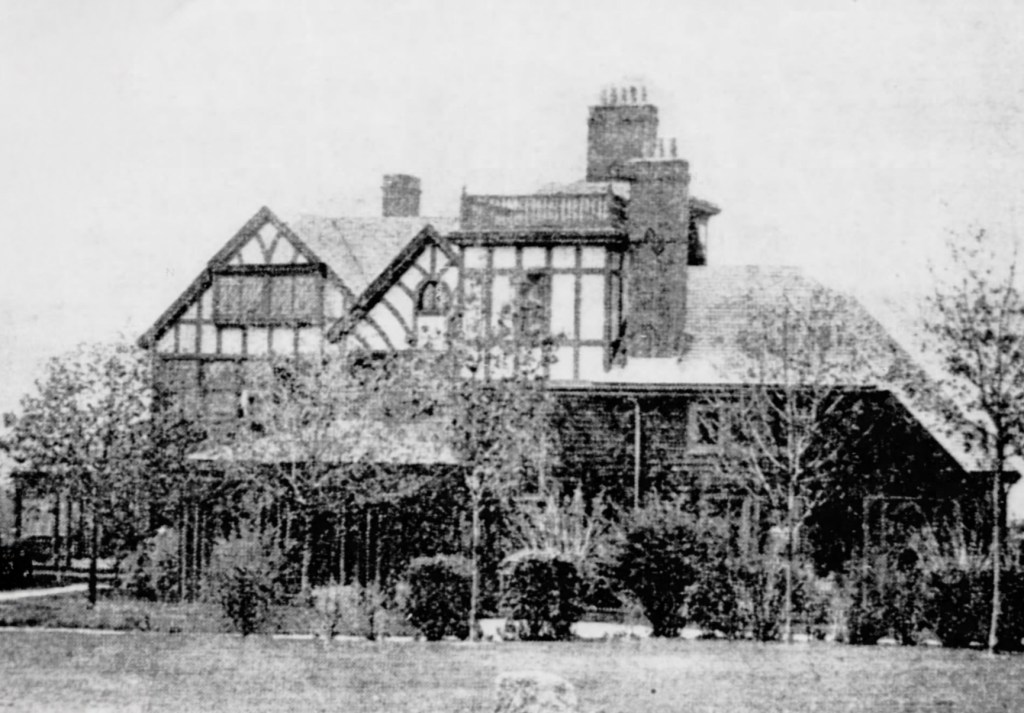
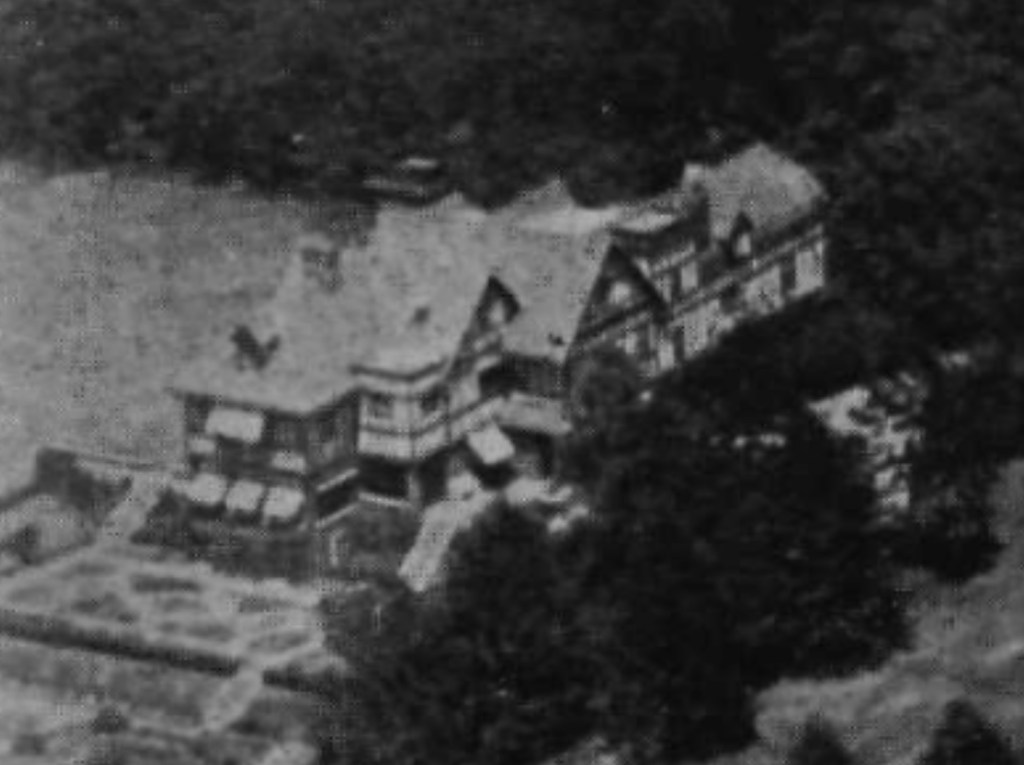
Architecturally, the William C Adams residence was of a tudor revival style, and commanded great views of the Long Island Sound & city of Glen Cove. It lied on about 6 acres of land, accompanying a set of attractive gardens & a small superintendents house. Overall, this mansion was of the utmost interest when it was first built, making it an extremely attractive landmark of the ever growing North Country Colony. The first time the Adams residence was ever photographed – as far as the author is aware – is a May 1902 New York Tribune supplement on “Picturesque Glen Cove.” The Adams residence is shown on the right side of the page, standing tall and grand – even when compared to its massive neighbors.
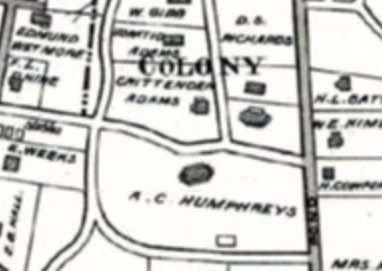
However, unbenknownst to all, what was once a small feature in a massive newspaper, would end up being the last time William C Adams’ Glen Cove home was ever photographed in its first state. I say this because, in June 1903, it was announced that William C Adams would be “significantly enlarging” his Glen Cove house. While the actual enlargements didn’t start for a few years – likely due to the Adams family funding continued desire to summer there (rather than have construction workers consistently on-site) – they were certainly of the utmost grandeur when completed. The only thing is, as far as i’m aware, the full vision of Mr. Adams’ house likely never came to be. While the home that stood from 1906 on was undoubtedly stunning, its full vision could never be realized.
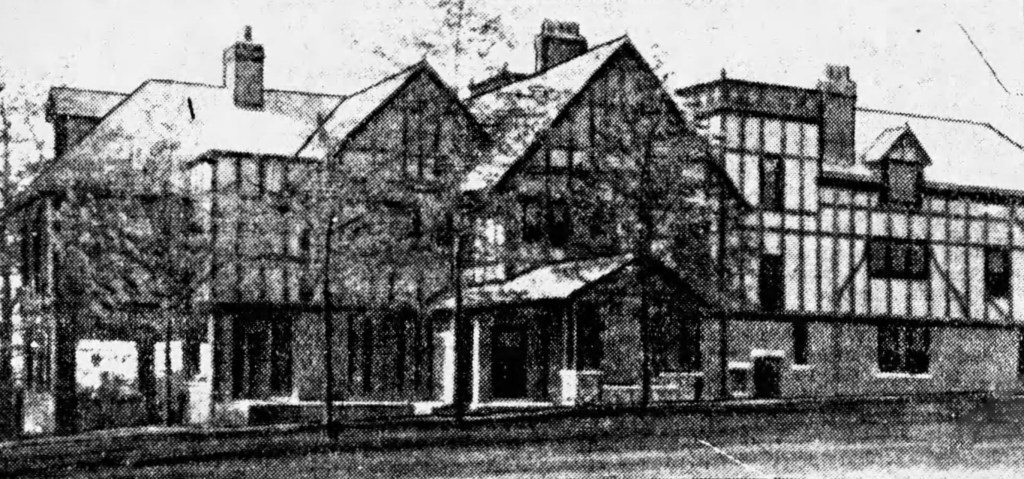
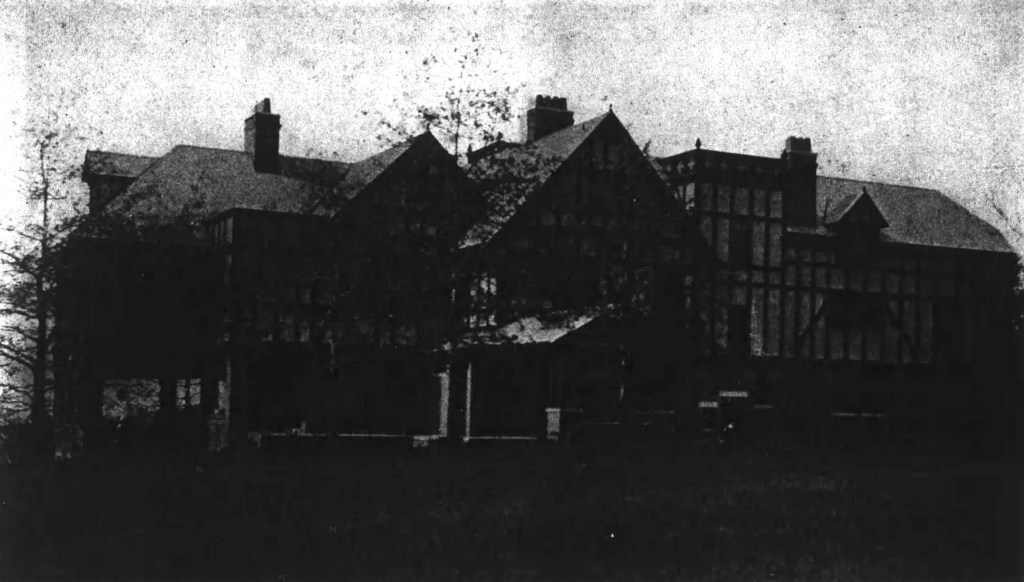
That’s because on the night of July 10, 1906, as workers headed home from renovating the iconic Adams residence, and all the lights were shut off inside and out, one man made a mistake that would soon cost him an unprecedented benefit. According to a “Brooklyn Eagle” article from the day after this incident, it took a single worker who forgot to bring home the plans for the Adams Home’s expansion, a severe storm, and a single gust of wind to ruin the architectural plans for William C Adams’ new and improved home. Thankfully, as photos published a few years later appear to show, the home was either finished later on or already completed enough at the time of the incident. Nevertheless, Mr. Adams and his family would continue to spend time at their estate once more the next summer.
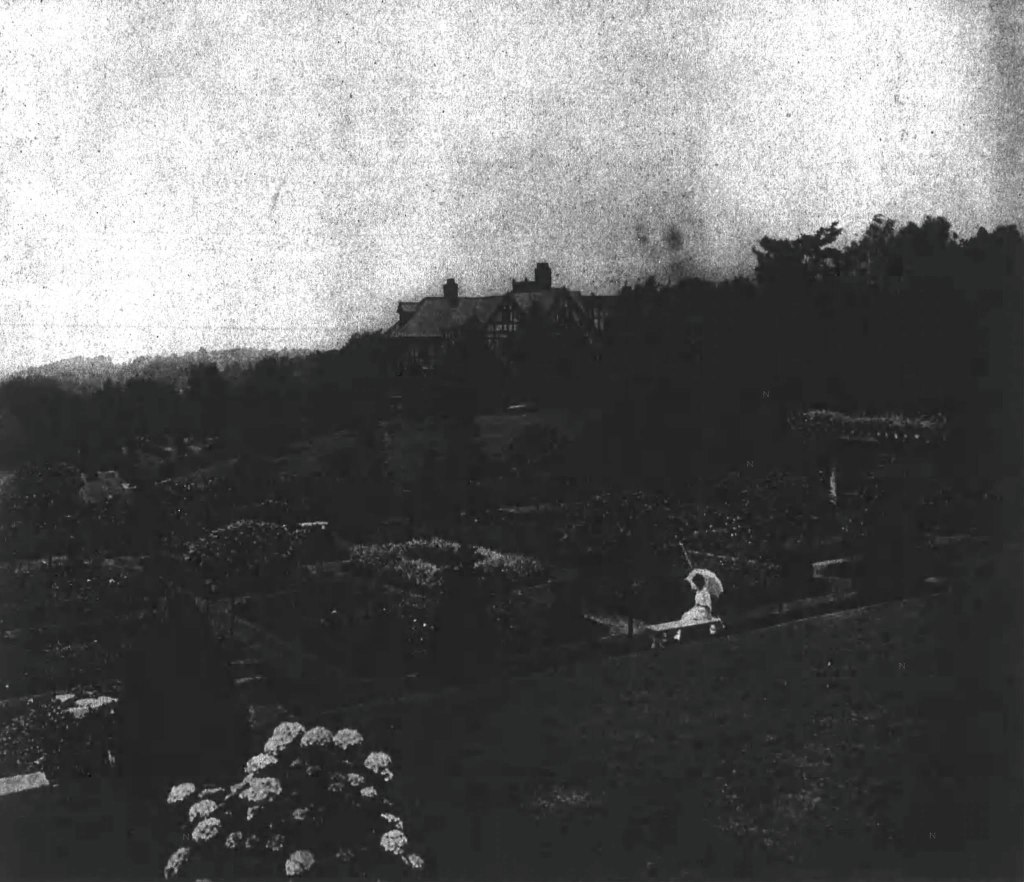
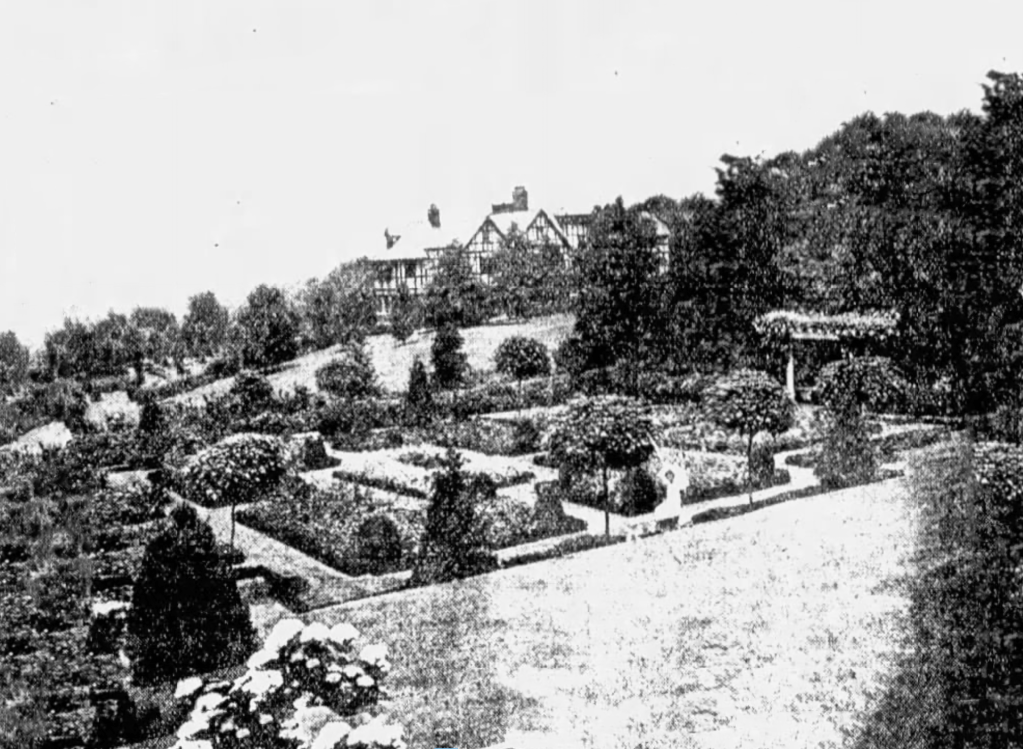
Only in 1910 did the Adams family finally skip a summer in Glen Cove. Rather, they began to lease it out to the wealthy-men of New York City. First, it was William R Wilcox. Soon, the Adams home was being rented out to a wide pool of faces, from financiers to local estate owners who wanted a simple change of scenery. While a nice tradition for the Adams family, the final lease for the home occurred with Charles T.F. Mccann in 1915.
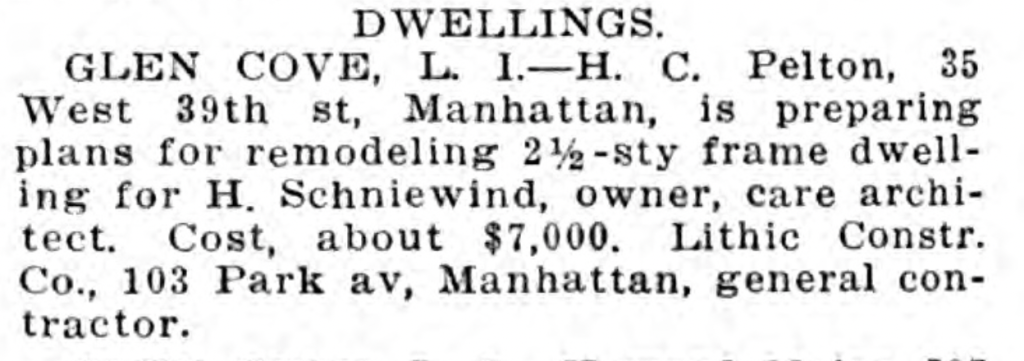
in December of that year, William C Adams sold his country home. While the reasons are relatively unknown, it’s likely they have something to do with the home being virtually unoccupied by the Adams’ themselves for years. Even so, the newest owner of this magnificent estate was quick to make as many improvements as possible. His name was Henry Schniewind, and he was an industrialist of German descent. Four months after his purchase of the Adams home, Schniewind made his first headlines in Glen Cove news. In March 1916, Henry Schniewind disclosed to multiple newspapers that he was to have his newly acquired estate remodeled by architect H. C. Pelton. By May, work was completed and it was subsequently announced that Schniewind would move in.
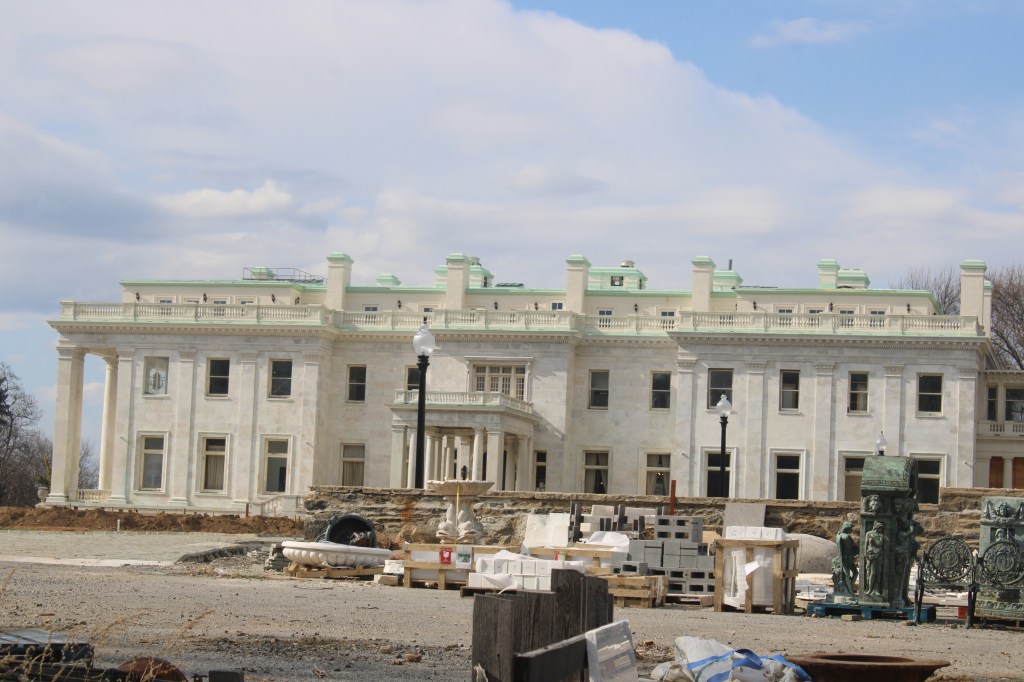
Funnily enough, it was Schniewind’s first summer in Glen Cove that one of his most iconic stories arose. In that fateful summer of 1916, Schniewind’s neighbor Frank Woolworth just so happened to be building a mansion directly to the south of Schniewind. For better or for worse, this home also stood atop a large hill, making it appear almost larger than life. Initially, Schniewind had no issue with Woolworth and his grand occurrences.
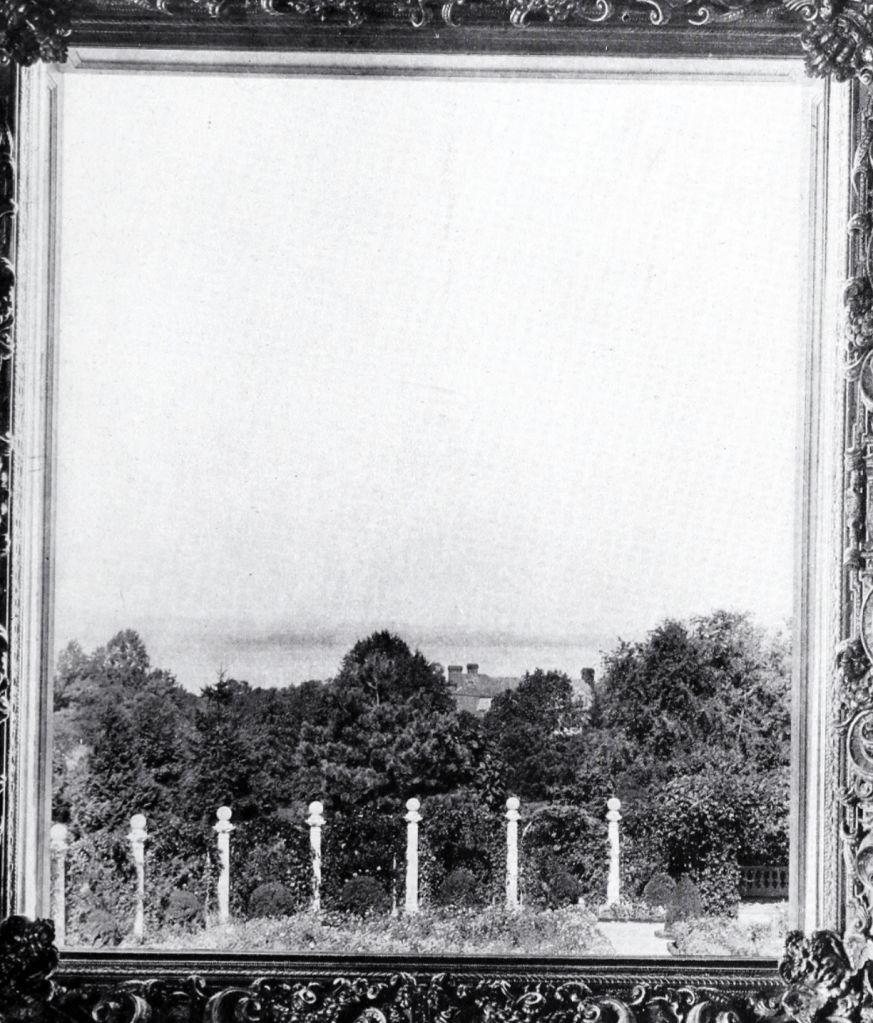
It was that summer, however, when Schniewind received a request from Woolworth that apparently appalled the man to an incomprehensible extent: Mr. Woolworth wanted Schniewind to cut his trees down – significantly improving Woolworths view of the long island sound. According to local legend, this request disturbed Schniewind so much that the man was telling its story even in his final years, long after Woolworths 1919 perishing. Unfortunately for Woolworth, Schniewind – dare I say obviously – never cut a single tree top on his estate.
What he did do, though, is spend an undoubtedly swell amount of time improving his Glen Cove estate. After his 1916 summer at the new-and-improved Adams mansion, Schniewind decided he wanted to spice up his grounds and soon hired landscape architect Joseph Gatringer to help with such. process. That coming spring, new gardens and overall landscaping were installed to the estate, and Mr. Schniewind spent another fine summer in the (continually) expanding North Country Colony of Glen Cove.
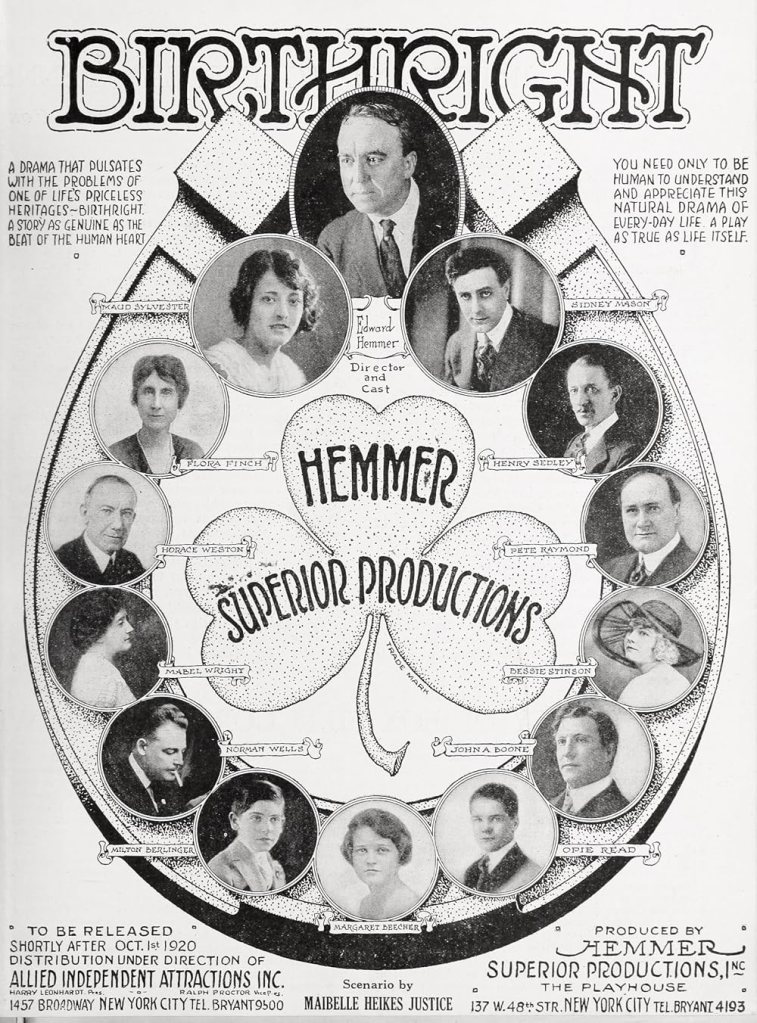
Finally, in 1918 – on the brink of a new summer at the estate – Schniewind gave his country seat a name: “Wyndhem.” Thankfully, this title would stick. Wyndhem was ultimately lived in by the Schniewinds for many, many years. Two years later, in 1920, it was the venue for Maud Sylvester’s “Birthright” a notable but lost-to-time silent film. Reportedly, the ending of “Birthright” took place on the Schniewind estate – although the chances we will ever see this footage are dim.
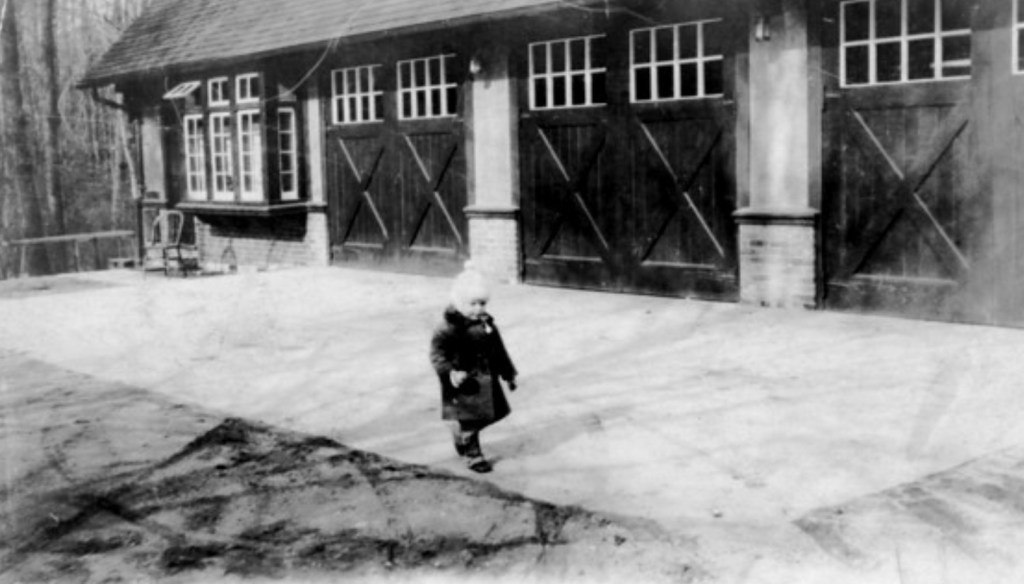
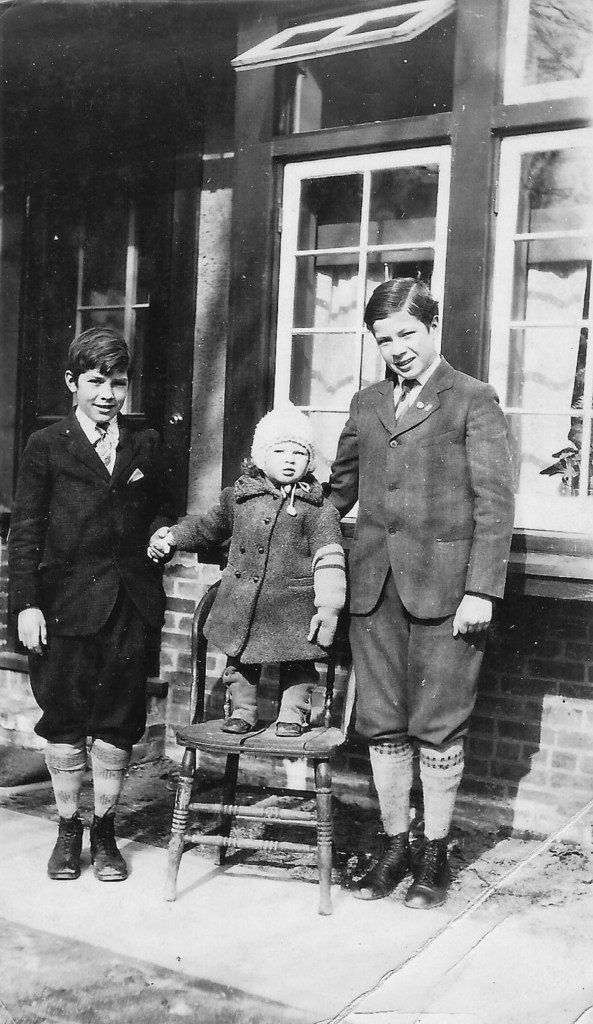
It was also around the time of this movies filming that the Schniewinds hired a set of caretakers for their property – that of the Hendrickson family. While superintendents or workers on estates were often given little care by their owners – relatives of the Hendrickson’s recall (even today) that the Schniewinds were reportedly great supporters of the family.
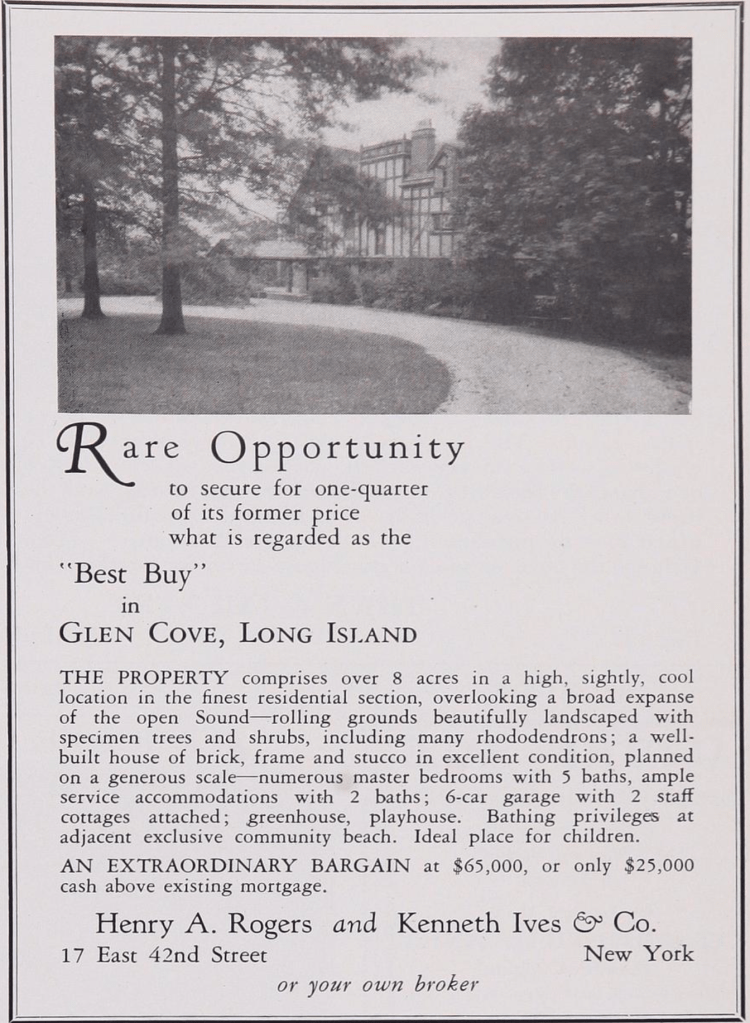
Wyndhem would end up being lived in by the Schniewinds for about 26 years. In 1938, it was actually placed for sale. Advertised as a “best buy” opportunity, the magnificent residence was promoted widely in magazines like “Town & Country.” Despite this, it’s believed that no buyers came out of this real estate roll out. Eventually, the home was taken off the market and remained a subject of scarce use by the time the Schniewind family.
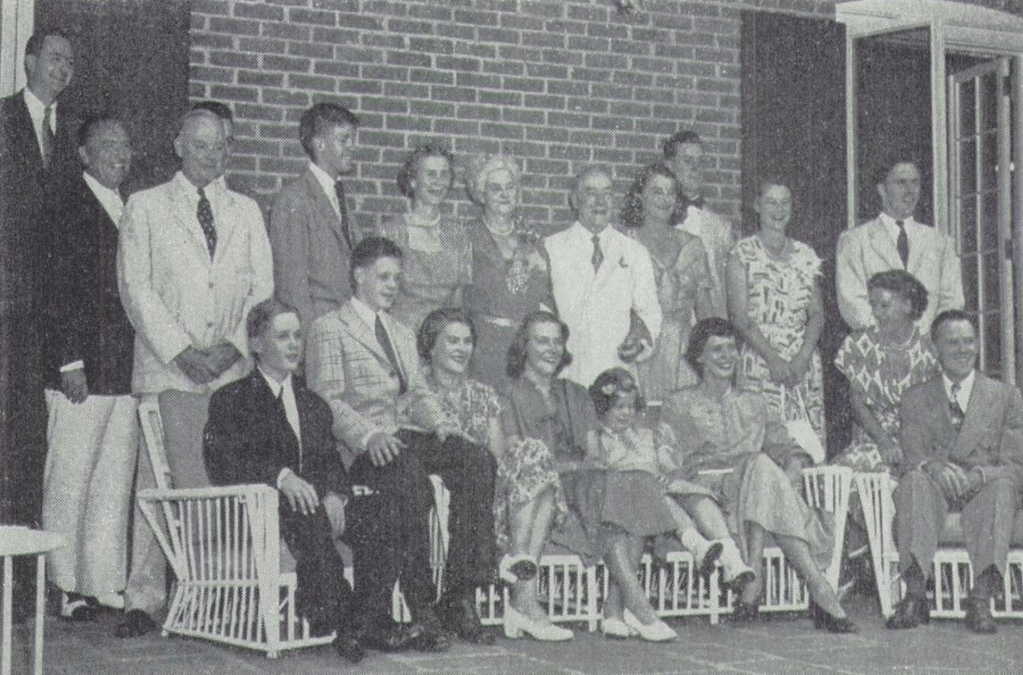
In July 1942, Henry Schniewind’s daughter Ethel Manville wed on her father’s Glen Cove estate in an evidently stunning ceremony. While this may have appeared as a sign that “Wyndhem” was still set to be a Schniewind family home for many years to come, the truth was much more saddening. By December of that year, in a shocking turn of events, it was revealed that vandals had been stripping multiple unoccupied Glen Cove homes of their copper gutters, metal trim, and similar fixtures. At the forefront of this incident was Wyndhem, which reportedly lost a large number of its detailing.
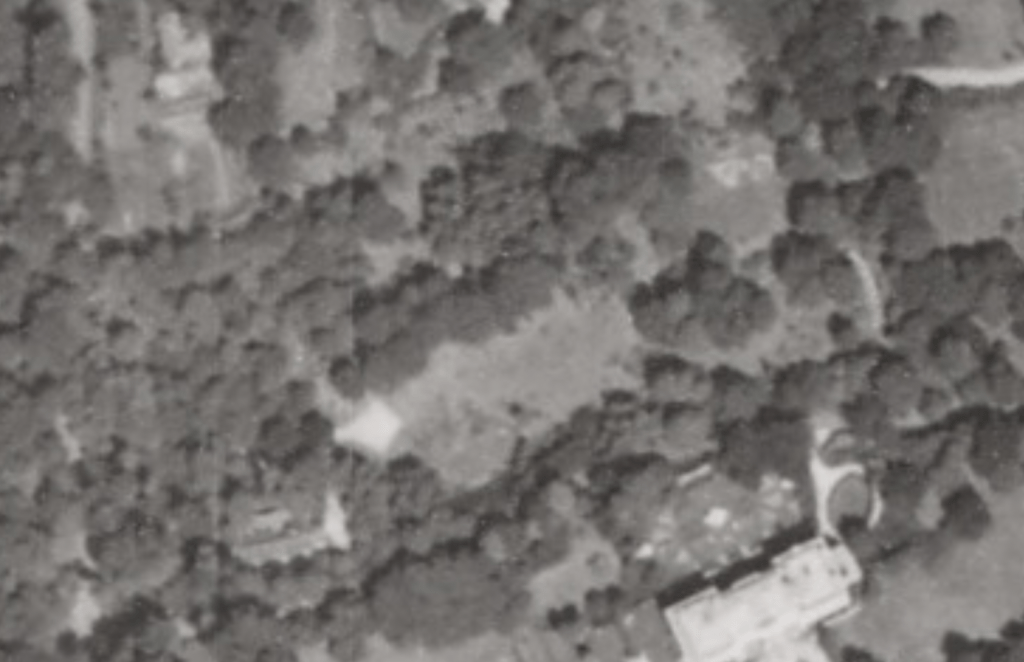
Now, the big question next would be if the home was to ever be occupied again? To be frank, we likely will never know. But, the best guess would be a hard no. After all, when a home is stripped like this, it usually means the property is not being adequately surveyed, let alone cared for by its owners. This was further proven one year later, when the home was apparently placed on tax sale lists in the county. 3 years later, after Nassau County finally acquired the land (including the once-grand Schniewind residence), its demolition was unfortunately announced. Commencing in January 1946, the demolition of Wyndhem was a big loss for not only Glen Cove – but the world of Gilded Age architecture. What was once a grand tudor revival palace had became a decadent burden to its neighbors. So, while saddening, this was likely an inevitable fate for the home which had been falling apart for years. By 1947, the destruction was finished, and the property soon wiped clean.
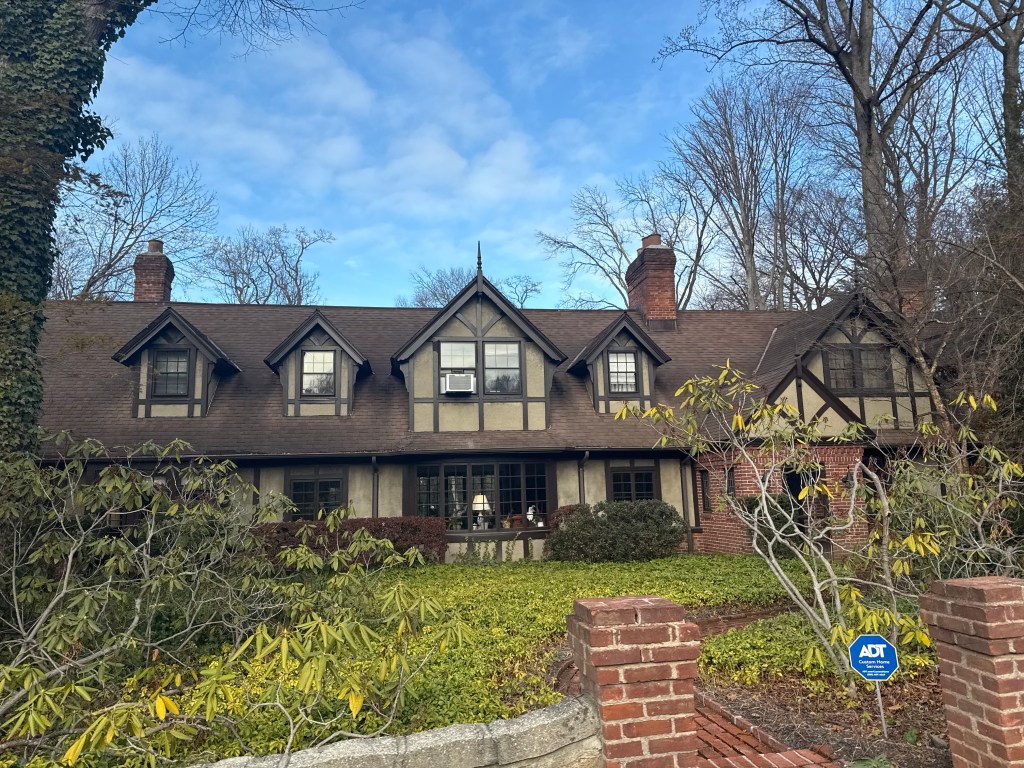
Since this occurrence, the land that once held “Wyndhem” has actually remained surprisingly untouched. Its former Carriage House, located along Tower Road in Glen Cove, does still remain and is a private residence. While some parts towards the edge of the property have been built on, the location where the gardens and main residence once stood are now just general forest.
Ultimately, while Wyndhem itself is forever gone, and borderline forgotten in the world of Long Island country homes, it is forever important to recognize this homes significance and impeccable architecture. Not only that, but the homes insane stories (from its plans flying out the window to a lost film being produced on-site) are deserving of. a true retelling, which I hope I’ve done today. I do hope you enjoyed this article! This was a lovely project to embark on : )


Leave a Reply