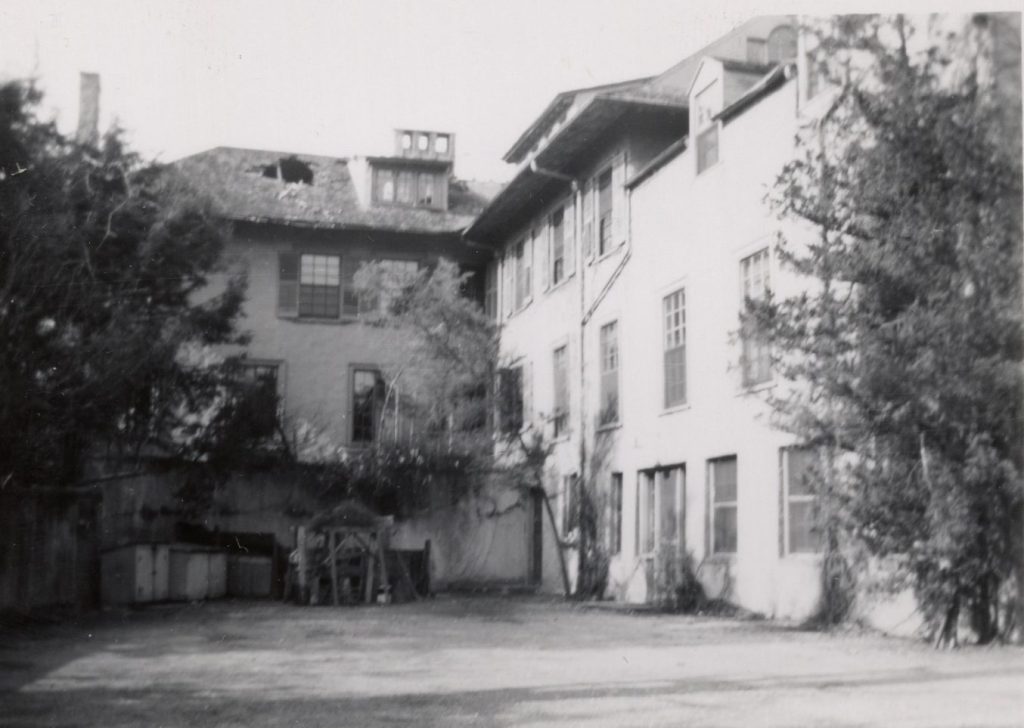
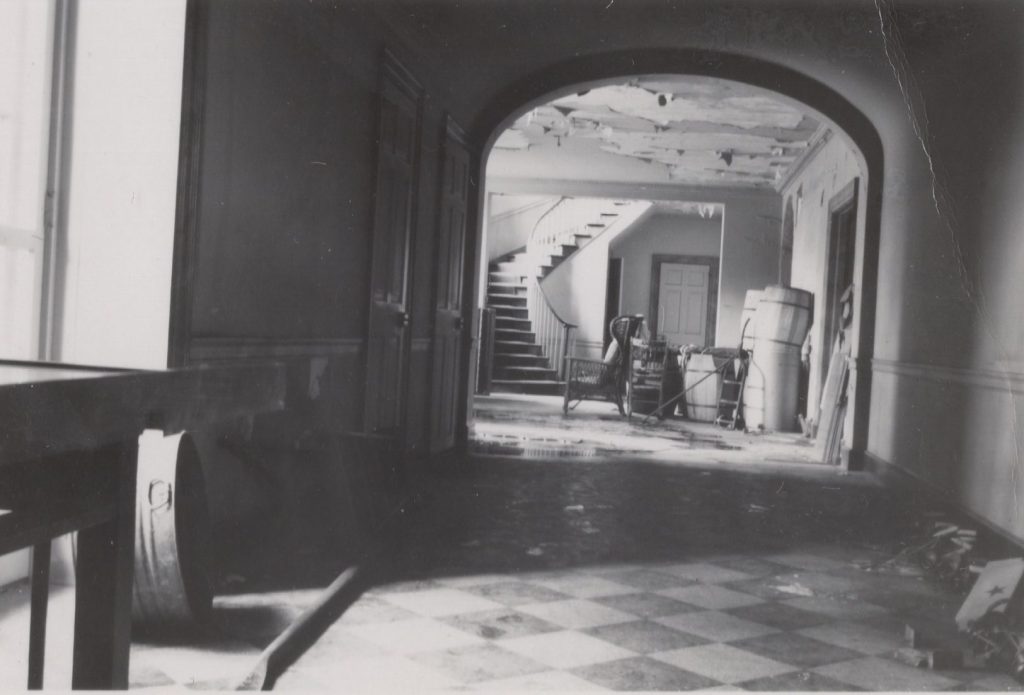
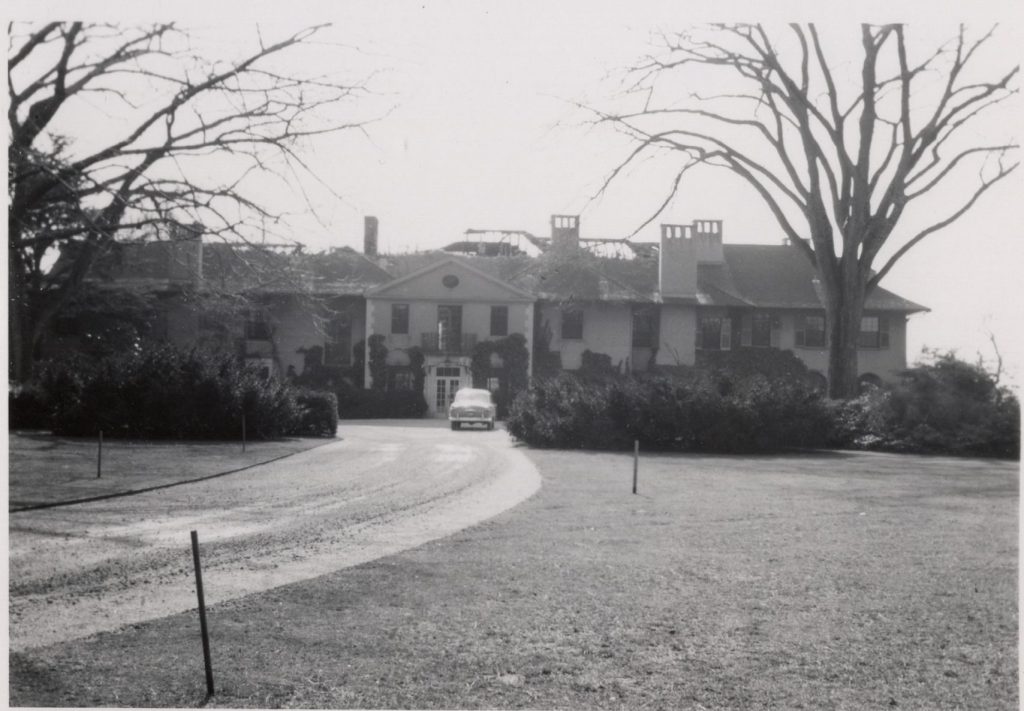
In this article, we will be exploring the complex and long-untold history of Howard Maxwell’s Glen Cove, New York residence, formally known as “Maxwellton.”
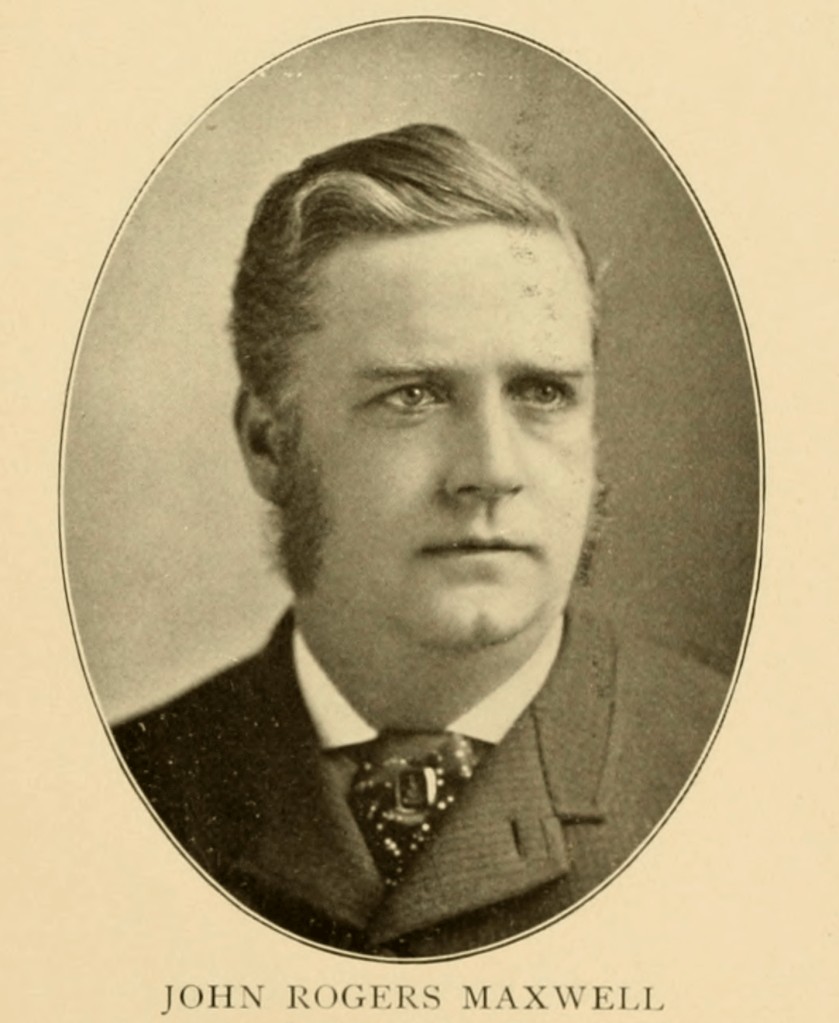
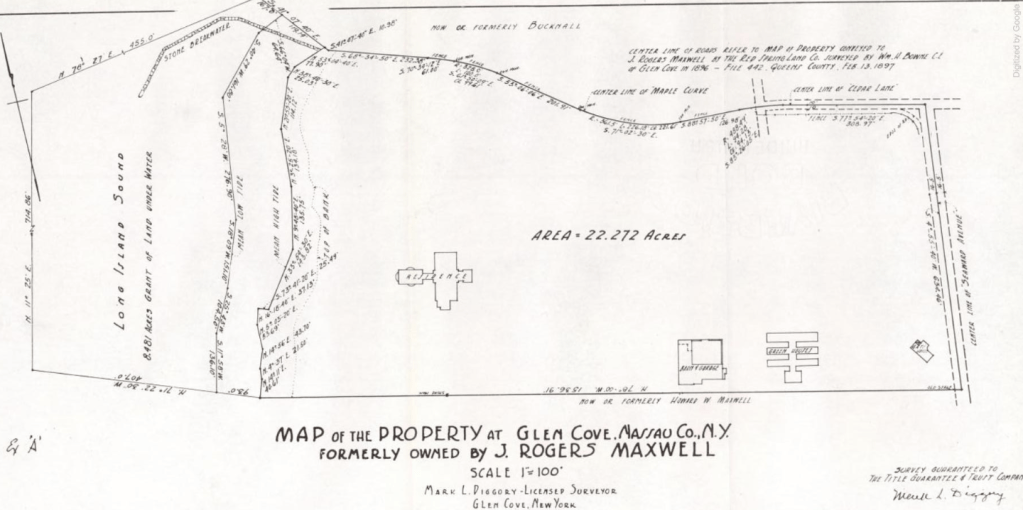
Long before the residence of Howard Maxwell ever stood in the bustling city of Glen Cove, however, there was a wealthy sportsman by the name of John Rogers Maxwell with a grand country home overlooking the Long Island Sound. Mr Rogers Maxwell, as he was often known, settled in Glen Cove sometime around late 1896. He had been leasing smaller summer homes in the area for a bit, and finally began gathering land holdings that year.
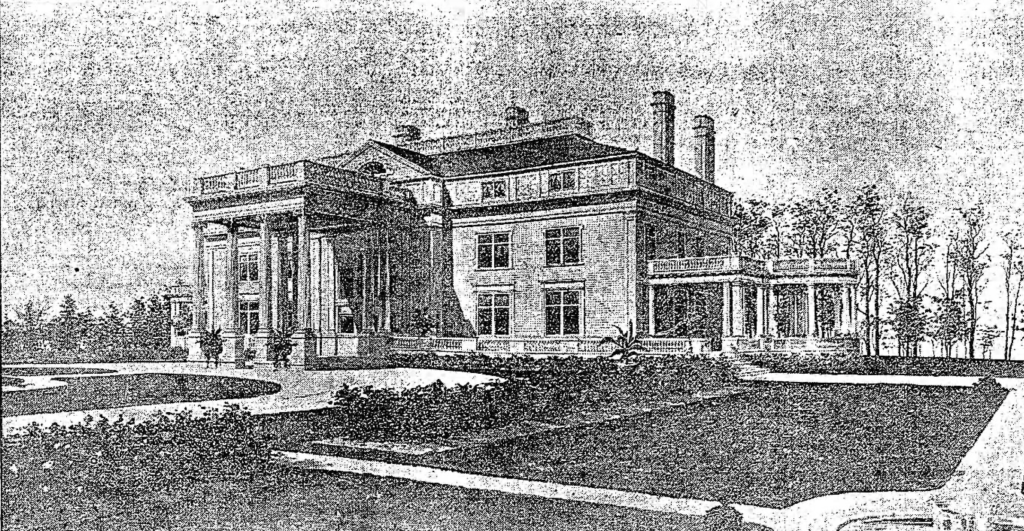
By January of 1897, Maxwell initiated plans for a new, grand Neoclassical country home. Designed by renowned architect William B Tubby, this building was to have over 40 bedrooms and be fit for only the most affluent of living. In February 1898, construction commenced on the regal creation. Less than a year later, the home was completed and given an unforgettable name: “Maxwellton.” Little did anyone know, this fitting title would soon transcend the bounds of Mr. Maxwell’s own residence, as in 1904 it was announced that Maxwellton was to be expanded. The truth is, though, this would not be just any expansion. In fact, almost every inch of the Maxwell estate would be changed in the span of just 2 years:
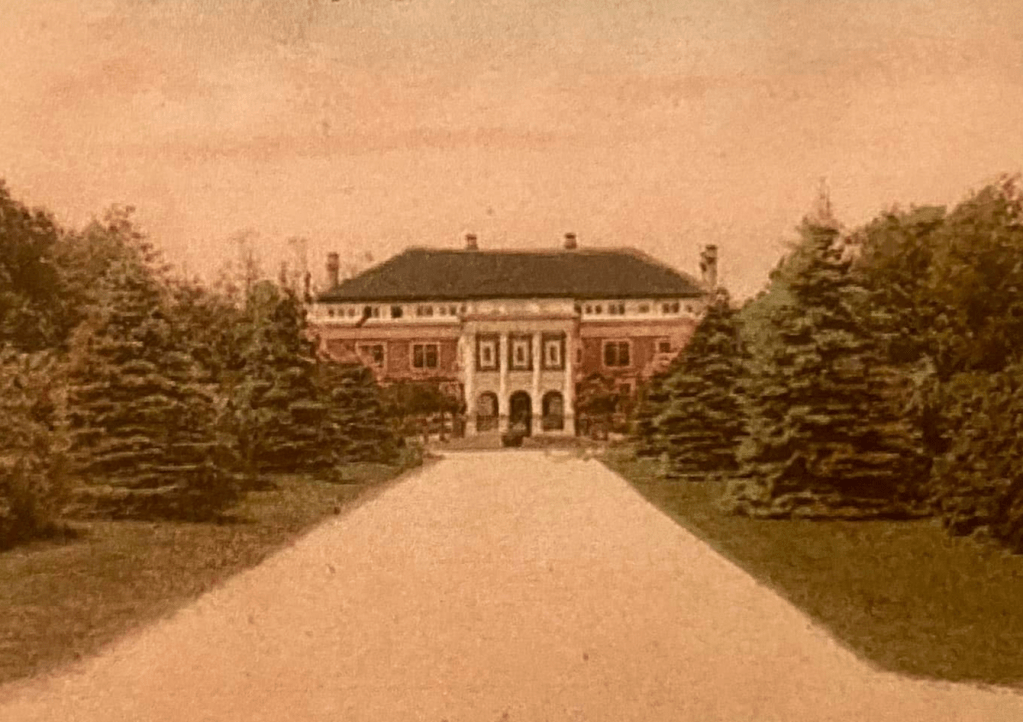
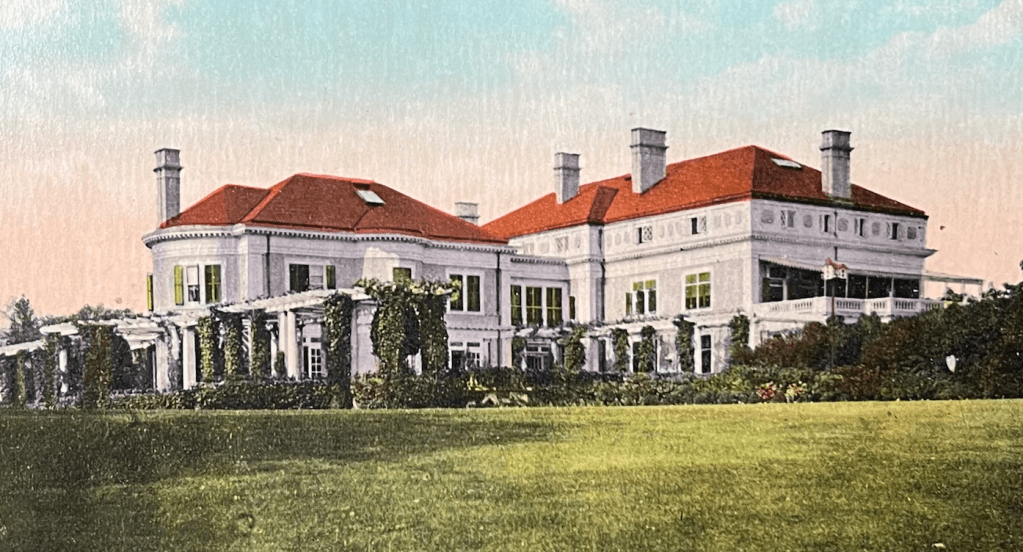
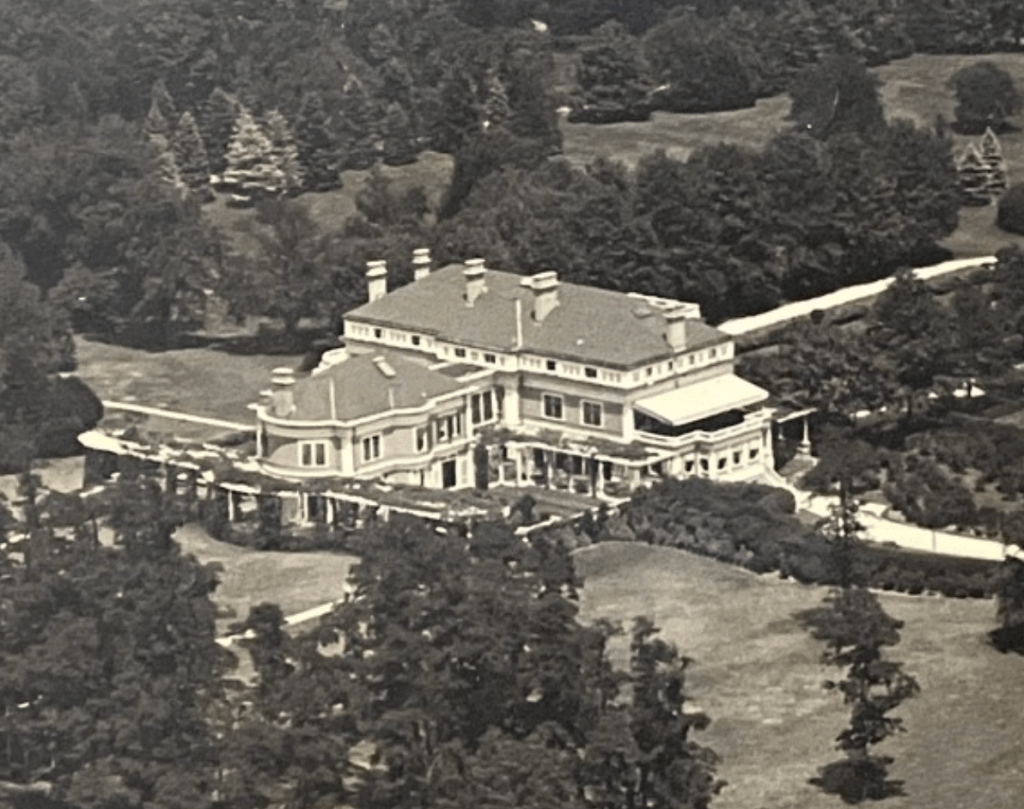
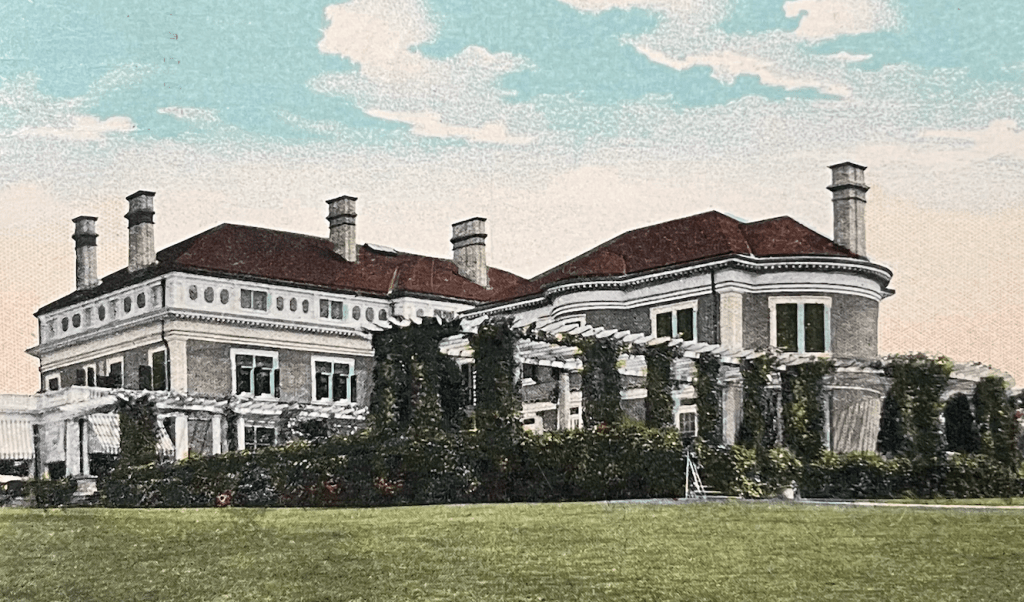
- Firstly, the 6 year old Maxwellton mansion underwent a significant conversion, changing its appearance to resemble that of a mediterranean villa. Neither the architect nor exact time of this alteration are known, although they were undoubtedly swell in taste.
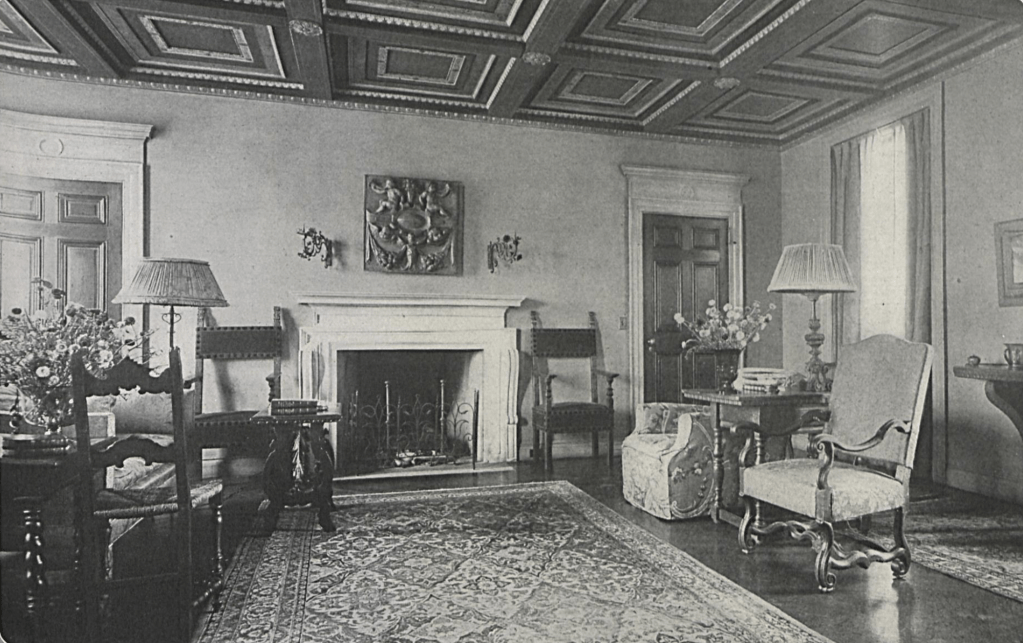
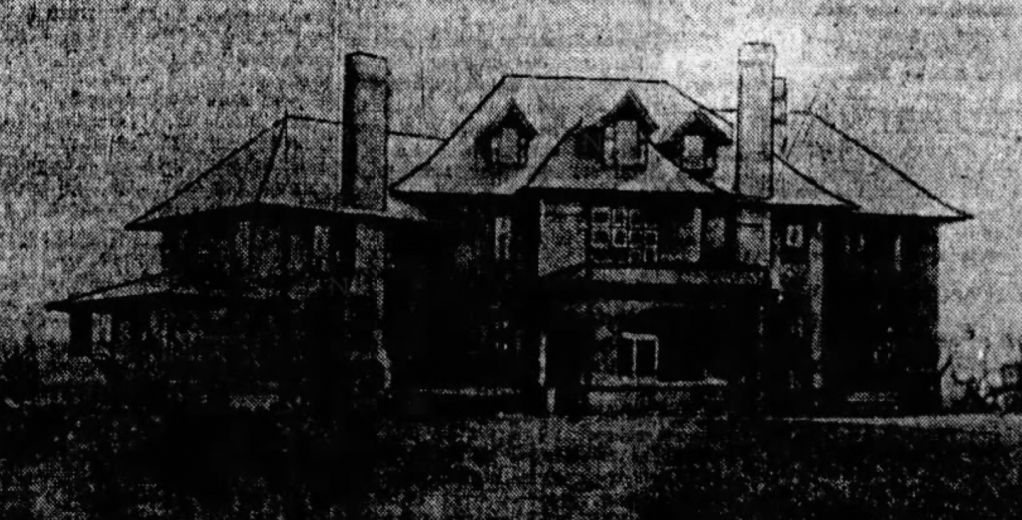
- Secondly, a newly-acquired 32.8 acre parcel just south of Maxwell’s original 27 acres was cleared and prepared for the construction of two new grand mansions: The Howard Maxwell residence, and The Louise Whitney residence.
These homes were to be lived in by two of Maxwells children, with Howards’ (proudly) taking on the Maxwellton name. While there is undoubtedly a lot to say about both of the new residences collectively, today we will be specifically highlighting the residence of Howard Washburn Maxwell.
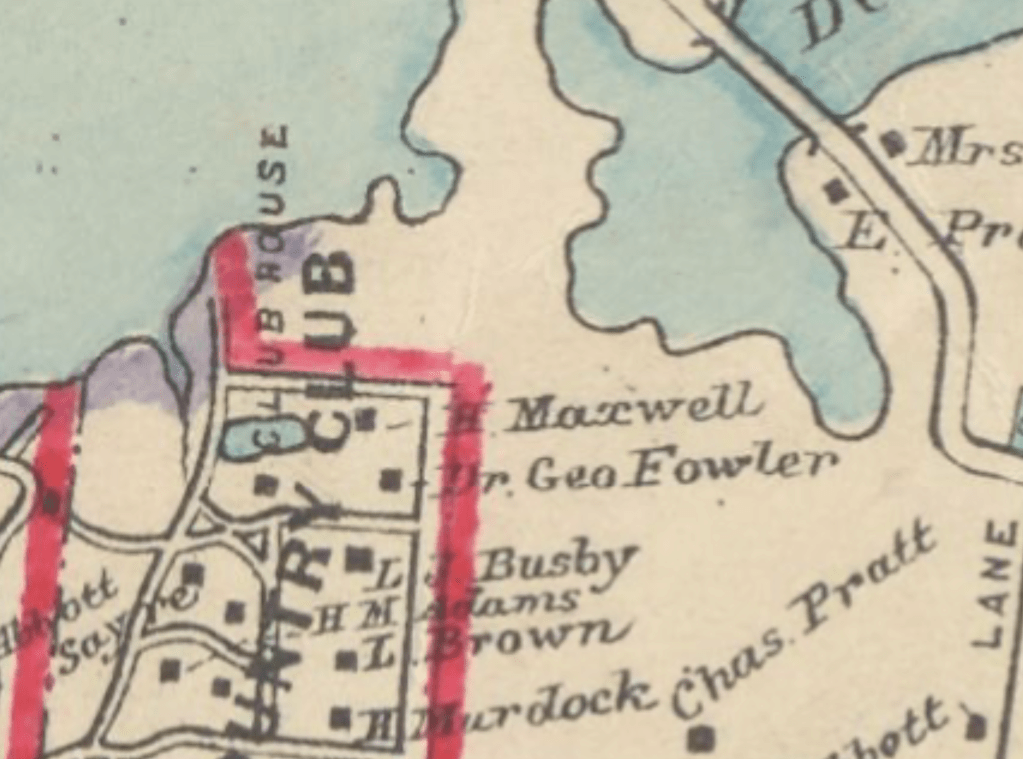
This mansion was first contracted in October 1904. Like his father, Howard had been summering in Glen Cove for years before this. In fact, he first expressed desire to build in the relatively new summer colony all the way back in 1898, with some sources even suggesting that he had a small cottage in the area years before this. Thus, when he finally got the chance to have a proper mansion of his own in the year of 1904, Howard Maxwell took that opportunity with pride.
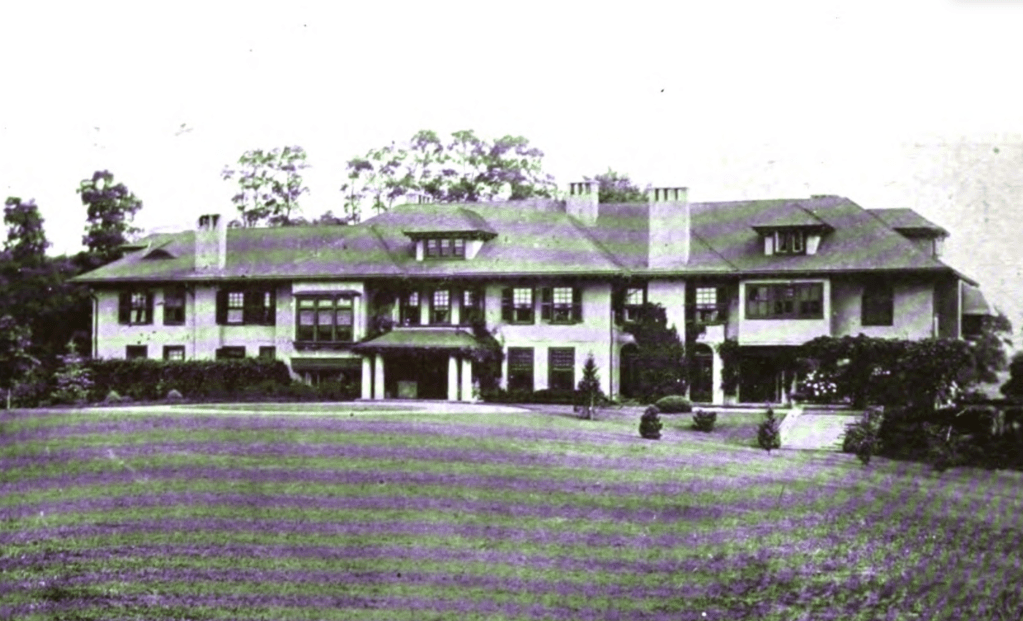
He hired architect Herbert Brewster – a local to the Glen Cove area – to design the home, which would end up being in the English Manor style. Builders began work on the mansion sometime around February 1905. By July, construction was well underway and the home (along with the southerly Whitney mansion “Craigdarroch”) was expected to be finished in the spring of 1906. After a brief delay in the early part of the year, the mansion was finally concluded in June of 1906.
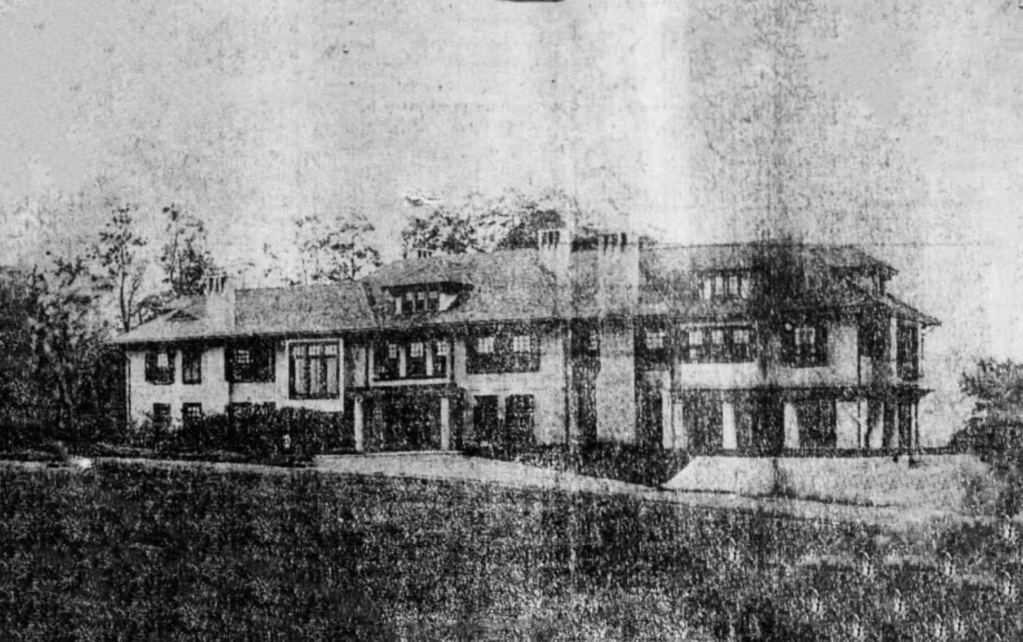
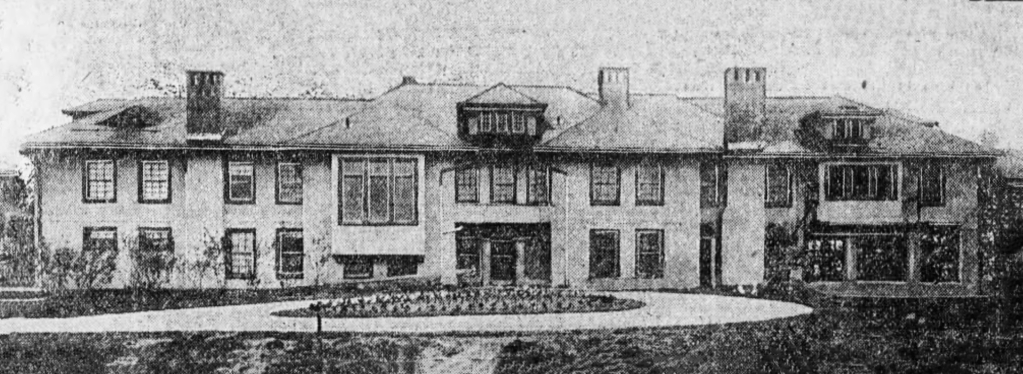
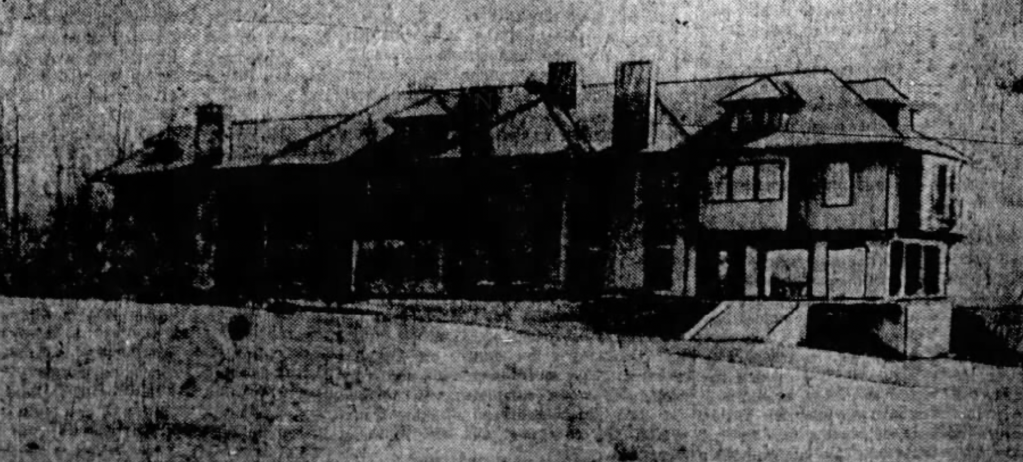
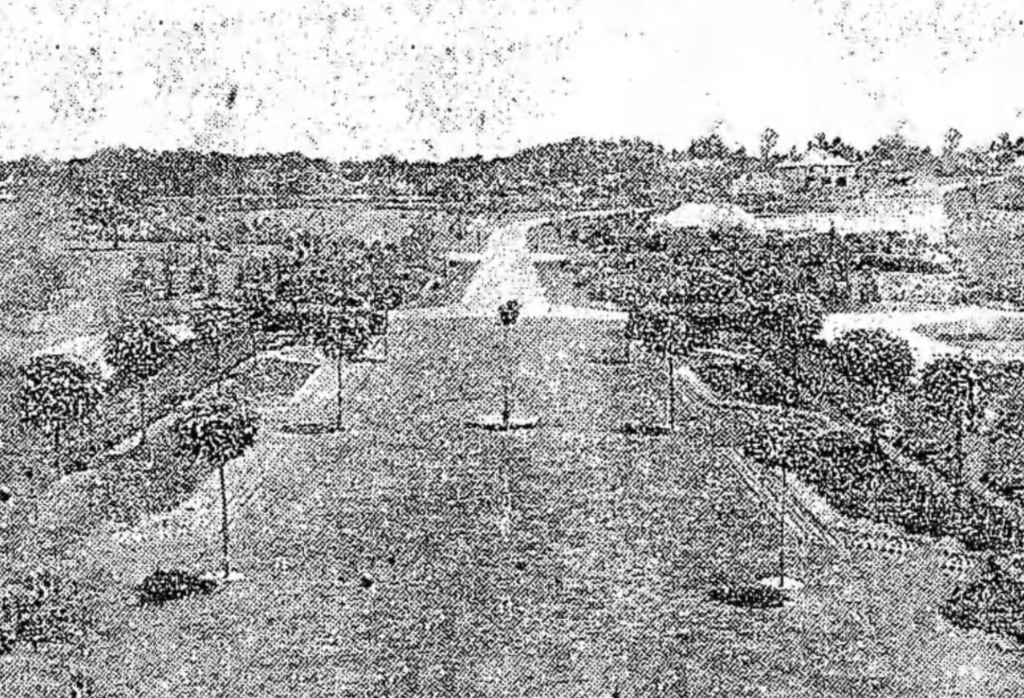
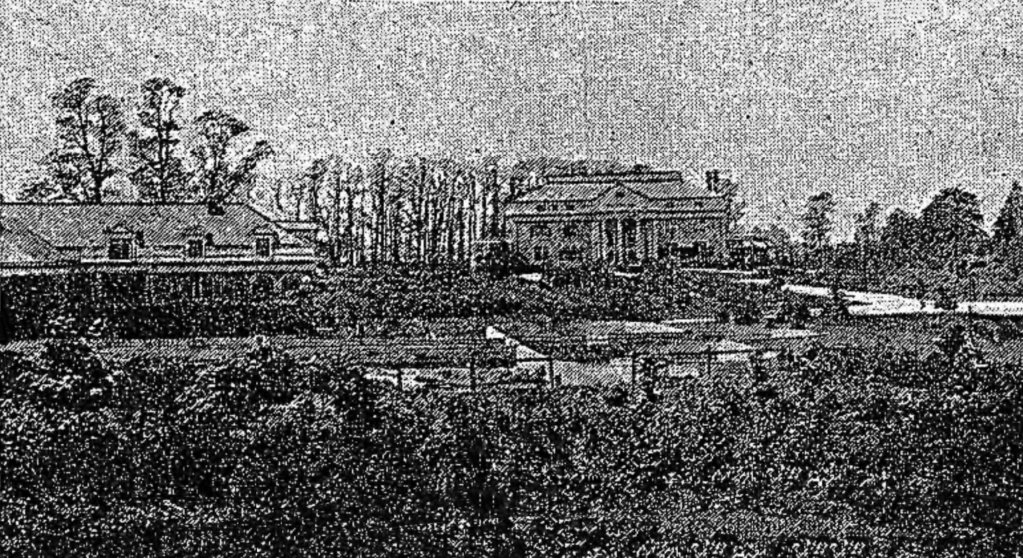
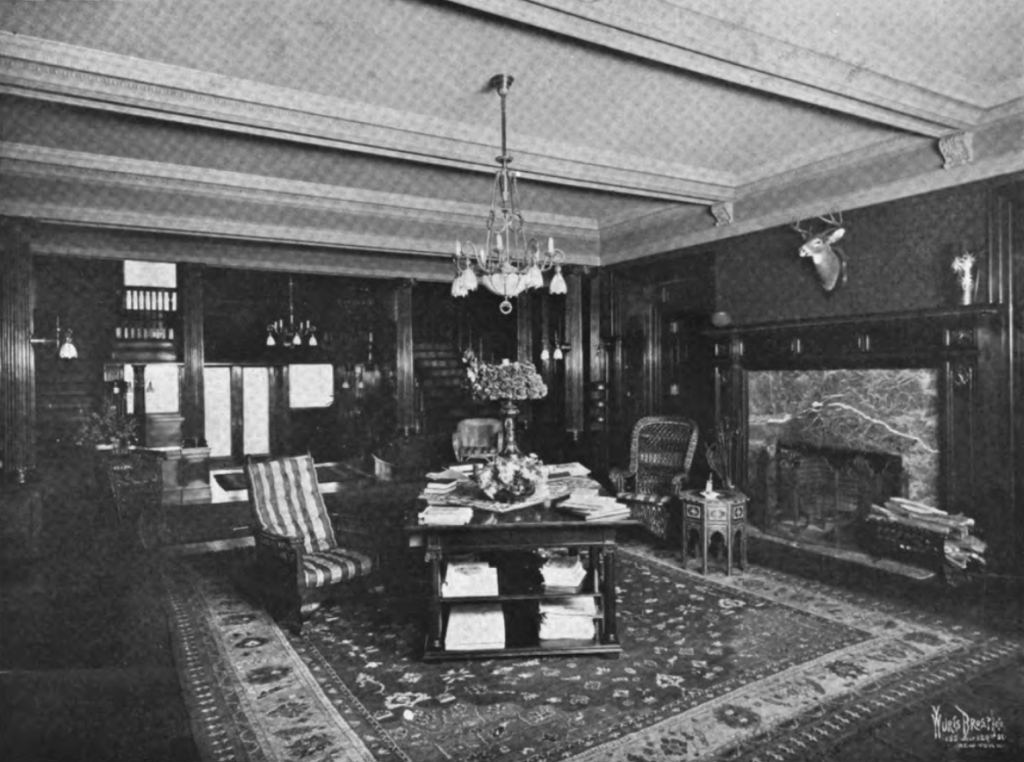
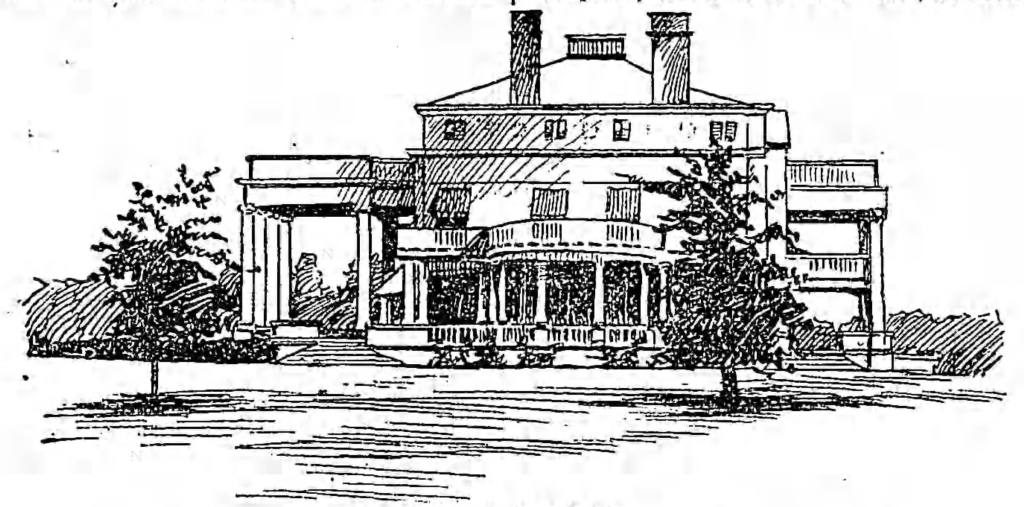
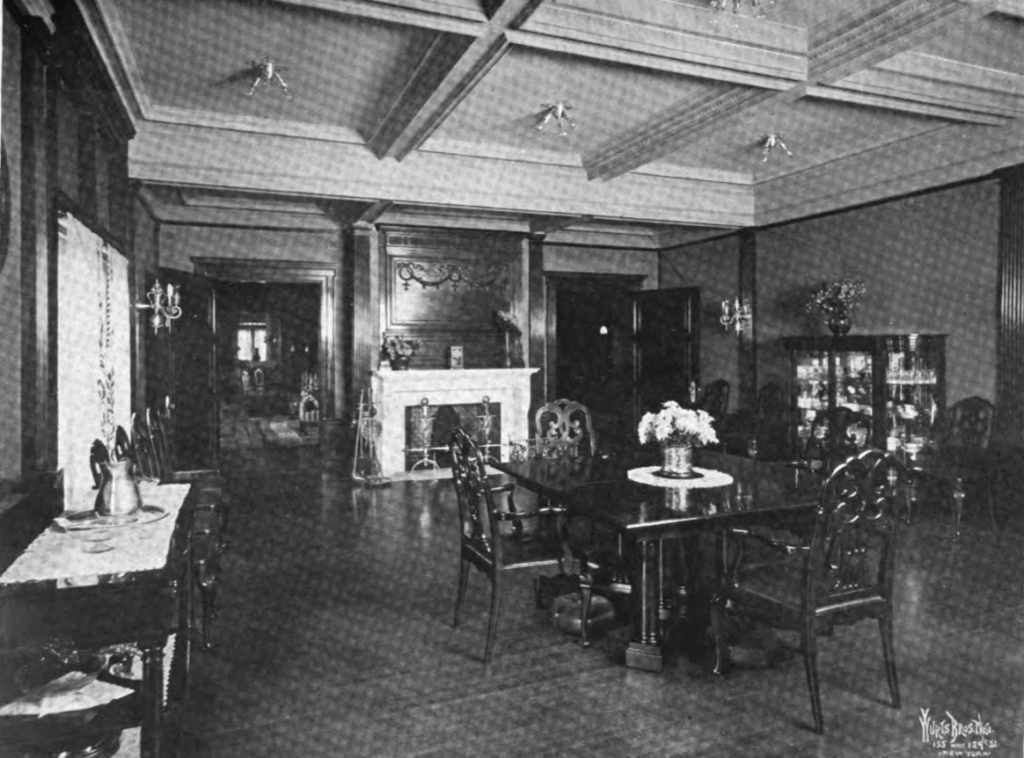
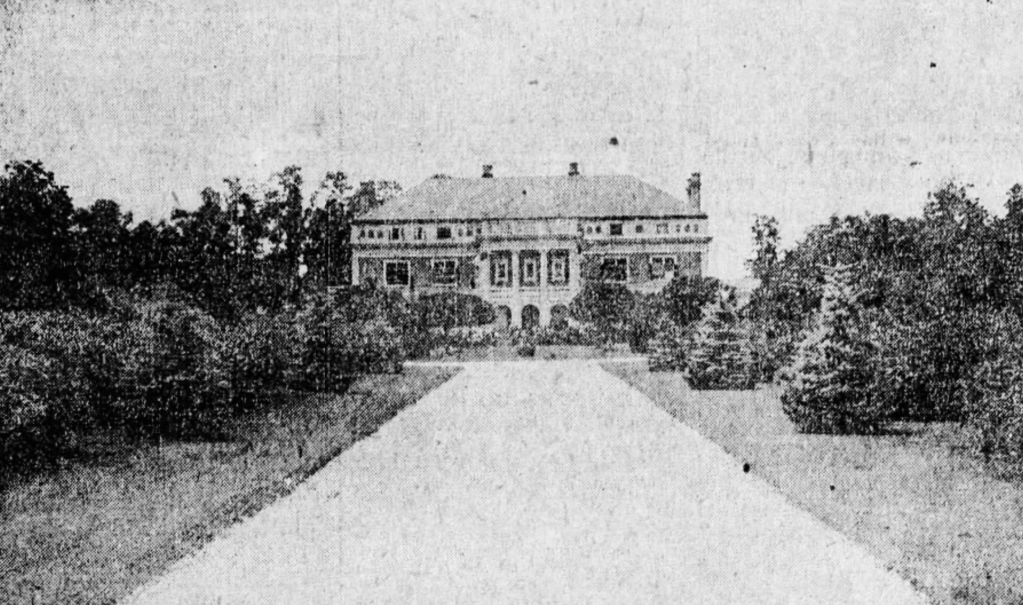
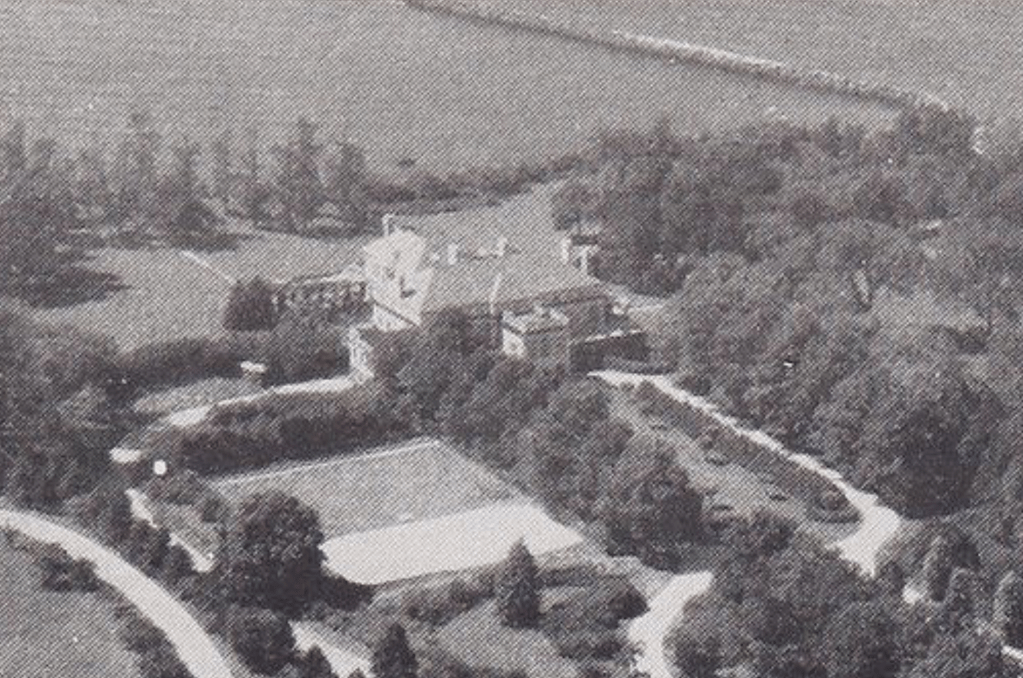
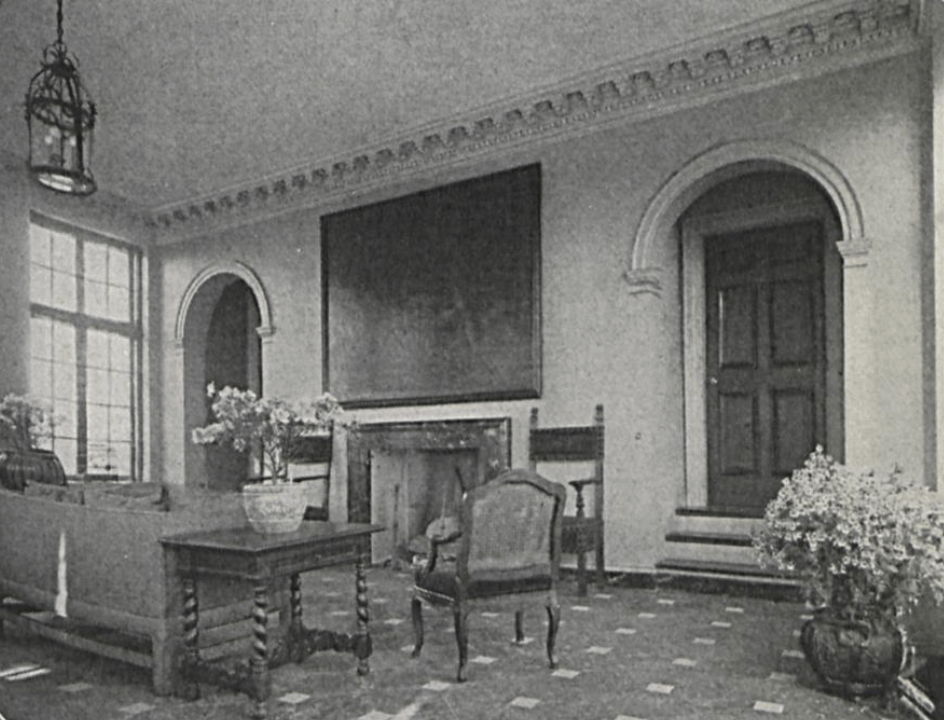
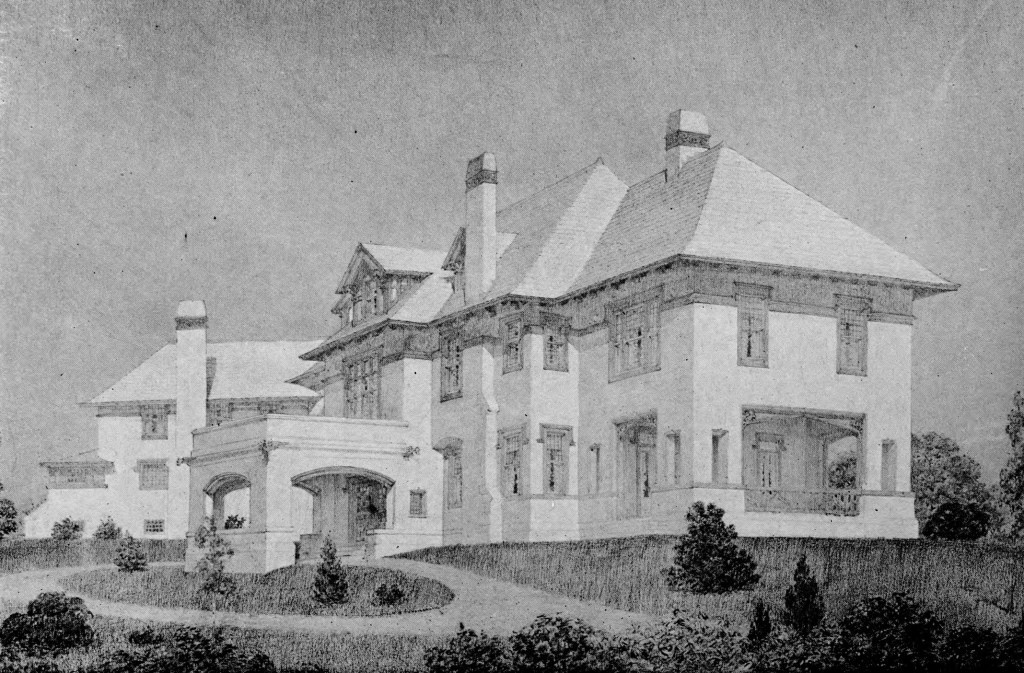
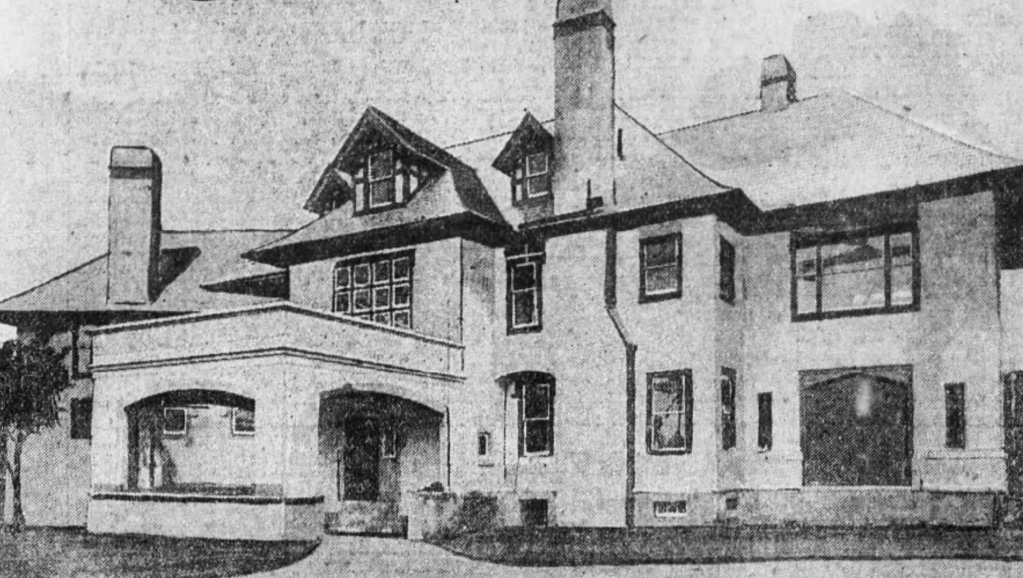
Some stunning views of the Howard Maxwell residence shortly after construction, taken from 1906-1907. Courtesy of The Brooklyn Daily Times, The Brooklyn Eagle.
Like that of his fathers, Mr. Maxwell’s new dwelling, Maxwellton, was to be instantly publicized in high-class newspapers like The Brooklyn Eagle and The Brooklyn Daily Times. Consisting of over 40 rooms, the home was almost immediately titled the “prettiest house [to] have been built in late years”, and was characterized by its striking front facade and back piazza.
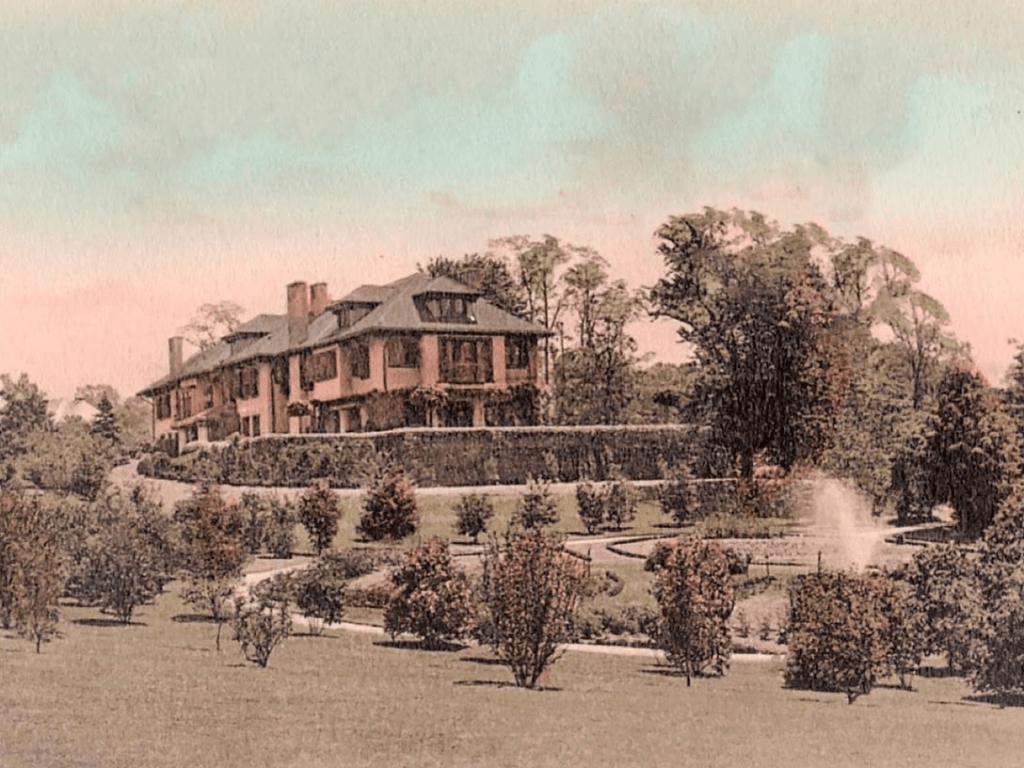
By 1907, the gardens for the mansion were completed by S.J. Trepass, and the property was swiftly established as (in typical Maxwell fashion) one of Glen Cove’s most beautiful. In the coming years, this sentiment about the stately Howard Maxwell mansion remained unchanged.
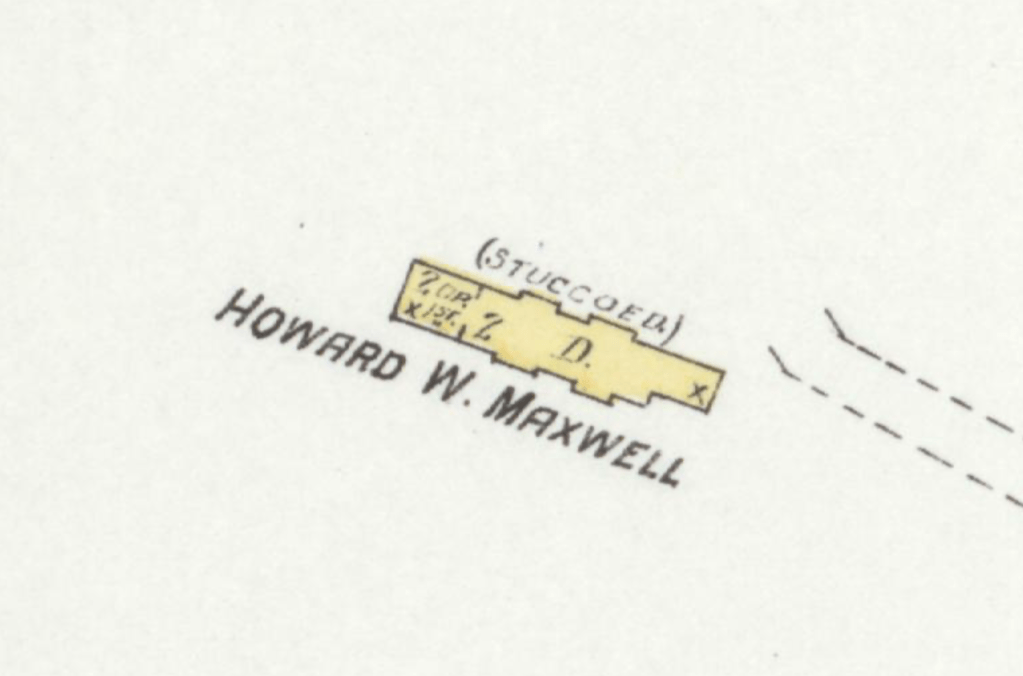
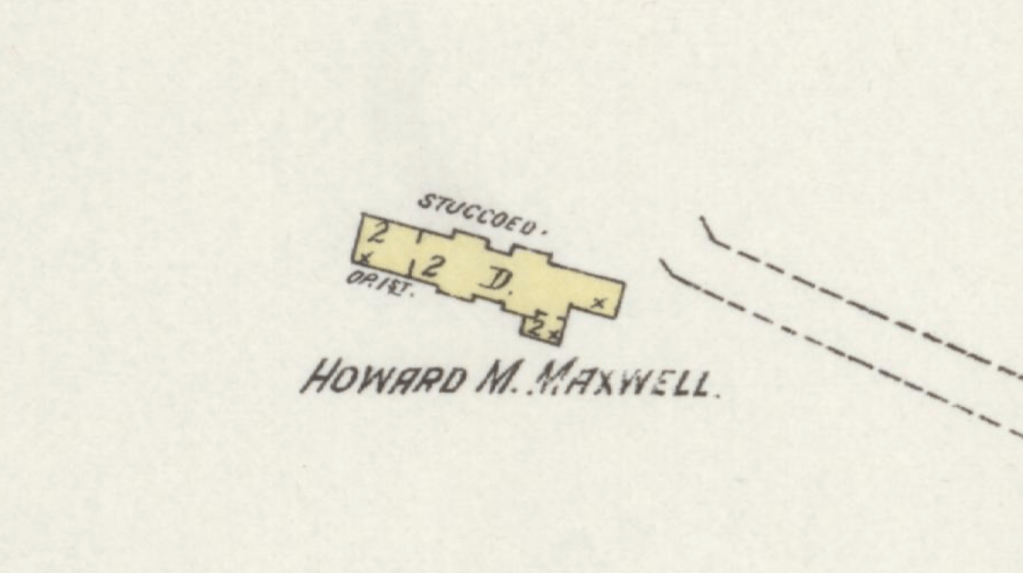
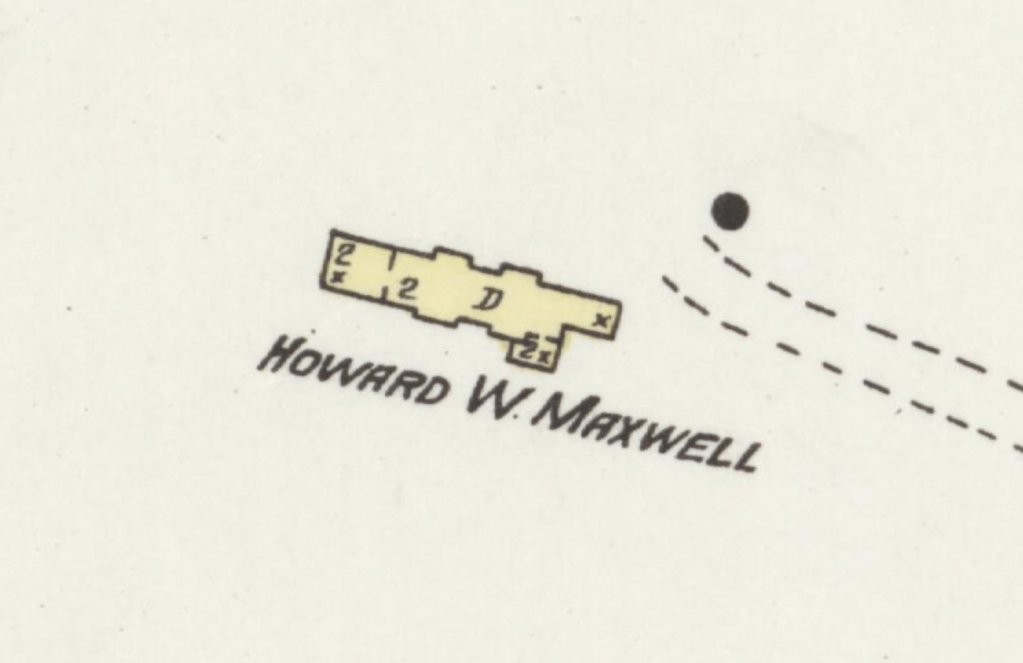
These maps taken in 1908, 1915, and 1925 show the evolution of the Maxwell residence amidst its many alterations. Courtesy of Library of Congress.
As a matter of fact, when the residence underwent a decades-long transformation beginning in the early 1910s, many believed the home to be simply “furthering its grandeur.” This metamorphosis – and that is an understatement – was mostly courtesy of architect Howard Major, who prided himself in his absolute rehaulimg of Maxwell mansion.
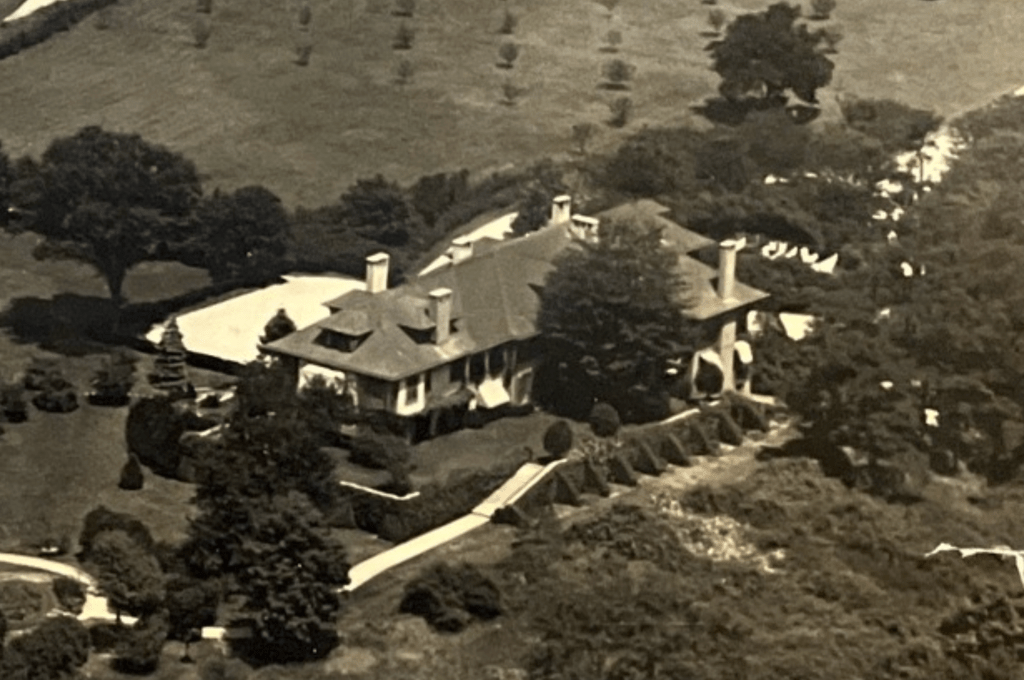
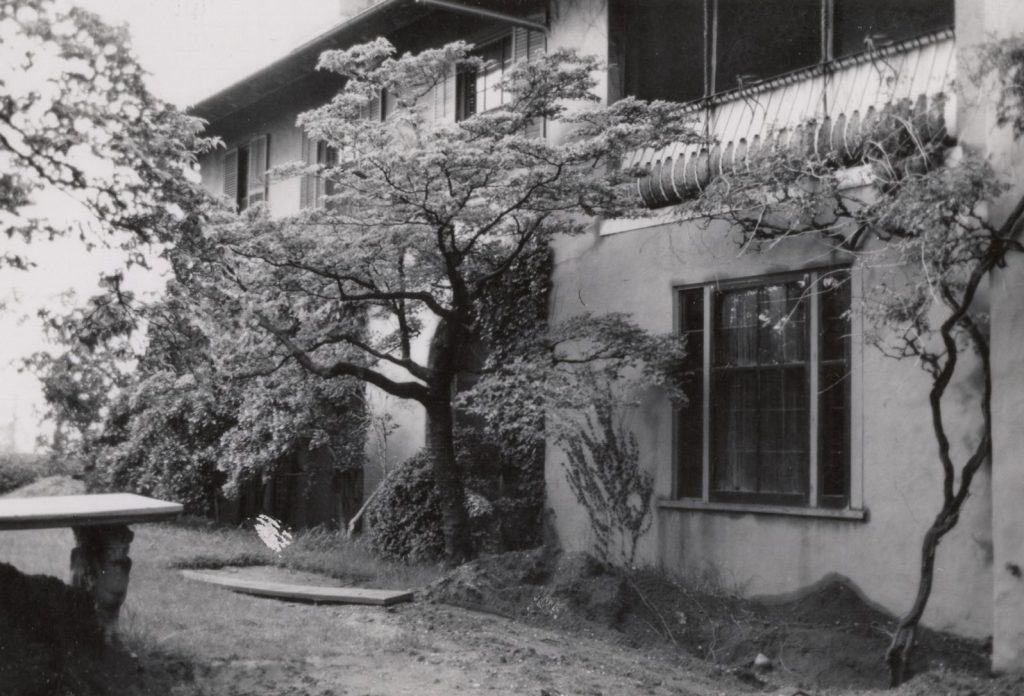
The first of these extensive alterations was an apparent servants-wing addition to back of the home, which was done sometime between 1908 and 1915 (unfortunately, minimal documentation regarding multiple of these changes may result in an unsatisfactory range like this).
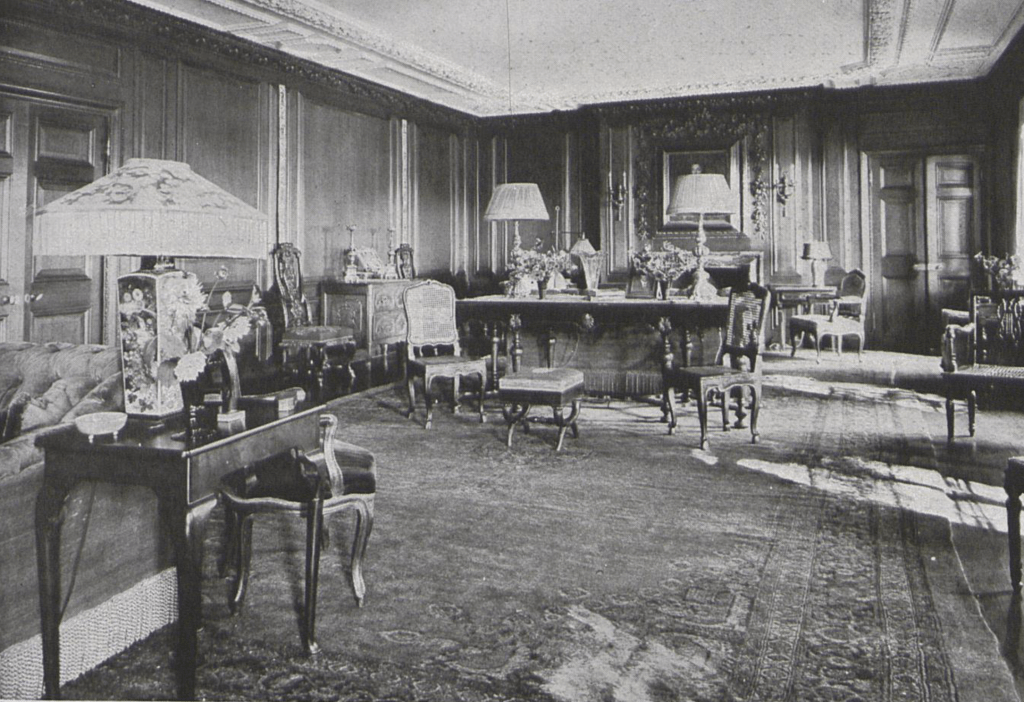
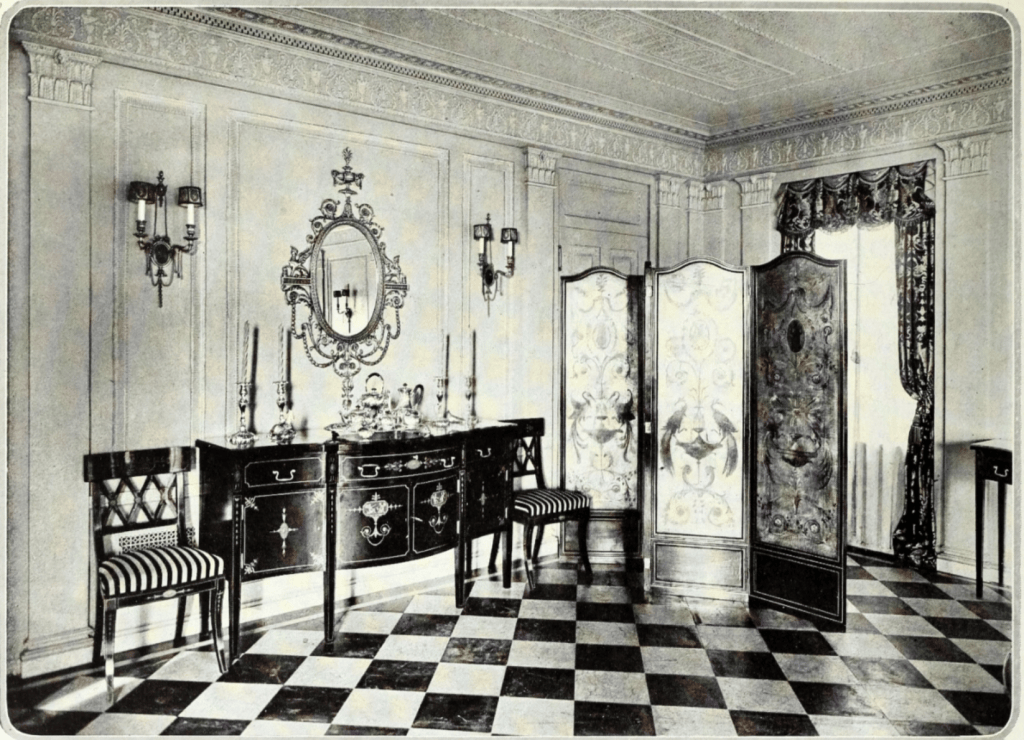
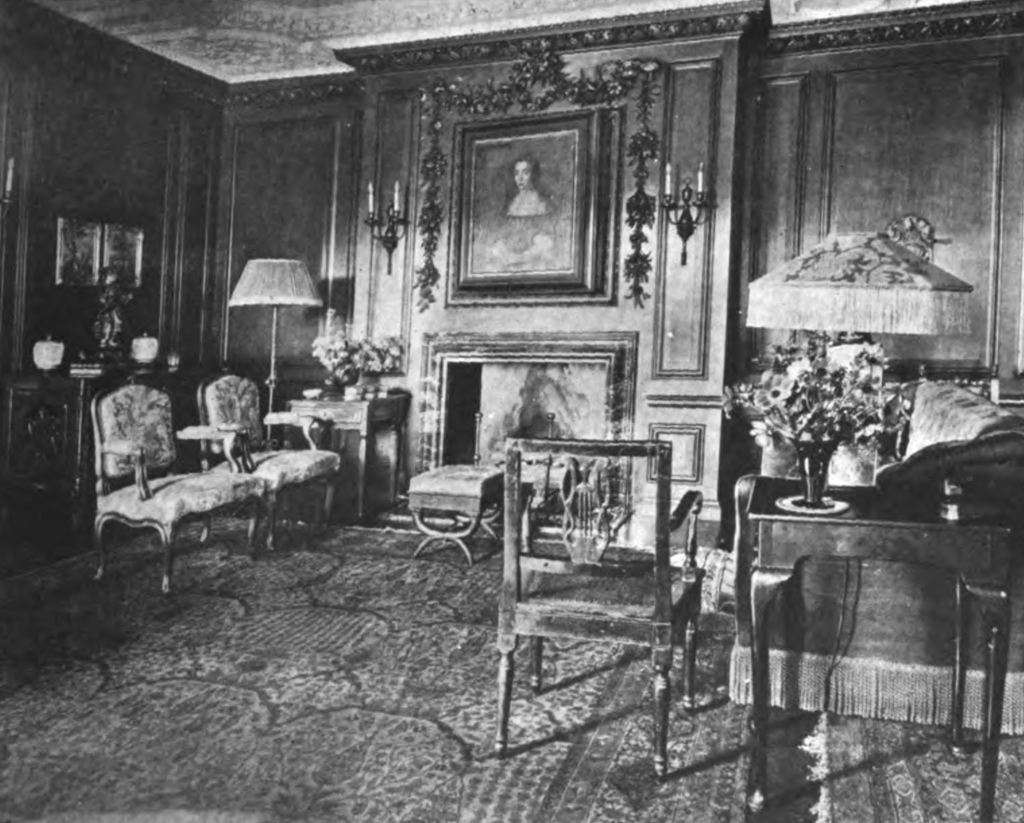
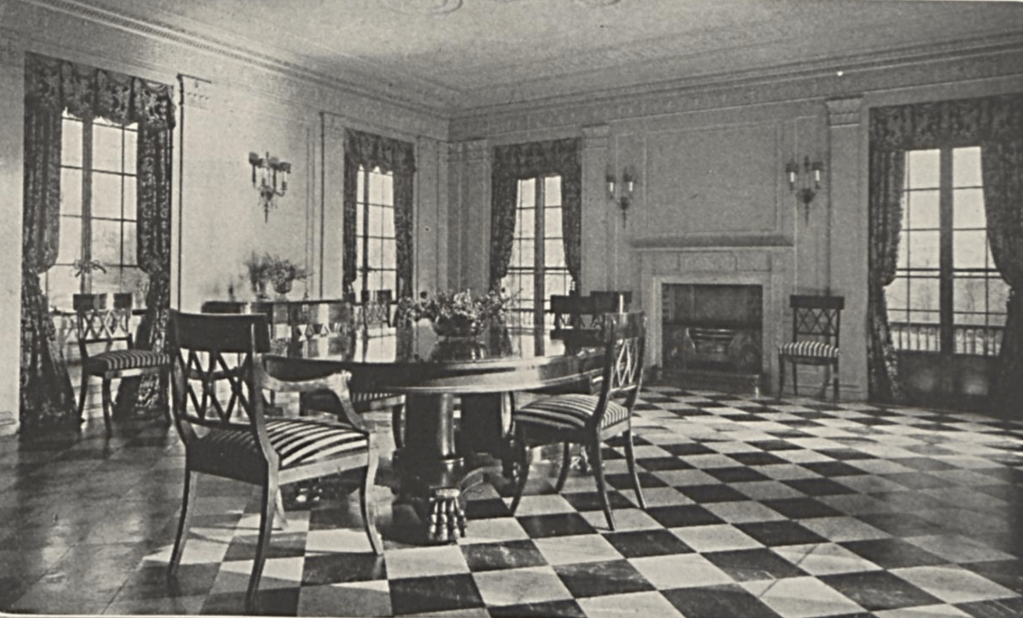
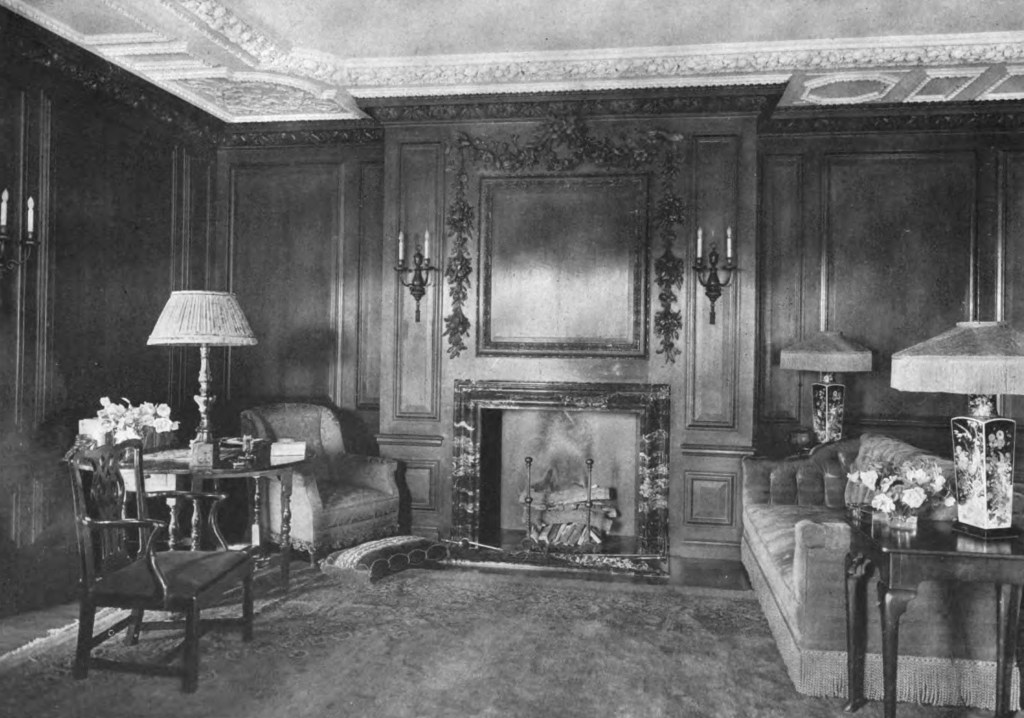
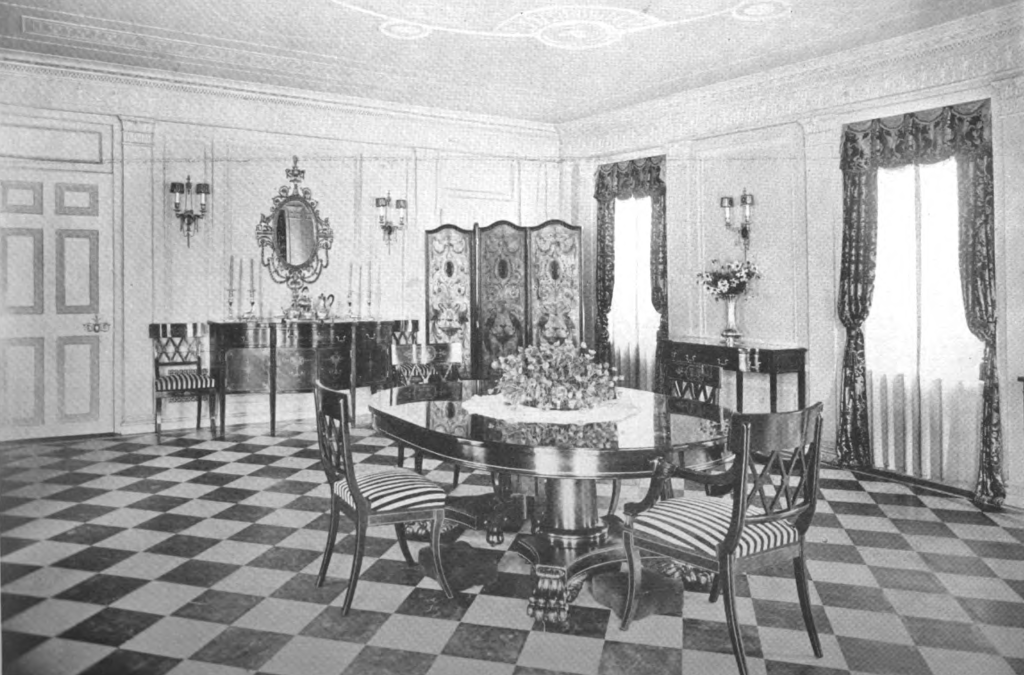
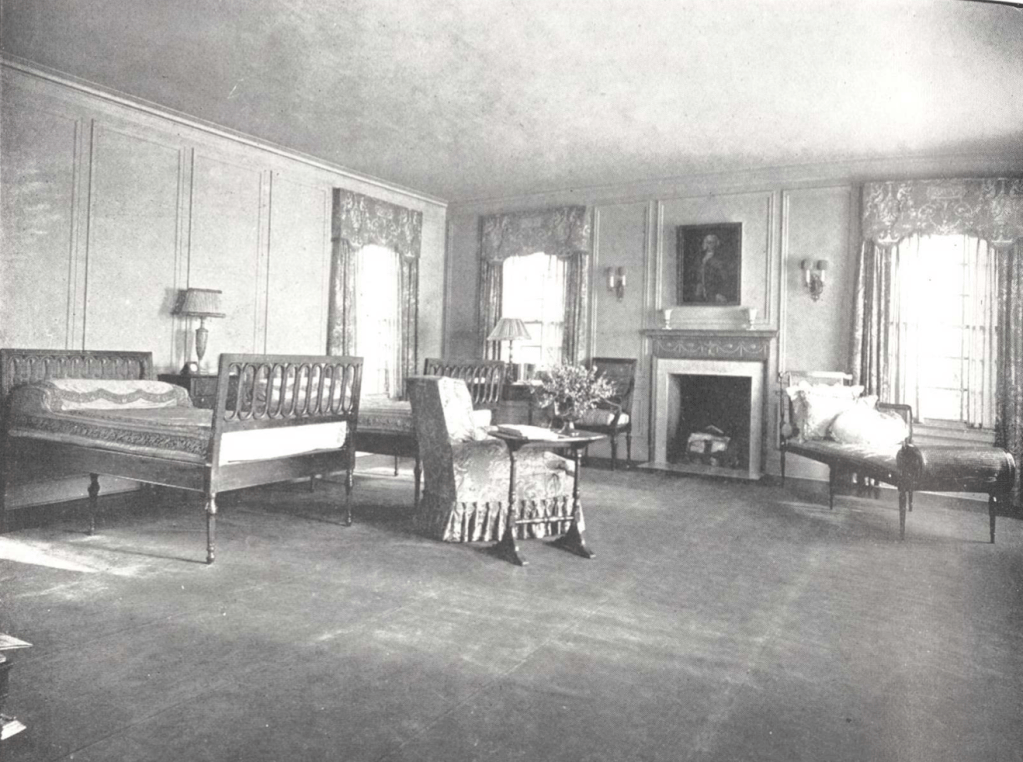
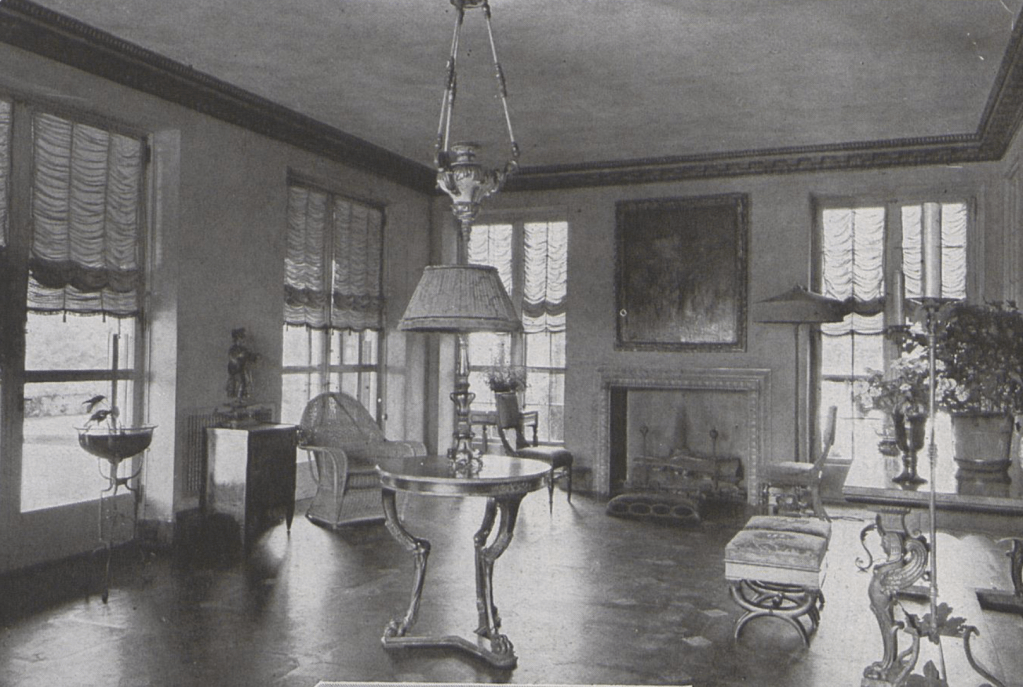
Sometime after, Major returned to Maxwellton with an interior remodeling, much of which involved the addition of rooms resembling different European periods. It appears as though these changes were rather gradual, and costed an estimated $50,000.
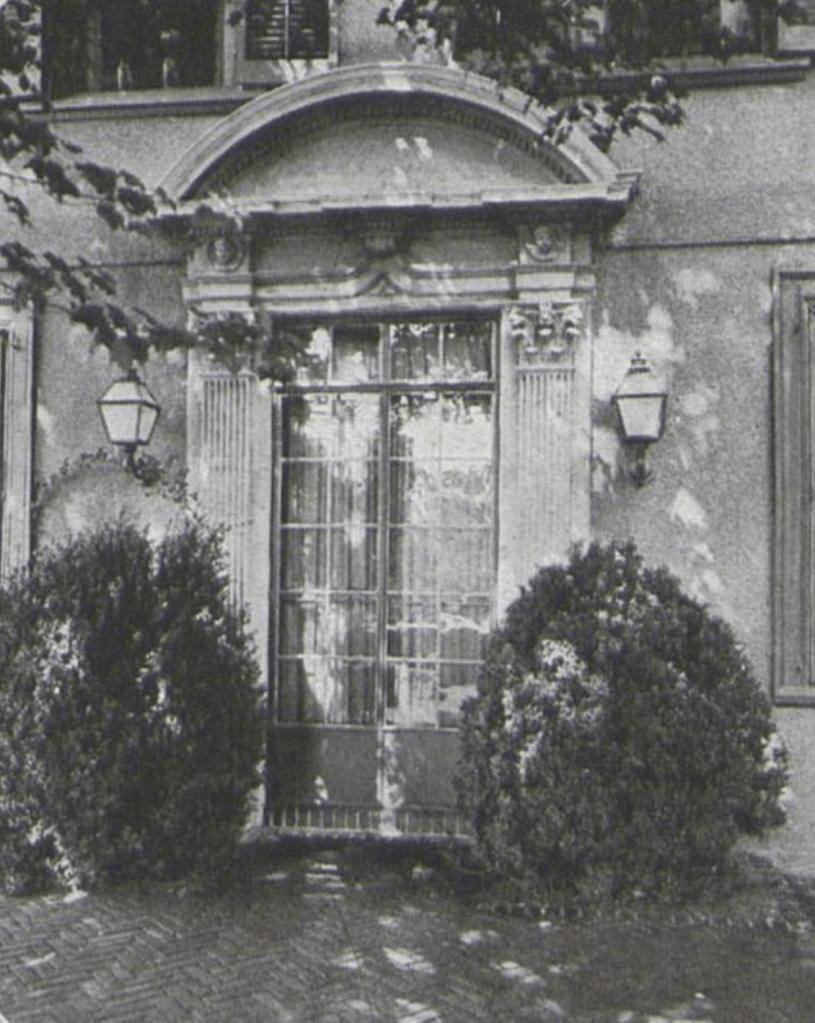
Another addition to this hefty charge was a late-1910s reimagining of Maxwellton’s grand front facade. While the nature of this alteration has been long debated, a 1920 vogue article notes it – thus redeeming it as worthy of a mention. In the end, as the 1920s rolled around, Howard Major did over $70,000 ($1.5 Million today) worth of work on the Maxwell home, a feat he considered himself very proud of. As a result of this, Howard Maxwell’s Maxwellton was covered in countless timely periodicals and magazines like “Town & Country”, “Vogue”, “Harper’s Bazaar”, “Country Life”, and “Art World.” Admittedly, this is only half of the works where Howard Major chose to highlight his Maxwellton alterations.
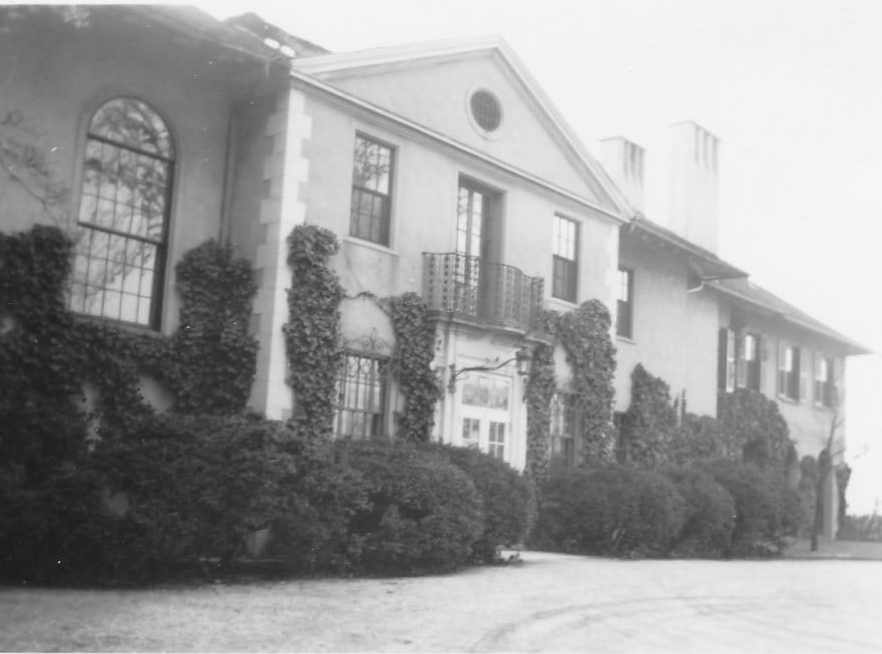
Nevertheless, by 1921, Howard Maxwell’s residence was once more fresh as new. Because of this, one would probably think that the mansion was finally done with any massive alterations. WRONG! In October 1922, it was revealed that the Howard Maxwell house was yet again ready for a new architectural overhaul. Per a later article detailing the history of the otherwise elusive mansion, this new change was due to the previous state(s) of the mansion being “fully exposed to the storms of the Long Island Sound”, and thus susceptible to extensive damage. Luckily for Maxwellton, this modification would end up being the home’s last, and to some, best. As expected, Howard Major returned as architect, and his design once more centered around the front of the home. It’s hard to describe the true essence of this change (as the design it succeeded is not too well documented); some say it made the home more Georgian in style and others say it resulted in a unique, one-of-a-kind architecture. Nevertheless, the changes made to Maxwellton in 1922 once more solidified the mansion as an unequivocal wonder. By the end of the year, it’s said that Maxwellton became a white-washed brick & stucco mansion of reinstated grandeur.
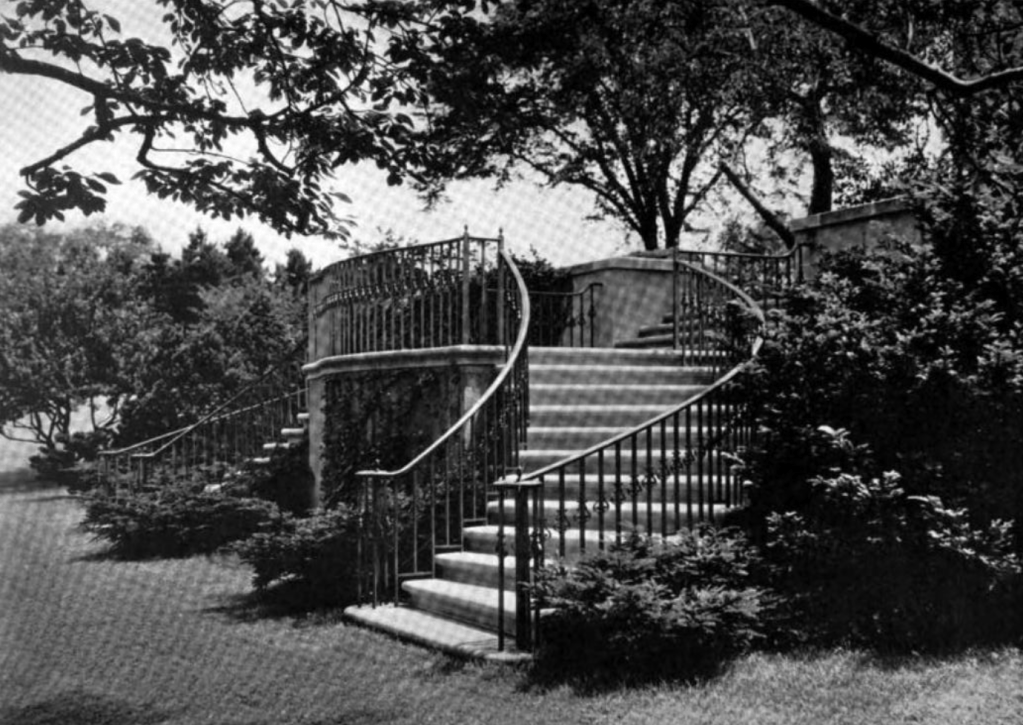
Thankfully, as said before, this change marked the end of any alterations to Howard Maxwell’s Glen Cove residence. The same can not be said, however, for the grounds of Maxwellton. Around 1928, Howard Maxwell had new garden terraces and details added to his property by notable architects Ferrucio Vitale & Alfred C. Geifferts Jr, whom published their work in a magazine dedicated to landscaping shortly thereafter.
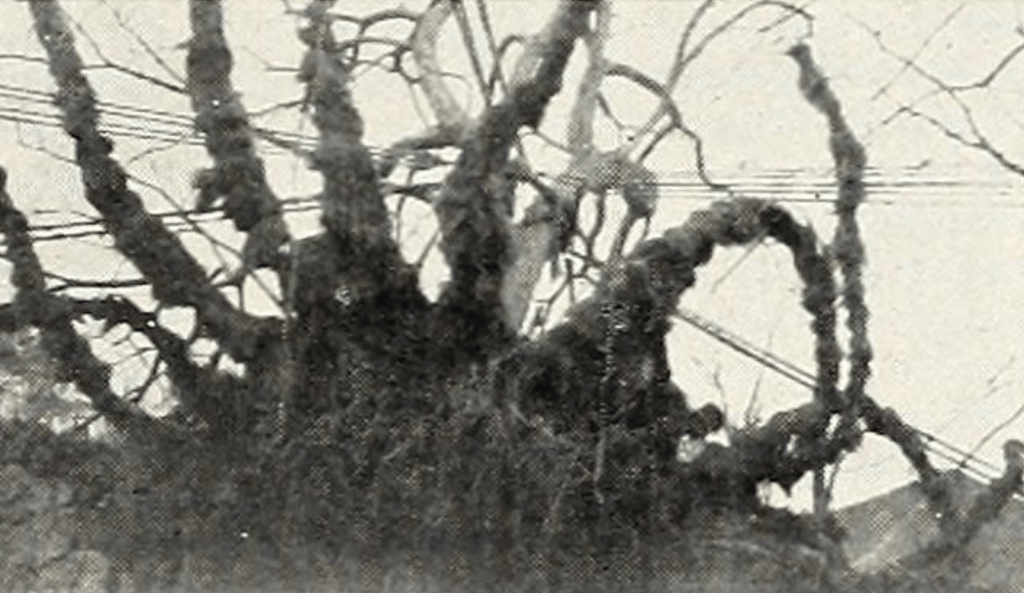
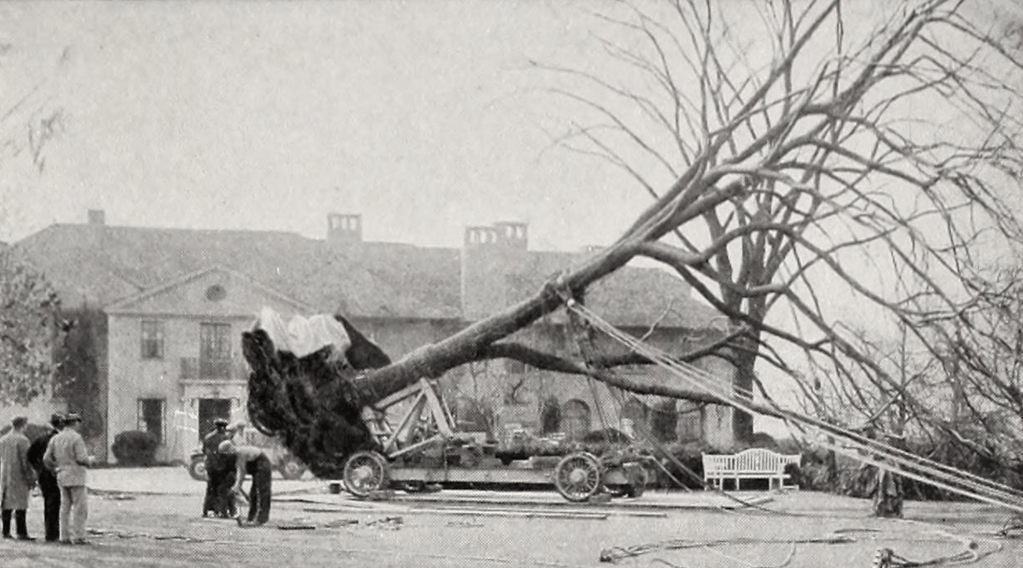
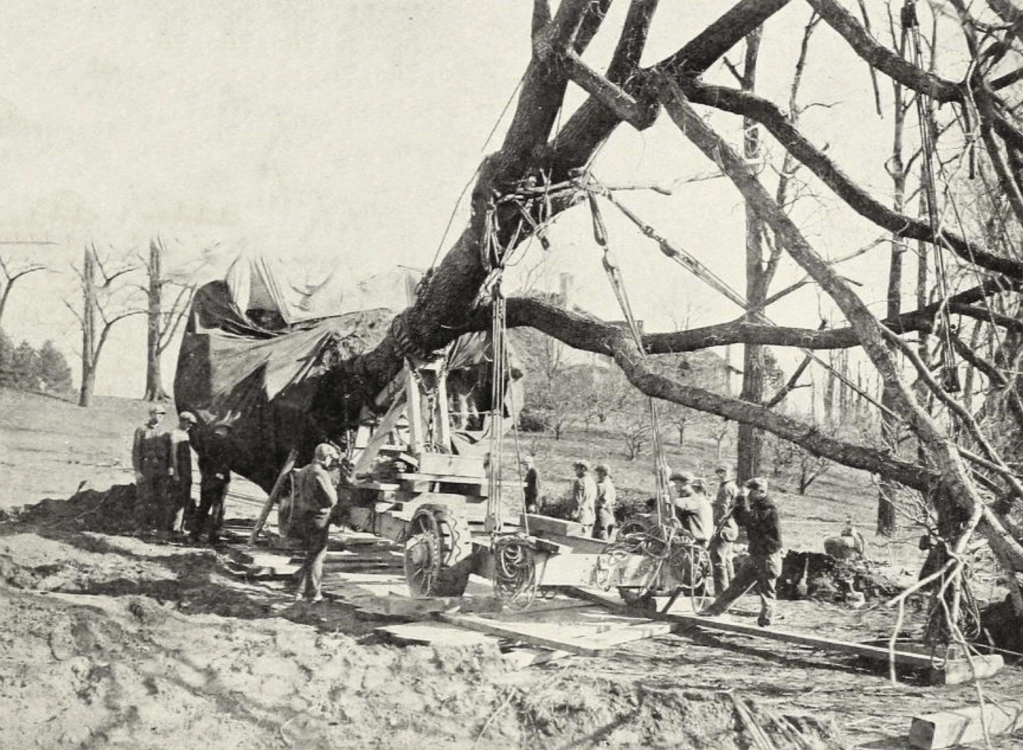
Photographs taken from 1928-1930 showcasing various tree movements on the Howard Washburn Maxwell estate. Courtesy of Hick’s Nurseries.
Also around this time – per the request of landscape architects Vitale & Geifferts gardening work – the local Hicks Nursery imported multiple trees to the Maxwellton estate over the span of a few years. In the end, throughout its 20+ year life, the Howard Maxwell residence was worked on (in some capacity) over 5 times, thanks to the work of countless masterminds. And so, when the 1930s began, the home was – at last – ready for complete living by Howard Maxwell and his family; a tradition that would last for many years.
Maxwellton ended up being occupied by Mr. Maxwell for much of his remaining life. Only when he passed in 1947 did the property change hands. It was then that the entire estate was made to be under the ownership of Howard Maxwell’s widowed wife Helen.
Also around this time, the neighboring Rogers Maxwell mansion was being leased by the Soviet Union for use as a diplomat retreat of some sort. According to timely newspapers, the building was almost ransacked by its occupants.
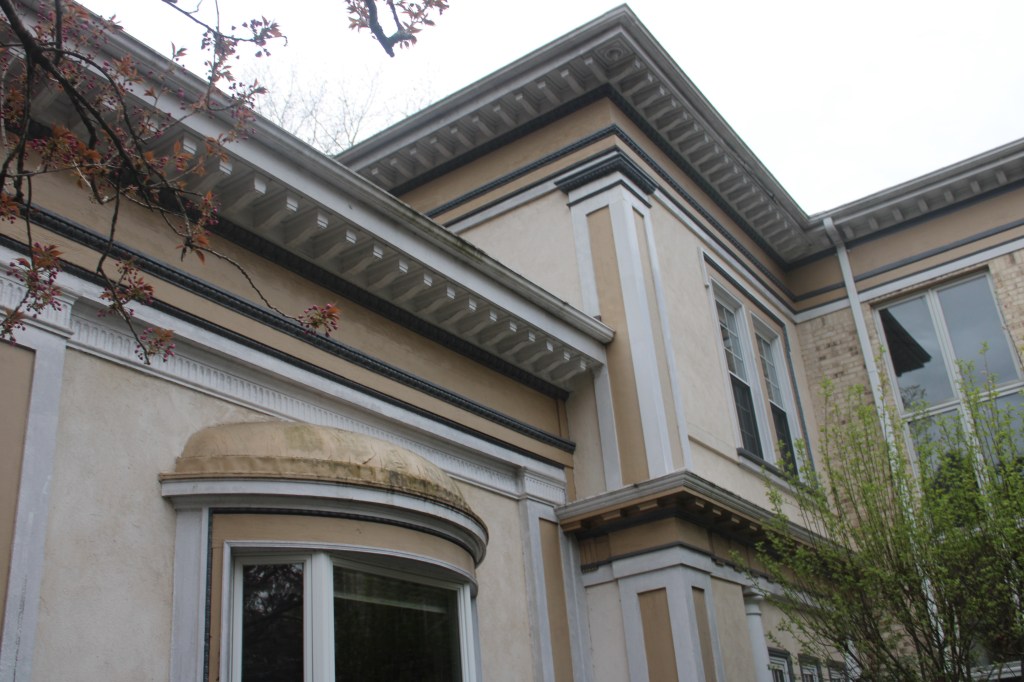
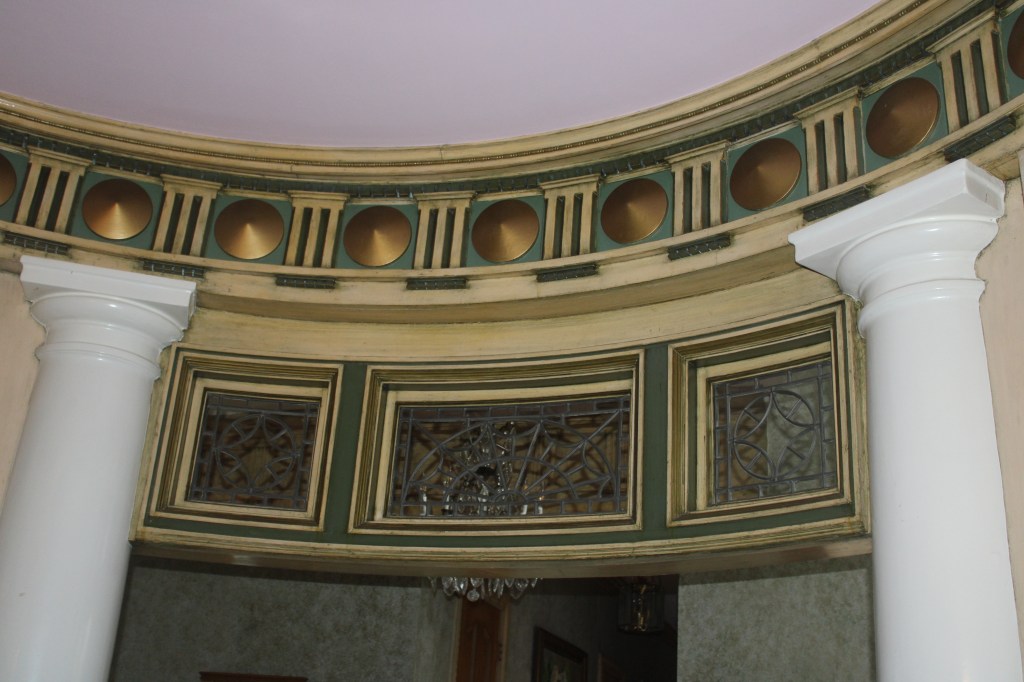
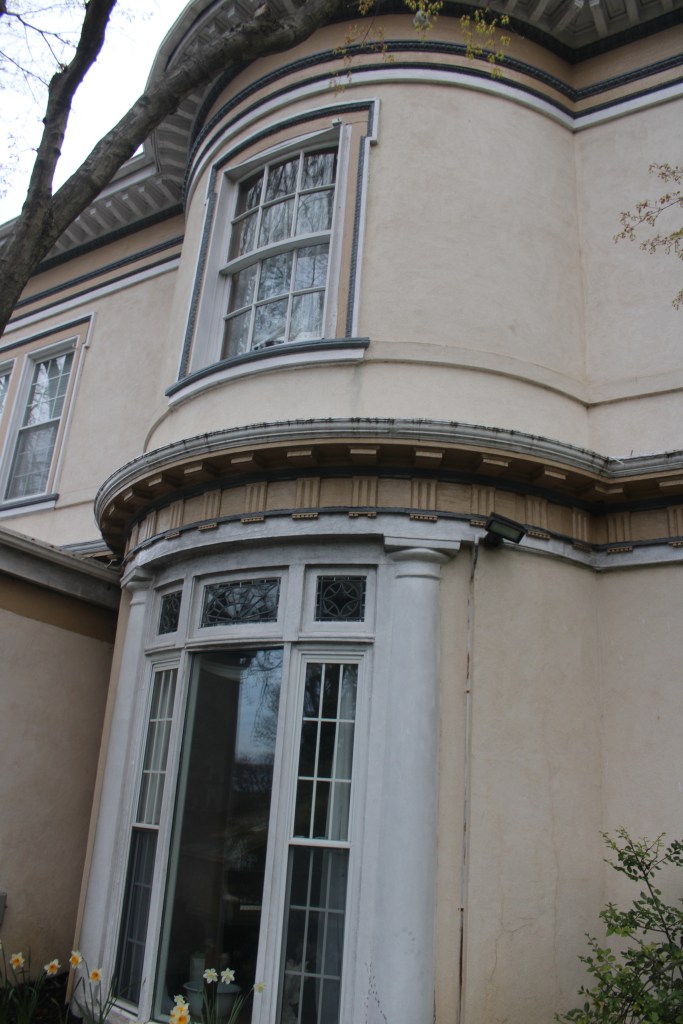
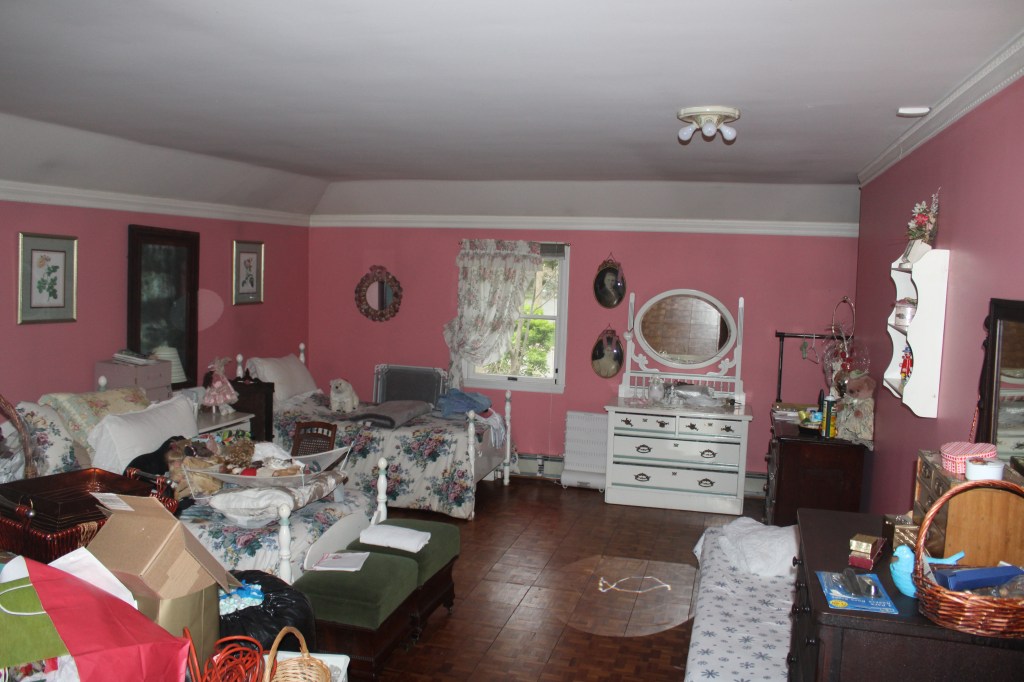
These two photographs show the remaining piece of John Rogers’ Maxwellton after the main home was partially demolished. This was extended on to in the 1980s and stands today. Courtesy of Nassau County, SPLIA.
This would eventually lead to the homes partial demolition in 1949. Fortunately, it seemed to many that this fate would not reach Howard Maxwell’s Maxwellton, as the home was still well-loved and cherished by the Maxwell family during the period that Mr. John Rogers Maxwell’s residence was neglected and torn apart. Sadly, It was exactly 76 years ago that this mindset would dissapear forever.
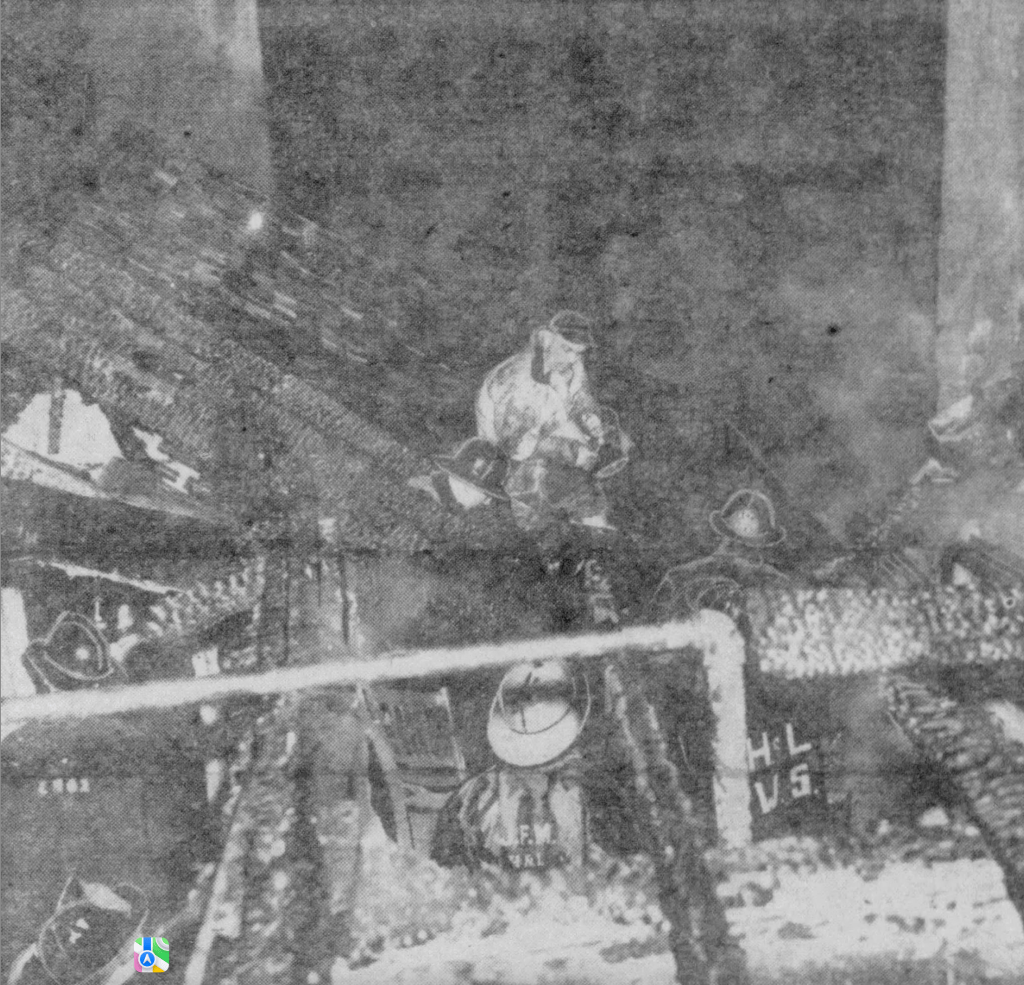
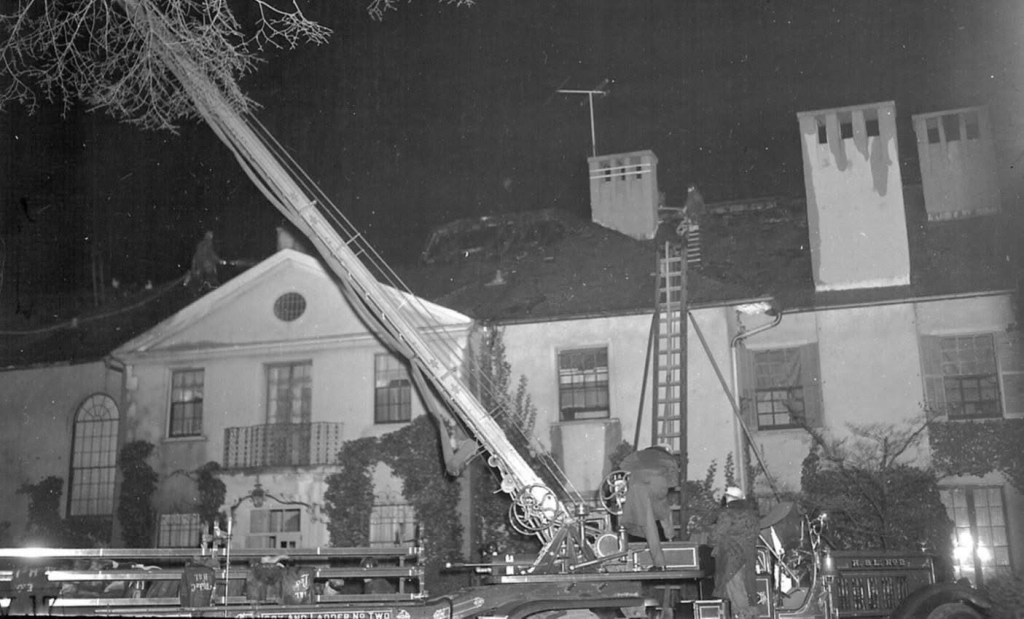
In the late afternoon of January 5, 1950, Mrs. James A Garfield (the daughter of Helen & Howard Maxwell) was taking a stroll up the grand staircase at Maxwellton when something unimaginable occurred. When she reached the third floor – where her bedroom was located – Mrs. Garfield reportedly heard a loud and insufferable “crackling” noise. Confused, Garfield began searching for the sound to no avail. Eventually, she decided to check the rather unassuming attic.
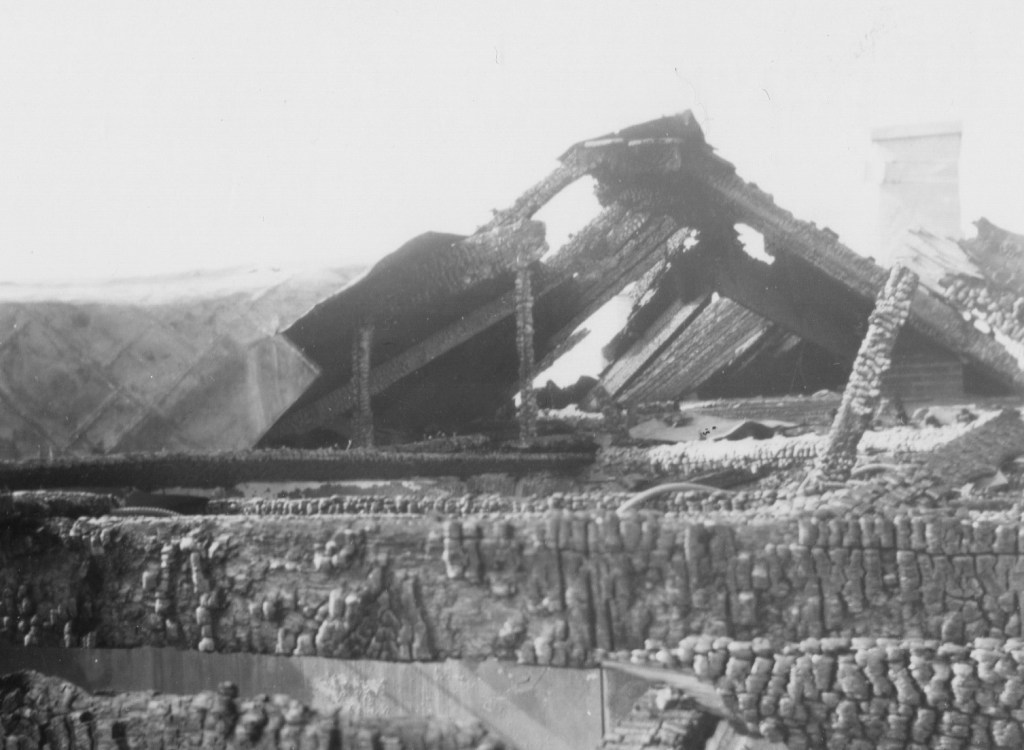
To her horror, the entire floor was apparently engulfed in flames, leaving her with no choice but to call the fire department and run straight out the front door. Luckily, only Mrs. Garfield was home that day, and she herself made it out unscathed. The home on the other hand, was not so lucky. When the fire was finally subdued the next morning, the top floors of Maxwellton had collapsed in and damage was estimated to be around $100,000 (or $1.34 Million today).
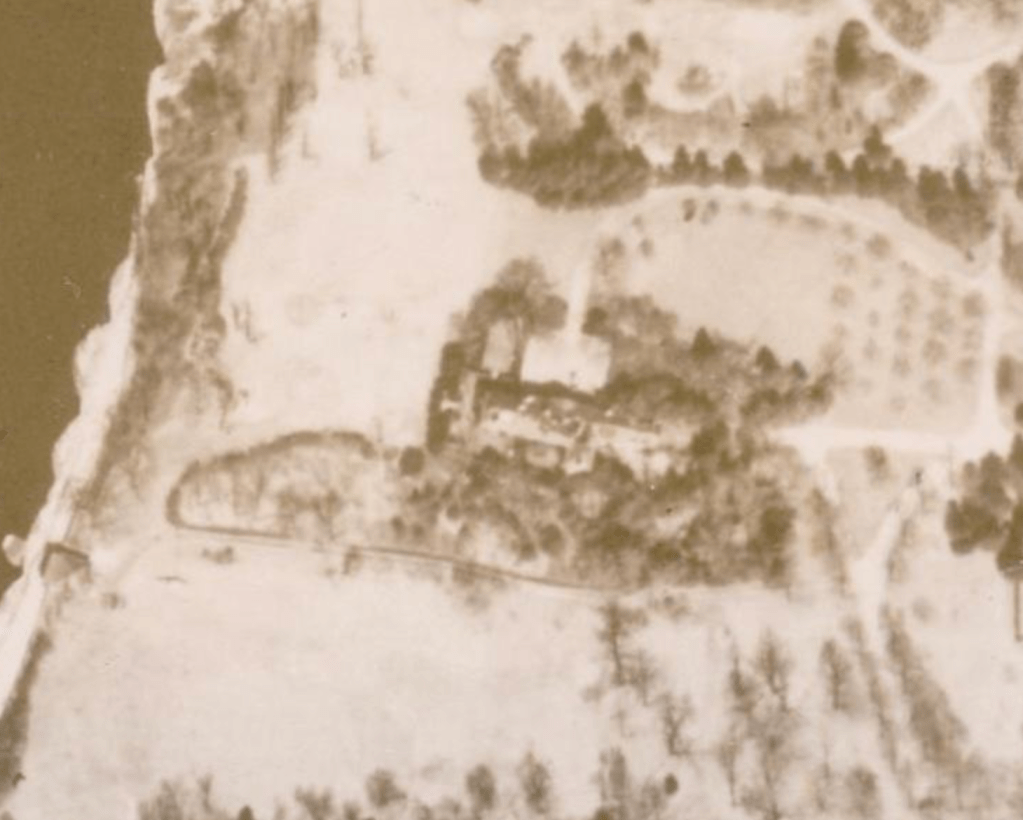
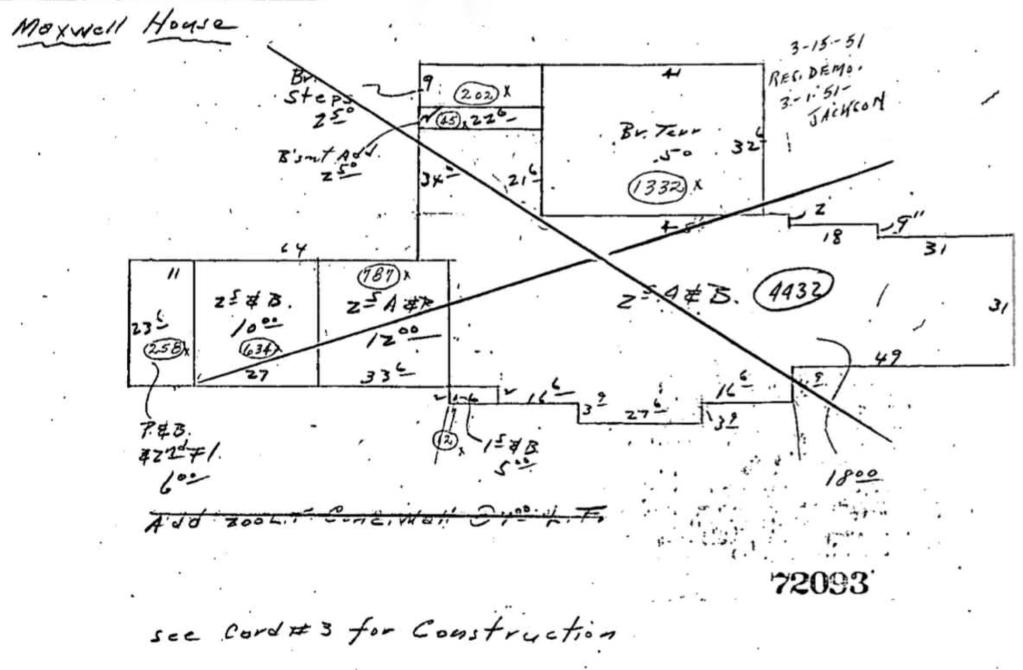
Sadly, once the Maxwell’s were done searching the ruins for their treasured family artifacts, and clearing the land, they had to make one ever-so-inevitable choice: The home had to be torn down. After a about a year of abandonment, the Howard Maxwell residence finally fell victim to the wrecking ball in the March of 1951.
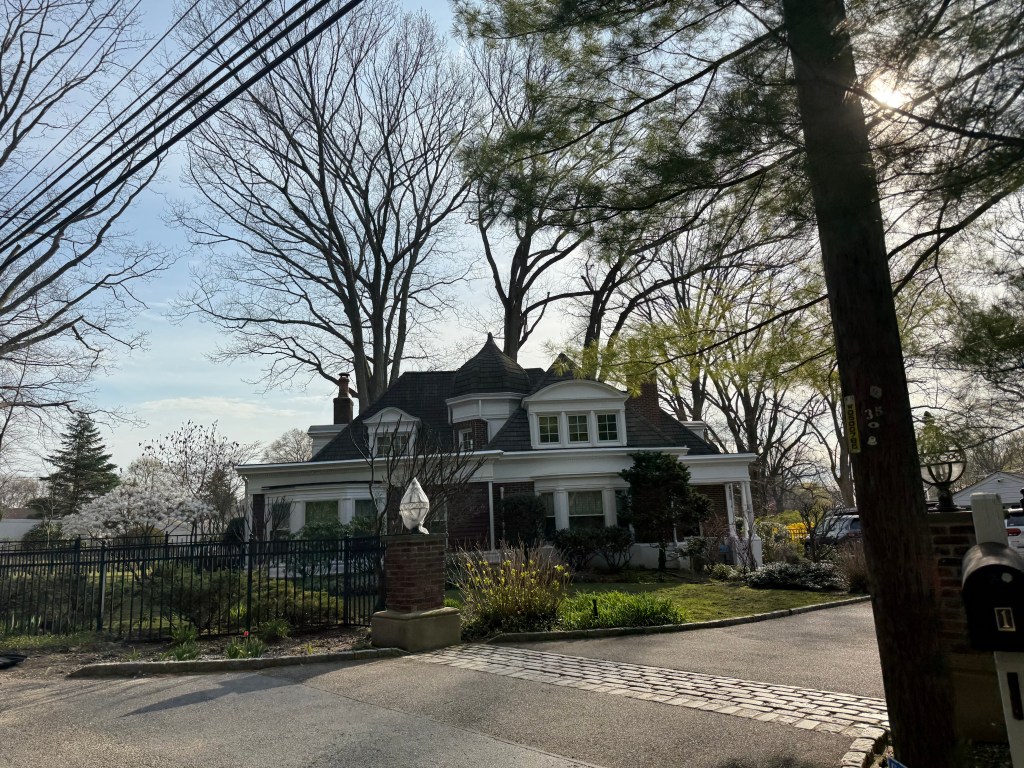
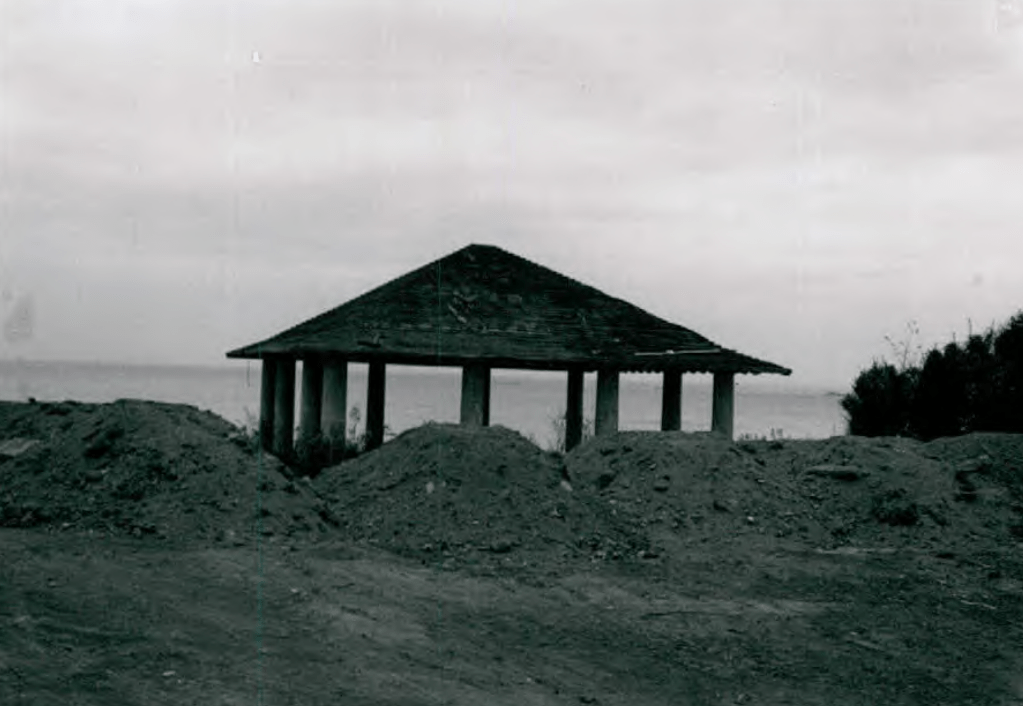
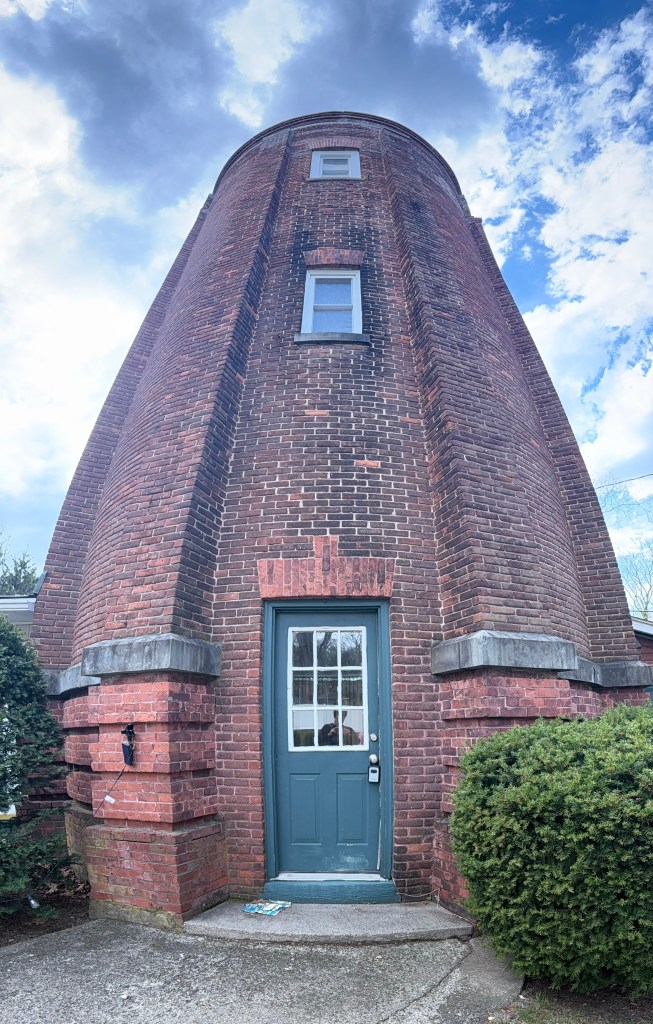
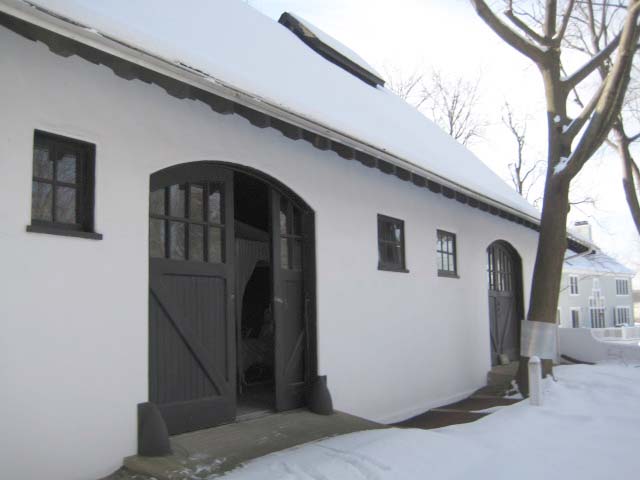
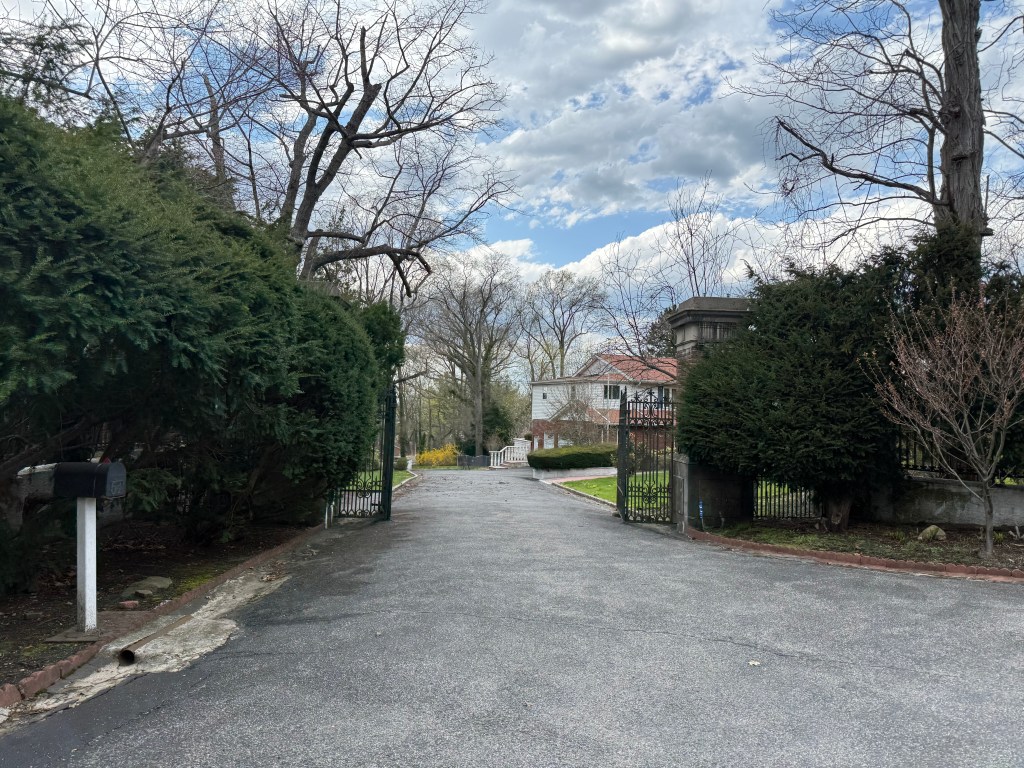
These pictures show contemporary views of the Maxwell family complex’s remaining structures, including a gatehouse, gazebo (which might actually not be extant), gate, carriage house, and water tower. Courtesy of Jake Finamore, SPLIA, Nassau County.
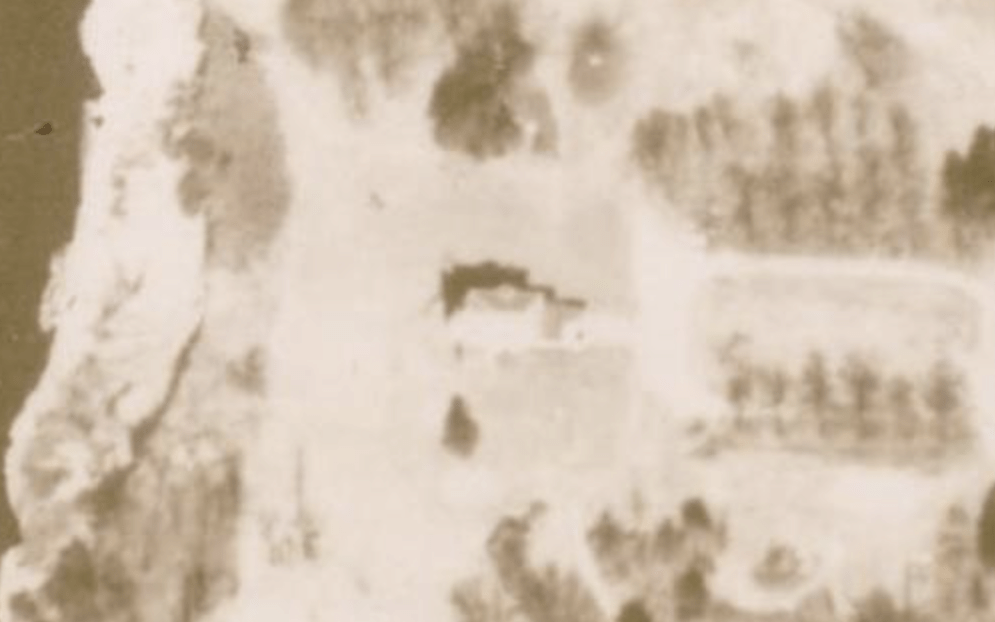
The property then stayed unchanged until the mid-1960s, when the “Whitney Estates On The Sound” was developed over the site – which now included the recently-demolished Craigdarroch estate. Today, the estate is no reflection of its former grandeur. Some outbuildings that serviced all 3 Maxwell homes (including a water tower and carriage house) do remain, although physical ruins from the individual Howard Maxwell and Louise Whitney homes have yet to be uncovered.
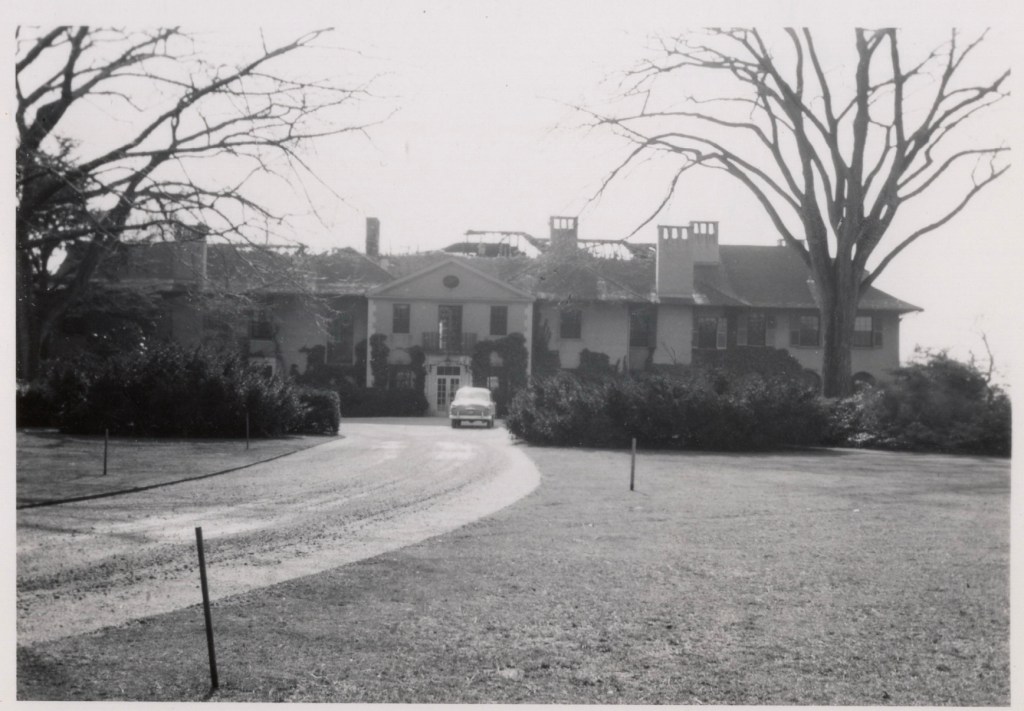
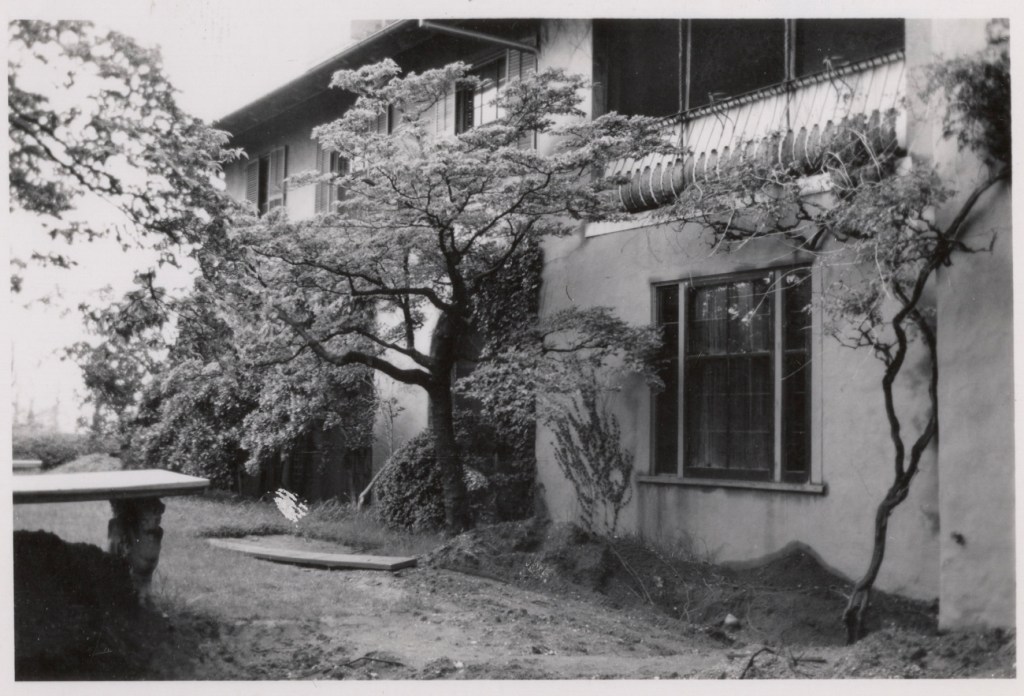
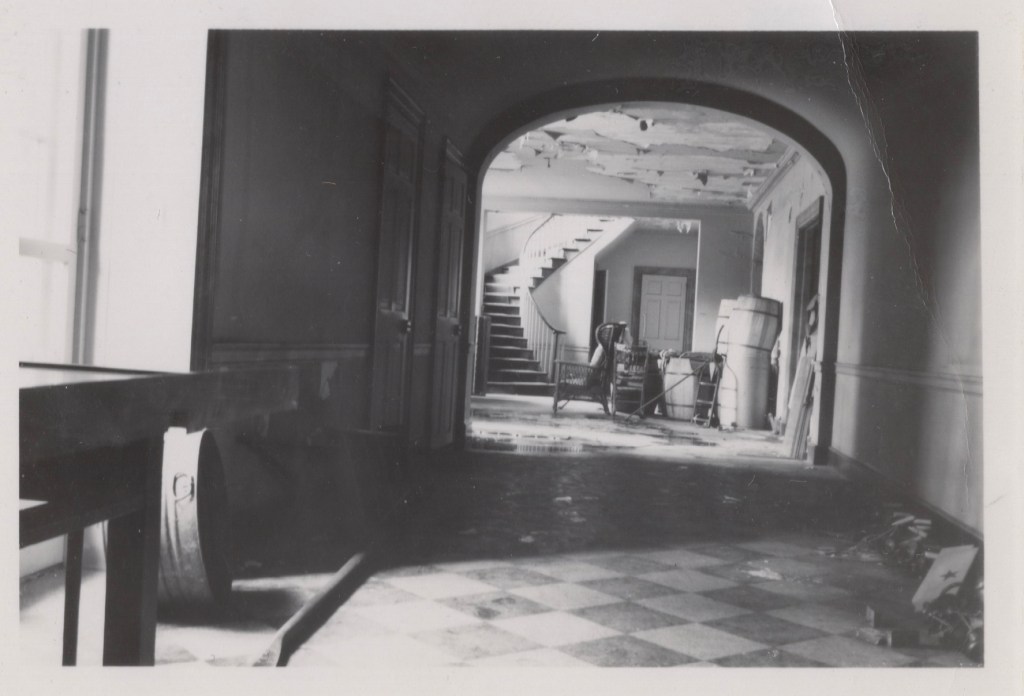
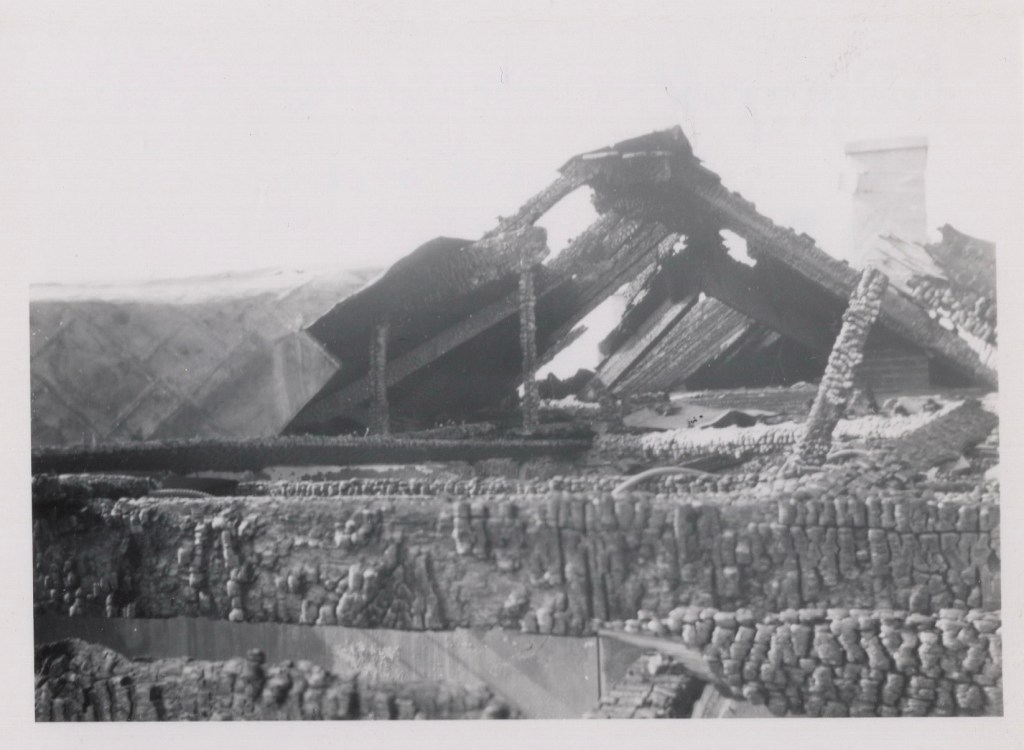
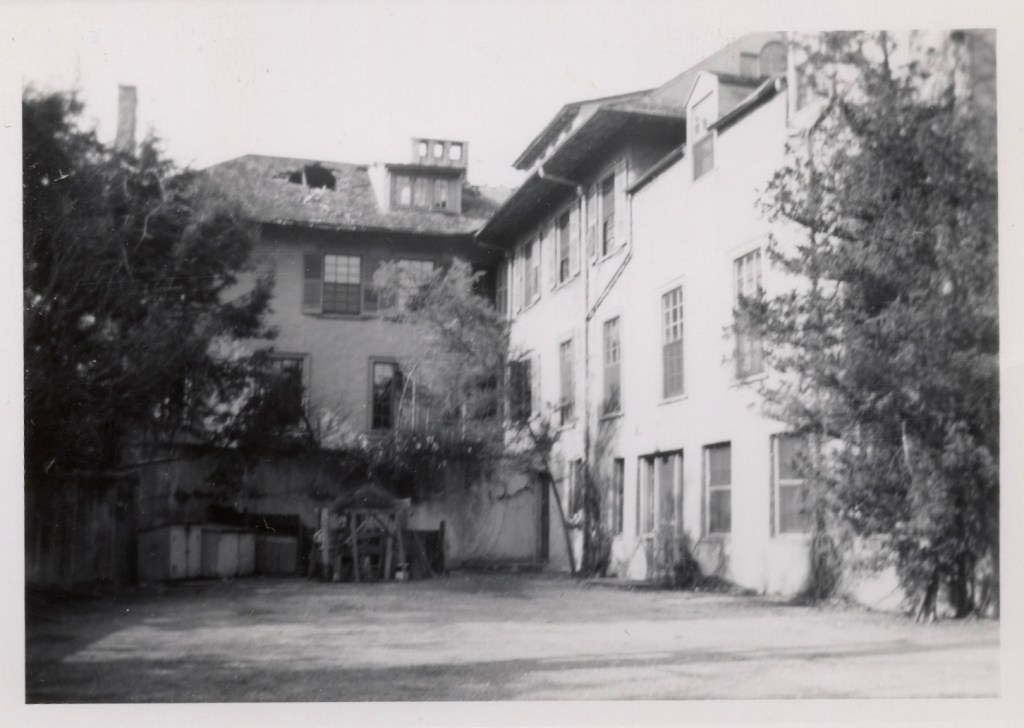
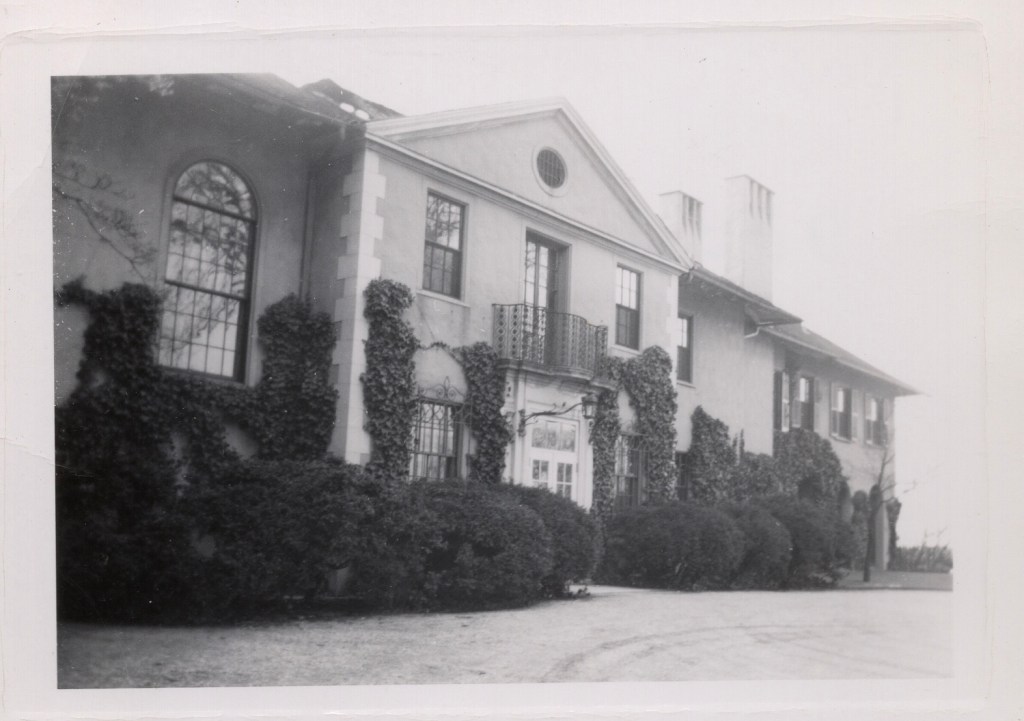
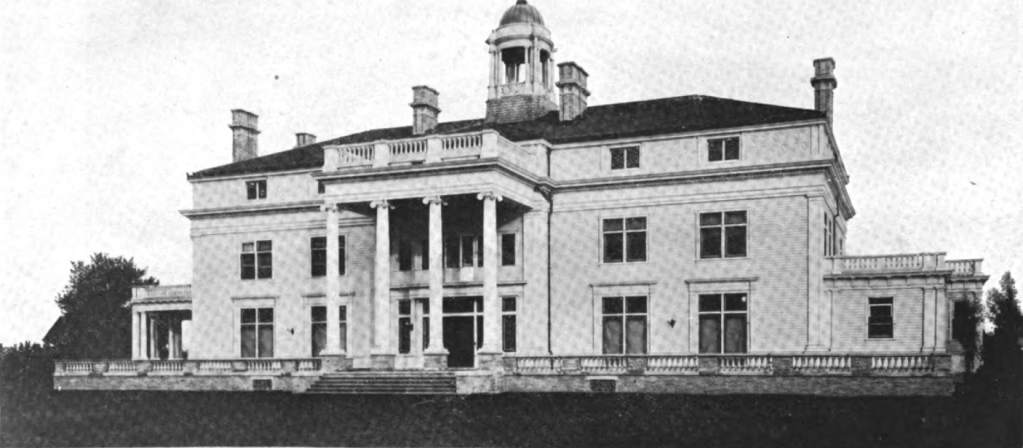
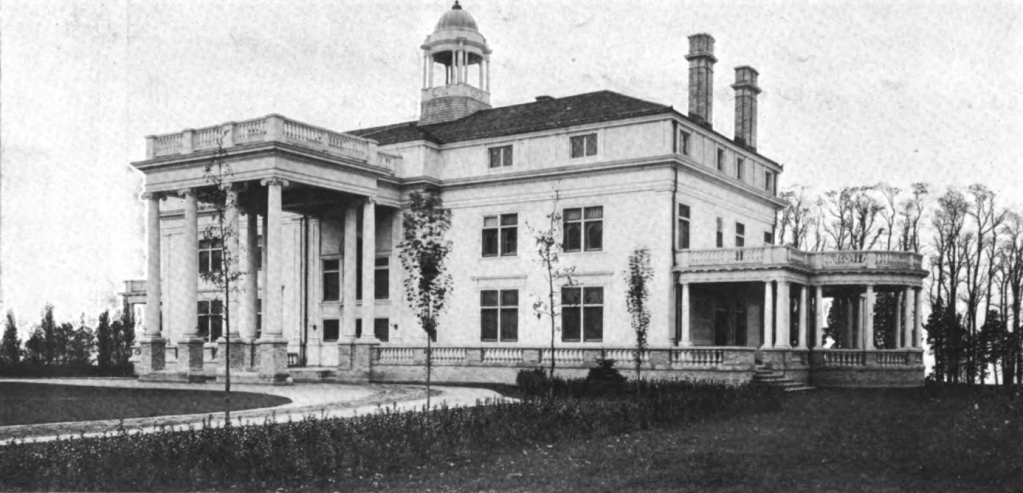
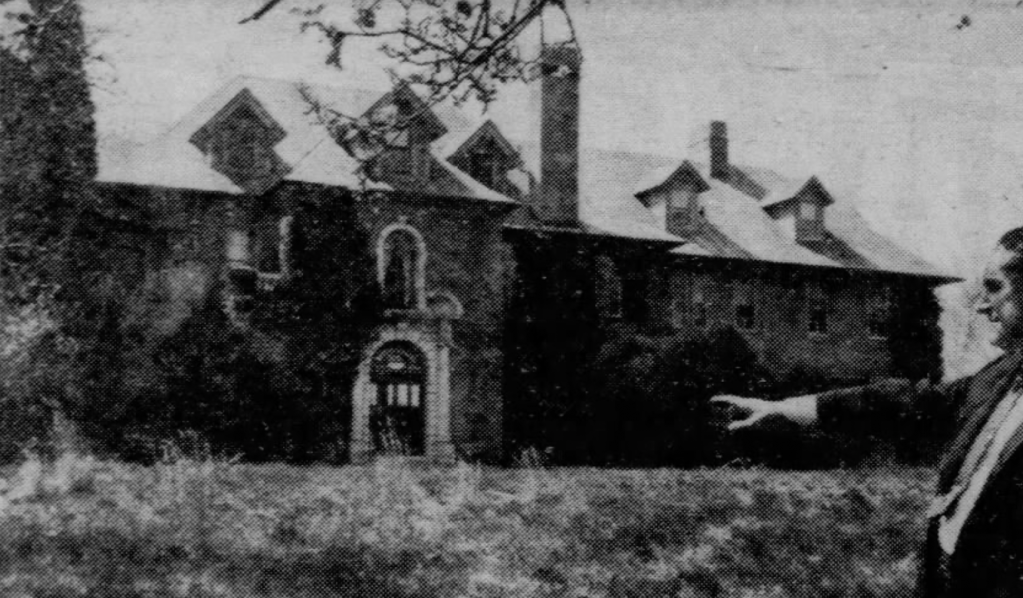
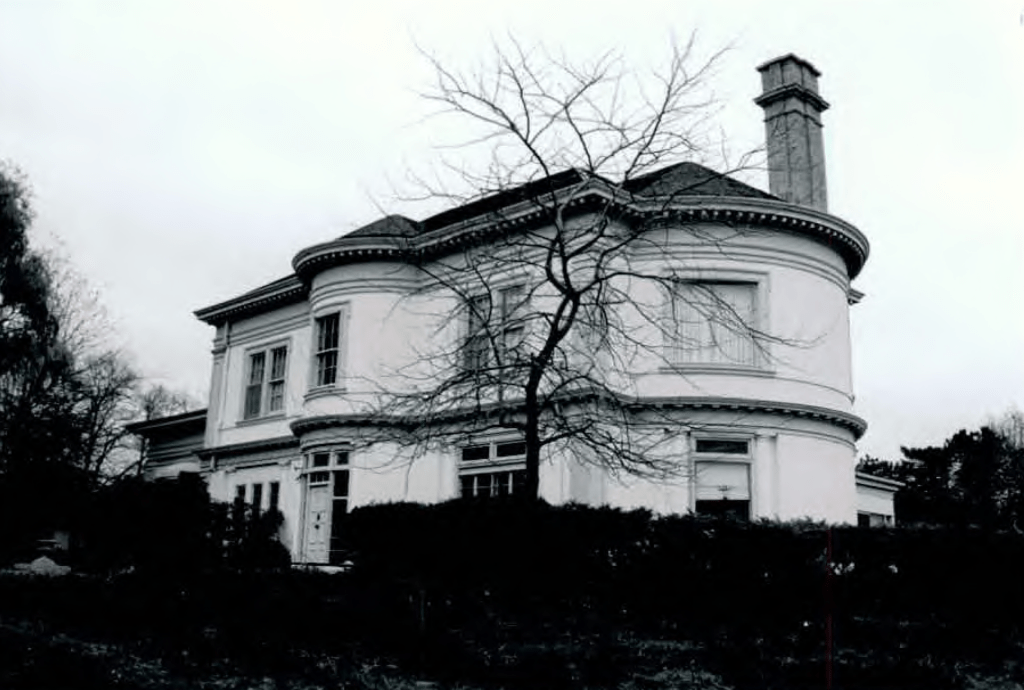
The first photos you see here in this post are actually the final to have EVER been taken of the home. Coincidentally enough, they also happen to be some of the only remaining photography from the mansions time on this earth. Not only is the striking front facade and rarely-captured back side of the home incorporated into this gallery, but a view of the aforementioned grand staircase and interior (the only of its kind) is also featured! Taken by Howard Maxwell’s son Bryce, these pictures originate from early-1950, right after the fire at Maxwellton. Even in a ruined state, the home is still shown to be absolutely beautiful and of a fantastic stature. To thank for these photos is an incredible woman by the name of Marnie Maxwell.
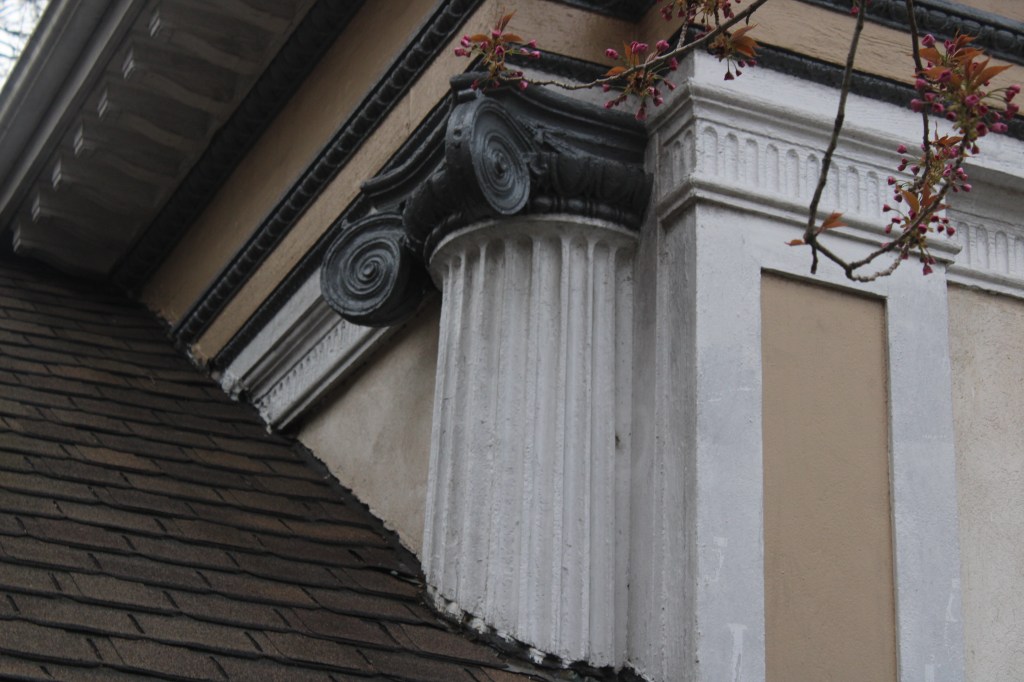
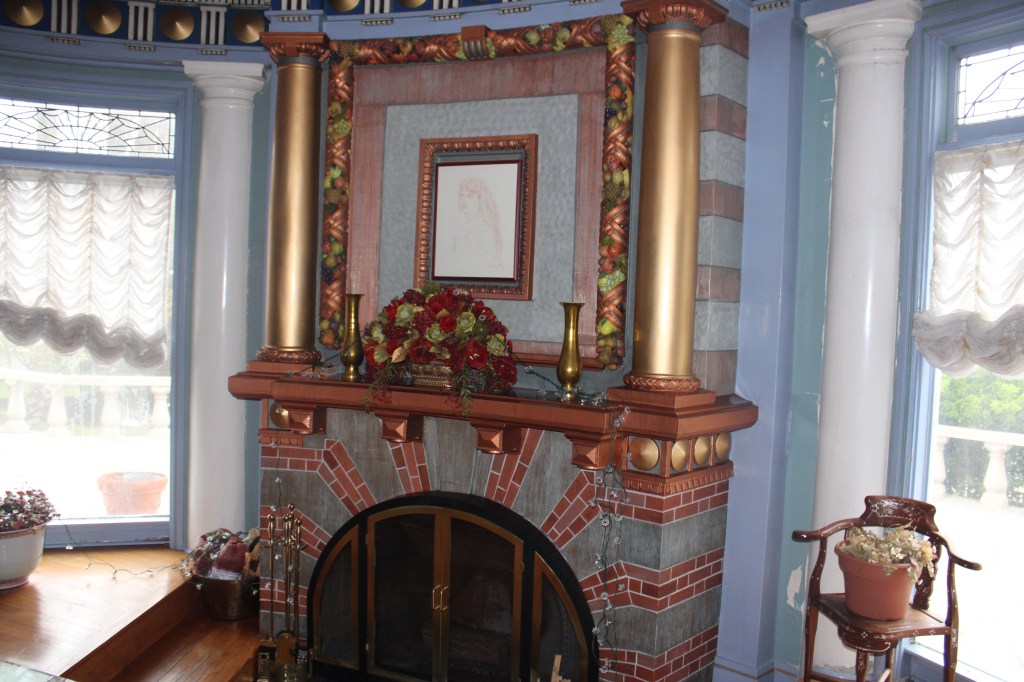
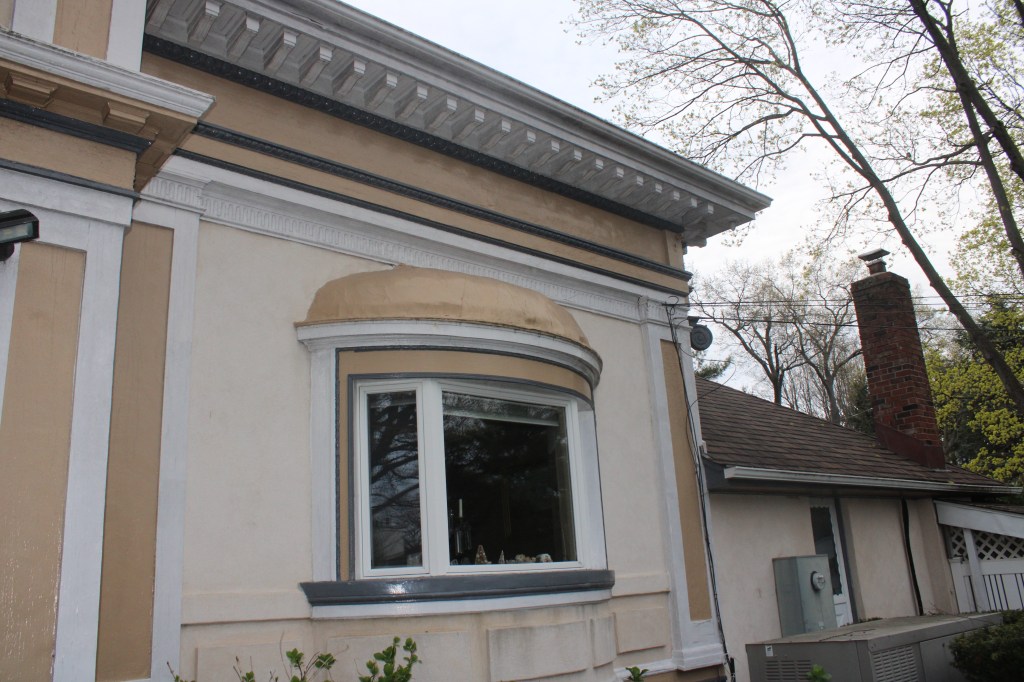
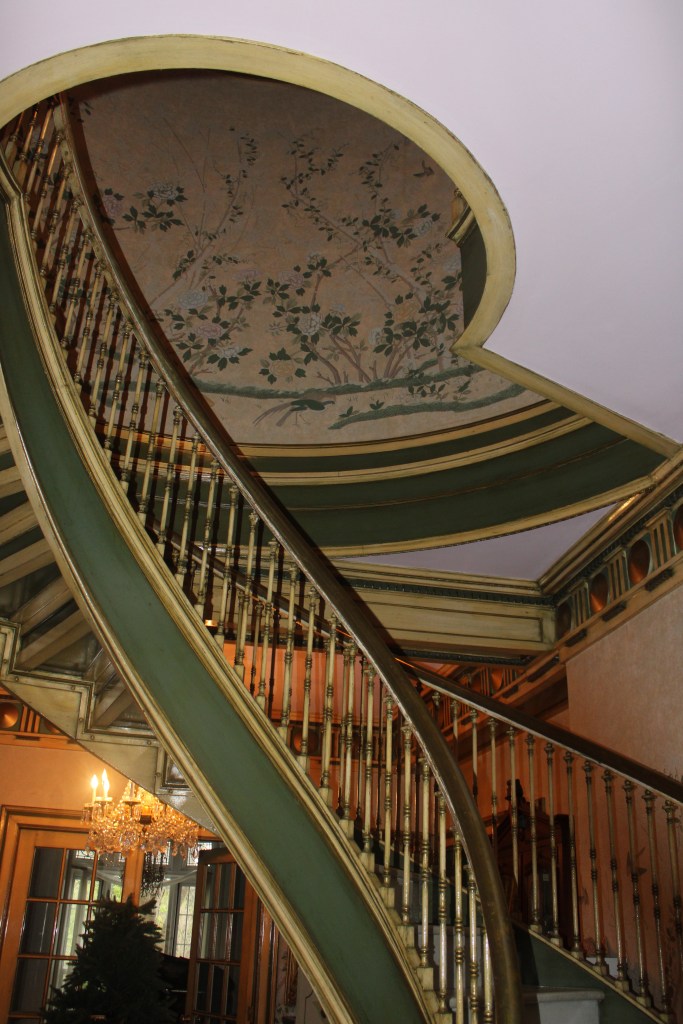
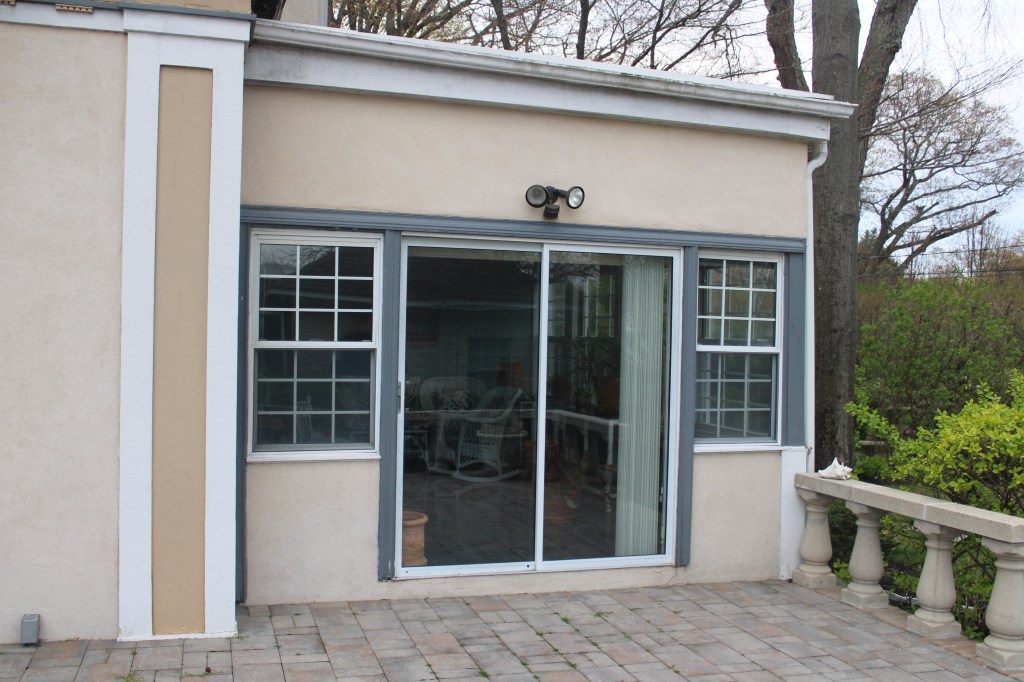
When I toured the remaining piece of J. R. Maxwell’s “Maxwellton” back in April of 2025, Marnie reached out to me with a kind message about how much my work went for her. It was in this interaction that I first learned about her grandfather (Howard Maxwell) and his incredible mansion. Little did I know, she would soon open up a whole new can of worms for me. In the coming months, I became very acquainted with Marnie, and she even shared with me some photos from her personal collection! Those pictures are what you see here. As mentioned before, the first few photos in the post were taken by Marnie’s father Bryce Maxwell right after the 1950 fire.
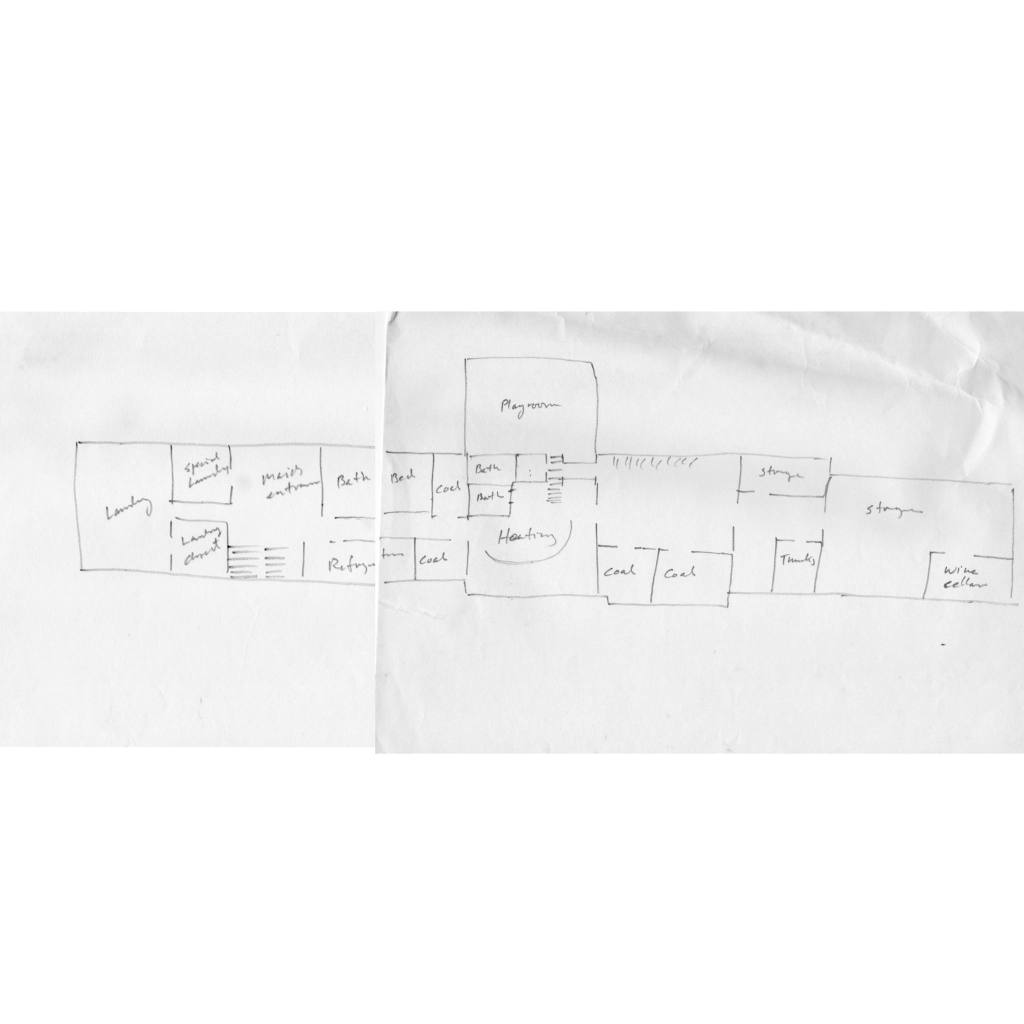
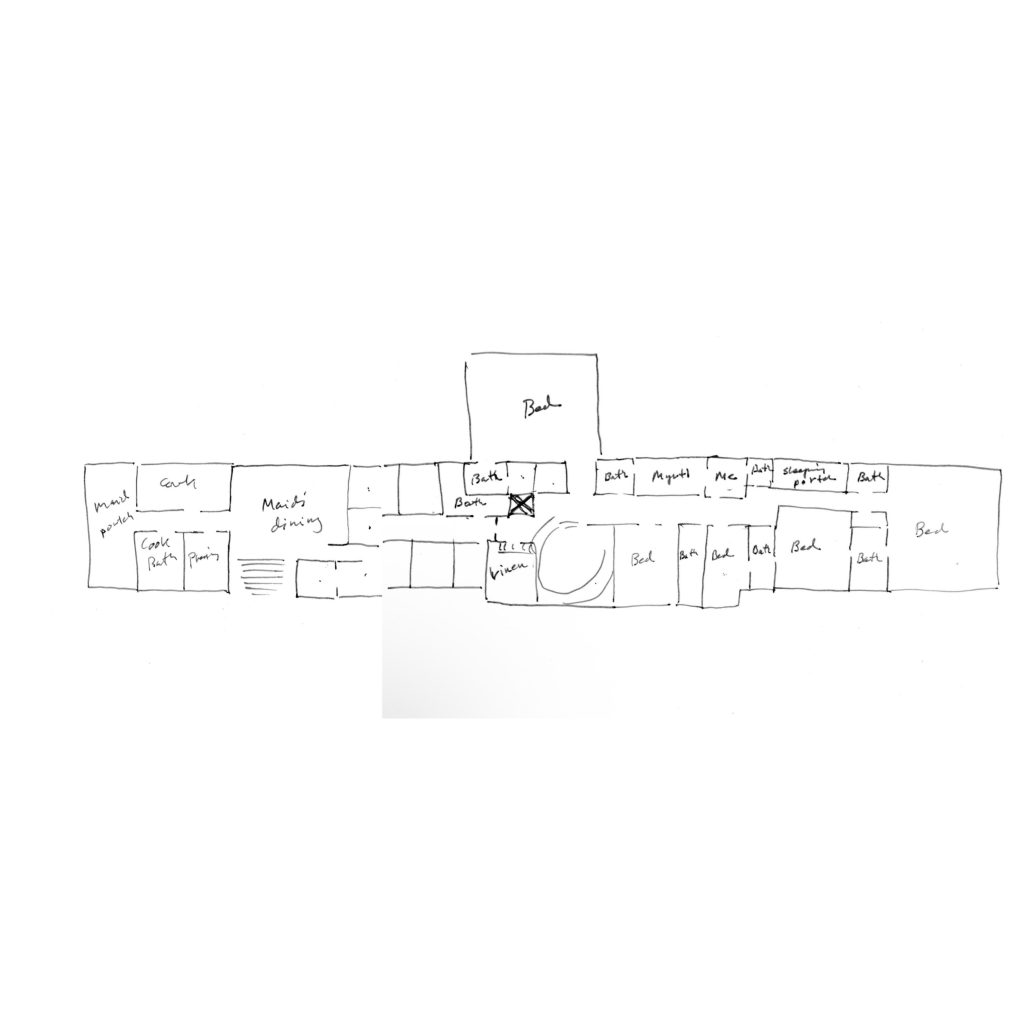
The first and second floor, as sketched by Bryce Maxwell. Courtesy of Marnie Maxwell.
The above two images you see are floor plans sketched by the man himself. I should say that It is possible that inaccuracies may be present – as Mr. Maxwell did draw this from memory years after the home was demolished. Nevertheless, the sketches are undoubtedly very useful and important.
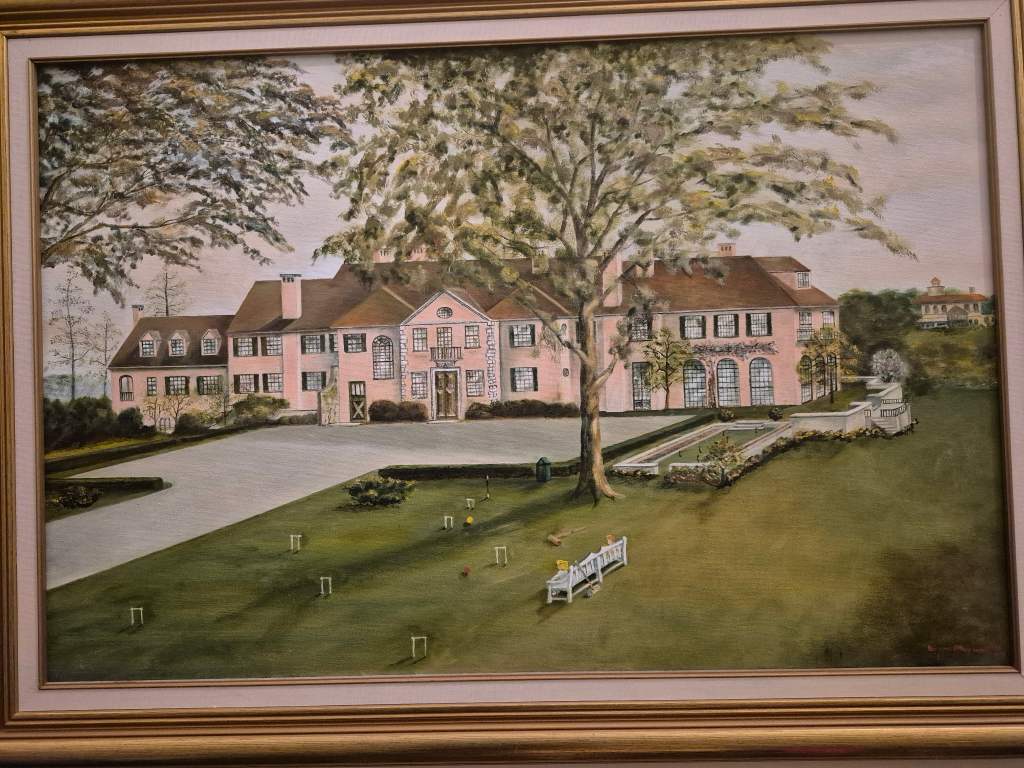
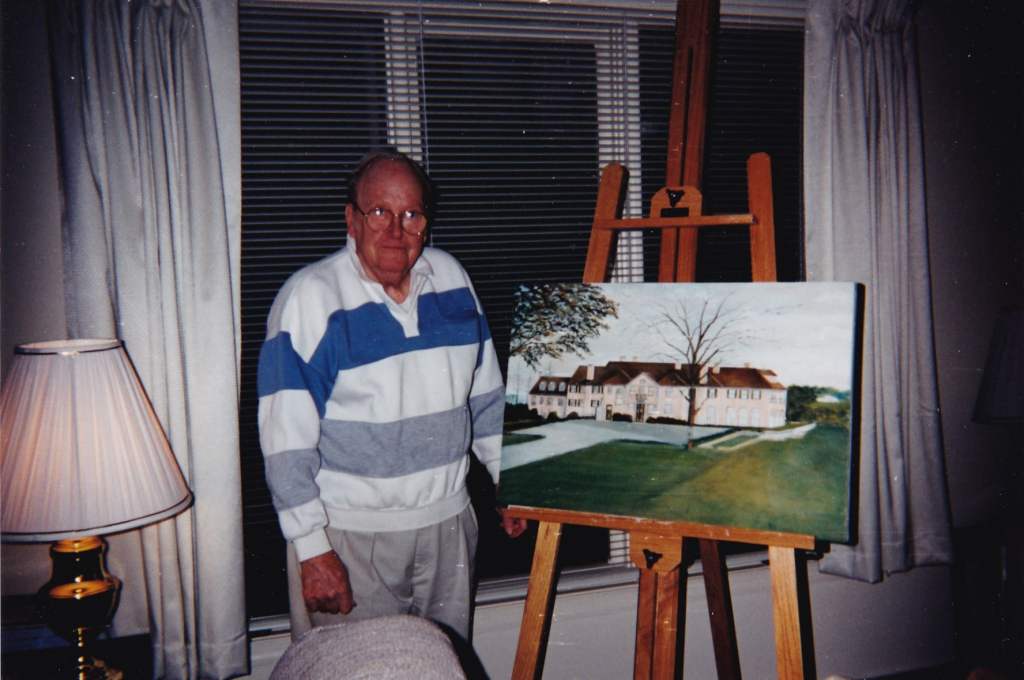
Finally, a painting done (once more) by Bryce Maxwell of his families prideful mansion. Per an inscription in the corner of the painting, it is likely that Mr. Maxwell produced this entirely from memory, with a reference date being the 1930s.
As far as i’m aware, these pictures have never been shared online in any capacity. So, being given Marnie’s unbound kindness and the platform I have today, It is my absolute honor to present to you (for the first time ever) the Howard Maxwell residence, as viewed through the private collection of the Maxwell family. Enjoy, and I hope you also liked this post very much!
Some important notes:
- The name “Maxwellton” has been long interchanged with “Maxwelton”, with newspapers often switching out the two with little hesitation. I have chosen “Maxwellton”, as I feel it is more fitting for the family compound. Either can work, though.
- In a 1920 article for “Vogue”, it is said that the Howard Maxwell residence Maxwelton dates back to the revolutionary period. Excluding this piece, I have been unable to find any source that confirms or even mentions this “fact.” For this reason, I find the article to be either false or referring to another residence entirely – which would be another post / issue in its own. For now, though, that will have to linger in the air as a very vague possibility.
- Furthermore, this article featured a picture of the Maxwellton front entrance that does not resemble any other pictured iteration of the home. It is for this reason that the idea of Howard Major’s first change to the front facade of Maxwellton (in the late 1910s) specifically came about. But, it has not been entirely confirmed outside of this small pagespread.
- The true nature of Howard Majors alterations to Maxwellton have been long shrouded in mystery. Much of the timeline provided is vaguely pieced together and very well may be inaccurate to some extent.
- It is possible that the recorded 1922 architectural change by Howard Major may have been referring to a different part of the home than the front facade. Nevertheless, the front was once more altered sometime between 1920 and 1926.
- The date of Ferrucio Vitale & Alfred C Geifferts work on the Howard Maxwell grounds is not exactly known. It was first documented by the architects in 1929, but may be earlier. (A book produced on the two says 1933, but this makes no sense given a 1929 photograph).


Leave a Reply