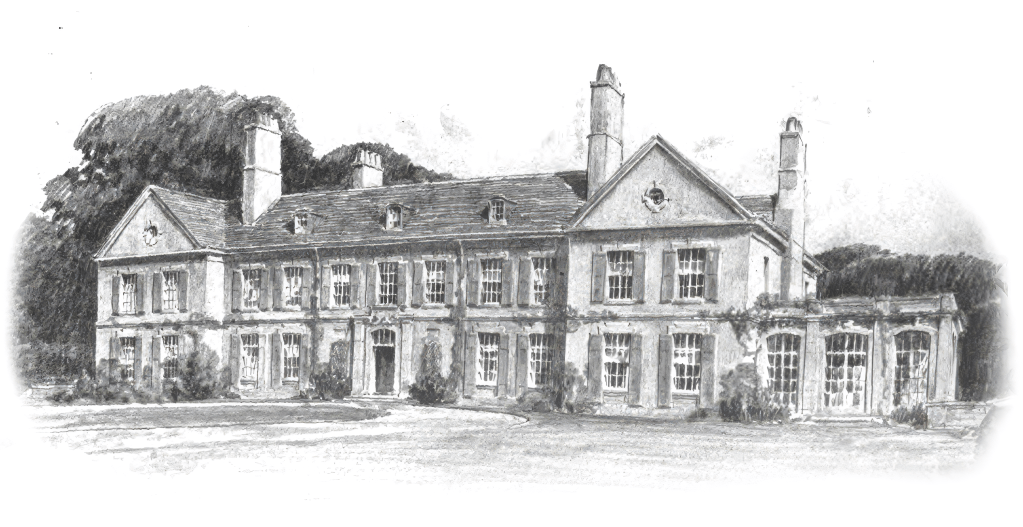
For the past 3 months, i’ve had a special opportunity to visit and explore a grand Gatsby-era mansion on Long Island turned Elderly Facility: “Poplar Hill.”
When my 95-year-old grandmother first visited the Glengariff Rehab Center this past October, I quickly fell in love. Not only was it a stunning building, but its unique and winding history intrigued me. So, throughout her stay, I took many photos of the main Pratt family residence inside & out, curating a gallery I am elated to share with you all today.
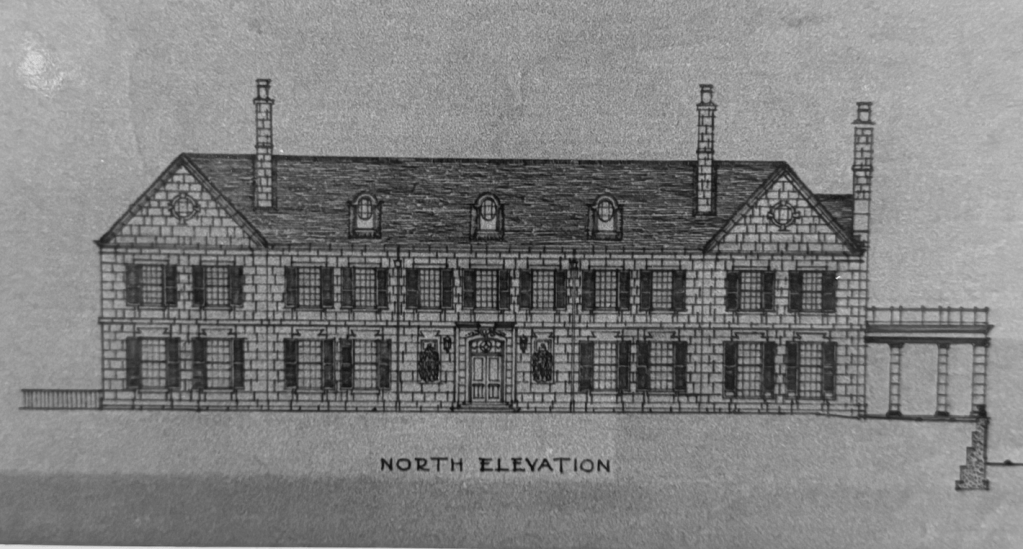
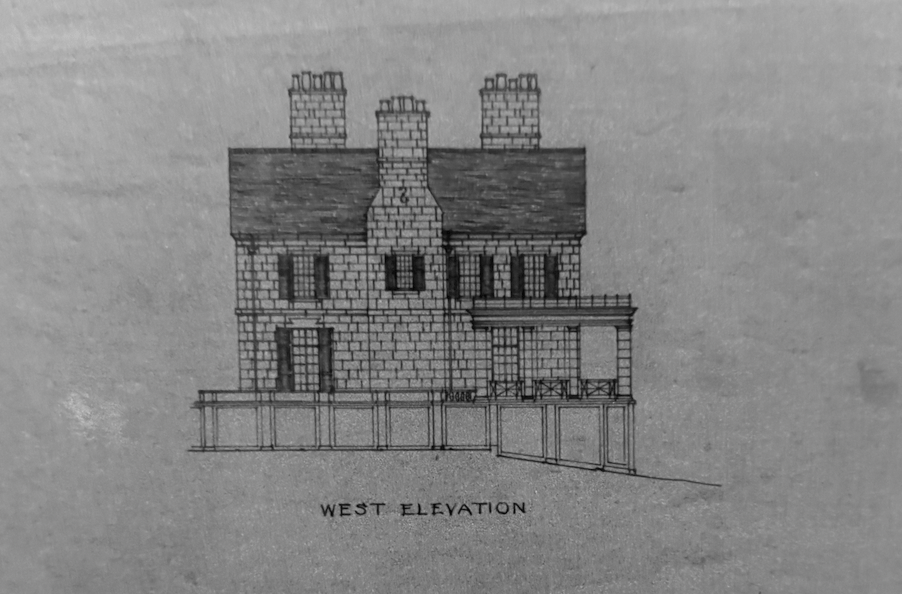
If you so desire, though, I’d love to run you through the eccentric story of Frederick B Pratt’s “Poplar Hill.”
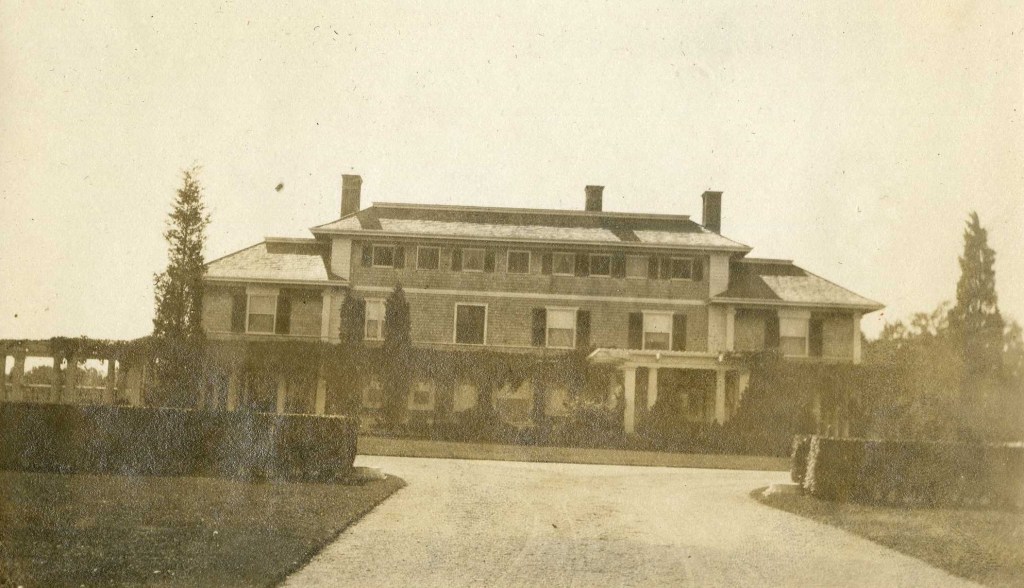
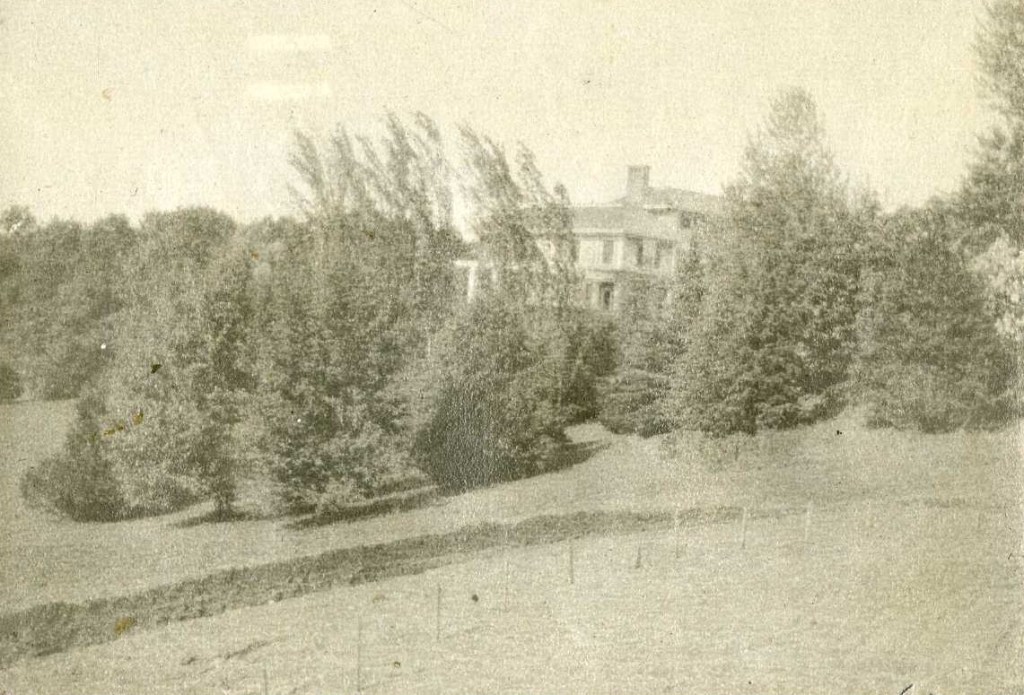
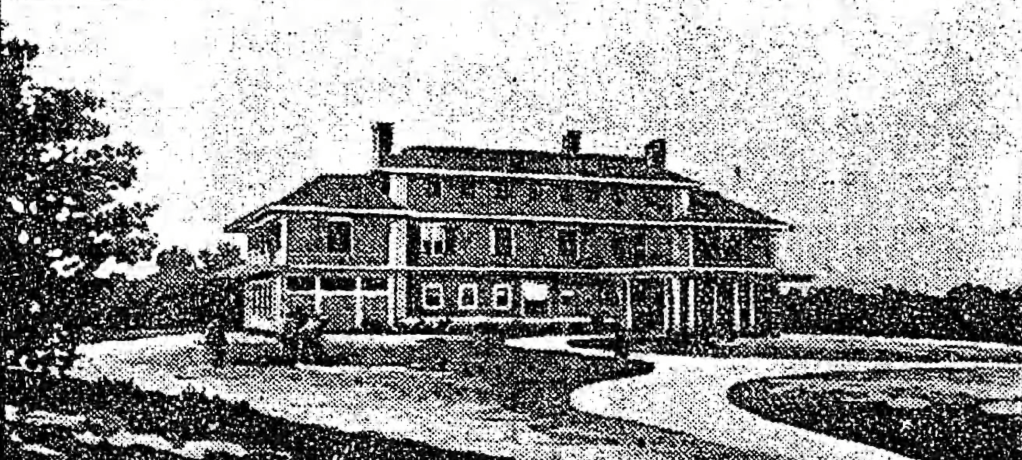
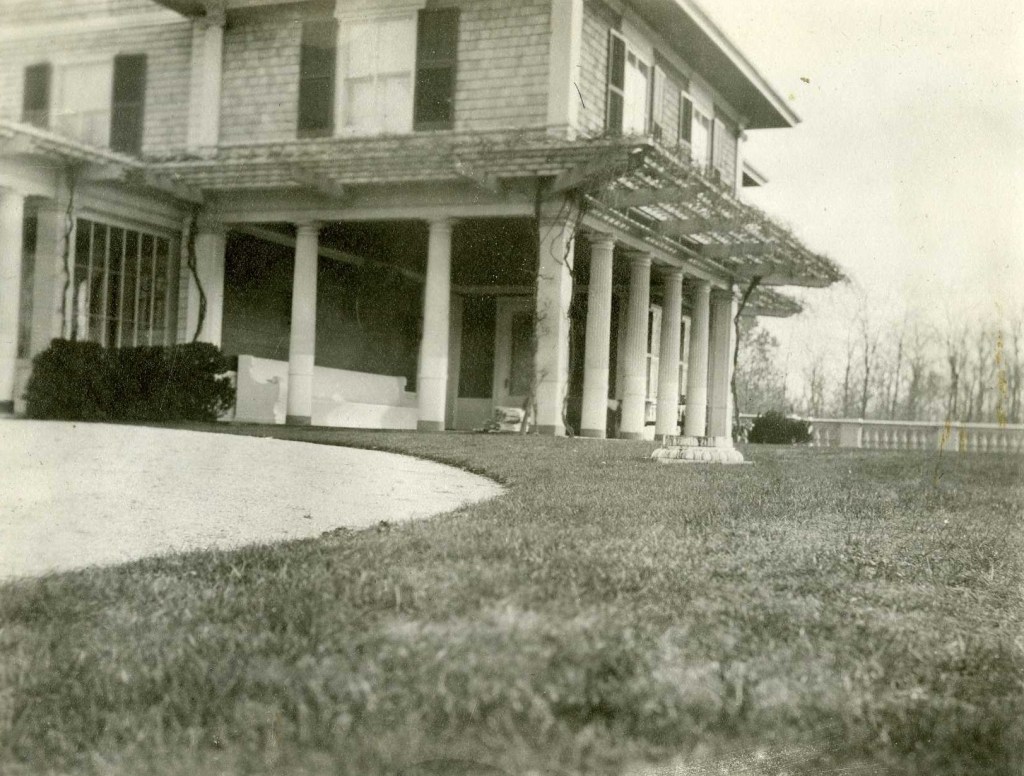
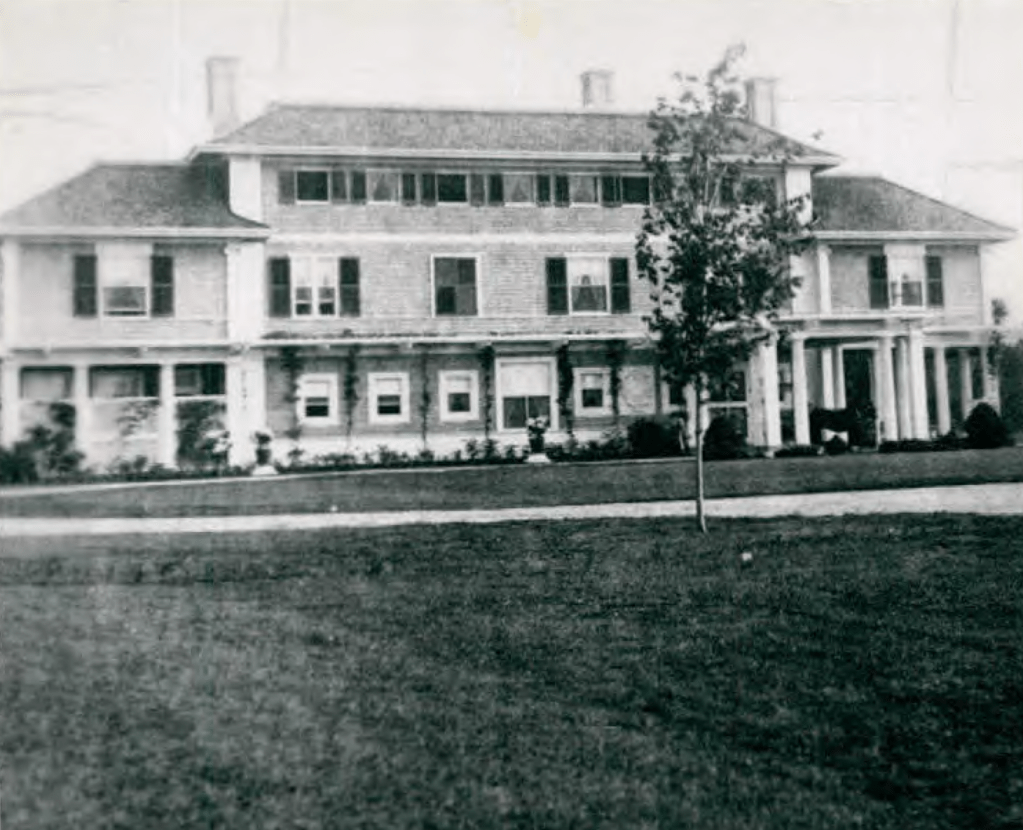
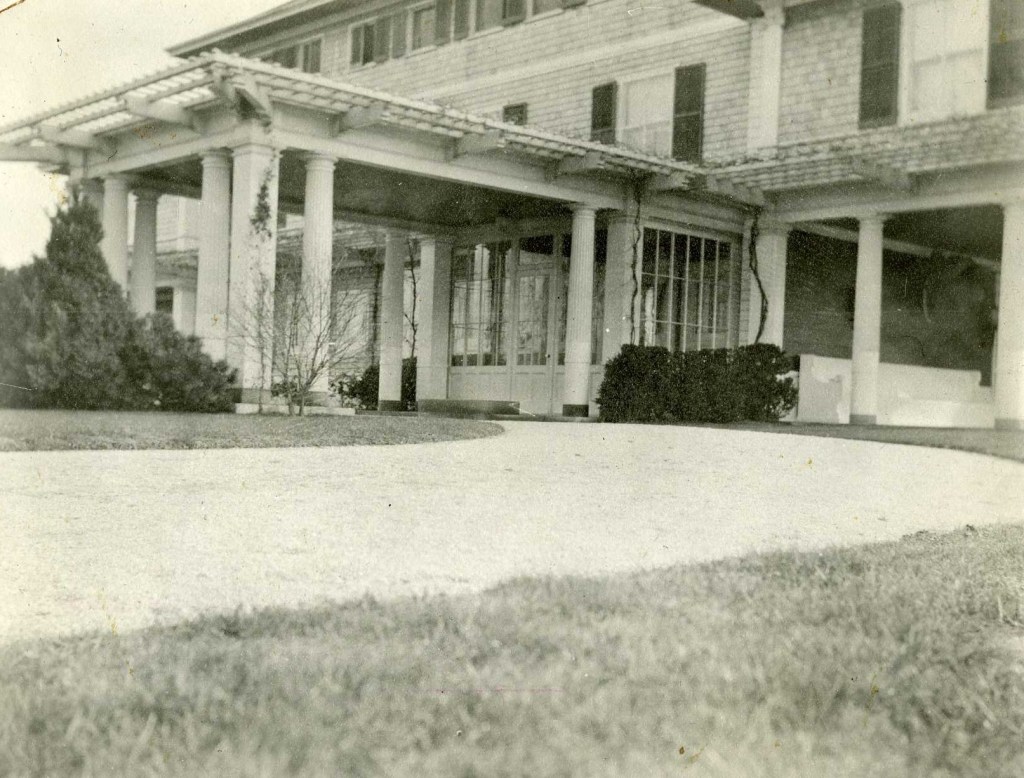
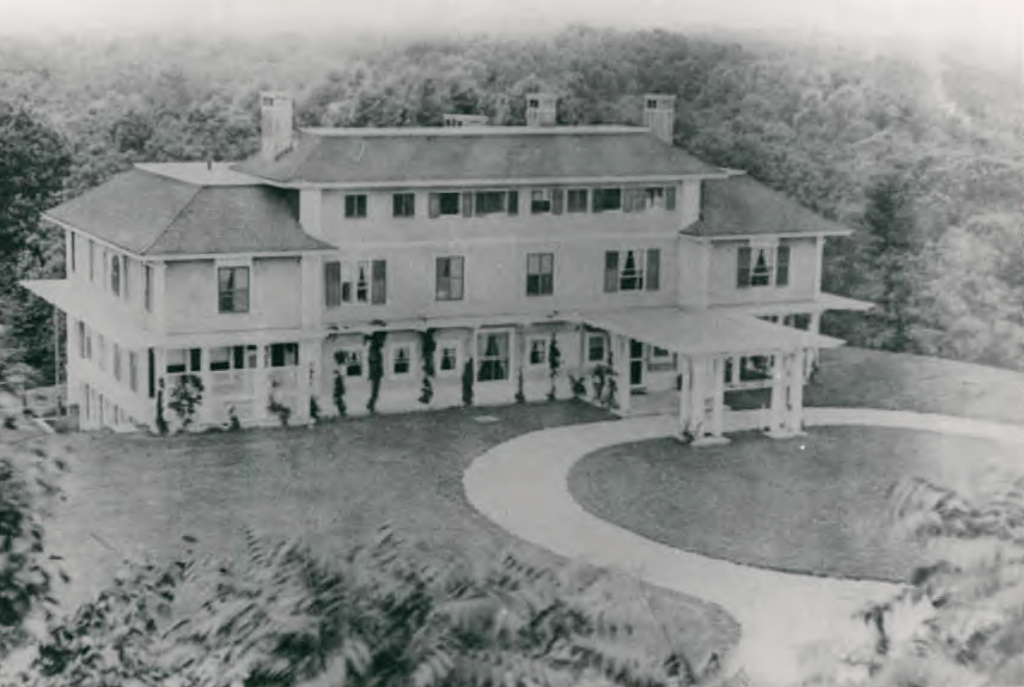
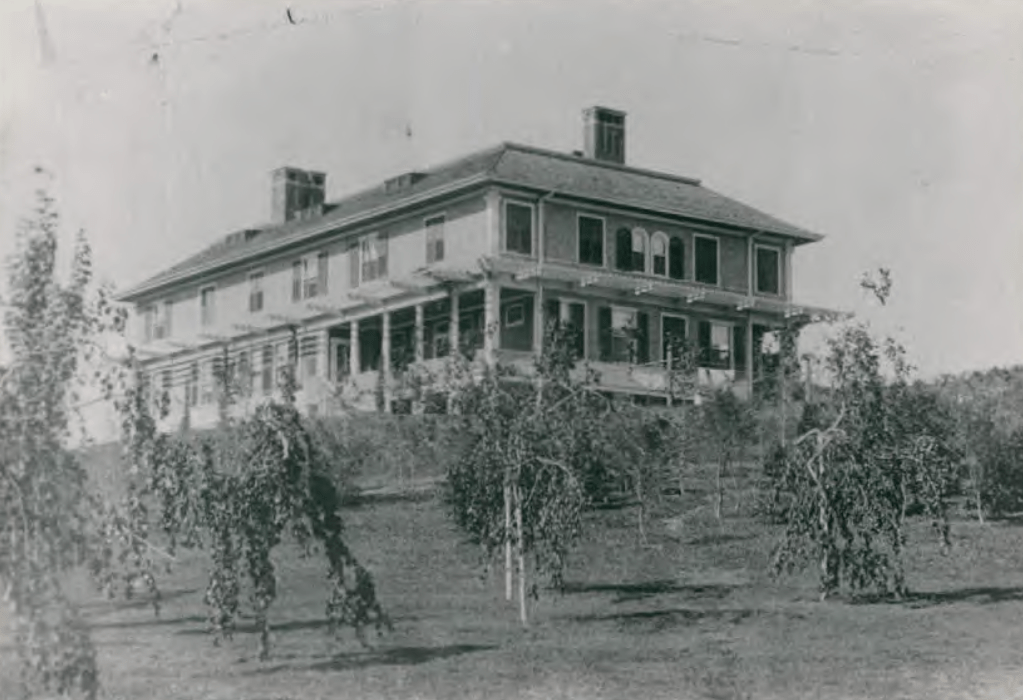
In the fall of 1924, one of the many heirs to the wealth of Standard Oil, Frederick Bayley Pratt, had his country home torn down. At the time, this type of decision was rather untraditional in the realm of America’s wealthiest. Most intriguingly, the residence Mr Pratt had just demolished was actually just 26 years old, and had not once left his ownership. So, why would he do such a rash thing?
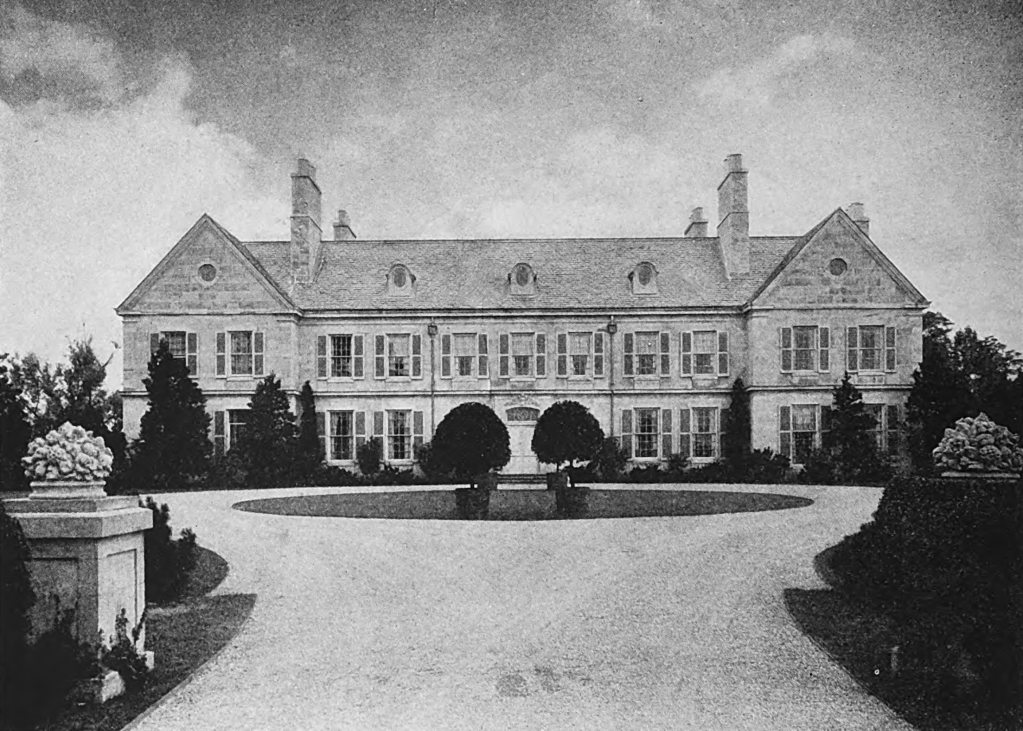
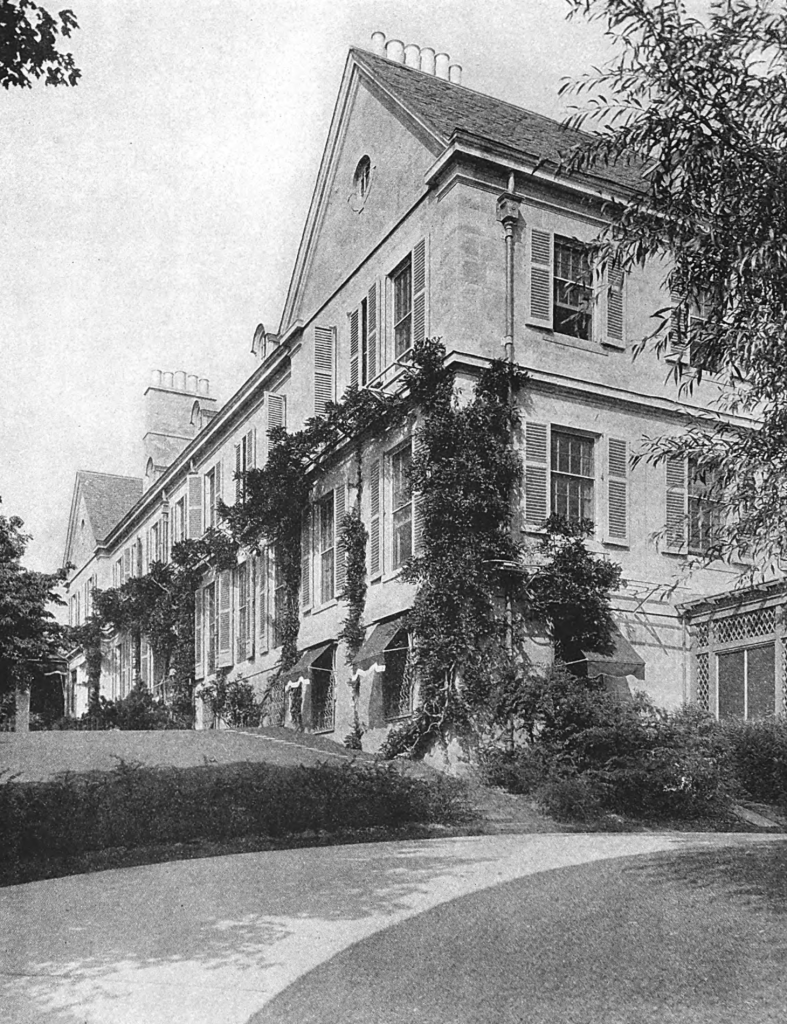
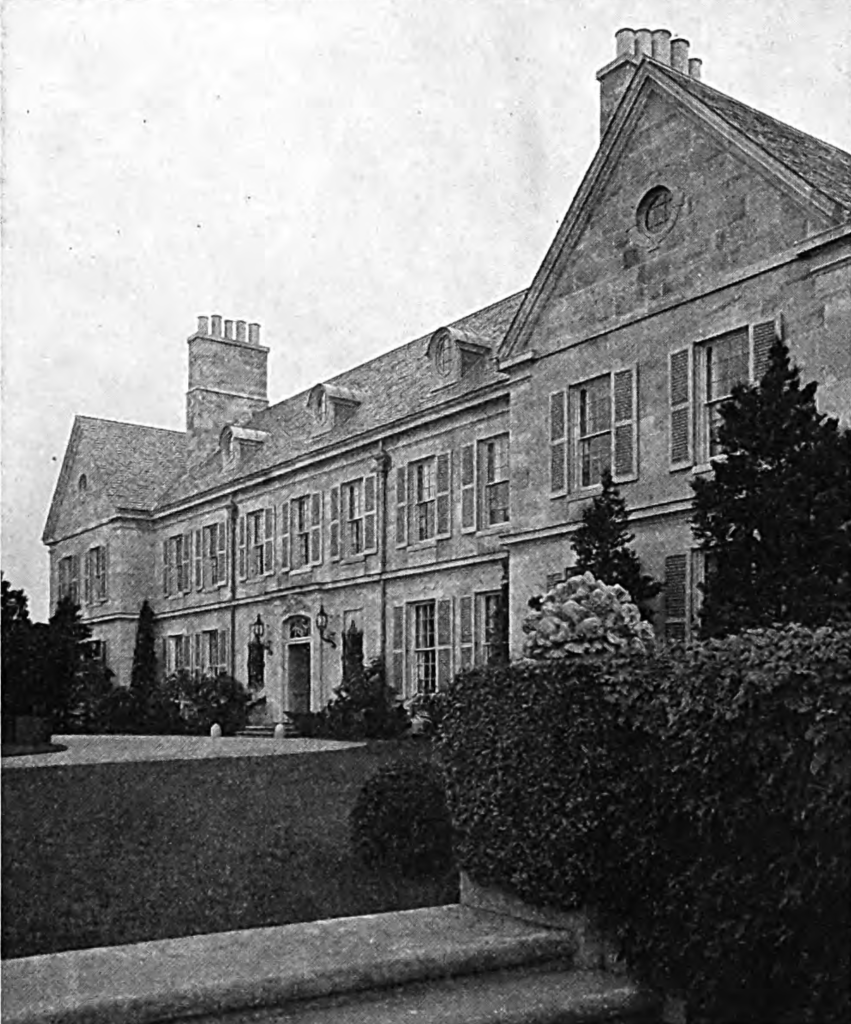
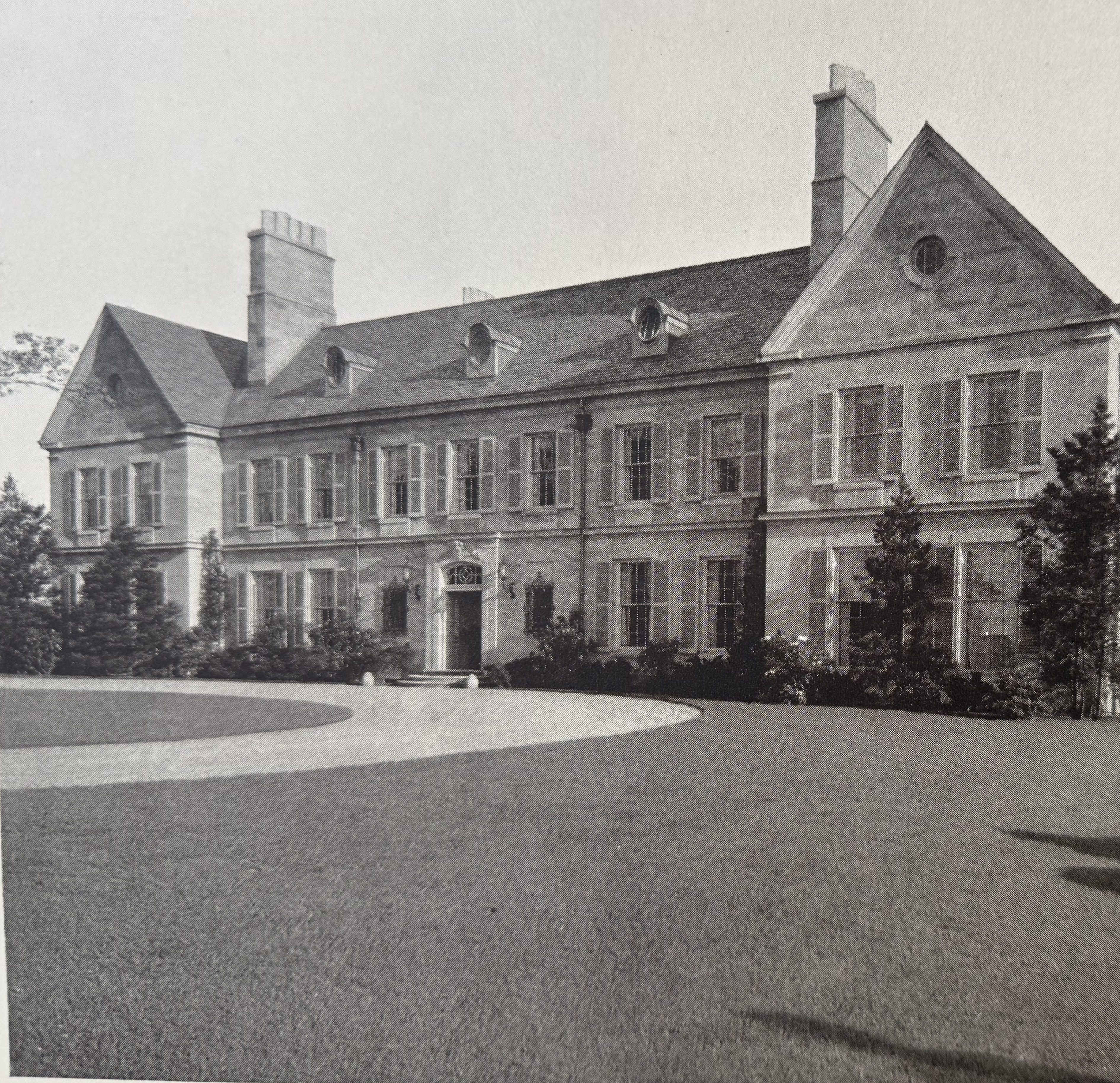
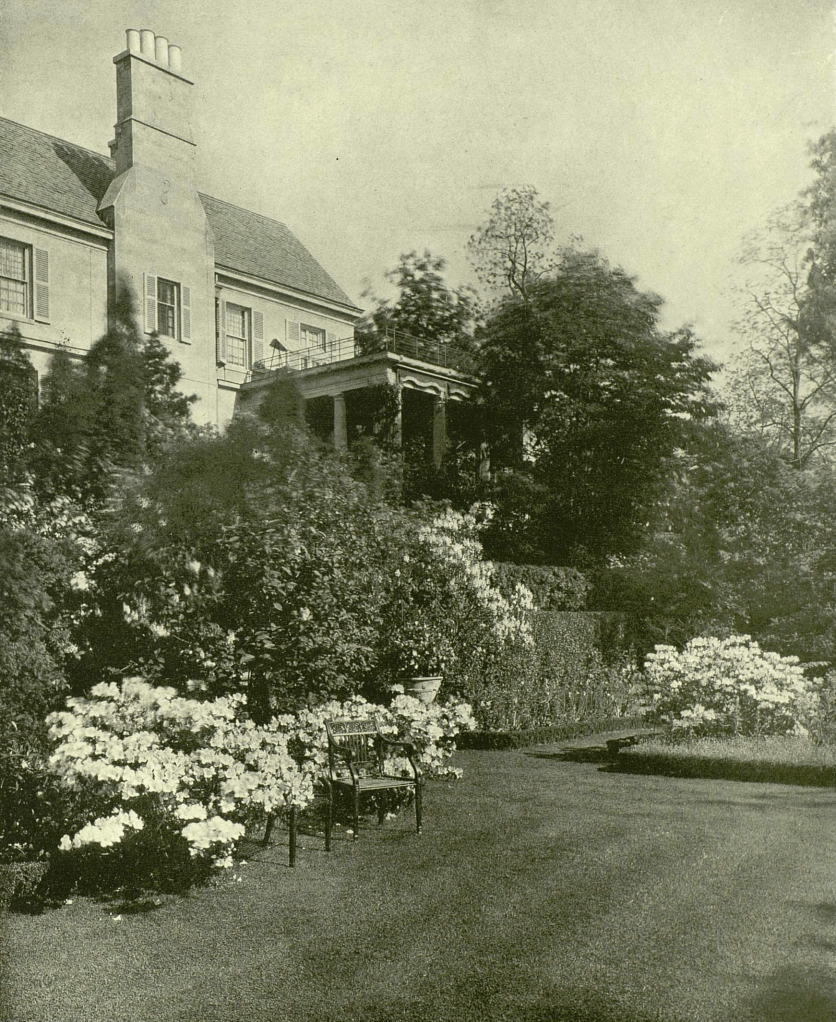
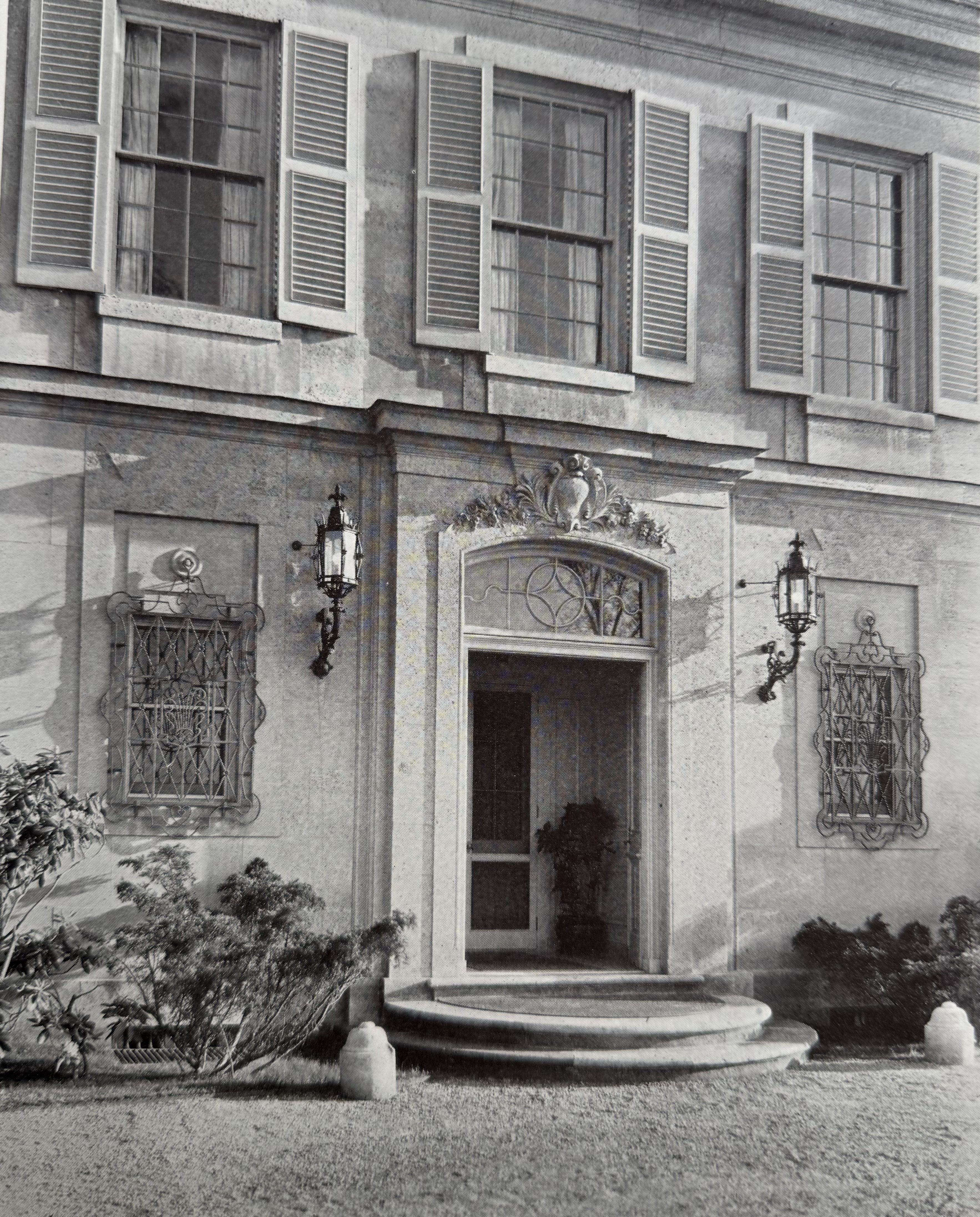
Well, like his brothers and father had previously done, Frederick Pratt actually intended to rebuild. In fact, this whole demolition process was initiated for the sole purpose of Pratt rebuilding. In all reality, Pratt felt his old home to be somewhat outdated and unfit for his grand living. Thus, left with the option to either rebuild or renovate, Mr. Pratt chose the former. When the leveling was completed in December 1924, Pratt hired architect Charles A Platt to design his new residence. It would be 3 stories tall, have 21 illustrious rooms and be in the French Renaissance style.
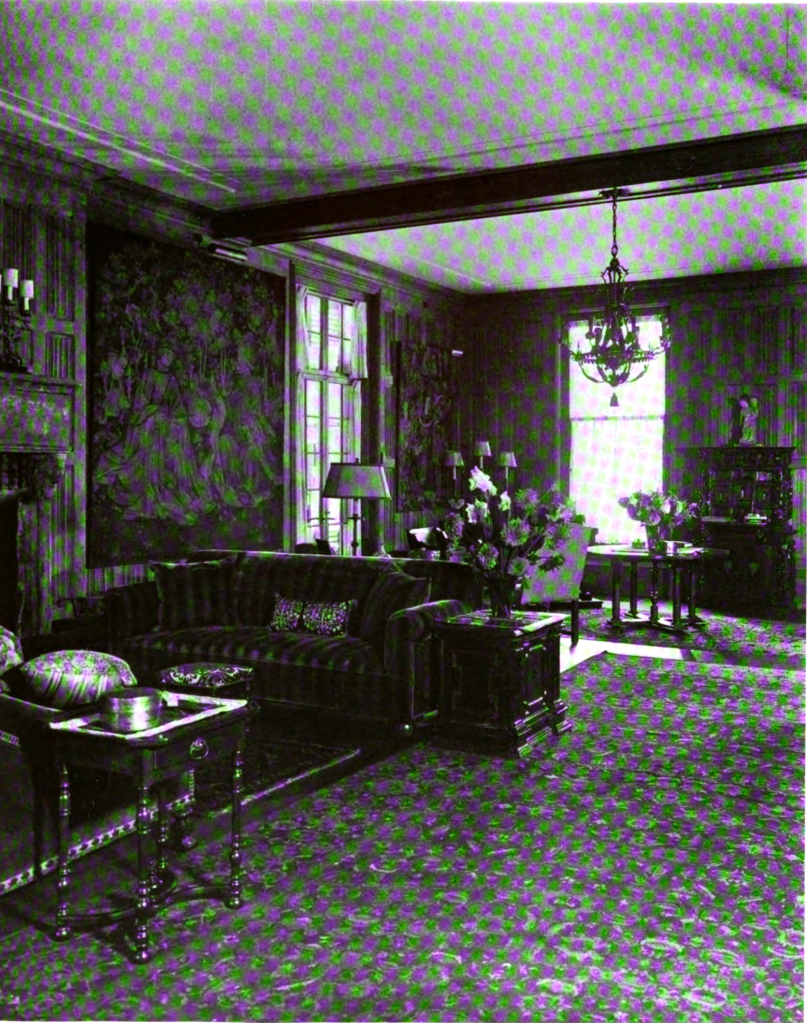
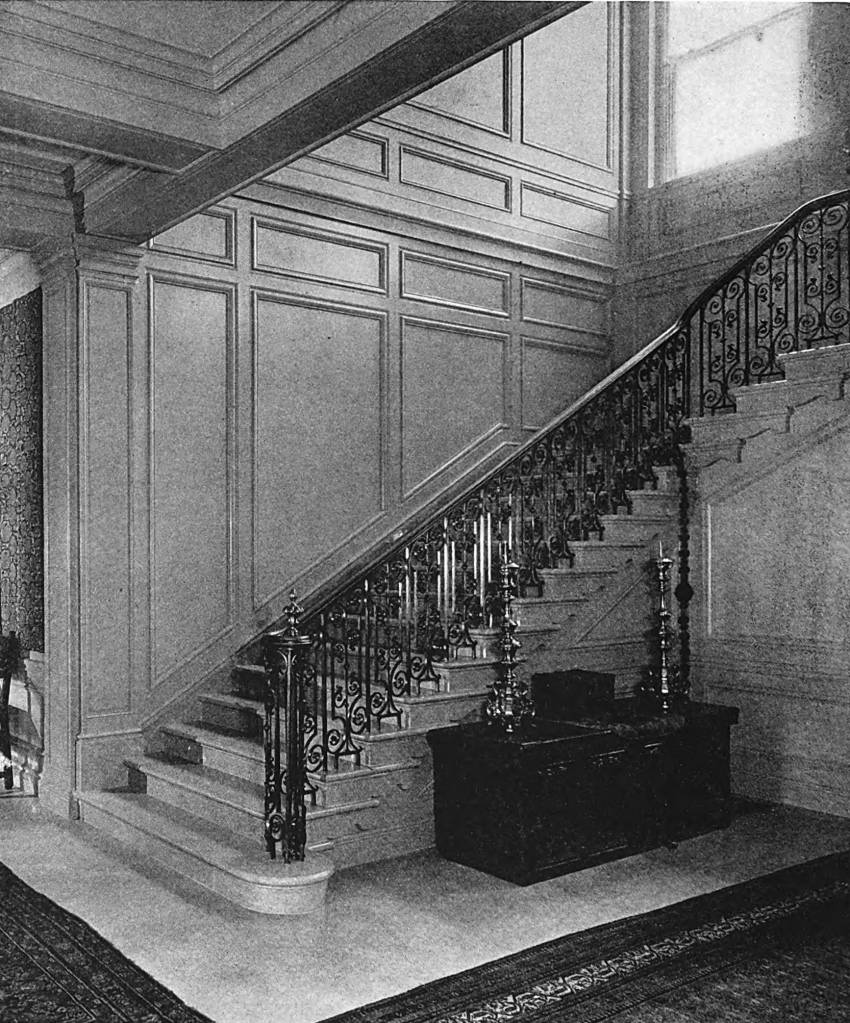
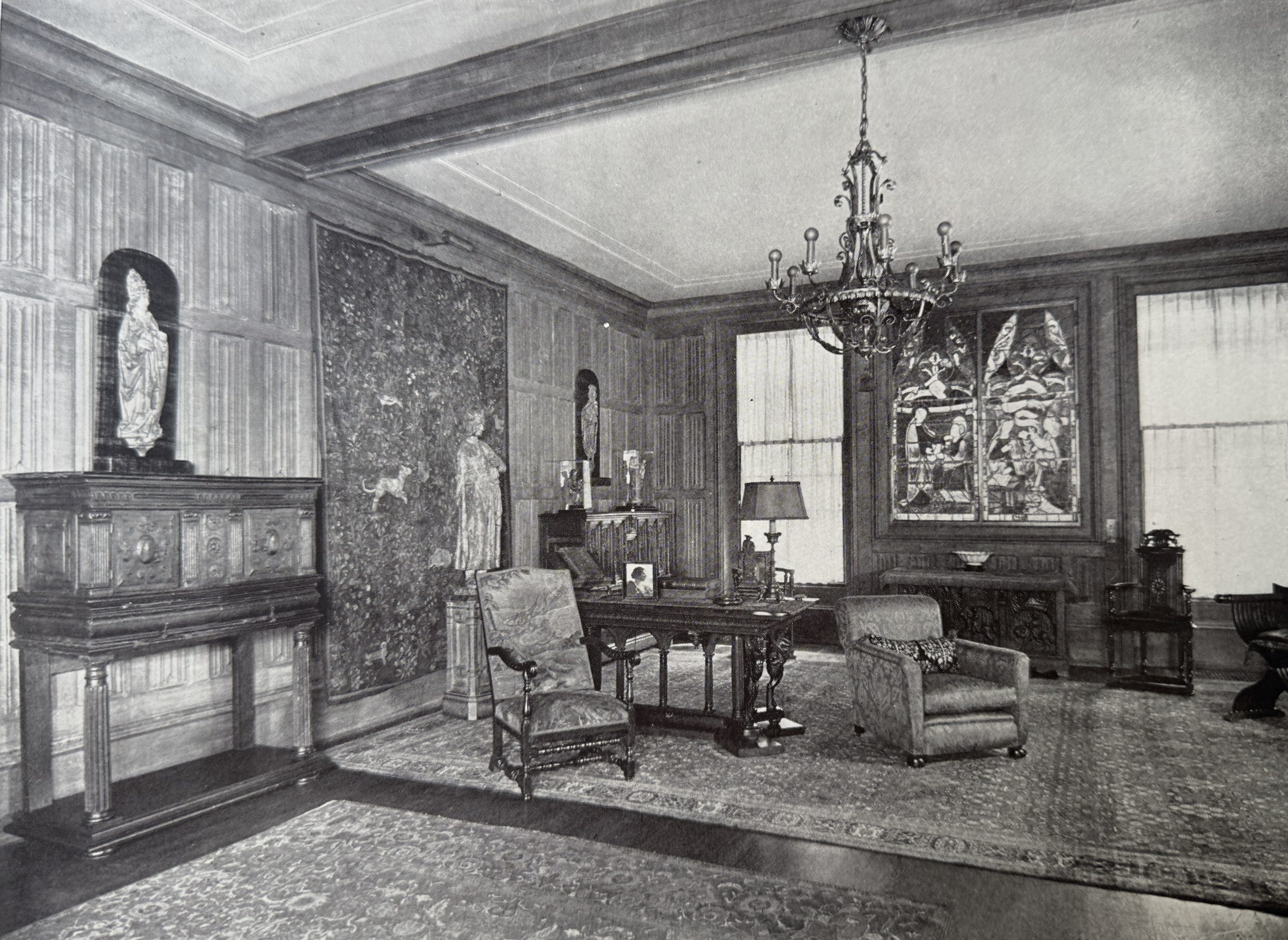
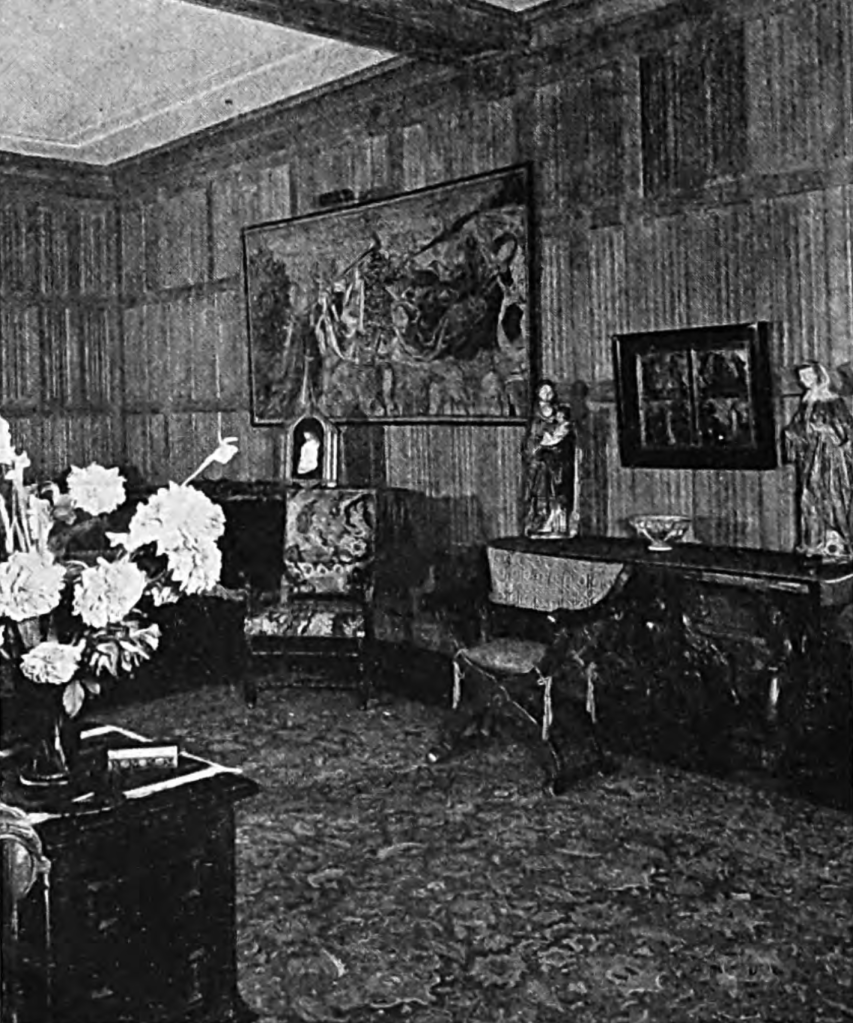
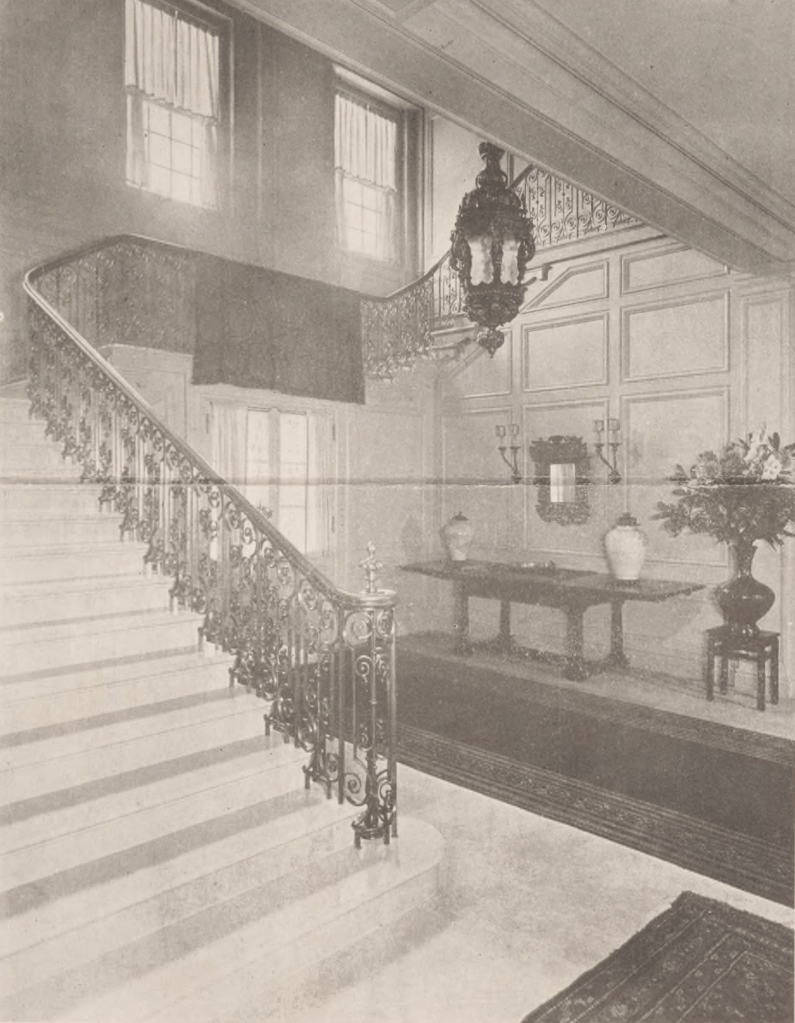
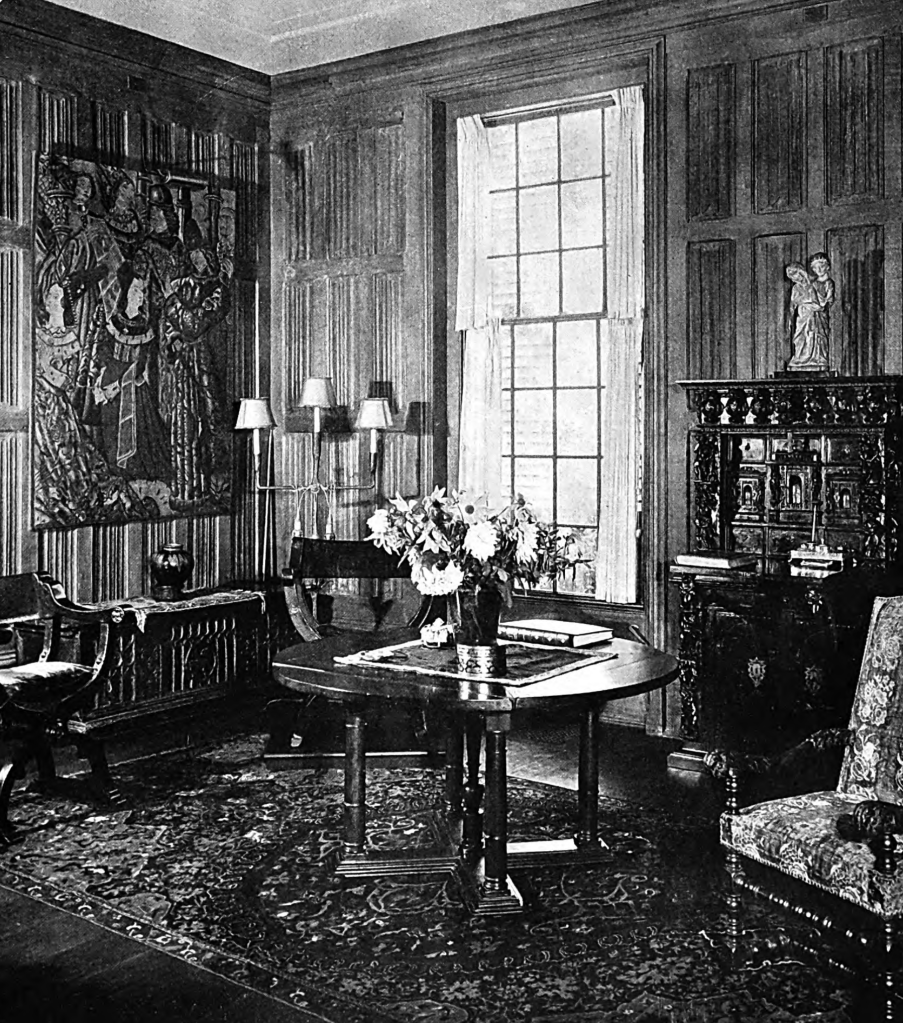
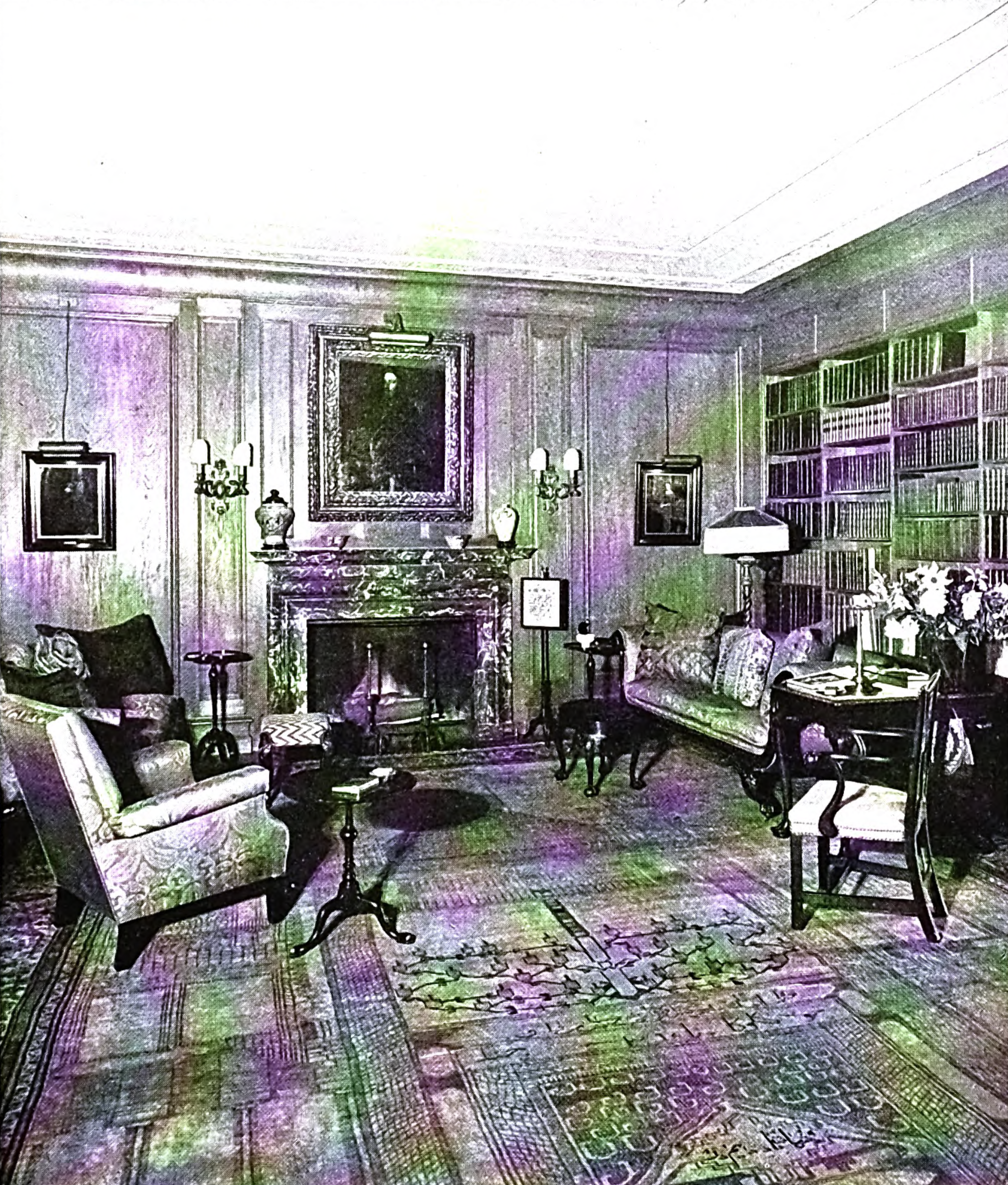
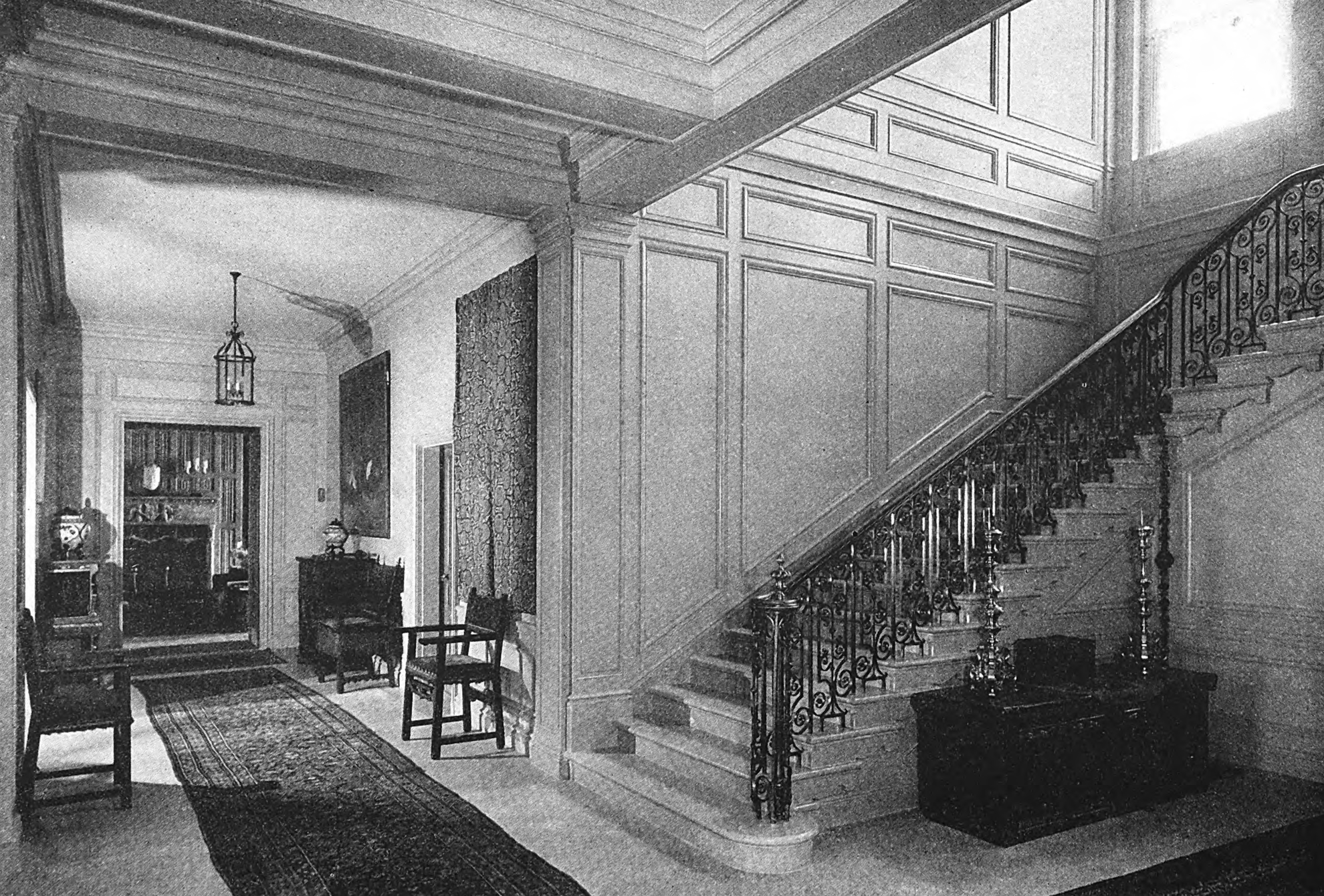
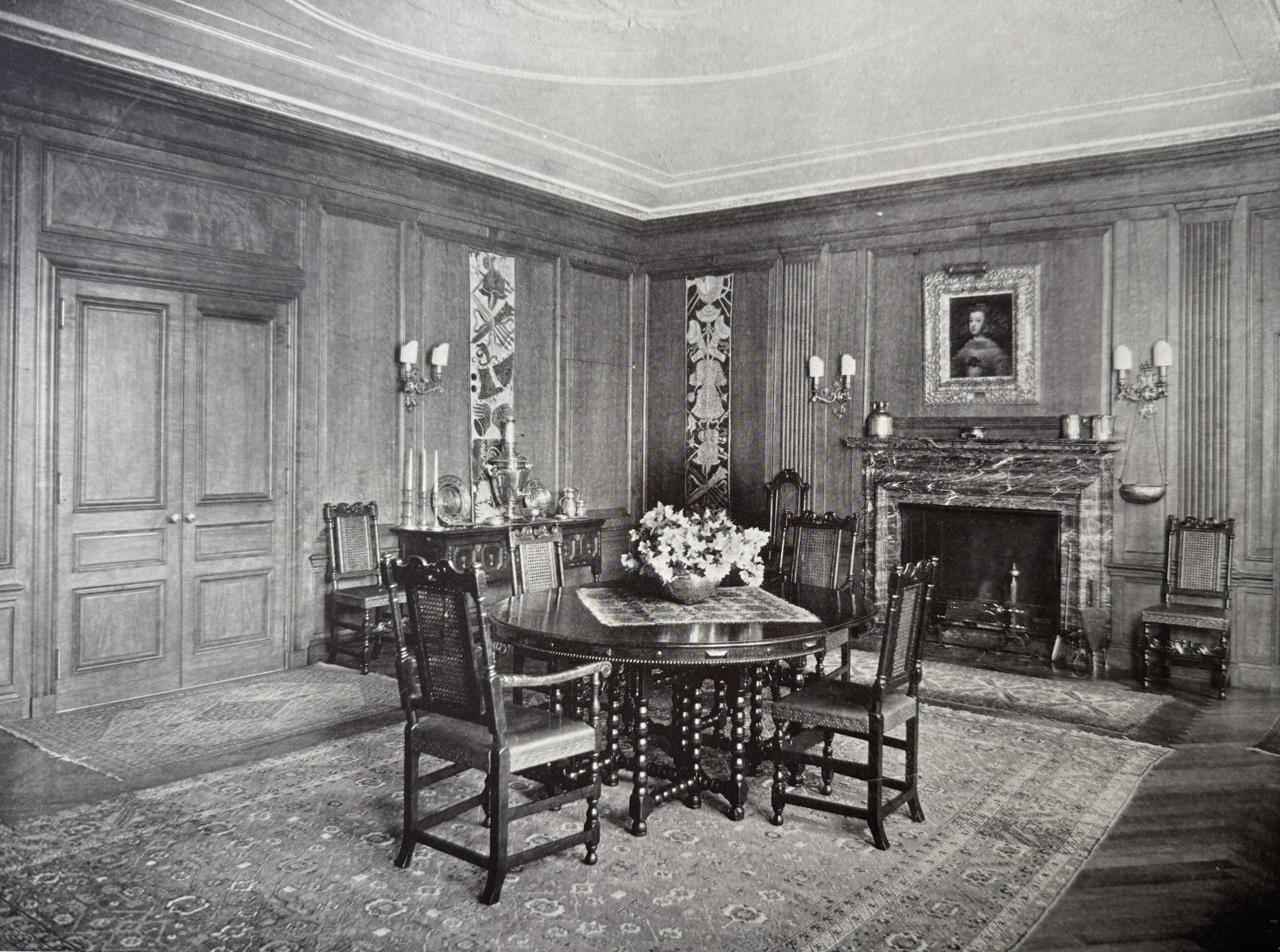
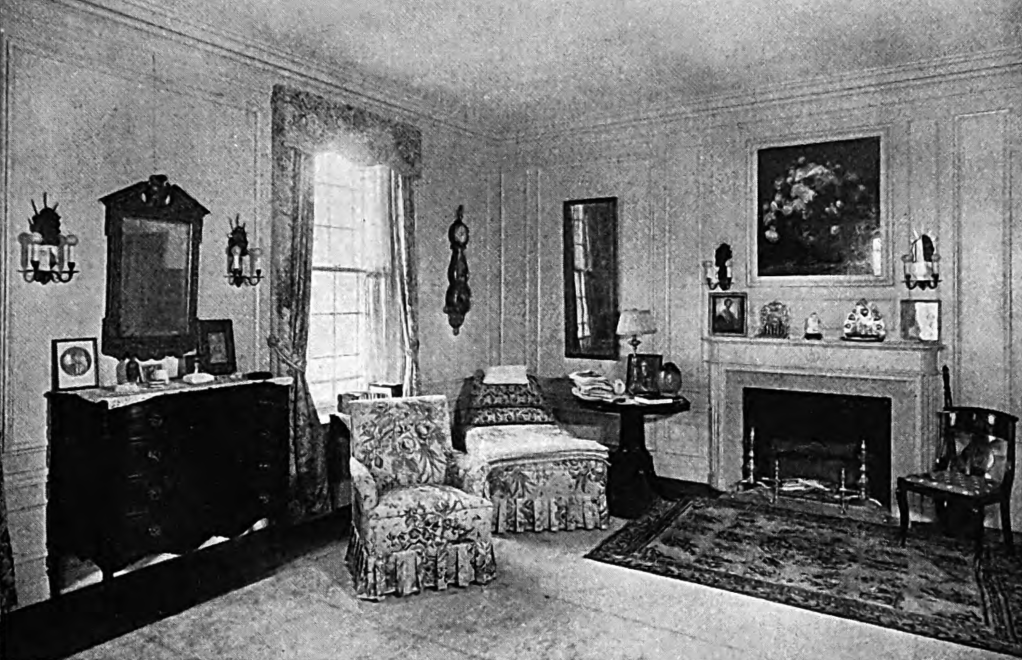
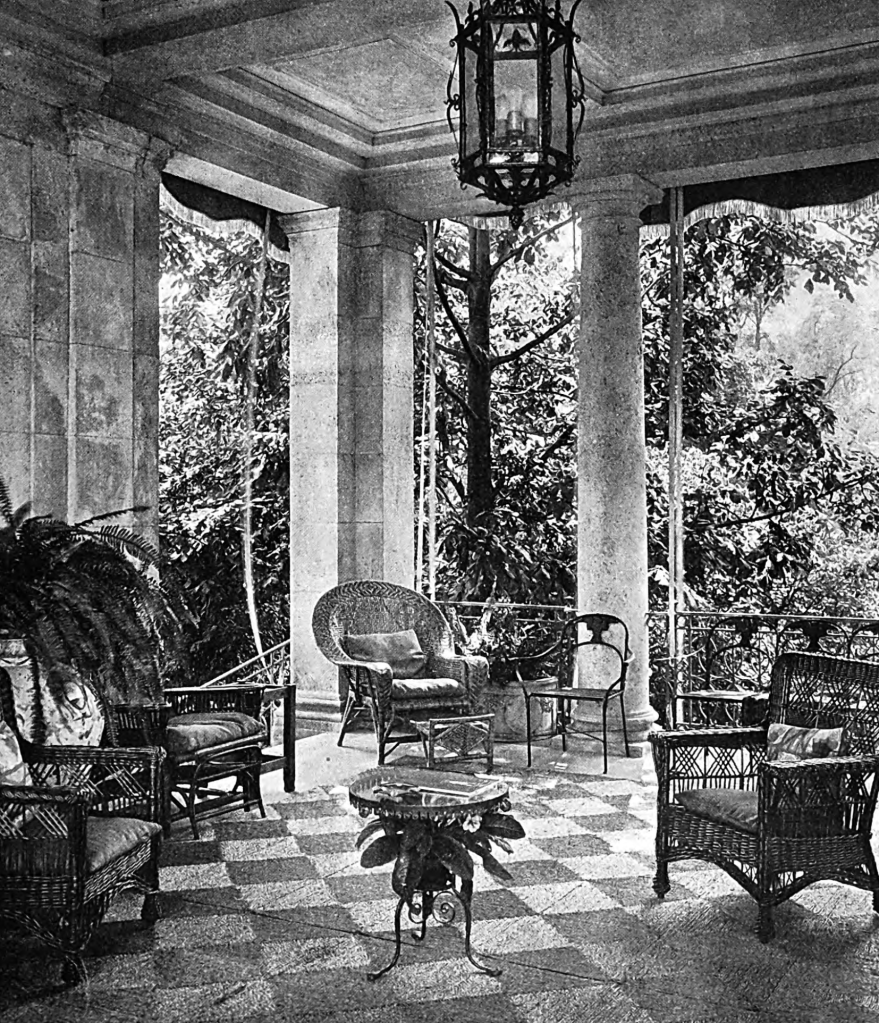
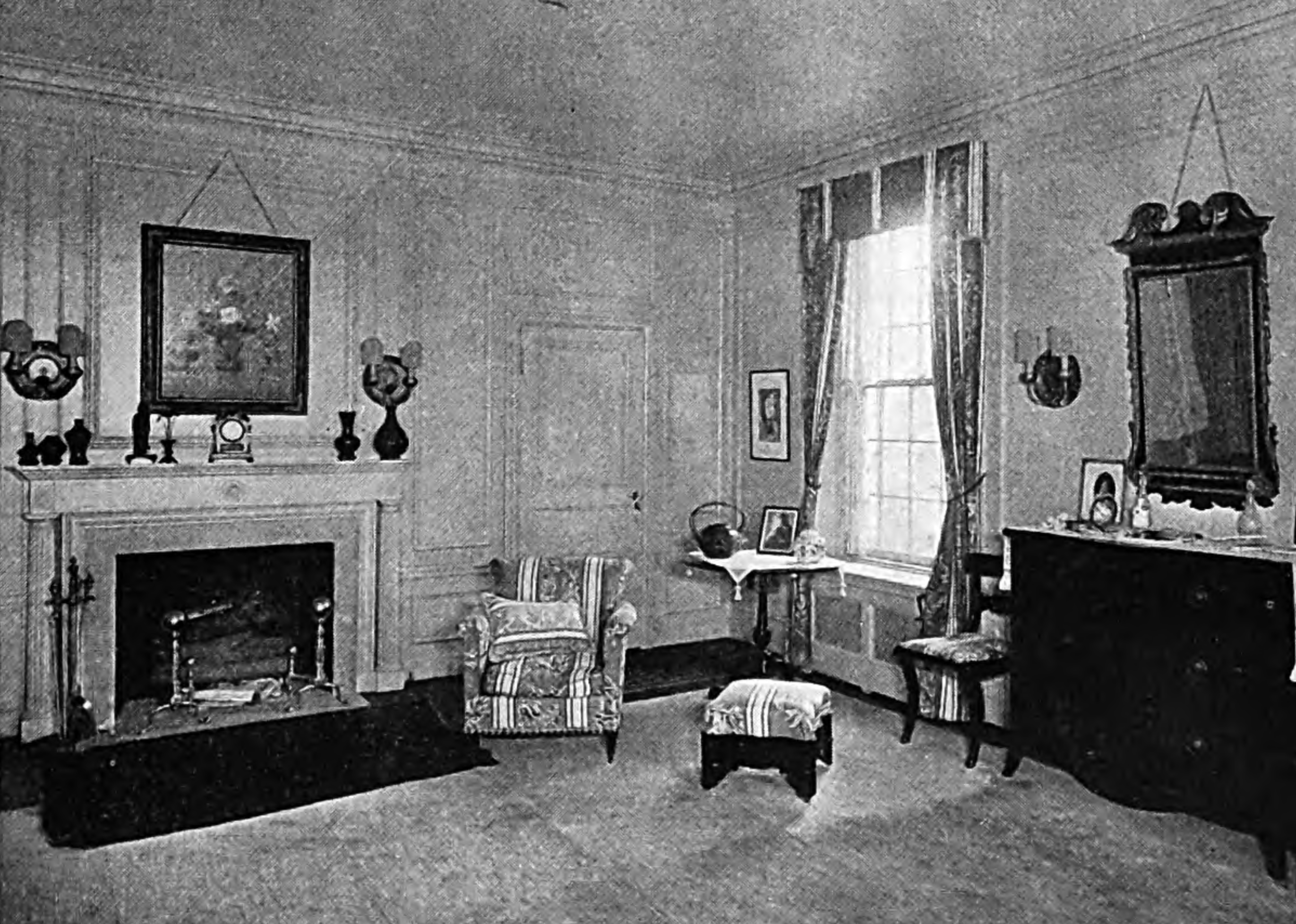
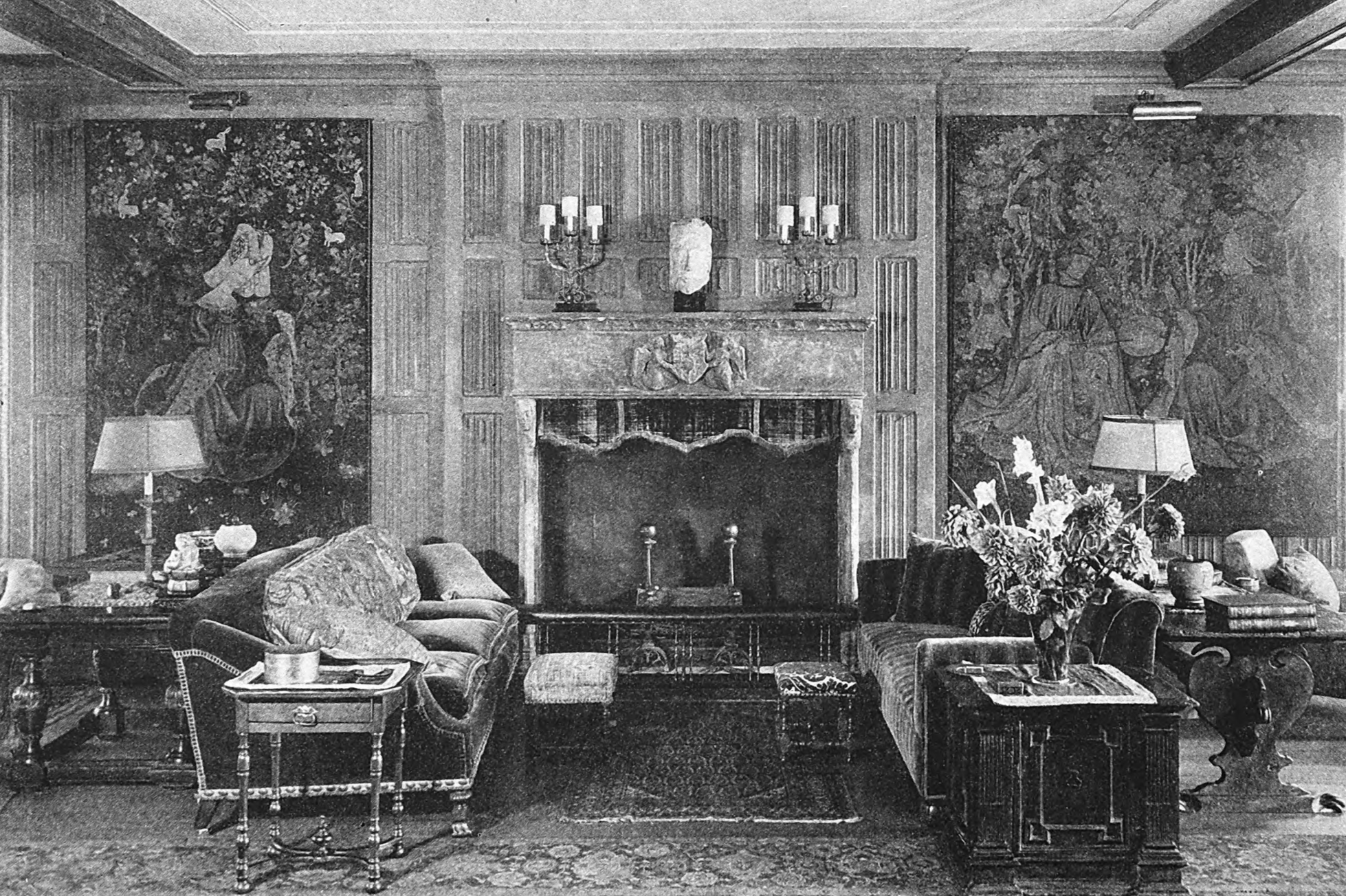
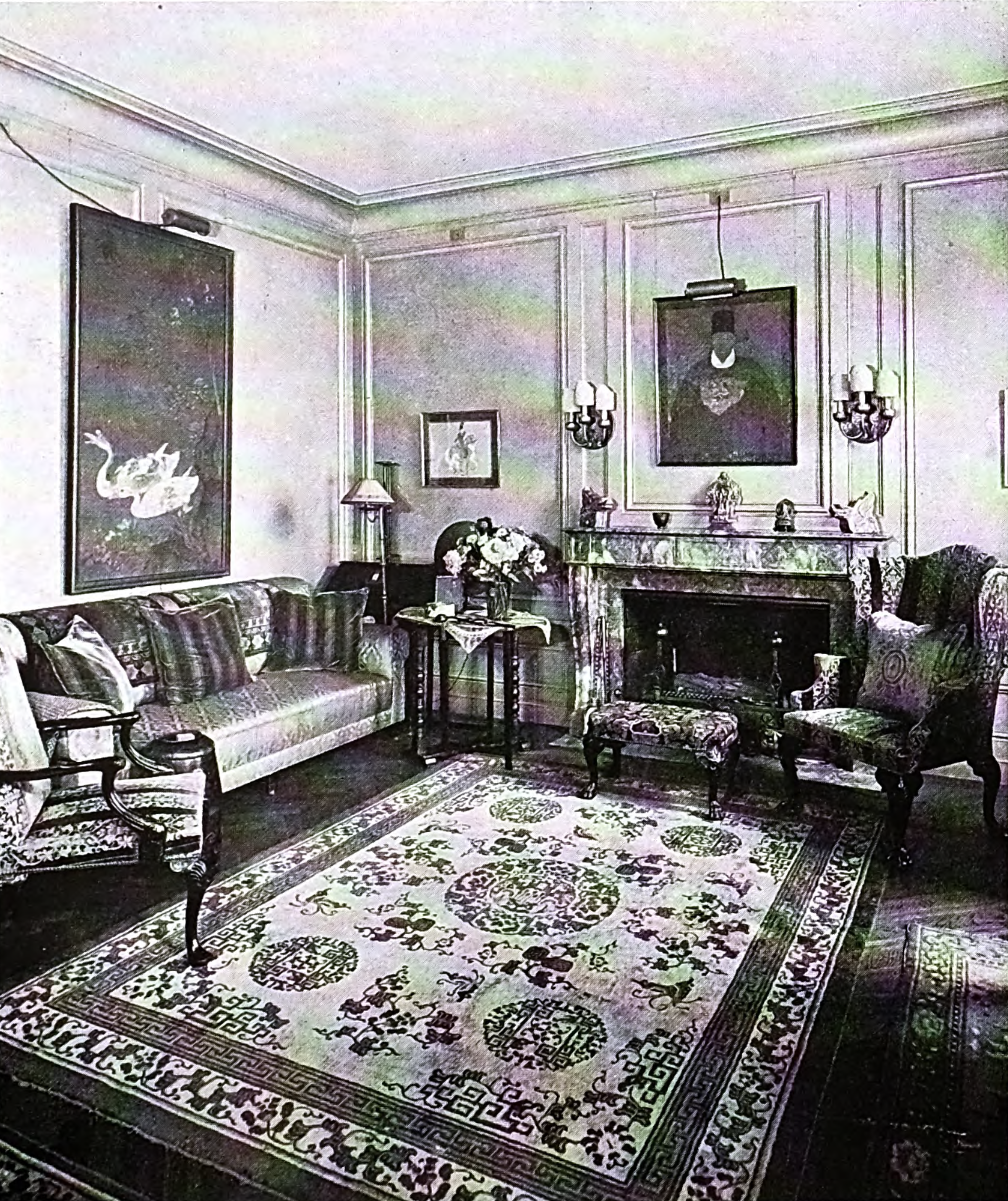
Throughout the year of 1925, this new mansion, titled “Poplar Hill II” was slowly constructed. By 1926, it’s believed the building was finally completed, and the new estate was finally occupied that summer. Within the coming months “Poplar Hill II” would immediately become the ideal abode for Mr & Mrs Pratt, who enjoyed its amenities for summers ahead.
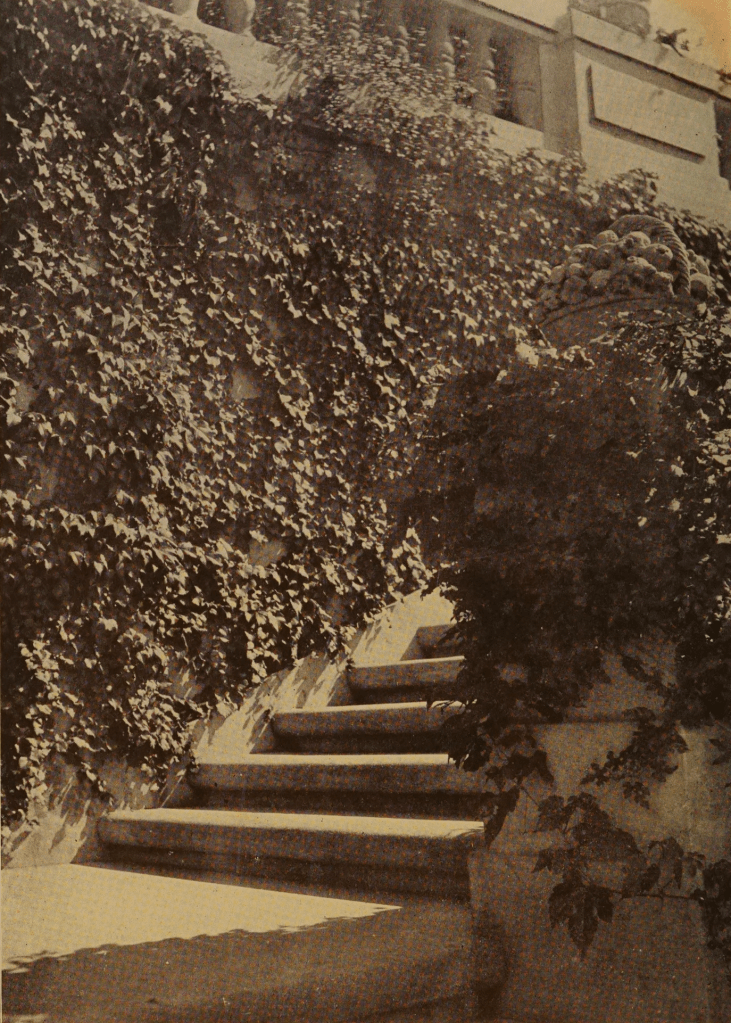
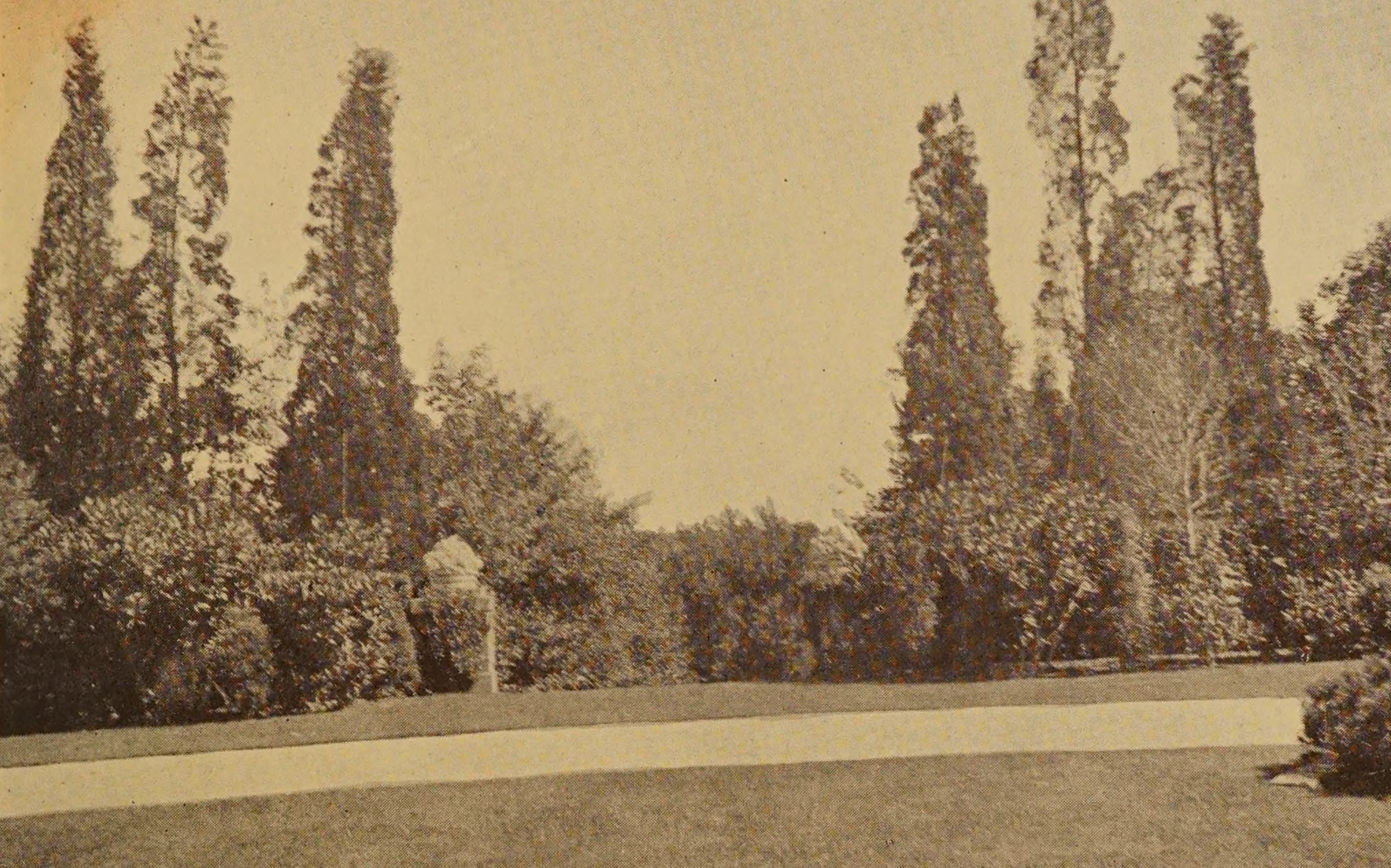
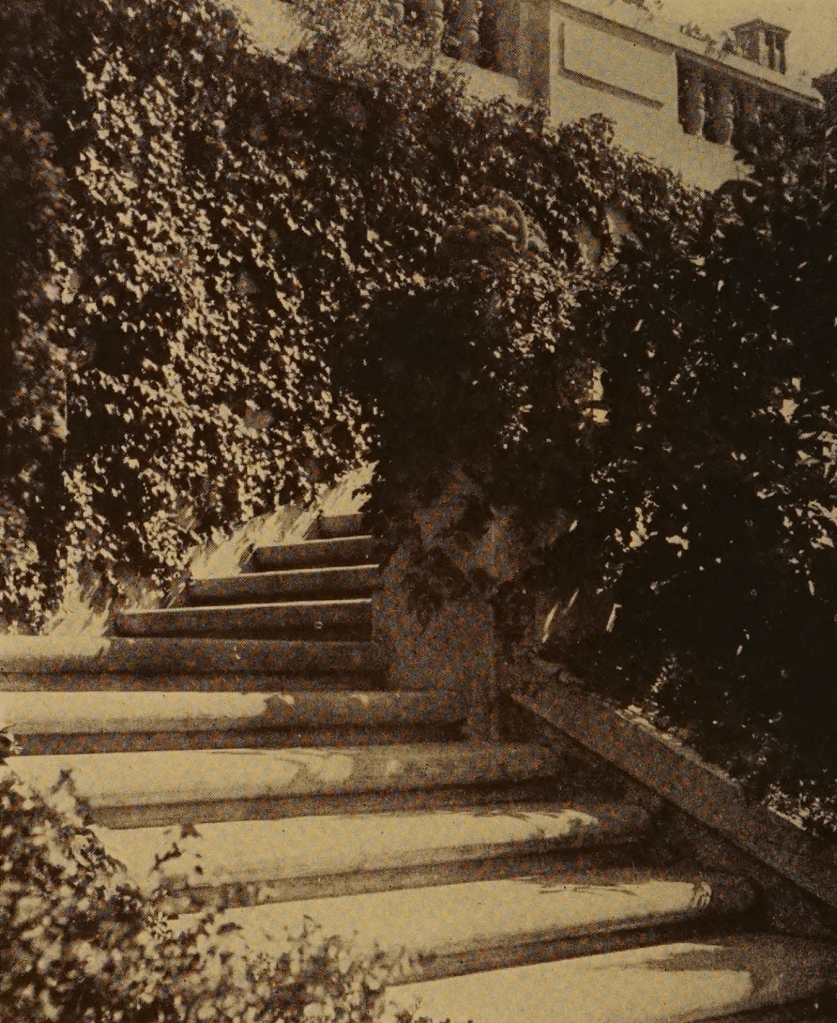
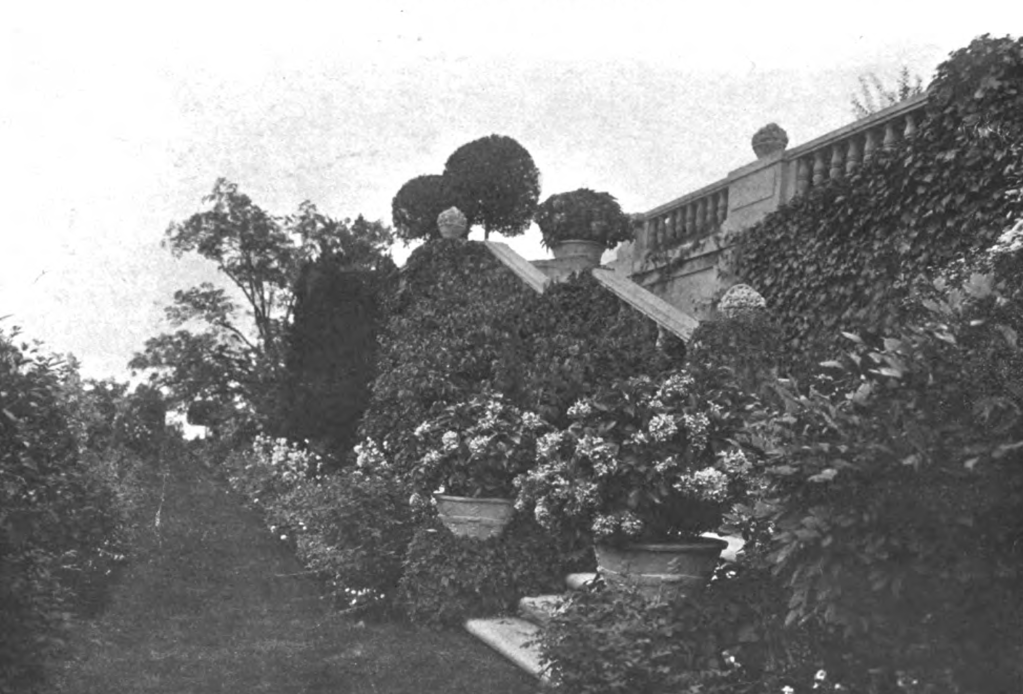
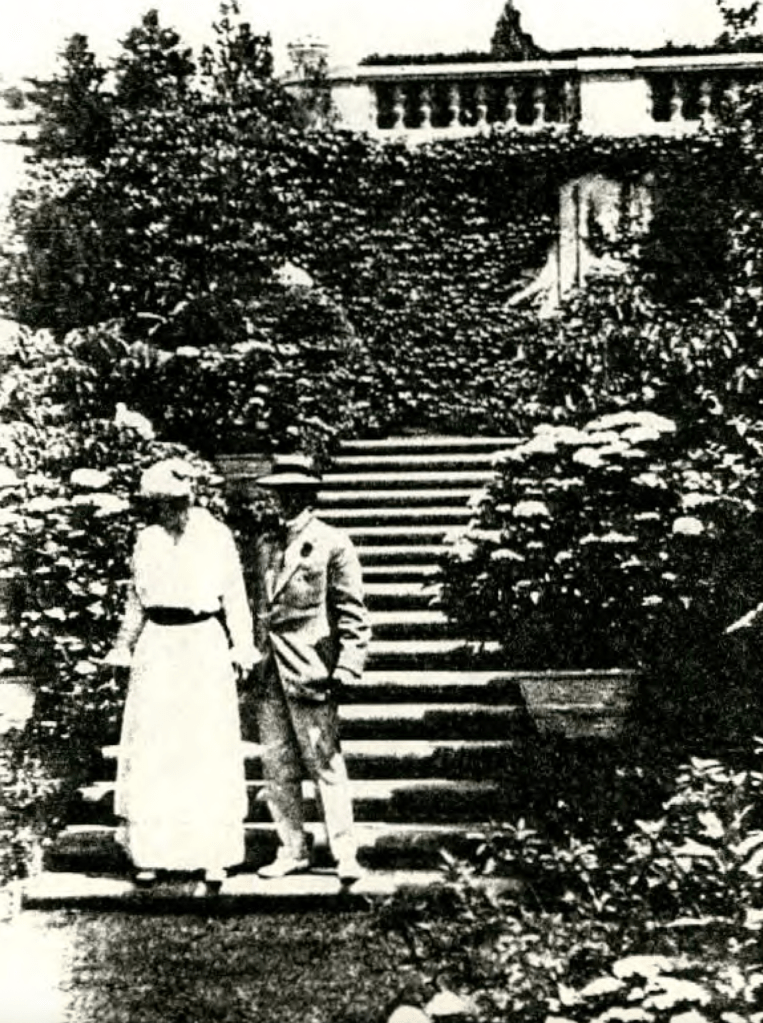
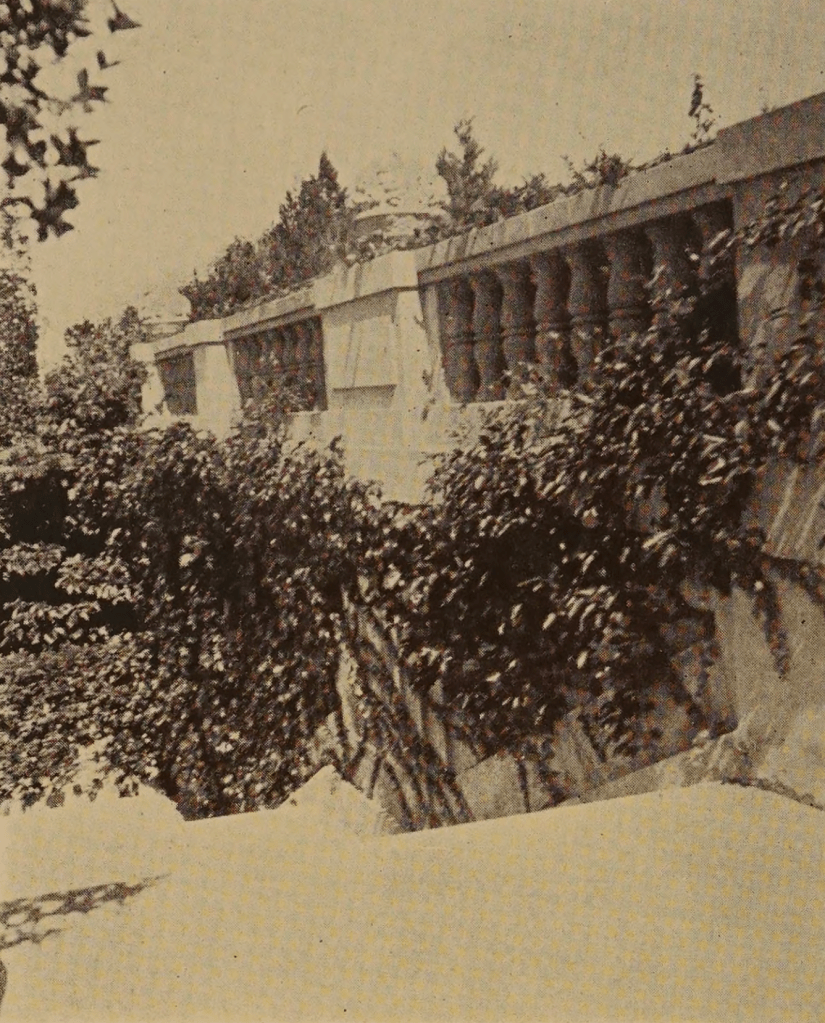
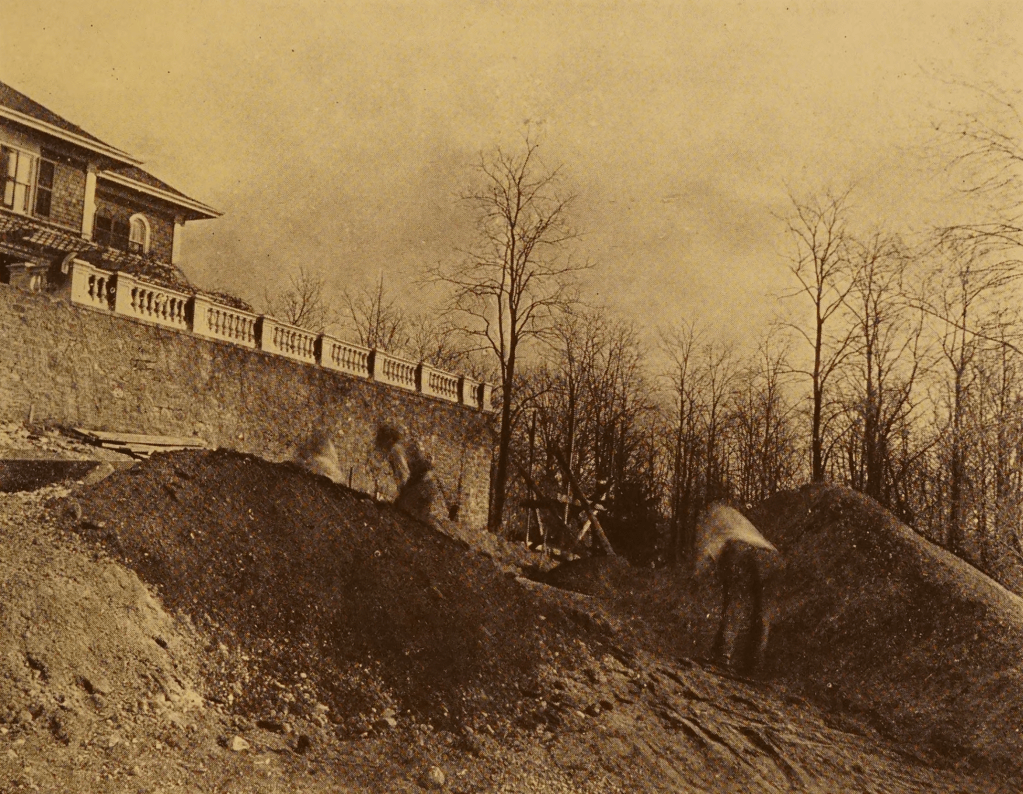

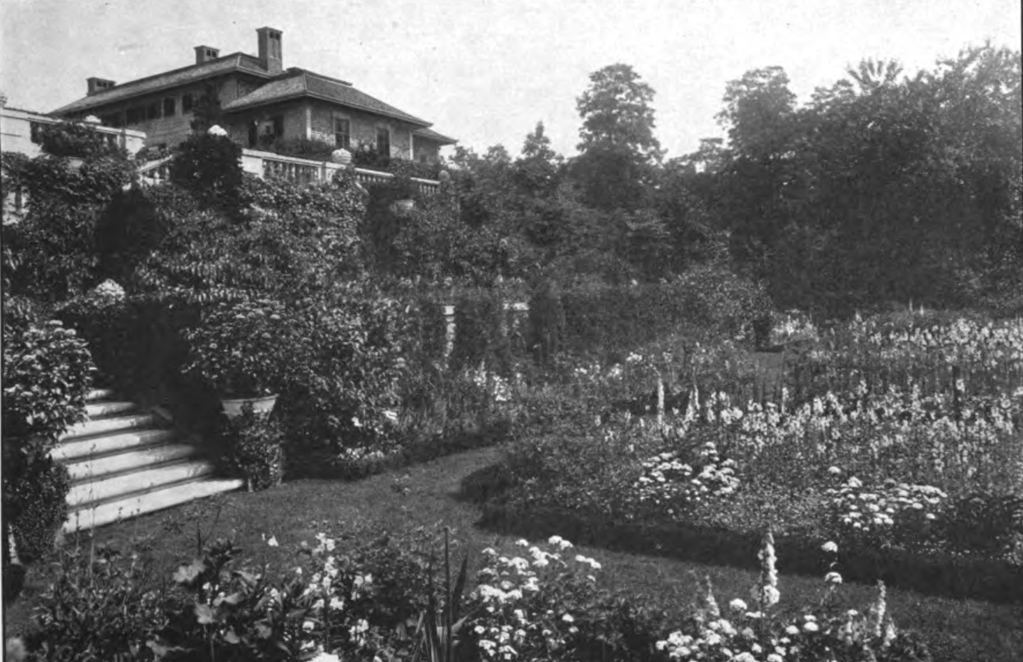
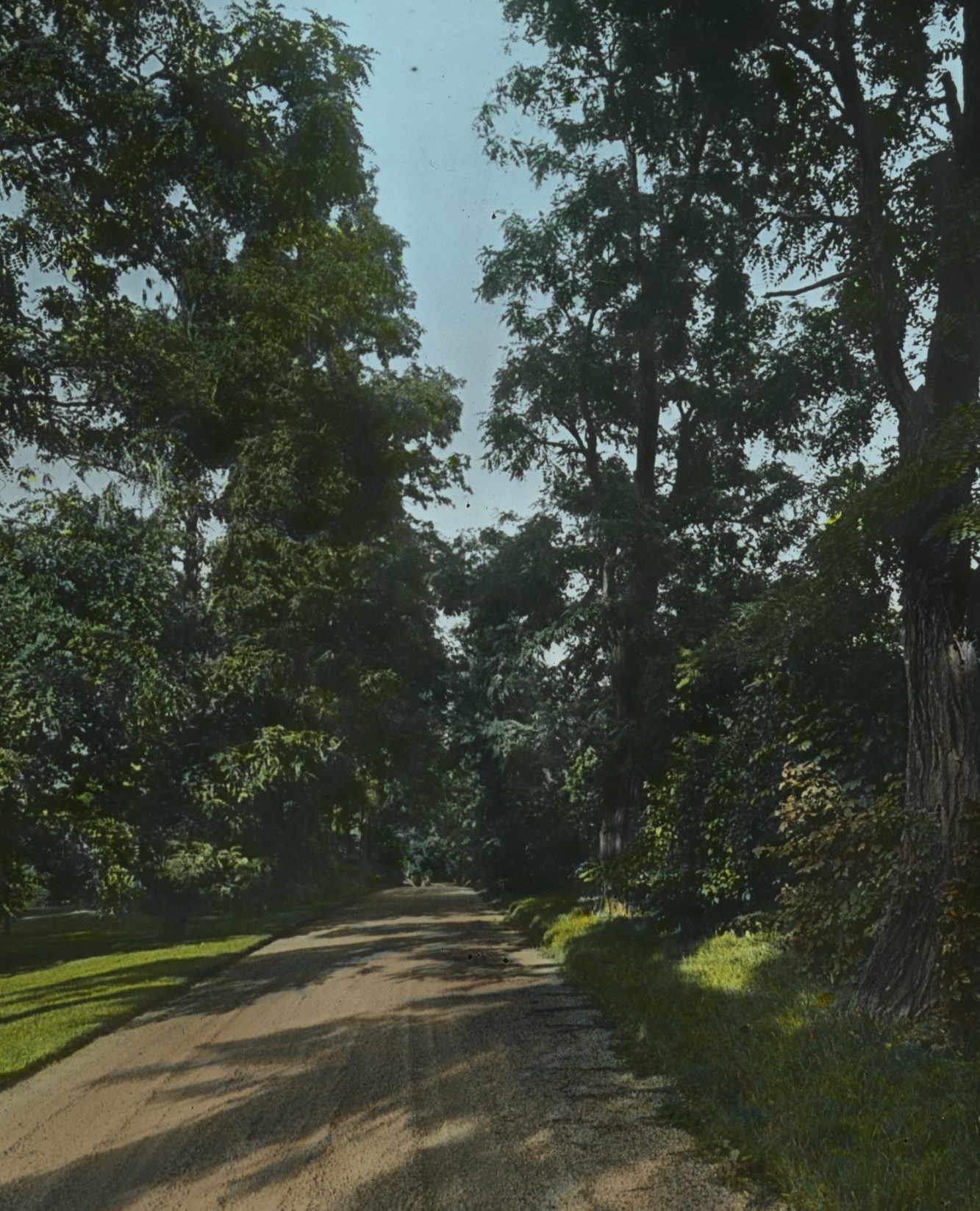
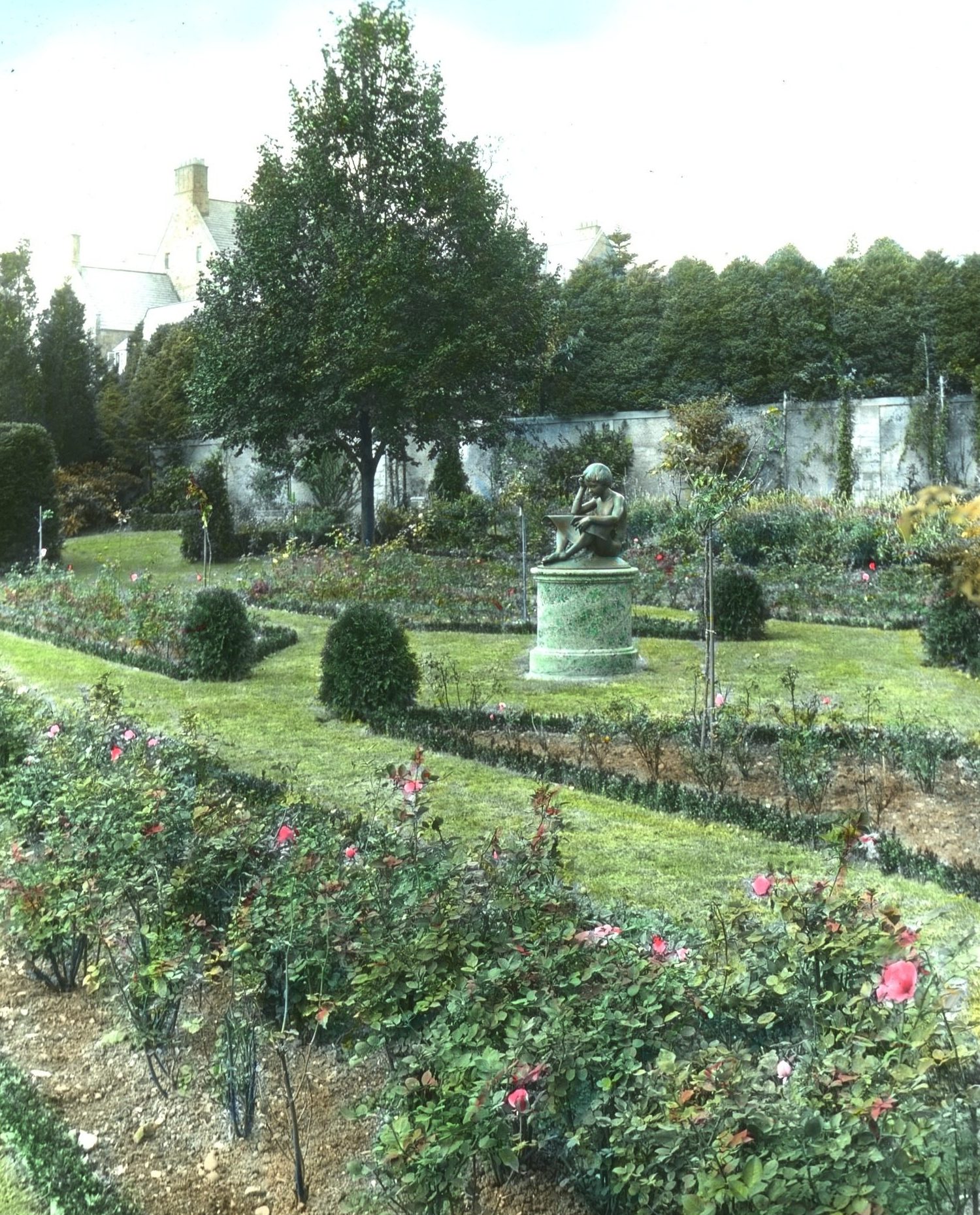
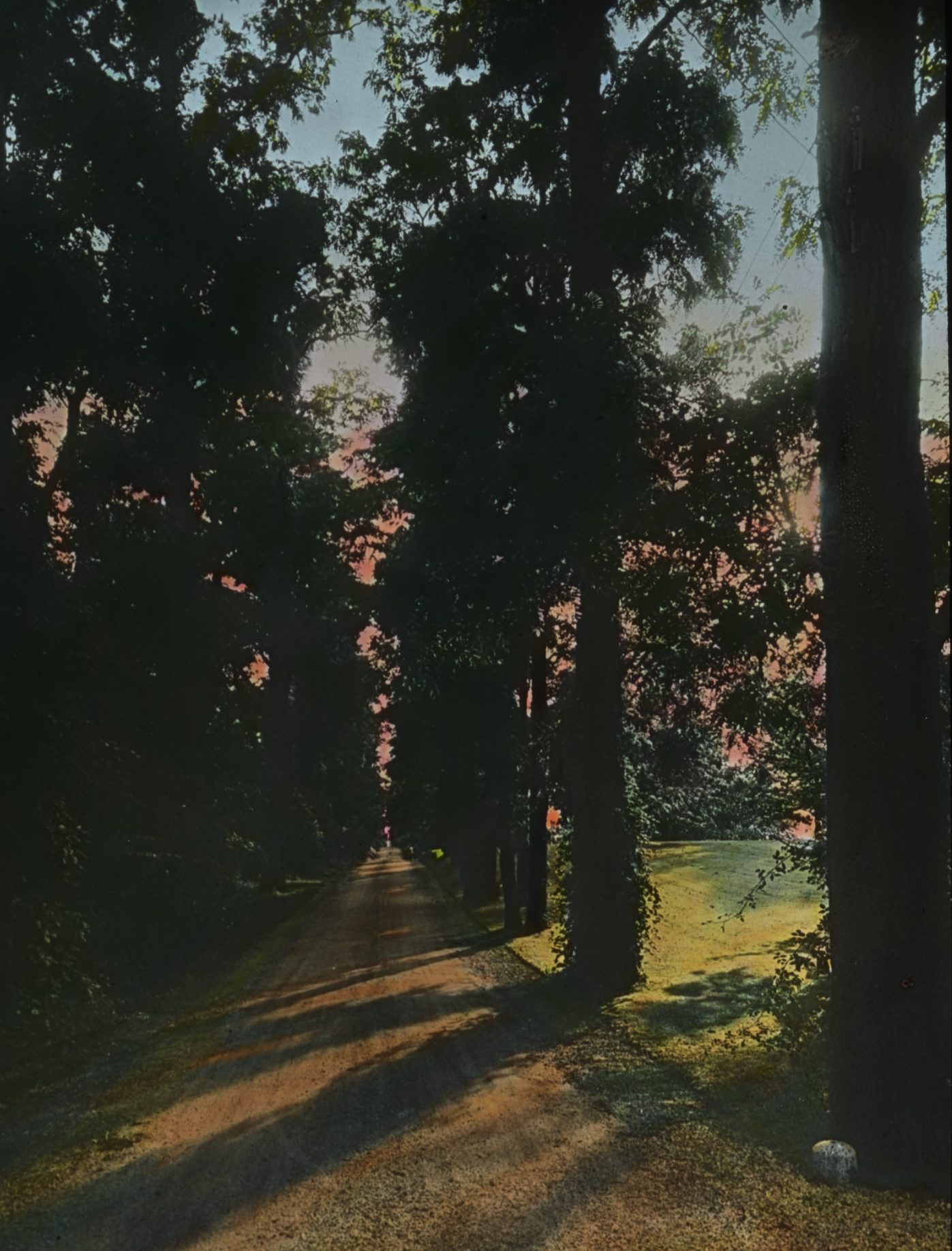
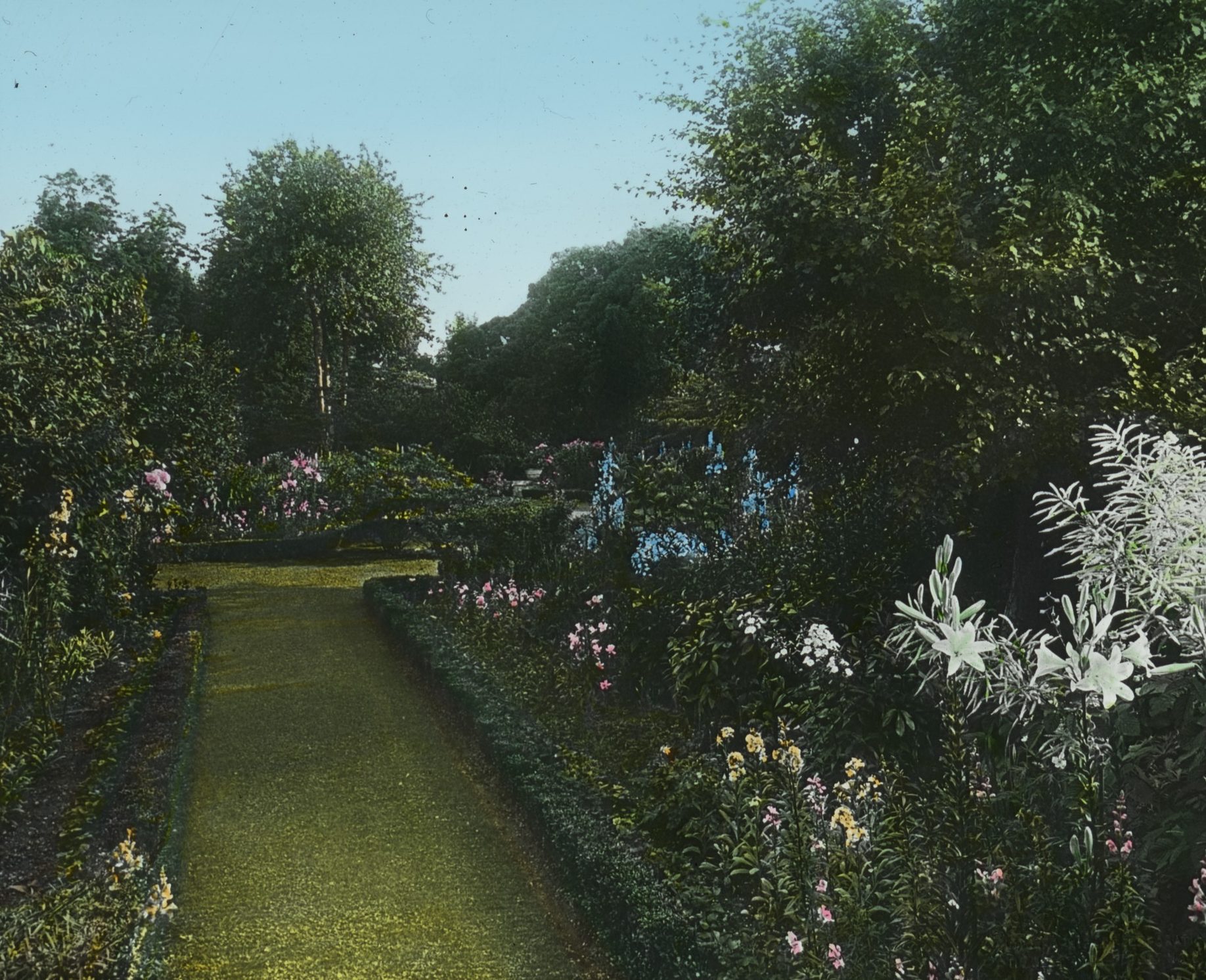
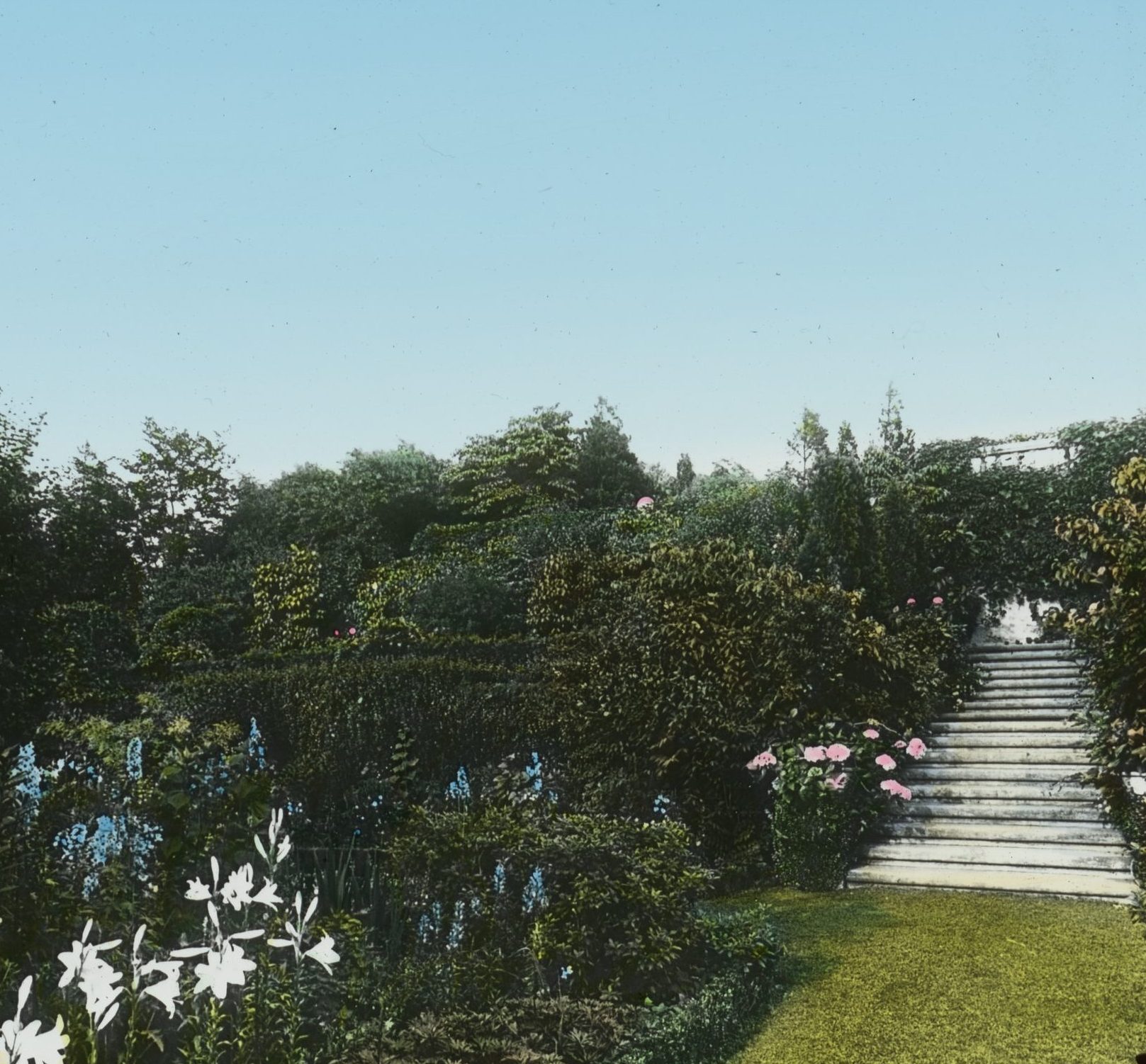
Not only was the main structure beautiful inside and out, but the property also maintained expansive gardens designed by Martha Brookes Brown Hutchinson back in 1898 (for the original estate). In the end, when the Pratt’s spent their first summer at “Poplar Hill II” in 1926, the house was perfectly fit for the grandest of living.
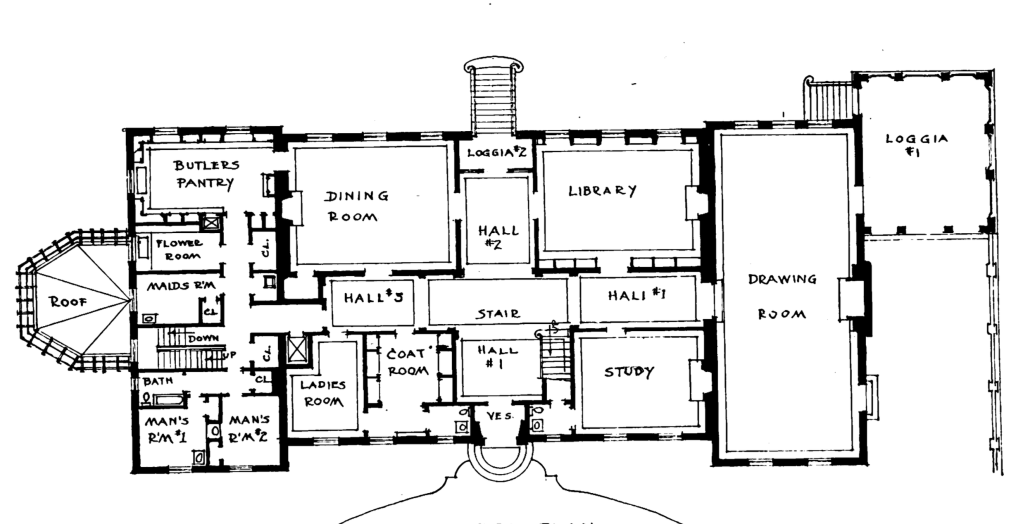
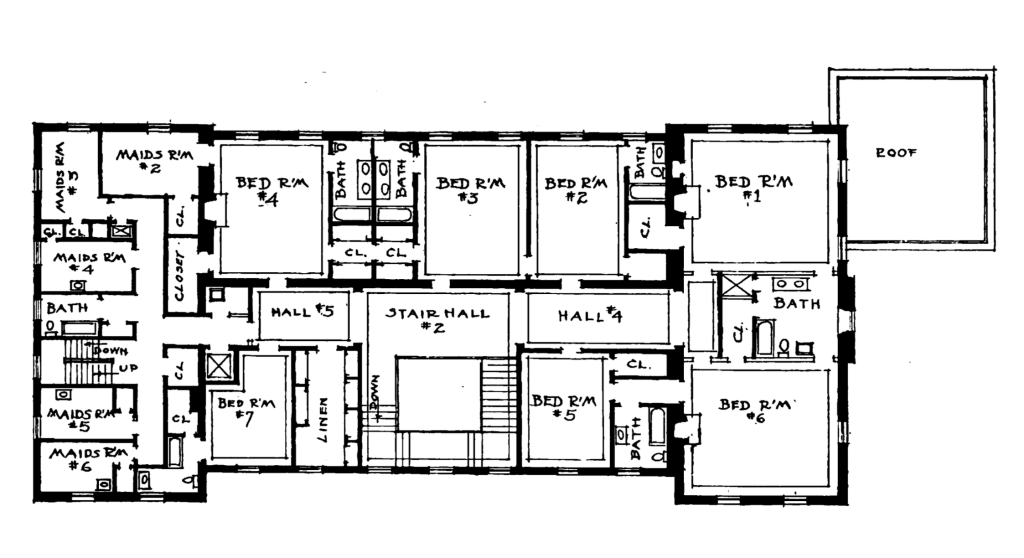
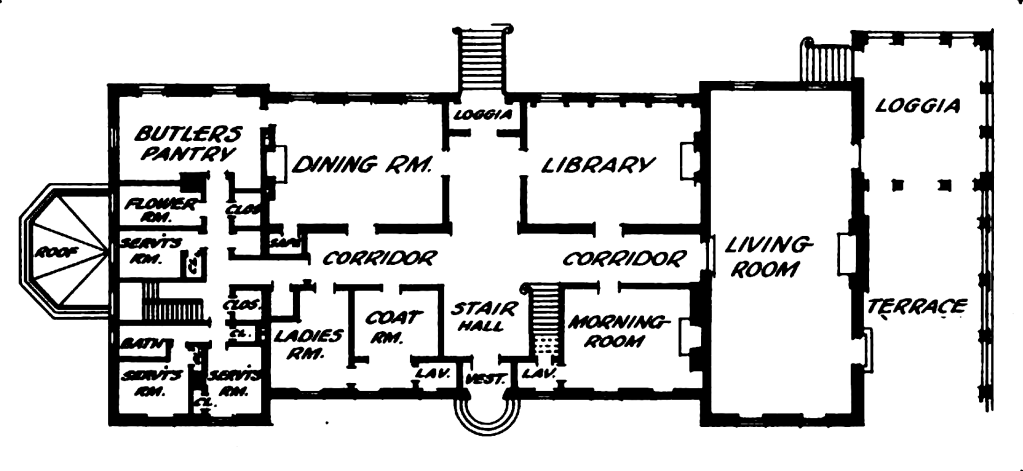
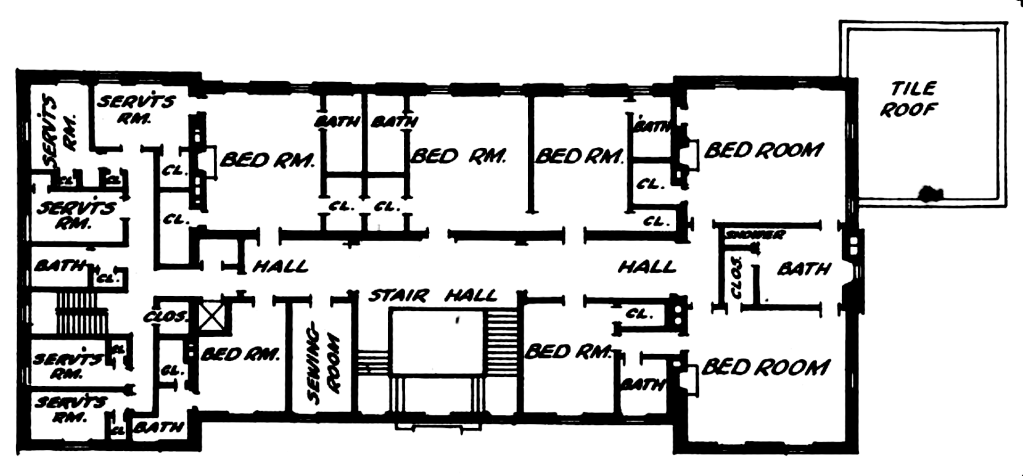
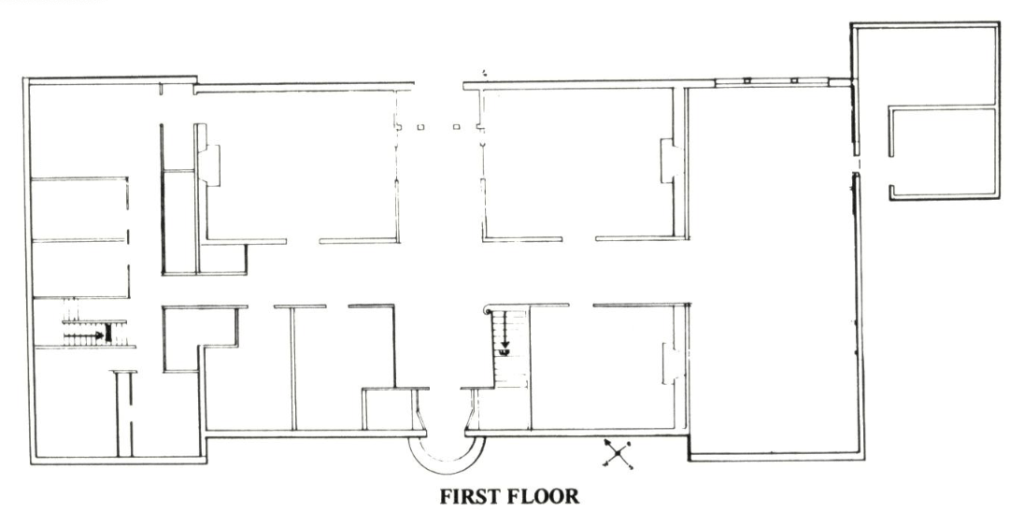
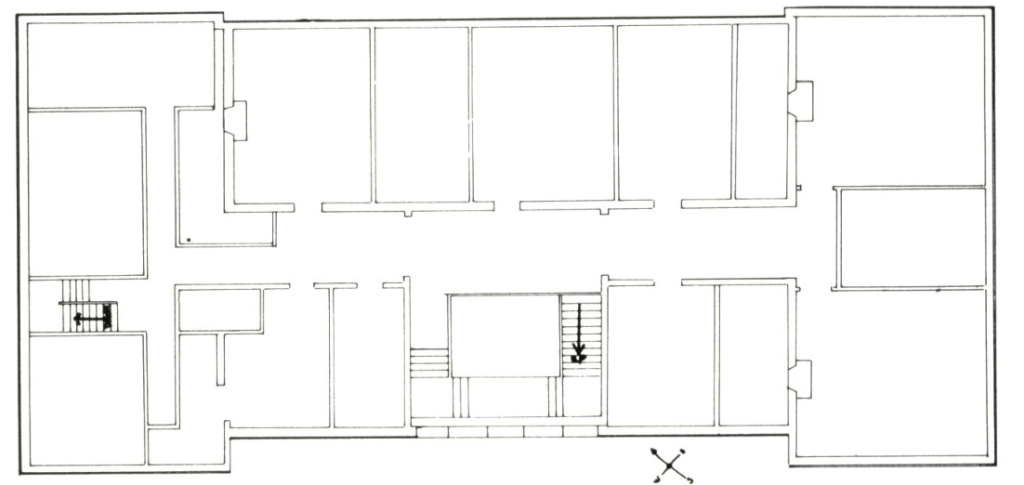
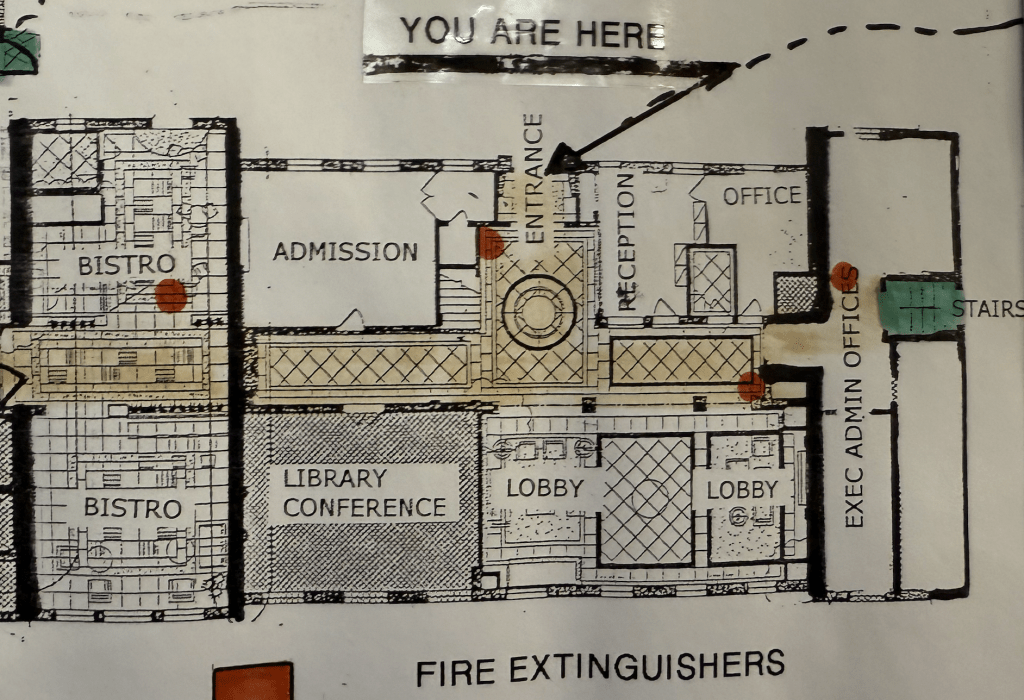
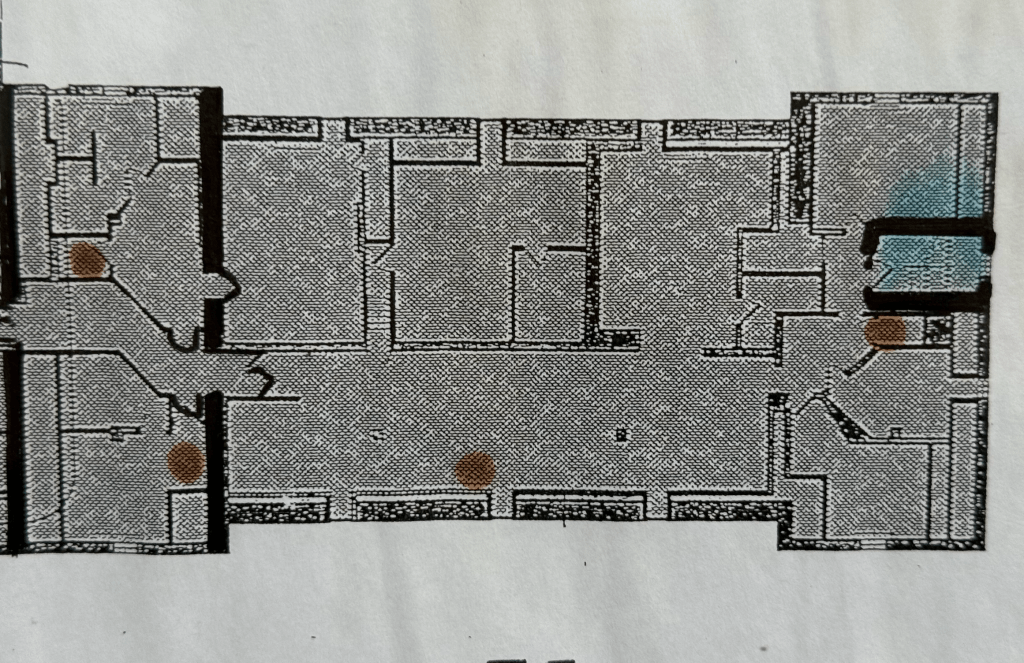
These floor plans, sketched in 1926, 1946, 1974, and 2026, show the first and second floor of the mansion during various eras. Note, the final set of plans are facing the opposite direction of the others. Courtesy of The Architect, SPLIA, Mansions and Millionaires, Author.
And so, grand living is exactly what Mr. & Mrs Frederick Pratt did. From weddings to galas to a red cross fundraiser, “Poplar Hill II” soon became more than just a country home – it was a venue for America’s elite. In other words, “Poplar Hill II” was the ideal Gatsby mansion.
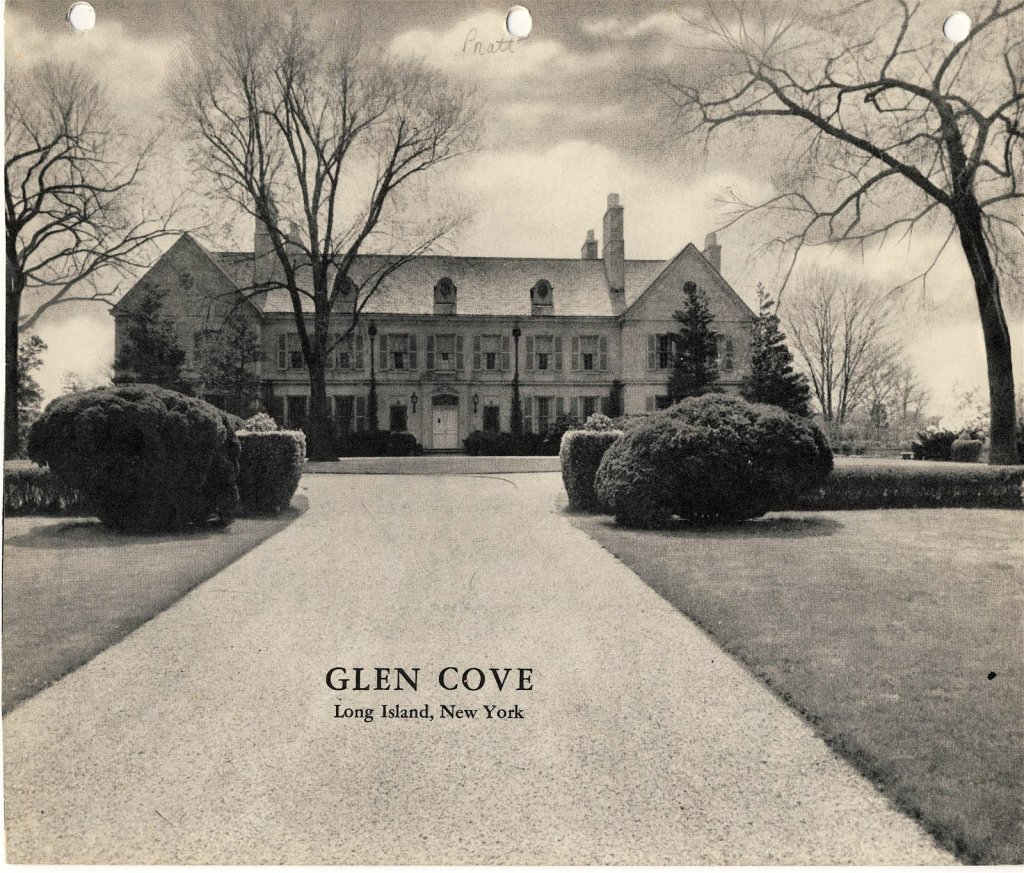
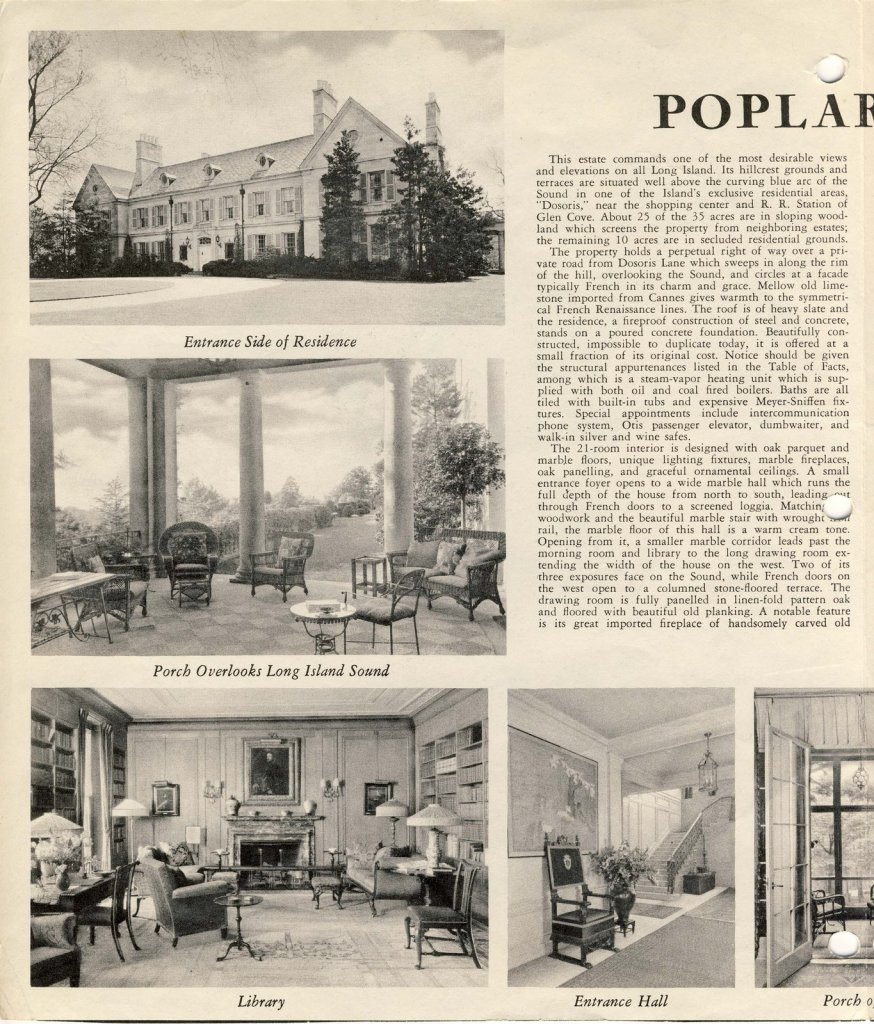
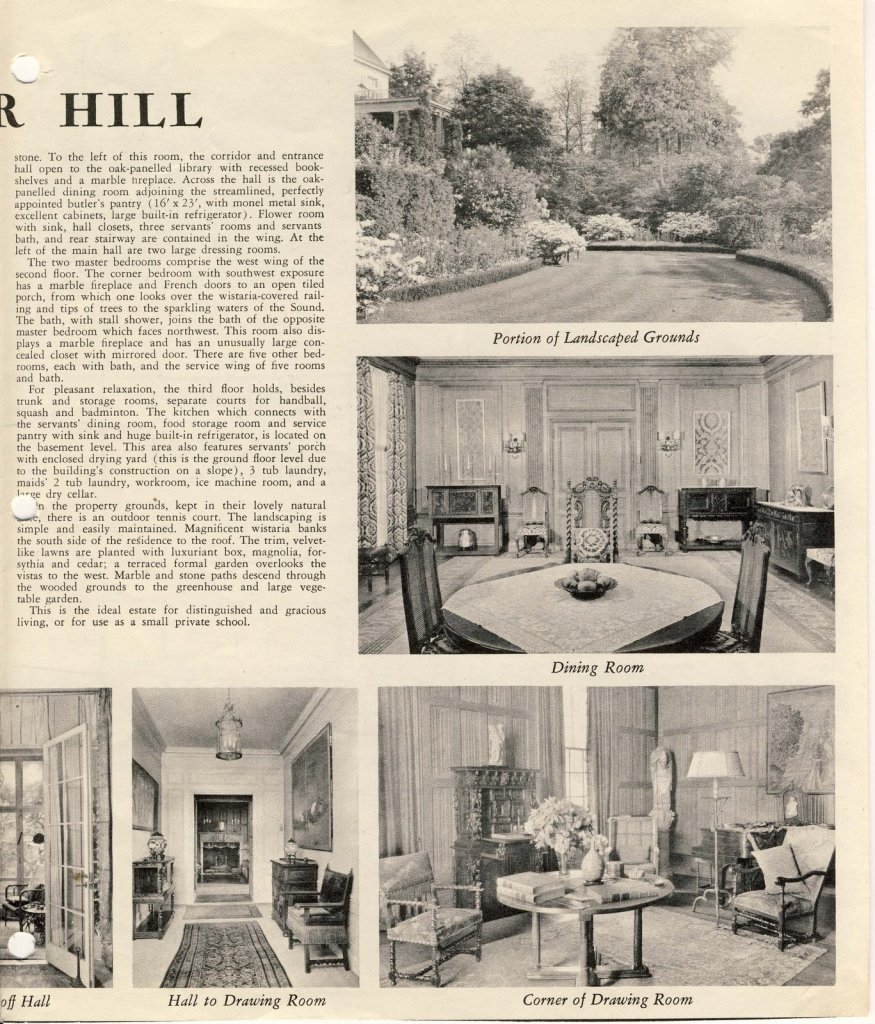
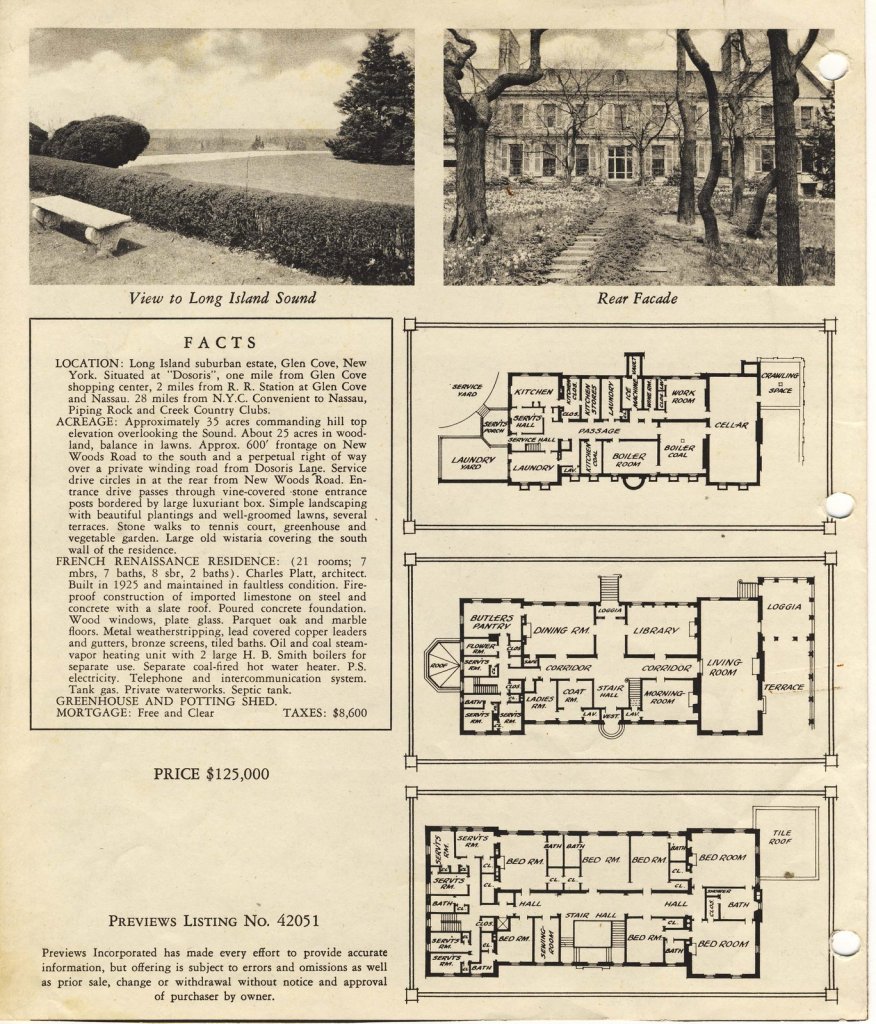
It is for this reason that, when the residence saw the real estate market in 1946, many found themselves immediately curious as to how exactly “Poplar Hill II” would be used next.
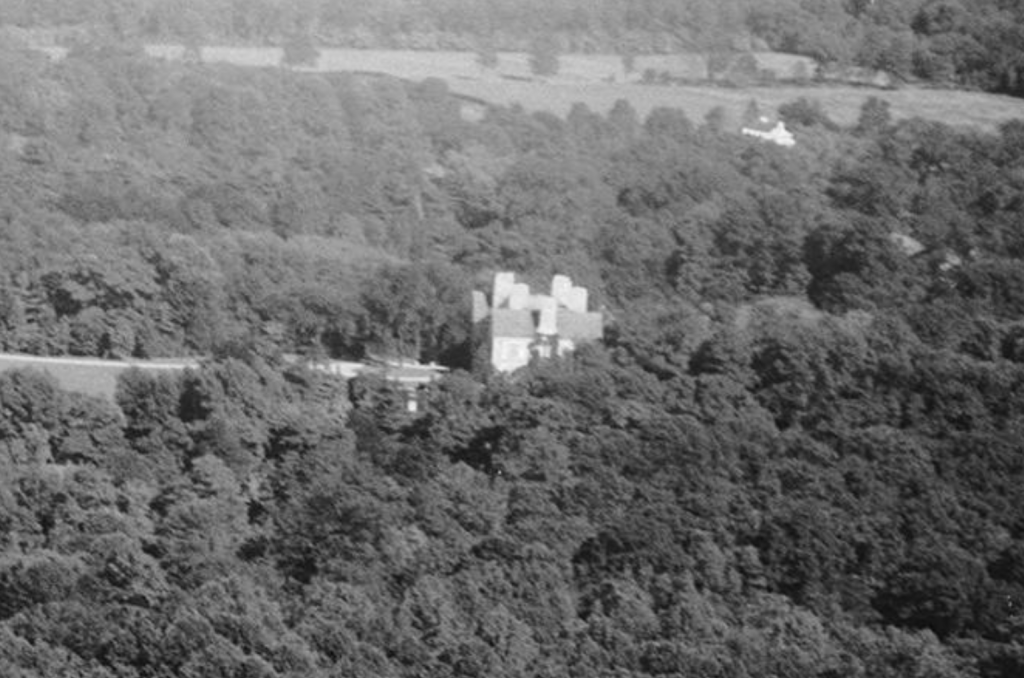
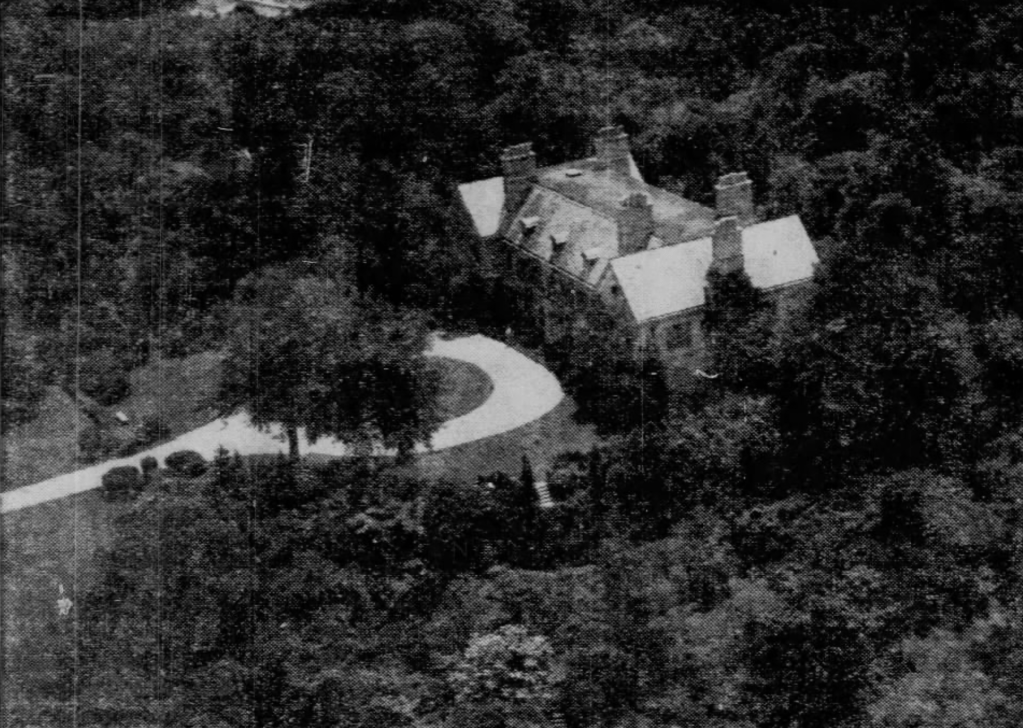
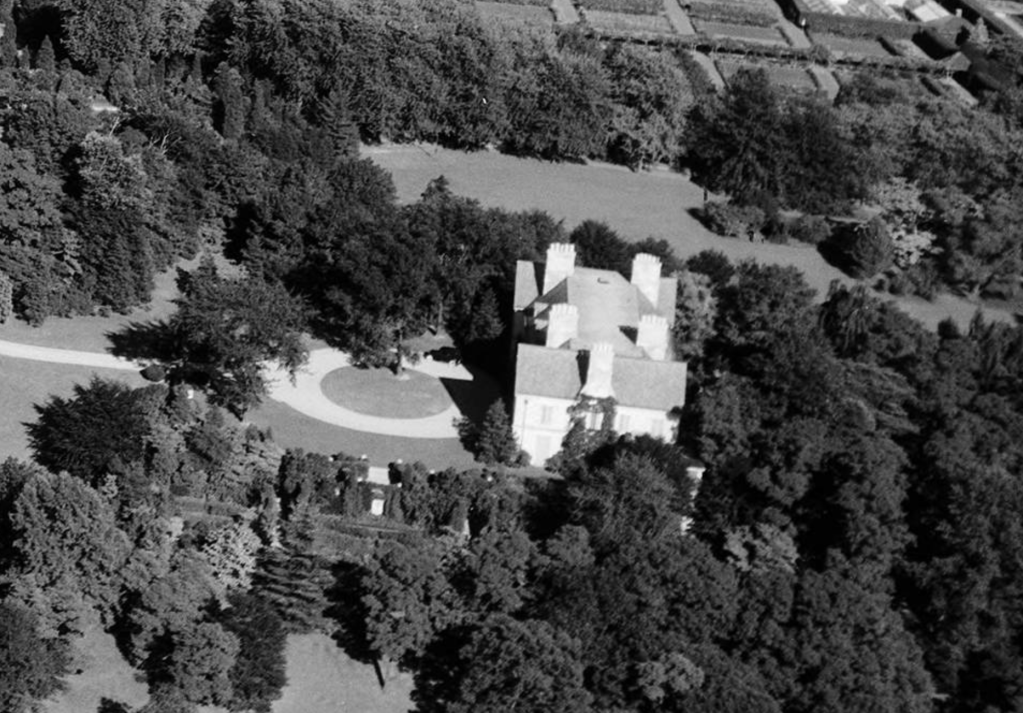
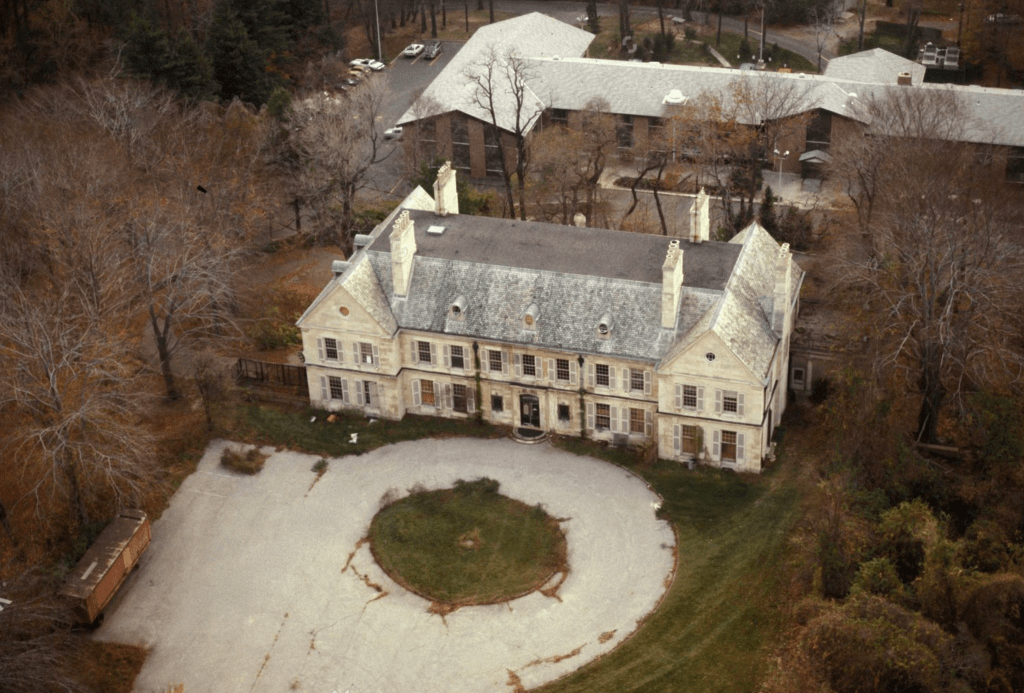
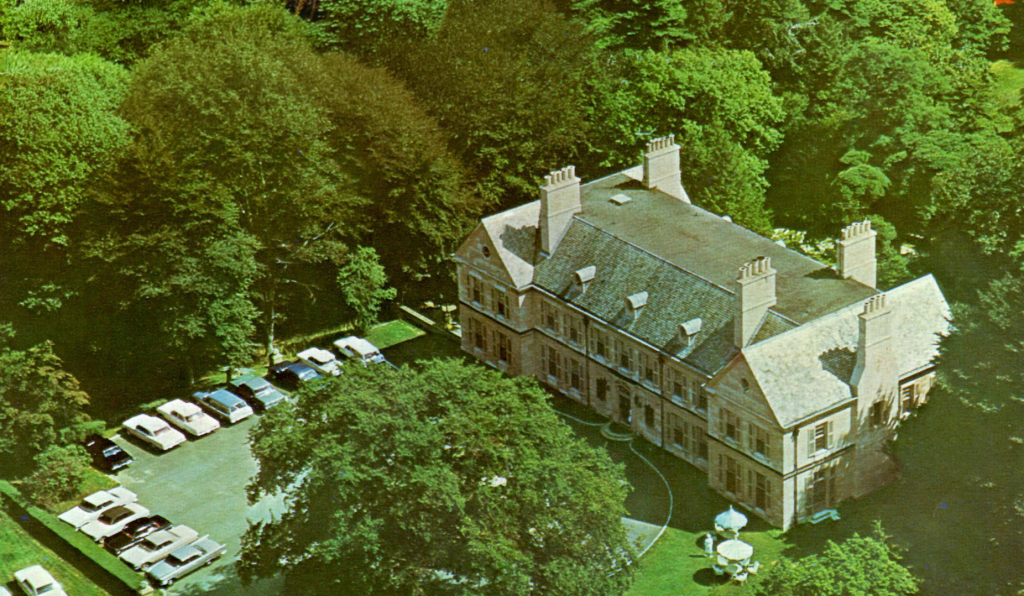
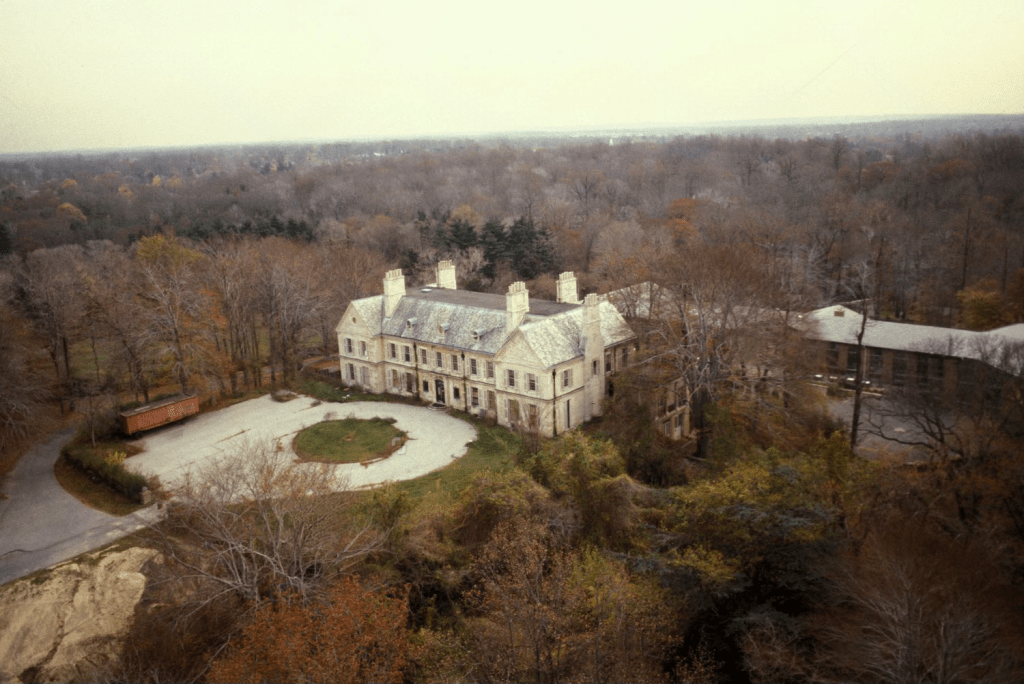
With both Mr & Mrs Pratt having passed within a year of each other, it was clear that “staying in the family” was not an option. Even with Real Estate advertisements suggesting the mansion was intended for residential use, Long Island was in an era of extensive adaptive reuse.
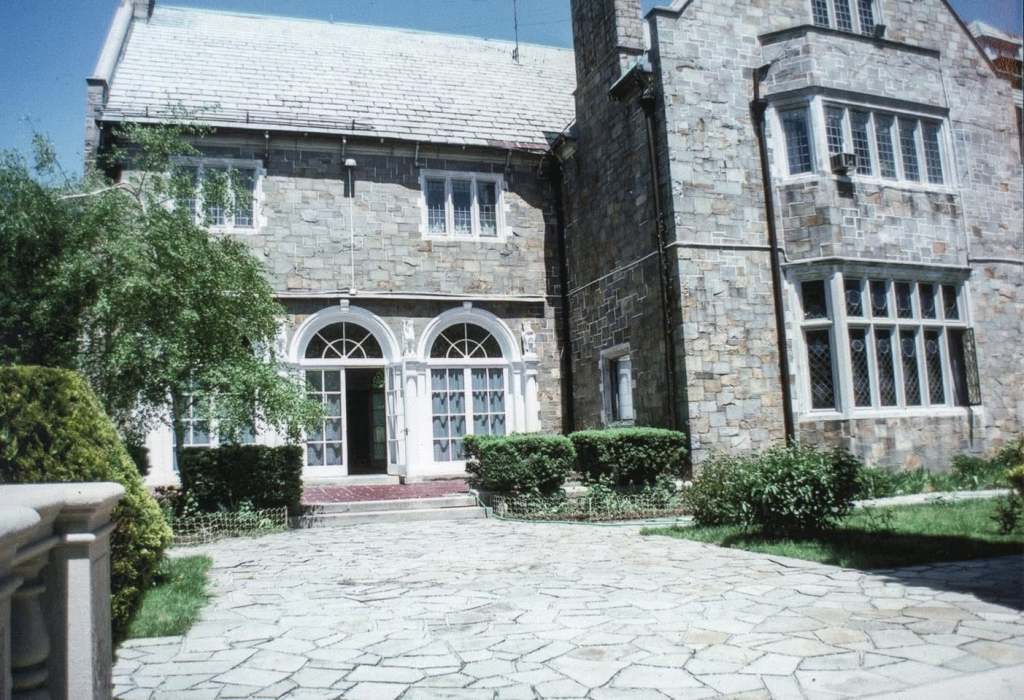
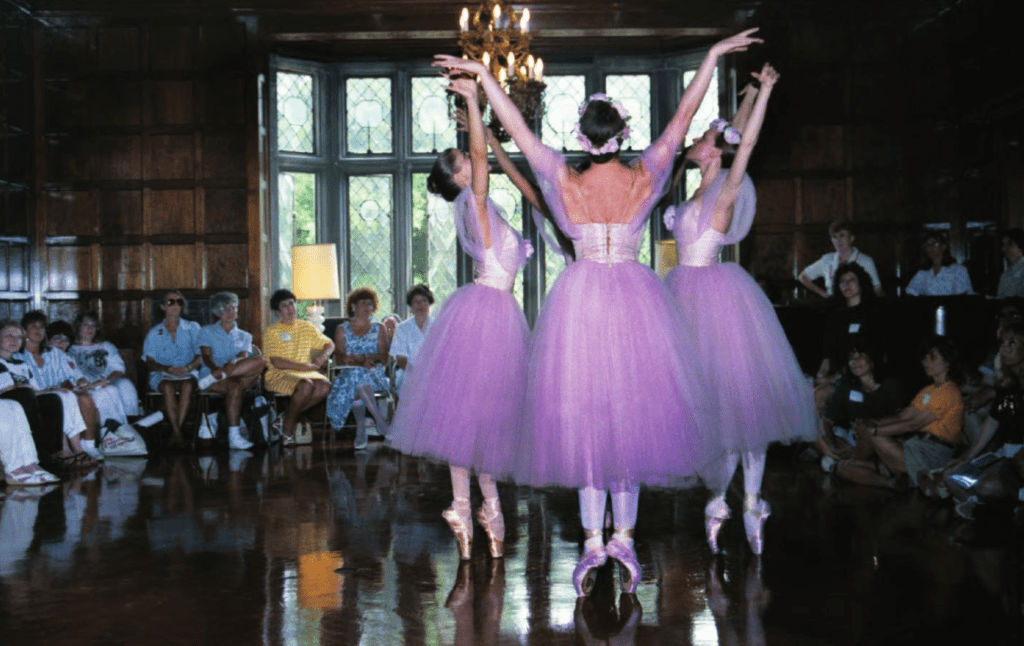
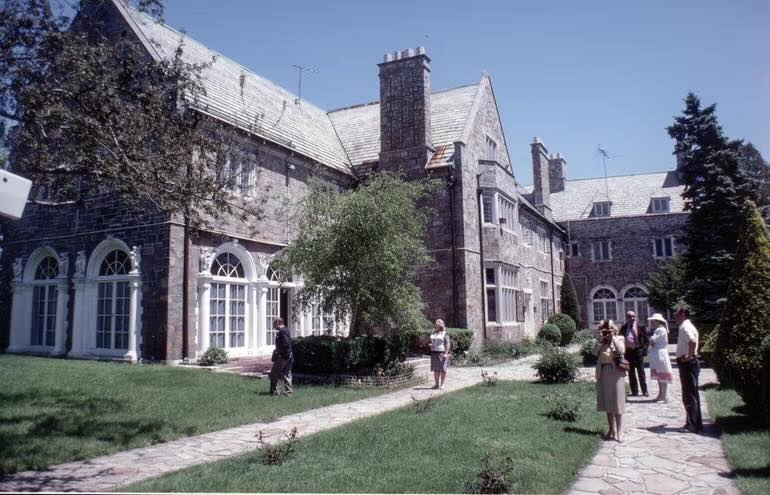
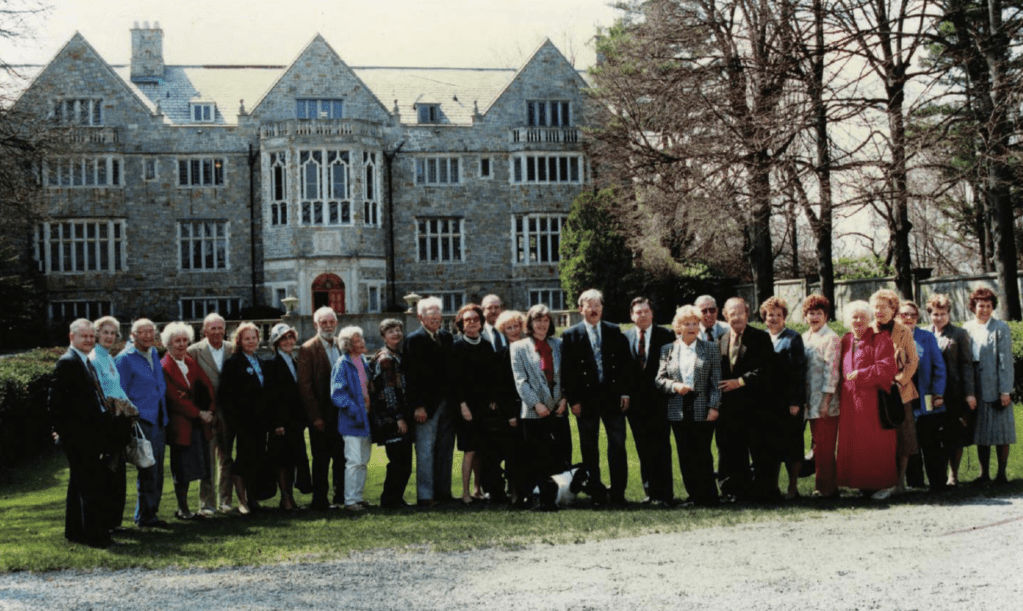
Throughout the 1940s, many former estate houses – in order to prolong their existence -were being widely converted into institutional and commercial uses. In fact, the neighboring “Killenworth II” mansion (also built for a Pratt family member), has just been converted into a large trucking facility the year before. Thus, anything was possible for the iconic Frederick B Pratt mansion. So, what was next? In July of 1947, the answer was revealed – and it was absolutely unprecedented. According to timely newspapers, it was that month that the Sister Elizabeth Kenny Foundation had purchased the iconic estate and announced plans to convert it into a polio treatment center. Just two days later, on July 25, the city of Glen Cove publicly denied the properties conversion – citing zoning changes and taxes as key reasons.
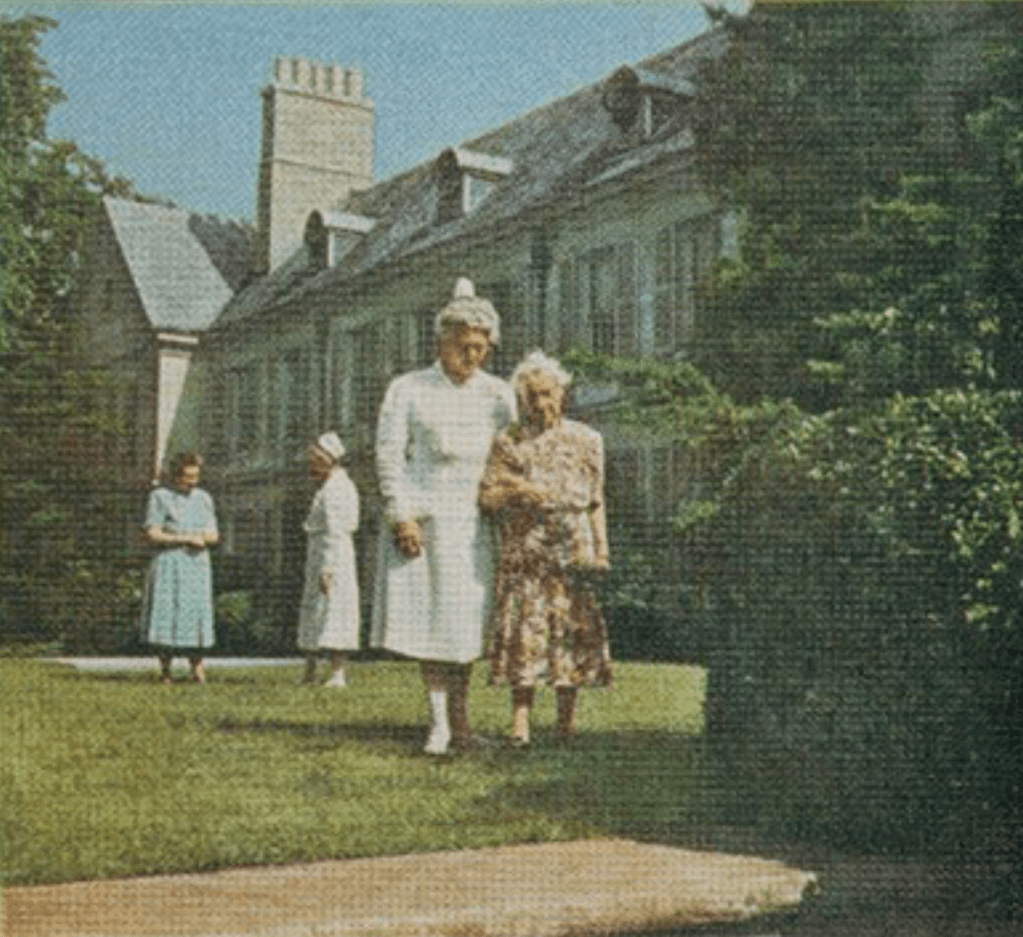
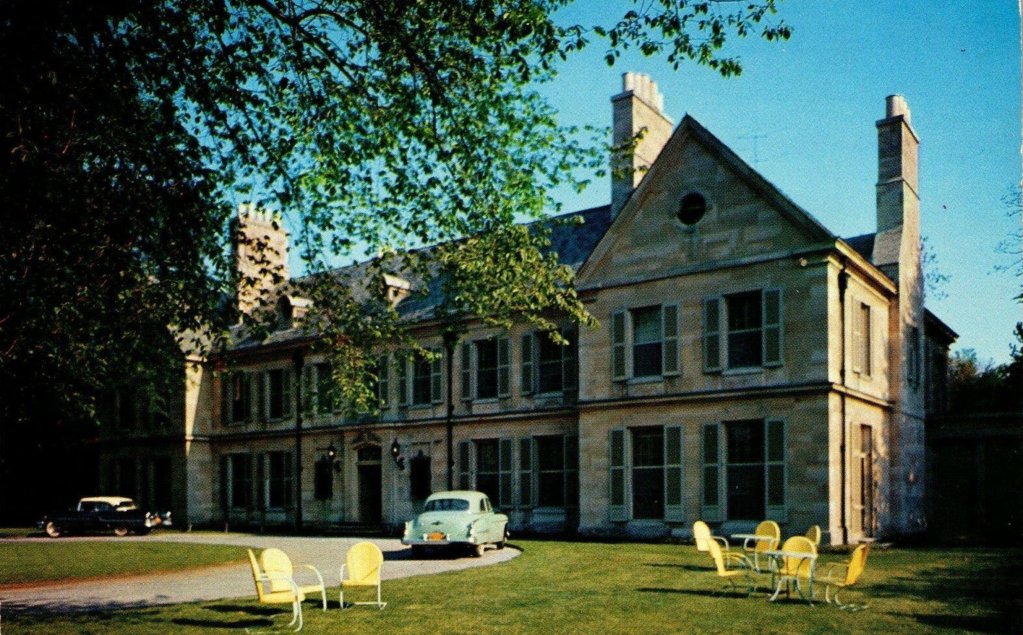
Despite these worries, it was just 5 months later when the expansive estate was sold yet again (this time to a local nursing home) and allowed a well-overdue renovation. The new owners, led by a certain Mary E Smith, soon converted the entire estate into the “Glengariff Nursing Home.” By January of 1948, the home had opened, solidifying “Poplar Hill II” as one of Long Island’s first successful examples of adaptive reuse.
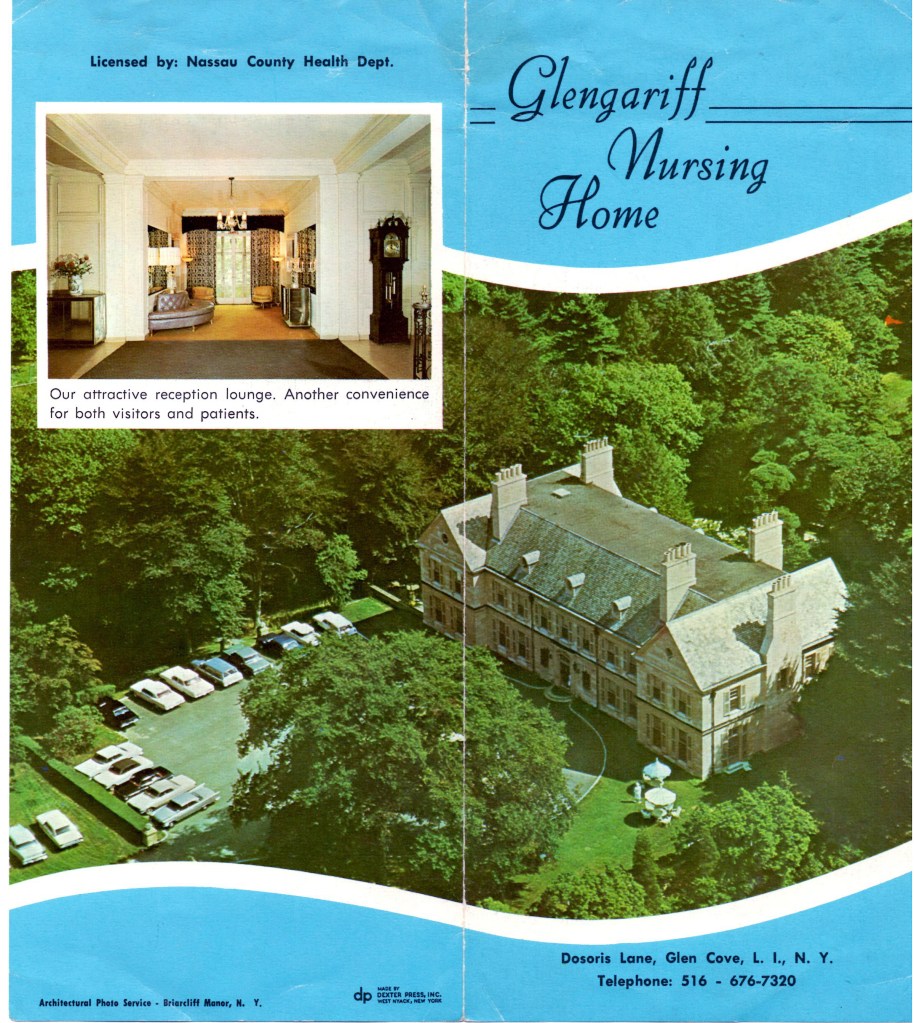
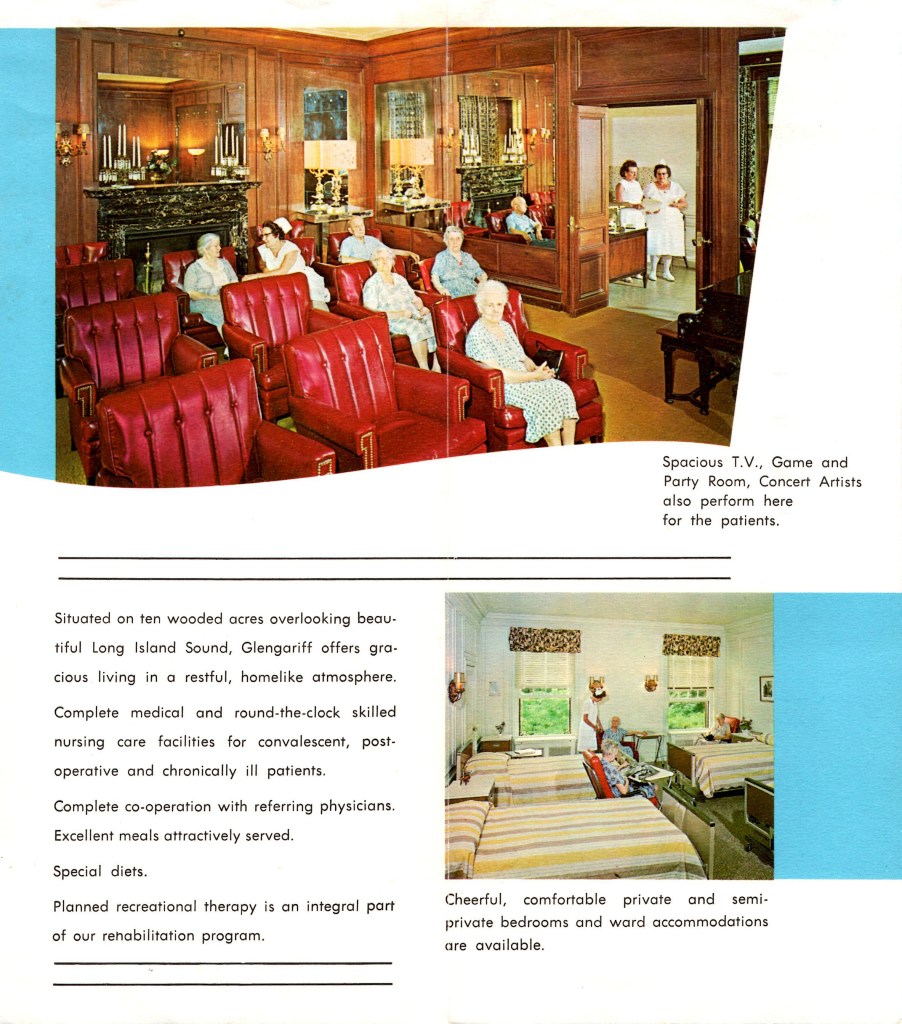
For the coming decades, Glengariff had revived the old Pratt house as an all-new local landmark – this time one that housed and cared for elderly people of all backgrounds. It was mostly ran by the Manning family, and as kindly recounted to me by a certain Robert Manning today, they loved the establishment dearly. In 1971, Glengariff underwent a rather unassuming change of hands as the Mannings sold to the Maness’. This wasn’t unusual for an establishment like this; Especially a named business like Glengariff. So, many locals chose not to bat an eye.
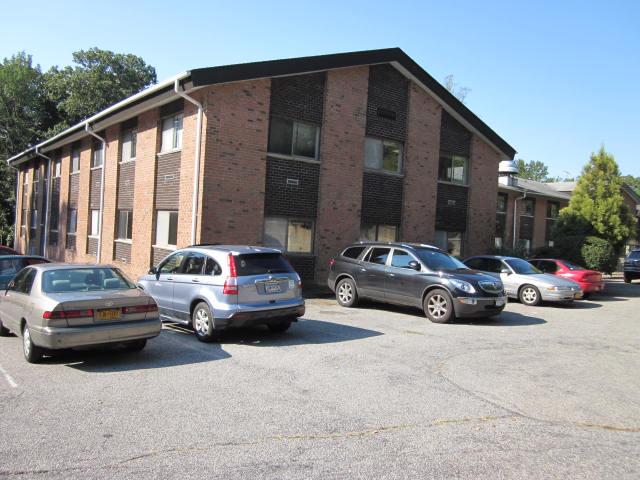
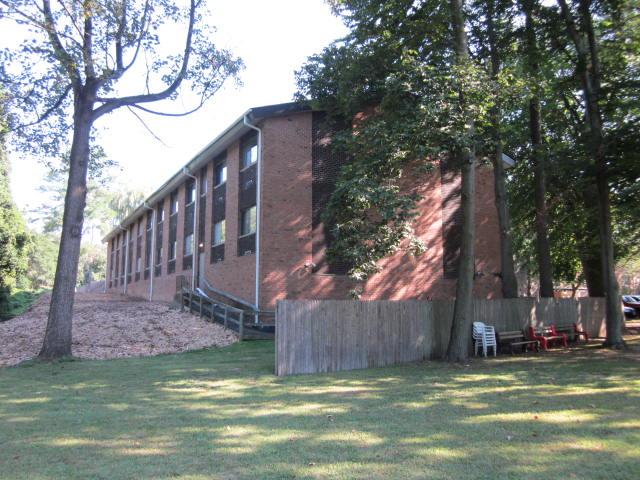
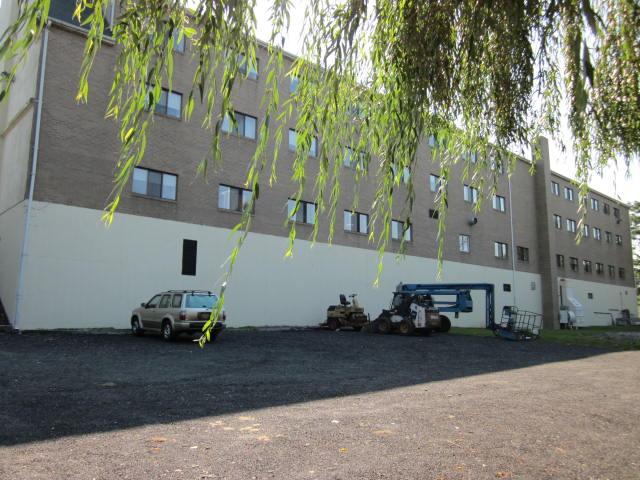
The interesting part is, though, these new owners (the Maness family) would do a lot more than just resume operation of the now-iconic nursing home. In the coming year after purchasing, the Maness’ constructed an all new & modern facility just down the way from the Poplar Mansion. While just a stones throw from the historic structure, this new building would actually put the Pratt house in extensive jeopardy. That’s because, right after the new Glengariff facility opened in 1972, the Maness family made a surprising decision: They wanted to close down Frederick B Pratt’s “Poplar Hill II.” The reason? unclear. Initially, there were plans to repurpose the house as an event center & facility extension, but those soon fell through.
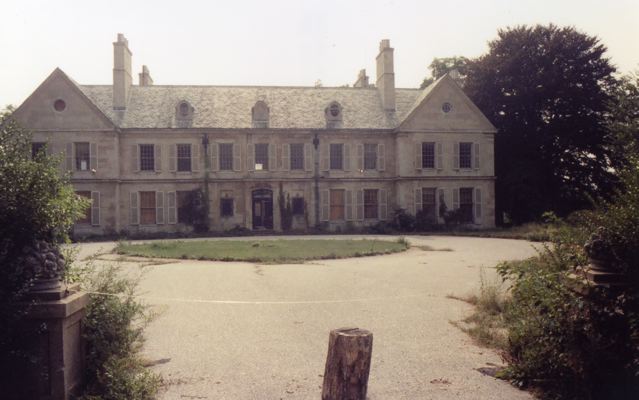
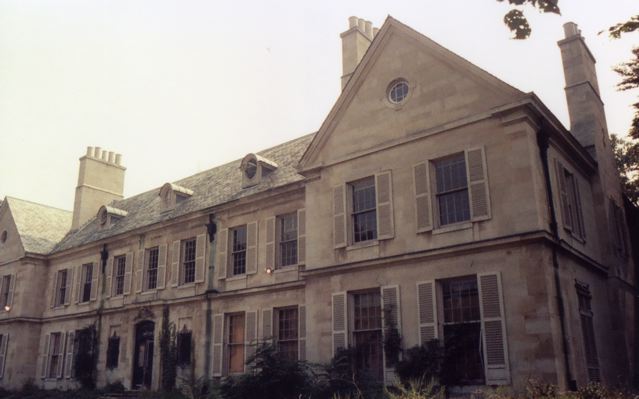
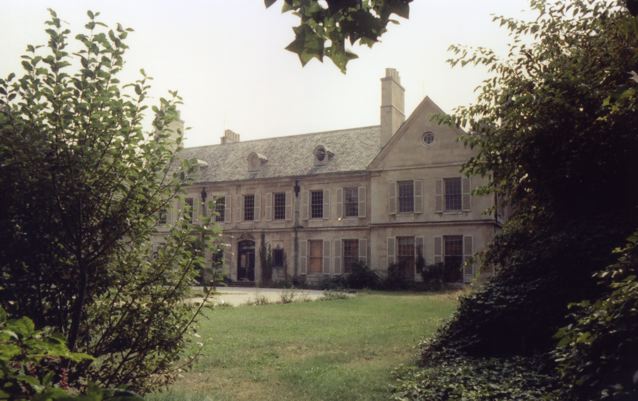
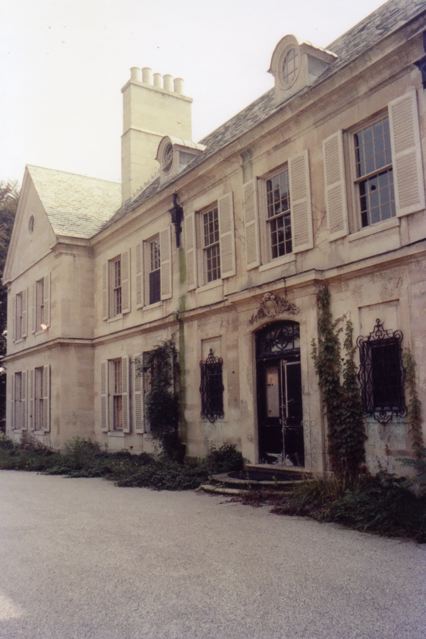
By the mid-1970s, the house had unfortunately become abandoned and overgrown with foliage. After multiple attempts to sell, give away, or simply donate the structure to various local establishments, “Poplar Hill II” was becoming a lost cause for the Glengariff Nursing Home. That was until 1974.
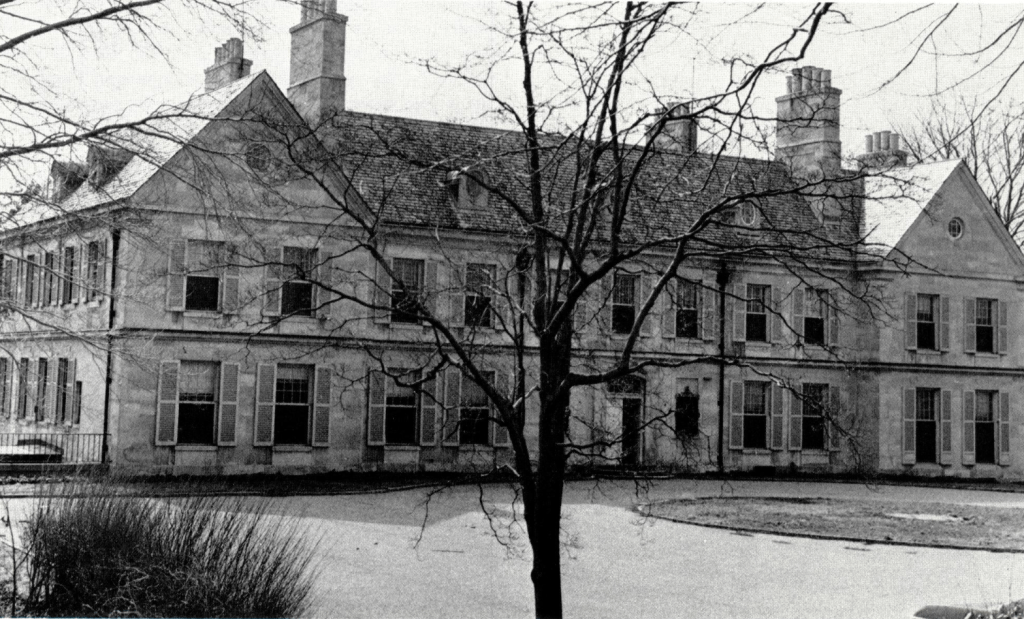
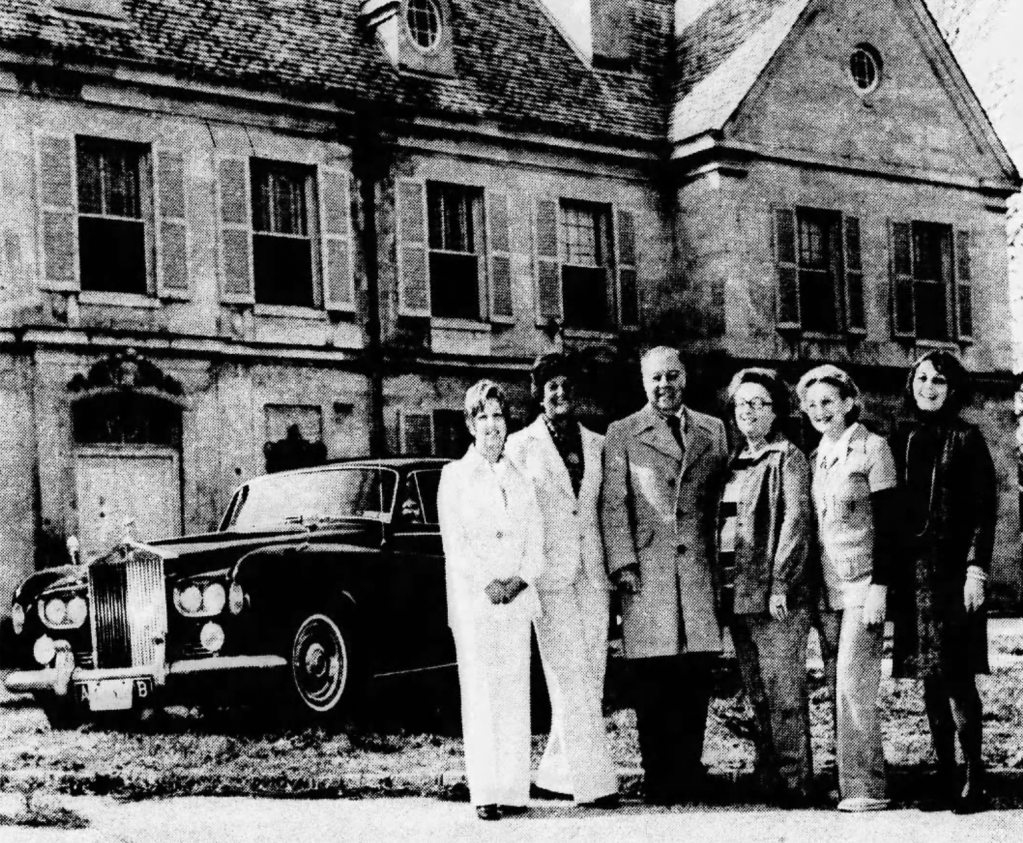
In May of that year, it was announced that the decadent structure was to be restored and renovated; Not for a new facility, or a residential rehabilitation, but for a designers showcase known as “Mansions & Millionaires.” Dedicated to highlighting the Gold Coast of Long Island, this organization was known for their renovation work – and it showed with the old Pratt house.
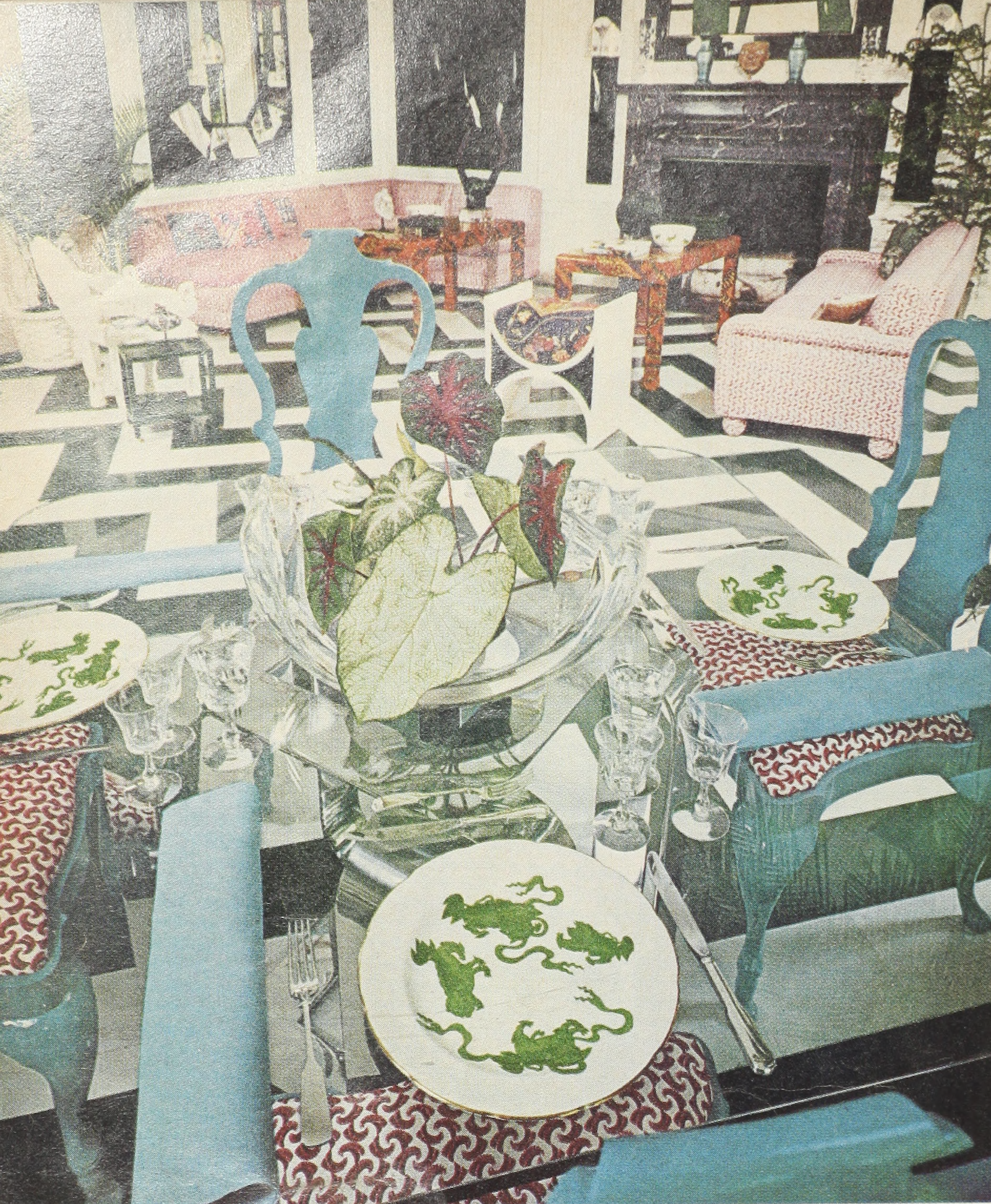
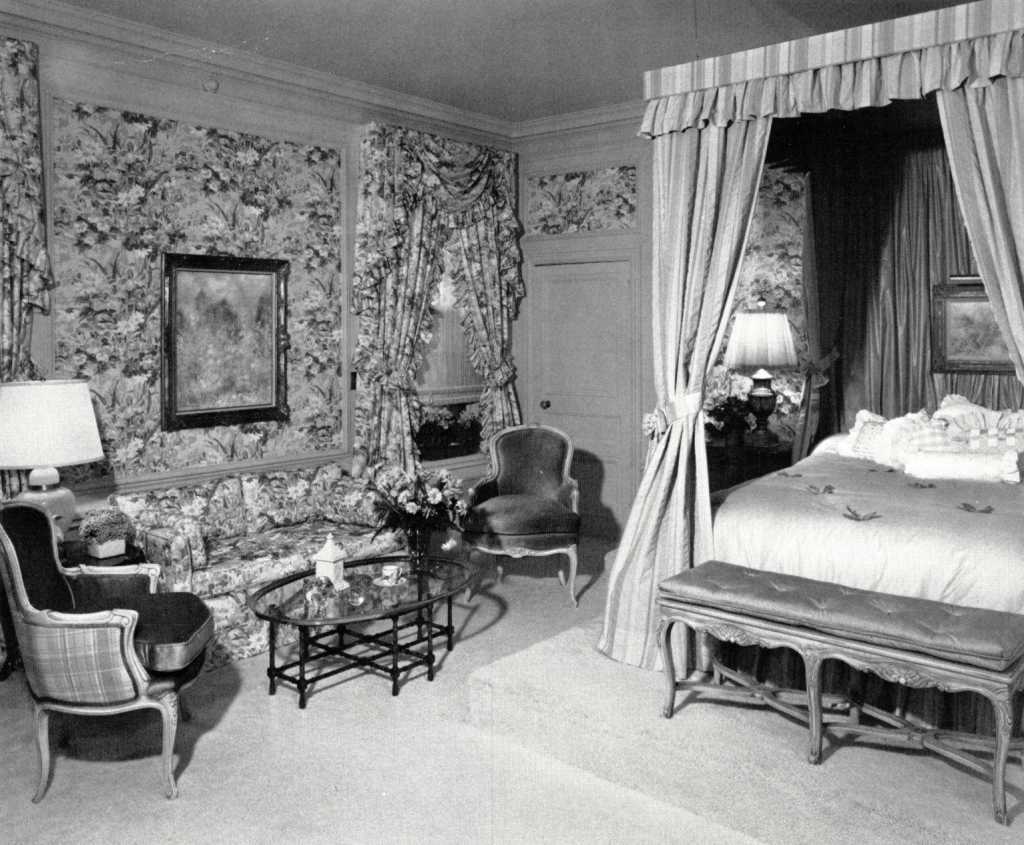
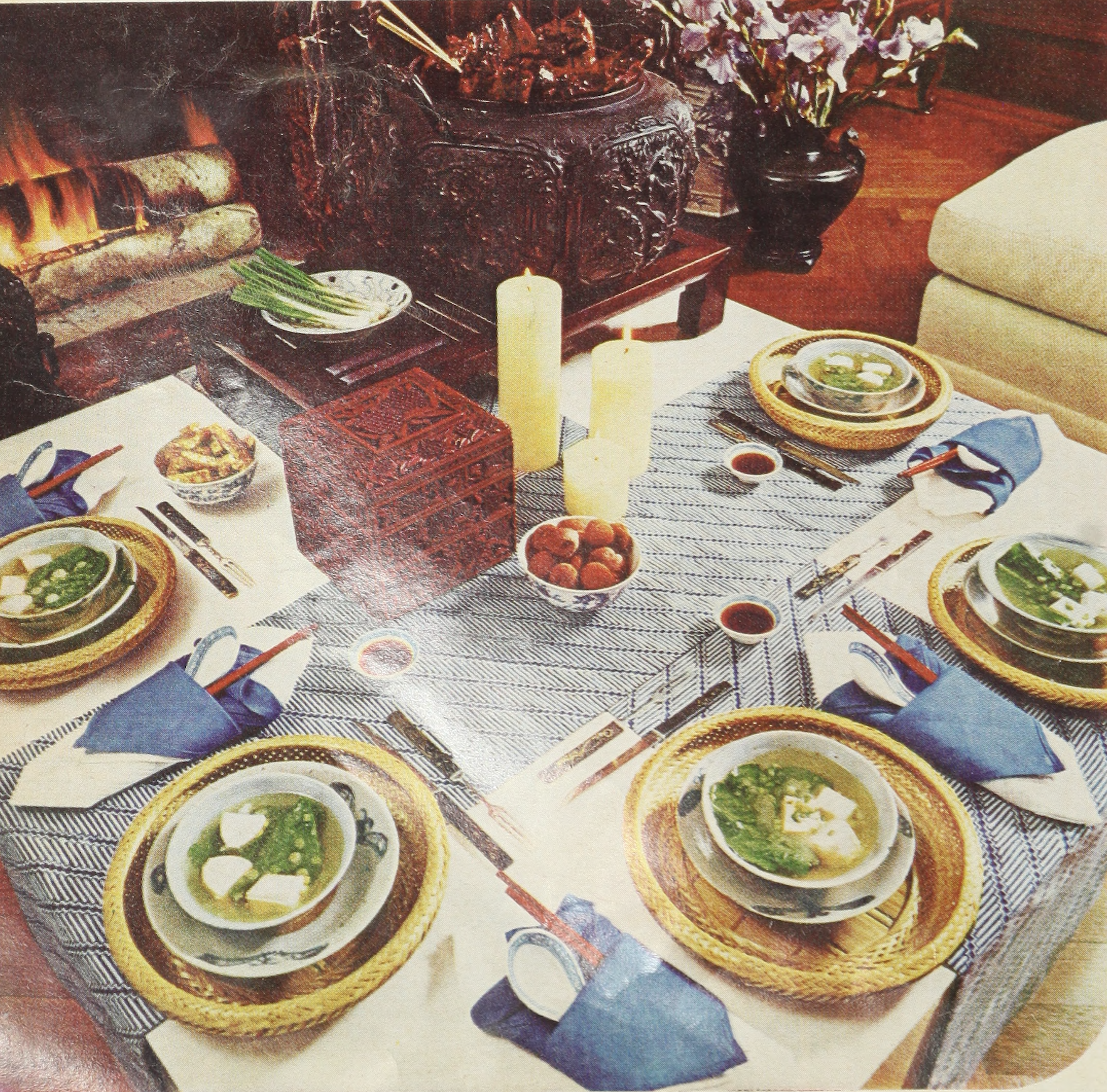
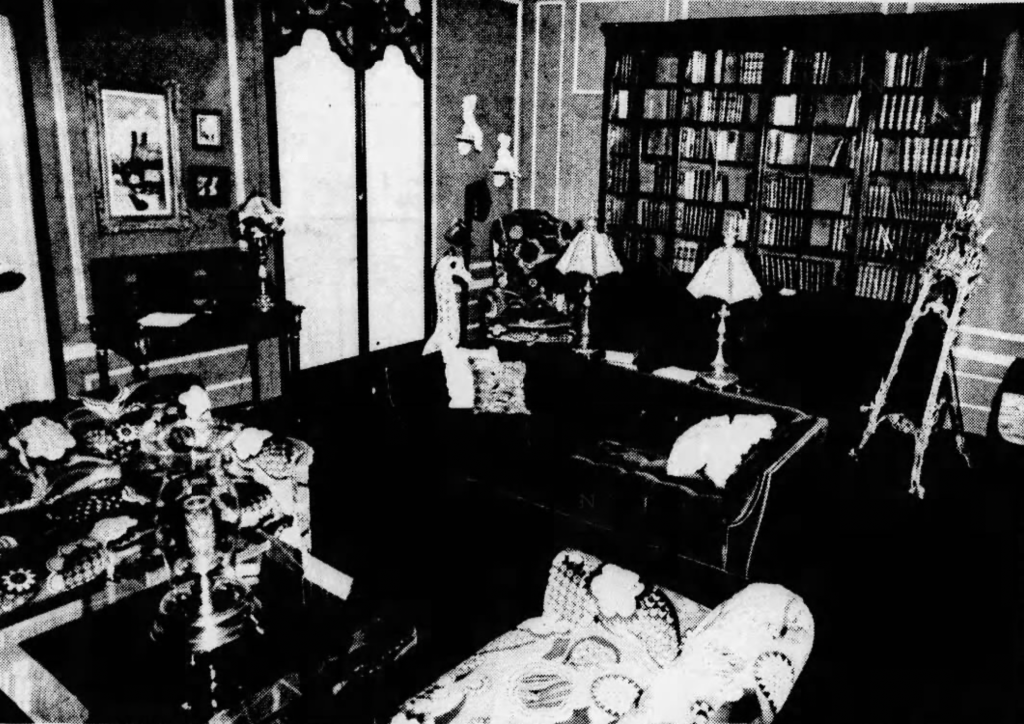
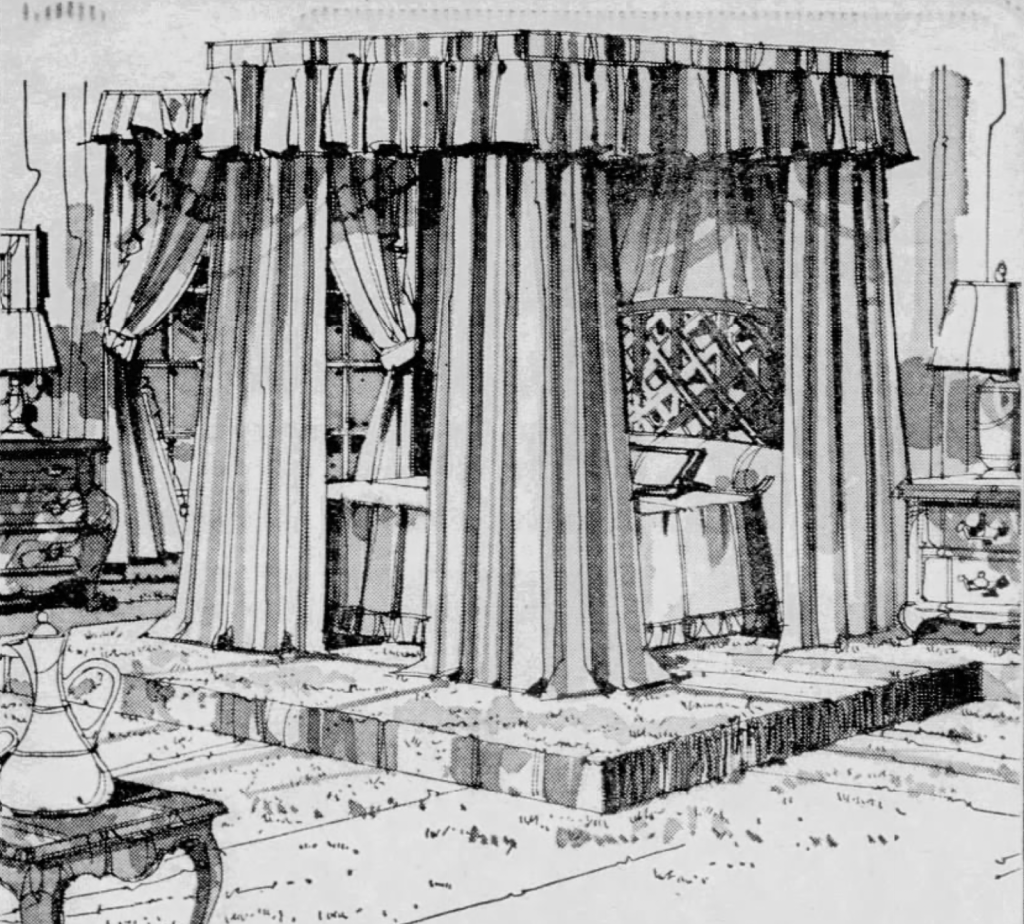
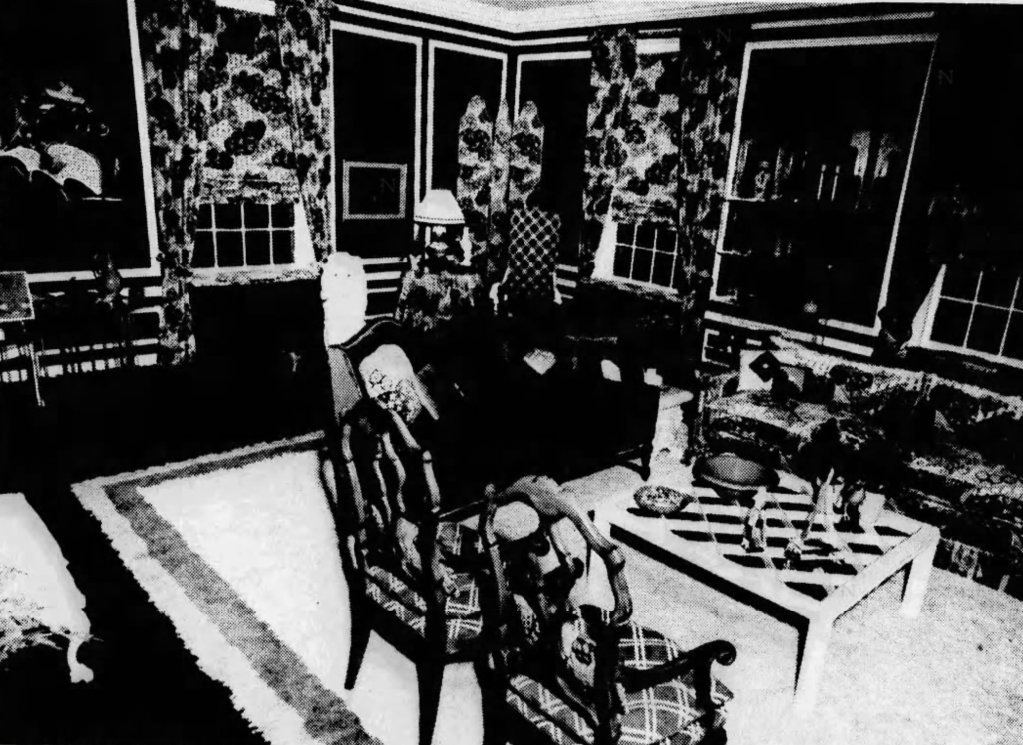
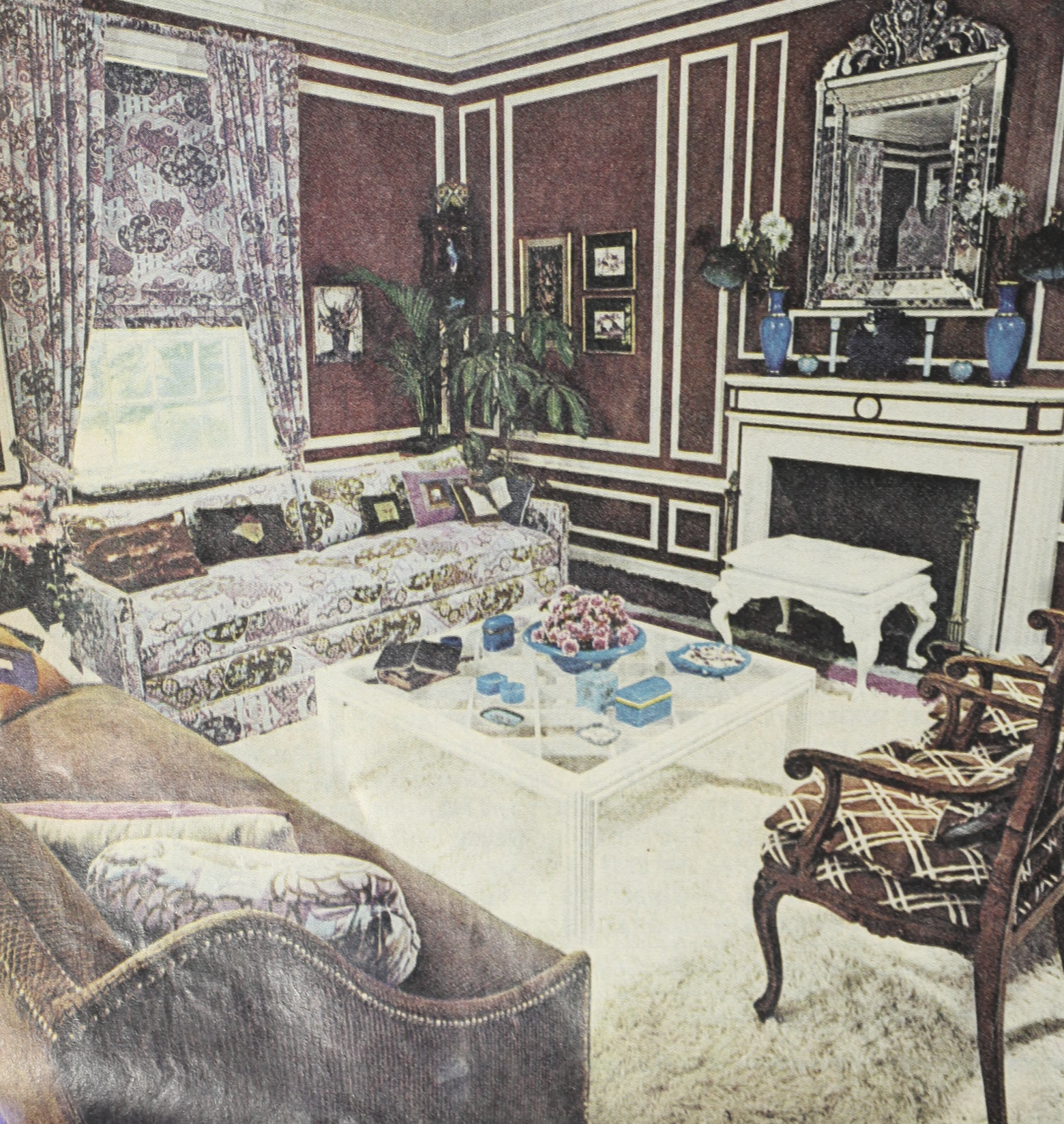
The exhibition ran through June of 1974, and saw many enamored visitors. It was hard to tell that, just months before, the grand mansion was falling apart. So, one could wonder how exactly this building could ever be left to nature again – especially if its grandeur could be appreciated on such a wide scale.
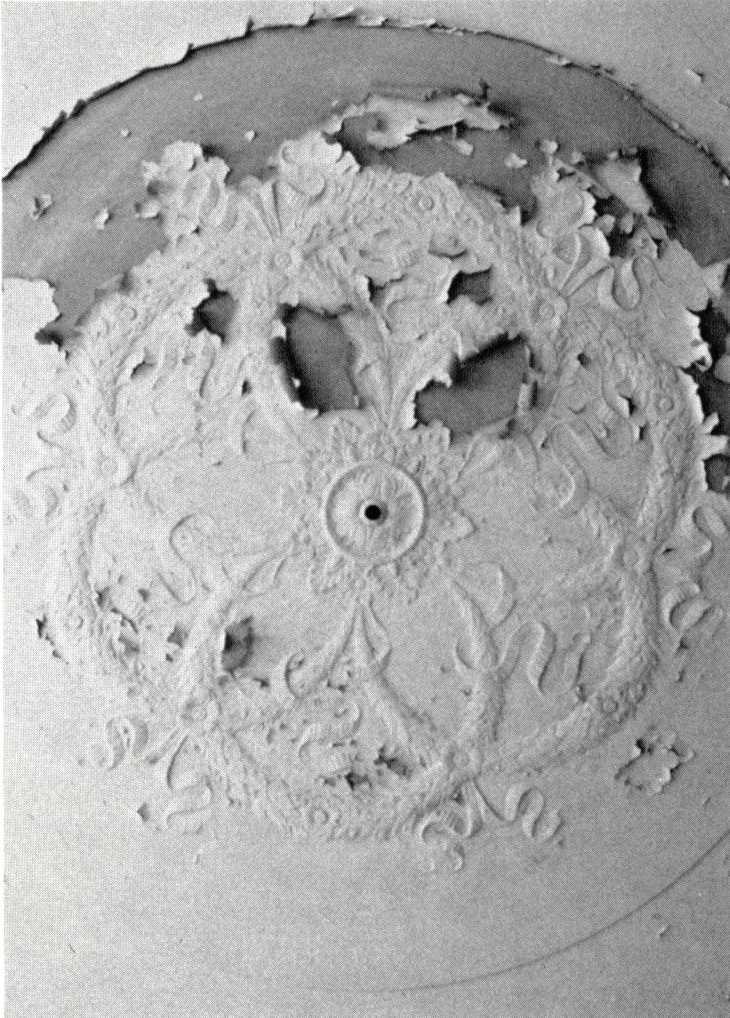
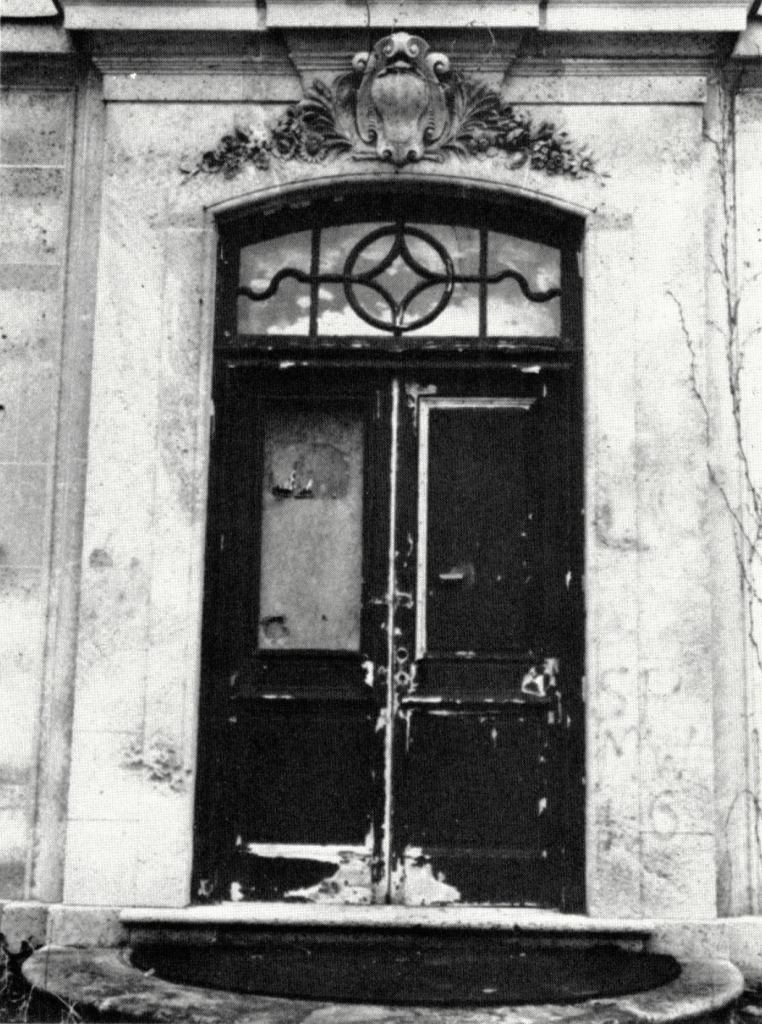
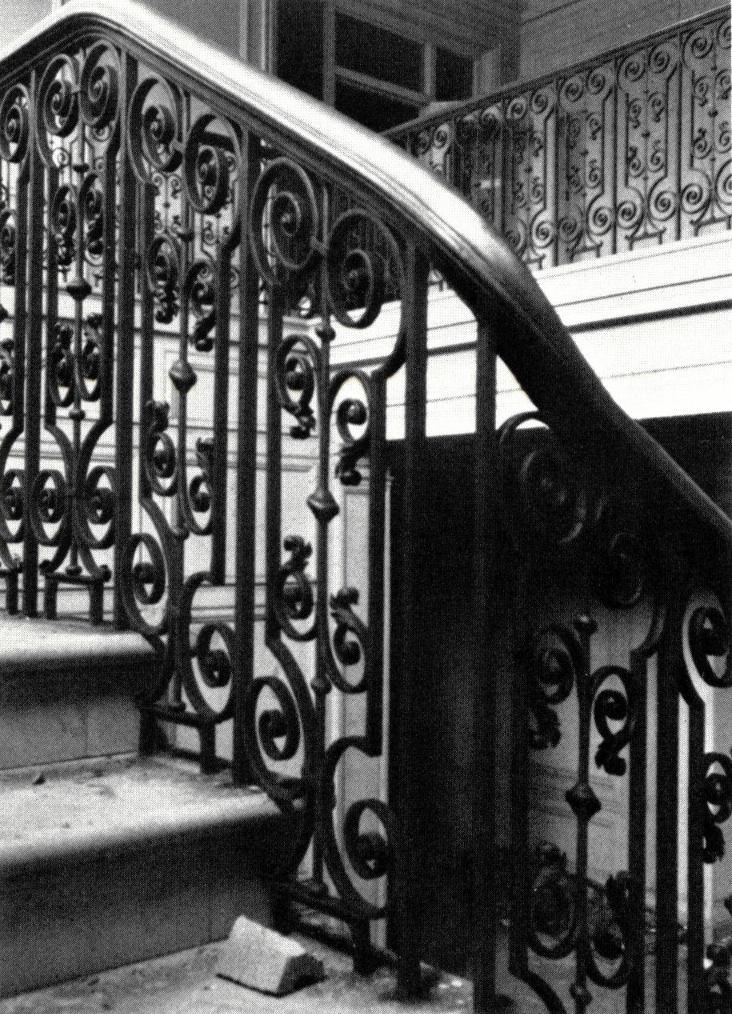
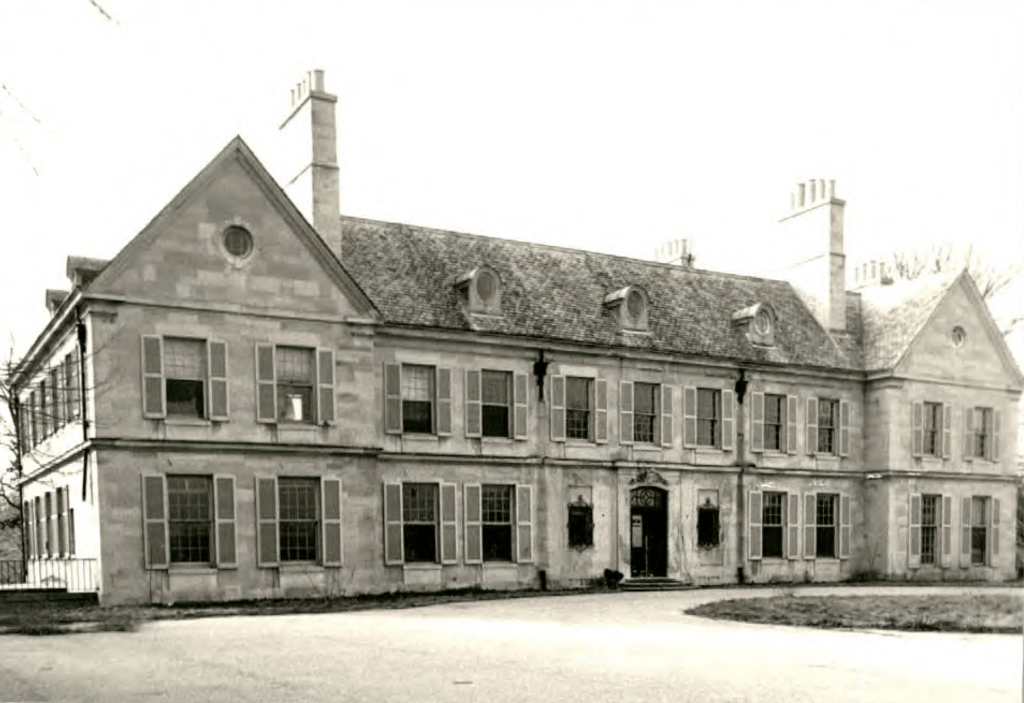
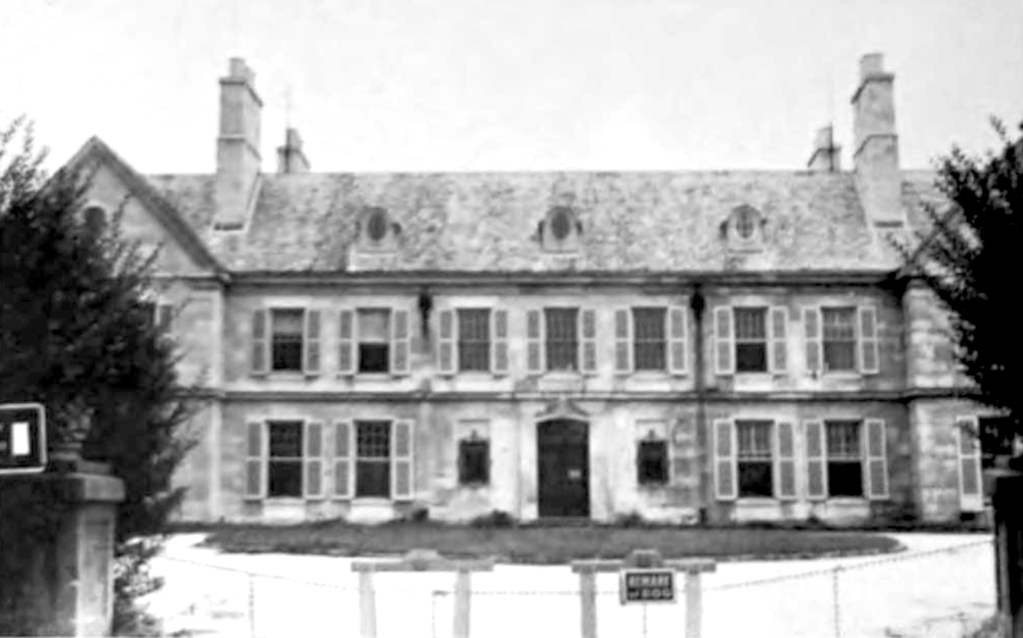
Yet, by the summer of 75’, just that had happened. Poplar Hill II was once more abandoned, now with no future in sight. According to some, the house was once more for sale at this point in time. But, it can be safely concluded that nothing ever came out of this offer.
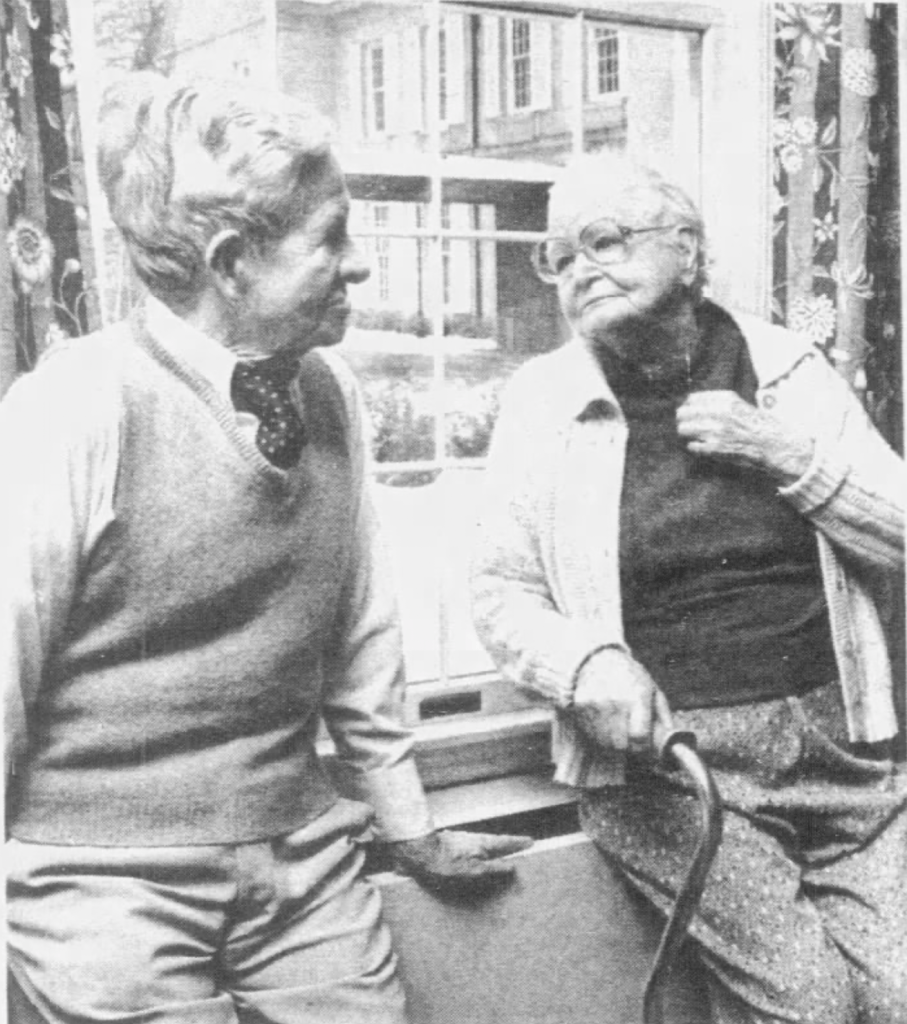
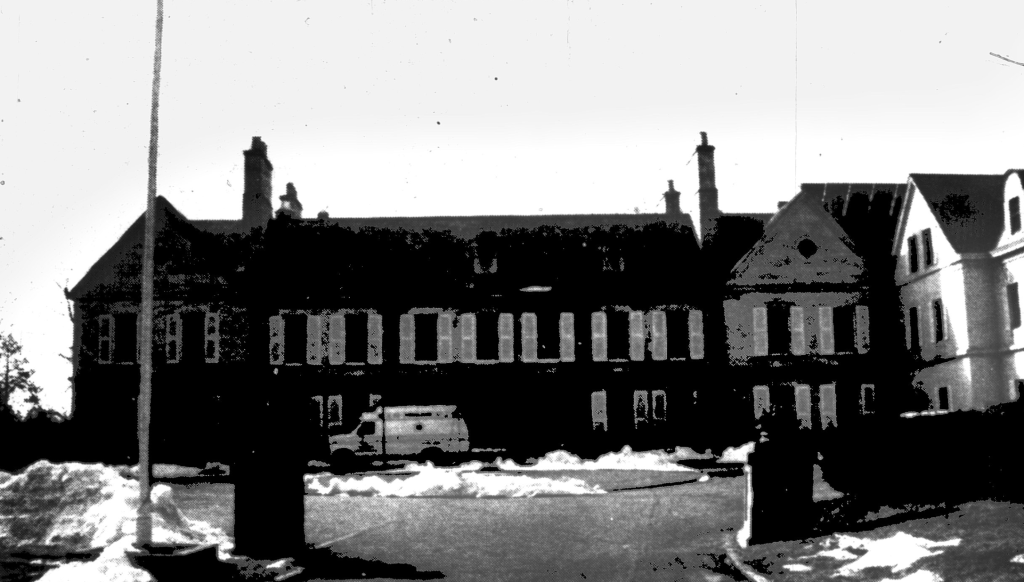
Only in 1984 was “Poplar Hill II” FINALLY recognized by its blissfully ignorant owners. Thankfully, this recognition came with some delightful news: after nearly a decade straight of falling back to ruin, Poplar Hill was set for an all-new renovation. This time, the Glengariff Nursing Facility was behind the project, thus allowing the building to reopen as a 100-bed establishment. It was now called the “Poplar Hill Health Related Facility”, a title that kindly payed much homage to the mansion’s extended history. In December of 1984, the structure opened up in a grand ceremony. By January, the “Poplar Hill Health Related Facility” was introducing all-new patients – a process the building had ceased to do for over 13 years.
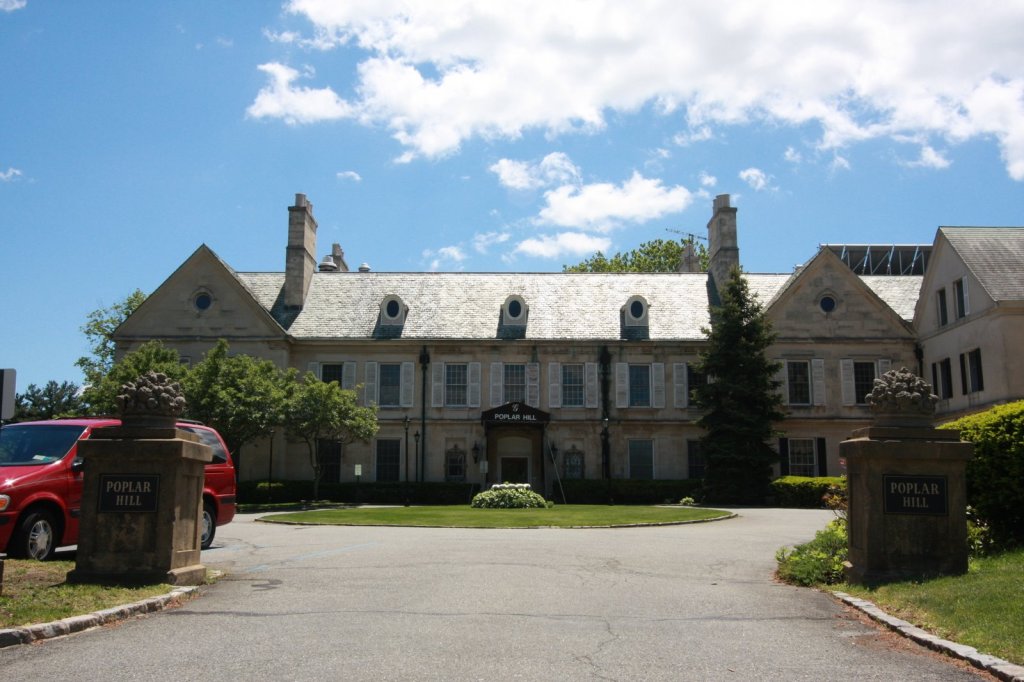
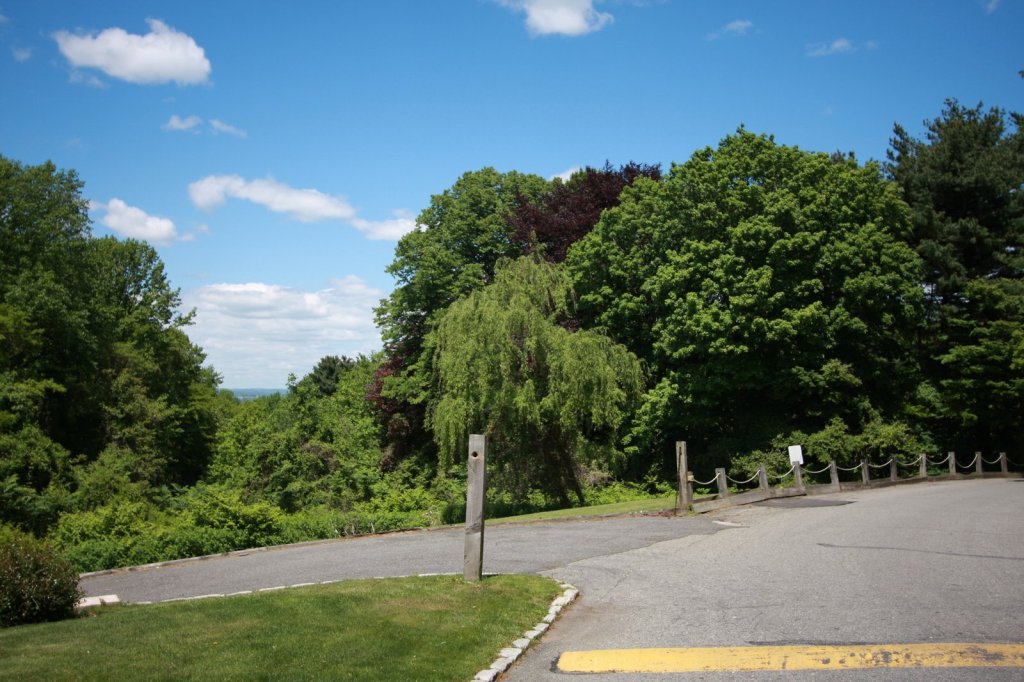
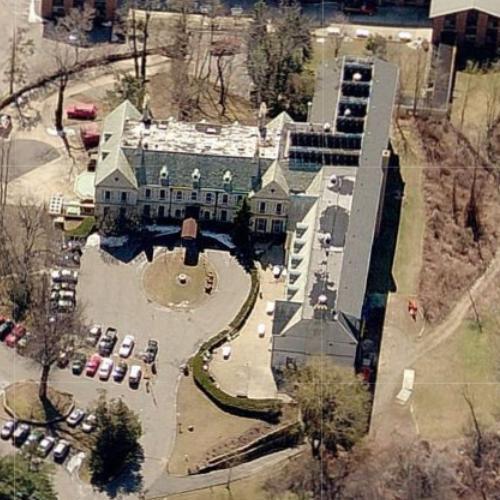
Since 1985, “Poplar Hill II” has been unwavering in its role as a staple in the local community. For a long time, it served its purpose as a nursing home and healthy related facility – aiding and healing many individuals of young & old age.But, after an extensive renovation In 2011, Poplar Hill II was converted into a rehabilitation center by the Glengariff company and renamed “The Pratt Pavilion.” Today, it remains as such and is now the main staple of the property, overshadowing its former replacement down the hill.
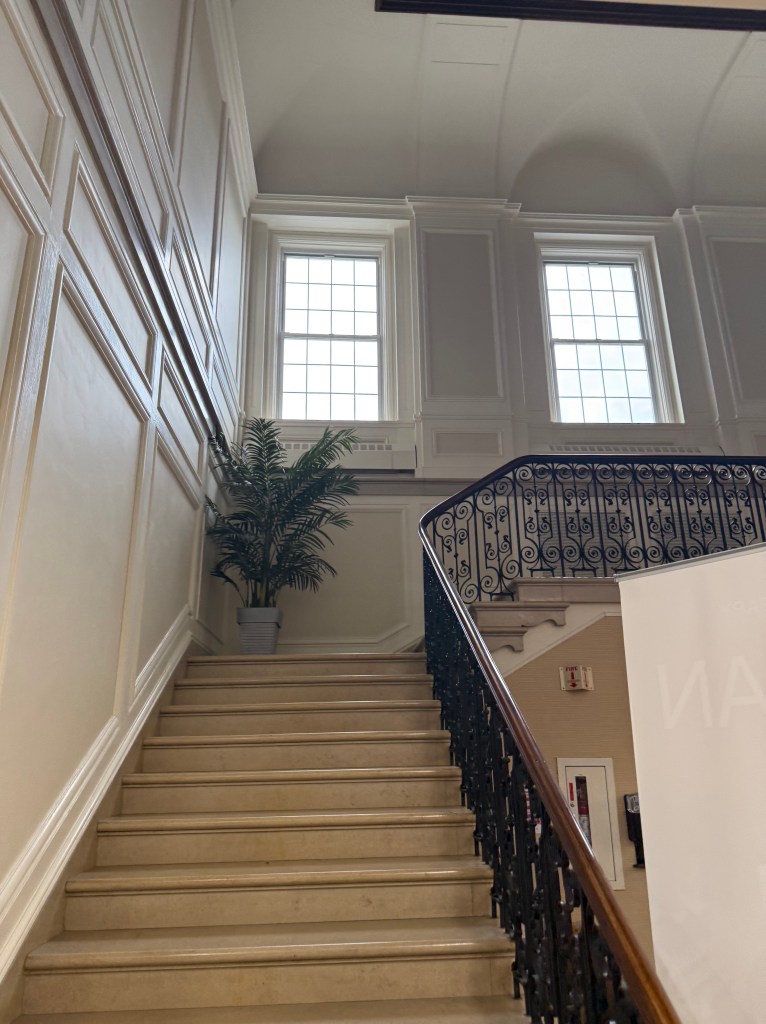
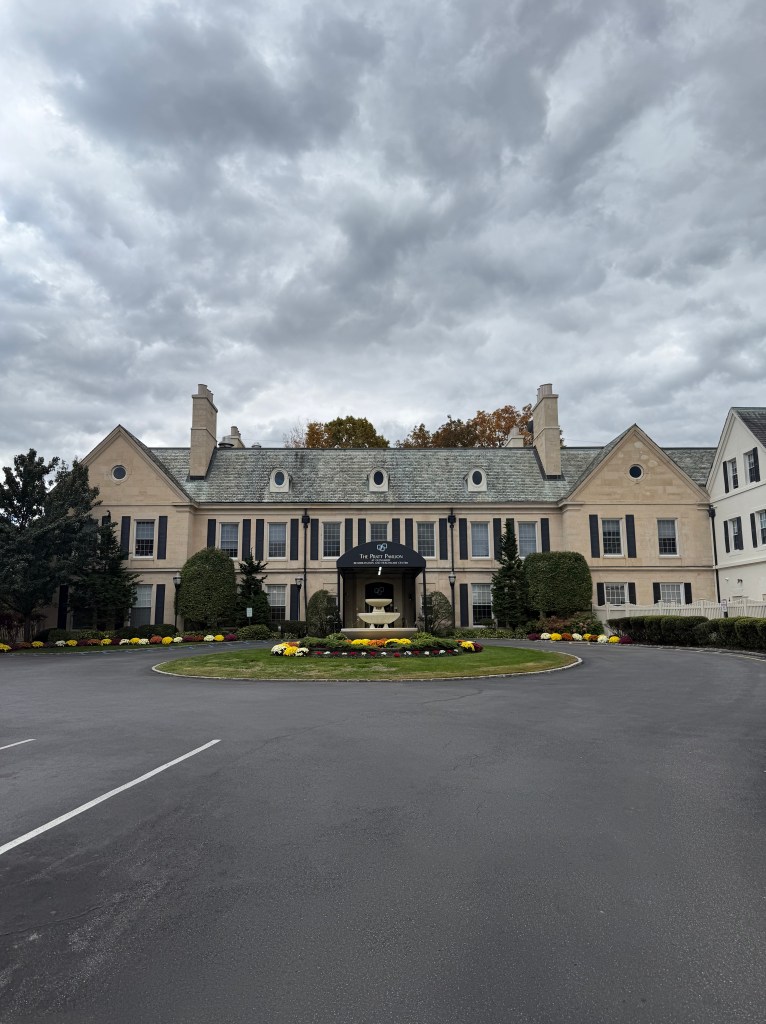
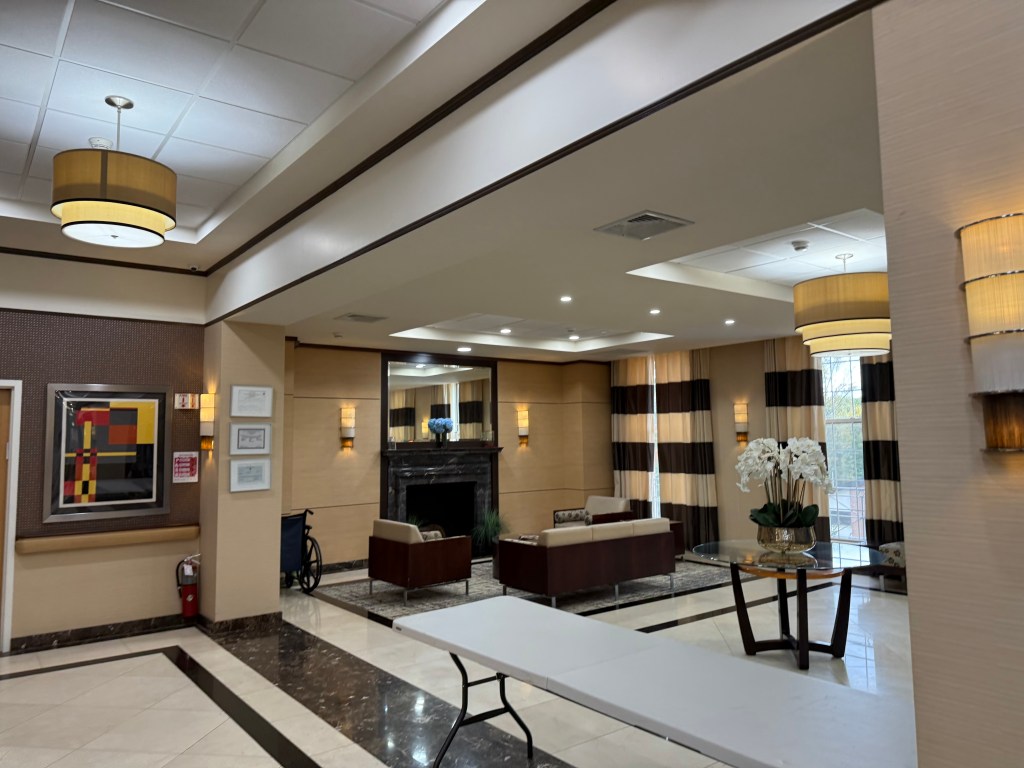
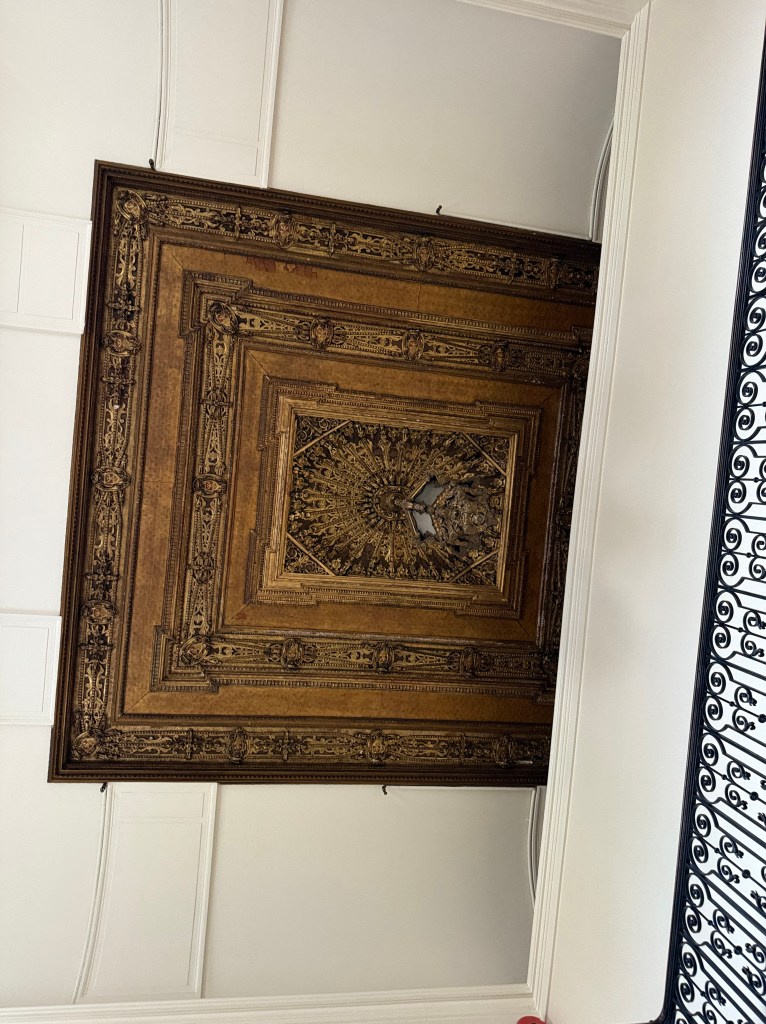
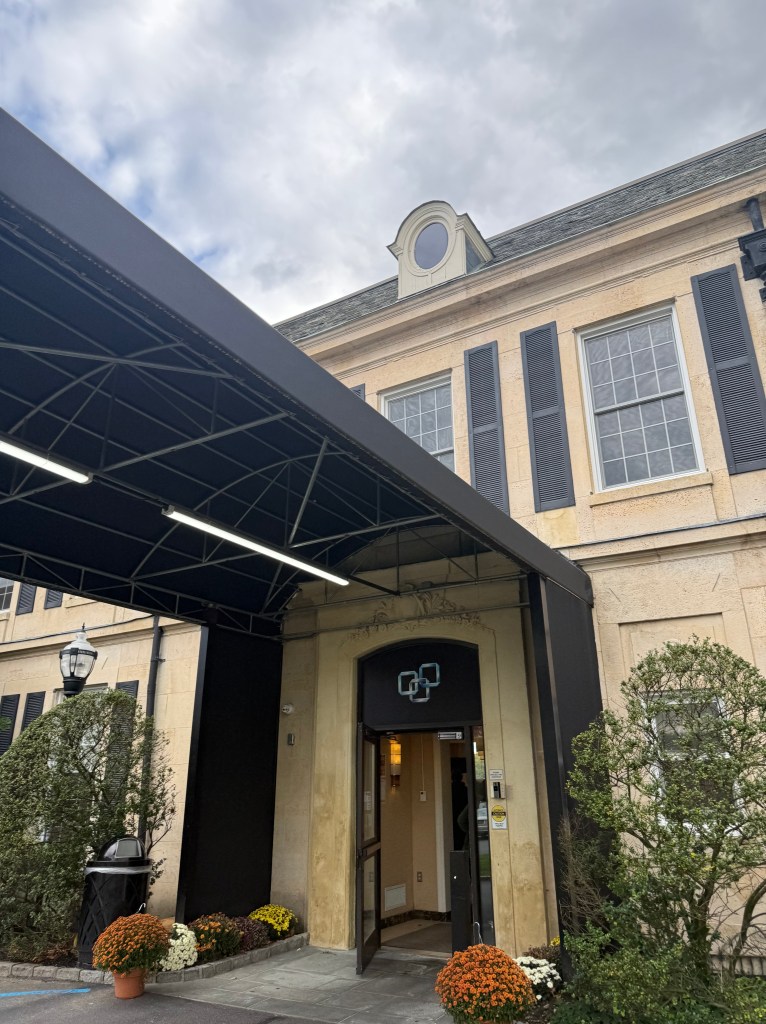
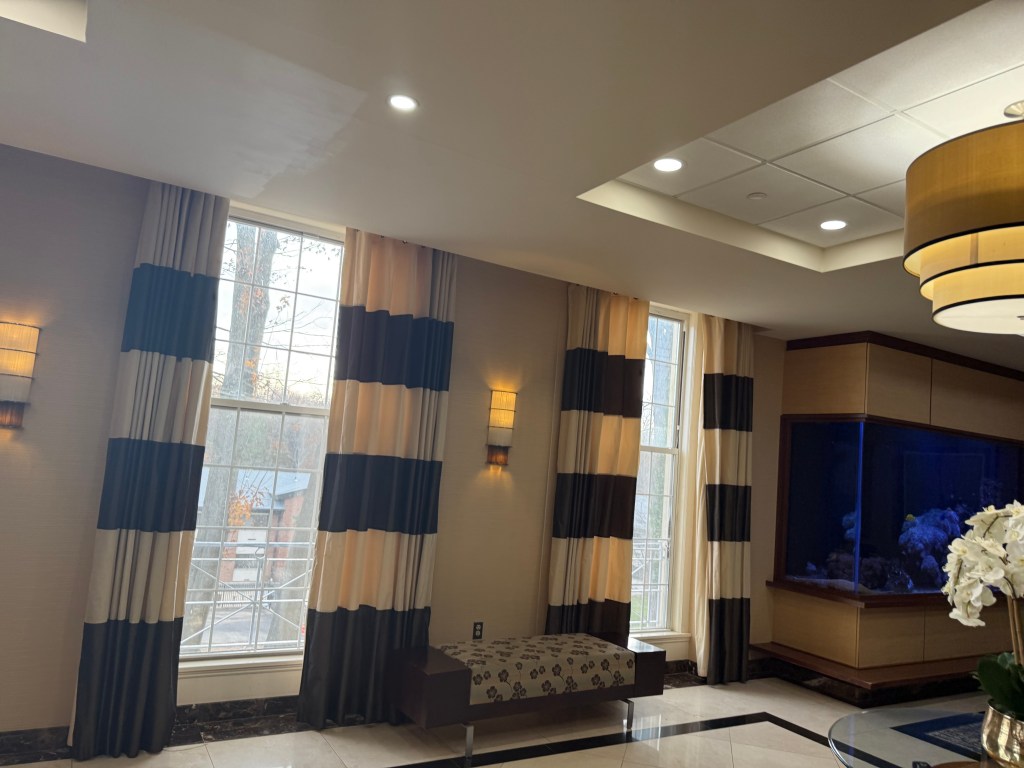
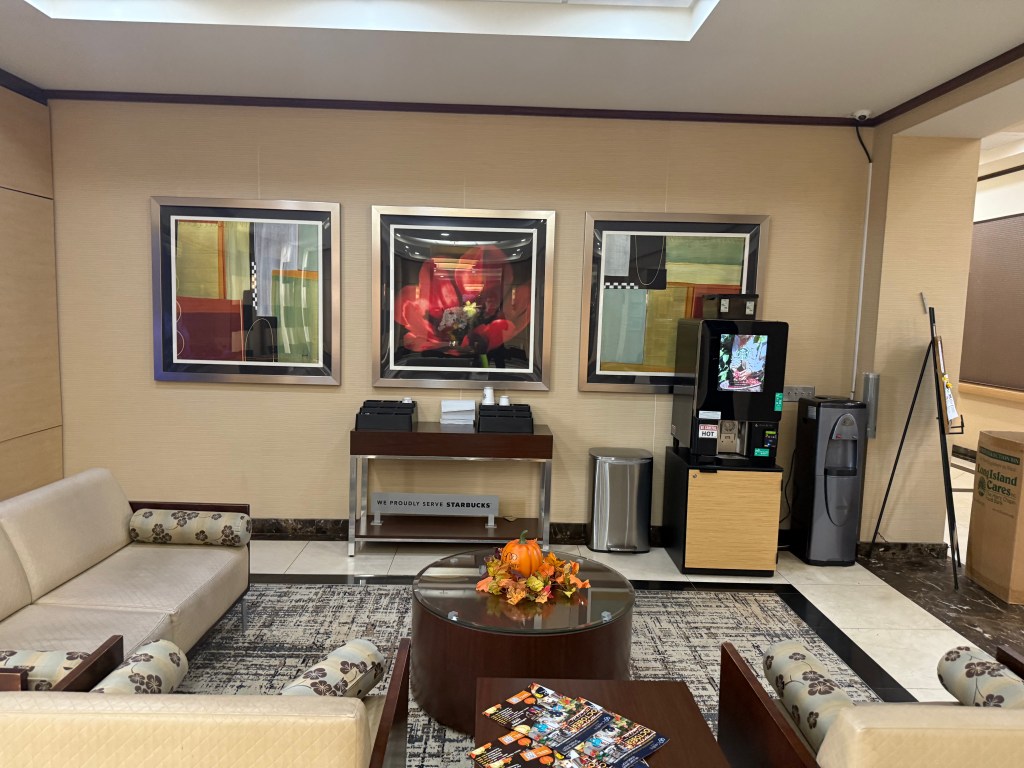
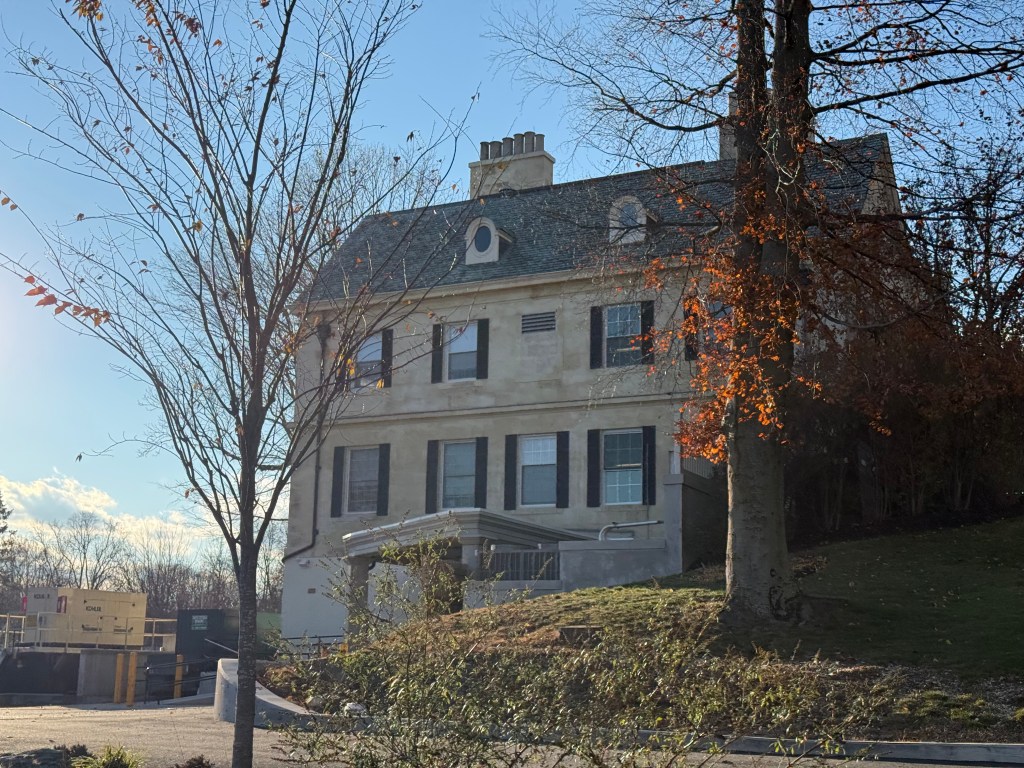
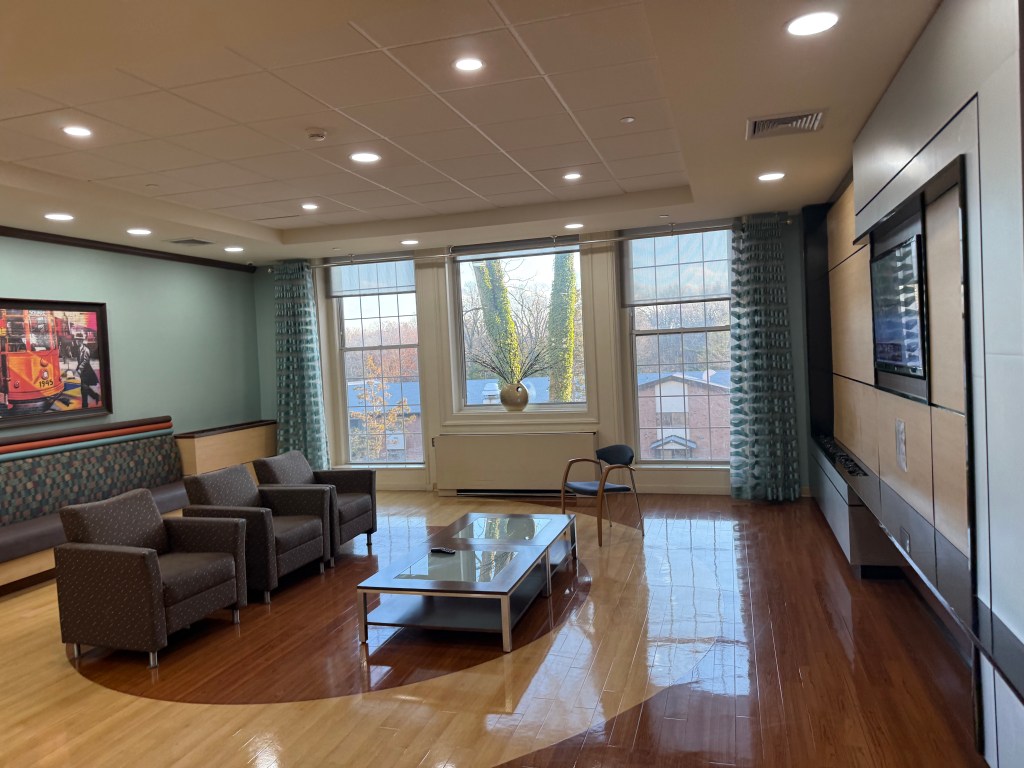
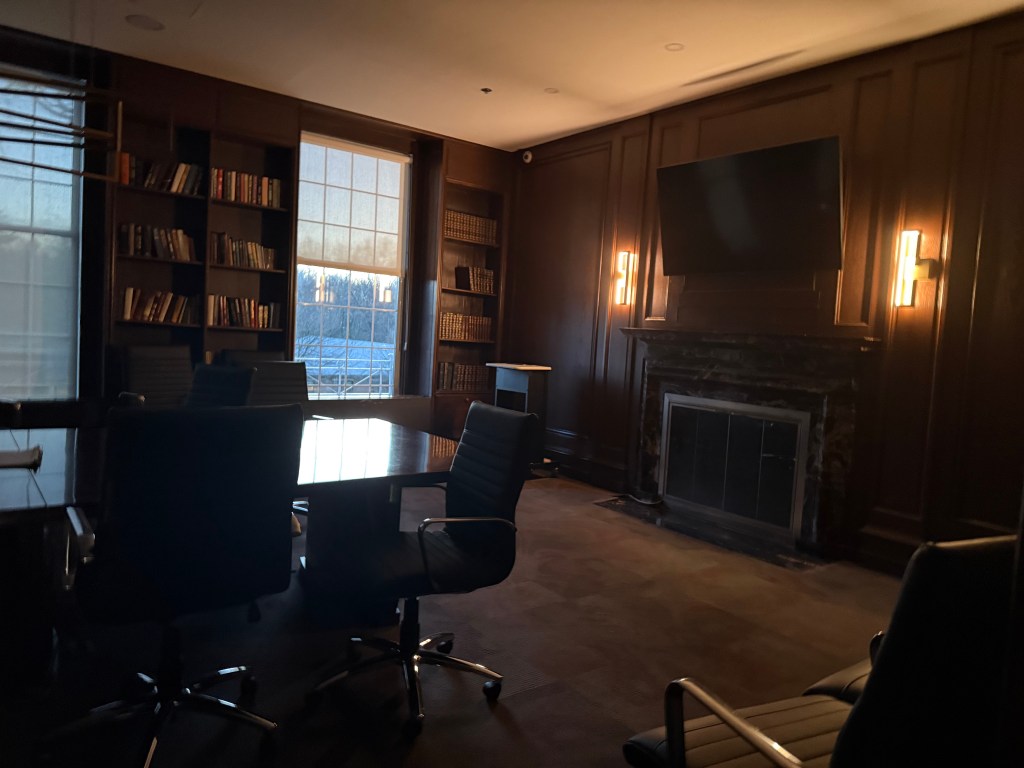
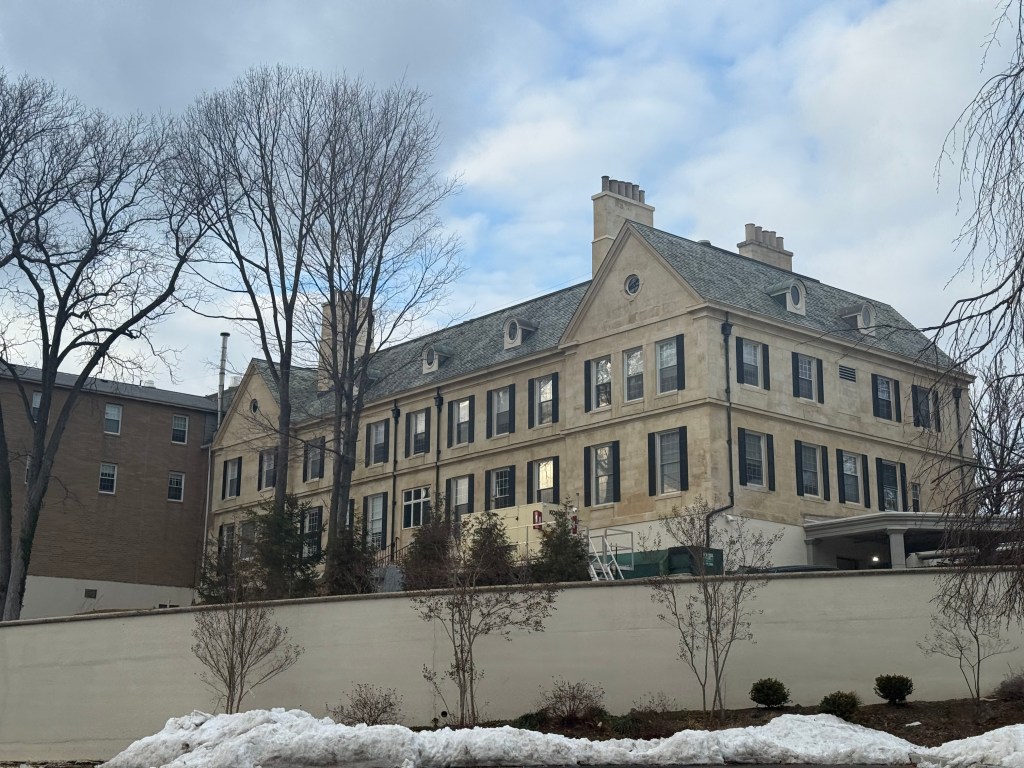
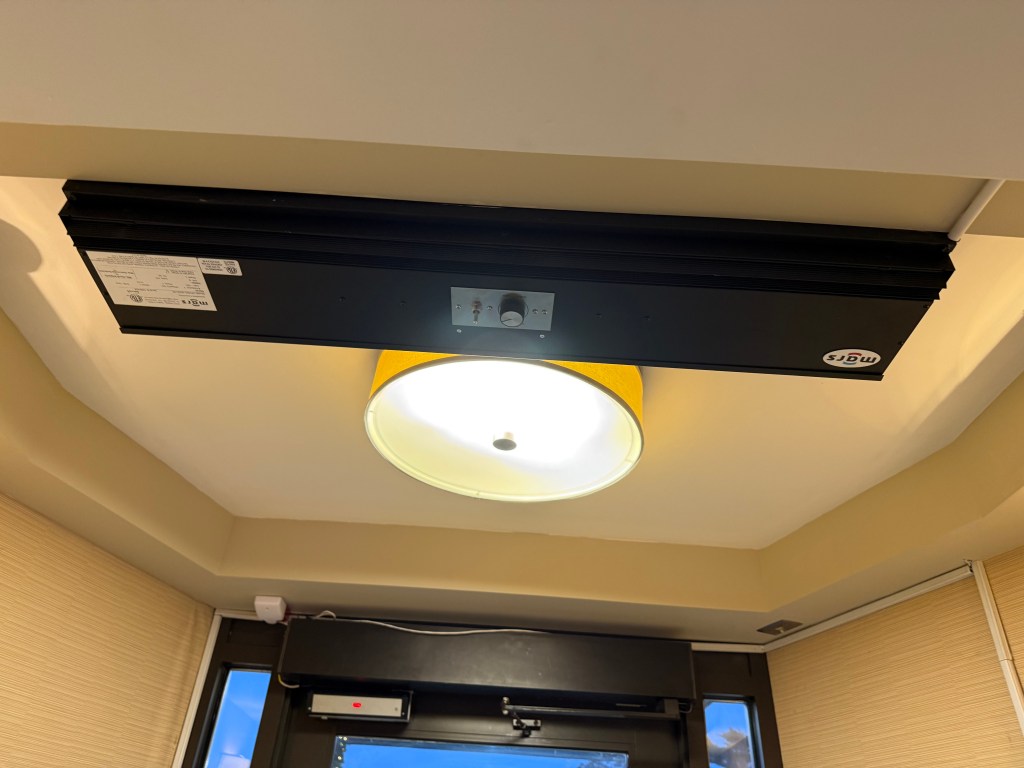
“Poplar Hill II” as pictured during my many visits in 2025 and 2026. Courtesy of Jake Finamore.
Now, I myself first became aware of “Poplar Hill II” and its unique history long before I ever was writing articles on Long Island’s Gold Coast. In fact, I enjoyed the place dearly about 8 years ago, when my grandmother was treated there in 2018. Only recently was I actually intirgued to look further into the unique “Pratt Family” I was informed of when I first visited the house nearly a decade ago. Thankfully, I got the opportunity to do just that for the past 4 months. It did come about due to an unfortunate circumstance, though; My grandmother fell while residing at a nearby Senior Home this past October and was transported to Glengarrif for Rehabilitation. After a good while, and much hard work & many visits, she was able to depart from the facility and return to her old Senior Home. Luckily for me, through the sadness and concern, I was able to find some solace in the history of her temporary residence. Thus, during many of my visits, I did my best to photograph the long-elusive interior and exterior of Glengariff’s “Poplar Hill II” – allowing for some extremely rare and cherished glimpses of the historic house inside & out.
Now, I’ve been able to compile these photos and my research into a lovely arcticle. Enjoy!


Leave a comment