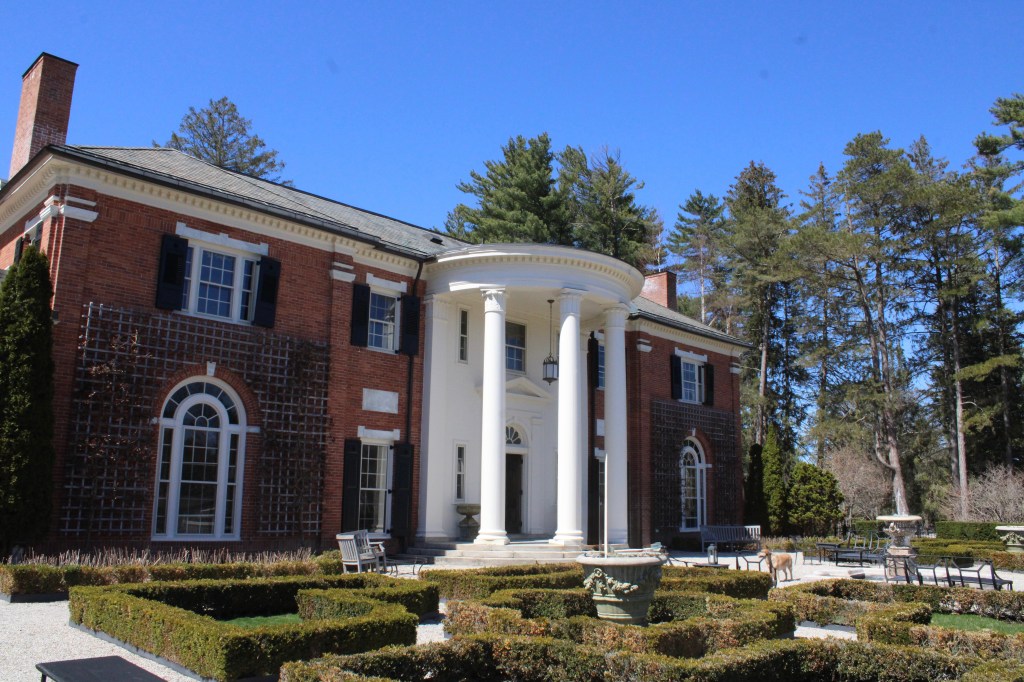
Welcome to “Southfields,” a Gilded Age mansion long unseen by the general public. Today, over 120 years after its construction was complete, I have been given explicit permission to tell this estate’s full story for the first time – with photographs from a private tour I was given this past April.
And so, without further a-do, let us begin the tale of Robert Cluett’s “Southfields,” located in Williamstown, Massachussets.
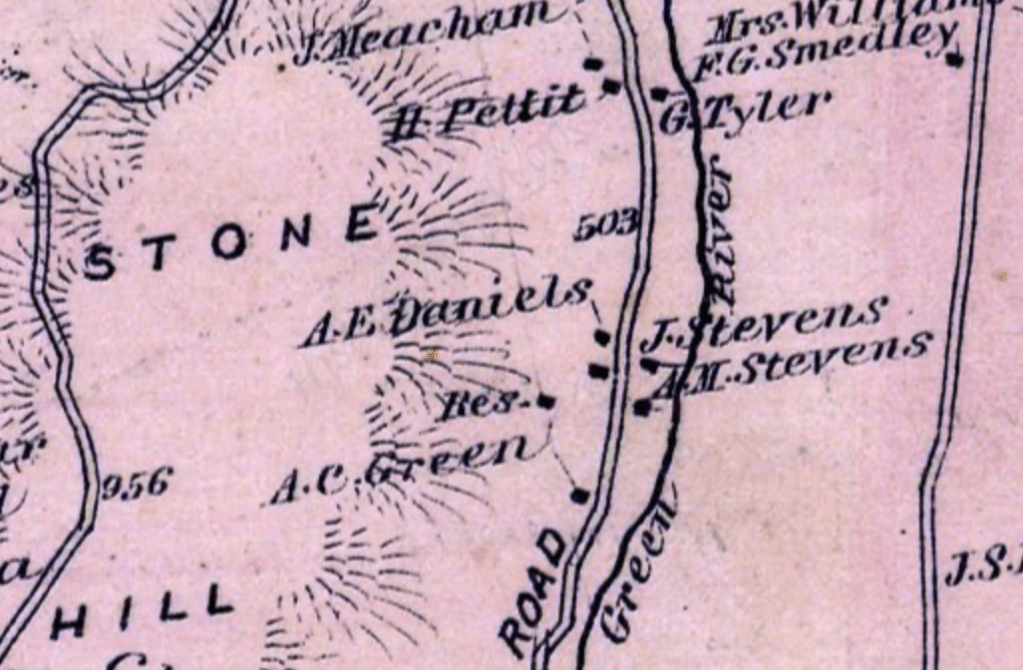
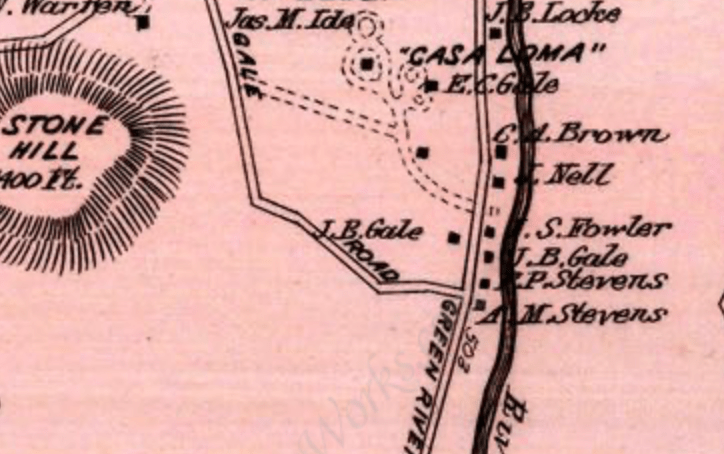
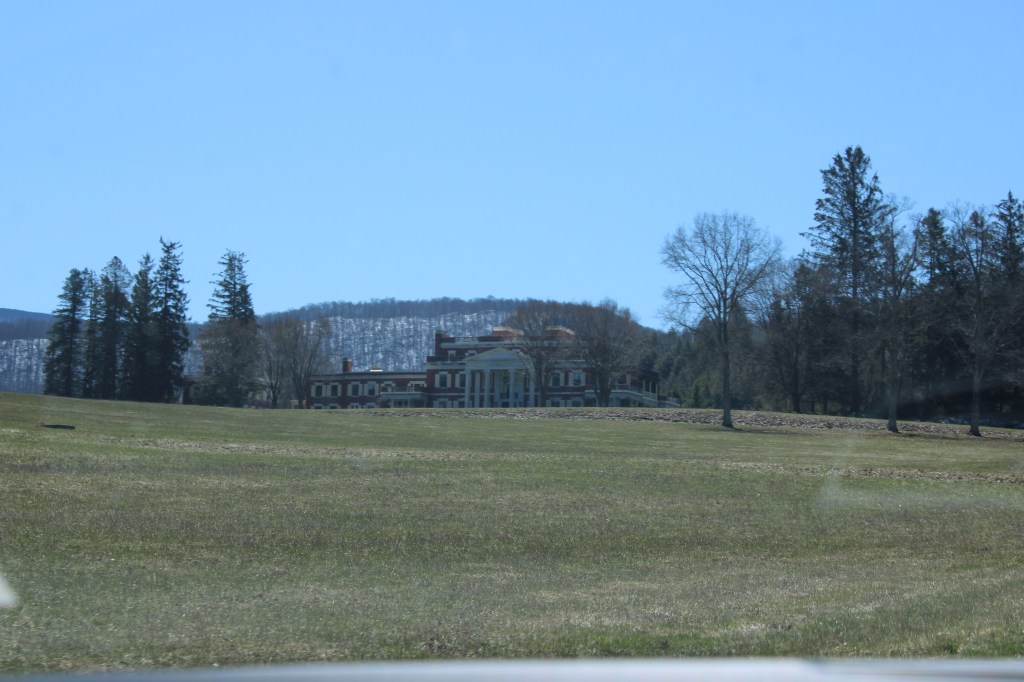
The story of “Southfields” begins in the fall of 1905, when a piano manufacturer by the name of Robert Cluett announced his plans to curate a country estate atop 35 acres in the outskirts of Williamstown, Massachusetts. The property in which he would develop upon was, according to timely newspaper articles, formerly owned by John H. Gale, and commanded fantastic views of the Berkshires and Otswego County. By the spring of the following year, it appears as though Cluett’s ambitious plans were well underway. Local Plumbers, artisans, carpenters and workers of all walks of life are said to have worked on the estate. In Early 1907, the property, titled “Southfields,” was finally completed.
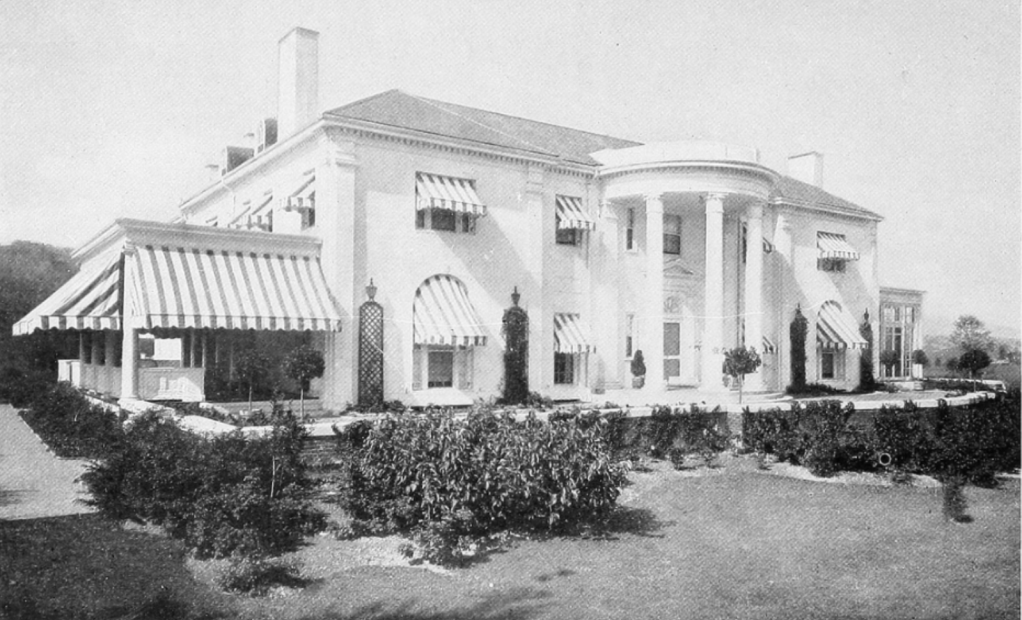
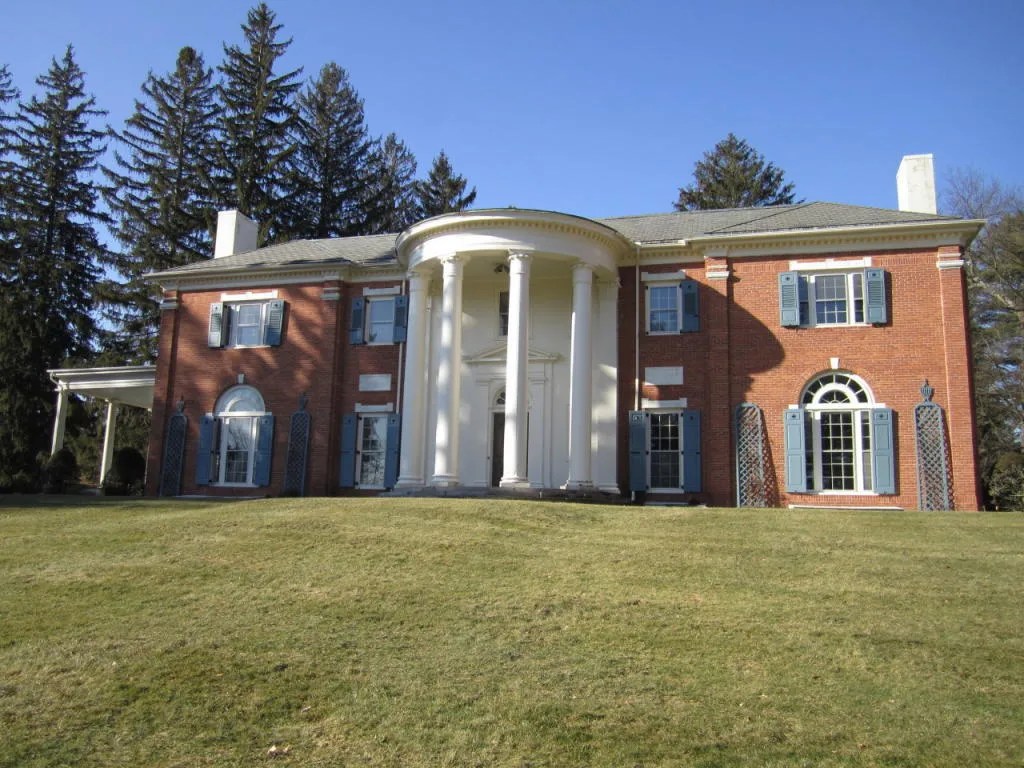
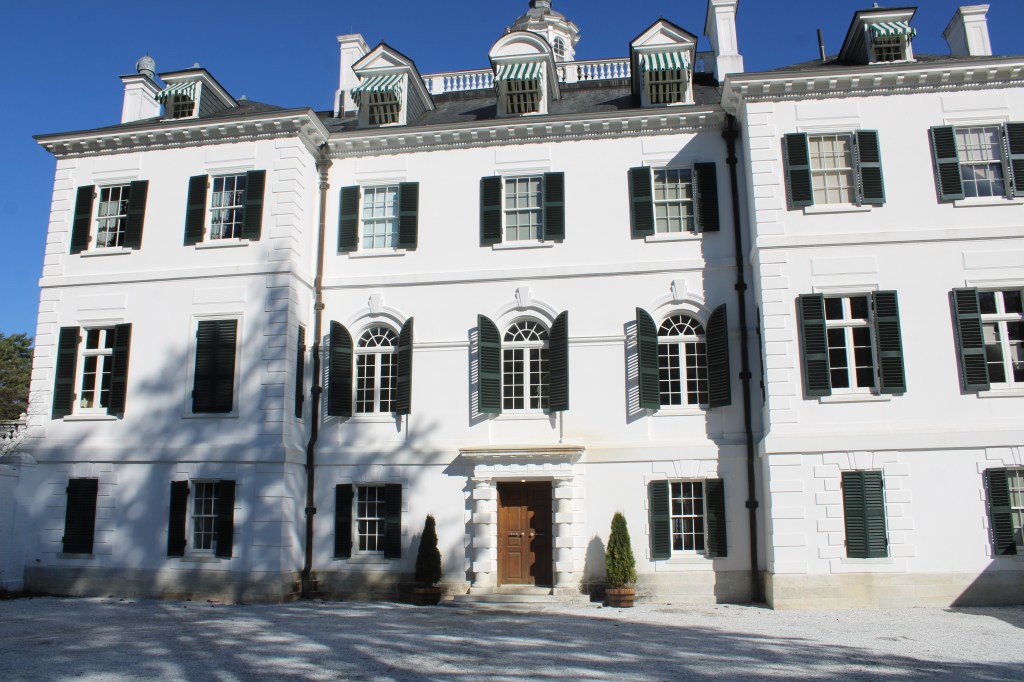
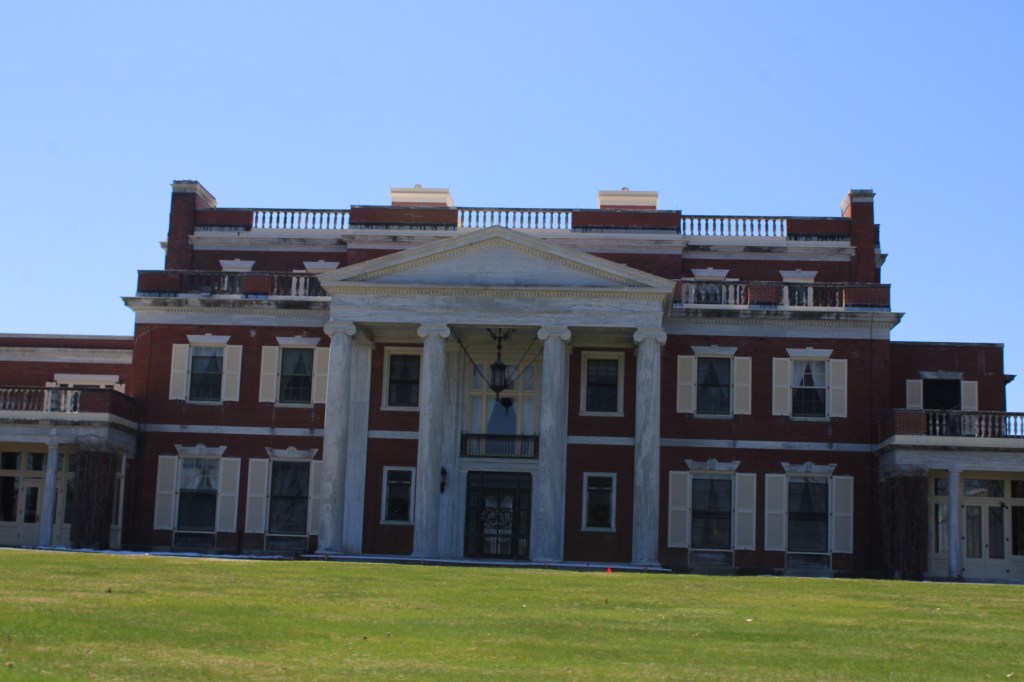
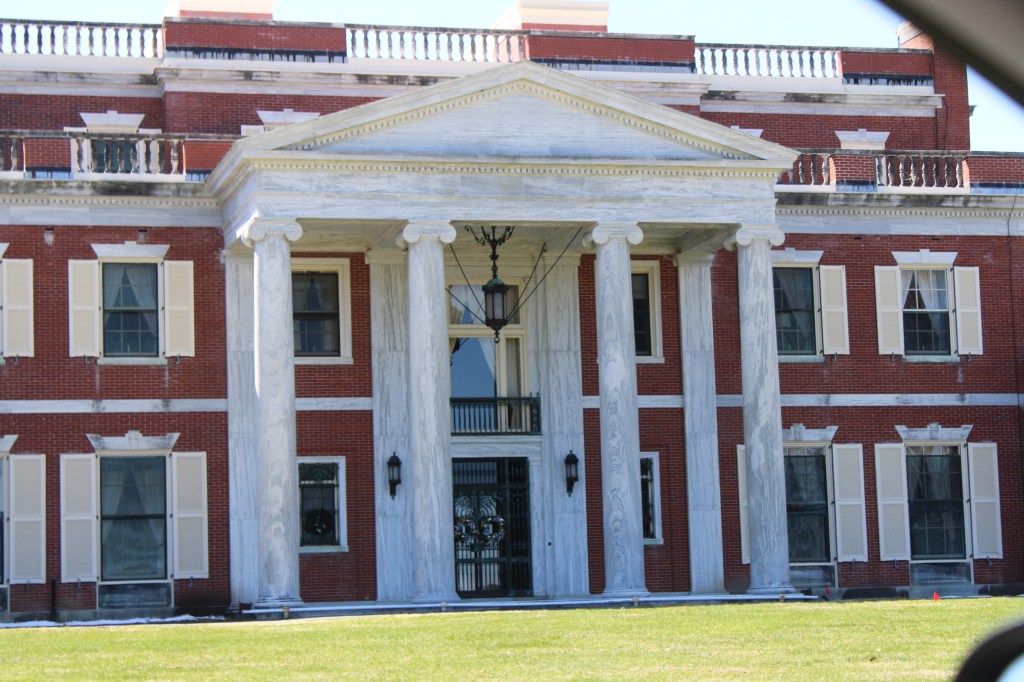
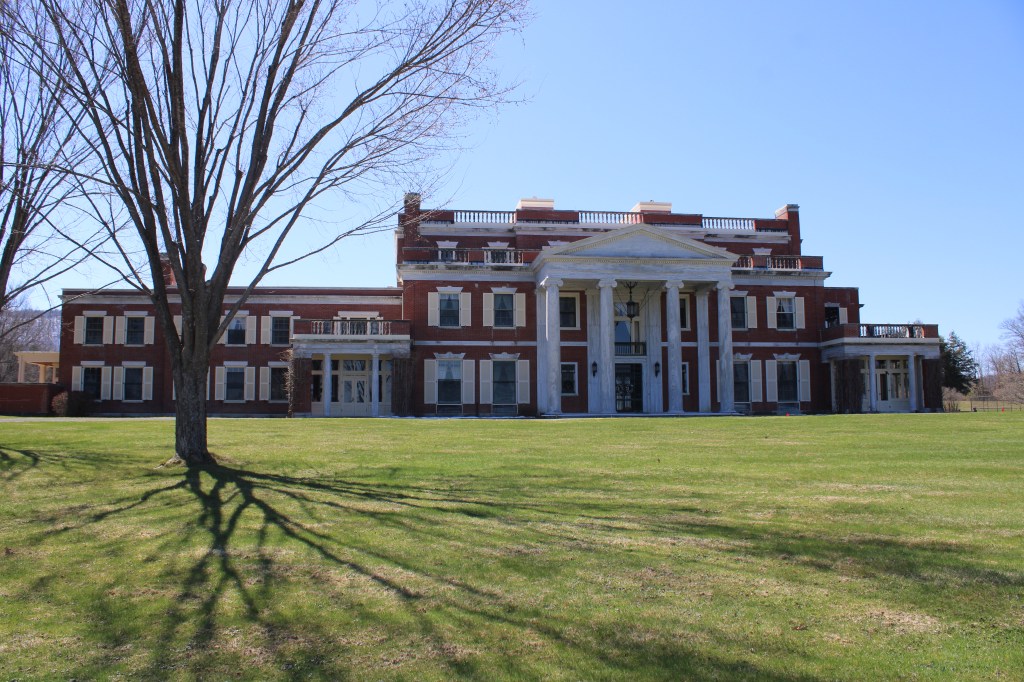
There’s a lot to say about Southfields, but its focal point was most certainly the 40-room Georgian mansion at its highest point. Designed by architects Winslow, Bigelow & Wadsworth, Southfields (its main house, rather) was often called Massachusetts’ “White House,” for its white-washed brick design. Additionally, the massive circular portico on the residence’s back facade also payed homage to Washington, DC’s great palace.
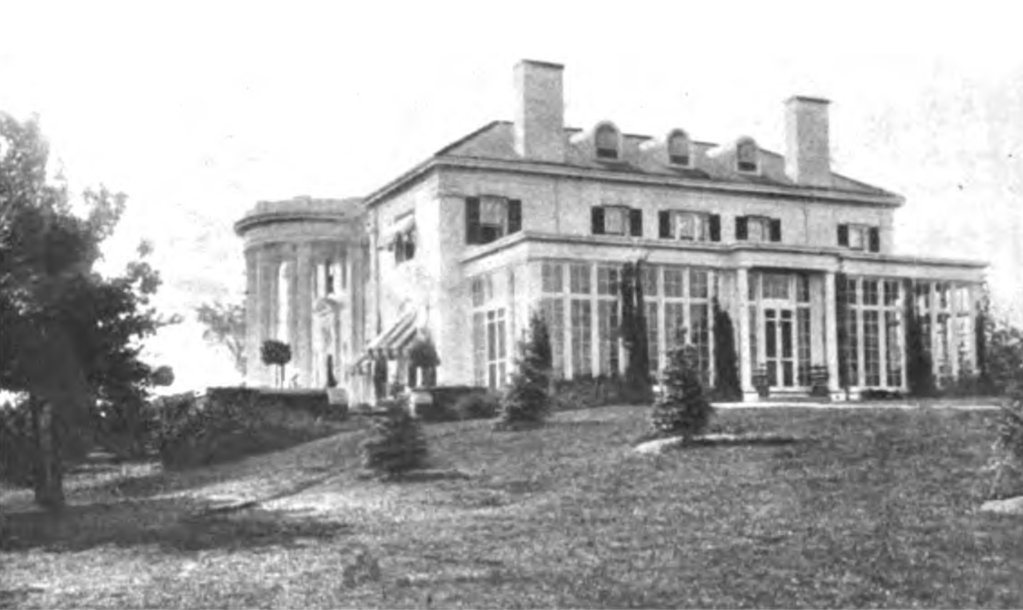
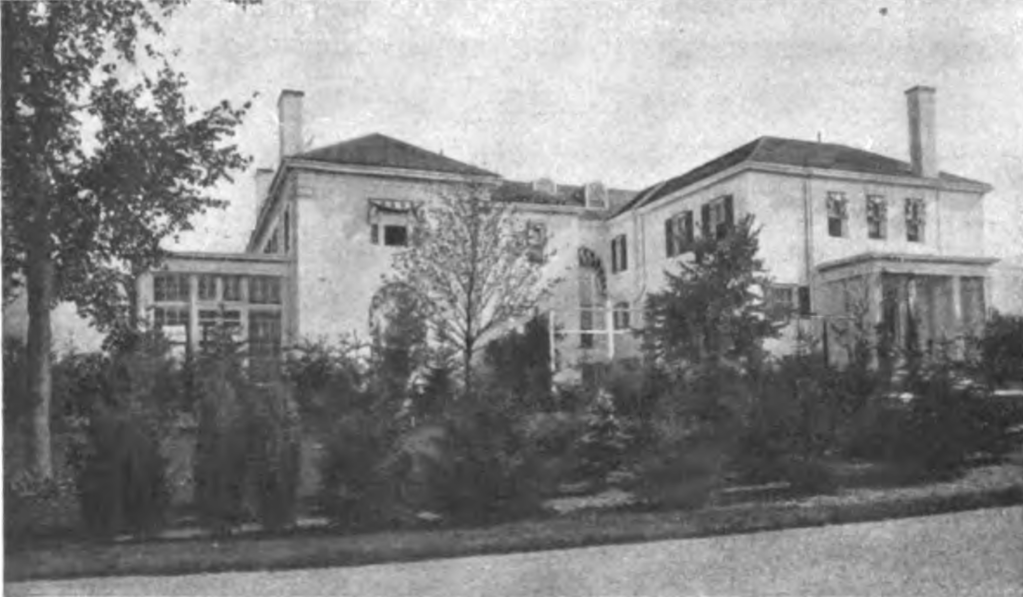
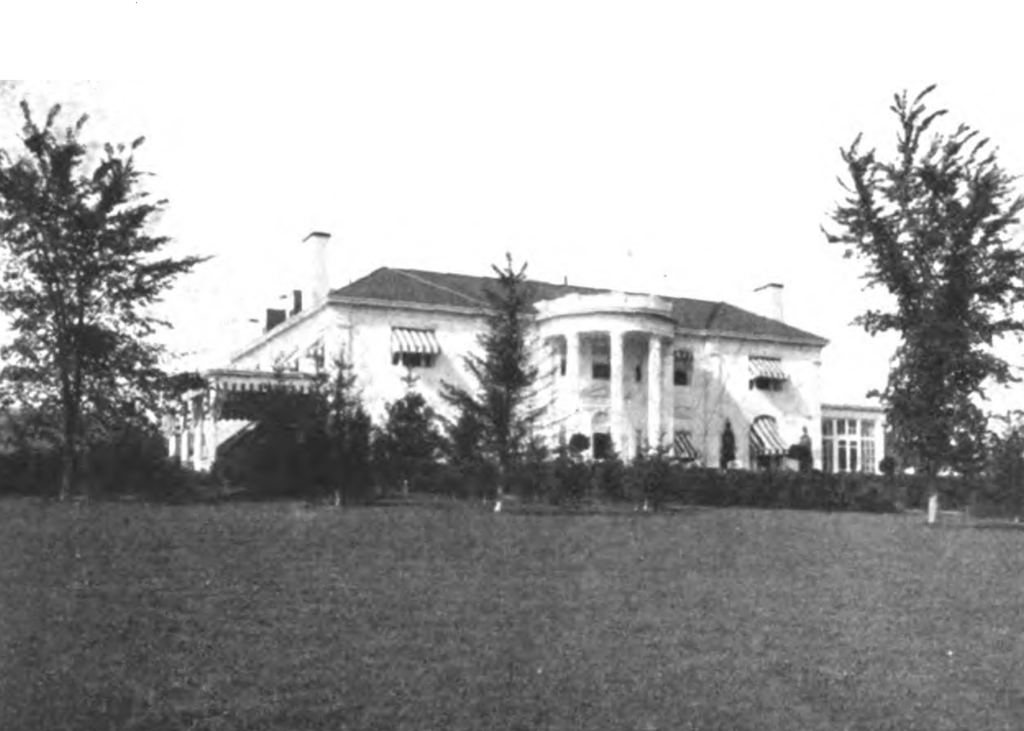
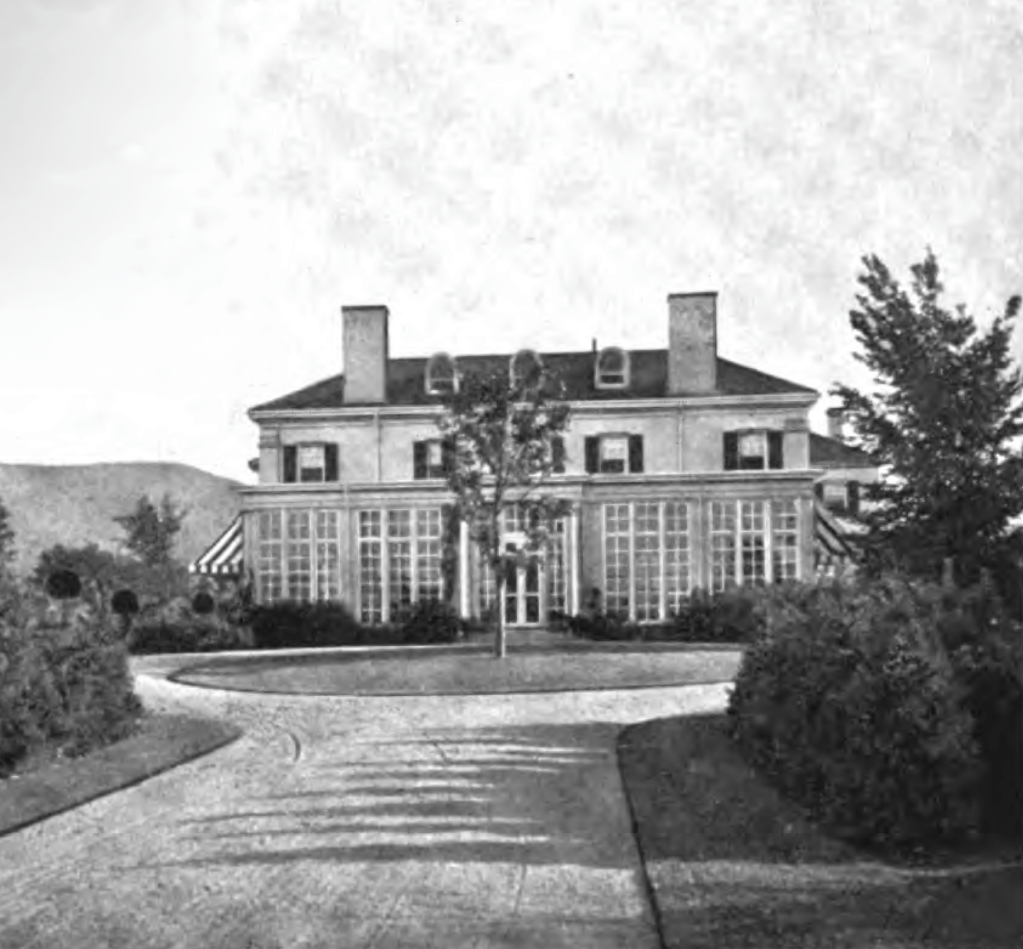
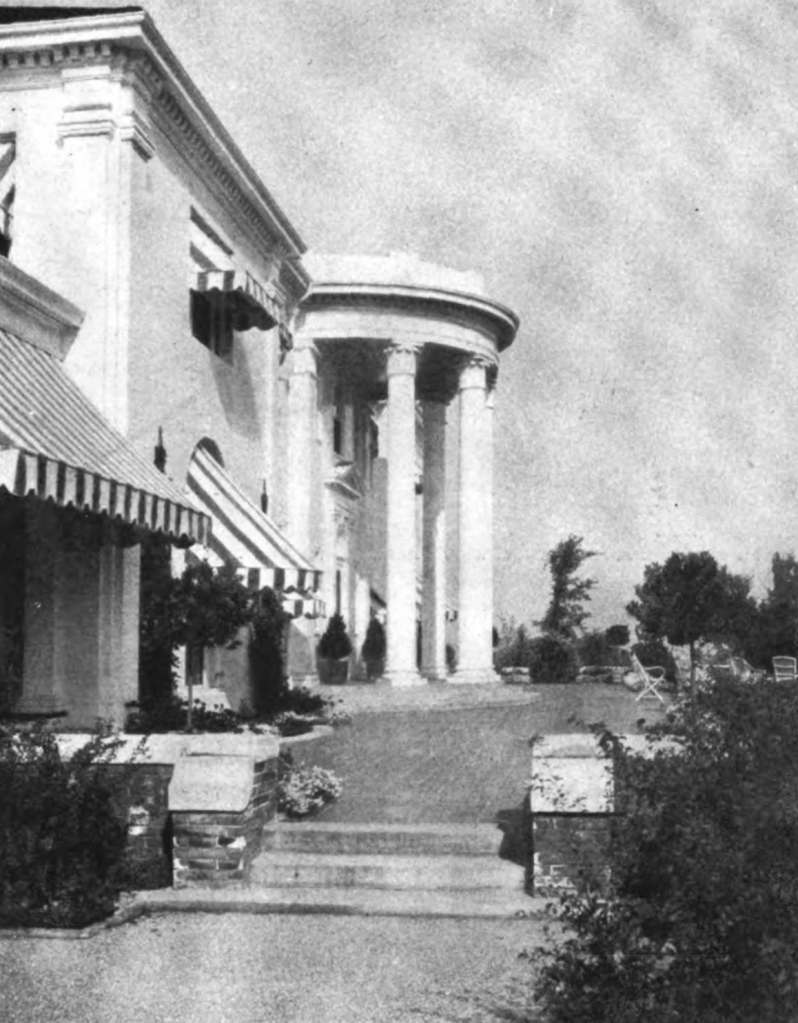
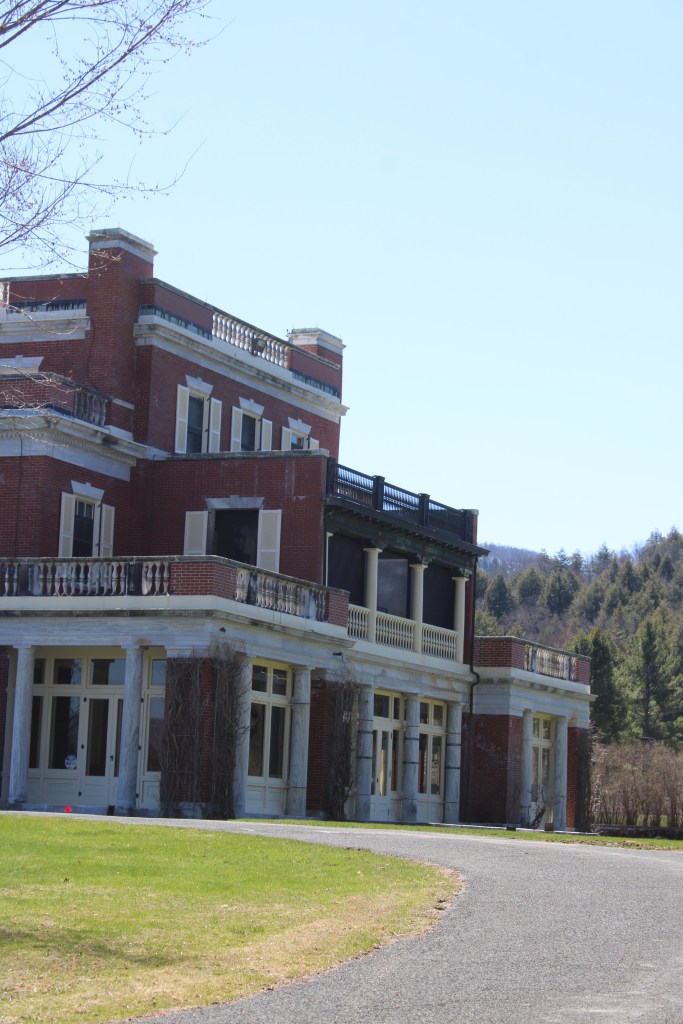
Southfields was also unique for many other reasons. For one, its westernmost side facade – lined by a glazed-in piazza containing the library and billiard room – actually served as the main entrance. While quaint when compared to the grand entrances of other Gilded Age country homes, this clever entryway led visitors to always pass by the houses front facade, deceived as they approached the true, stately entrance. On the opposite side facade, a sunroom was present in place of the packed piazza and front entrance. What it did have, though, was a large formal garden that sported many unique plantings and a lovely walk-out onto the grand mountains of the Berkshire Hills. The back facade, as you know, sported that large circular portico along with numerous striped awnings that emulated absolute opulence. Contrastingly, the front facade was more chaotic, with two bulging out wings serving their purpose of convenience rather than beauty. Even so, the four facades of Southfields were nothing short of human masterpieces.
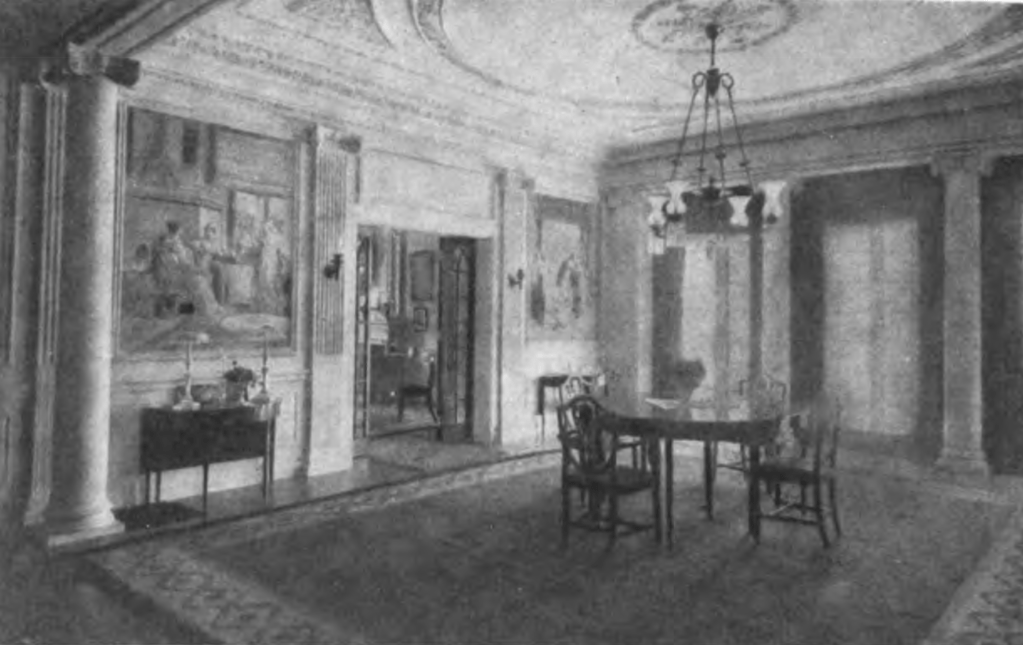
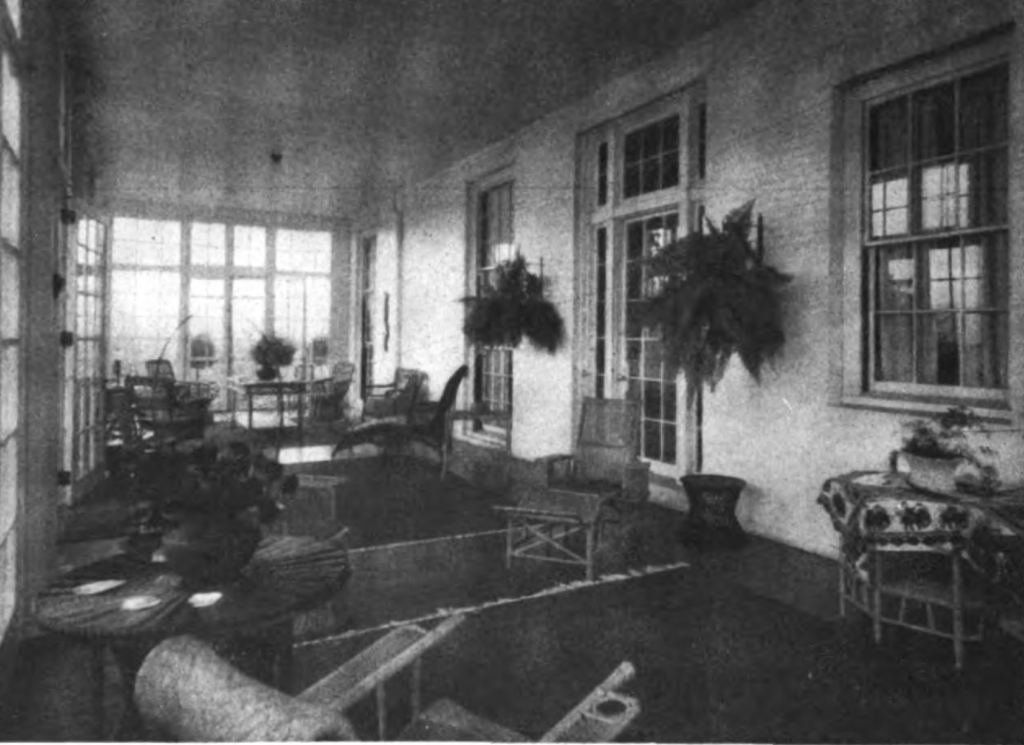
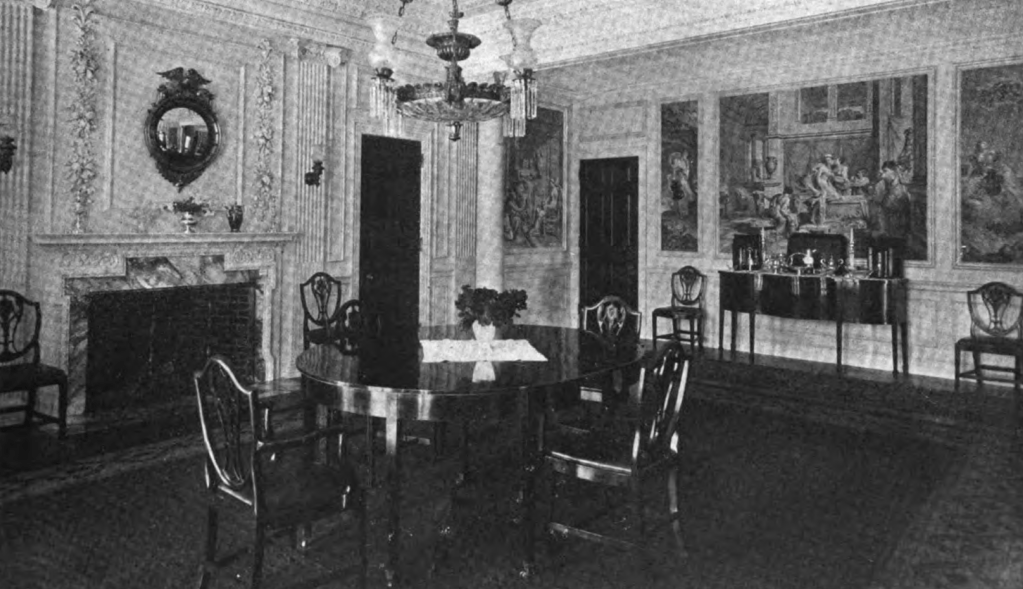
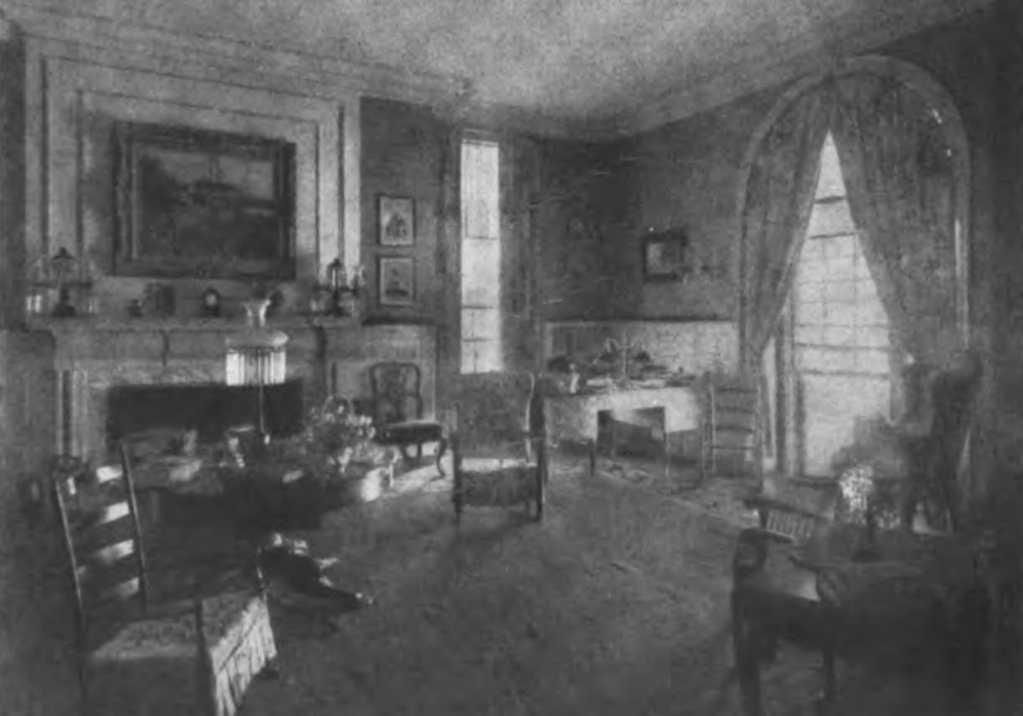
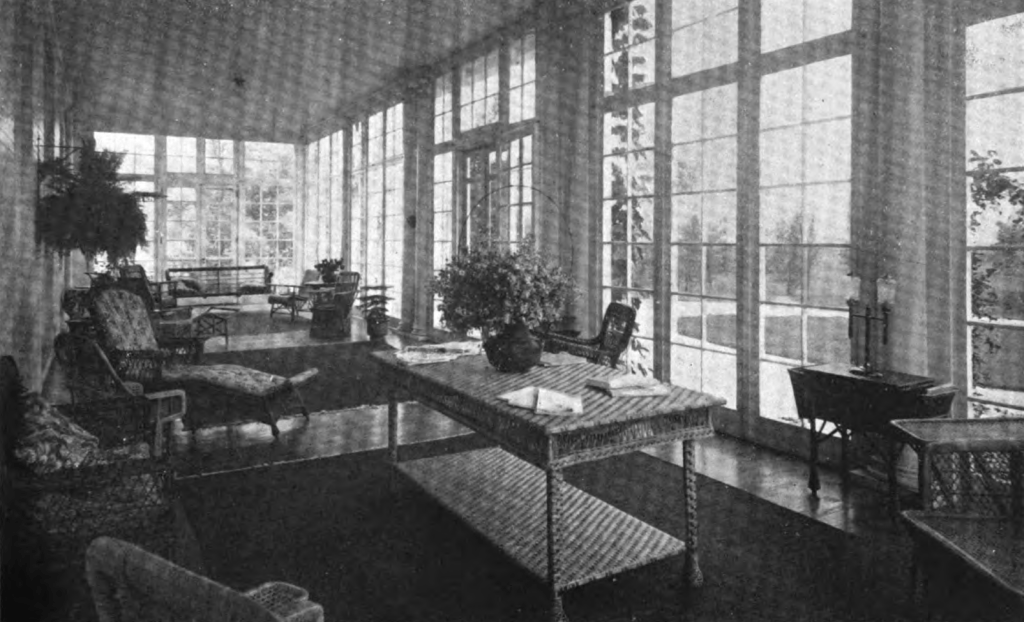
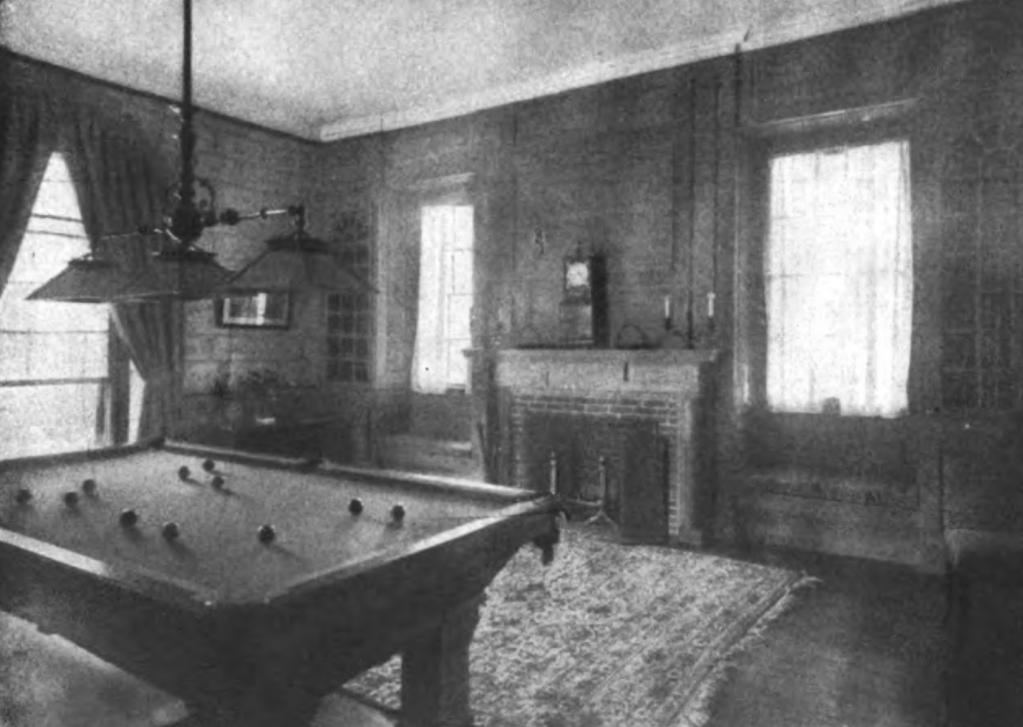
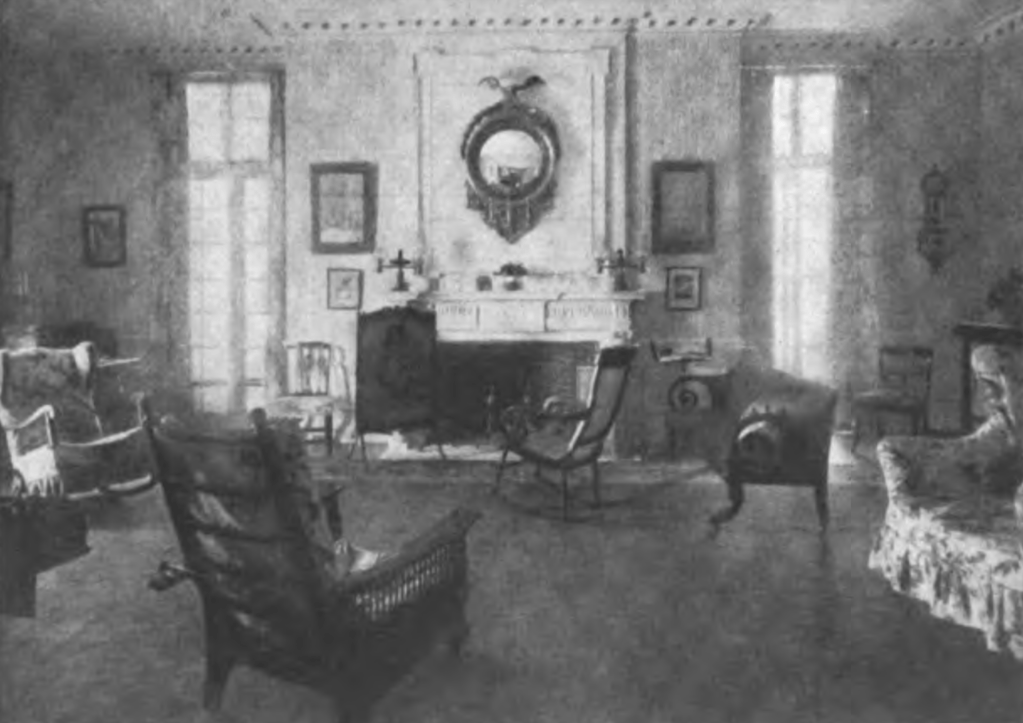
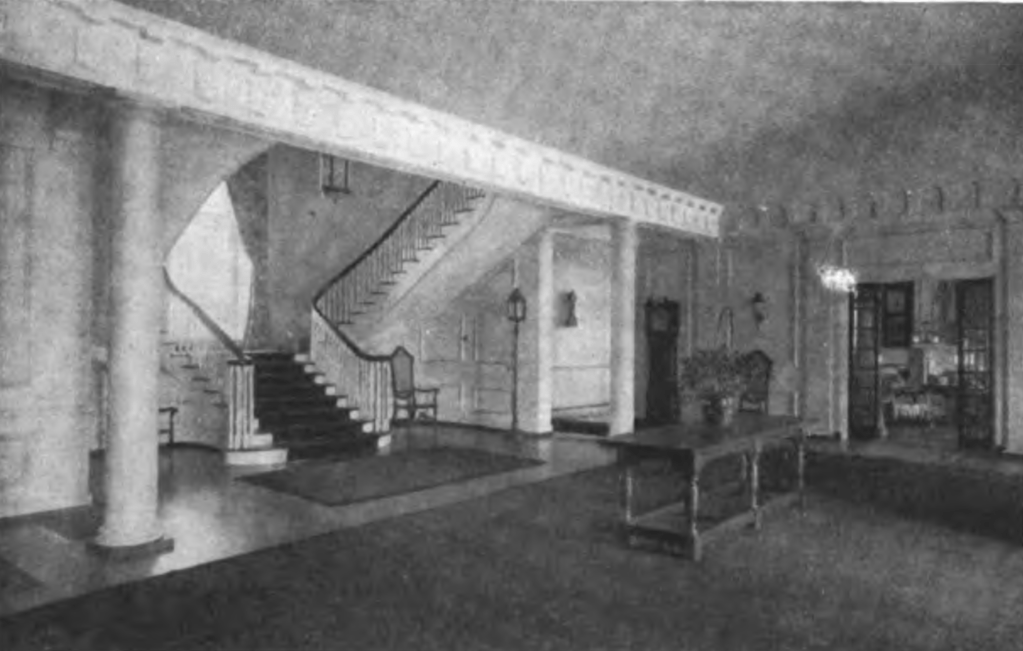
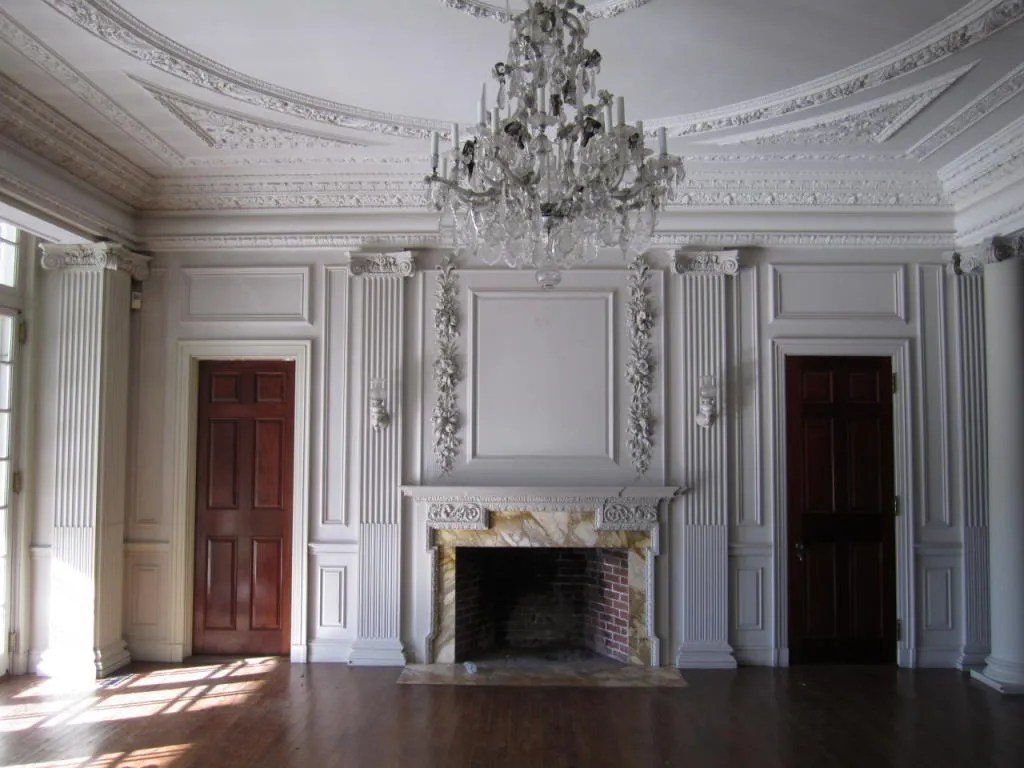
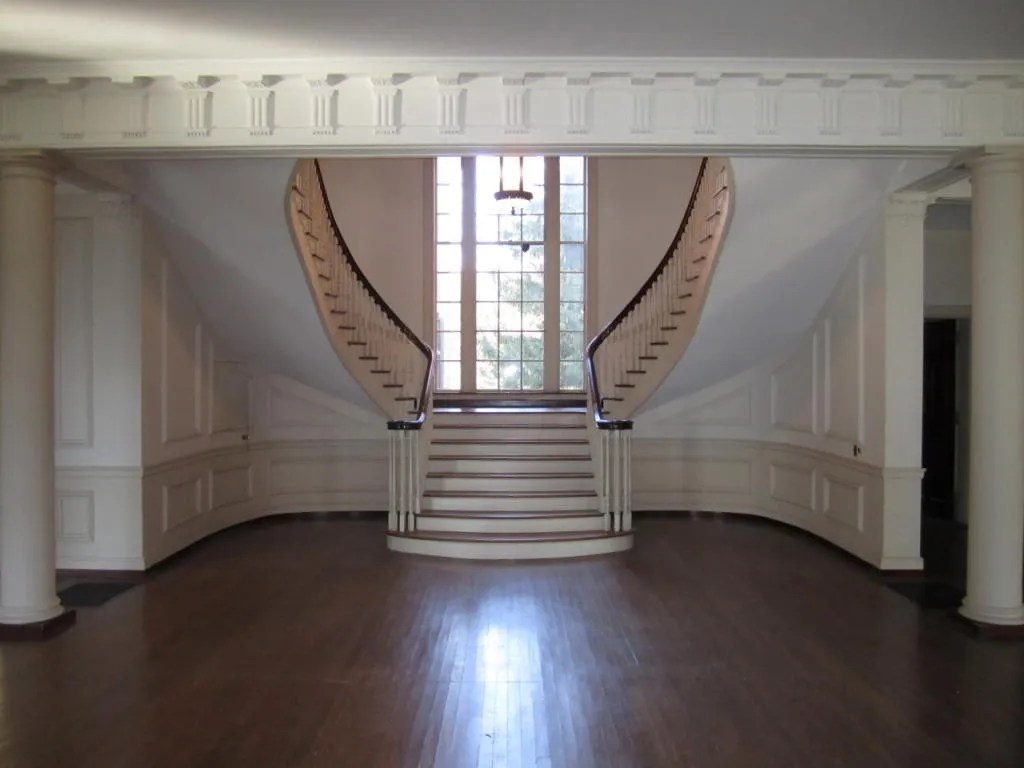
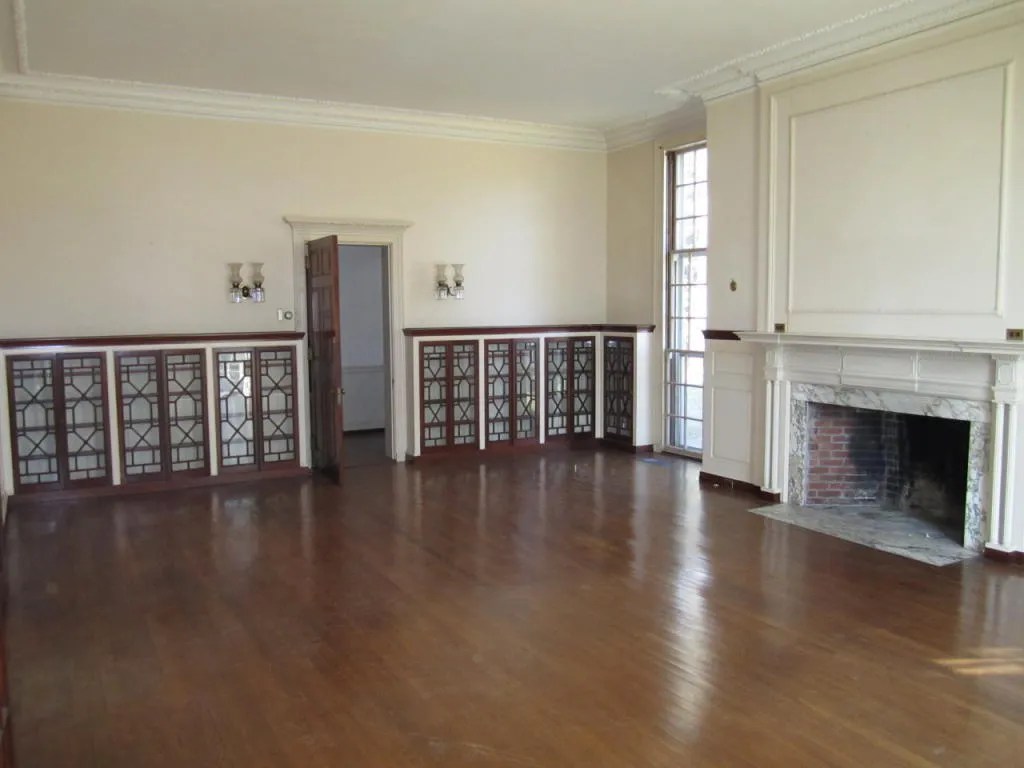
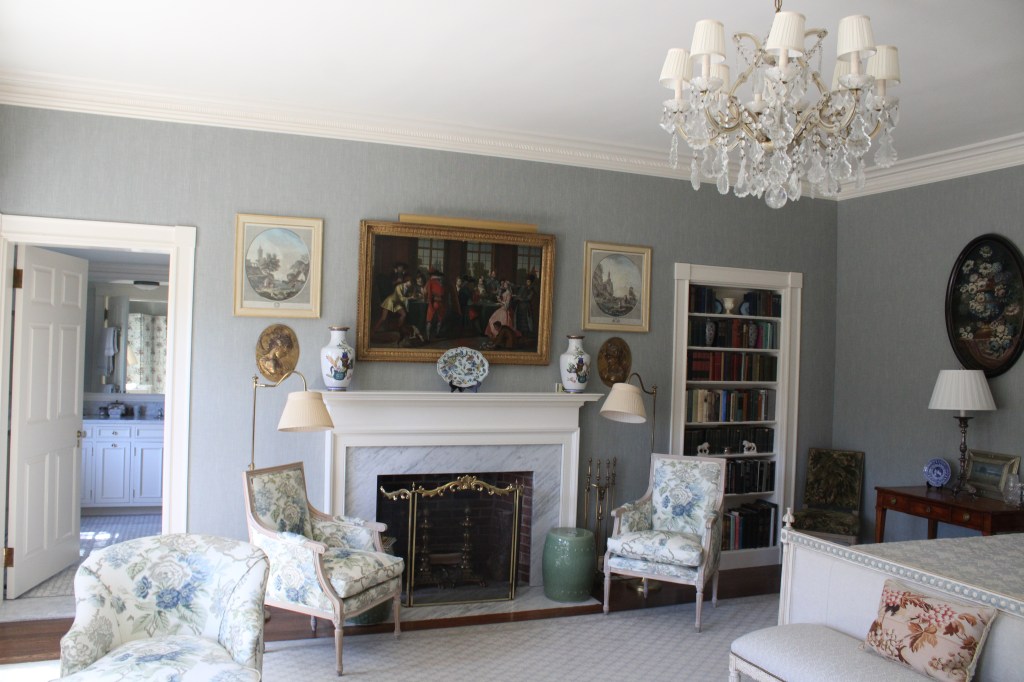
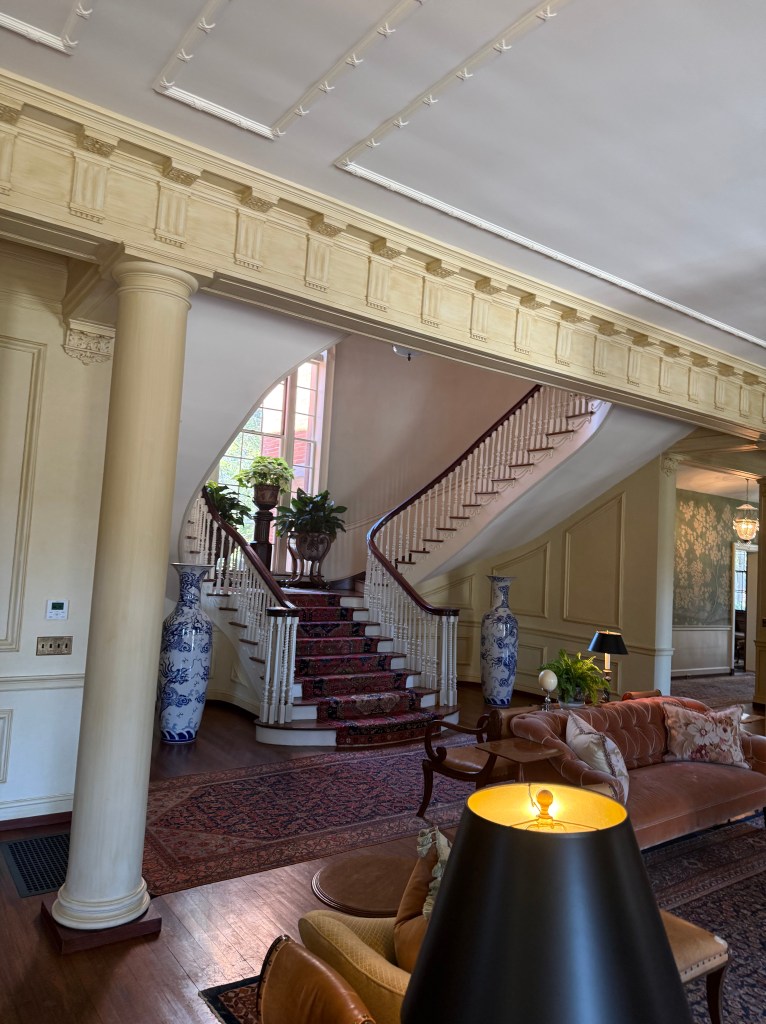
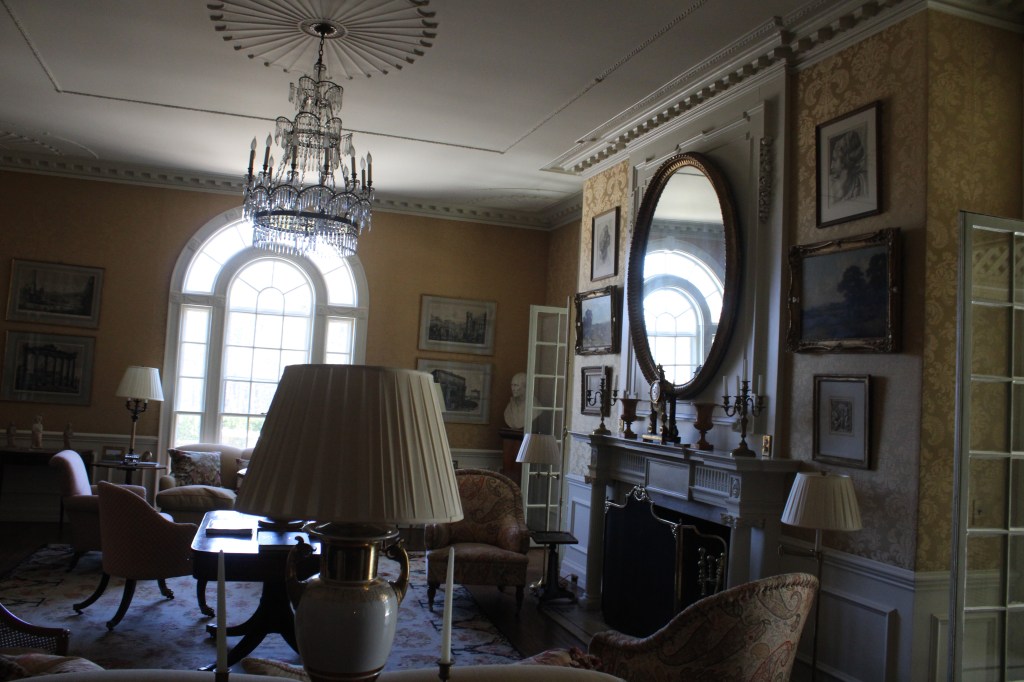
Inside of the house, the theme of grandeur was maintained. As mentioned, one would enter through the side facade into a piazza maintaining the houses library (to your left) and billiard room (to your right). Past the two, a coat and bathroom to your right would allow any visitors to brush off before they explore the magnificence that is Southfields. Once you are done putting your coat away, one can take a left and enter the central hall, which is dominated by a massive grand staircase that it nothing short of eye catching. Opposite the staircase, a back entrance could lead you outside, although I doubt you’ll be wanting to leave anytime soon. Anyways, once you pass through the hall, one can either chose to visit the Dining Room (on your far right), or Parlor( centre-left). I’d chose the Parlor, where a beautiful art collection and view of Williamstown can be observed, even on cloudy days. Through the parlor, one can reach the sunroom where, if you continue right, you can trace back into the grand Dining Room. In here, a quaint table surrounded by commanding woodwork & mantel design crowd your eyesight (in an undoubtedly pleasant manner). Interestingly, on the far wall, one may actually notice a carved out hidden door! That actually leads to the Servants wing, which bulges out the back facade. But, since we are surely of the highest order, we will continue past the secret door and back into the main hall, where one must climb the grand staircase and see the many bedrooms Southfields has to offer. Each room, you will come to learn, is of a different hue. For this reason, each guest of the mansion is to be experiencing a different atmosphere, whether that’s monochrome, baby blue, or bright red – the choice is yours. Additionally, if you’d like, one can step out onto the roof of the mansion’s two piazzas, which also serve as decks for relaxation and peacefulness. Finally, each chamber is of course equipped with a personal bathroom, so you are ensure privacy. Now, having seen the house, one can walk back downstairs (not without being served a drink by the servants which have another sneaky door directly onto the top floor) and out into the gardens of Southfields.
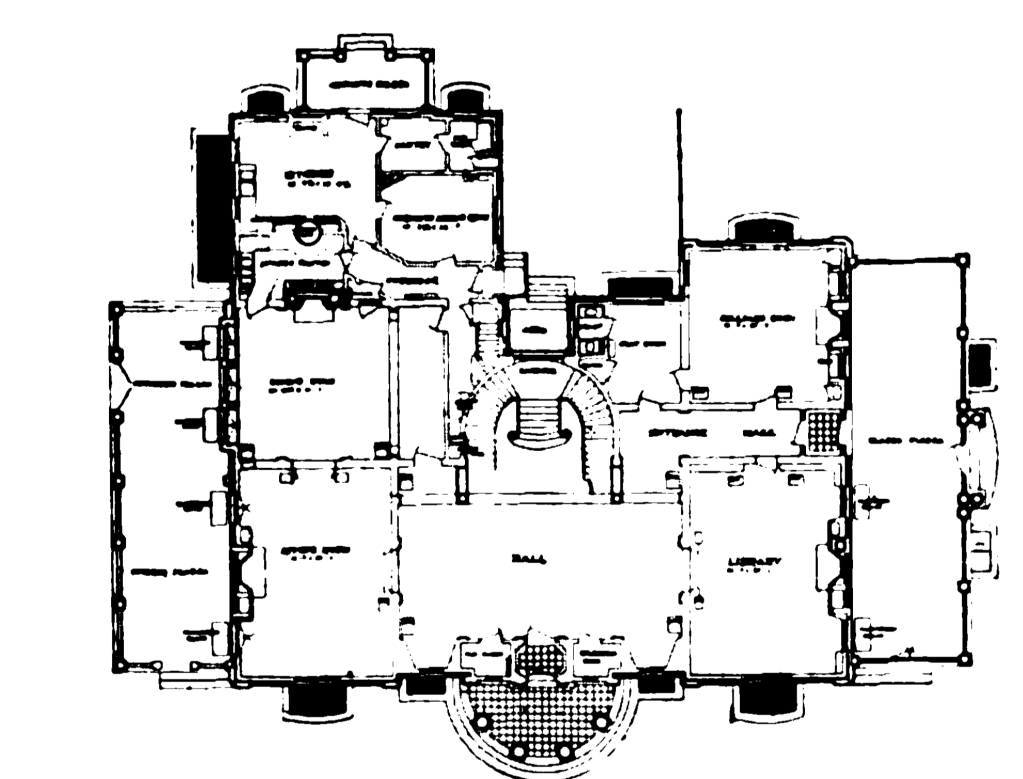
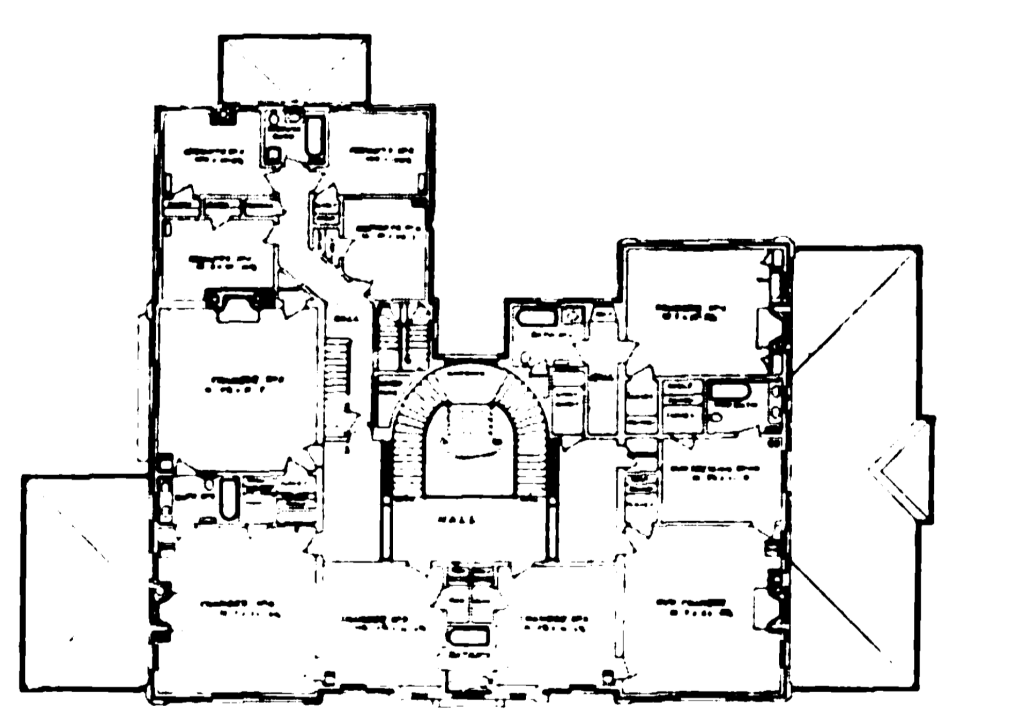
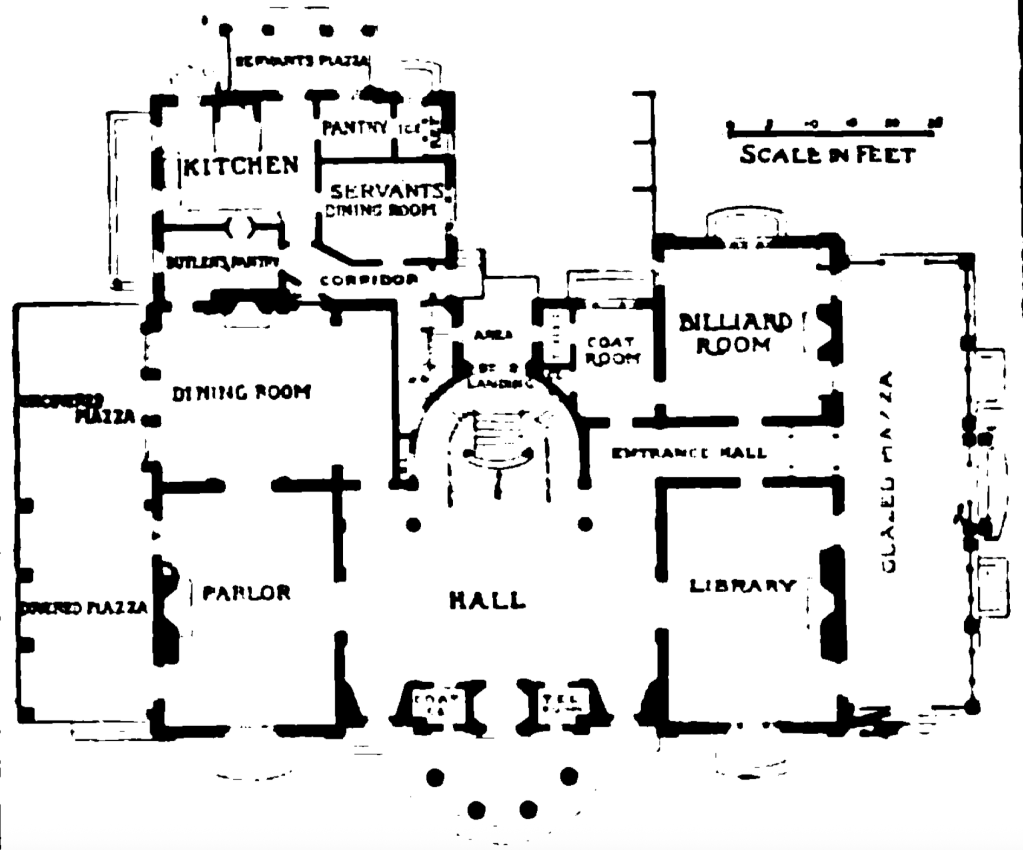
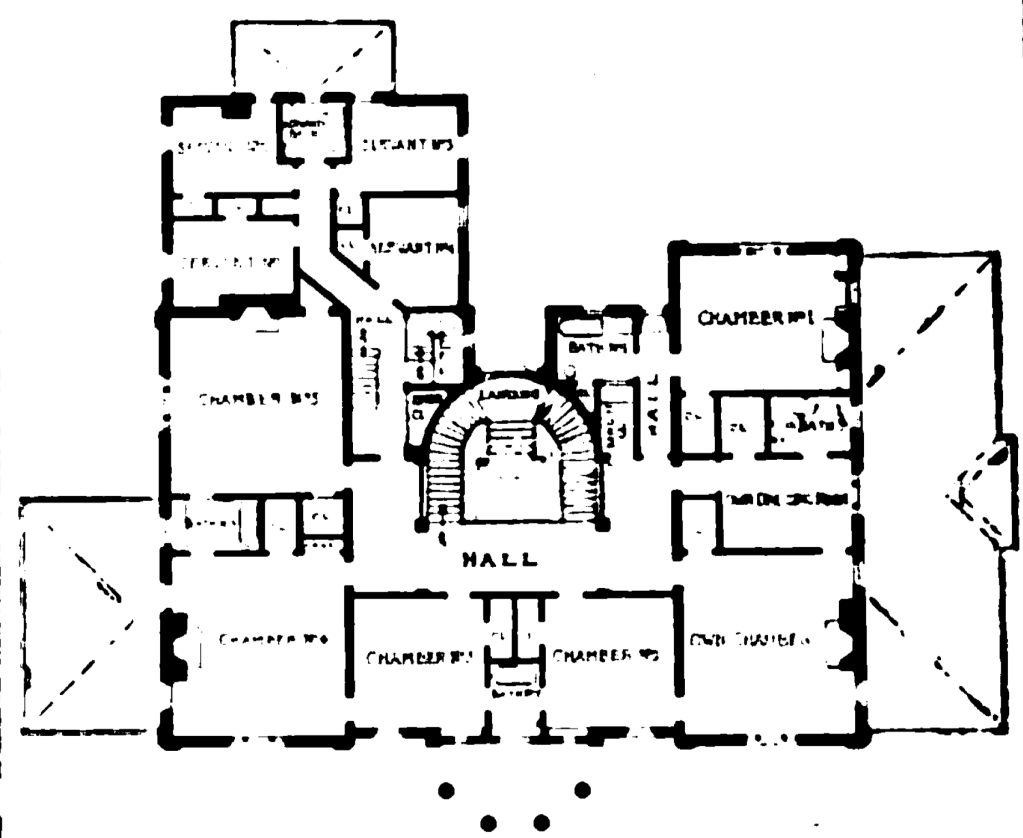
And so, you have completed your tour of Southfields. Now, I haven’t even gotten close to truly visualizing how fantastic this mansion is – that is something my pictures will have to do. But, I hope this helped!
Nonetheless, when Southfields was completed in that fateful year of 1906, it was an instant landmark for the local area. Within just 5 years, the mansion was detailed in newspapers and magazines far and wide; Wirh big names like Country Life to House & Garden writing page spreads on the mansion, Southfields certainly was a global icon by the early 1910s. Its owners, Mr & Mrs Robert Cluett, were also becoming local socialites in this era. Mr Cluett’s business succeeded widely throughout the 1910s & 1920s, and Mrs. Cluett was making a name for herself a hostess. However, grand galas were just a part of the legacy that Mrs. Cluett left on Williamstown. She was, rather famously, part of the 1914 church remodeling for the c. 1869 Williamstown Meetinghouse (a grand structure still extant in town today).
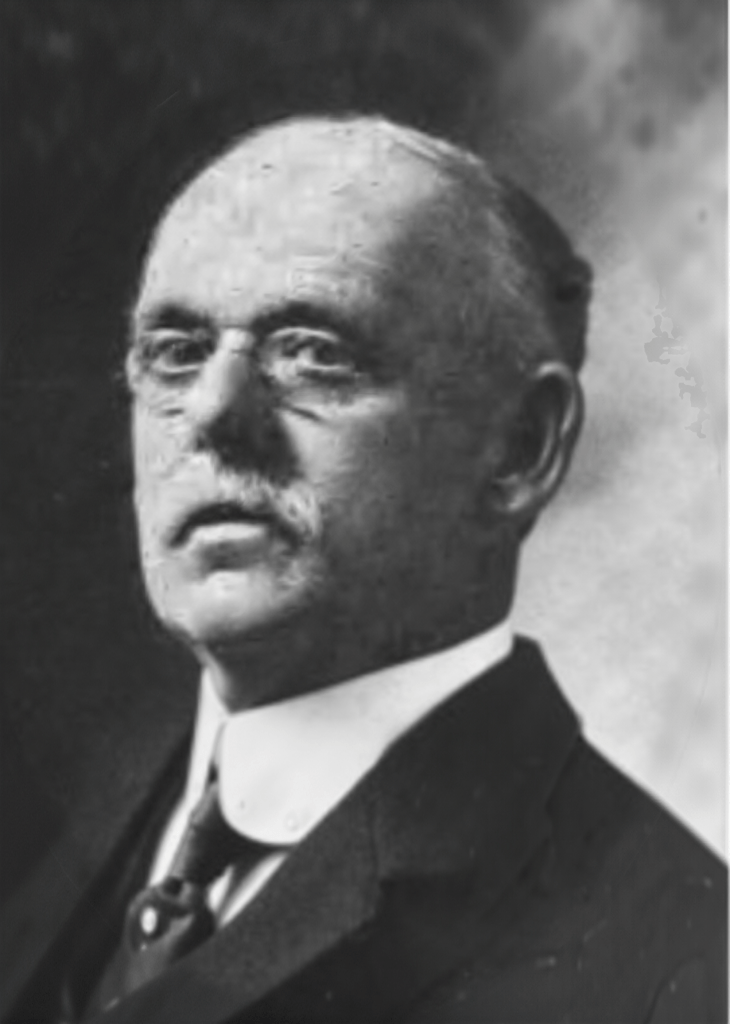
Unfortunately, this unique project would end up being Mrs. Cluett’s last. On April 30, 1916, Elizabeth Matchesi Cluett passed away whilst residing at Southfields after a months-long illness. She was 69 years old, and her husband would soon take over the property she once loved. From then on, Southfields saw much less visitors than it had at any point before. Aside from occasional sightings by his children, Mr. Cluett was often at his Williamstown estate alone. In time, he too would pass along, leaving this world in the summer of 1927. Intriguingly, though, Mr. Robert Cluett did not pass away at Southfields, let alone Williamstown. In fact, he wasn’t even in the northeast. That is because, two years before his November 1927 passing, Mr. Cluett sold Southfields.
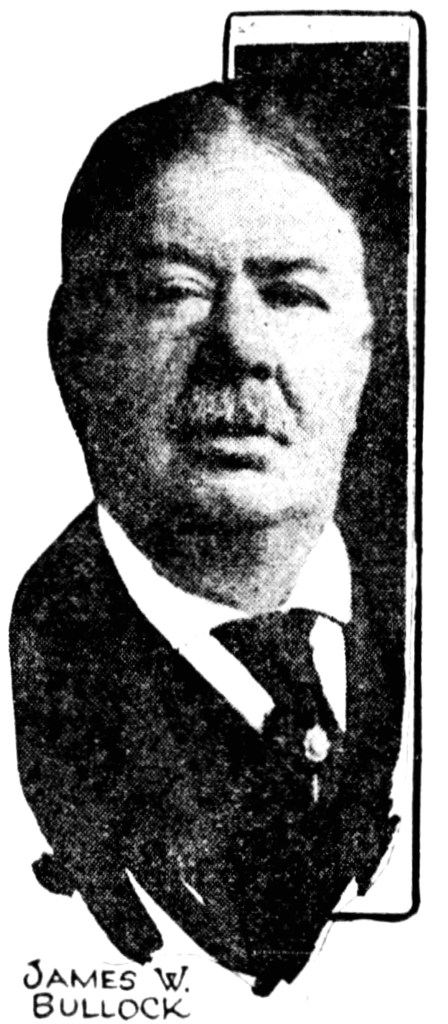
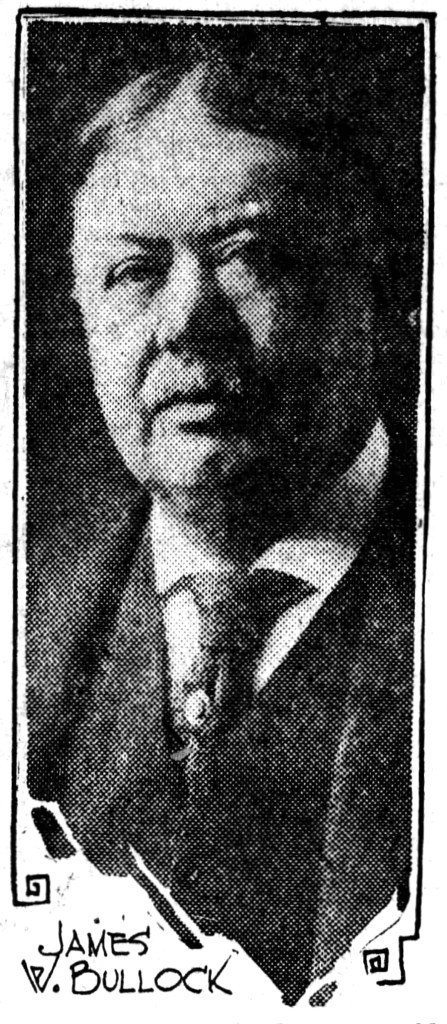
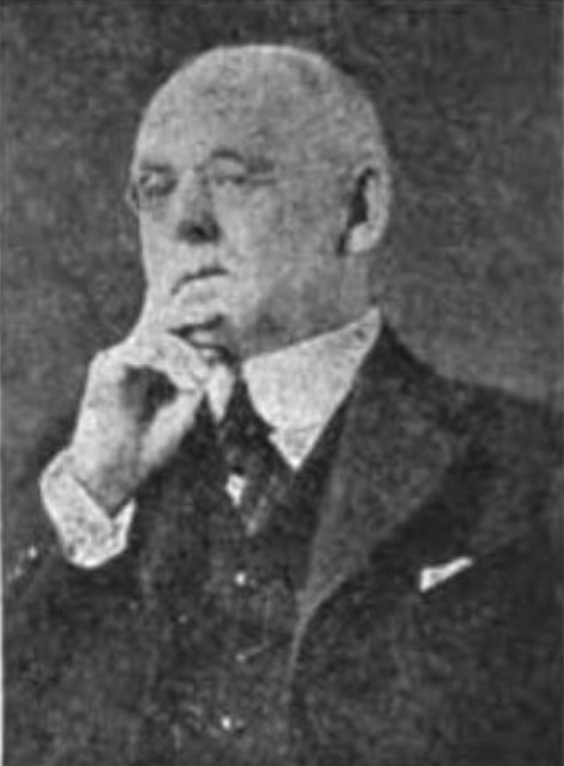
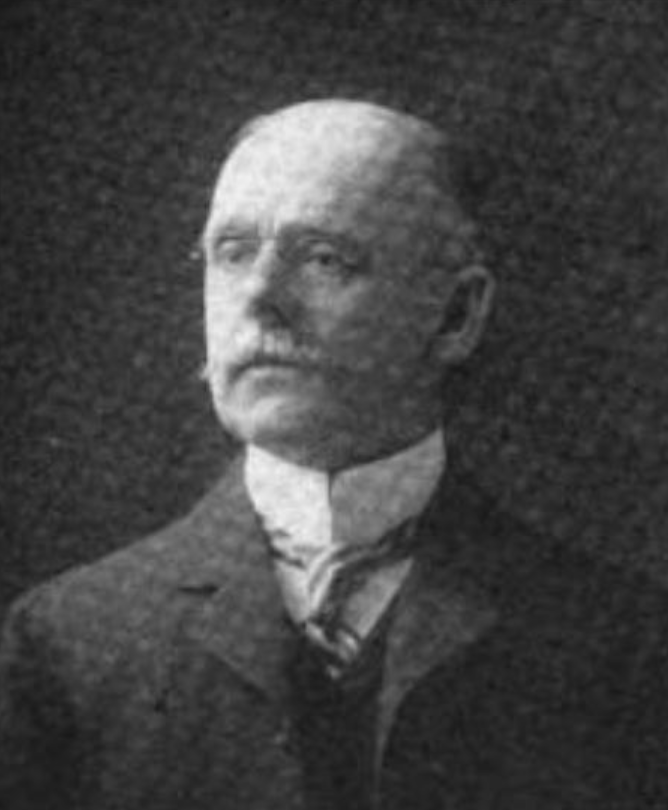
It was June 3rd, 1925 when Southfields’ sale was announced. At the time, the property was around 20 acres (with the estate’s other 10 being given to Mr. Cluett’s children) and contained the main house, a gardeners house, green house, and other outbuildings. In sum, Southfields was in “excellent condition,” and its buyer was in for a treat. Now, the man who ended up purchasing the old Cluett estate that summer afternoon was none other than James W. Bullock of Cincinnati, Ohio. Mr. Bullock, with his wife, payed an undisclosed amount for the lustrous mansion and grounds, although one can imagine it was not cheap. Nevertheless, the two would soon move into Southfields, renaming it “Yeadon Manor” after the mansion of George Bullock, James’ brother By the summer of 1925, Mr & Mrs Bullock were more than just “well adjusted” to Yeadon Manor; the two fit in perfectly. Unfortunately, though, Mr. Bullock himself would not last long at Yeadon Manor. On May 9, 1928, James Wilson Bullock would suddenly pass away at the age of 71. He was remembered locally for numerous reasons, especially his involvement with the old Greylock Hotel in Williamstown (which closed in 1937). Back in Cincinnati, Bullock was also known for his successful investment business. Overall, when Mr. Bullock passed in 1928, it was a saddening loss. And so, many wondered what exactly would happen to his well-known Williamstown mansion. Well, for the next eight years, Yeadon Manor would stay in the Bullock family. Particularly, it was Mrs. Margaret McCredie Bullock who occupied the mansion from 1928 until her 1936 death. Past this point, however, it appears as though no relatives of the Bullock family would step foot on the grounds of Yeadon Manor again. While I’m unsure why exactly Yeadon Manor became vacant during this era, I can say that by the late 1930s its said that the house was cleared of its contents and placed on the market.
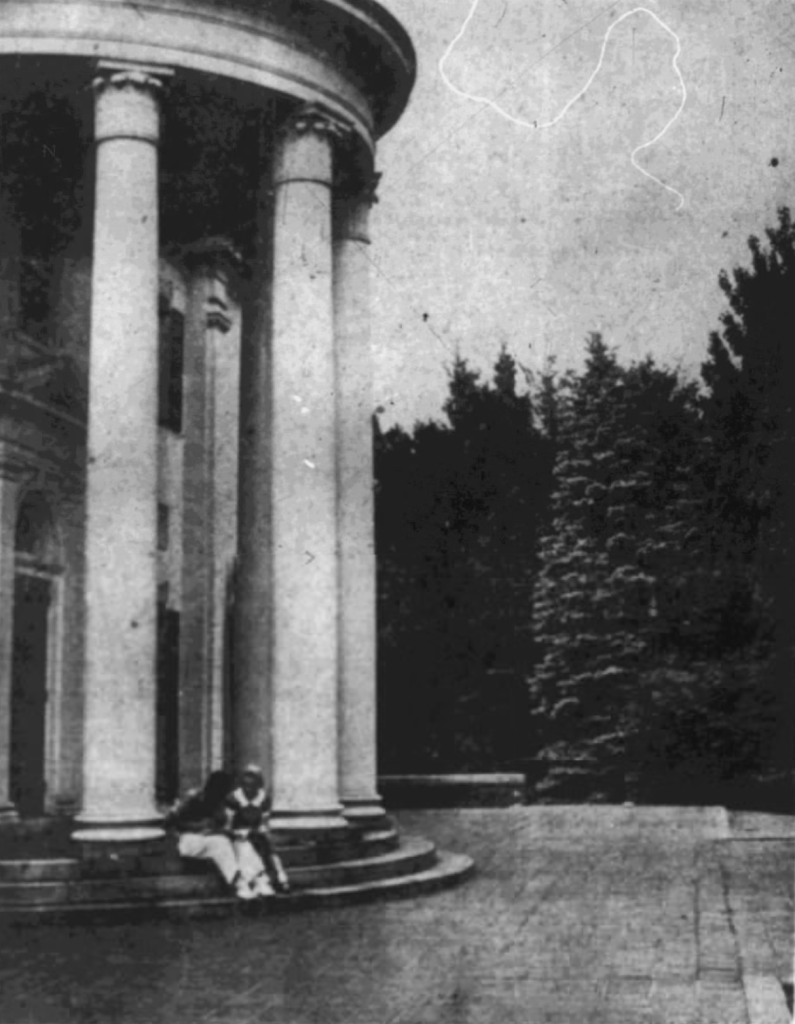
Luckily for the mansion, and its magnificent grounds, this period of vacancy was temporary. In early 1939, Yeadon Manor was purchased by the Pine Cobble School, an educational staple in the local area. Previously, the private middle school had operated in two other Williamstown estates, and was preparing to move into Yeadon Manor throughout the summer months of 39’. That September, the new school opened, and the 22-room mansion (reimagined as a sprawling country day and boarding school campus) was enjoyed by many students of various backgrounds. The following year, as students prepared for their next year at Yeadon Manor, the Pine Cobble School would abruptly close their Yeadon Manor campus. This came as a shock to many, as the new campus was well received by enrolled students and the school itself was loved widely. Thankfully, Pine Cobble soon came out and said they were returning with a new campus, the nearby George Cluett estate (which was built by Robert’s son back in 1923). While students were relatively pleased with this news, Pine Cobble was still leaving Yeadon Manor without any occupants. So, what was next for this estate? Would it once more be left vacant? Sadly, the answer seems to have been yes. For around 14 months, Yeadon Manor was yet again left empty.
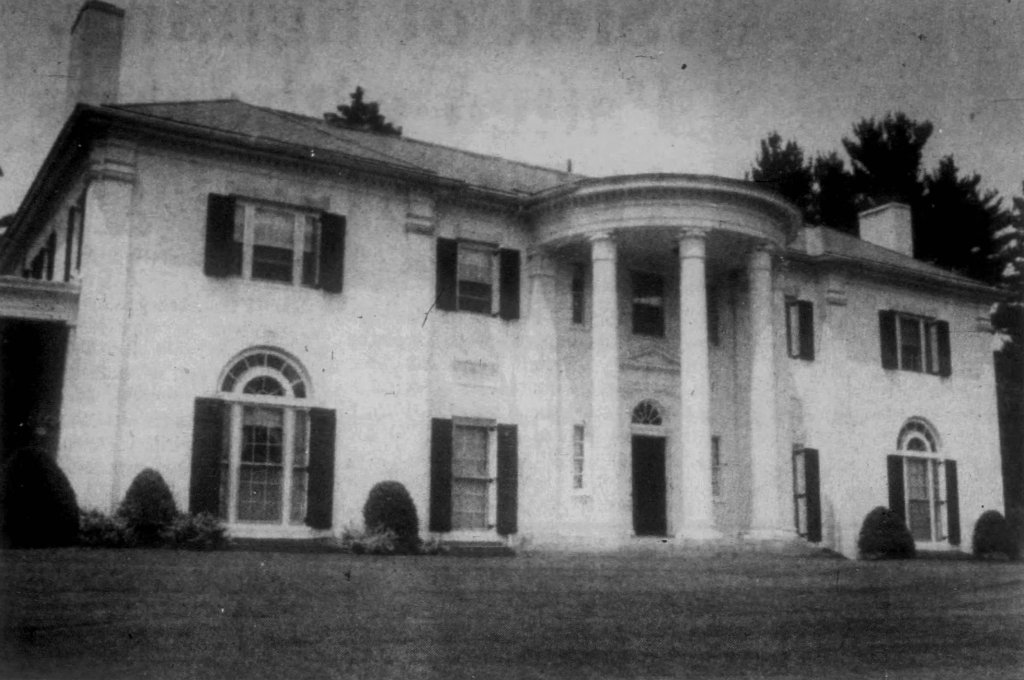
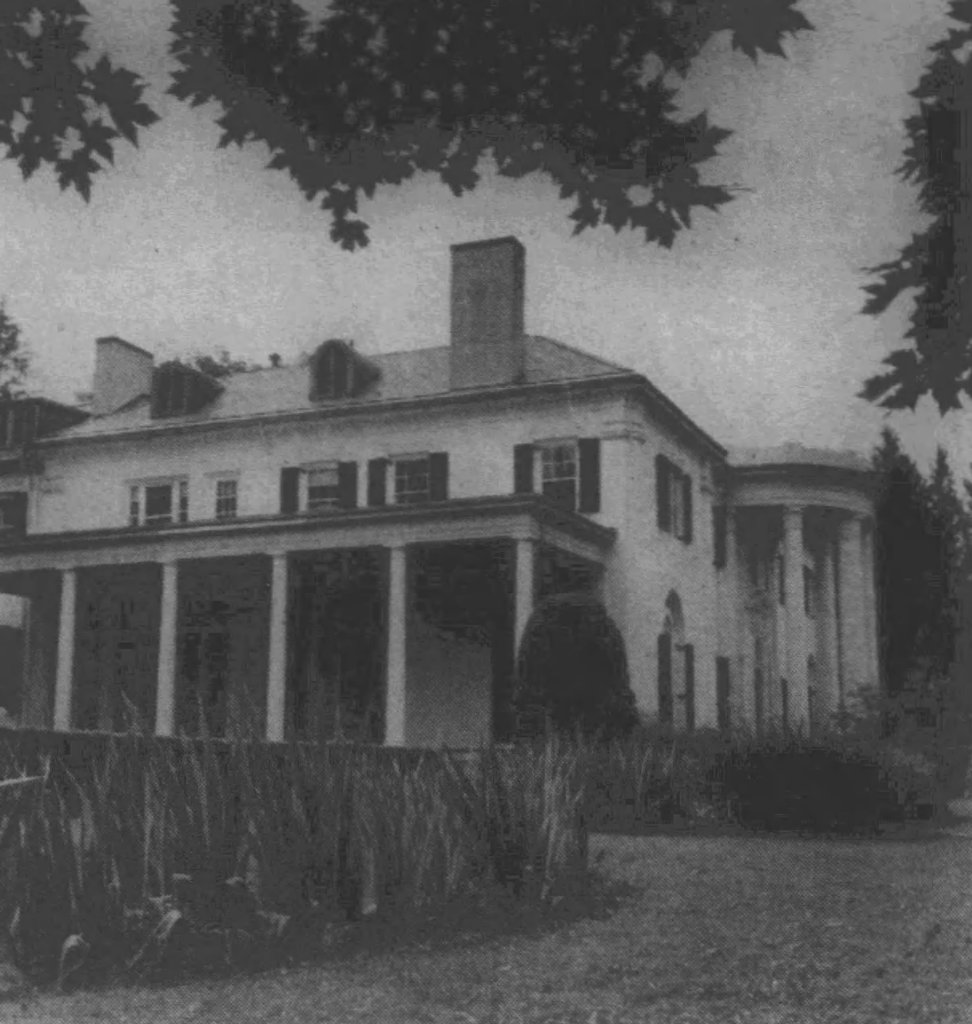
Only in September 1941 did a new owner come along and buy Yeadon Manor. His name was Horace L Mayer, and he was a retired businessman coming all the way from New York City. Mr. Mayer purchased the property, now just twelve acres, from former Pine Cobble School owner Thomas B. Walsh on September 23rd, and moved in just a month later with his wife. They would end up living at Yeadon Manor for numerous years, leasing pieces of the mansion out throughout the 1940s, 50s, and early 60s. At the end of the day, though, Yeadon Manor was the perfect summer home for Mr & Mrs Horace Mayer. In time – February of 1968, to be exact – Mr. Mayer would pass away in Monte Carlo France. Presumably, this did not halt Mrs. Mayer’s time summering at Yeadon Manor, as she was said to have resided at the estate for an additional 3 decades. In June of 1989, Mrs. Florence E Crotty Mayer passed away at the age of 97 and much of her antique collection was auctioned off shortly thereafter. Furthermore, In accordance with her will, Mrs. Mayer’s Williamstown estate (now informally titled “The Cluett Mansion”) was reportedly given to the Massachusetts General Hospital. The hospital was an establishment that Mrs. Mayer was said to have loved dearly. Initially, it appears as though the Hospital planned to repurpose the mansion as a conference center, although when costs were realized the following year they made the decision to sell.
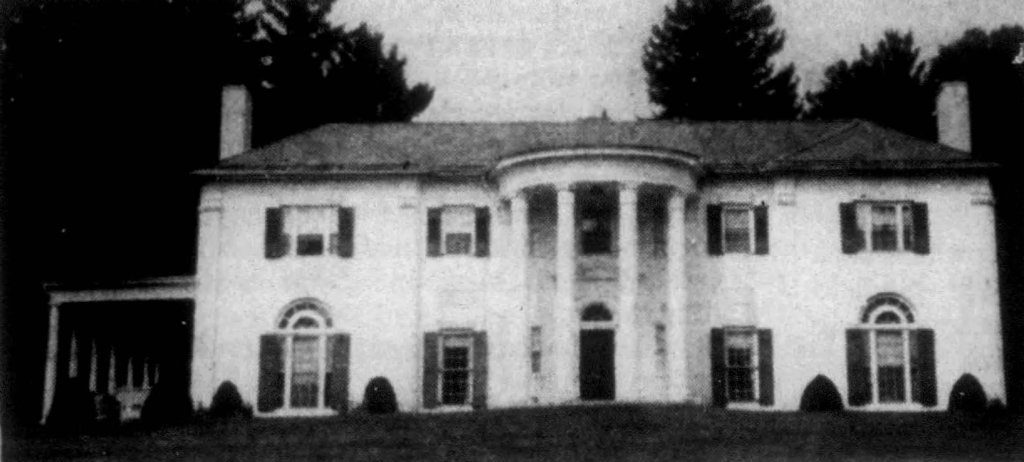
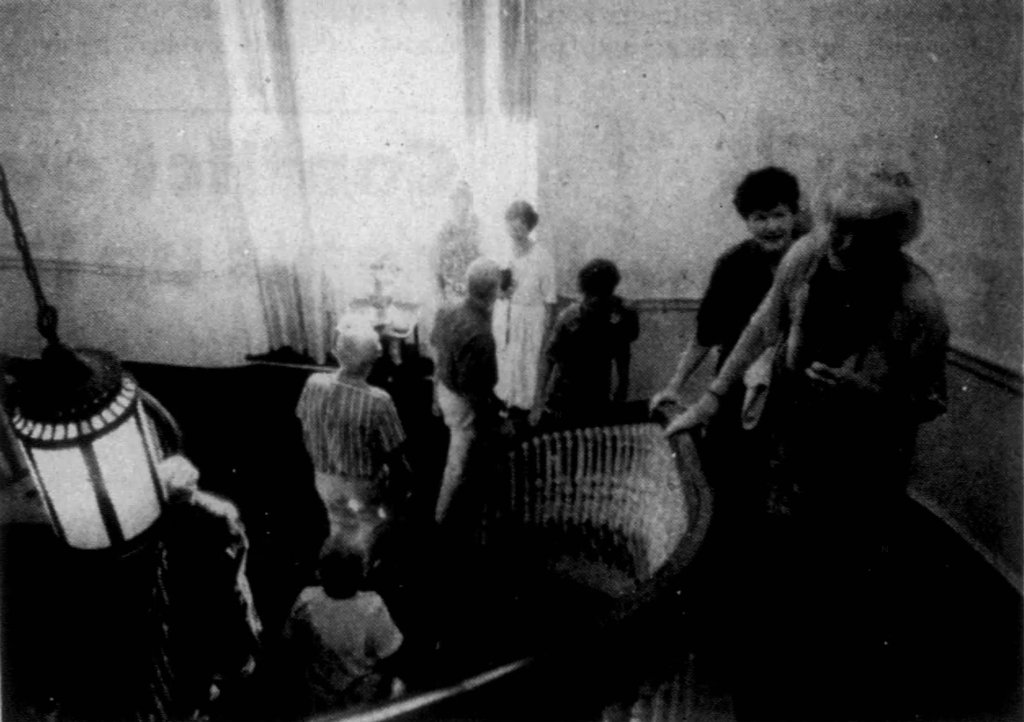
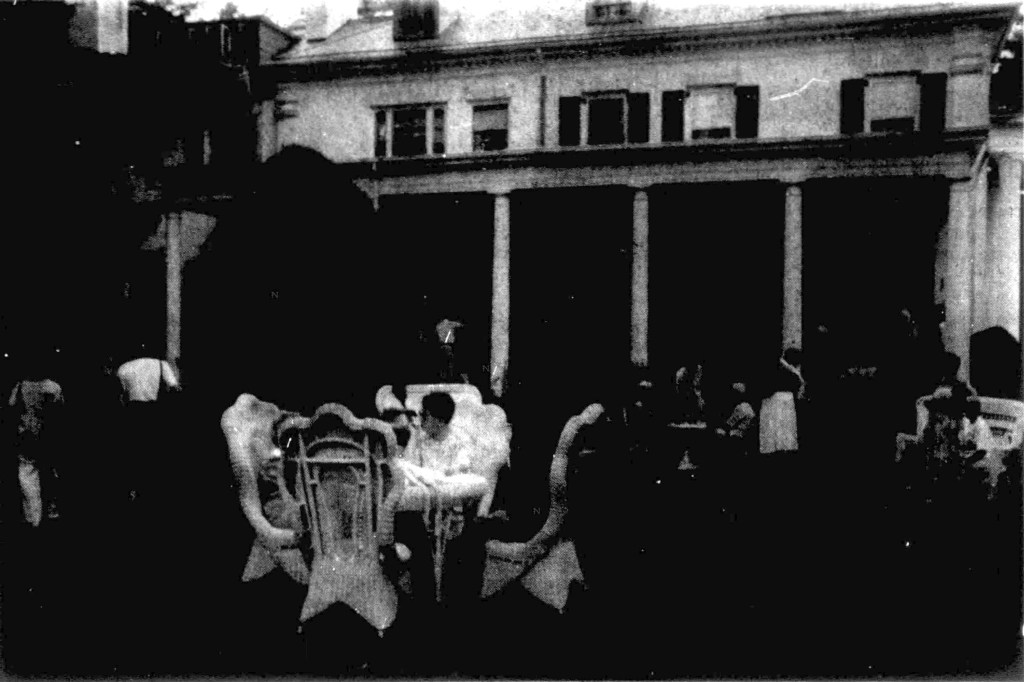
The old Cluett Mansion was sold to Sanford and Marci Plumb for approximately $1.1 Million. Marcia was a professional decorator and Sanford was an antique shop owner – two jobs perfect for a gilded age mansion, may I say. And so, in June of 1991, Mr & Mrs Plumb eagerly moved in to their new mansion, furnishing it and decorating it before they were even allowed to stay the night. By the Fourth of July in 1991, they had comfortably spent their first days at home, marking the beginning of a beloved era for the former Cluett Mansion – now renamed “Plumb Tree Manor.” Three years later, Plumb Tree Manor was opened to the public through a special tour on behalf of the Berkshire Unit of the American Cancer Society. Tickets cost around $10 and it’s been long understood that this was the first and only time Plumb Tree Manor saw the public eye! Attendees reported rave views of the Georgian mansion, and extensive funding was successfully raised.
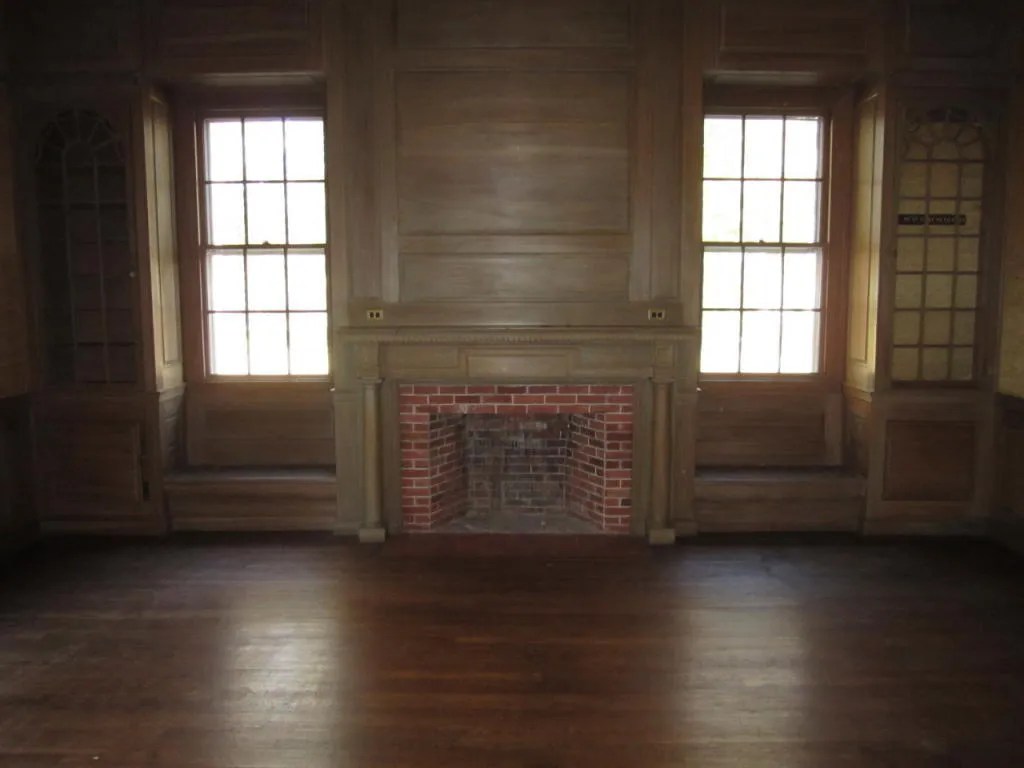
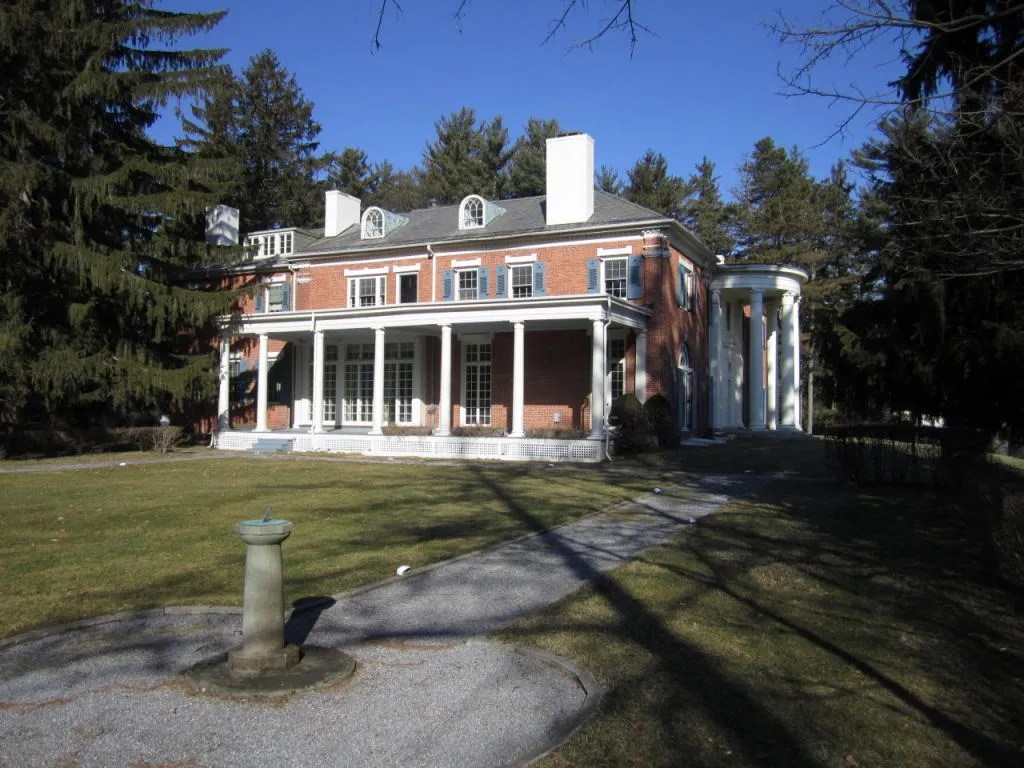
This would, as far I’m aware, be one of the last times Plumb Tree Manor was mentioned in any public news release. That is excluding one mention in a saddening 2008 Berkshire Eagle obituary. According to this piece, Mr. Sanford Plumb of Plumb Tree Manor had passed away at the age of 60. Obviously, this was devastating to the Berkshire area, where Sanford had left a major legacy with his aforementioned antique shop and the “Holiday Inn,” which he ran in nearby North Adams. While I can’t say much about the fate of Mr. Adams’ various local establishments, I can say that after his February 2008 passing, Plumb Tree Manor was given to Mrs. Marcia Plumb. Unfortunately, while I do know she legally owned the property beyond this point, I have been unable to confirm if she ever visited the place again. All I really know is that, in February 2014, a vacant, ruinous rendition of Plumb Tree Manor was placed for sale once more. Listed by Greylock Realty, Plumb Tree Manor was on the market for a total of three months before it was sold.
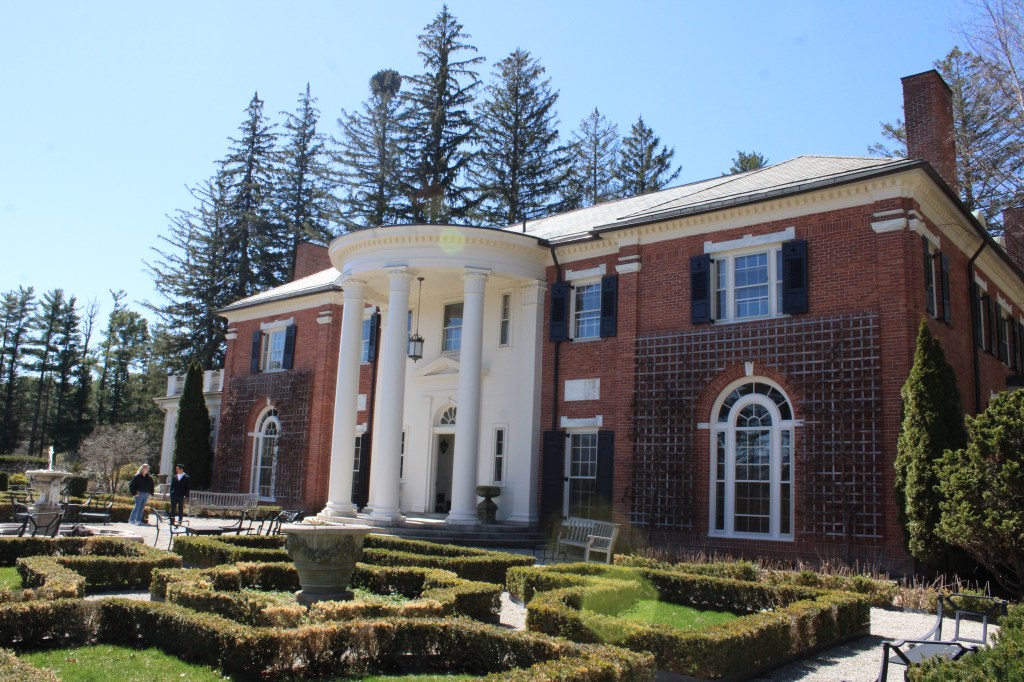
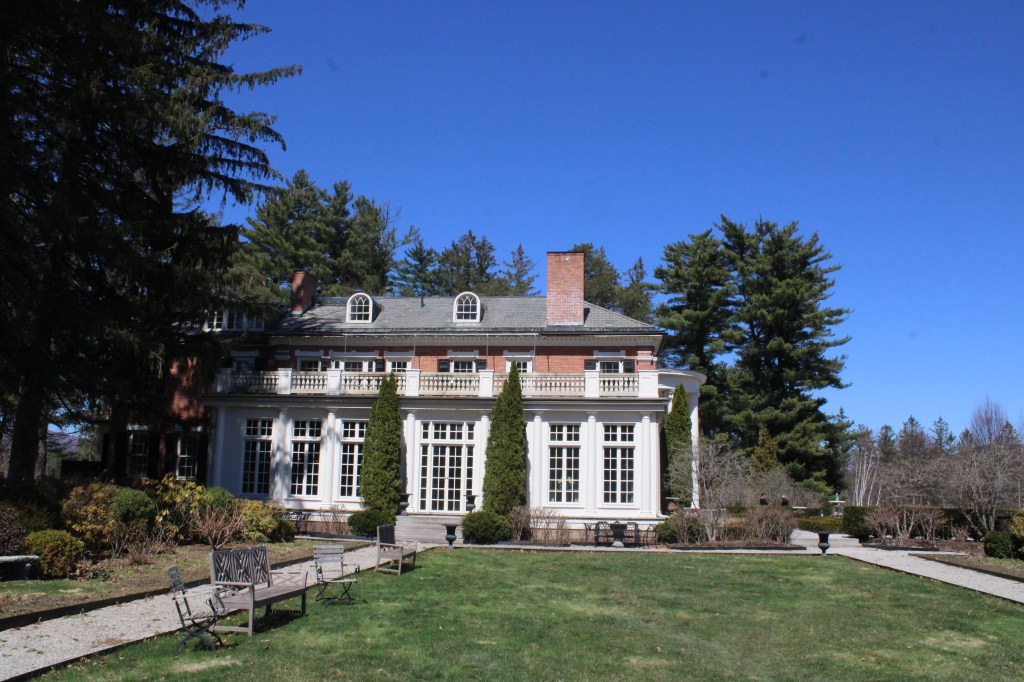
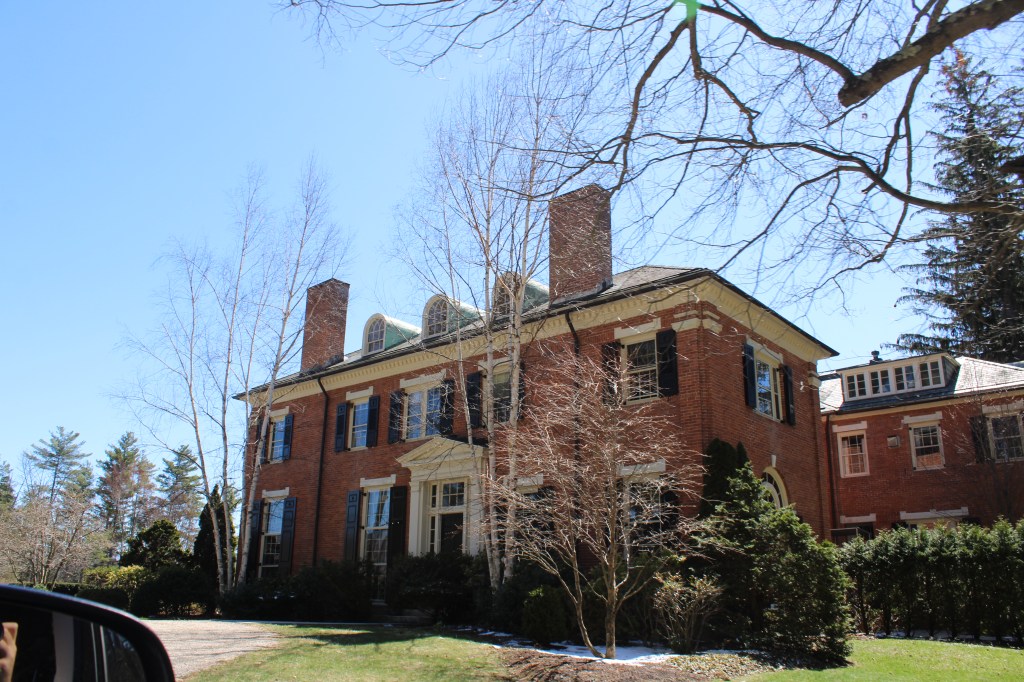
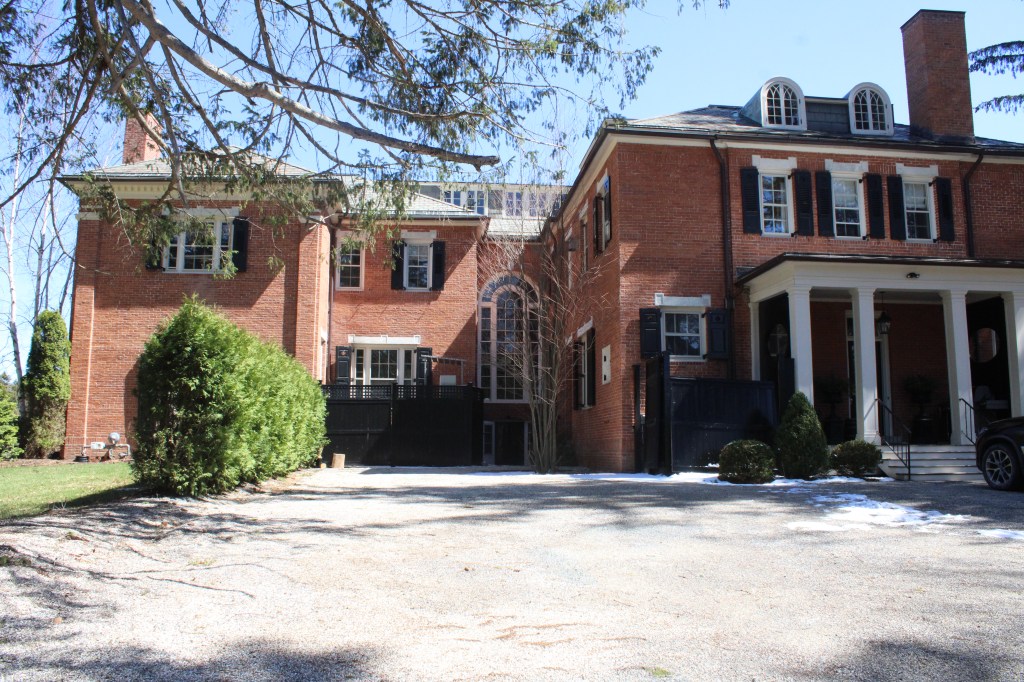
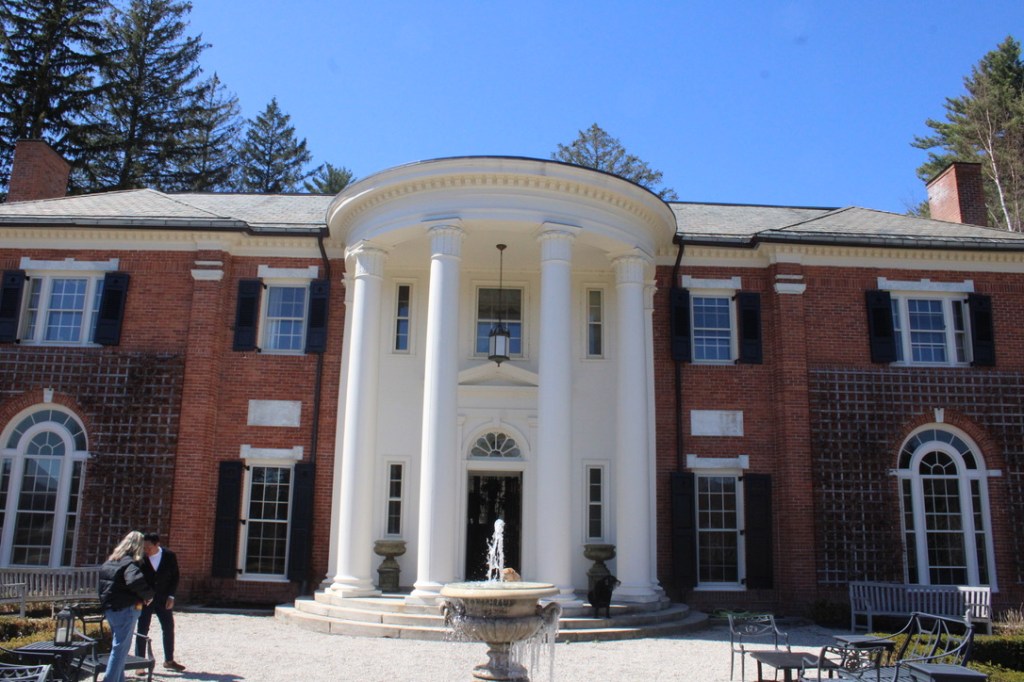
Fortunately, this would be the last time that Plumb Tree Manor was EVER passed to a new owner. The best part is, this new owner saw a magnificent prospect in the 110 year old Cluett mansion. When Somchai Piraban first saw this Georgian manor nestled in the Berkshire Hills, it was love at first sight. He knew that this mansion and its sprawling grounds had endless potential, and he was going to do everything he could to bring it back to life. And so, he bought the abandoned property and (with the help of his husband Brian Renaud) started to meticulously restore each and every inch of the house and grounds. “We had no idea how much of a project this would be,” he told me as we strolled through the center hall of Southfields this April. “It was a lot of work but we are very happy.”
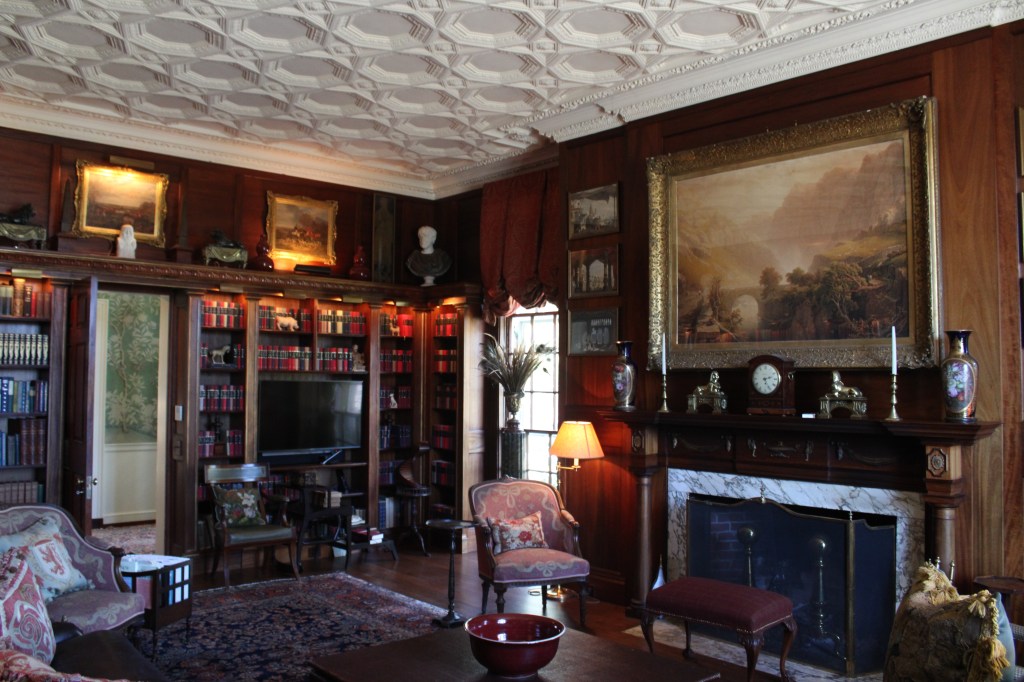
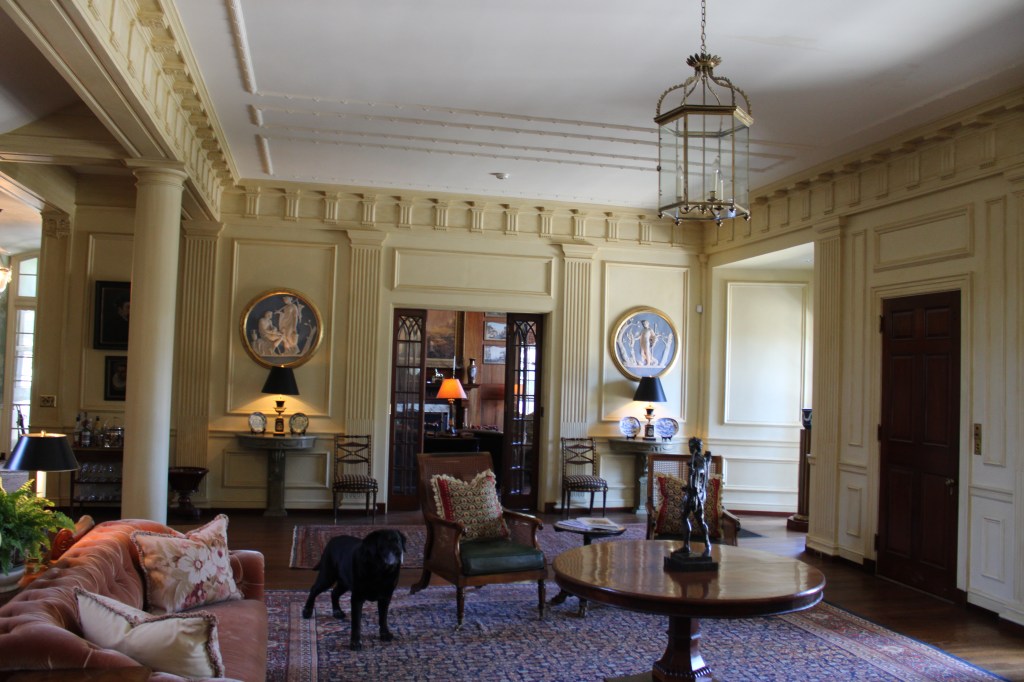
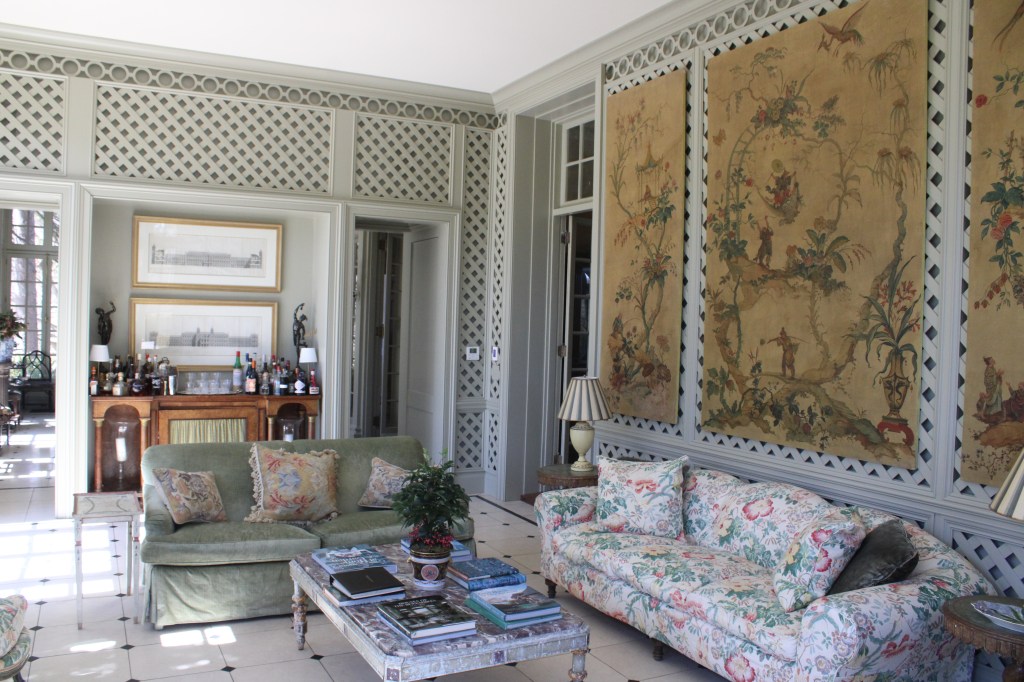
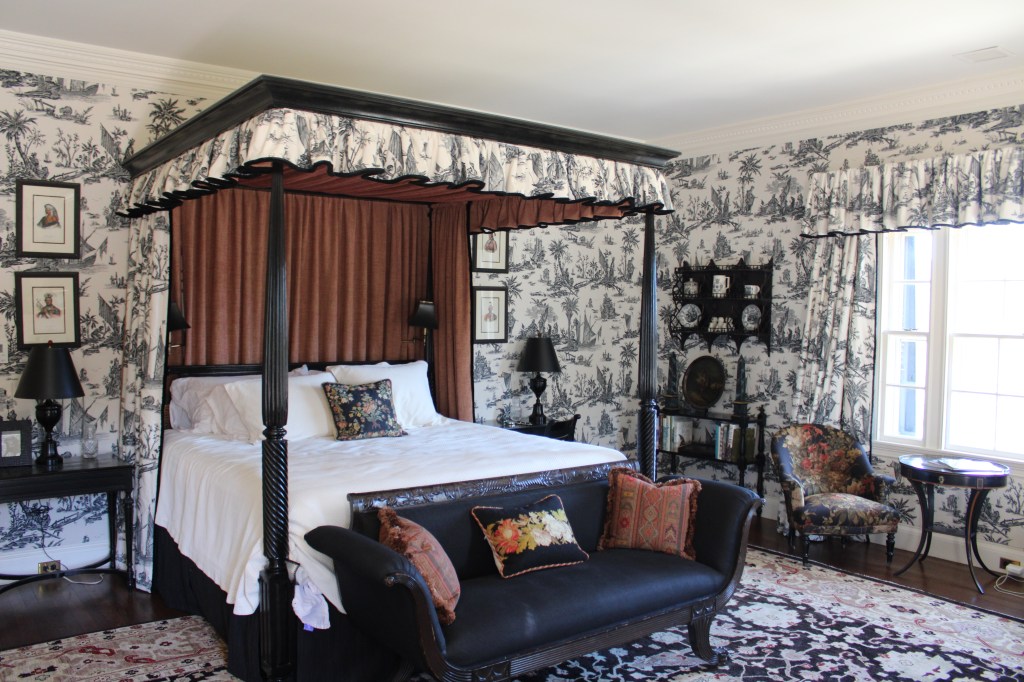
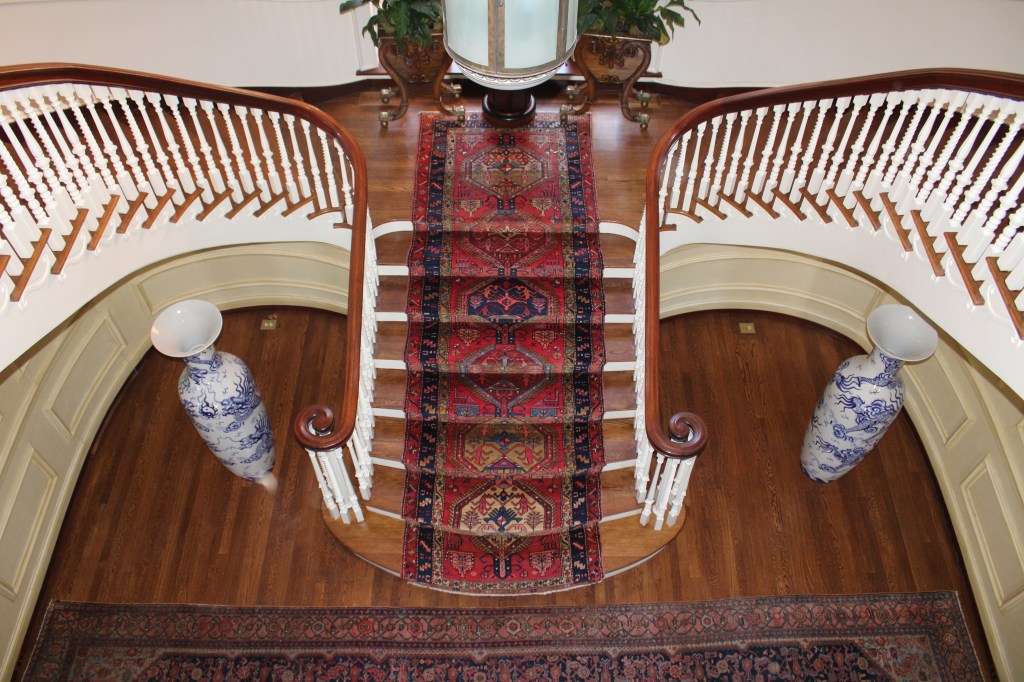
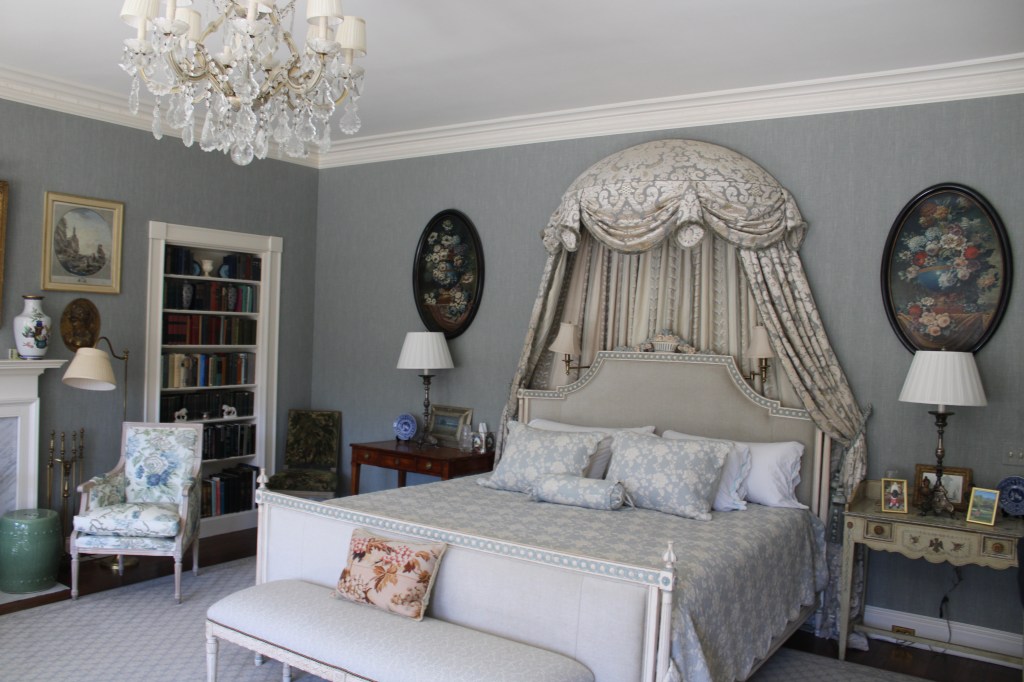
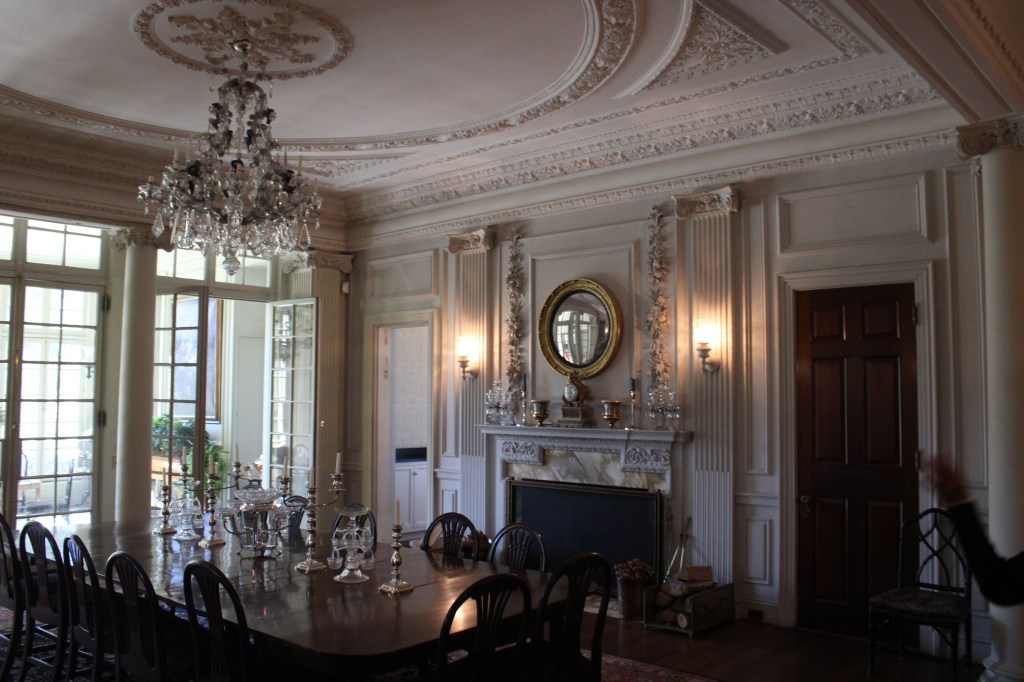
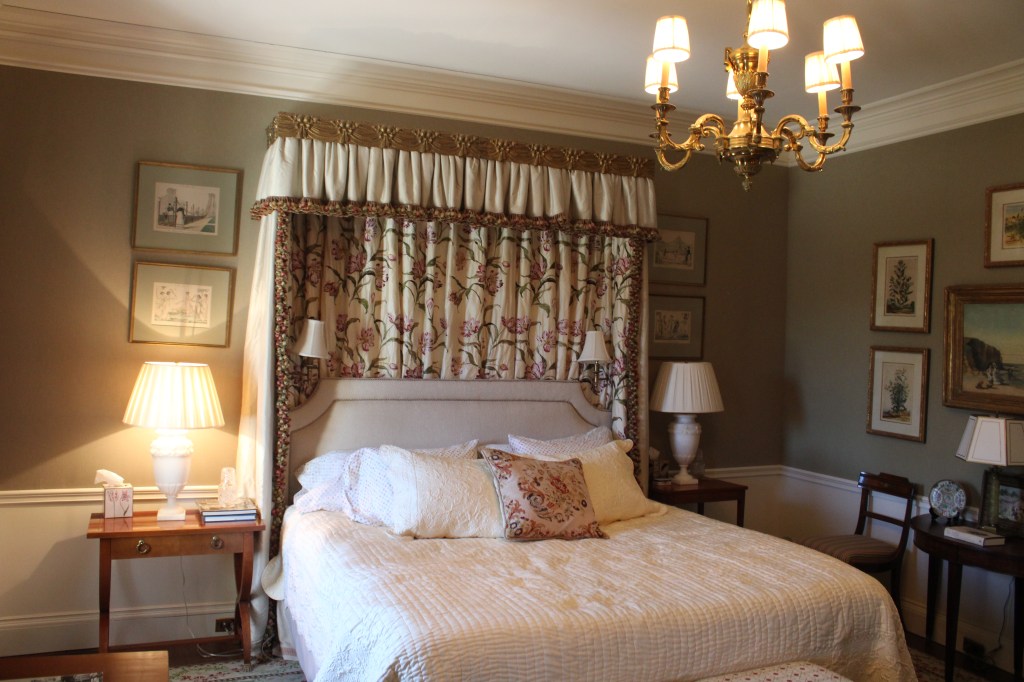
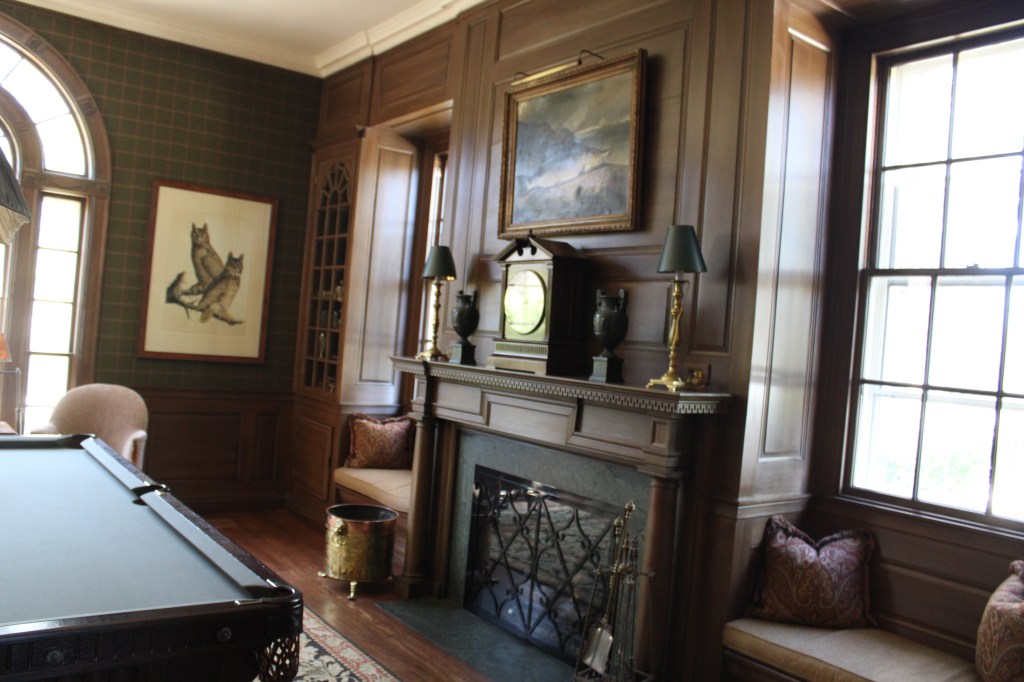
Mr. Piraban & Mr. Rebaun certainly did a lot to the Southfields property. When I tell you they truly made it feel like I was strolling through the White House, I mean it. Yes, the white brick has had its paint stripped (and has been since the mid-2000s). But the interior has been entirely refurnished and restored to such an extent that I had to make sure I wasn’t in a time-traveling episode of “The Twilight Zone” at least 5 times.
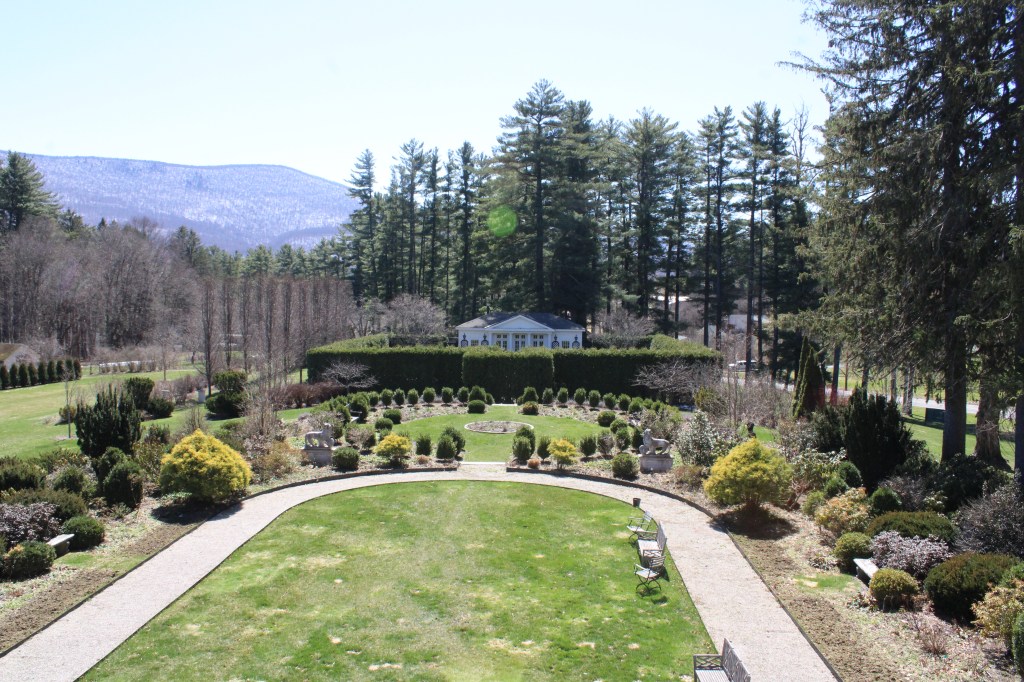
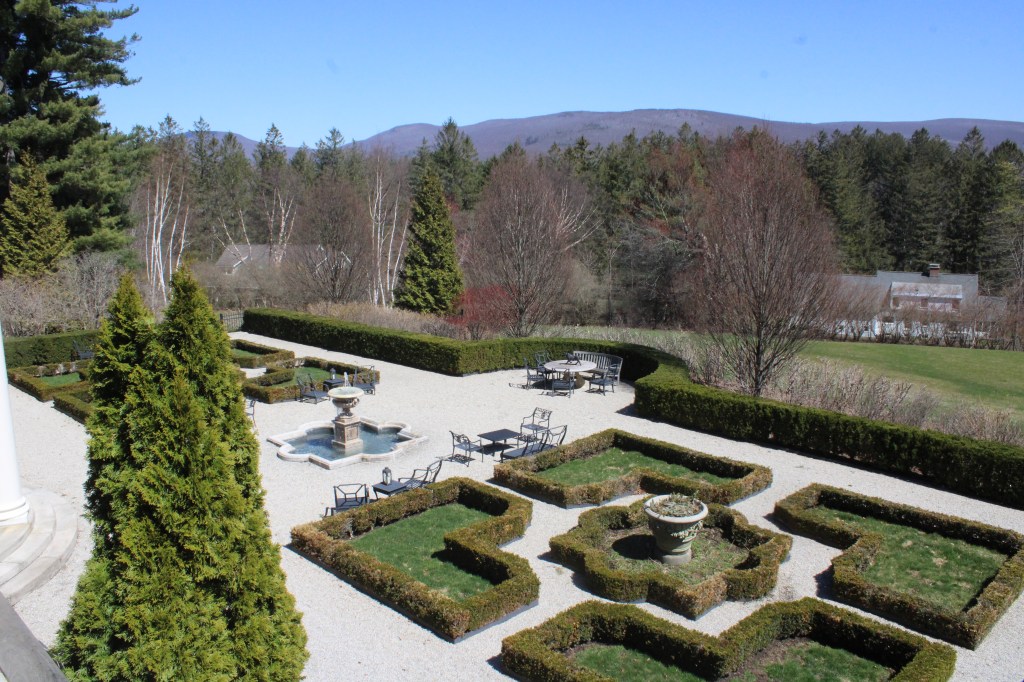
If the interior isn’t jaw-dropping enough, the restored gardens of Southfields are simply fantastic. They added an entire back patio of meticulously trimmed hedges and expanded the preexisting gardens – It was genuinely mesmerizing. By the time renovations were finished in 2017, Southfields was an entirely new entity. It wasn’t long before Southfields was the venue of parties, dinners, and many grand guests. This has remained a trend since, with Piraban’s eloquent dinners and the incredible Southfields mansion being enjoyed by many.
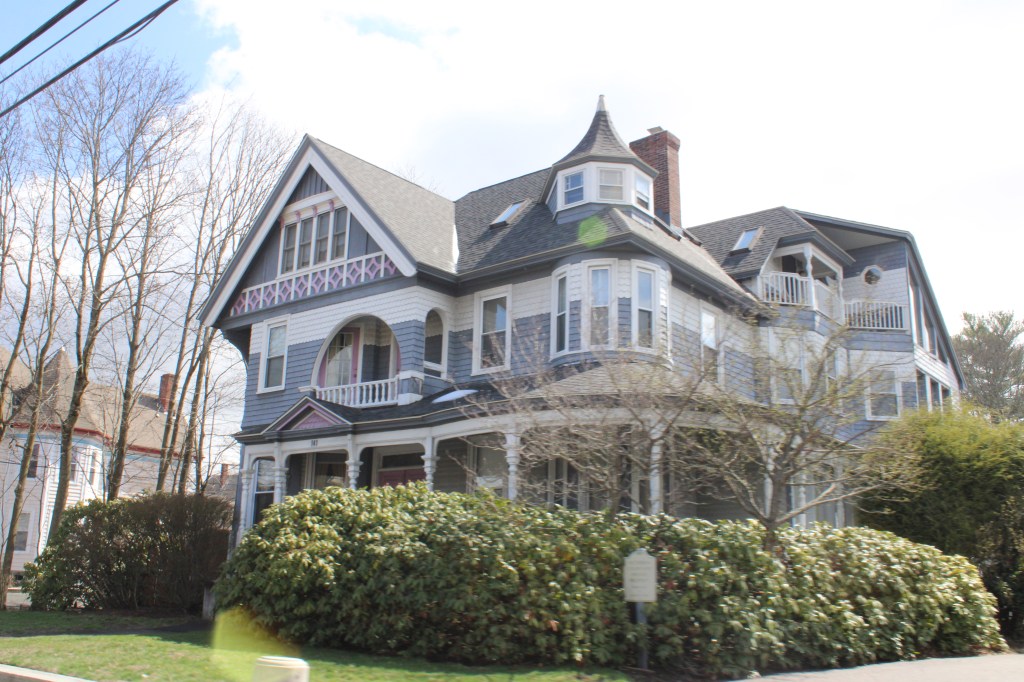
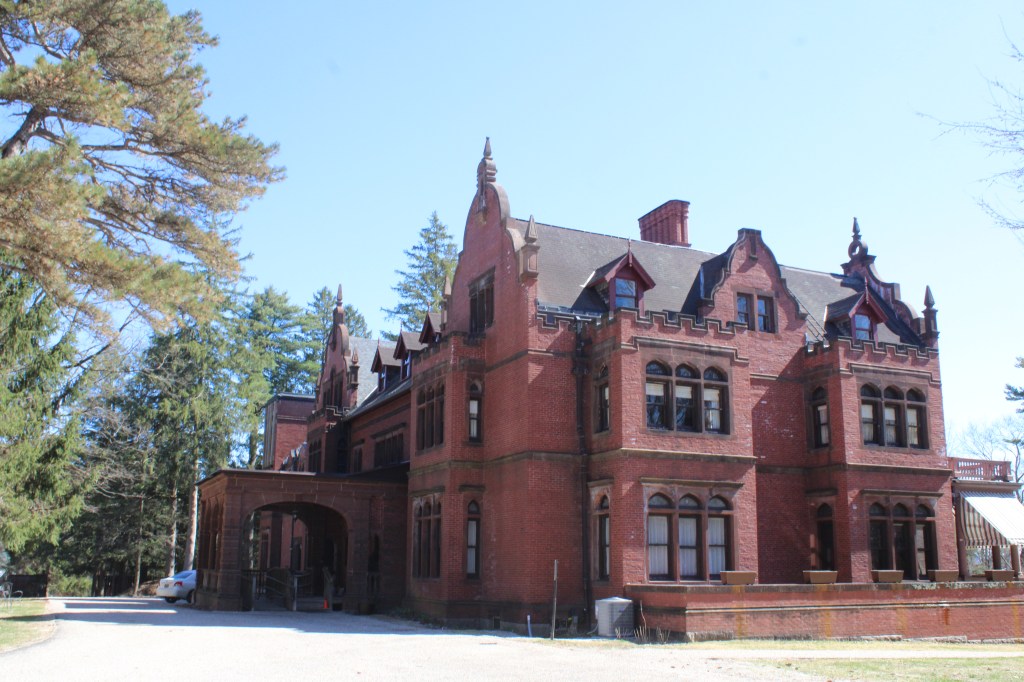
I first came across Southfields a few months ago ago, amidst the planning of my spring break college tour trip. Throughout this exciting vacation, my mother and I planned to visit seven colleges across the state of Massachusetts, from Williams in the Berkshires to Northeastern in the city of Boston. It was awfully prospective, and I was admittedly a bit nervous. But, being a history buff, I realized that this trip meant I can do what I love most: See big old mansions. So, I began searching for every mansion (public and private) to exist near the cities/towns we were staying.
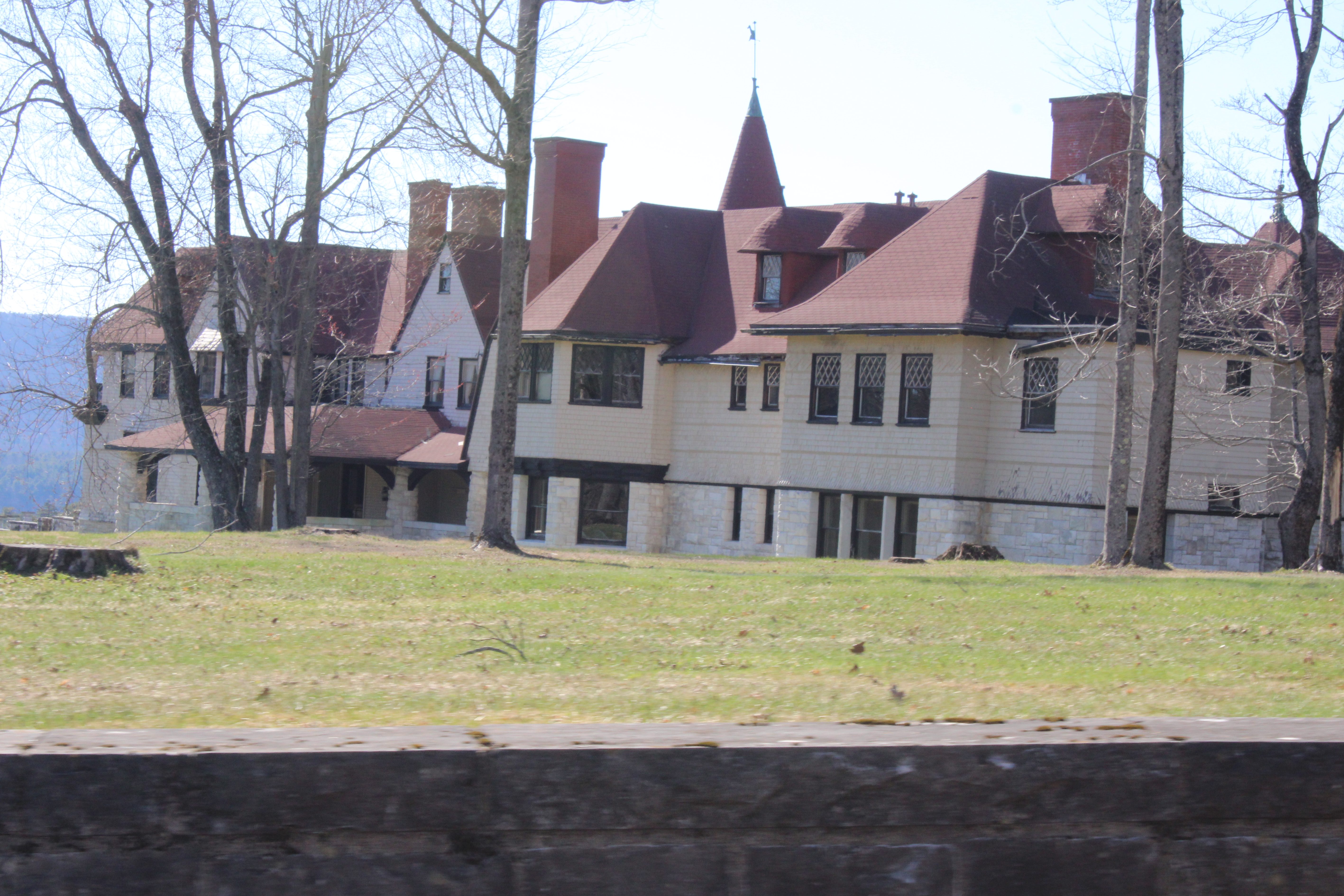
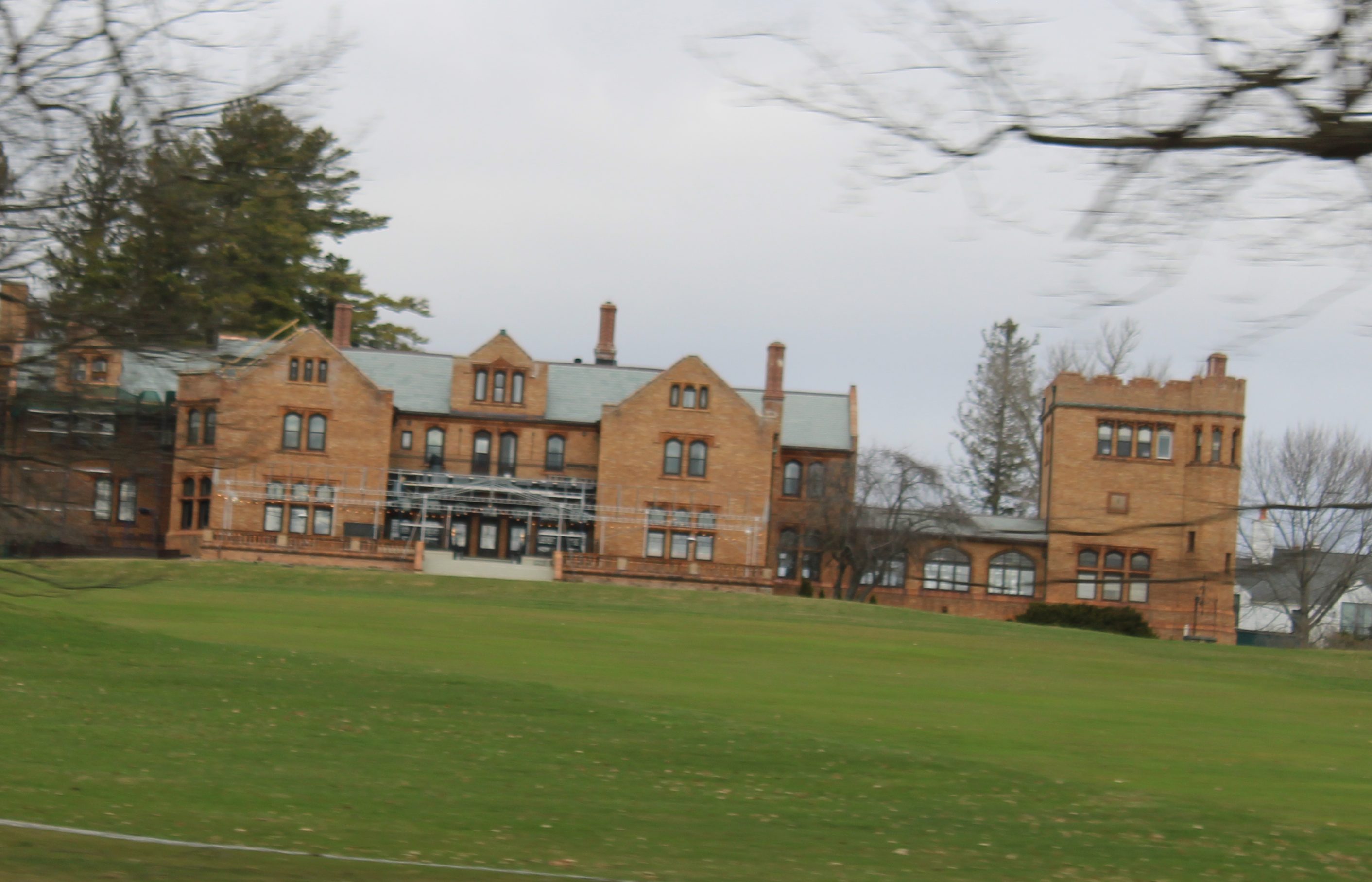
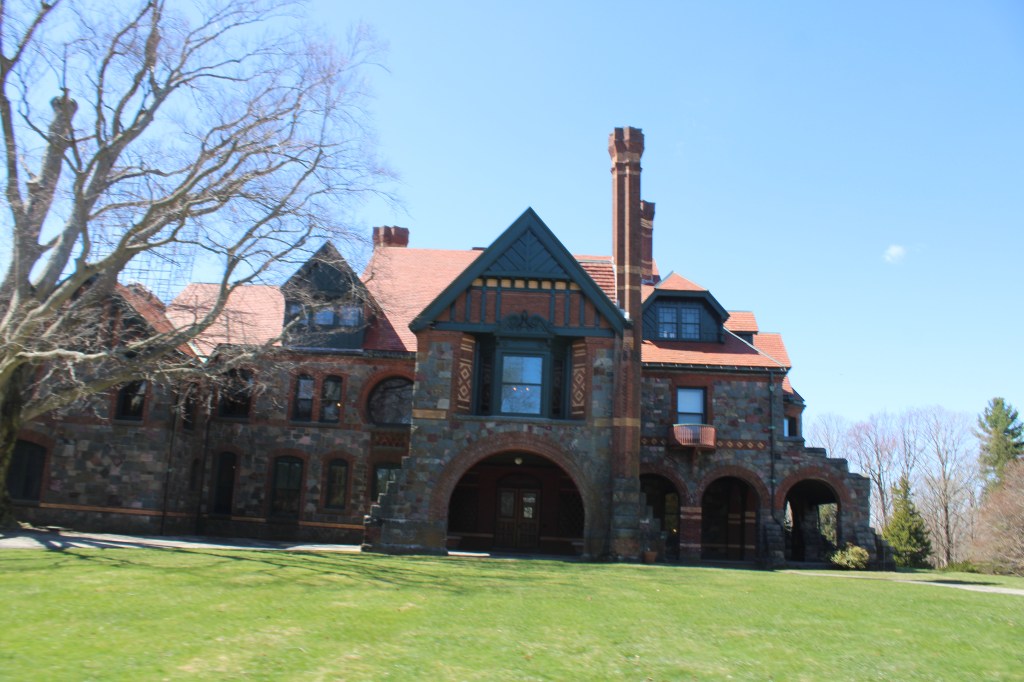
I started with Williamstown and was somewhat surprised to see only a few results. In fact, it seems that most mansions to have existed in this portion of the Berkshire’s are gone. But, the select few that still stand are truly fantastic. And so, what were some of these surviving houses? Well, there is “Highcroft” (c. 1923), which now runs as the private Pine Cobble School. Just down the way is Alta Rockefeller’s c. 1927 Mount Hope Farm, which is presently owned by Williams College. Obviously, these individual houses are beautiful in their own unique ways but accessing them beyond a brief drive by proved impossible during my initial research. So, I turned to the next best resource I could find for tracking down Williamstown’s elusive history: Facebook.
Surely enough, as I was heading to bed the night before my mother and I left for Massachusetts, a new mansion showed up in my facebook search results: Southfields. The post I had come across, which was actually posted by Mr. Piraban 6 years ago in “Mansions Of The Gilded Age,” showed much of the magnificent Cluett palace inside of the out. Immediately, it was clear to me that the uploaded of this post had to have owned the palatial mansion which was otherwise undocumented online. And so, I searched his name and surely enough Somchai had uploaded a few amazing posts to Facebook before discussing Southfields and what he knew about it. It wasn’t any boatload of information, but it most certainly solidified that I had to reach out to Somchai. I mean, the worst he could say is no! Thus, the next morning, I crafted a message describing my passion, admiration towards Southfields, and intentions in case I was provided the unreal opportunity to see the old Cluett mansion. Obviously, this was somewhat of a shot in the dark. But, as we boarded the Orient Ferry and headed on way to New London, Connecticut (our first stop of many), I had a weird feeling that maybe my plan would work.
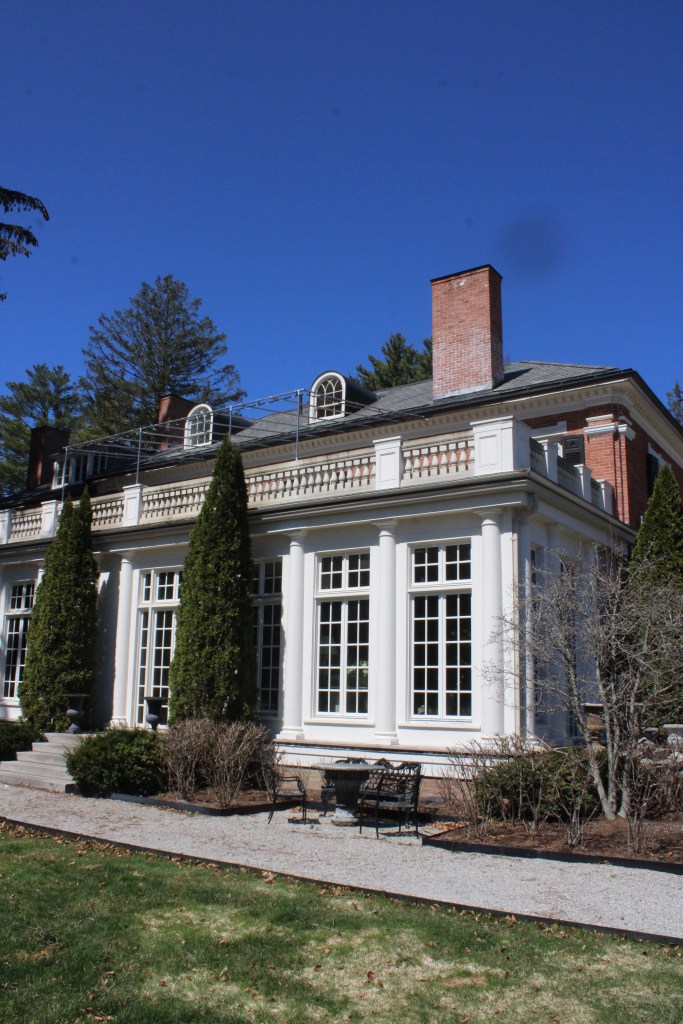
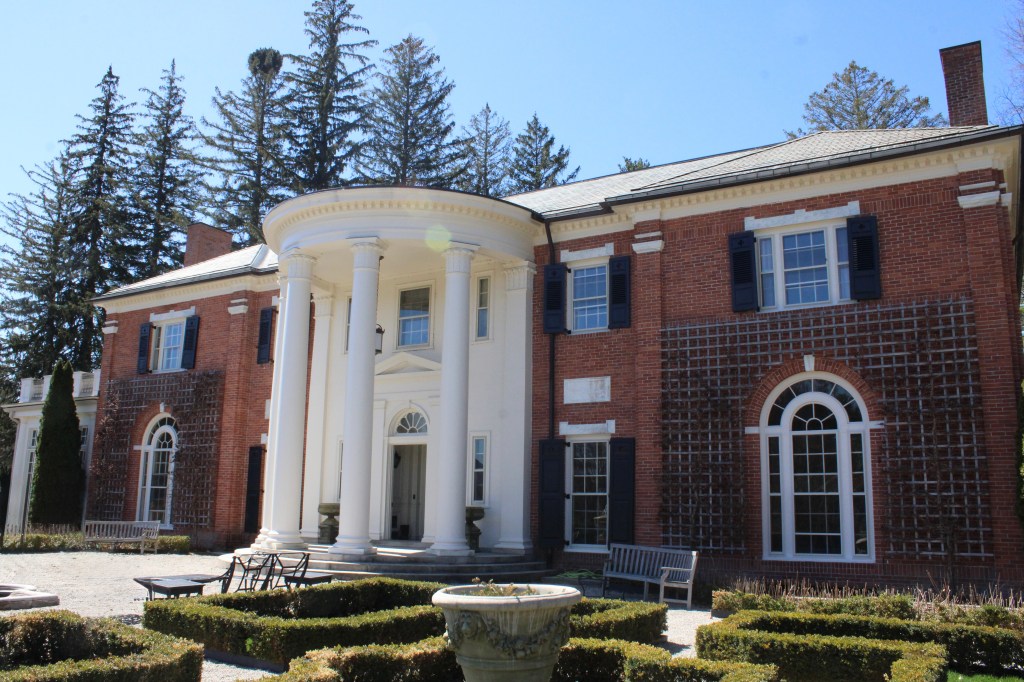
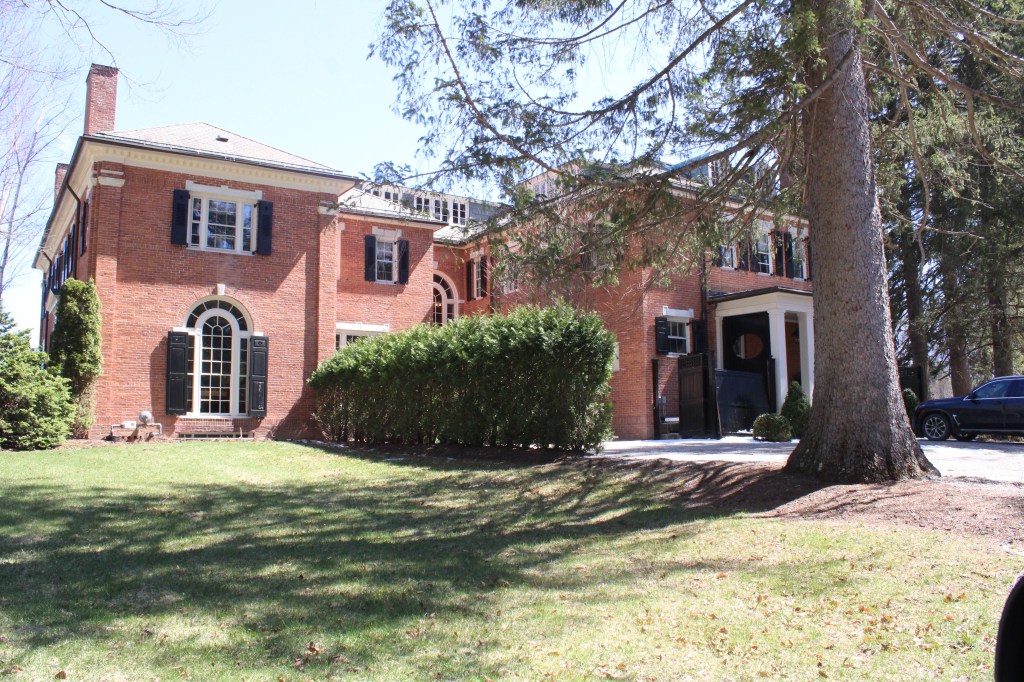
It was at 8:58 PM that night when Mr. Piraban saw my message. He quickly replied, saying how he apologized for the delay and would be completely willing to show me his house. This. Was. Insane. I jumped up from my bed and ran around the hotel room when I first got this news, nearly scaring the life out of my mom. Thankfully, she took the news well and was just as eager to see Southfields, if my schedule allowed. Spoiler Alert: It did. The next day, at 12:16 PM, I pulled into the driveway of Southfields and found myself face to face with a Georgian castle that was truly like none other. Now, in this post, I think you have gained a pretty solid idea of what happened next; I met Somchai, toured Southfields, pinched myself (what was it, 5?) times, fell in love with the estate, and explored its expansive gardens. I think the one detail I really want to emphasize this time around was how amazing and kind Mr. Piraban was during this whole experience. He truly understood my passion and treated us more selflessly than I ever could’ve imagined. Even his dogs (who of course joined us on the tour) showed us much love. At one point, Arrow – a black pup named after Mr. Cluett’s shirt company – jumped in the icicle-covered fountain to “cool down.” I was thinking to myself, “oh my goodness I would freak out!” But Mr. Piraban simply laughed it off and continued to tell us his many stories and give us such fruitful advice. It was genuinely one of the most thoughtful experiences I’ve ever had, and it’s beyond unforgettable in my book.
In sum, I can’t thank Mr. Somchai Piraban for allowing me to tour his Berkshire’s mansion, and I’m overwhelmingly honored to present it to you all for the first time (in full) today. I hope you enjoyed this article, as I truly did whilst writing it!


Leave a Reply