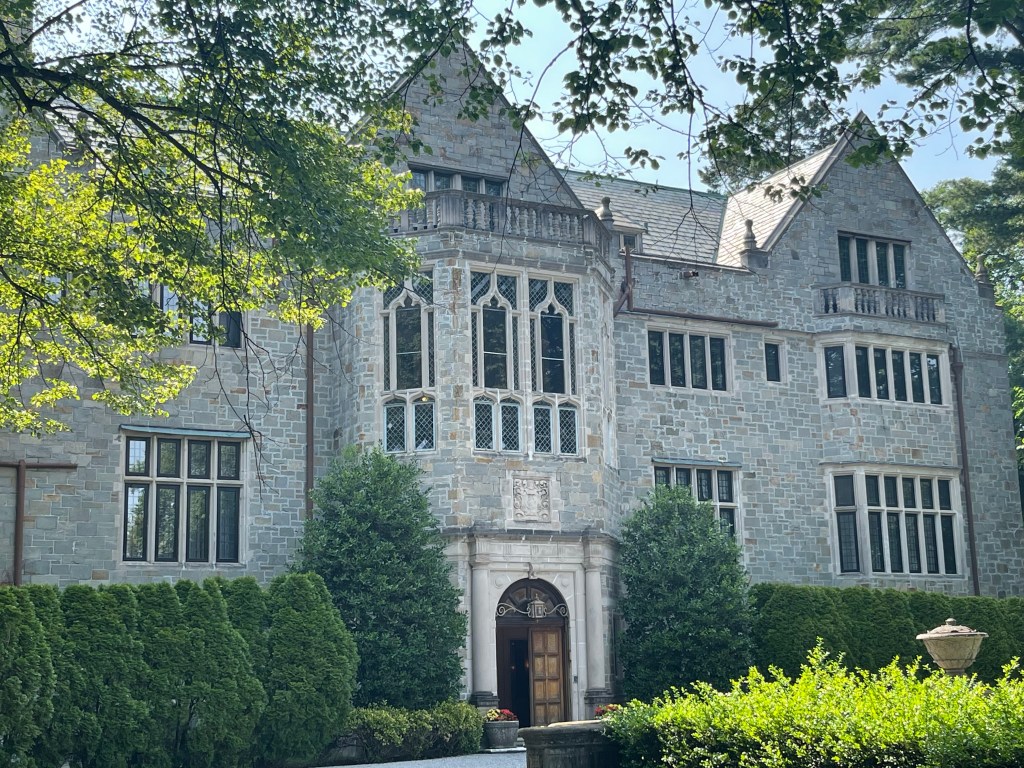
Coined one of the most infamous and secluded Gilded Age mansions, “Killenworth” has long remained a point of intrigue for historians world wide. Since 1946, it’s been owned and operated by the Russian Federation, meaning photographs have remained non-existent. That was until today. I’ve just received a gallery of images showing this place inside and out through a lens never seen before.
Here’s the full story.
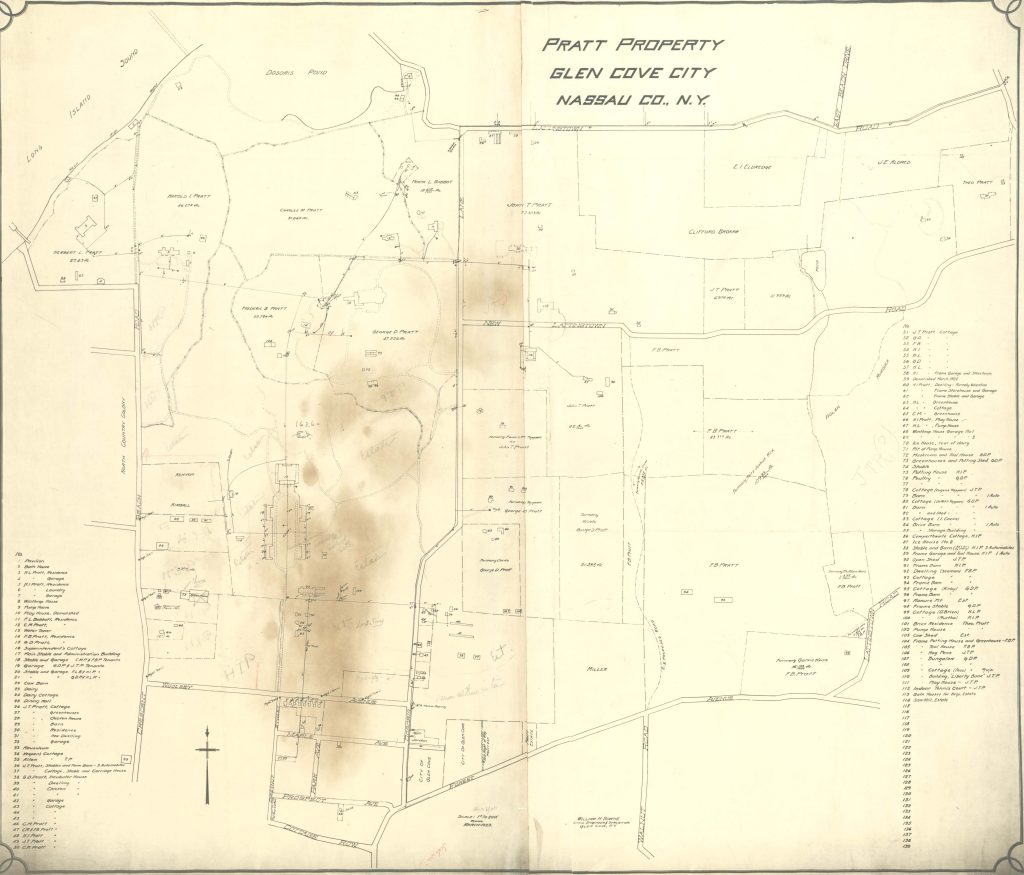
It begins all the way back in 1890, when Standard Oil mogul Charles Pratt established a secluded estate compound known as “Dosoris Park” in Glen Cove, New York. It was meant to house any and all of his children, who were to build their houses here in due time. Unfortunately, Charles Pratt only got to see two of his children’s houses be built, as he passed just a year into the development of Dosoris Park. Despite this, the Pratt family compound kept growing, and by 1897 the ground was laid for it’s next major addition: “Killenworth.”
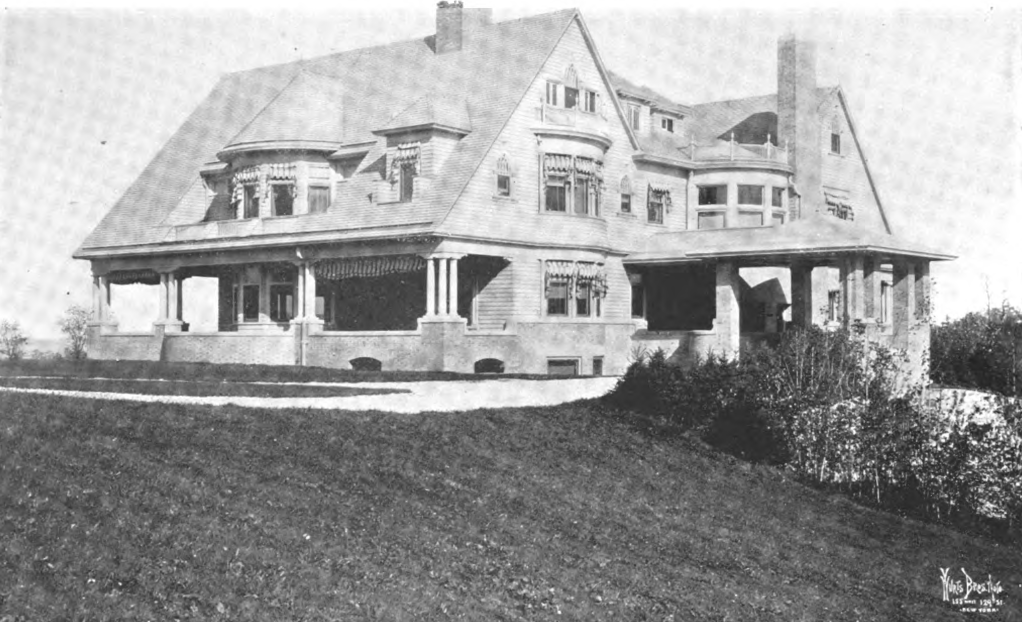
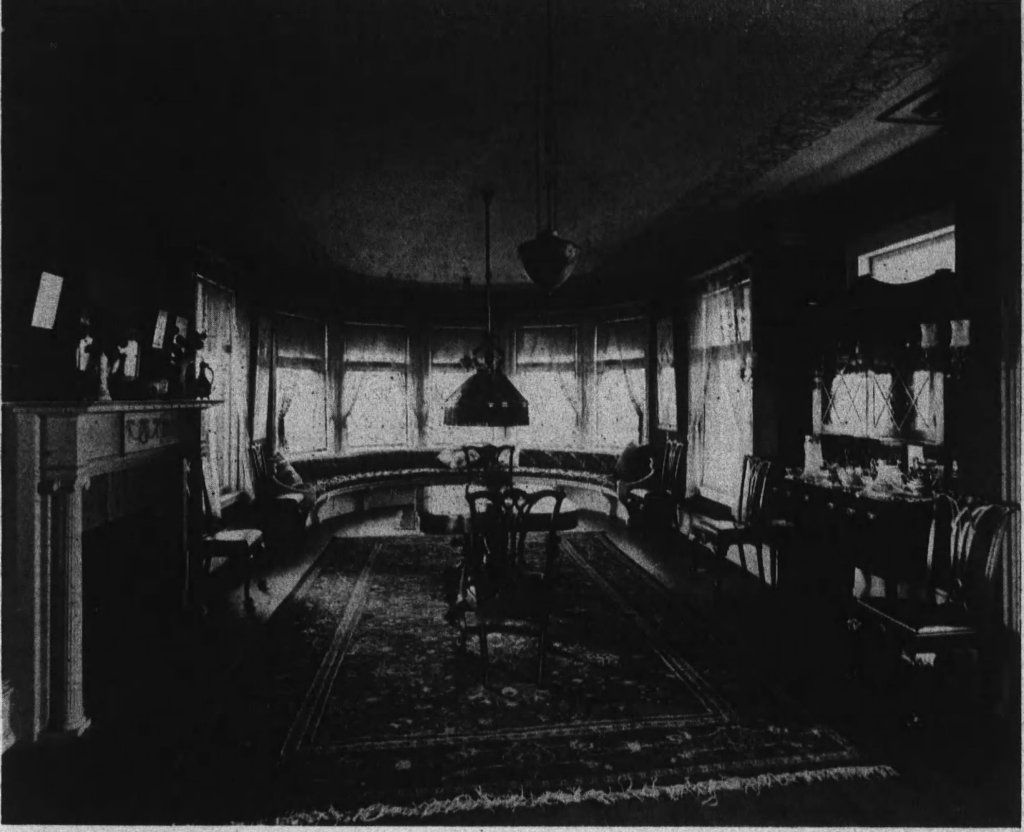
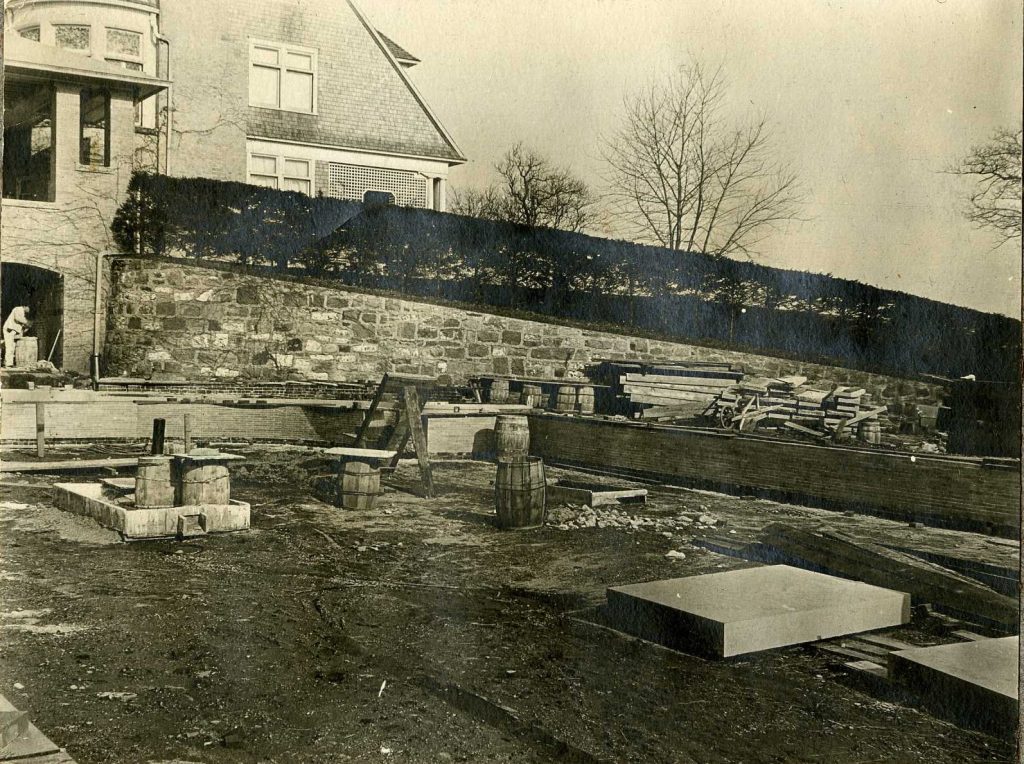
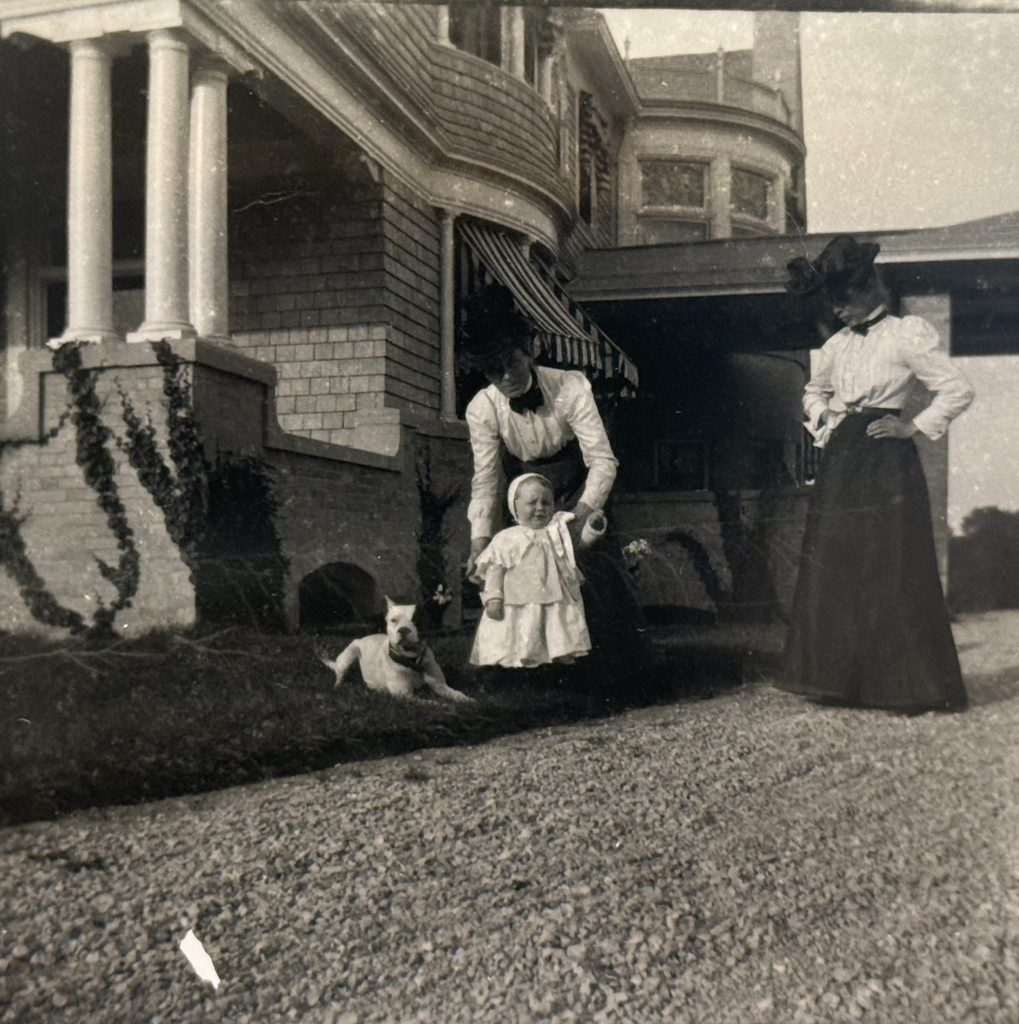
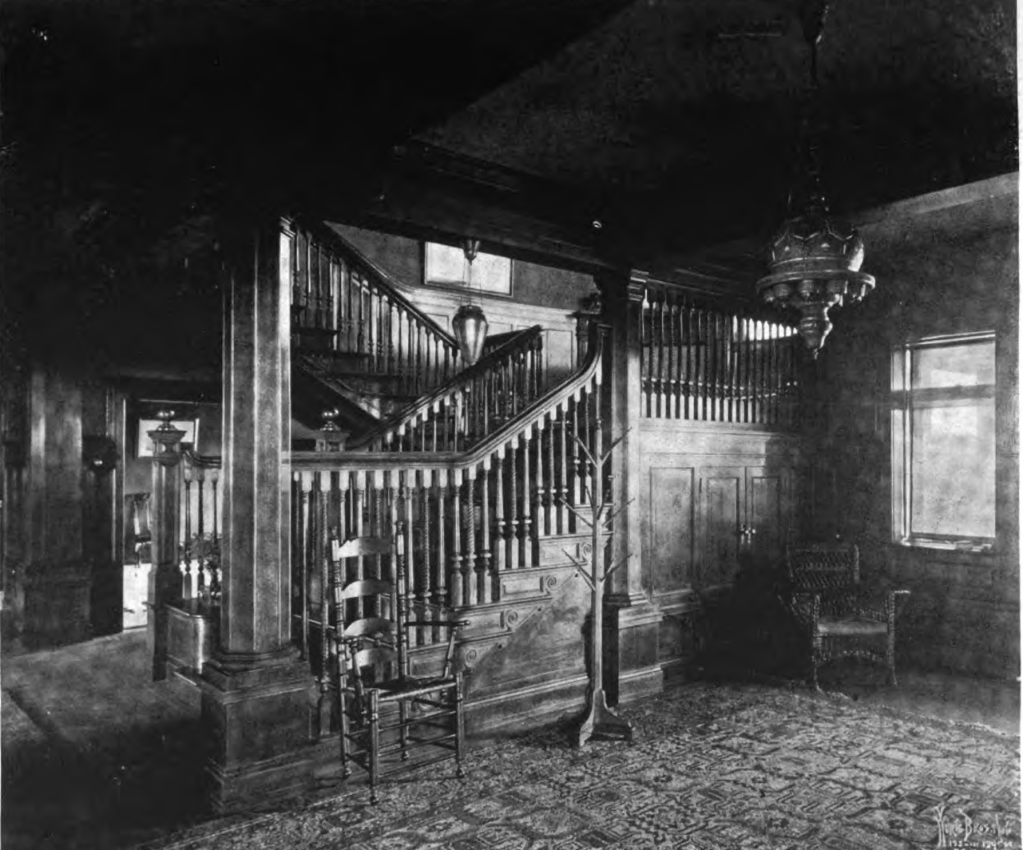
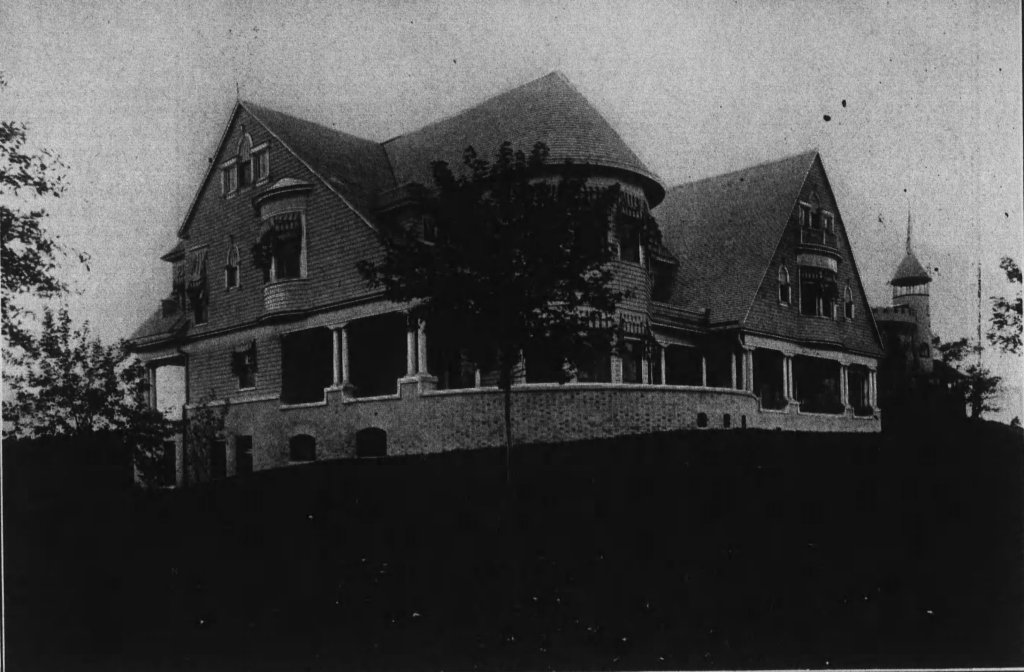
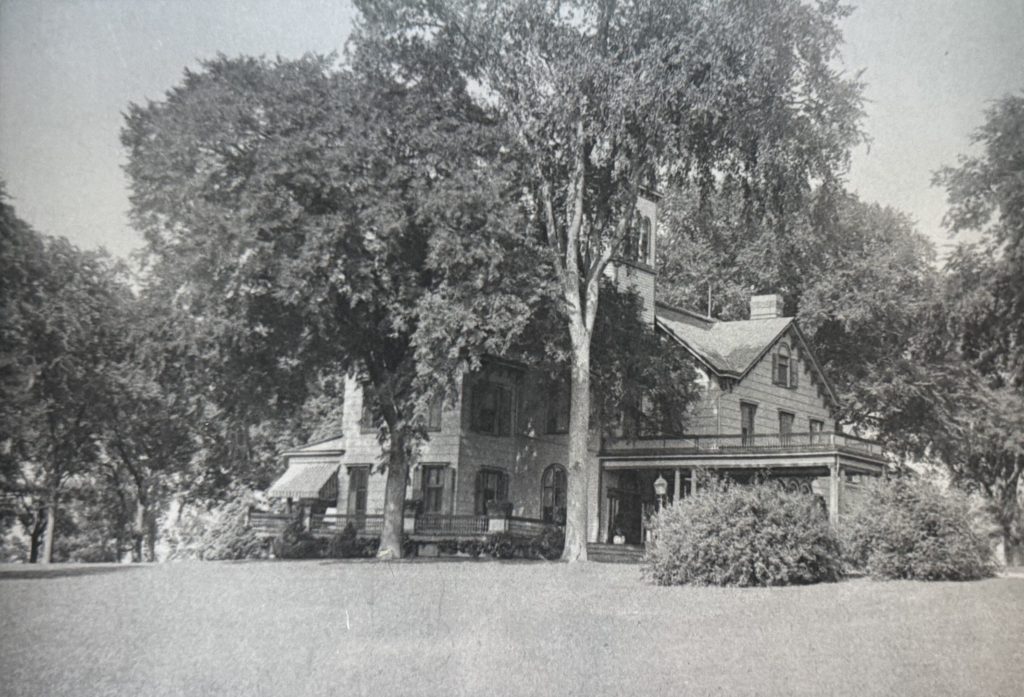
It was on a 50-acre hill peering over the Long Island sound where, in the fall of 1897, George Dupont Pratt decided to have his country home built. The house, which cost some $45,000, was to be of the Queen Anne style. It’s architect was soon decided to be local William B. Tubby, who was instructed to “make the most picturesque and artistic house” of this region. To say the least, Mr. Pratt’s wishes were certainly honored. When it opened in the summer of 1898, this new palace was an instantaneous spectacle locally. It was coined “Killenworth,” and saw widespread publication in the years after its completion.
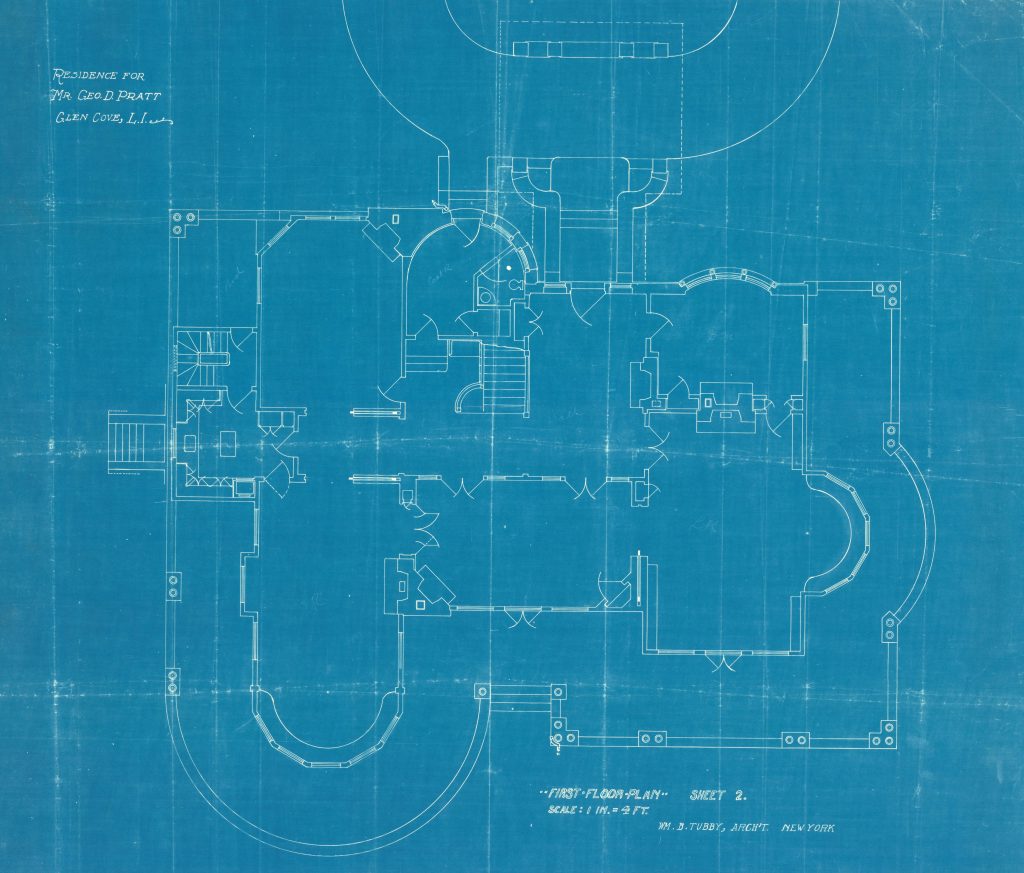
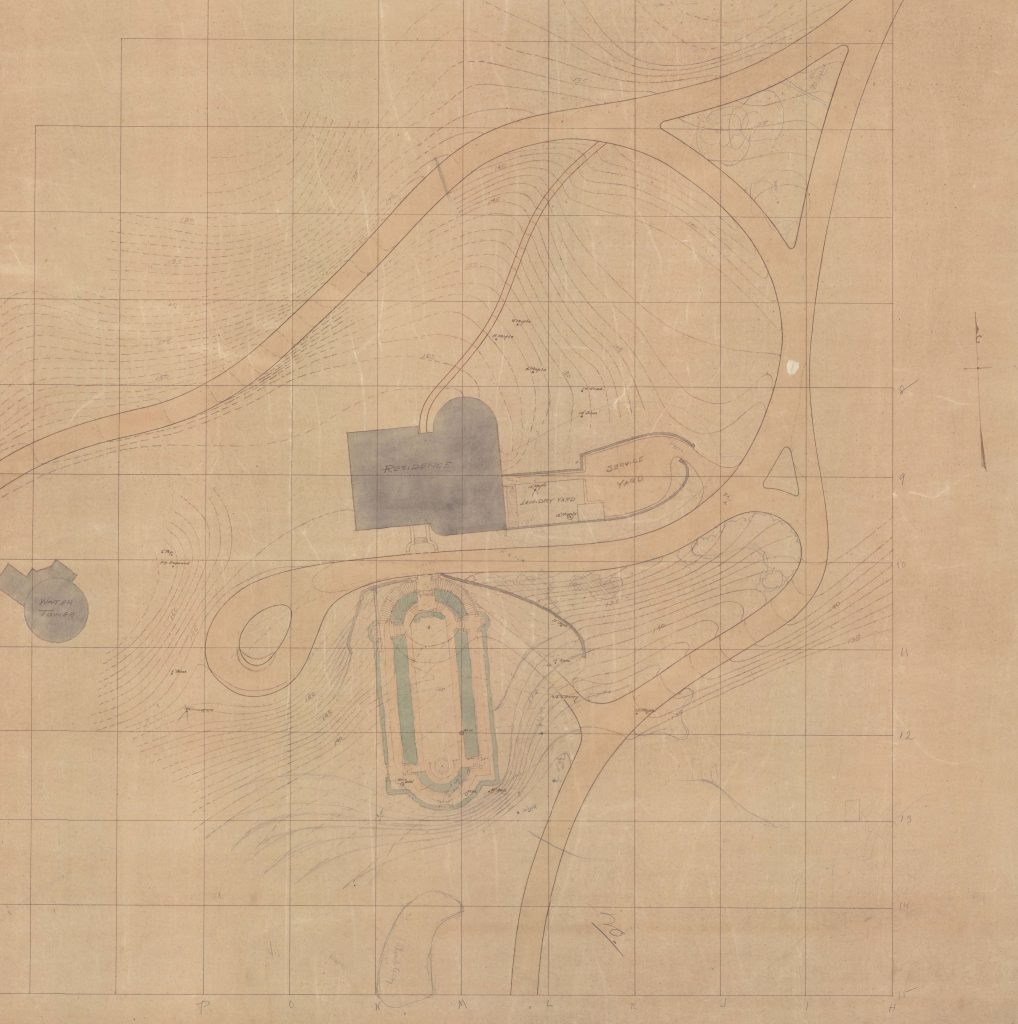
Except, Killenworth would not remain so spectacular forever. While it was certainly improved with the addition of Olmsted Brothers-designed gardens in 1907, the old house was falling victim to an unusual trend. See, not long after Killenworth was completed, much of the remaining Pratt brothers also had homes built for themselves. Some were small, others big. Altogether, they certainly made for a beautiful summer colony. Except, by roughly 1910 or so, the original Pratt houses were becoming… out of style. I know, it’s hard to imagine that a house built 13 years ago could be so “old,” but the Gilded Age moved fast. And so, in around 1910, many of the original homes that were built in the area had been deemed inconvenient. To be fair, the ever-growing fortune of the Pratt family definitely warranted much larger mansions than what was already built.
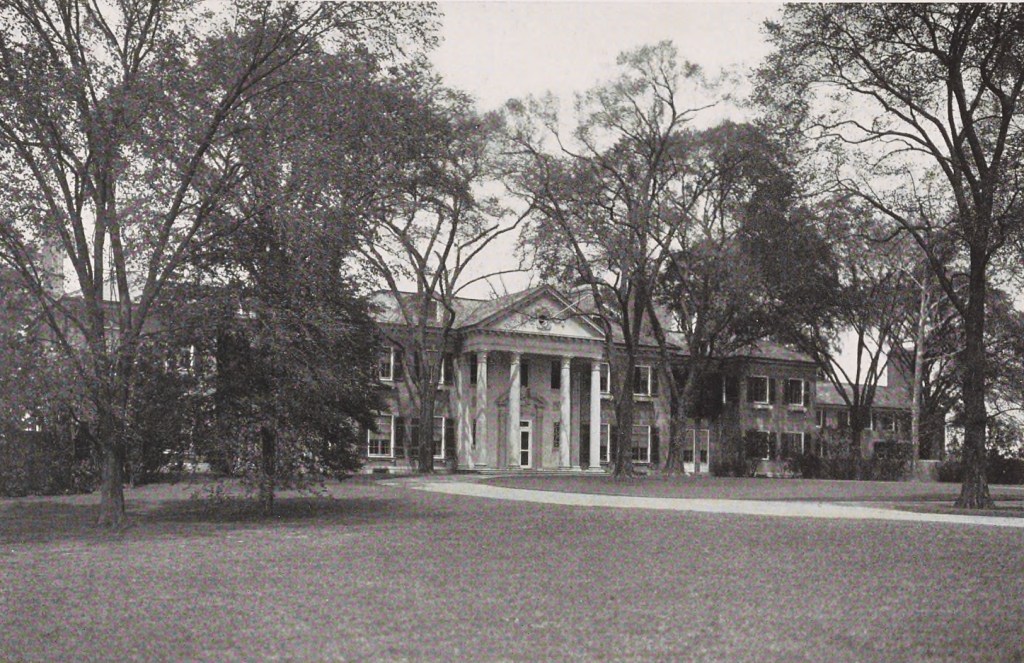
And so, the great remodeling of “Dosoris Park” began in 1909. It started with “Manor House,” an early 19th-century farmstead expanded and occupied by the Pratt’s for many years. It was this building which was replaced that year by a rambling colonial palace. Now, the old Manor House was actually not torn down, but instead moved to another spot on-site for Mrs. Charles Pratt to live at. For the other Pratt family members, though, there was no reason to move their old homes when building a new one. And so, in the spring of 1911, George Dupont Pratt became one of the first Pratt’s to tear down his old house in hopes of replacement.
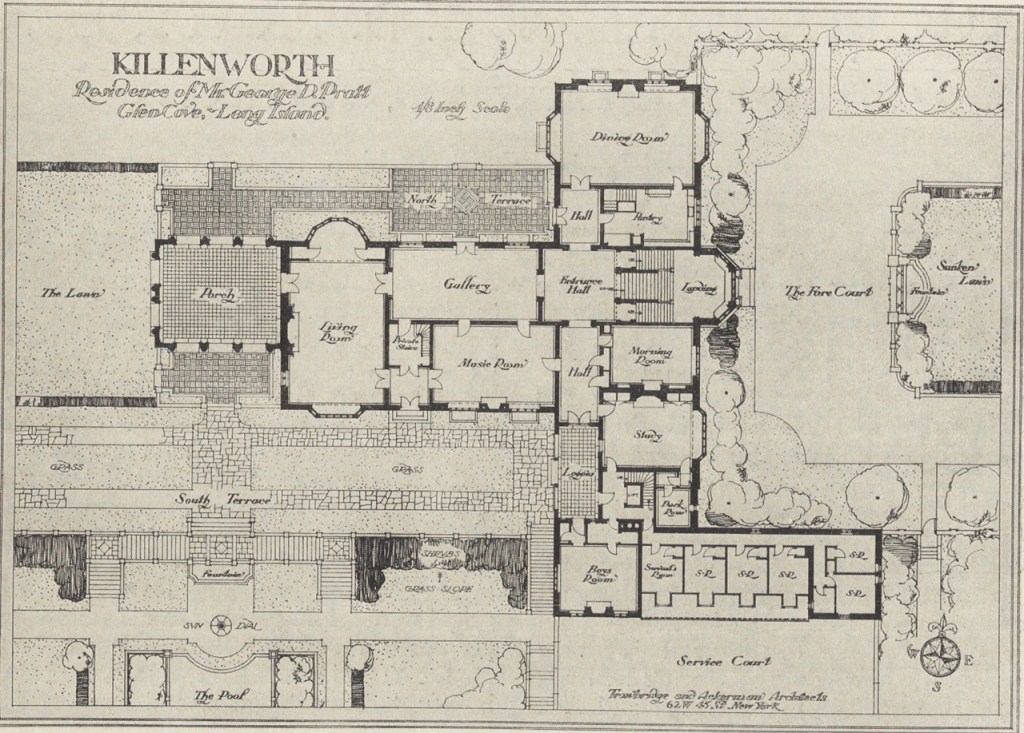
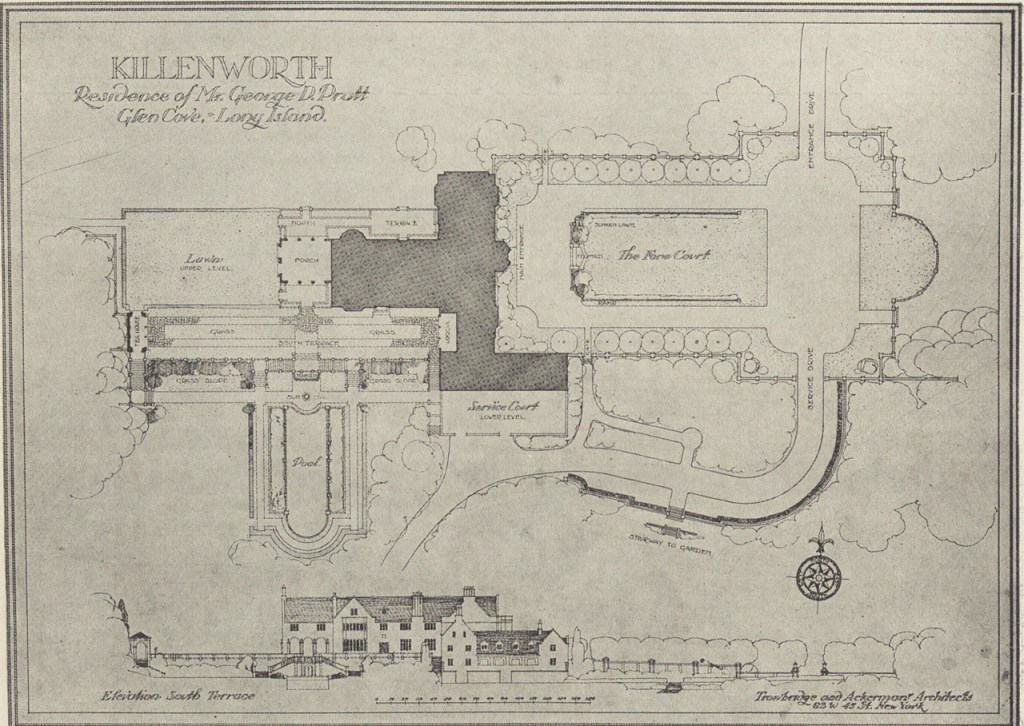
By September, Mr. Pratt had already began building a new home. It was to be designed by architects Trowbridge and Ackerman in the Tudor Revival style. Not only that, but instead of the famous Olmstead Brothers, Pratt decided to hire two new masterminds to help lay out his property; For the main garden, summerhouse, and tennis court, Beatrice James Farrand did landscaping. However, for the general grounds and fruit gardens, James Leal Greenleaf was hired. Altogether, they created some of the finest grounds in the country
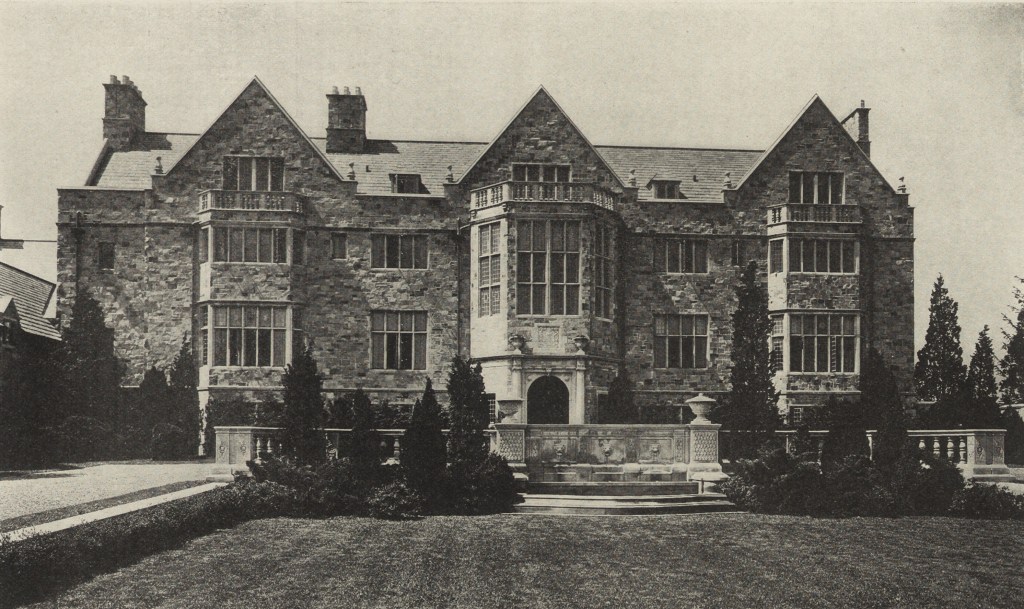
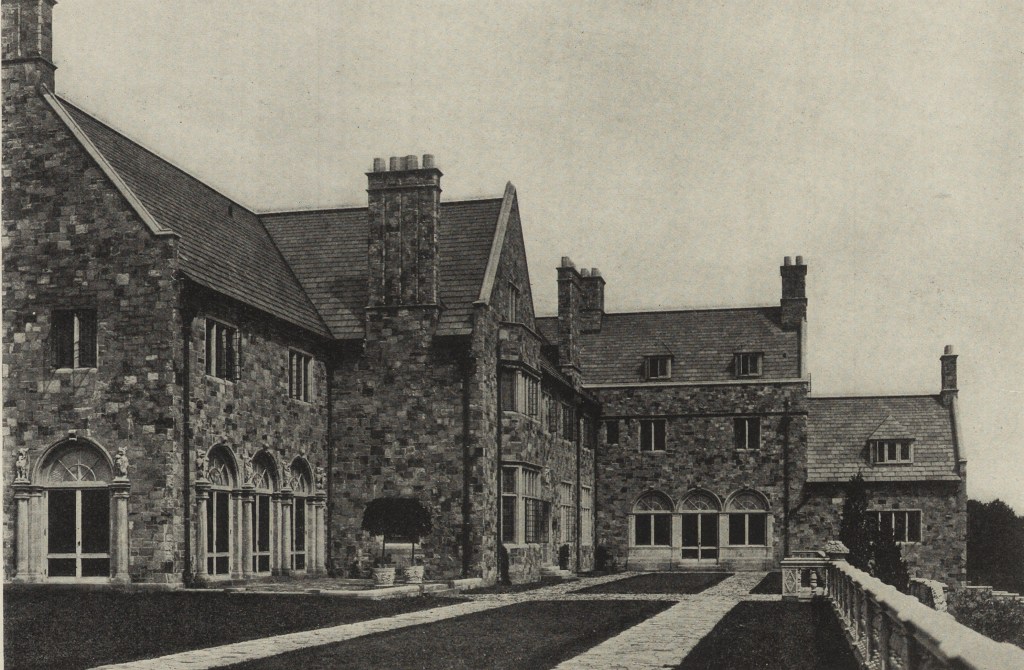
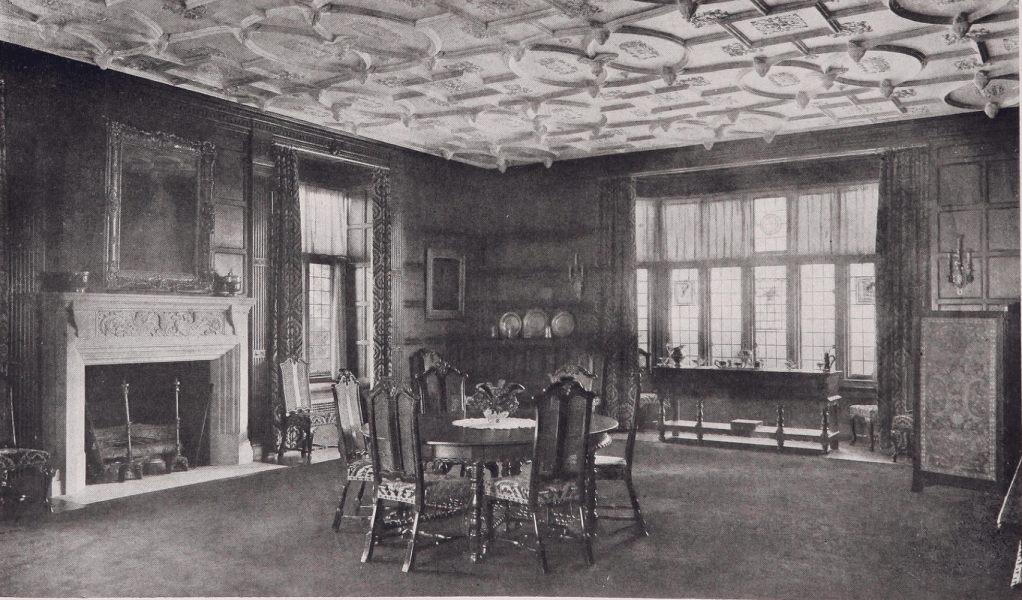
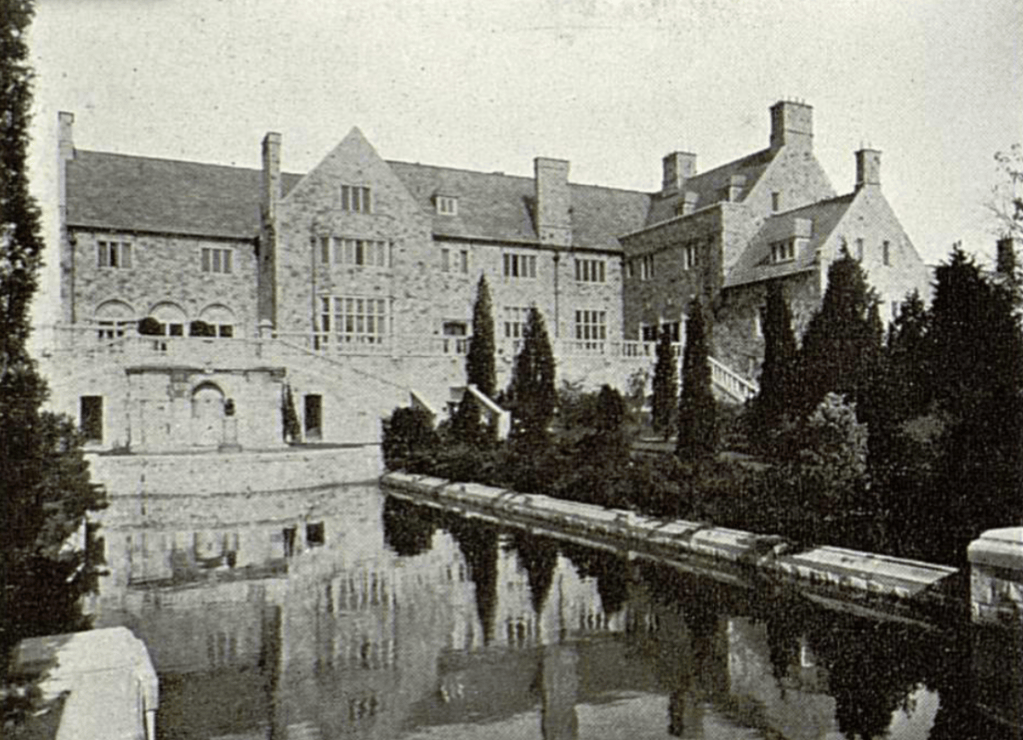
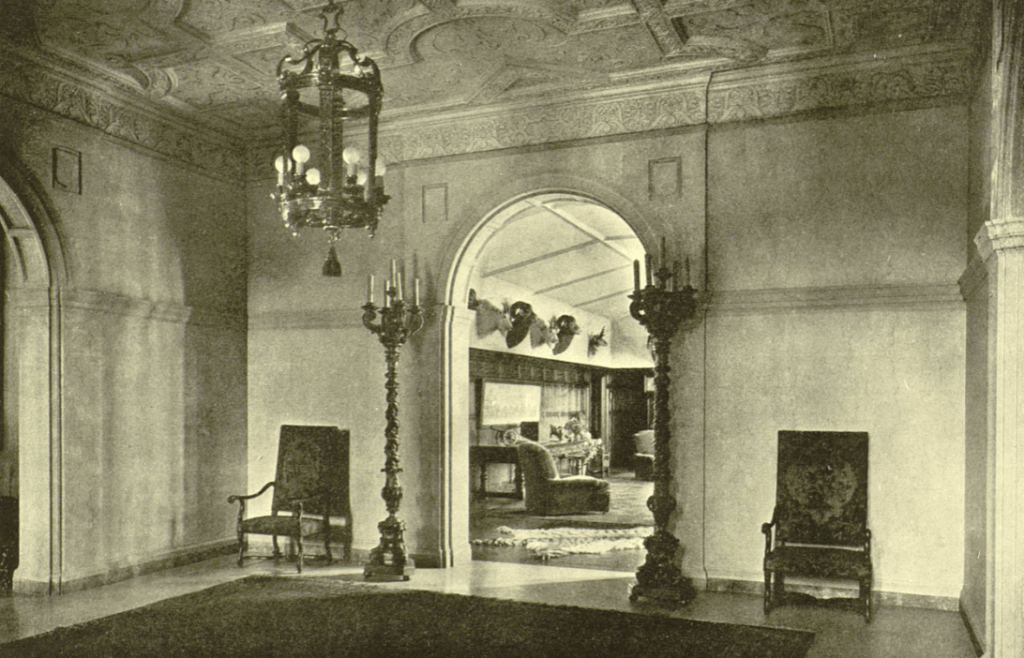
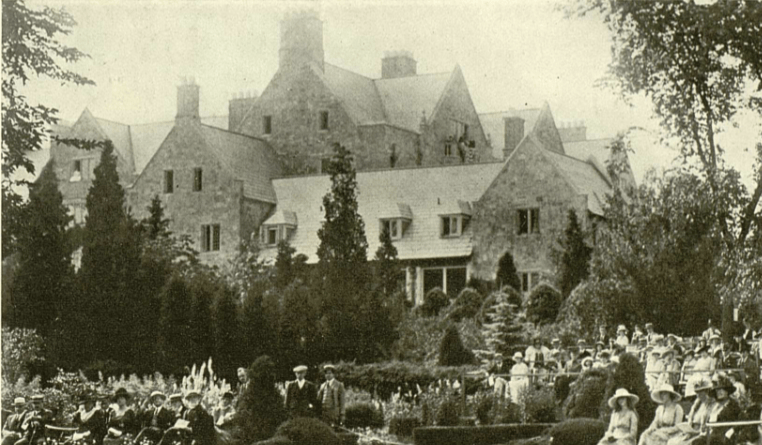
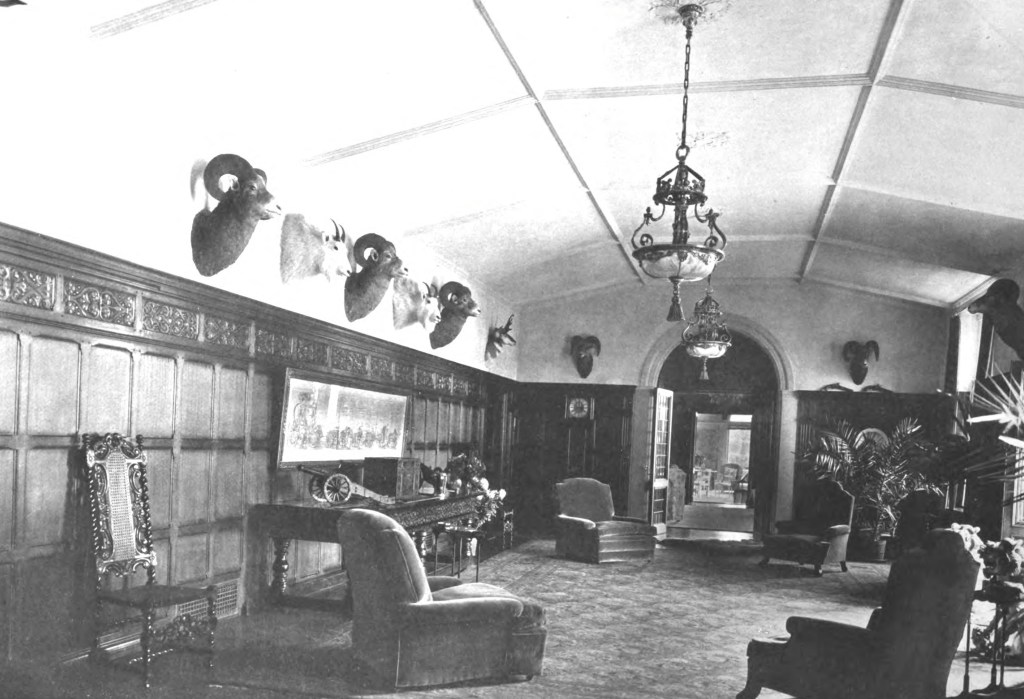
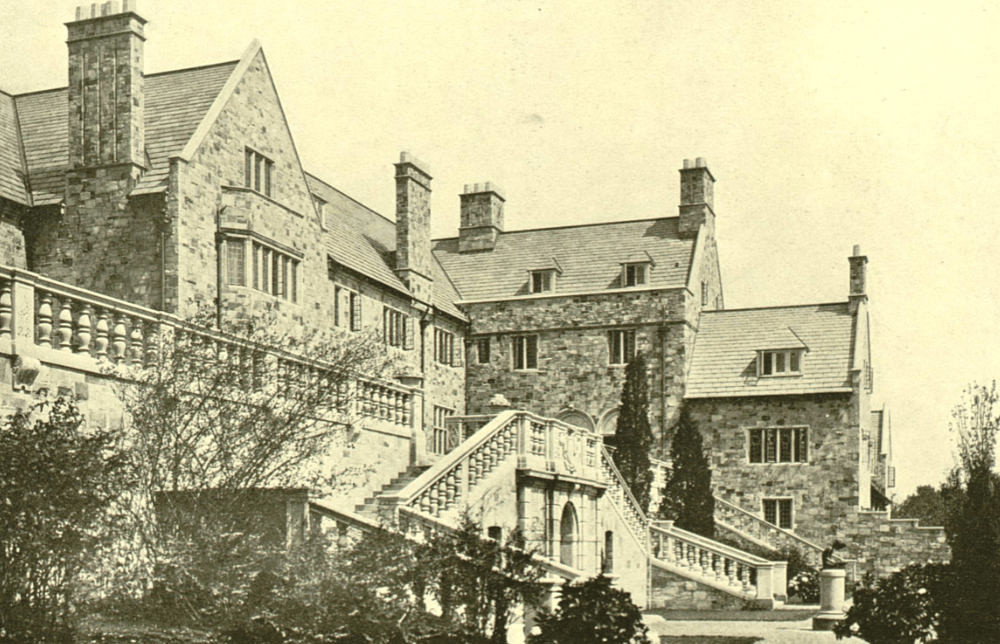
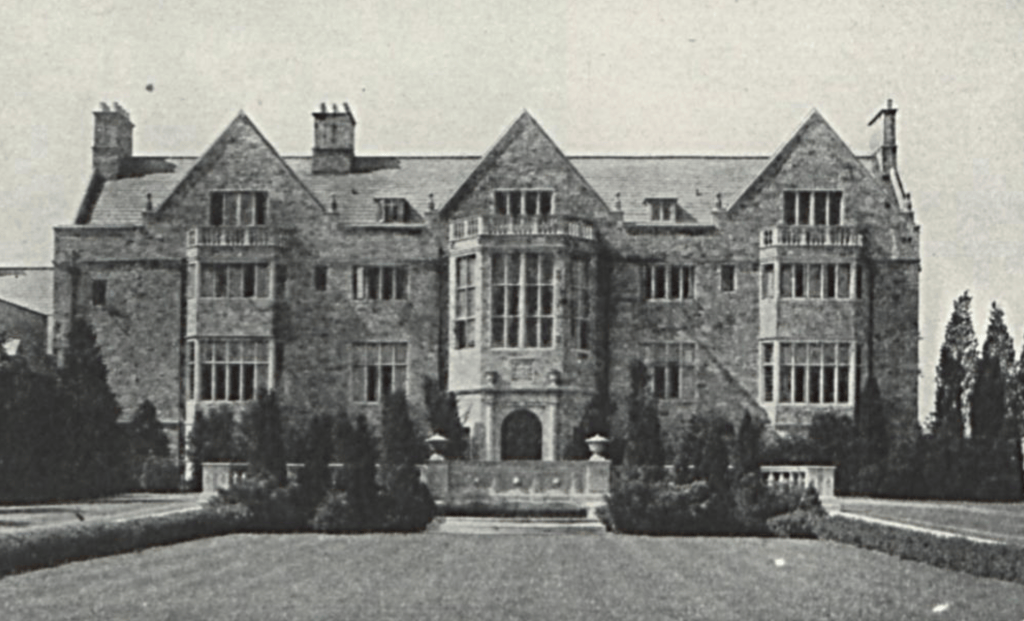
Now, the second Killenworth was not an easy project to approach. In fact, it would take a tiring two years to be finished. When it was completed, though, an estate of the most grand proportions could be found. At it’s center, a stone palace like none other stood. In 1913, it even received the prestigious award of Best-Constructed Country Residence from the American Institute of Architects.
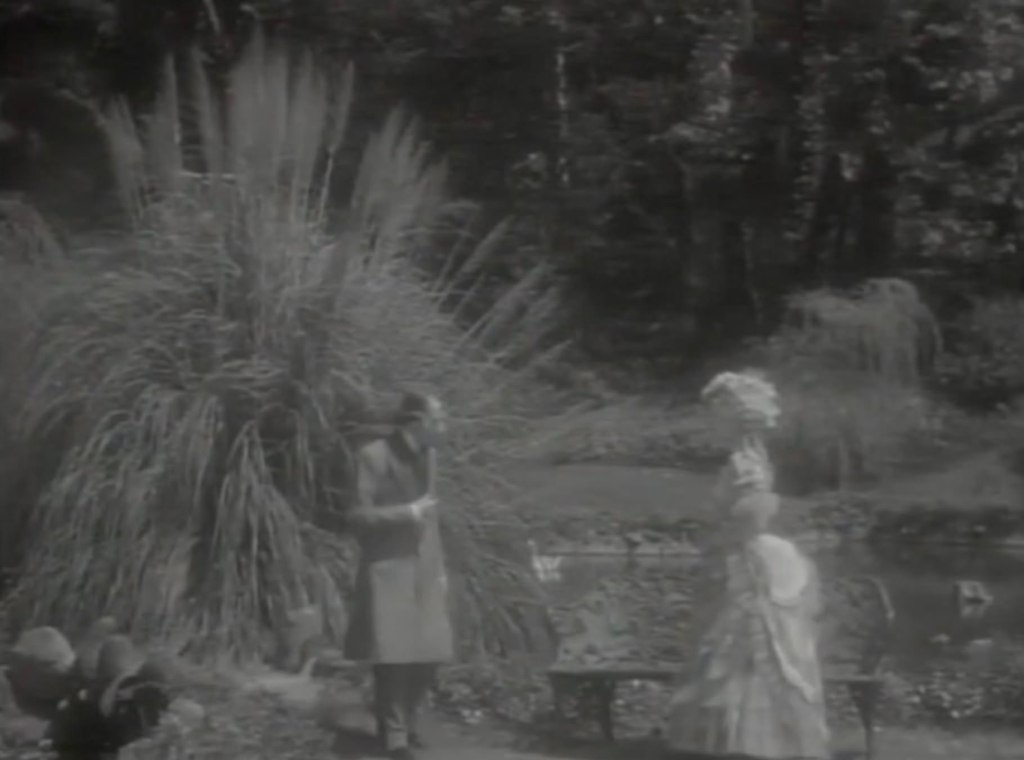
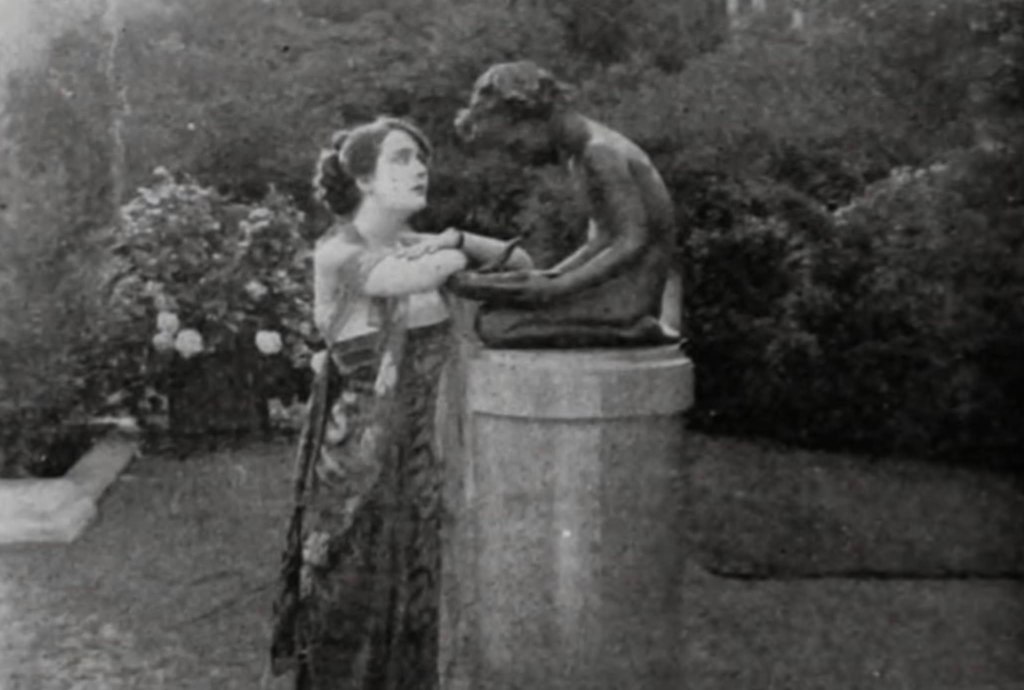
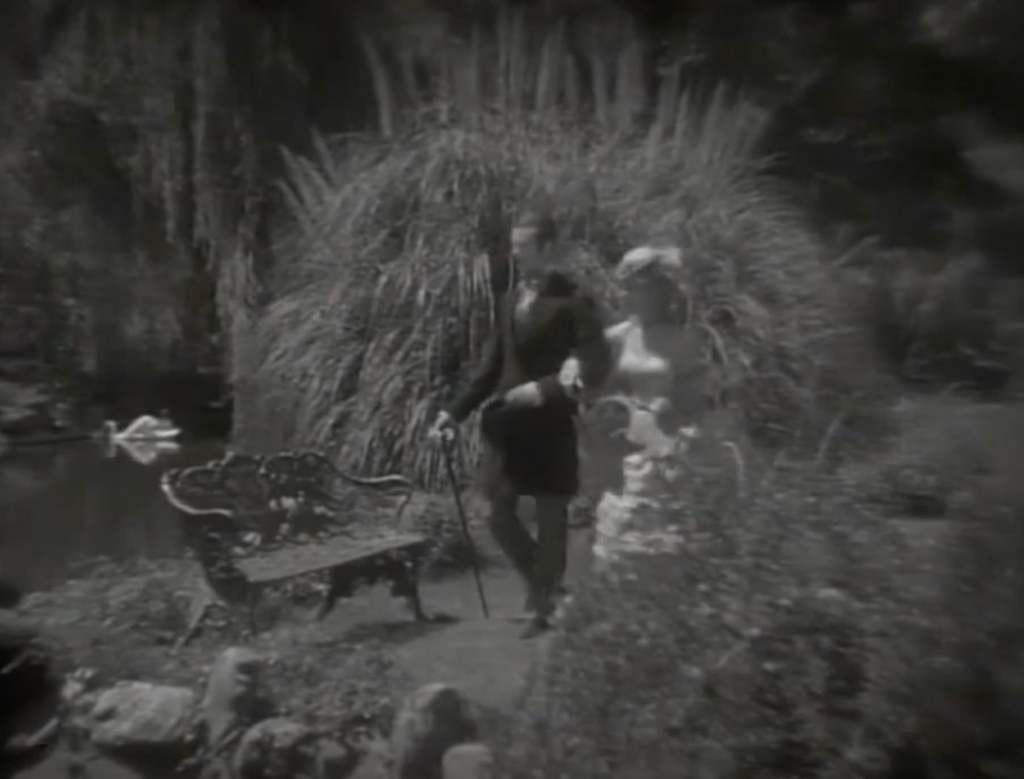
Ultimately, this 39 room castle was a beautiful, unmatched addition to the Pratt Family Complex. And so, it’s no surprise that the second it was completed, Mr. Pratt was quick to move into his new home. In time, he would come to use the whole property for an array of events, holidays, and excursions with both his family and those of the Long Island socialite crowd. When he wasn’t partying, Pratt would spend his time wandering through the properties gardens, pools, and indoor tennis court—all of which were frequently leased to be the setting of movies like “Disraeli” (1929) and “Daughter of Destiny” (1917)!
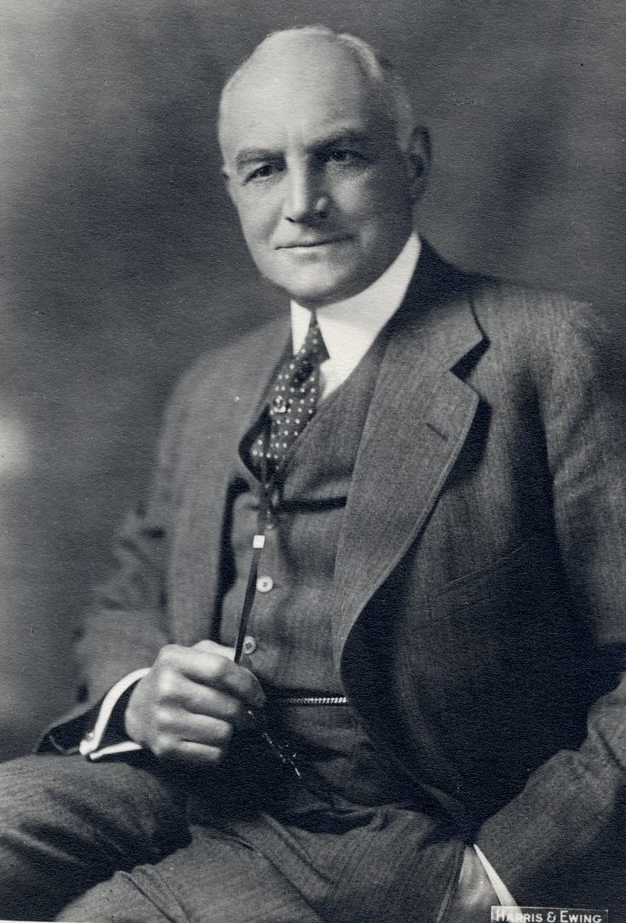
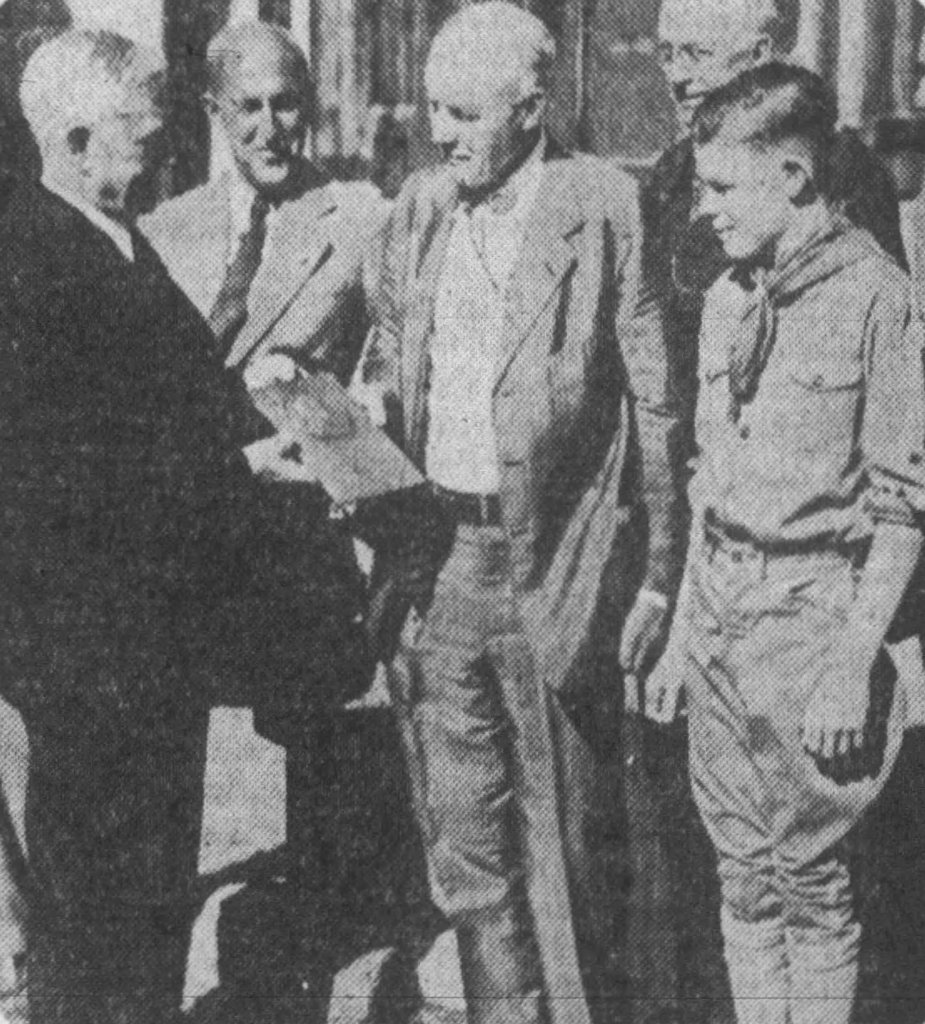
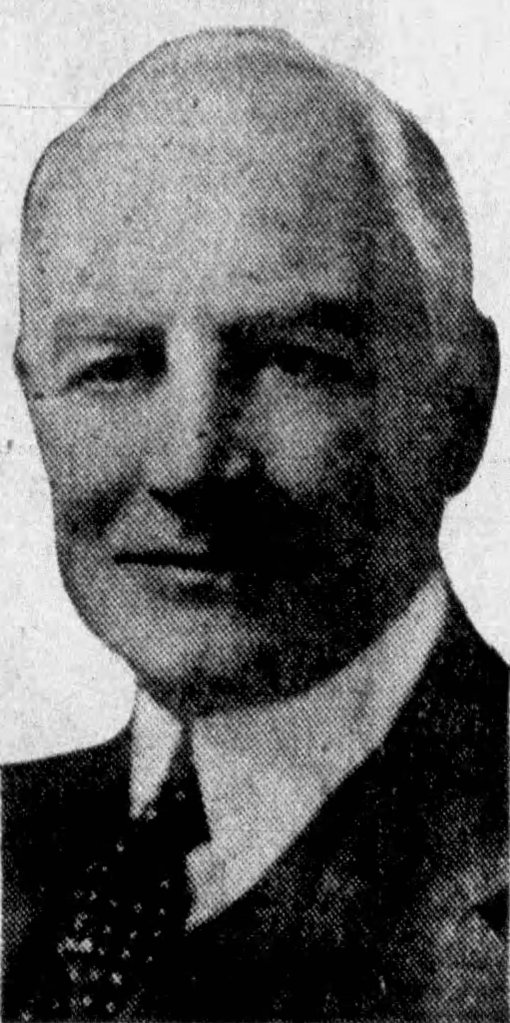
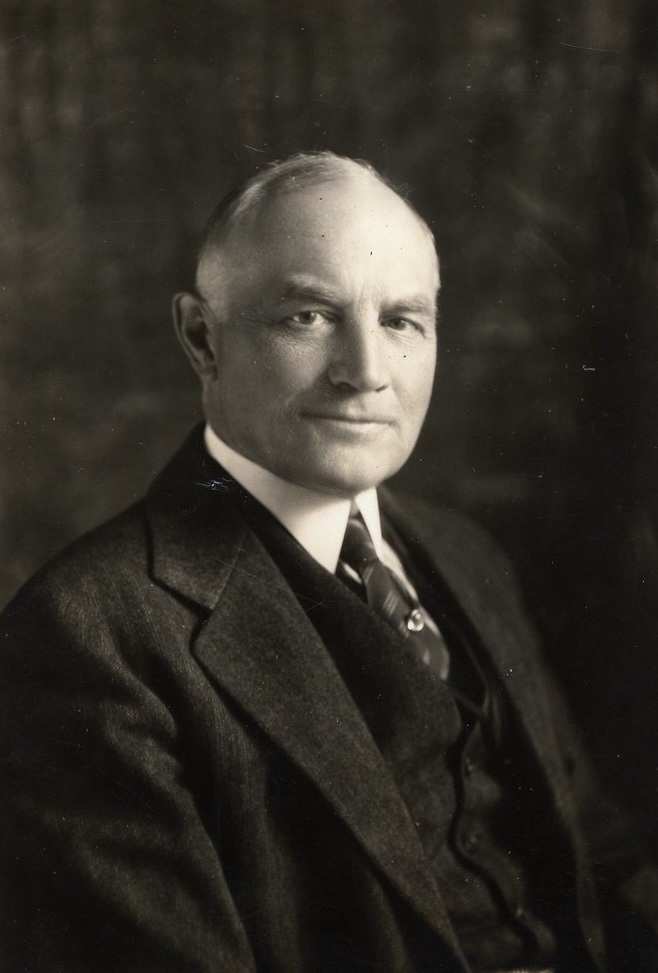
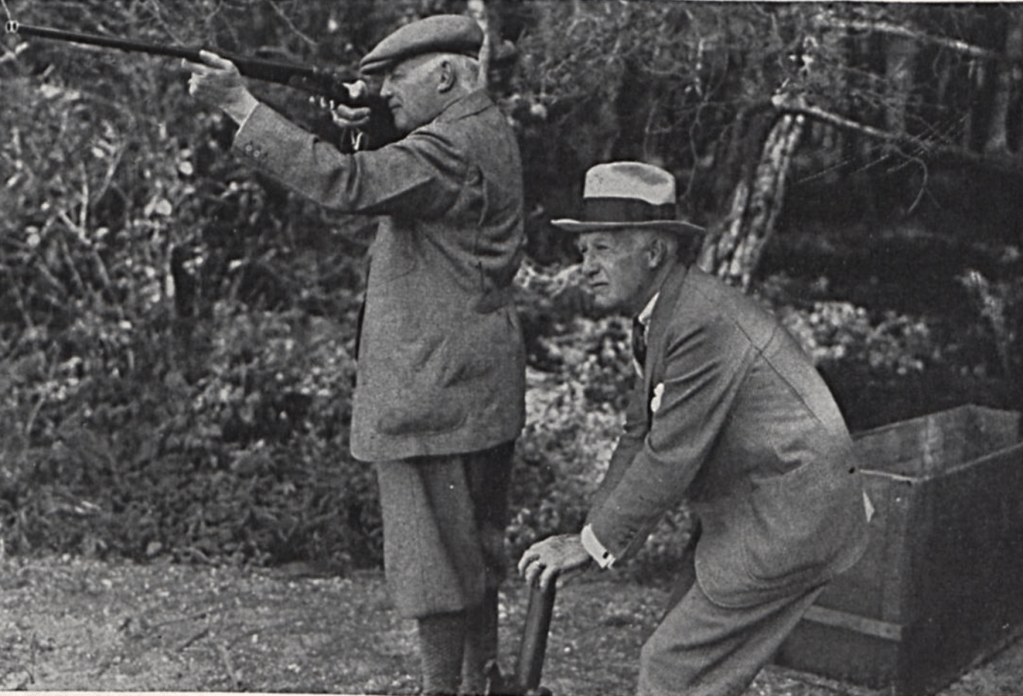
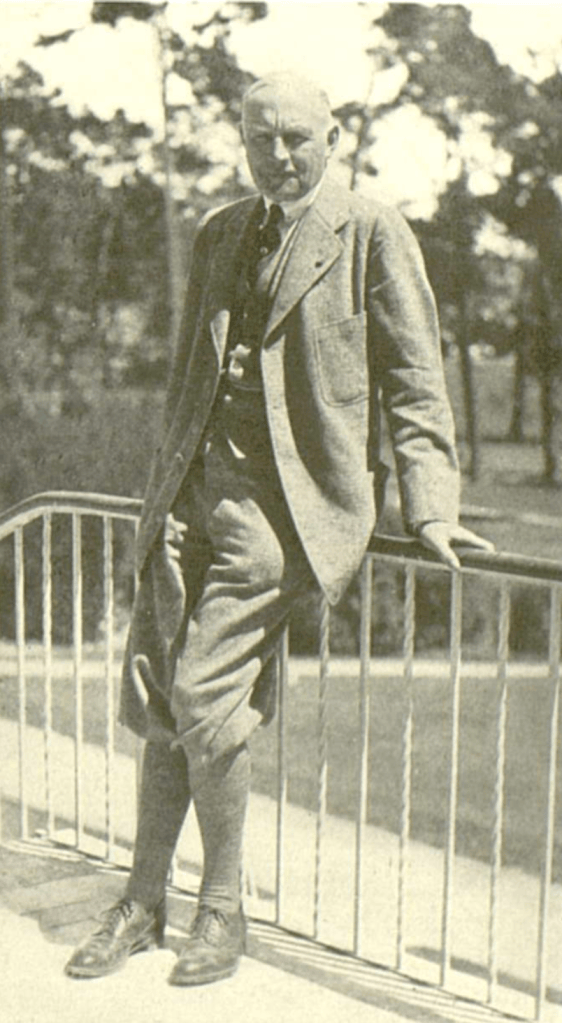
Sadly, though, Mr. Pratt’s time at Killenworth would not last forever. That’s because, in January 1935, 66 year old George Dupont Pratt passed along whilst residing at his Glen Cove home. Apparently, Pratt had been suffering from a heavy illness for multiple months, and (seeing his sickness worsen) chose to return to Killenworth for his final days. Now, when he passed, Mr. Pratt certainly left a grand legacy. But, for his family, that legacy came with many obligations, and one of these was to find a use for his Glen Cove house. Of course, this was not an easy task and for the first five years, an answer seemed nonexistent. But, in June of 1940, newspapers reported that a substantial suggestion was actually made for Killenworth. It guaranteed that the Pratts stayed in ownership of the Killenworth property… But, it also required a major architectural loss. According to timely articles, the surviving Pratt heirs had begun discussing the potential demolition of Killenworth. Apparently, this option was the most cost-effective, and it could ease up taxes for the family, who wanted to keep all Dosoris Park houses in the family.
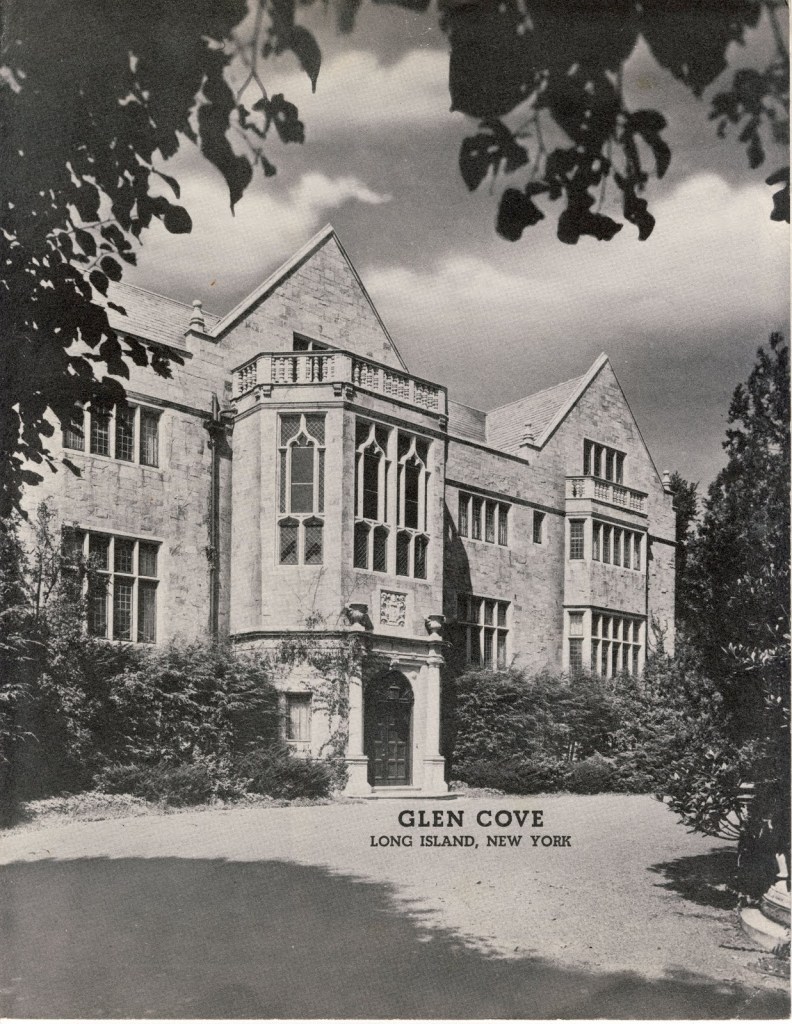
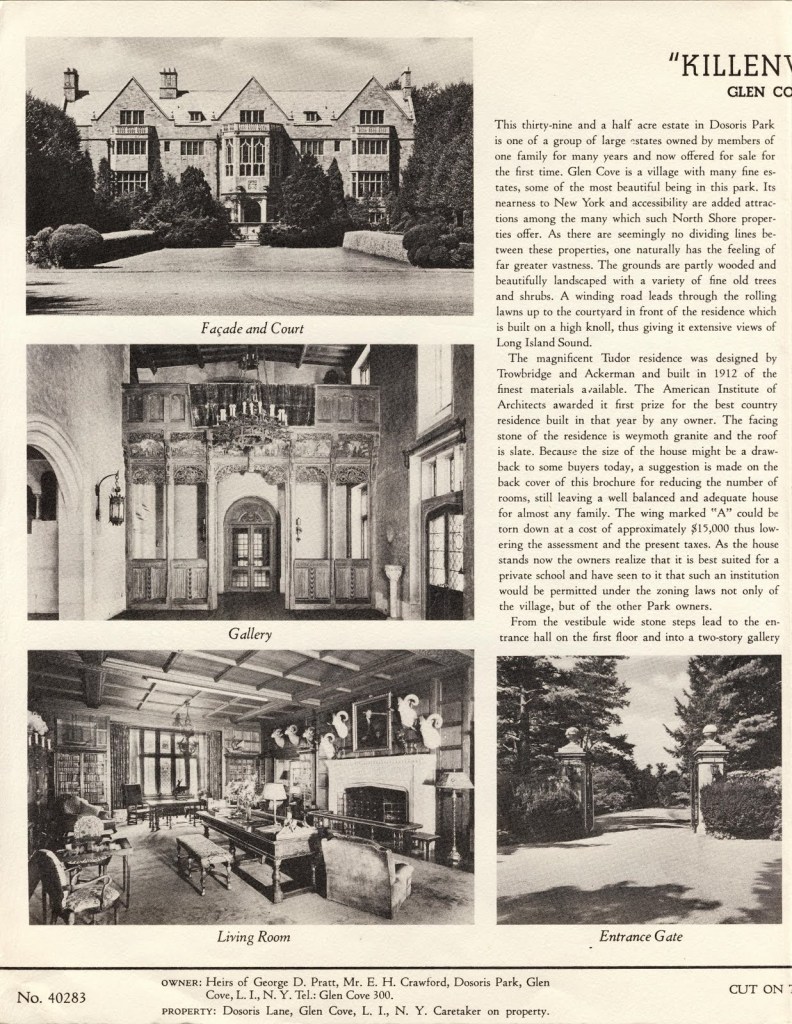
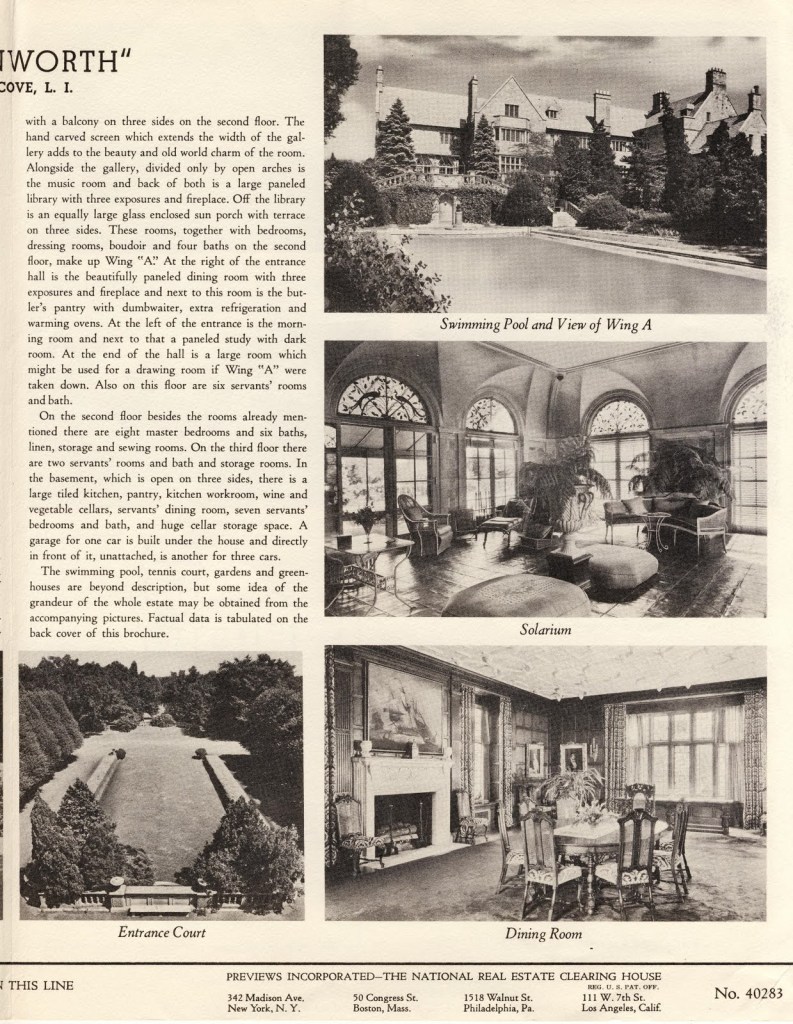
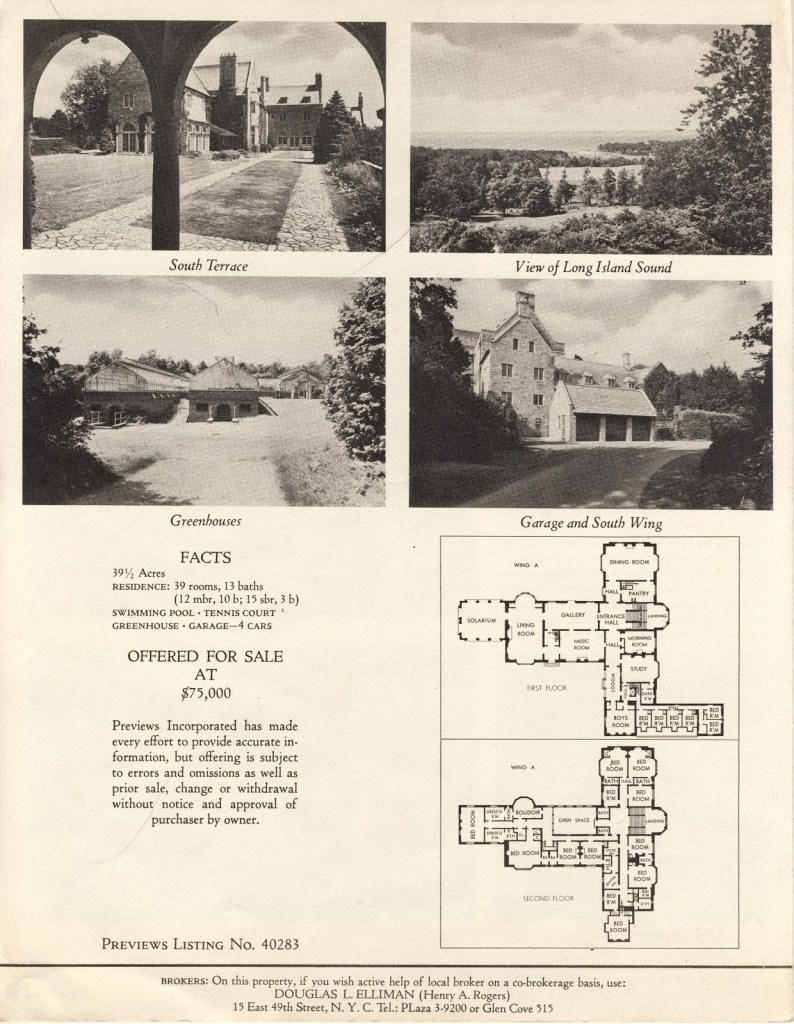
Thankfully, however, it seems that the choice was ultimately made to keep Killenworth standing. This decision, made in 1941, meant that – for the time being – the home would remain vacant but still standing. Except, this would all change in a mere year. I say this because, in 1942, the Pratts finally decided to put Killenworth on the market. To my knowledge, this was the first home in Dosoris Park to be ever placed for sale. So, it may come as no surprise to learn that local & regional periodicals went haywire in reporting this unique offer.
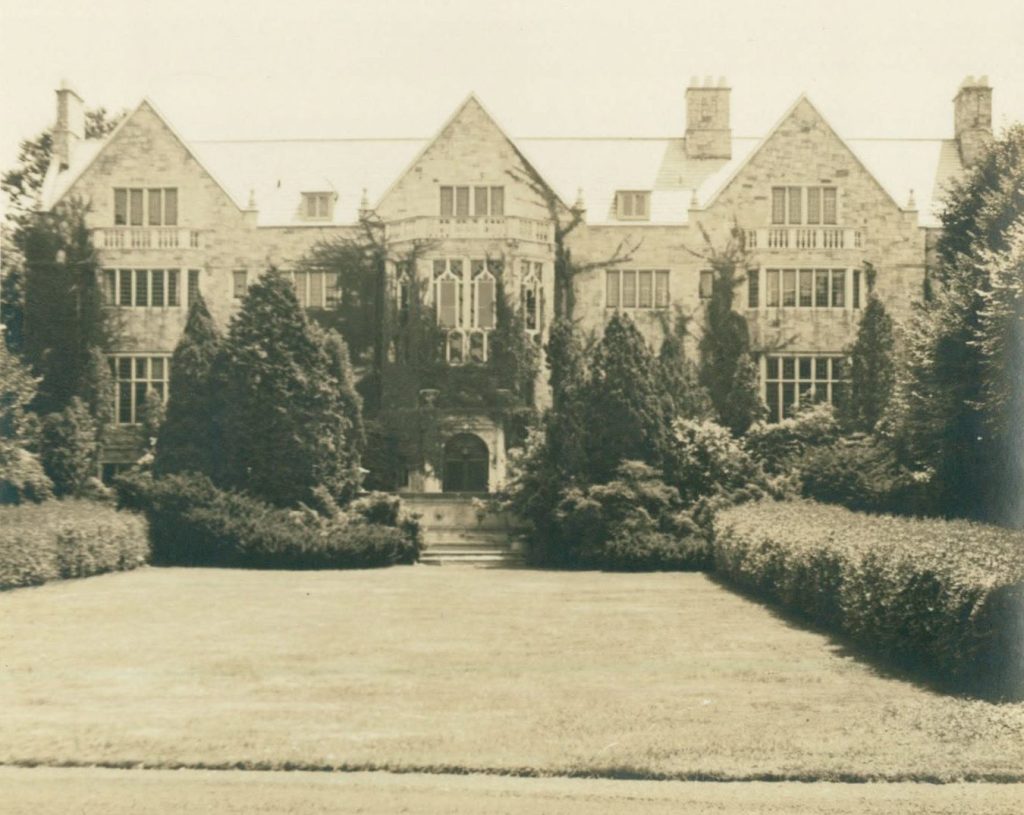
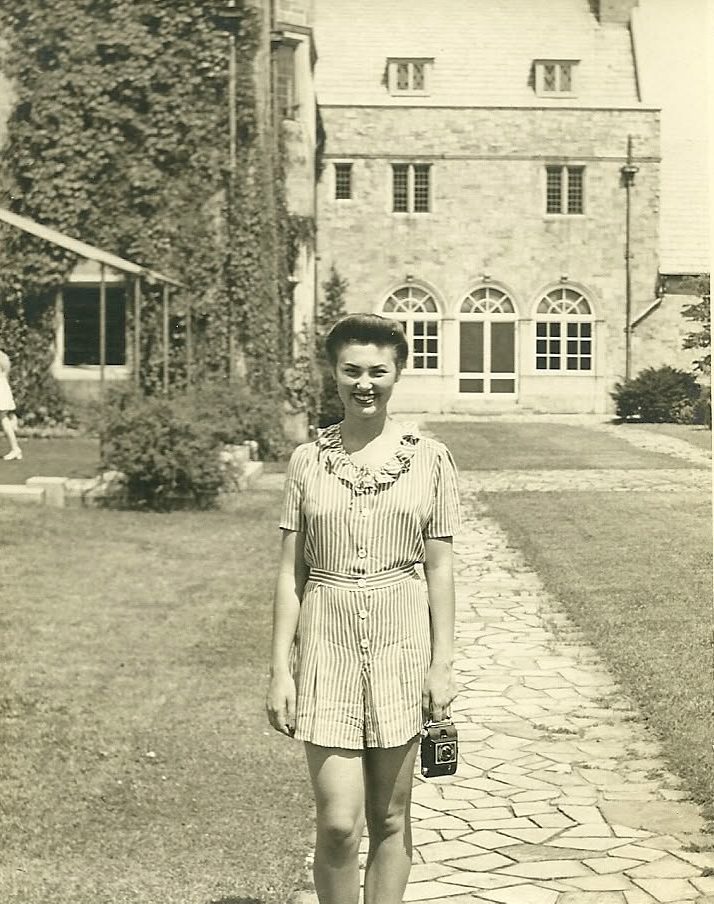
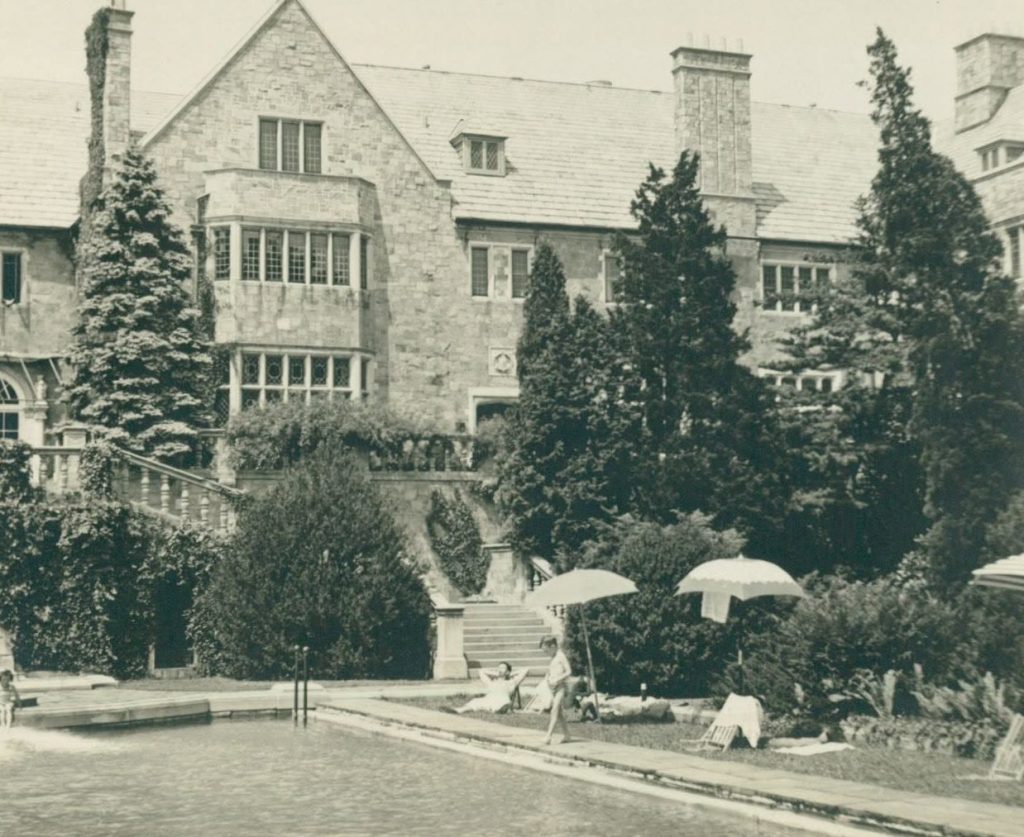
And yet, despite the great publicity and unmatched potential, the ultimate buyer of Killenworth was not a famous socialite or a wealthy businessman. Rather, it was connecticut-based truck manufacturer named Thomas Miller who sealed the deal and took ownership of the former residence in 1944. As stated not long after he acquired it, Mr. Miller planned to utilize Killenworth – and a neighboring property he also bought – for his company, Miller Manufacturing Co. From then until 1946, this reuse of Killenworth would actually prove successful. While few images have resurfaced from that time, the handful that have are truly spectacular, and show an incredibly original home surrounded by vibrant Glen Cove locals. The only thing is, Miller Manufacturing Co would only operate out of this home for around two years. You see, a house of this proportion is not easy to manage. Plus, as a truck manufacturer, Thomas Miller could only use the home for so many things. Yes, definitely held enough rooms for use as a headquarters. But, the remainder of the home and property had no real value to the Company, and only cost more and more to upkeep. So, in early 1946, Killenworth was placed for sale. When it was bought, though, no one could have ever imagined who (or what) purchased it.
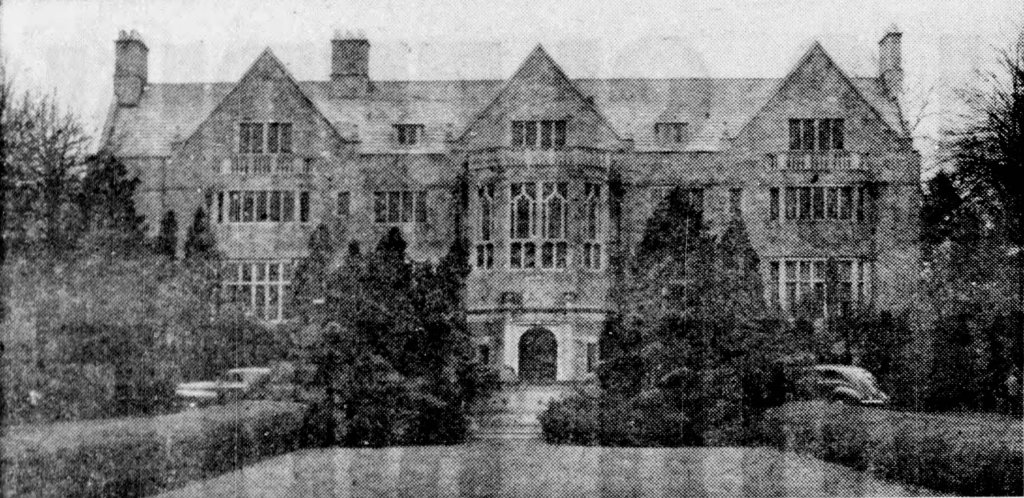
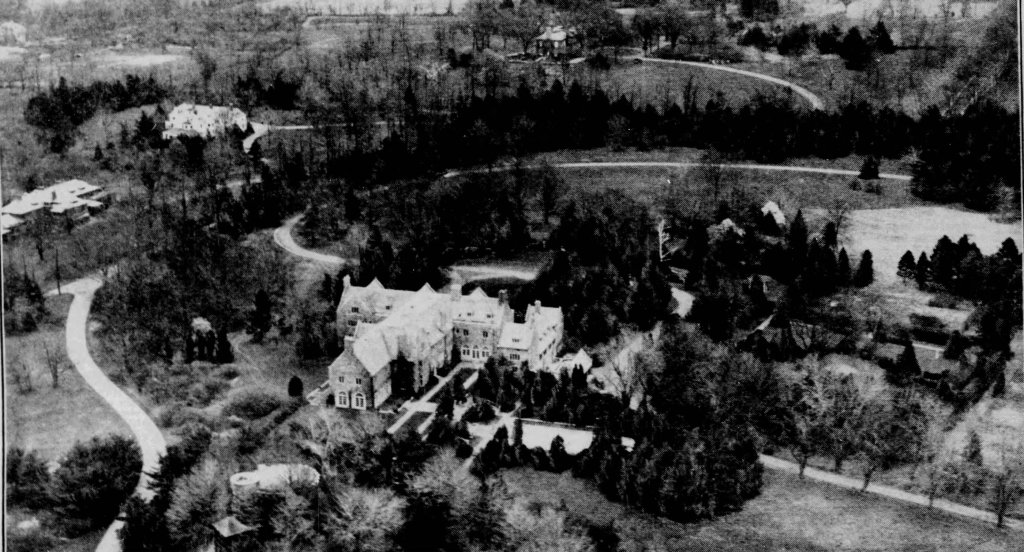
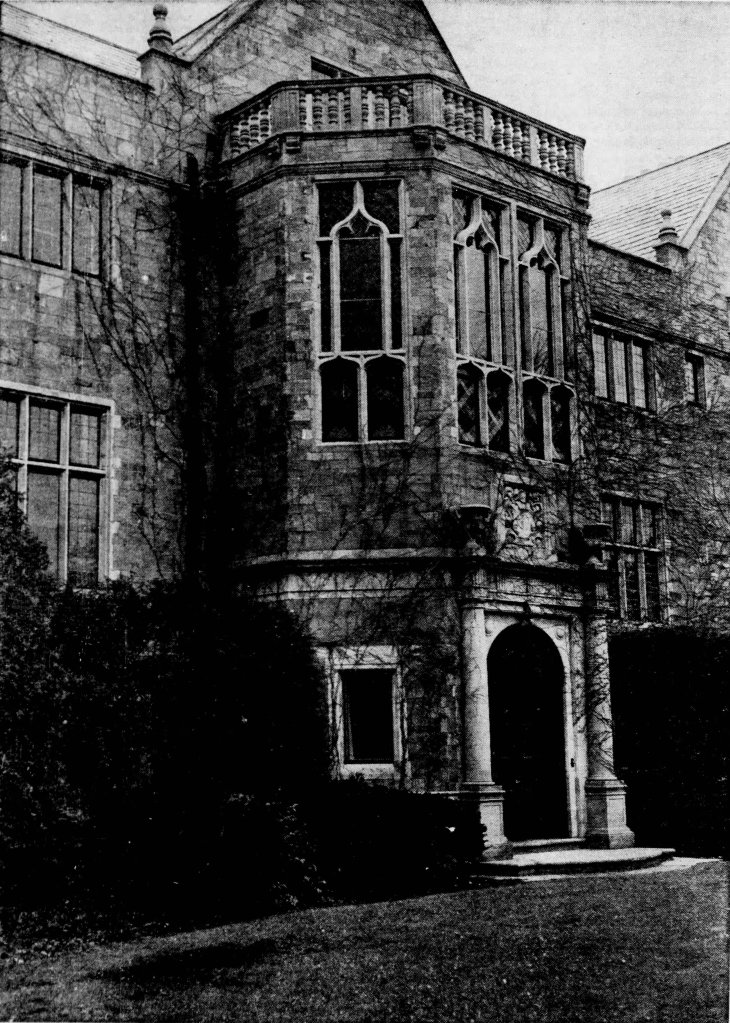
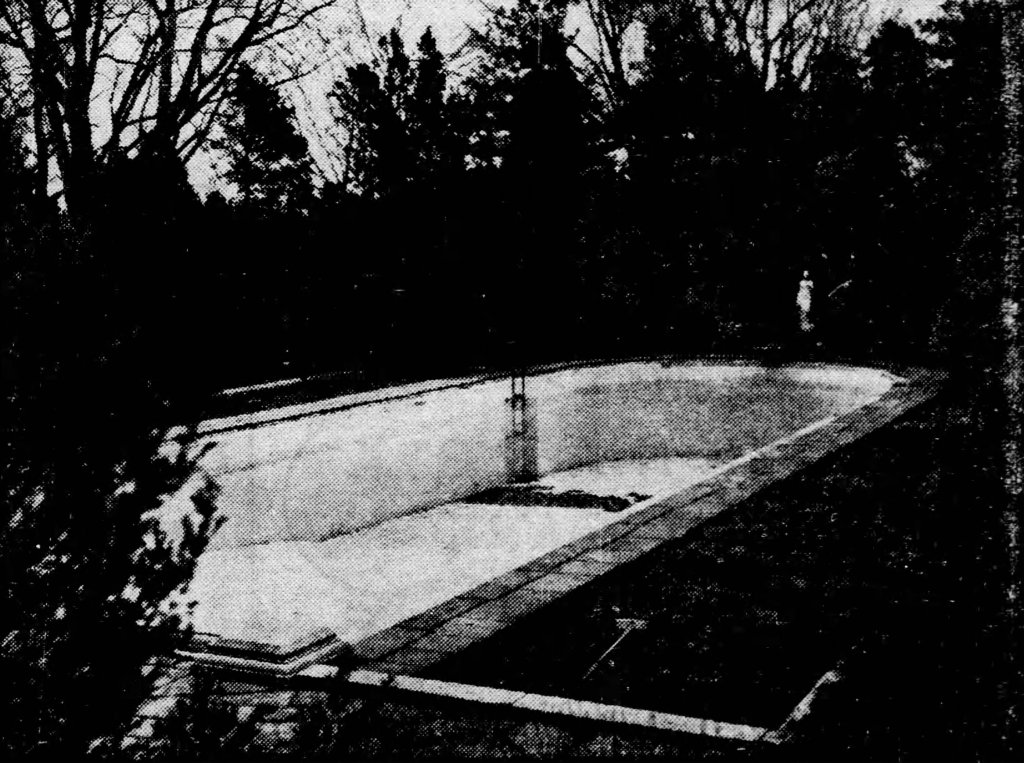
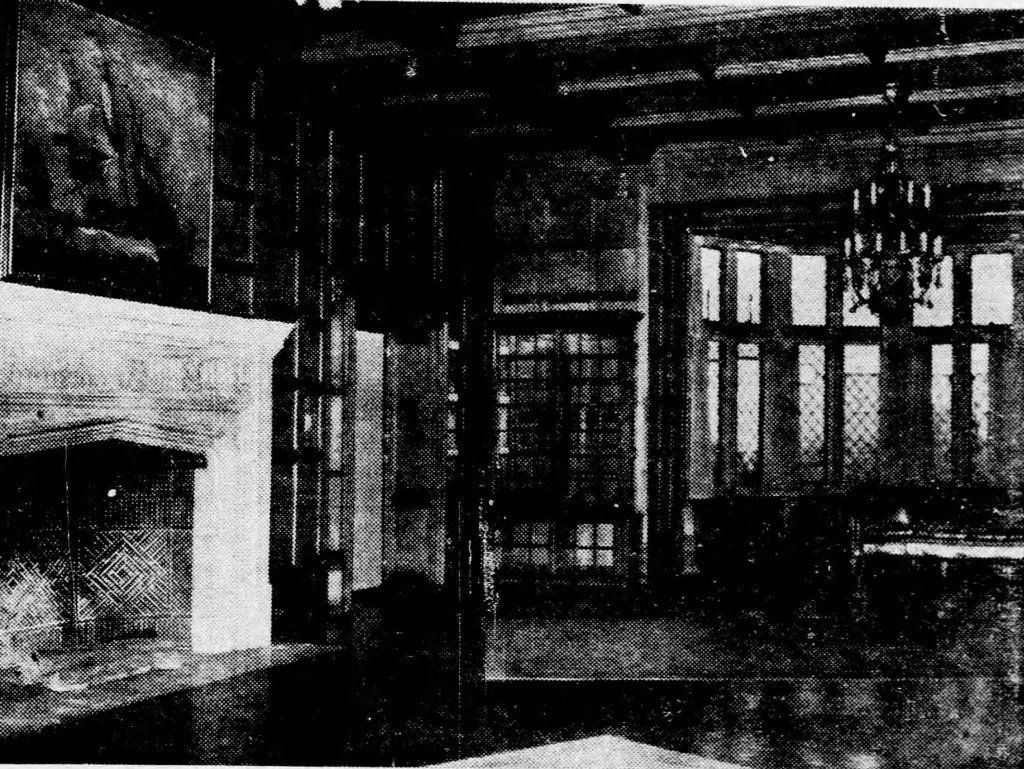
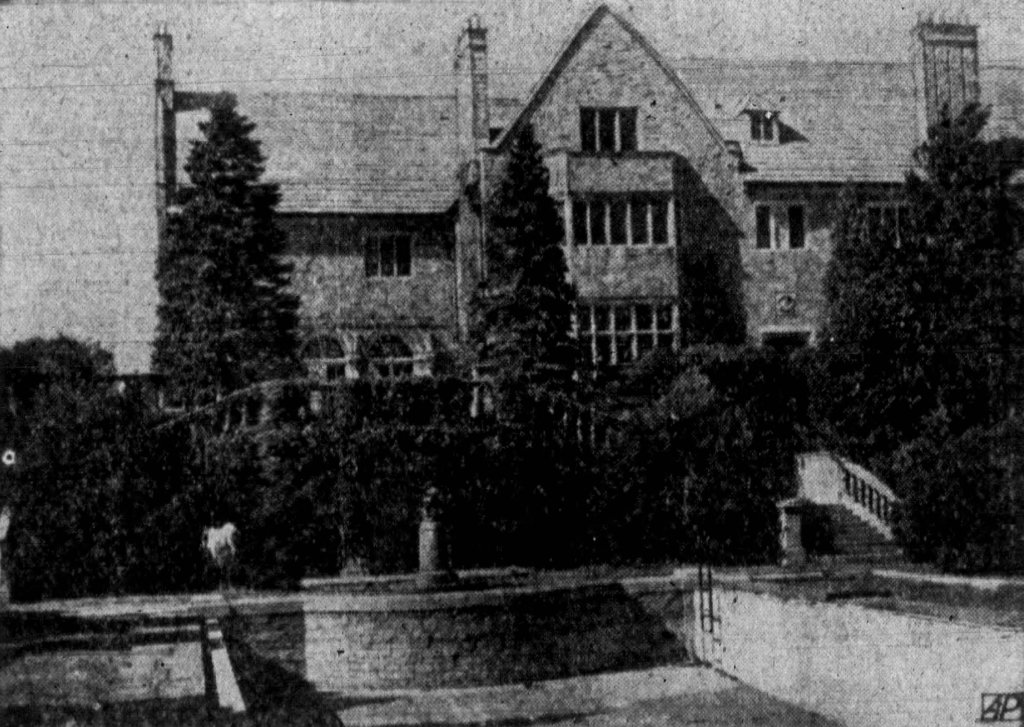
That April, news broke that the actual Soviet Union was planning to purchase the entirety of Killenworth. No, not just one Russian guy—the literal Soviet Union. Unsurprisingly, in a similar fashion as the reactions given when Killenworth first hit the market, news outlets across the globe were just as eager to report on the estate’s new owners. According to said sources, Killenworth was purchased with the intent of being transformed into a future UN retreat house. Now, I feel as though I must preface that the Soviets settling in Glen Cove was not a new thing. Long before Killenworth, the Soviets had actually set their eyes out on other local estates – such as J.P. Morgan’s “Matinecock Point” – for similar delegate purposes. Killenworth, however, was to be the first permanent retreat home. And so, in the coming months after “Killenworth” was first purchased (during the summer of 1946, to be exact), truckloads of furniture and decorations slowly arrived on-site. This is because, during the time that Miller Manufacturing Co. utilized the estate, the original interior decor was cleared out (likely because it was sold by the Pratt’s without in a vacant state). Thus, in order to prepare for the wealthy soviet delegates & officials that would soon use the estate, Killenworth had to be entirely refurbished. When the job was finished, though, the old Pratt home was reportedly a very beautiful sight.
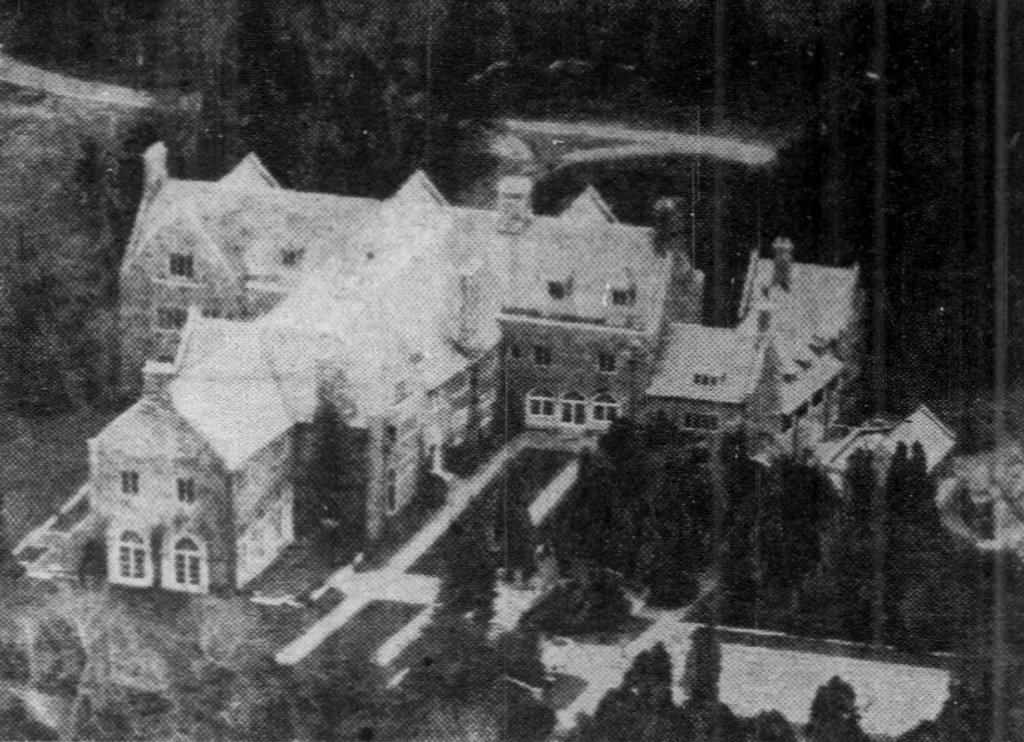
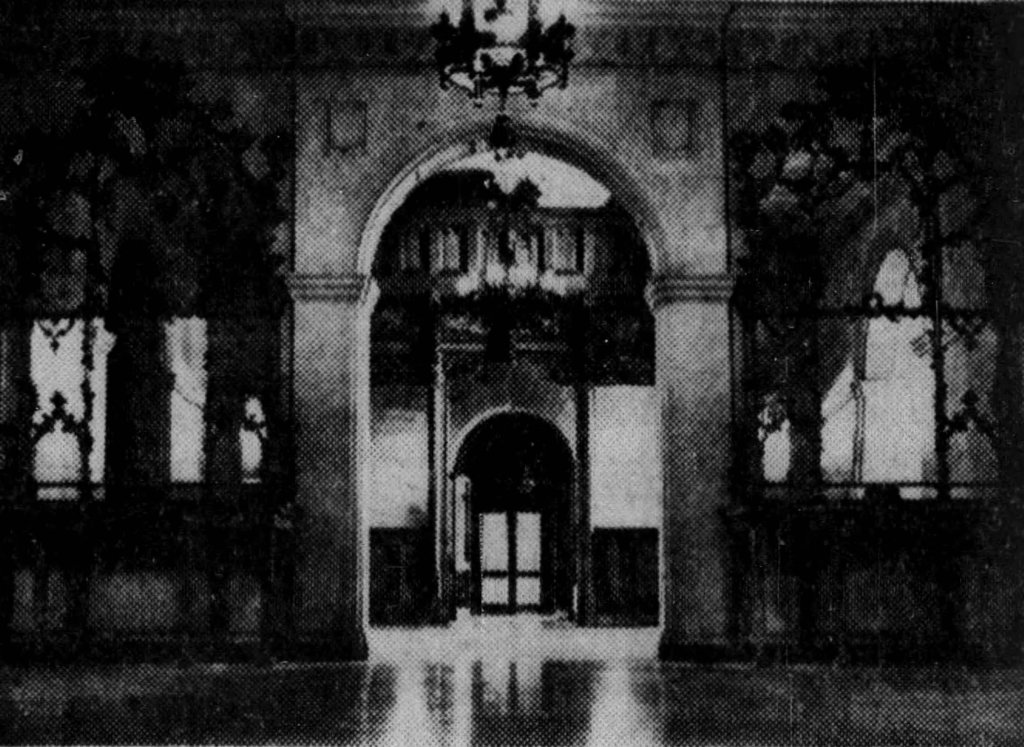
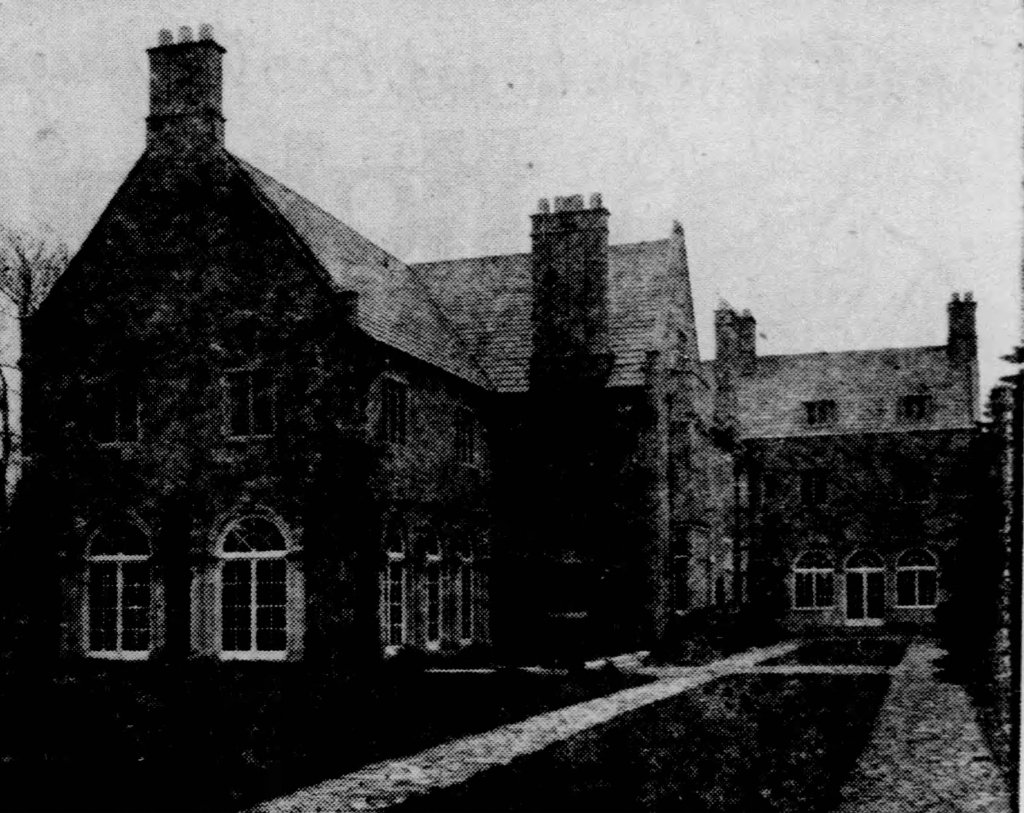
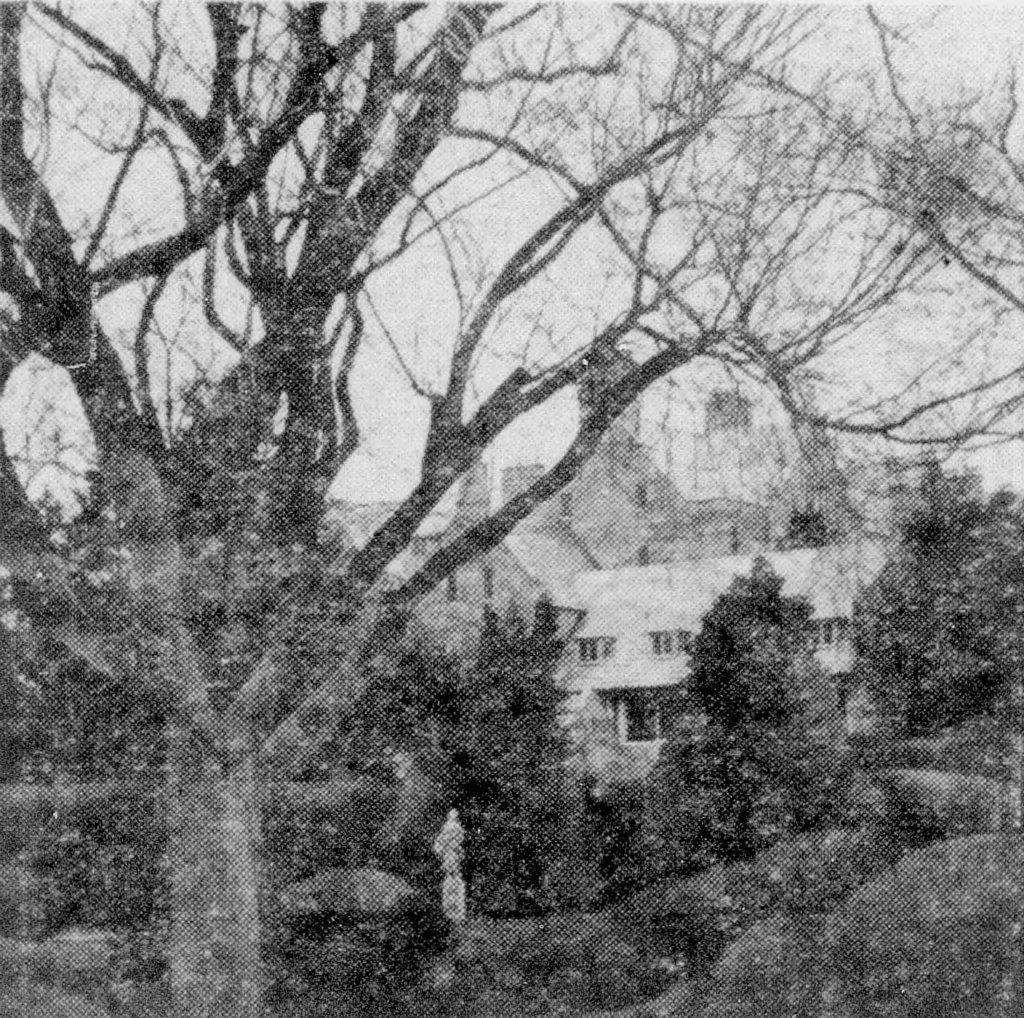
Now, the first true “Russian” visitor to Killenworth would arrive in October of 1946. His name was Vyacheslev Molotov, and he was the “Procurator General” of the Soviet Union. Not long after him, succeeding General Andrew Vyshinsky also visited the estate in September 1947. Two years later, a Soviet engineer by the name of Veltnin Gubitschev was given a special visit. All of these officials, whom individually made headlines nationwide, were soon proving burdensome for the local area. Particularly, many were annoyed to find an unexpected mini-Kremlin in their backyard at what was becoming the height of the Cold War. This dismay was so prime by that, in the 50s & 60s, an array of demonstrations begging the Russians to exit their premises would be held outside Killenworth. As a result, it was reported that the City of Glen Cove was forced (by the Russians, might I add) to dispatch additional police on-site. After a few weeks, they were unsurprisingly never paid by the nation, causing all surveillance to be revoked.
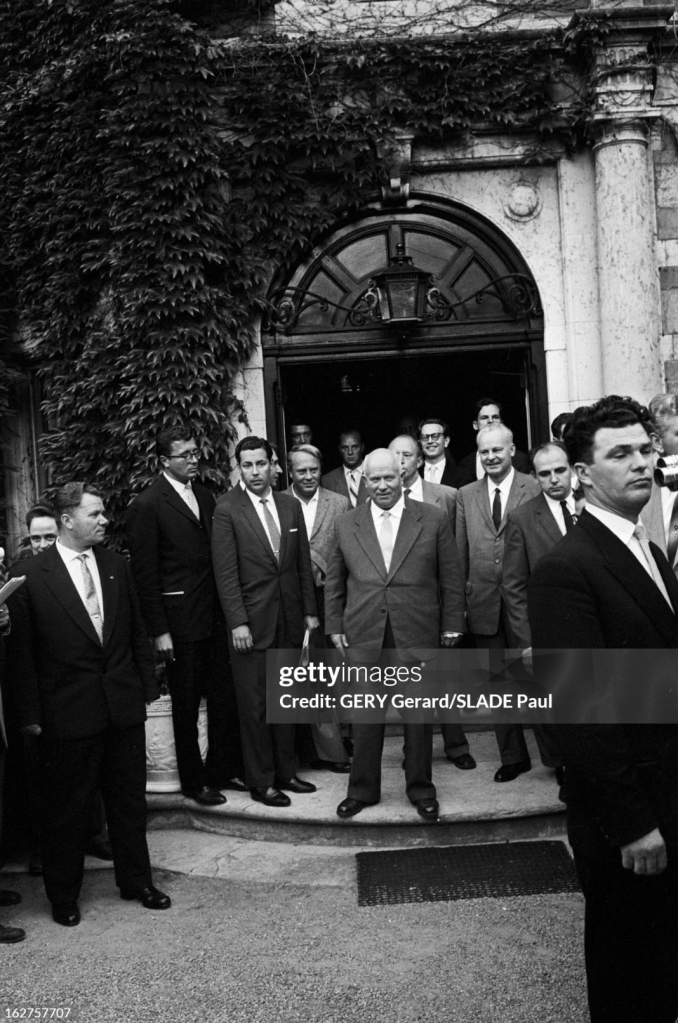
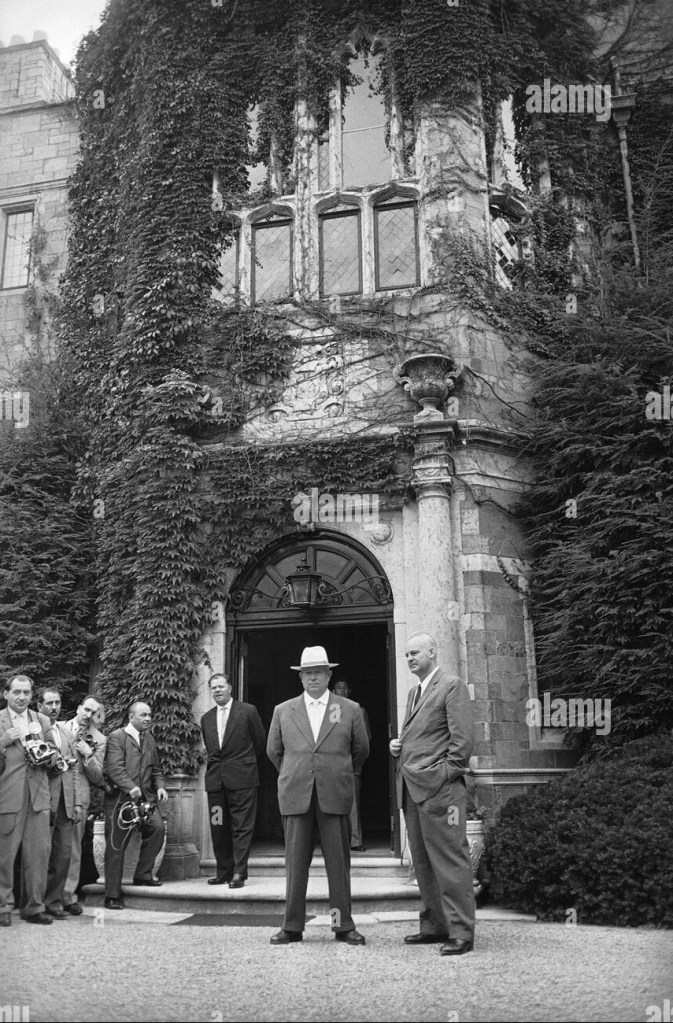
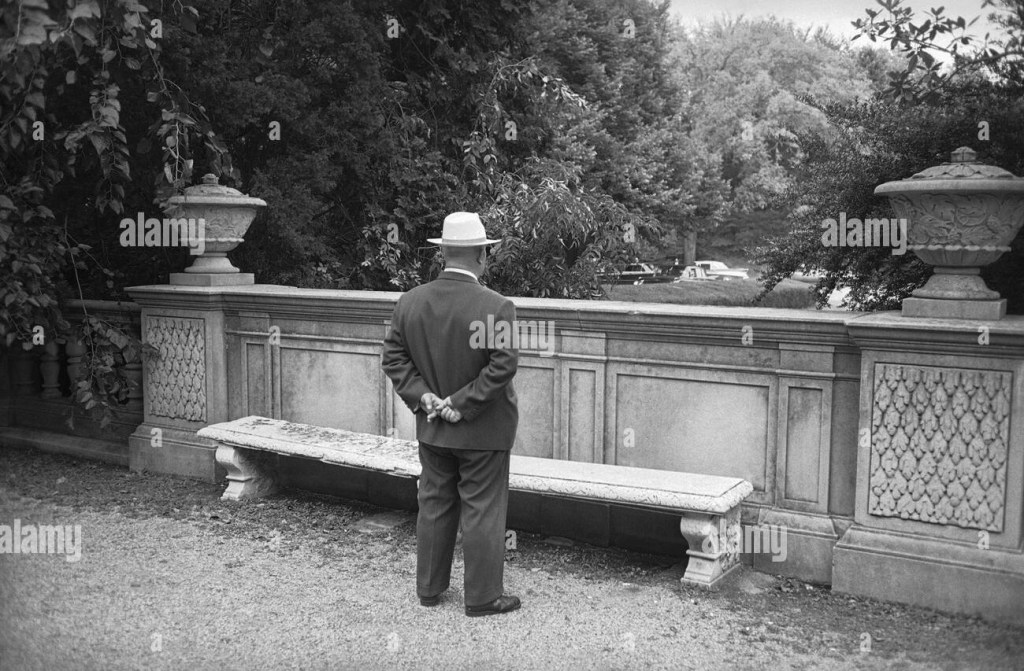
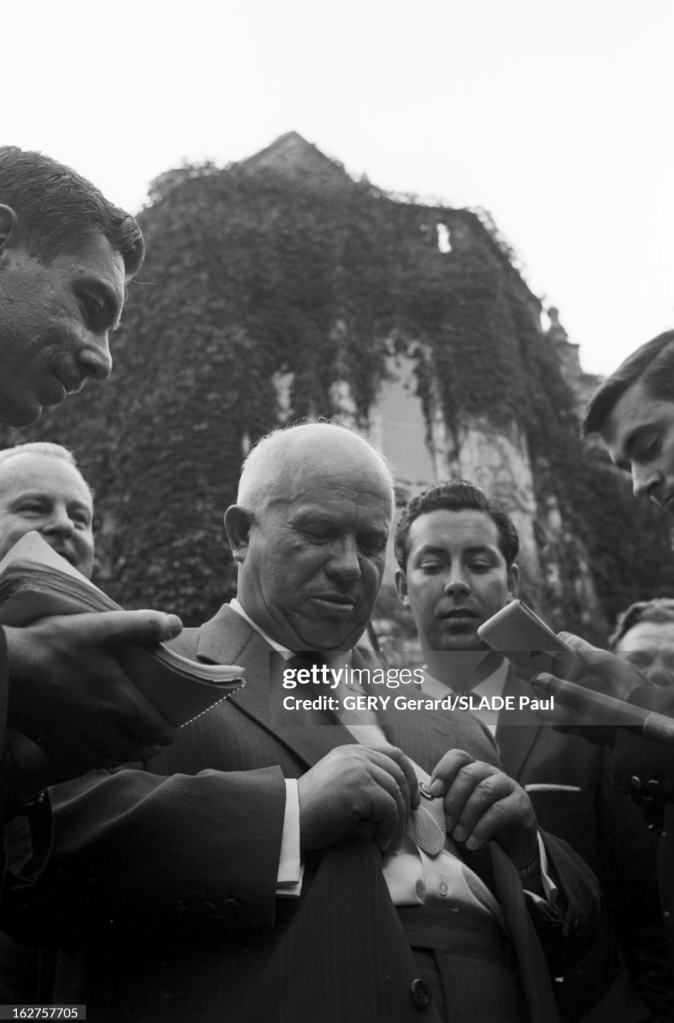
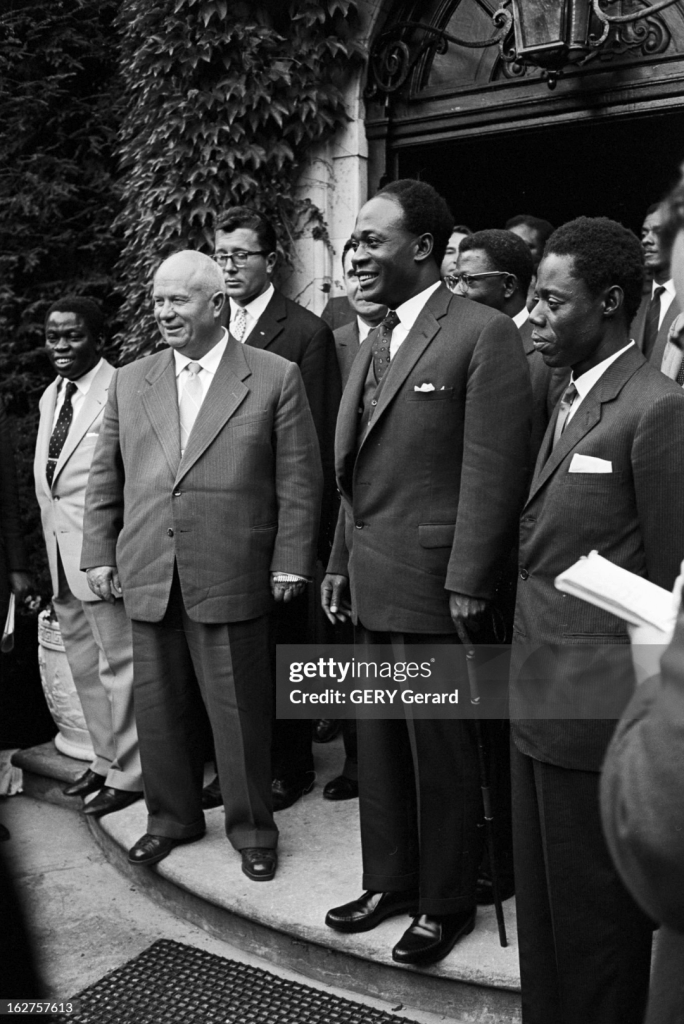
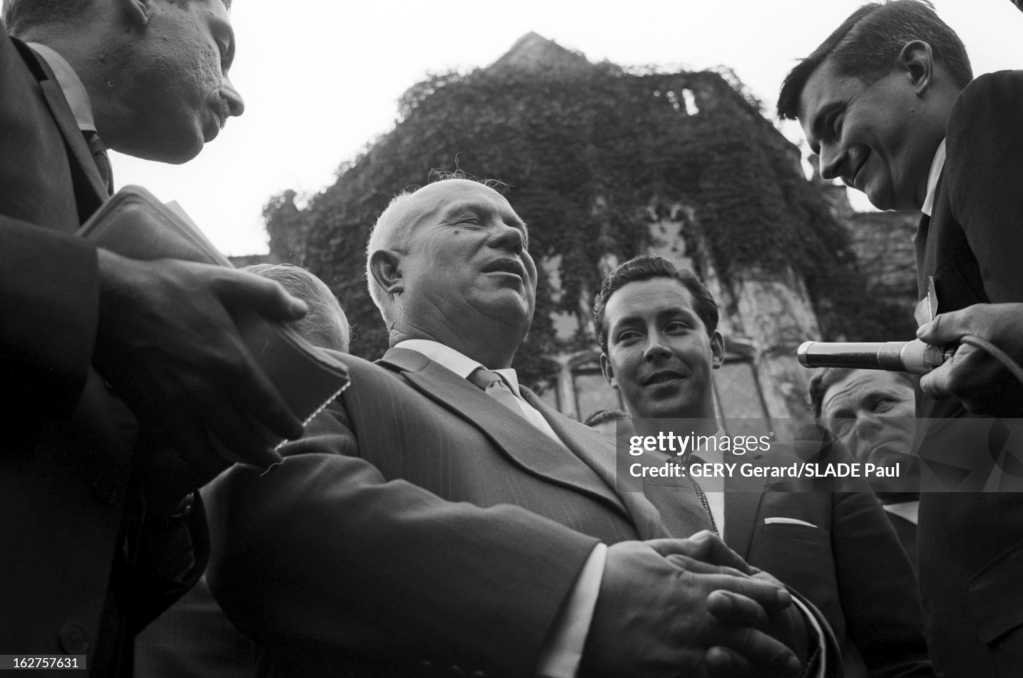
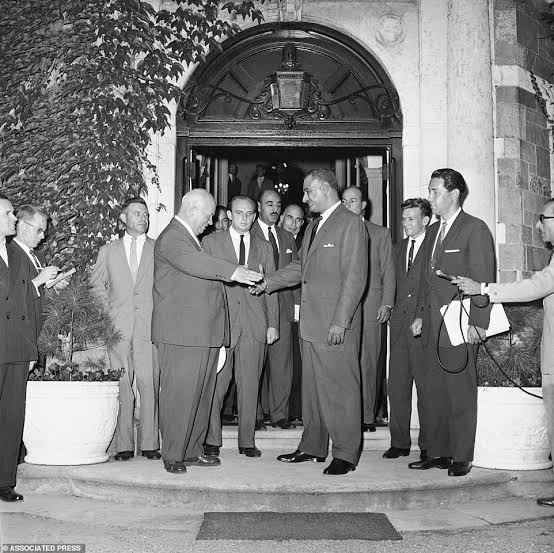
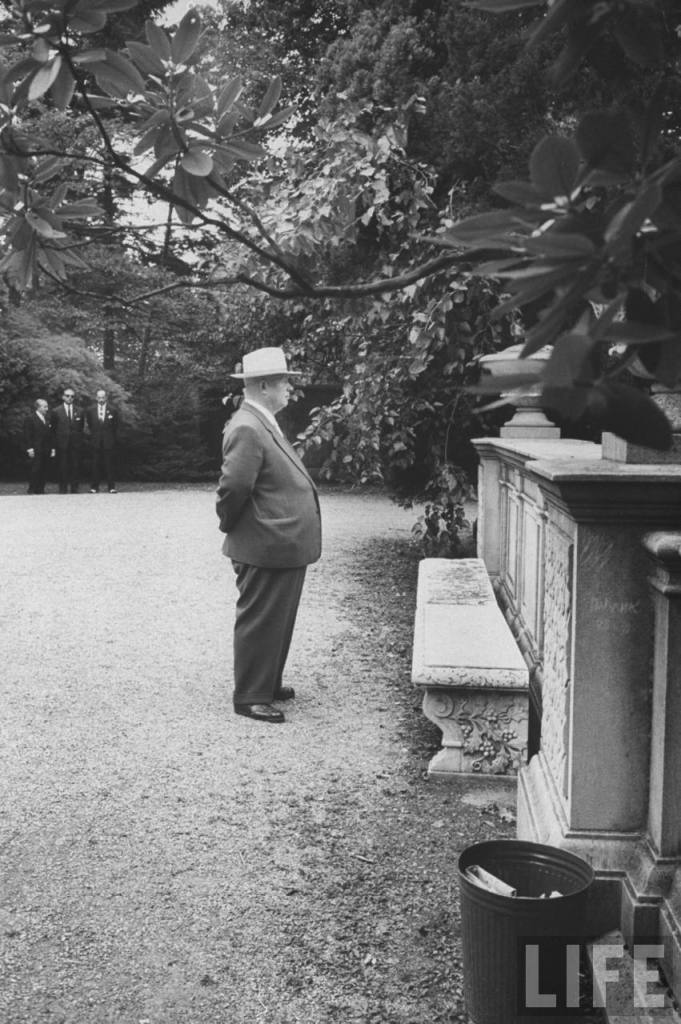
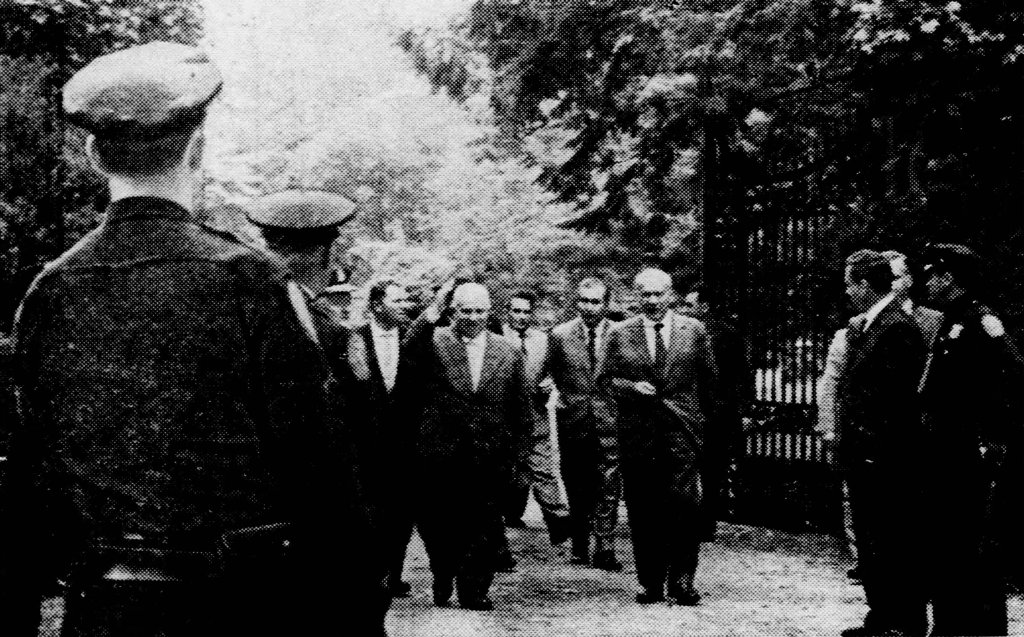
Nonetheless, even with ongoing efforts kick the Russians out of Glen Cove, Killenworth continued operating as a retreat house well into the 1950s. As a matter of fact, the most notable visitor to Killenworth came at the turn of the next decade when, on September 23, 1960, Soviet Premier Validimir Khrushchev paid a well-overdue visit to his grand Pratt palace. Upon his arrival, crowds of curious civilians waited outside, trying to get a glimpse of the foreign leader. Apparently, some of the locals (who were more disappointed than intrigued by the visit) even threw tomatoes at his car. Despite all this, Khrushchev visit as a whole was a widely publicized extravaganza. At any given moment, there were photographers crowding the gates of Killenworth, with Mr. Khrushchev rarely entertaining them. Even when he left just two weeks later, the news was still reporting on the visit, being that it was certainly the first of its kind.
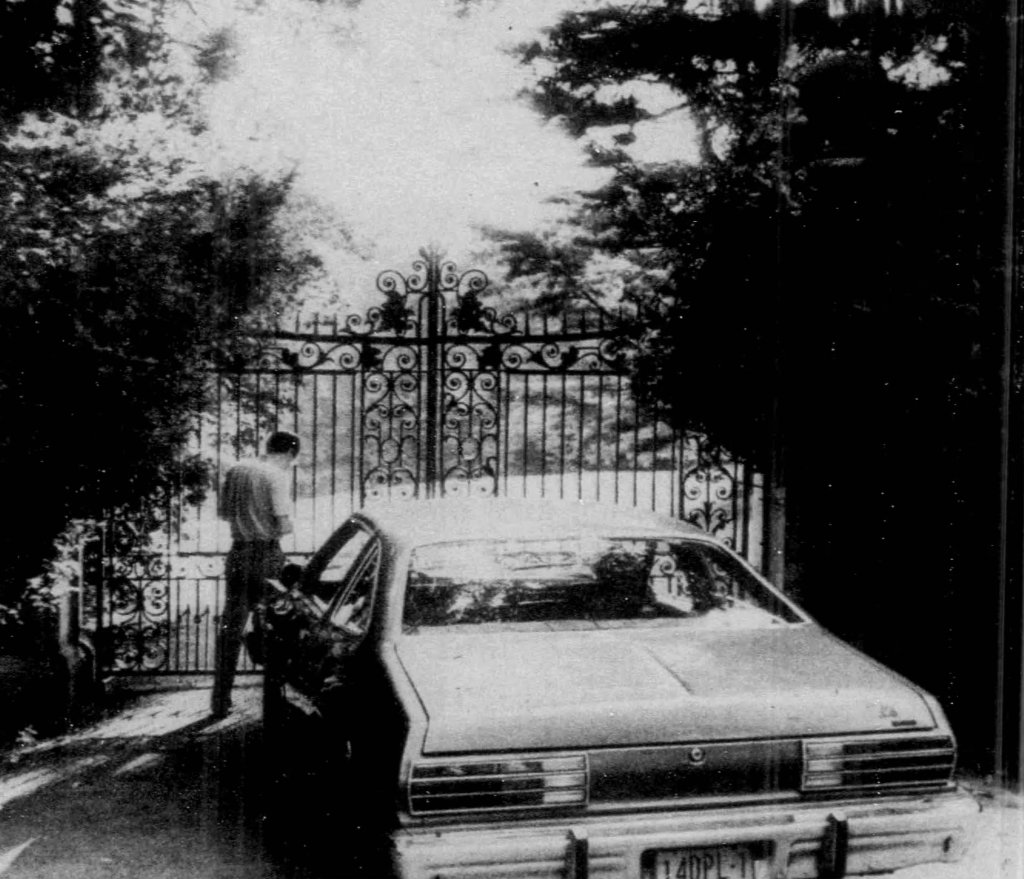
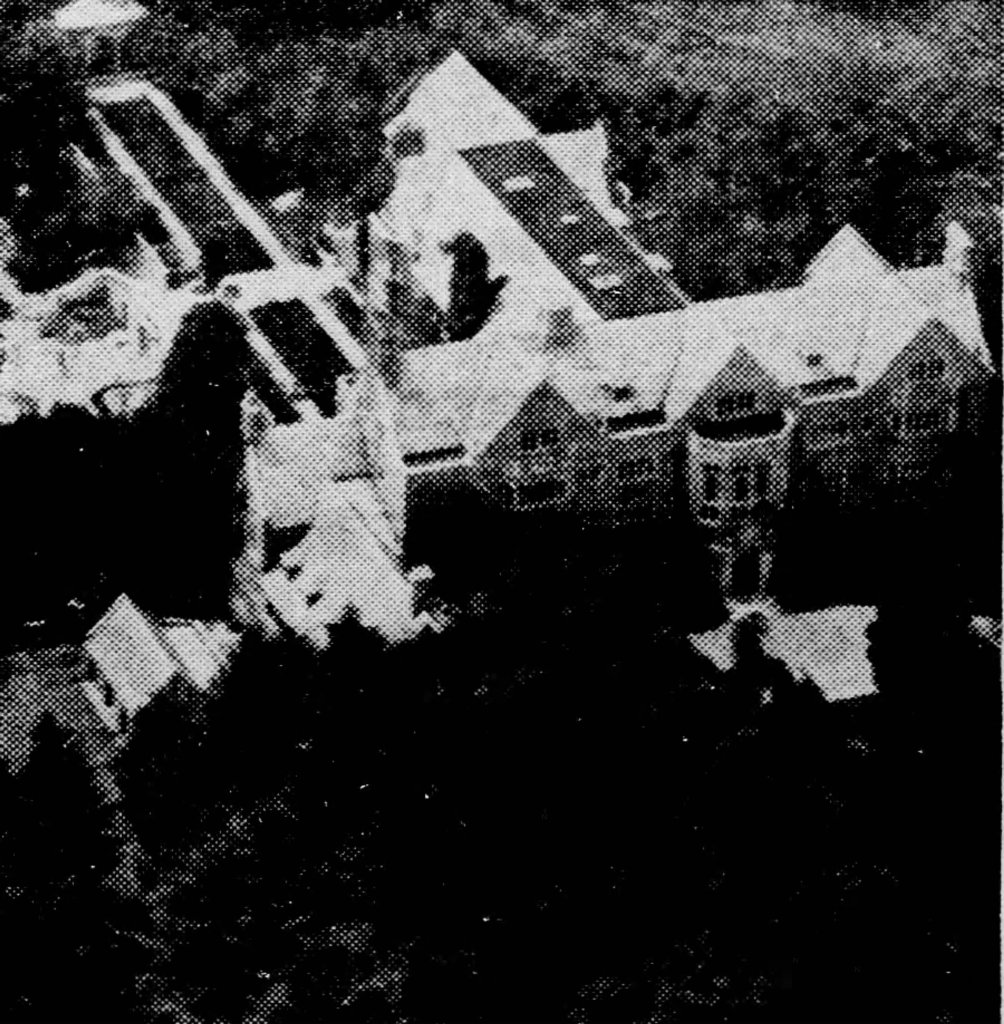
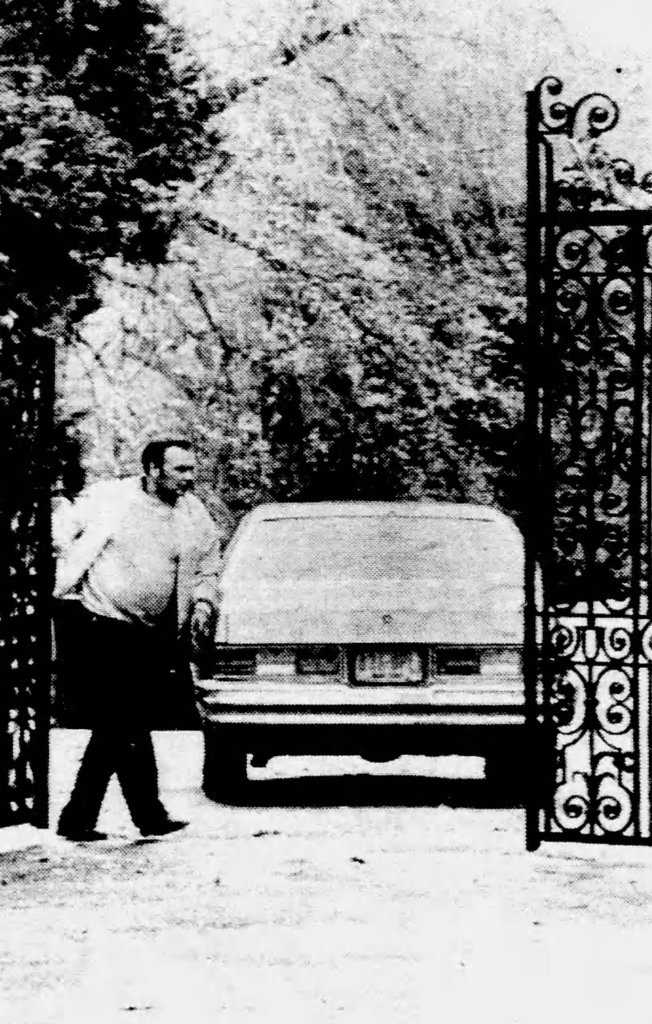
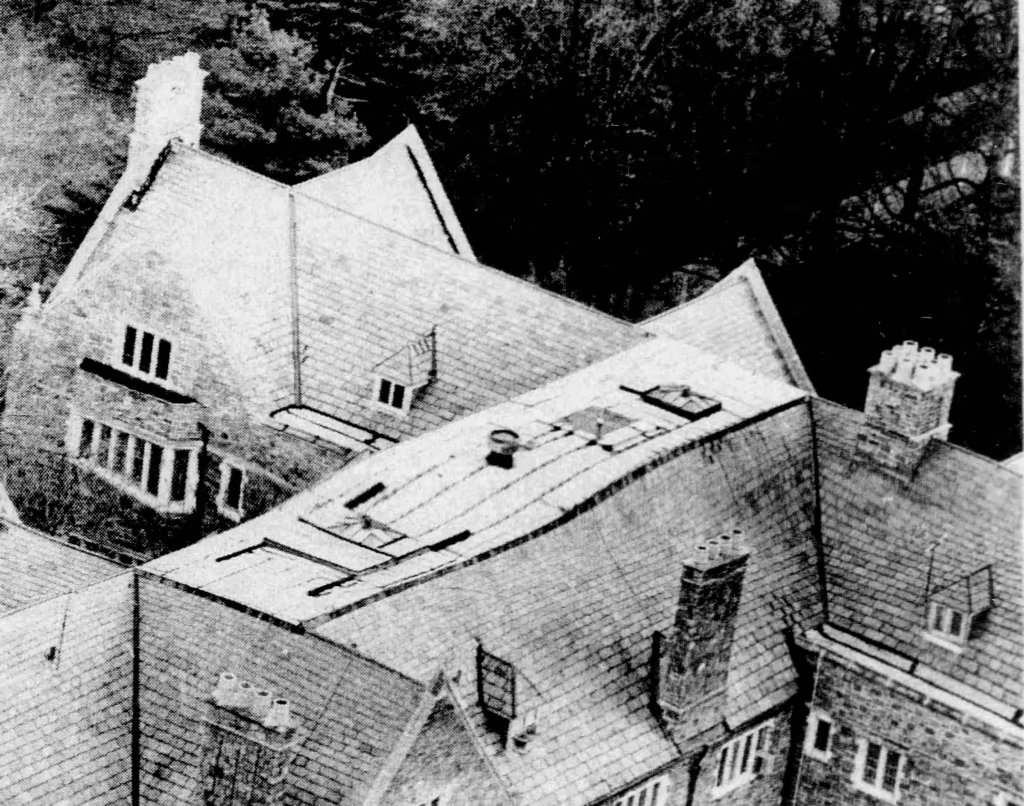
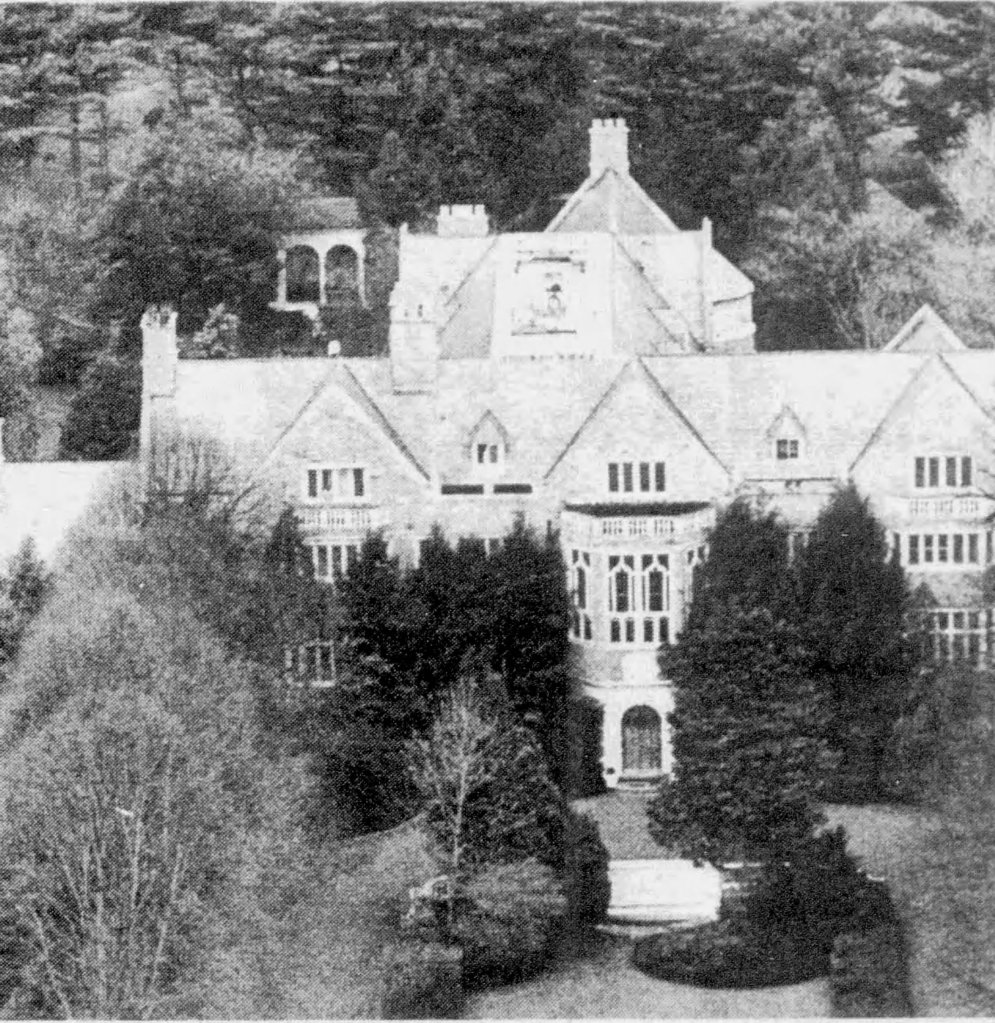
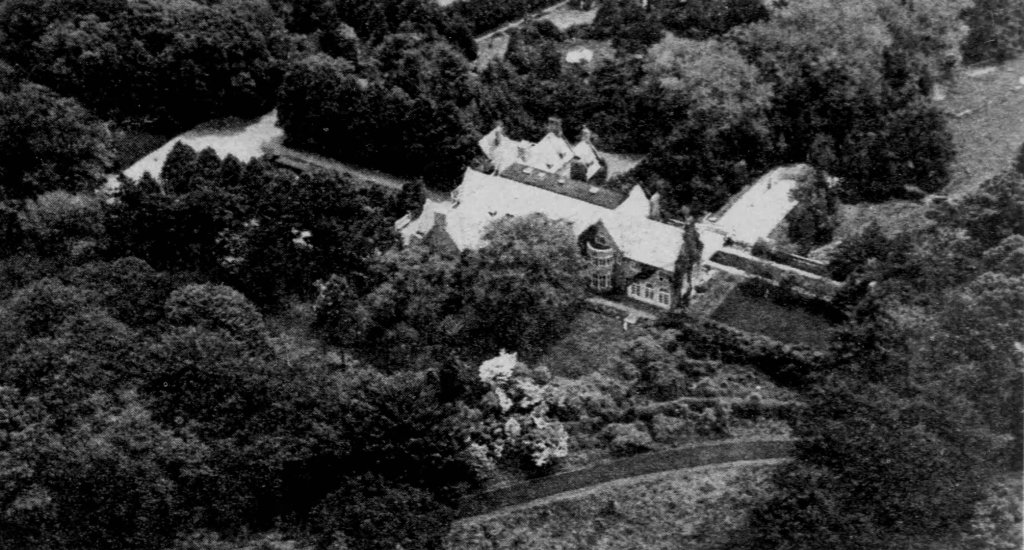
Thankfully, once the frenzy of Mr. Khrushchev’s Glen Cove visit had died down a few months later, things at Killenworth went back to normal. Of course, this was really temporary for the ever-controversial Pratt property. See, in the 1970s & continuing into the 1980s, a series of very public attempts to foreclose & defame the Soviet property were made. Whether true or not, accusations of espionage and tax evasion were made and published in papers across the nation.
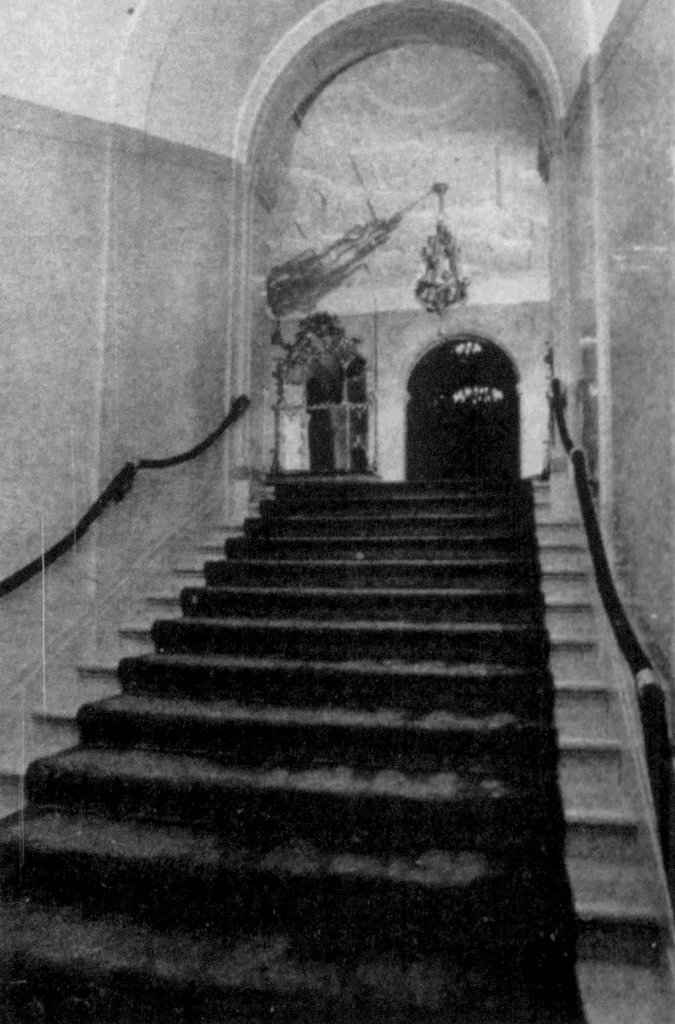
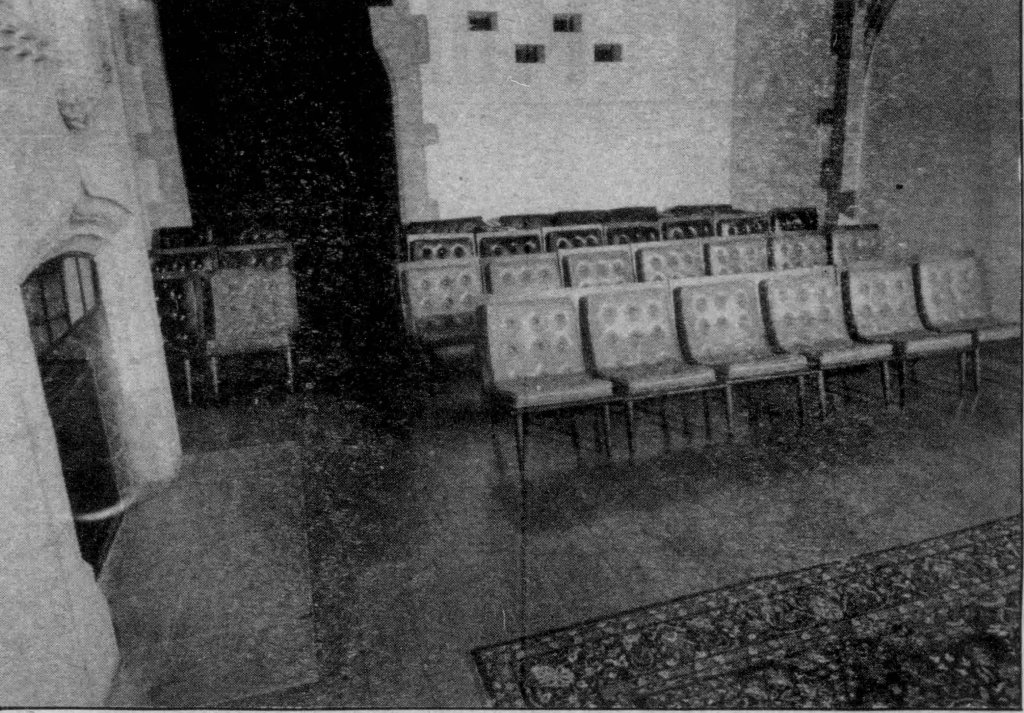
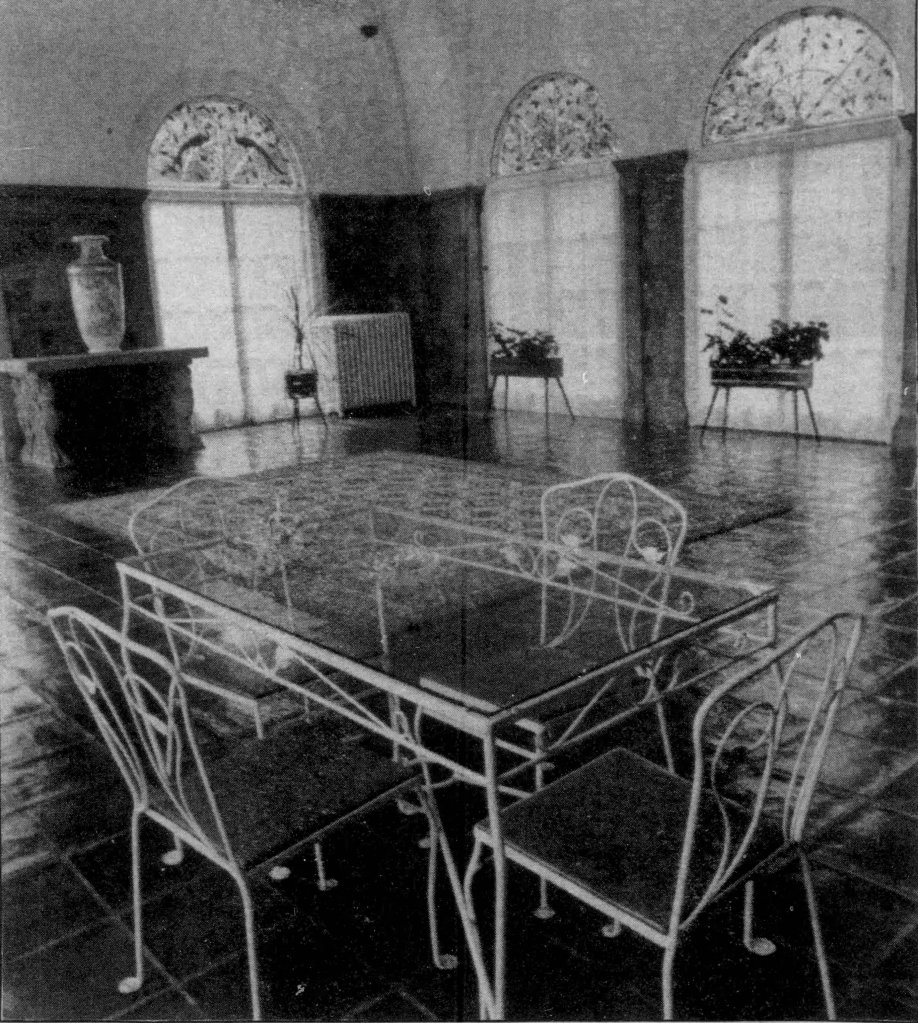
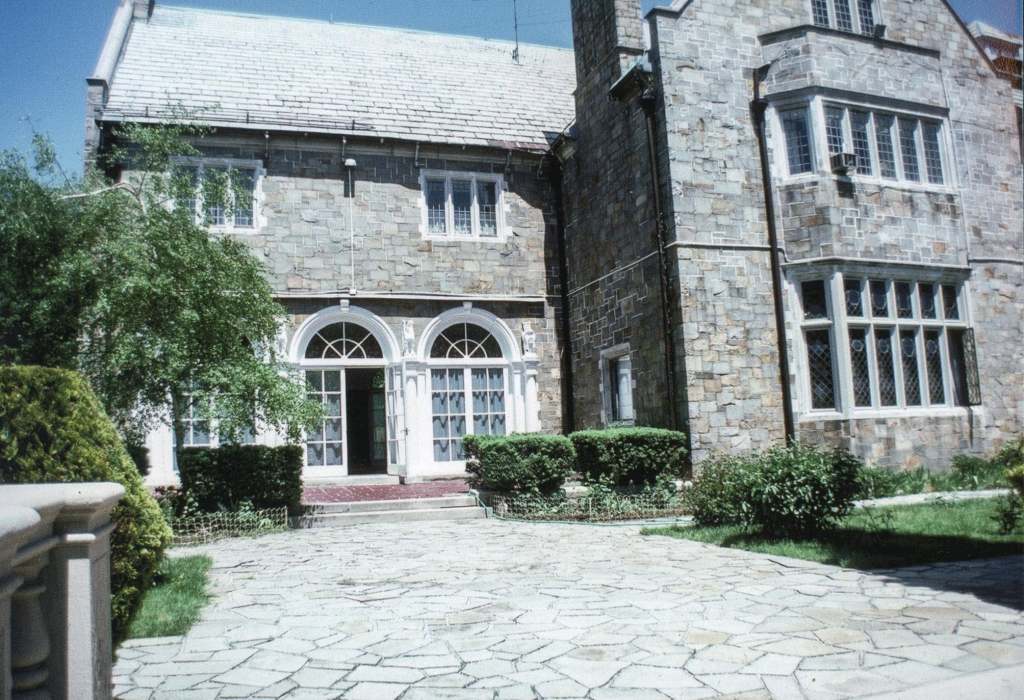
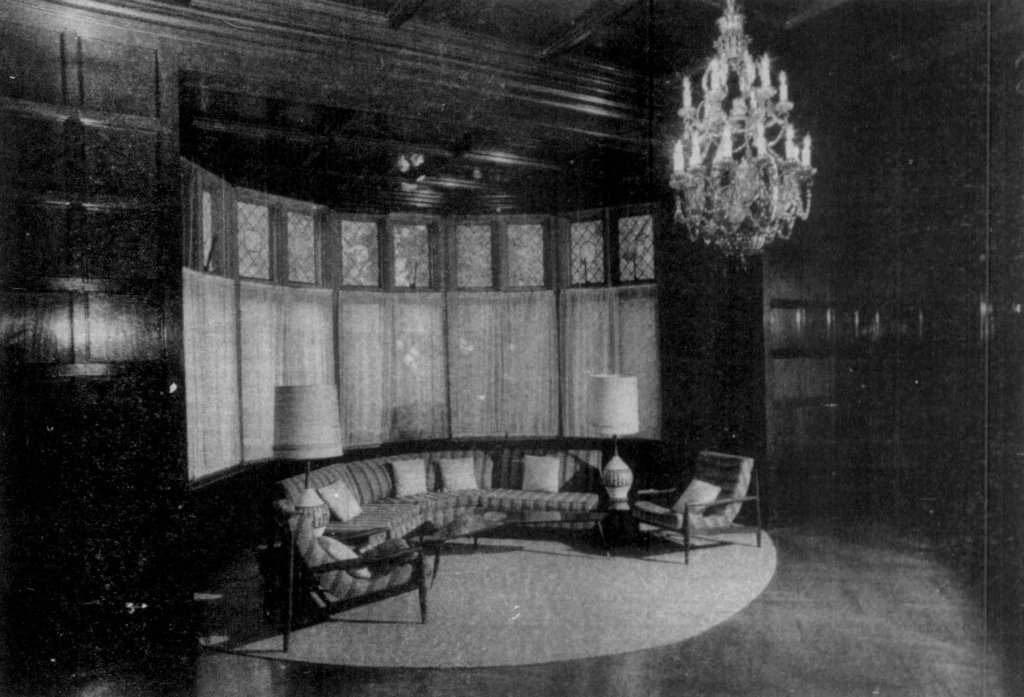
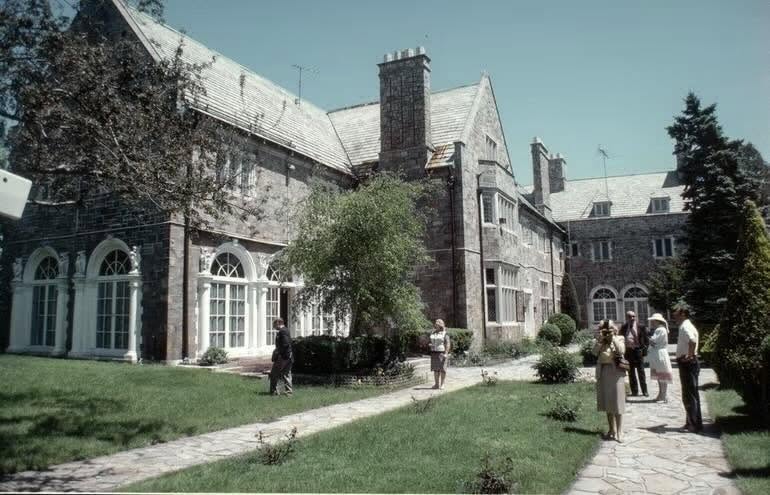
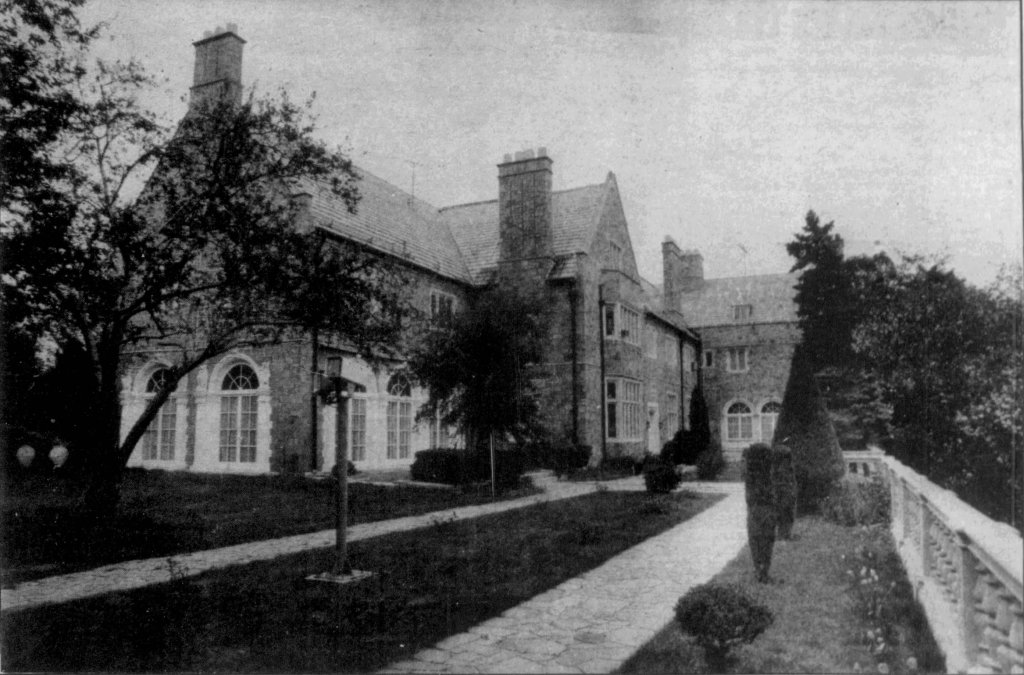
At one point, in roughly 1982, it was even claimed that the top two floors of the residence were utilized for illegal signals intelligence. As a result, the Russians were actually banned from being able to use & host events at local beach, golf, and tennis facilities. Then, in an attempt to dispel these rumors, the Soviets actuated opened up the bottom floor & grounds of “Killenworth” to private tours some two years later. During this time, many locals were surprised to learn that much of George Dupont Pratt’s famed residence was still original both inside & out. This was definitely good news for the history enthusiasts of the area, and helped ease tensions between the otherwise uncooperative local society and secluded Russian federal.
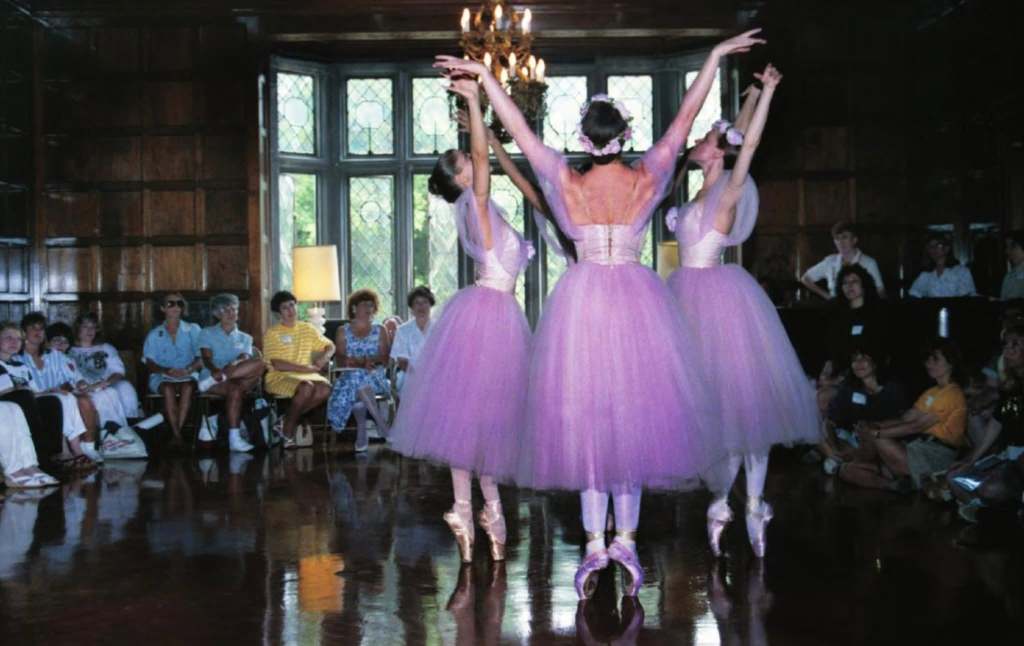
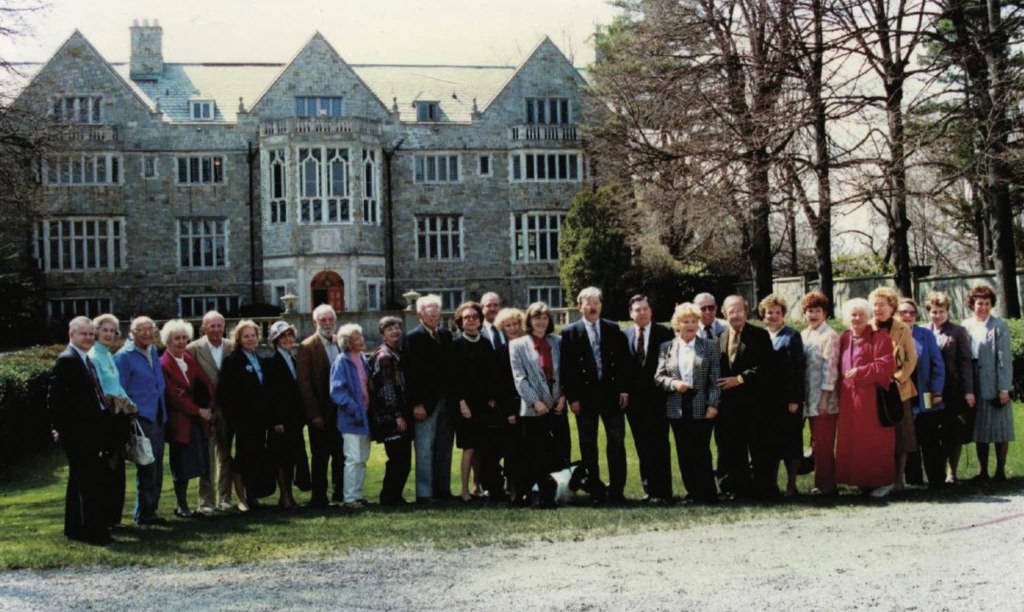
Luckily for the latter, this proved successful on the long term and shortly after tours concluded in 1985, the City of Glen Cove returned them access to as many local amenities as they’d like. Since this, only a few noteworthy headlines have arose in relation to Killenworth and its Russian ownership. One notable time was actually in 2016, when two Russian embassy facilites – one being on Long Island – were forcefully shut down by the US government. While many believed (& reported) that the long island property good-old Killenworth, sources soon revealed it to be a completely different, albeit nearby, retreat house. Still, this newfound attention did bring back countless loud & proud calls for Killenworth to be shut down, with similar parameters as before being proposed. Despite this, it seems all attempts have remained unsuccessful.
Ultimately, to this very day, Killenworth remains owned and used by the Russian government. As a matter of fact, its understood that UN delegate still visit the place frequently, leaving it far from vacancy and even further from it’s proposed demolition all the way back in 1940.
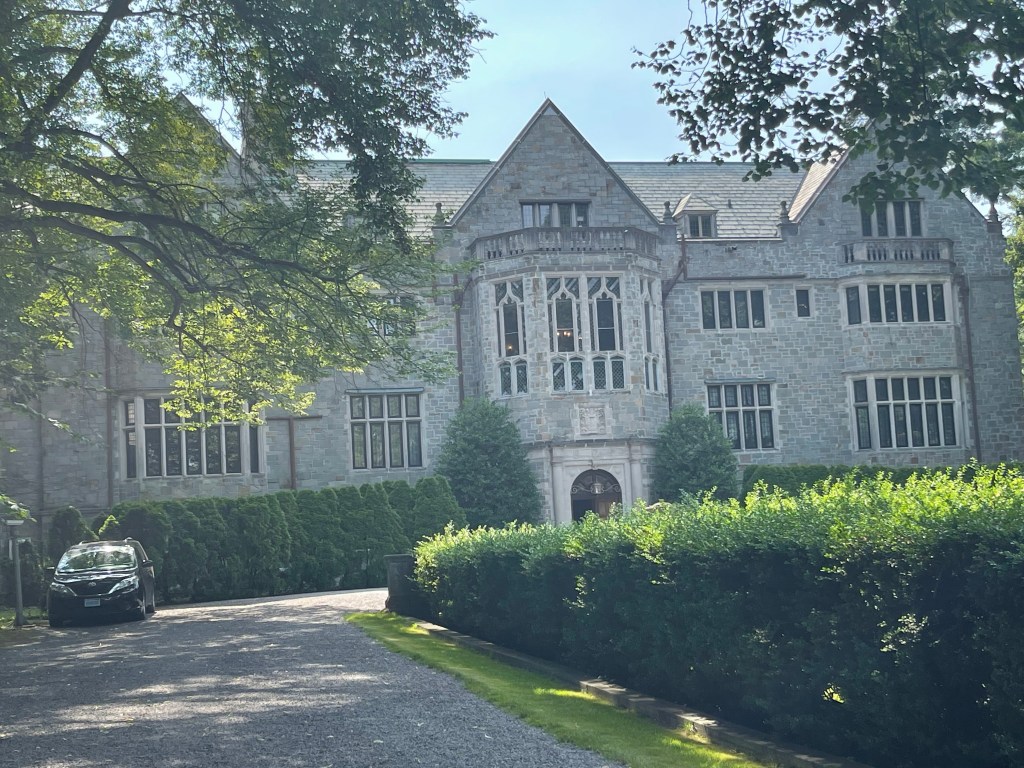
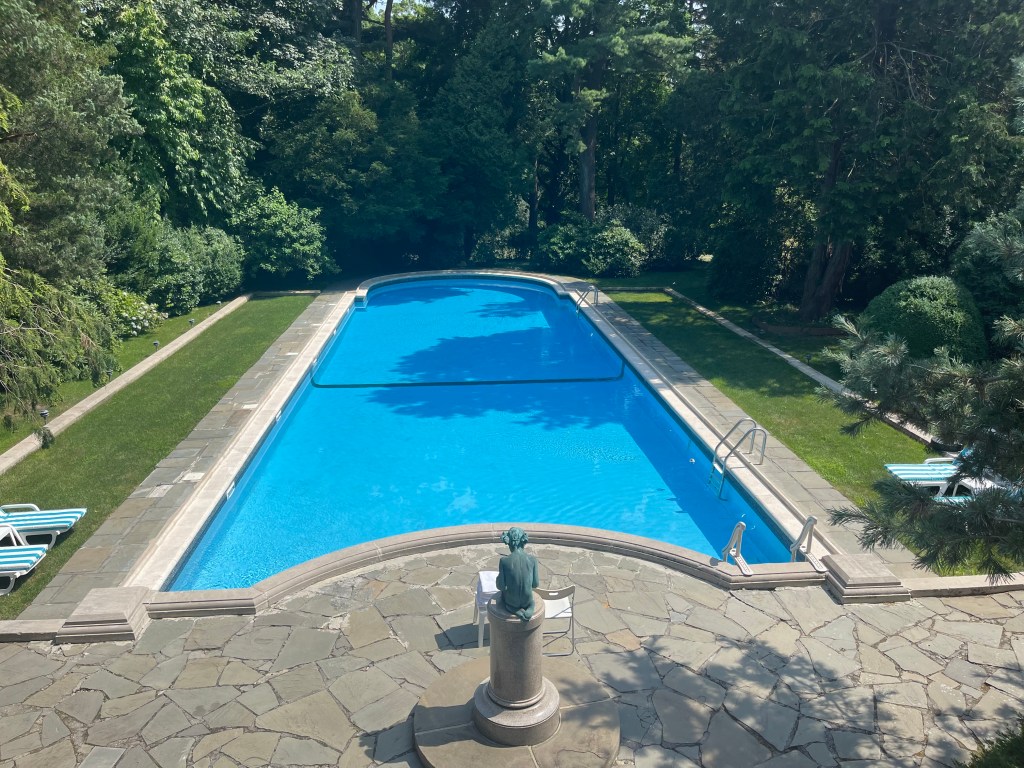
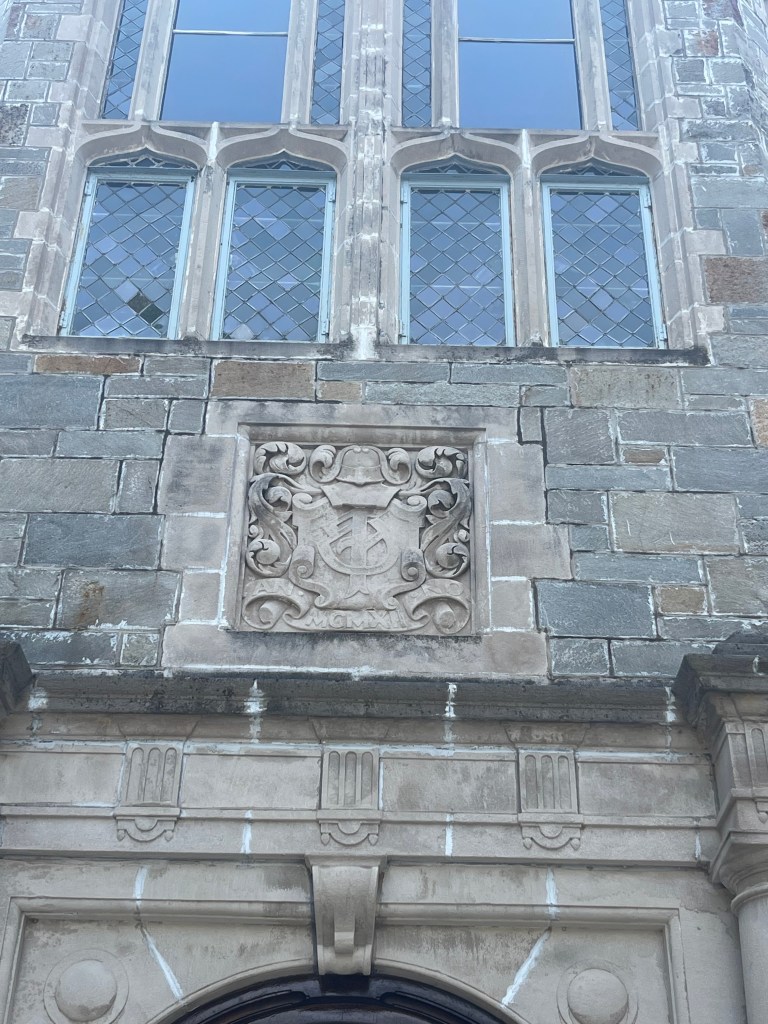
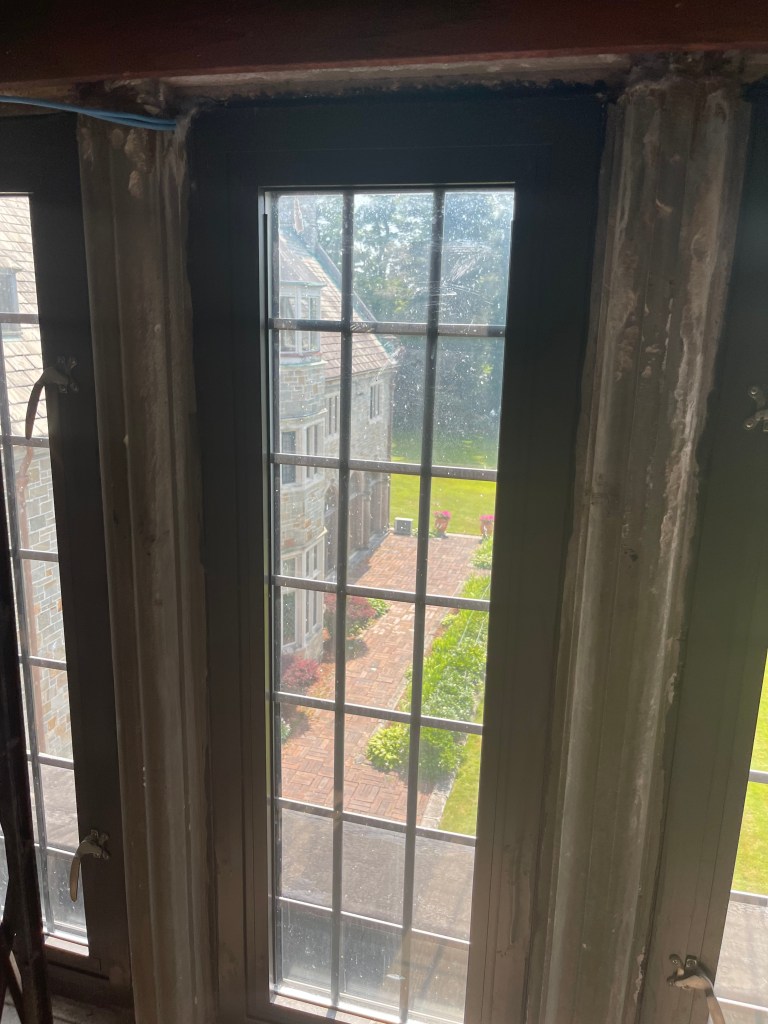
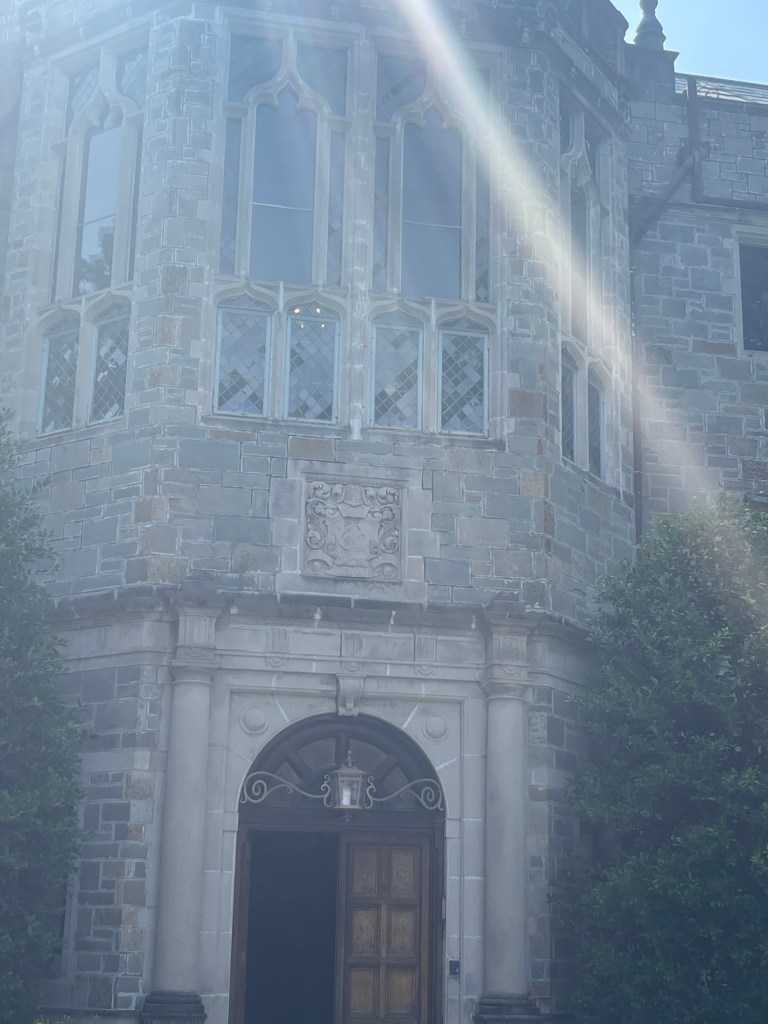
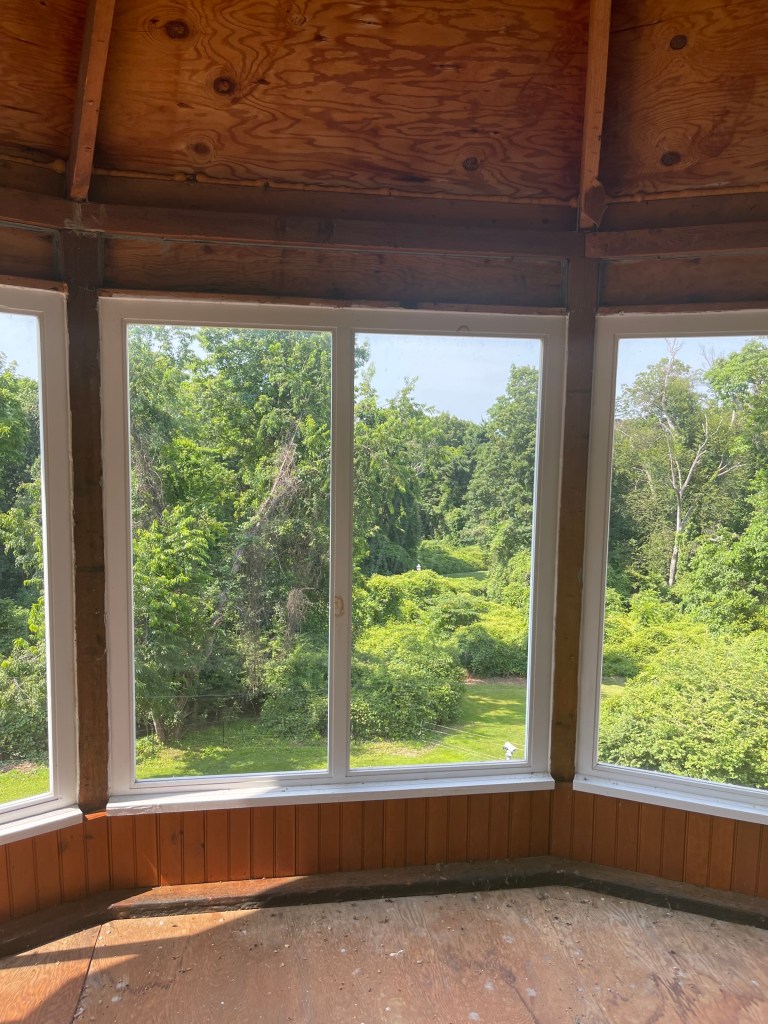
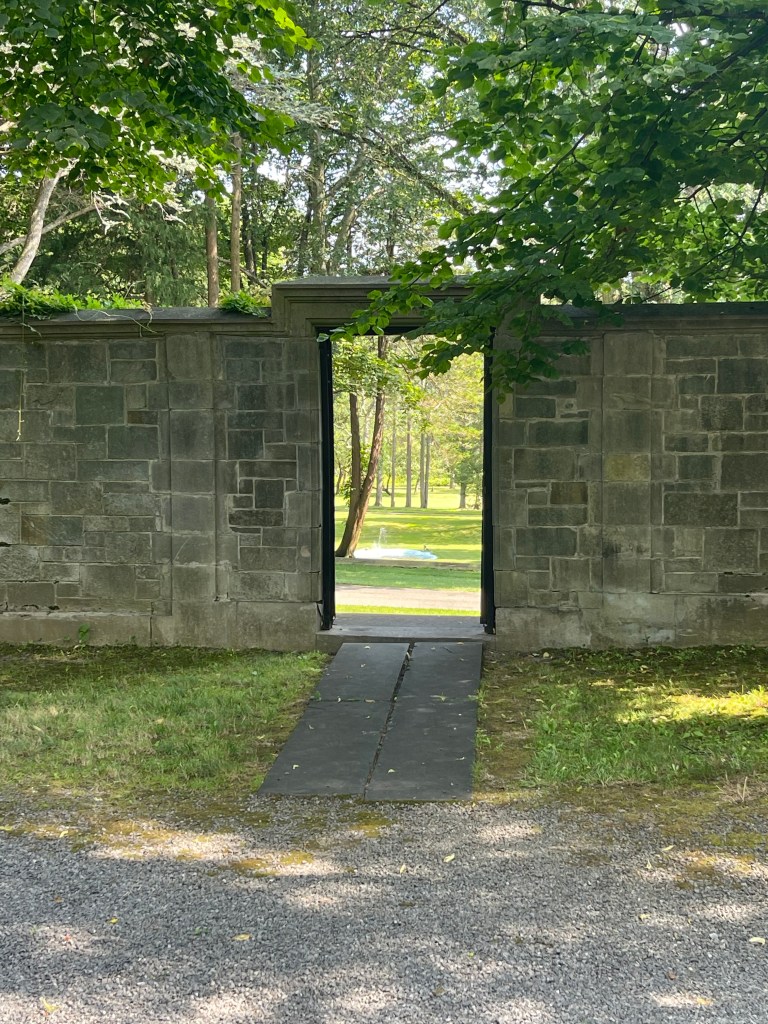
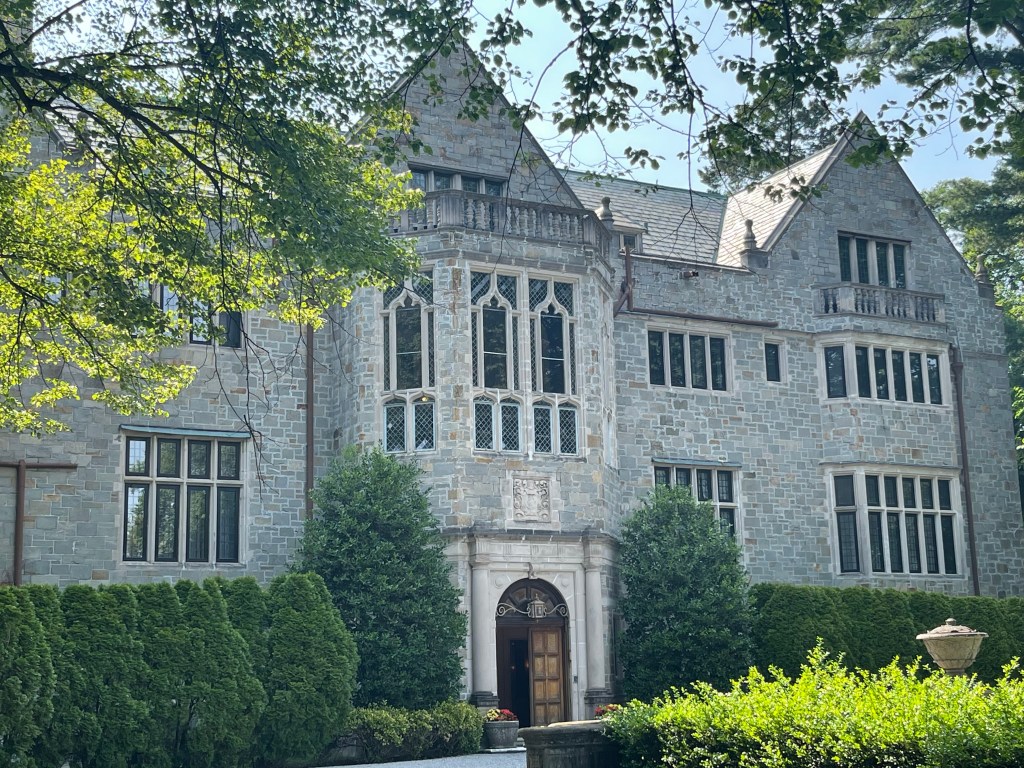
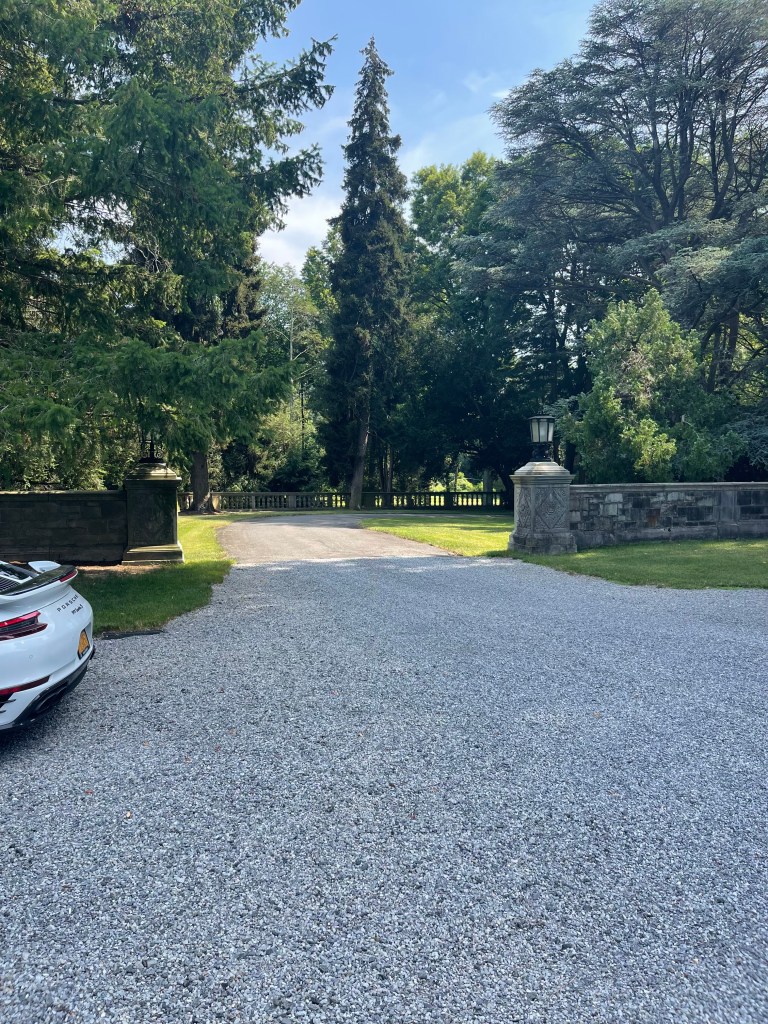
And yet, after all these years, Killenworth has remained an architectural Enigma for historians nationwide. Through it’s controversy and elusivity, many have pondered what lies inside the mysterious stone palace. Well, it is on this very day that I am able to provide you all with the answers you‘ve been eagerly waiting for. They come in the form of a 25+ image gallery showcasing Killenworth as it appeared exactly two years ago. Don’t fret, though, these photos were captured legally. However, to preserve the privacy of the photographer, I will not be explaining further. All I will say for now is that these pictures offer an unparalleled glimpse into a house I and others have spent many nights longing for. They are truly the “crown jewel” of my archival findings, and so I’d like to thank the individual who sent them to me (in the case they see this) greatly.
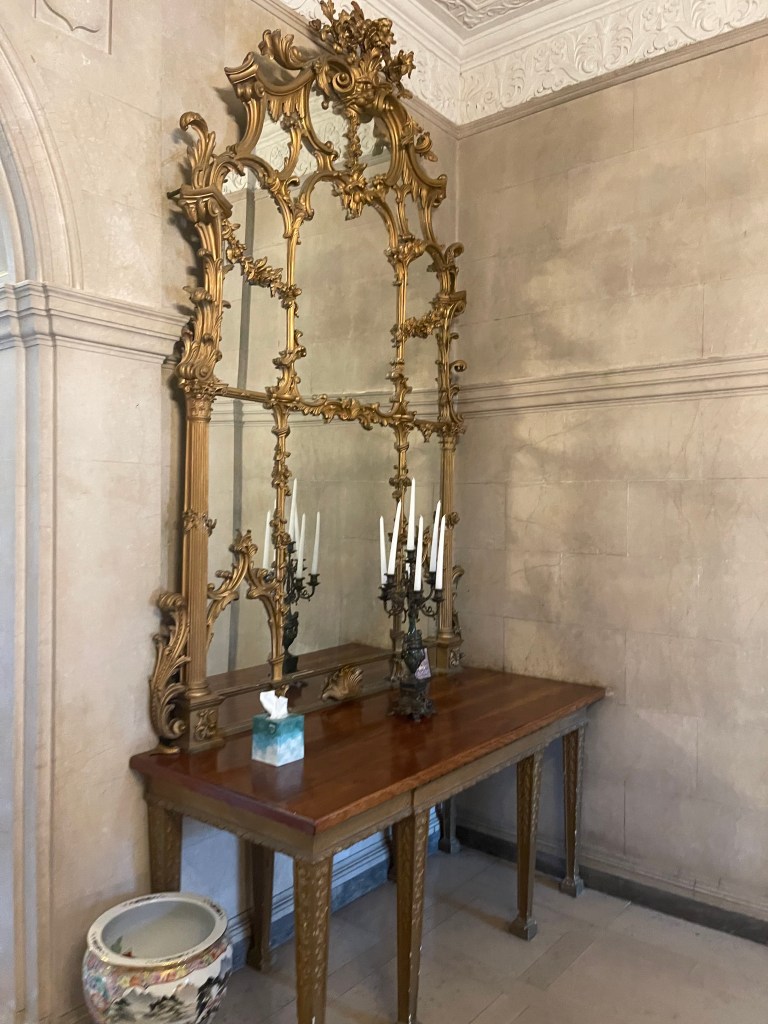
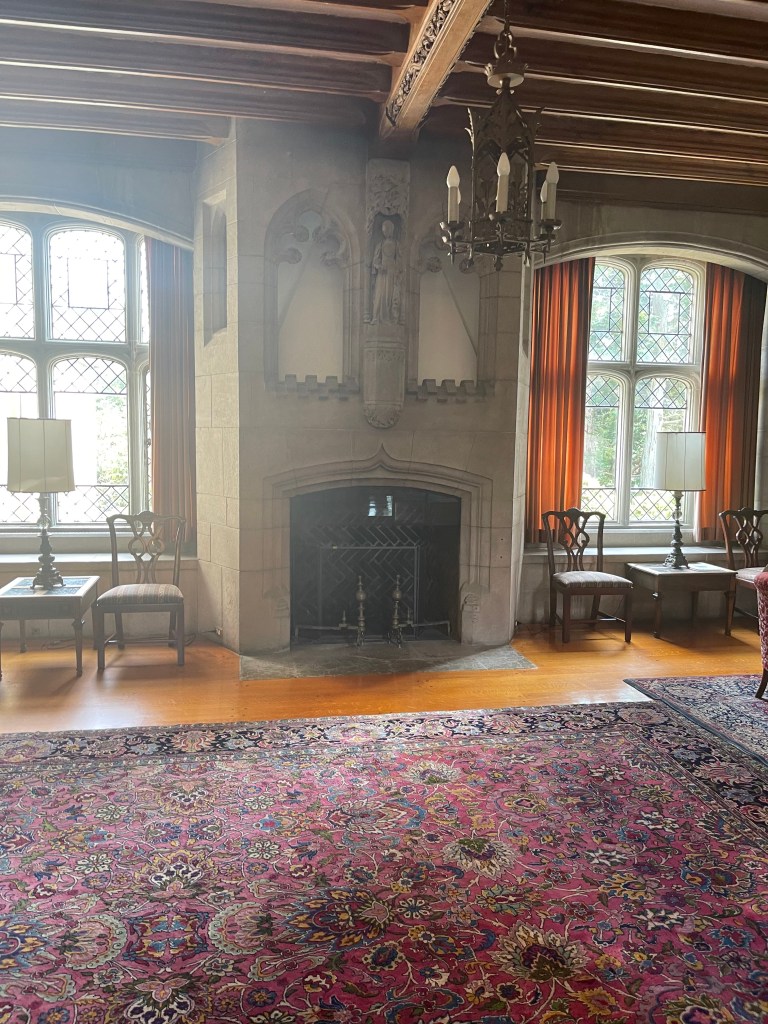
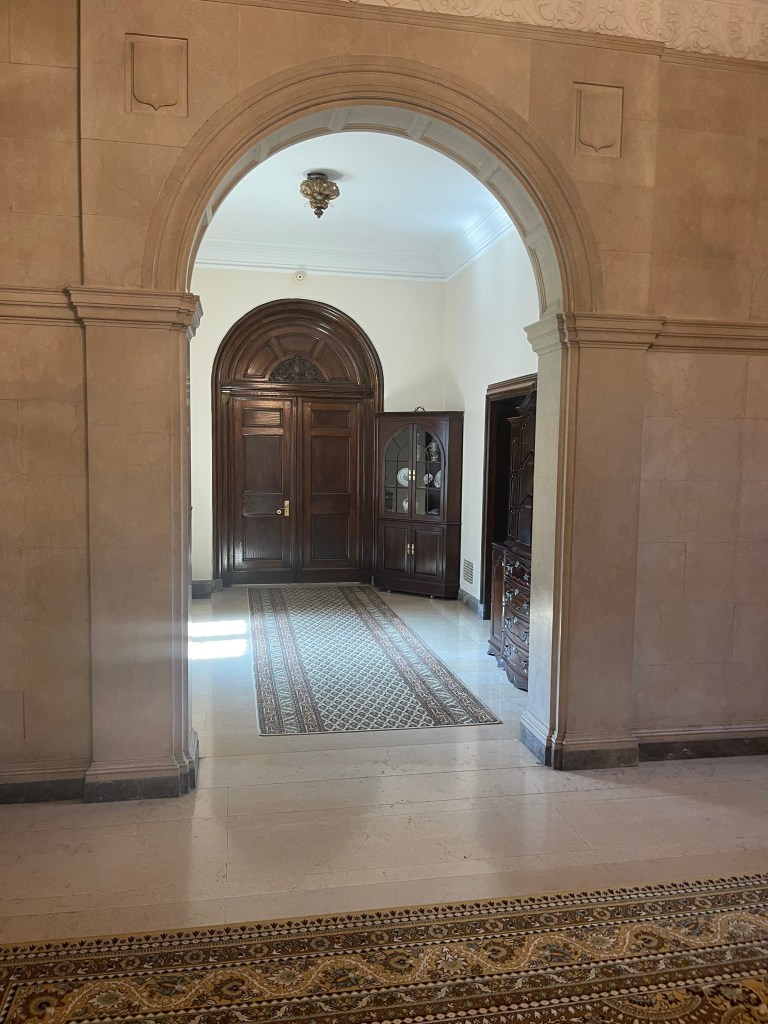
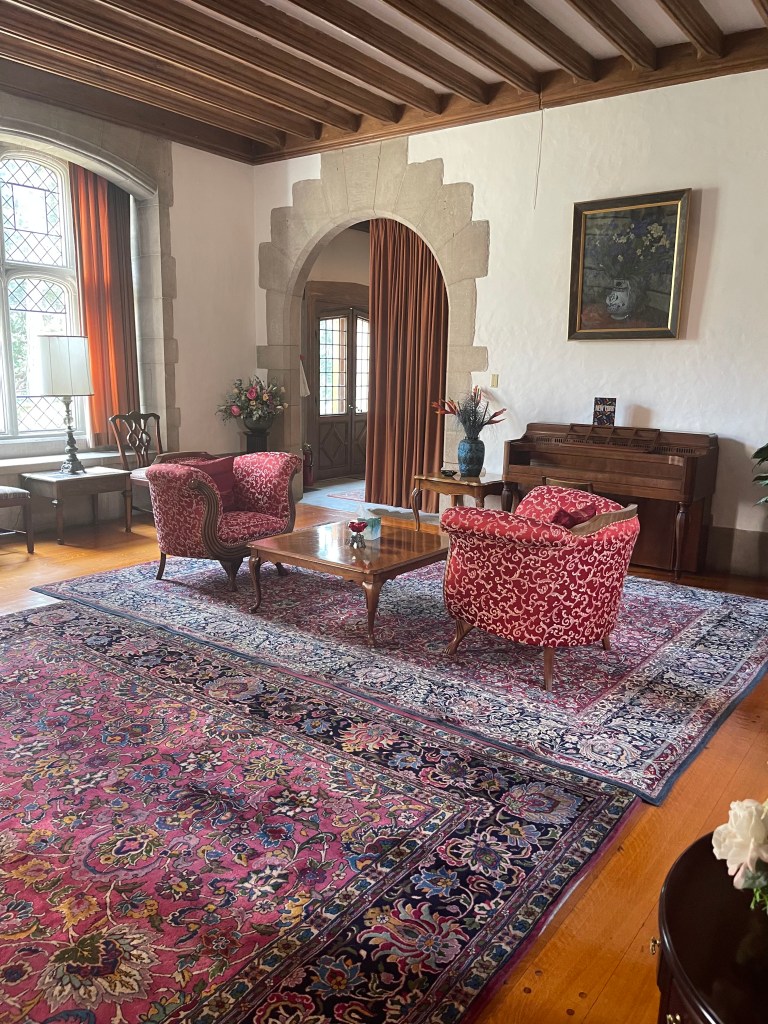
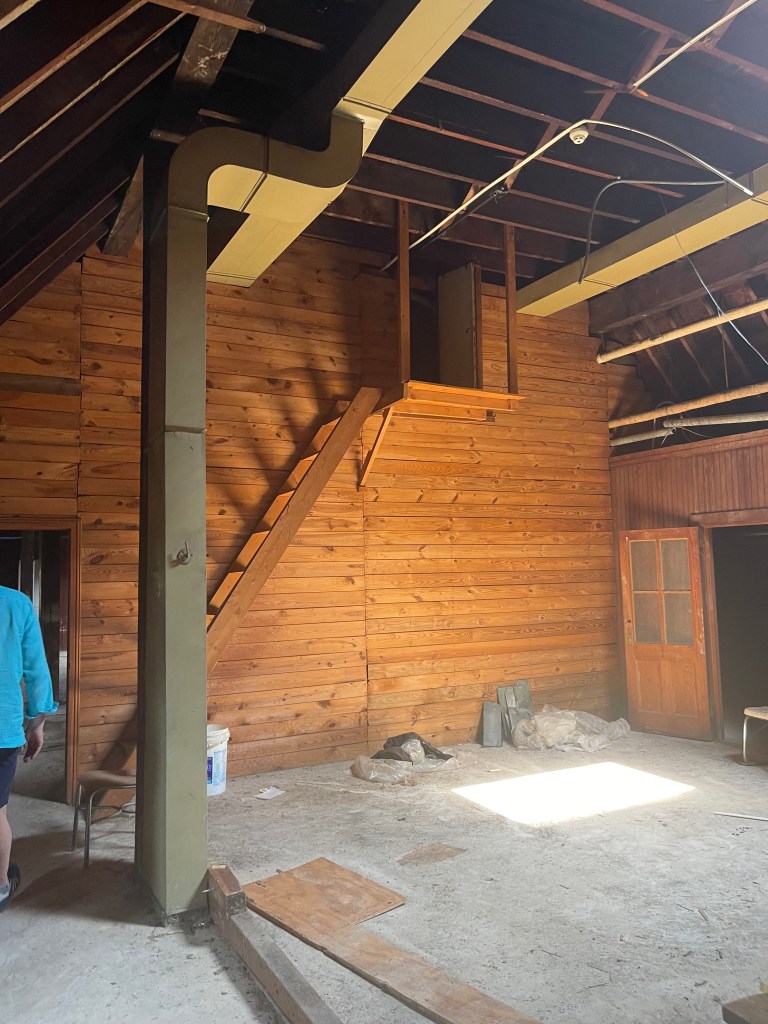
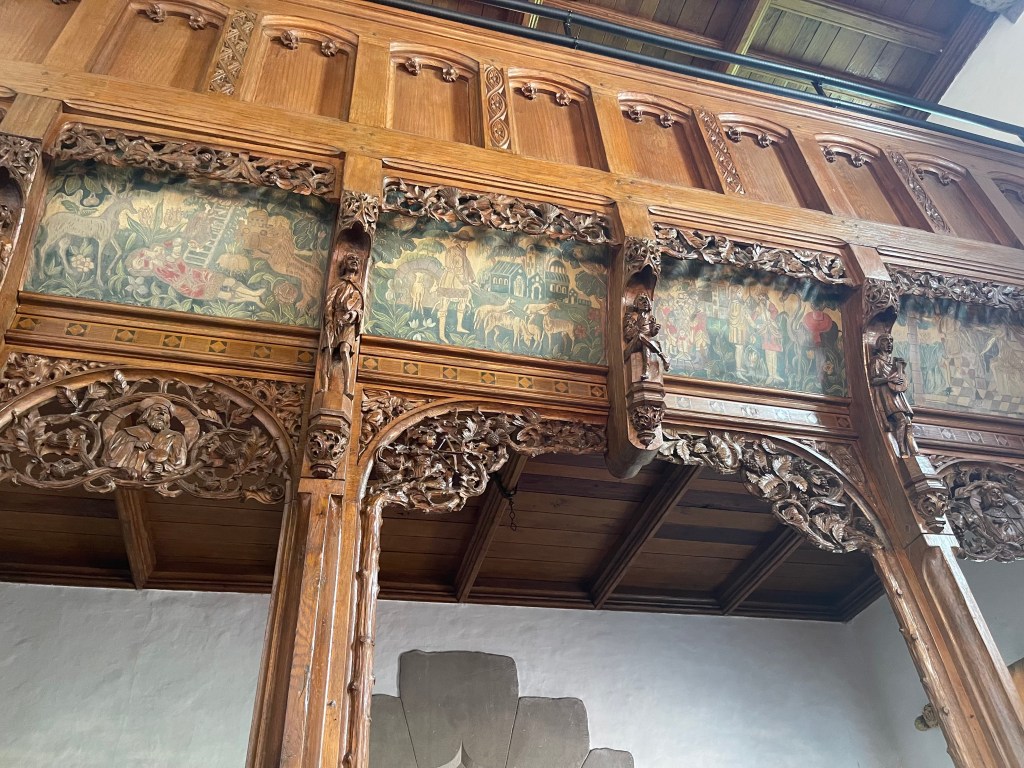
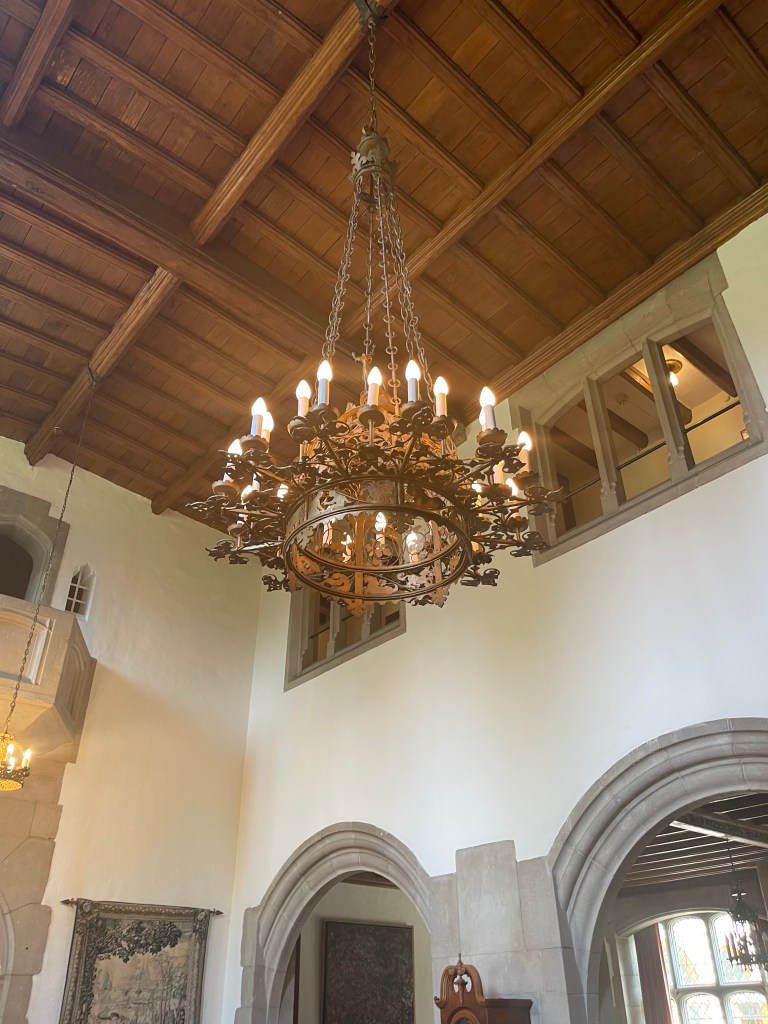
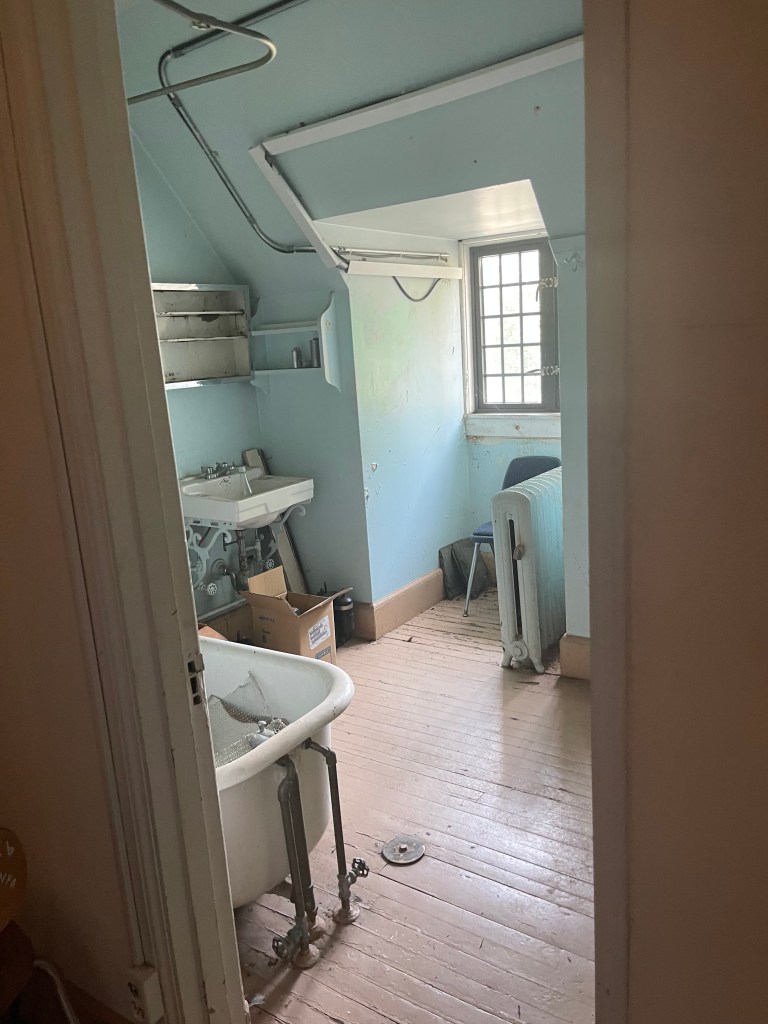
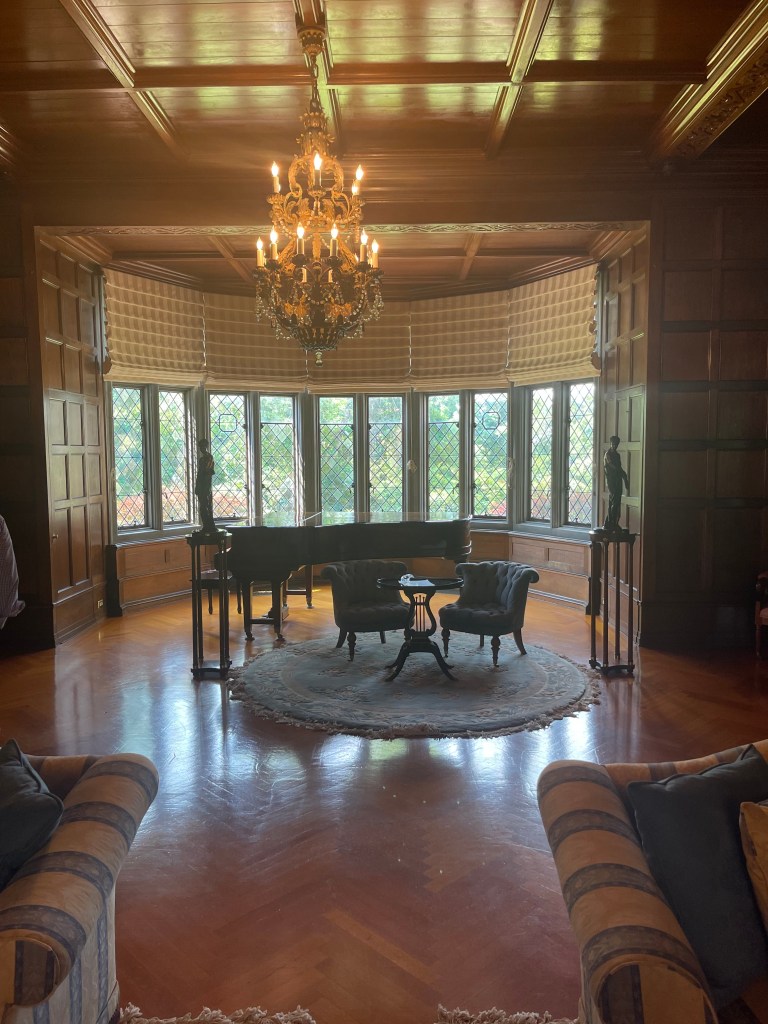
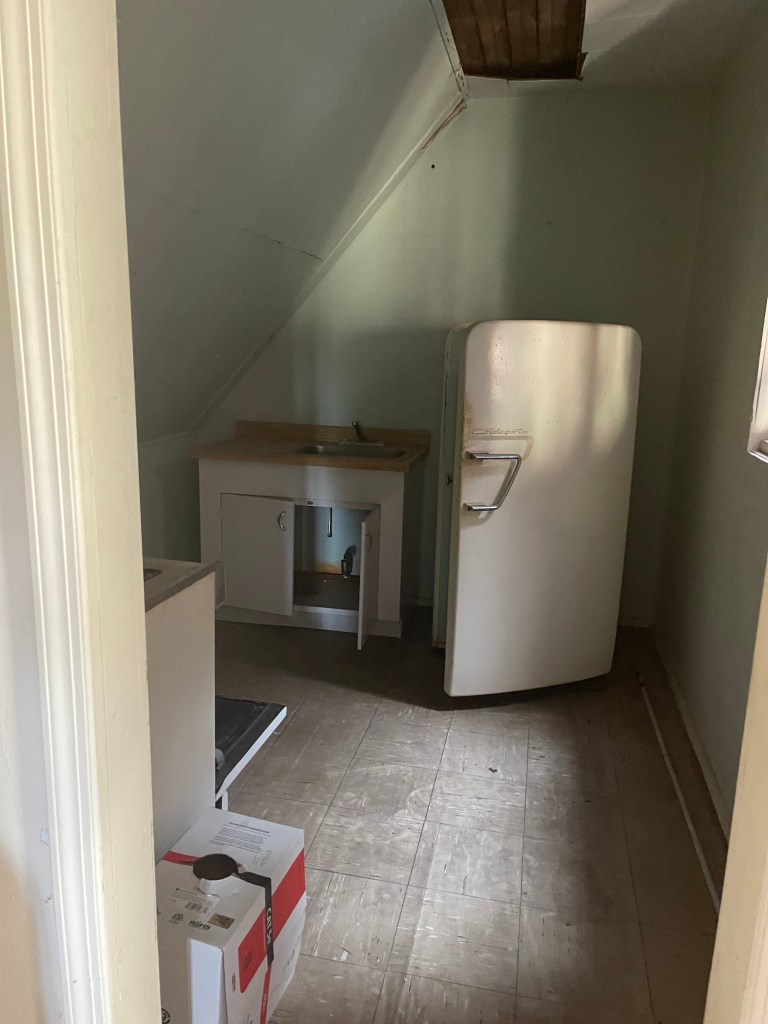
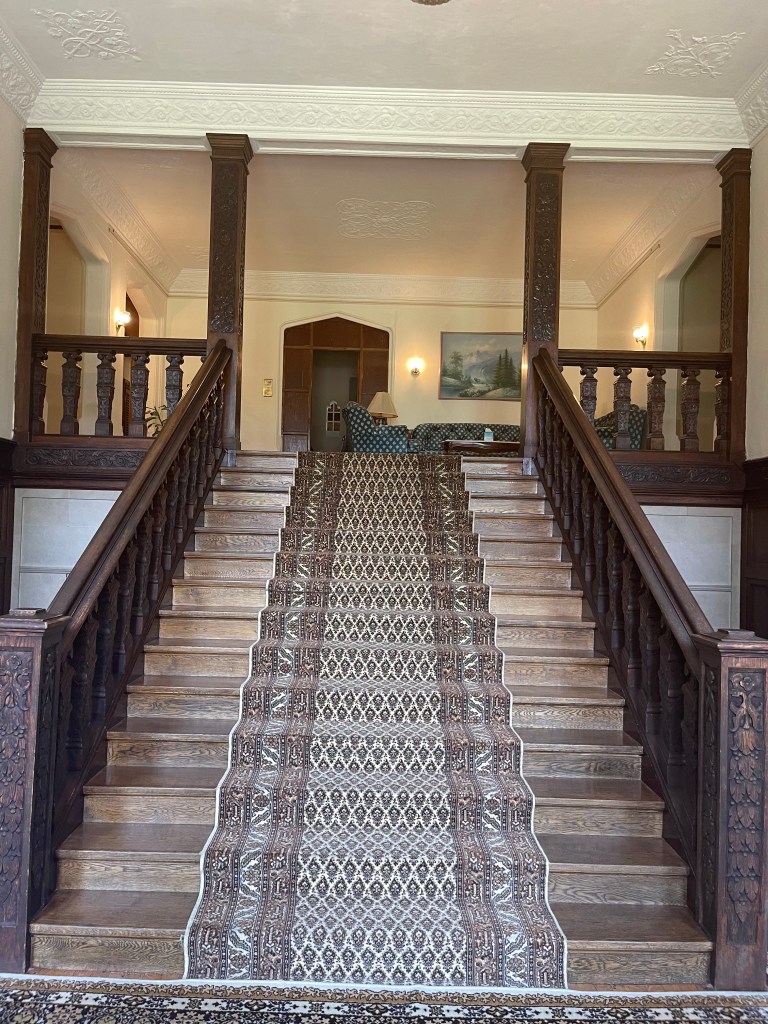
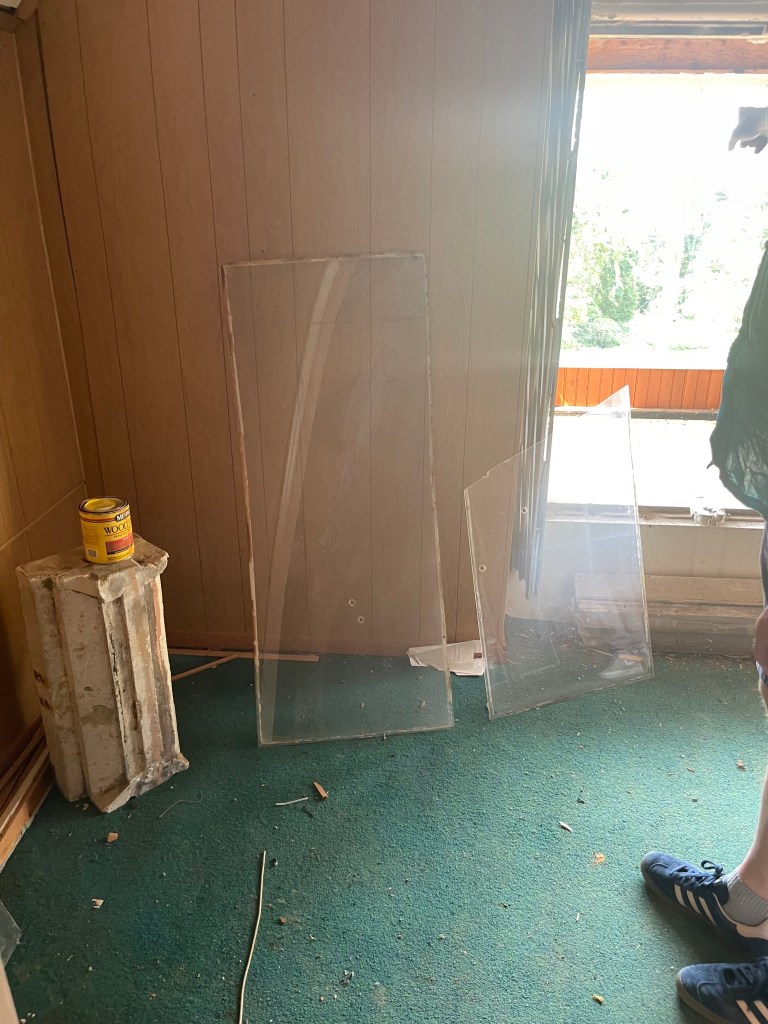
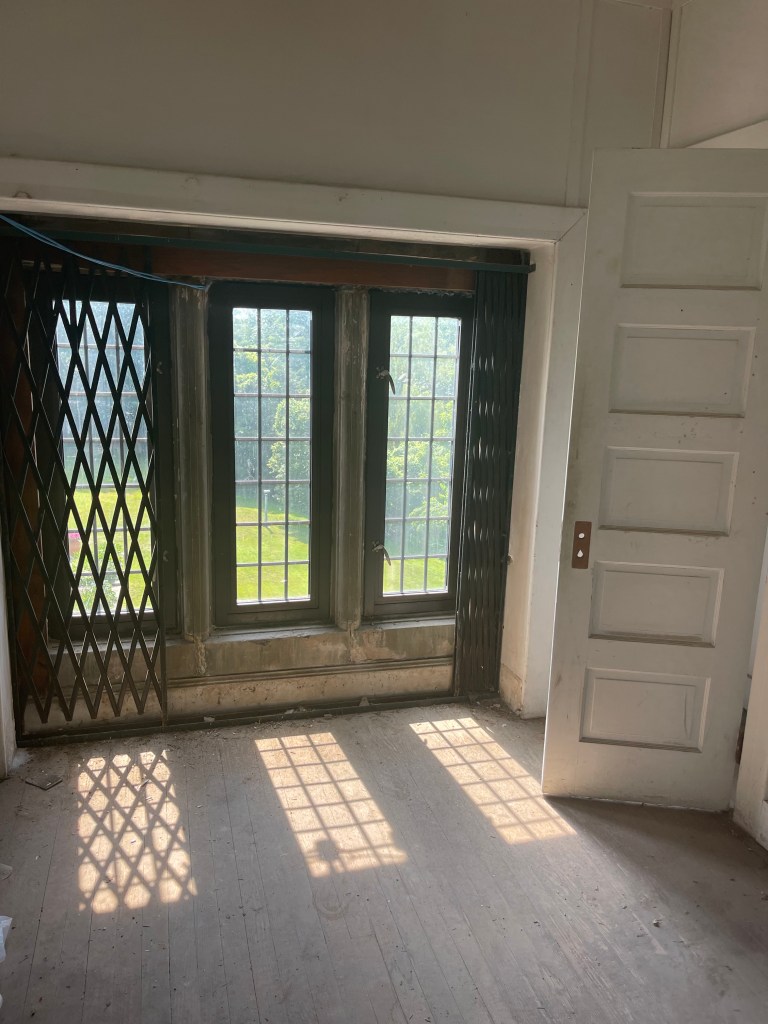
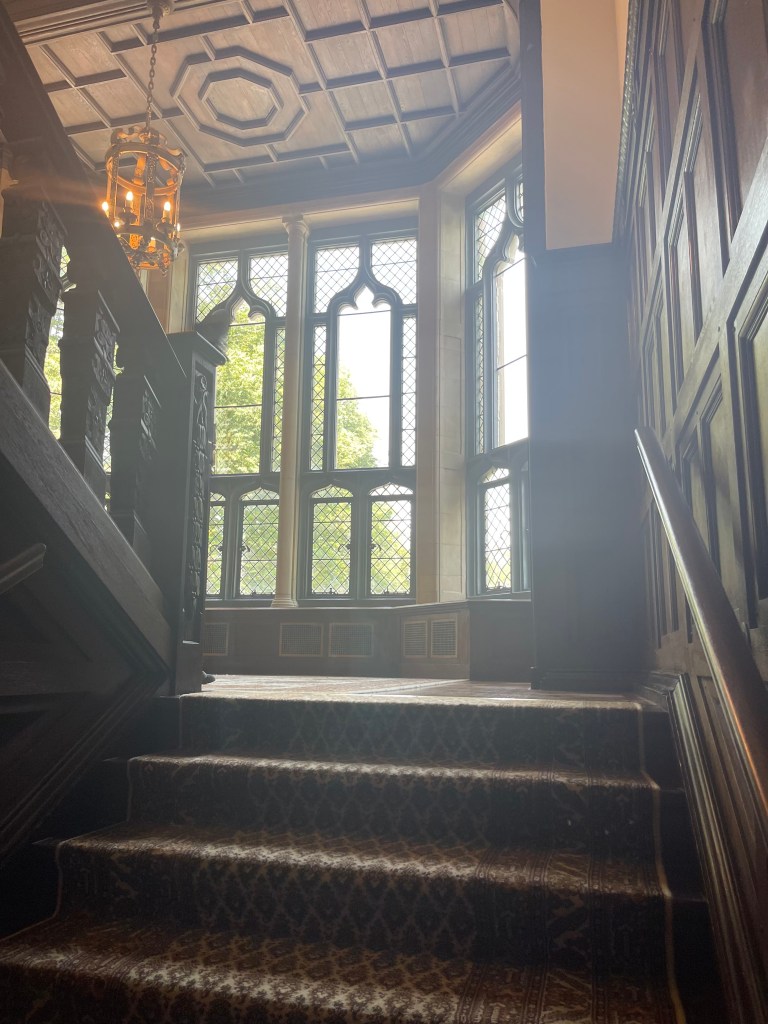
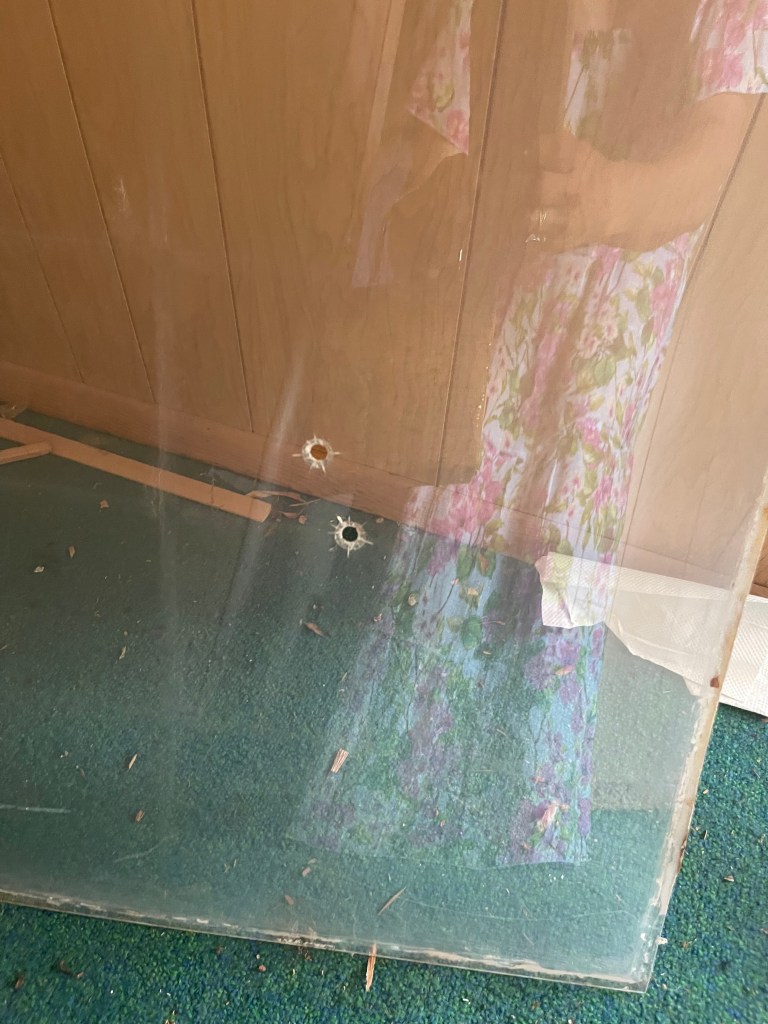
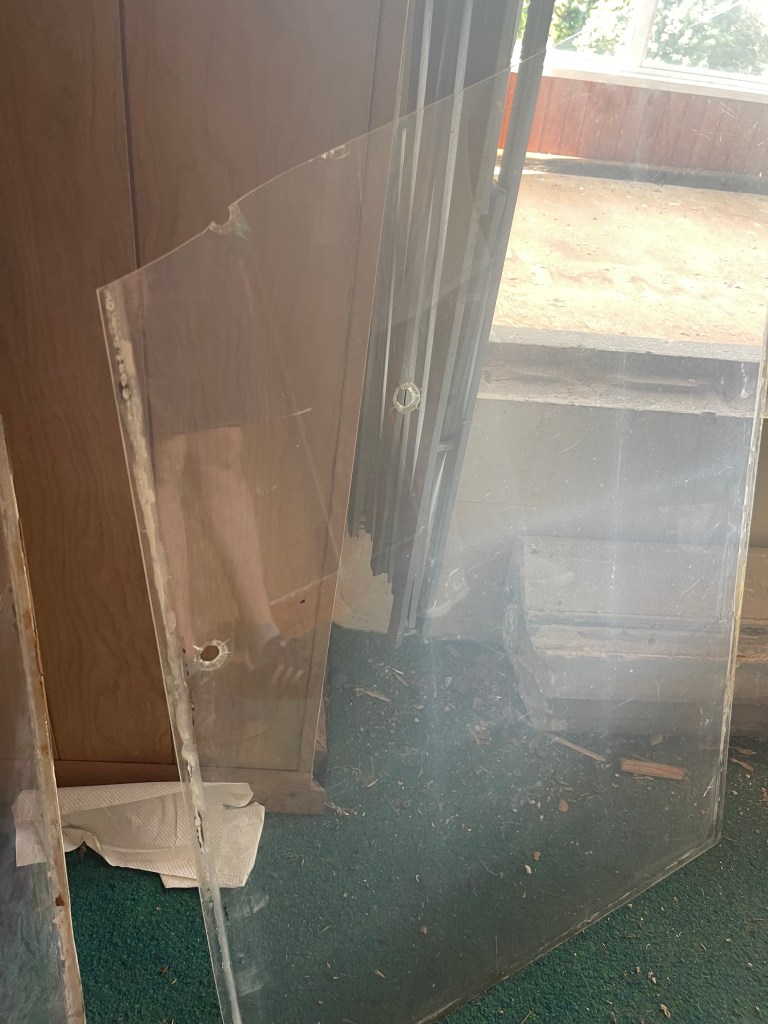
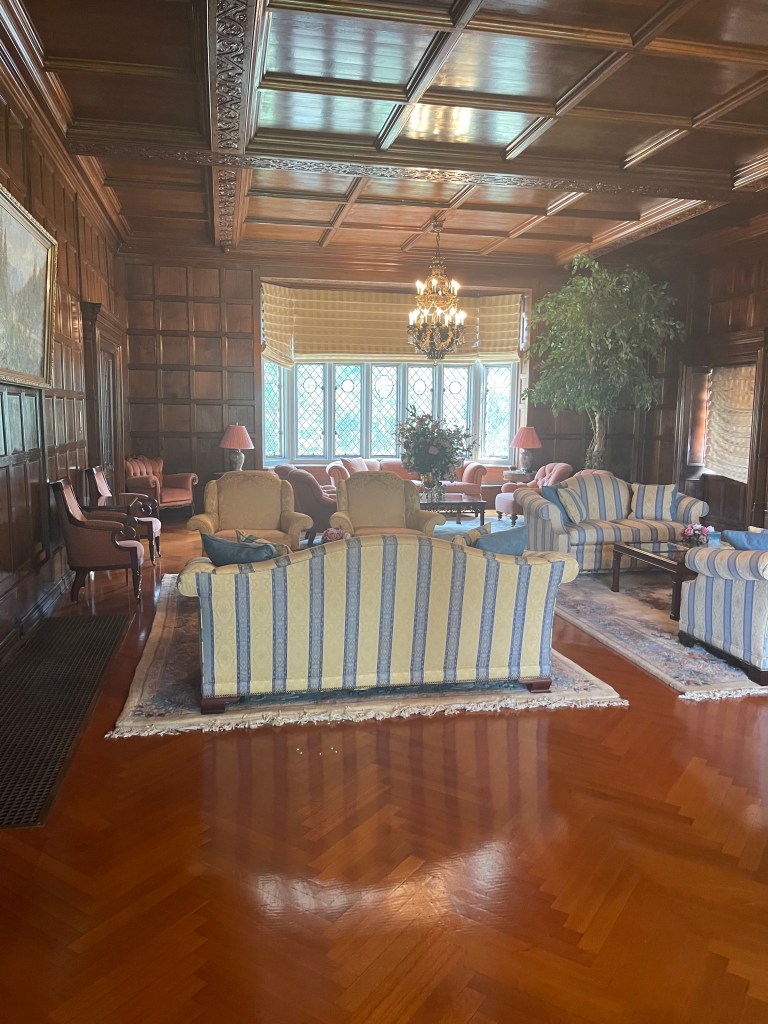
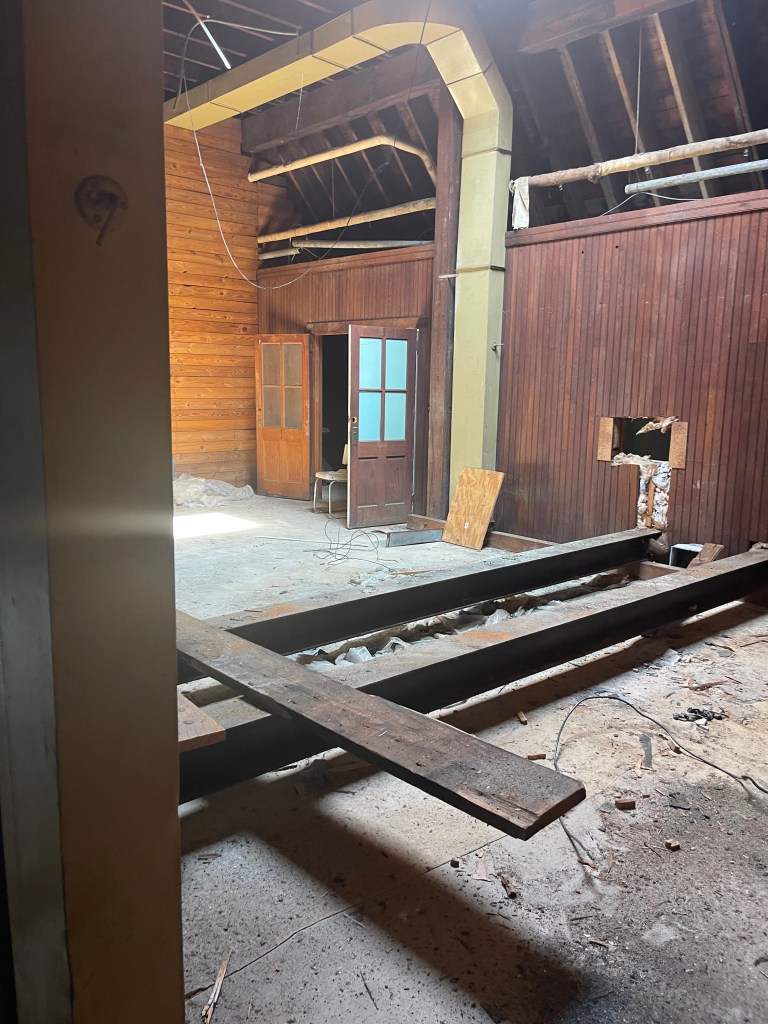
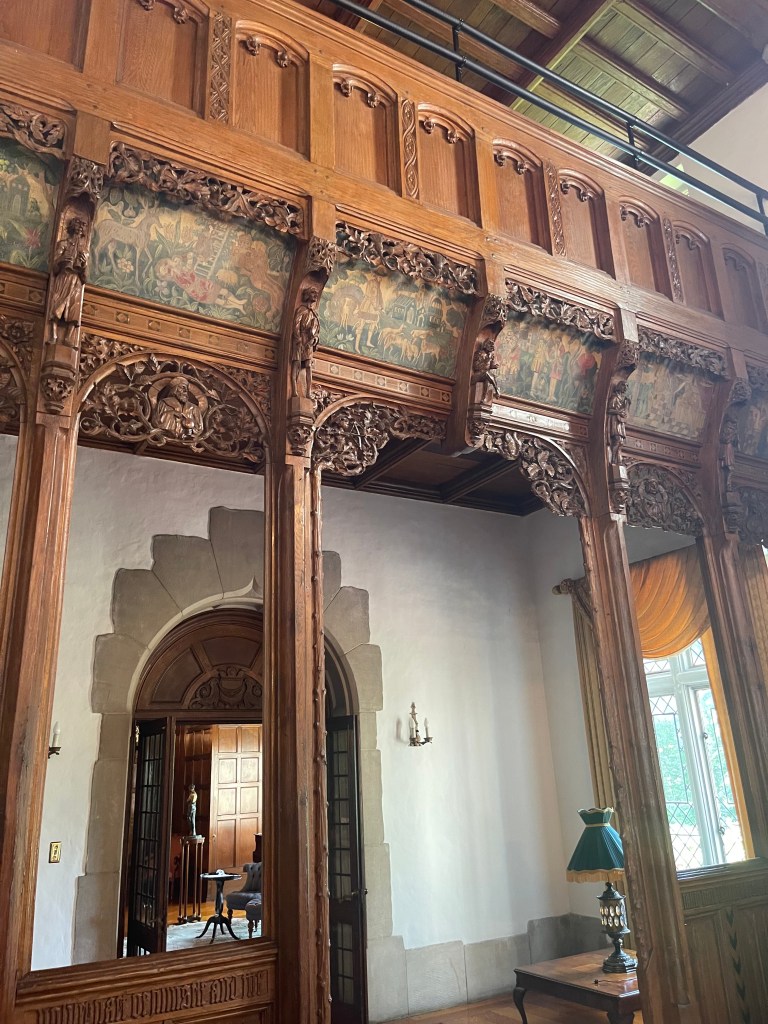
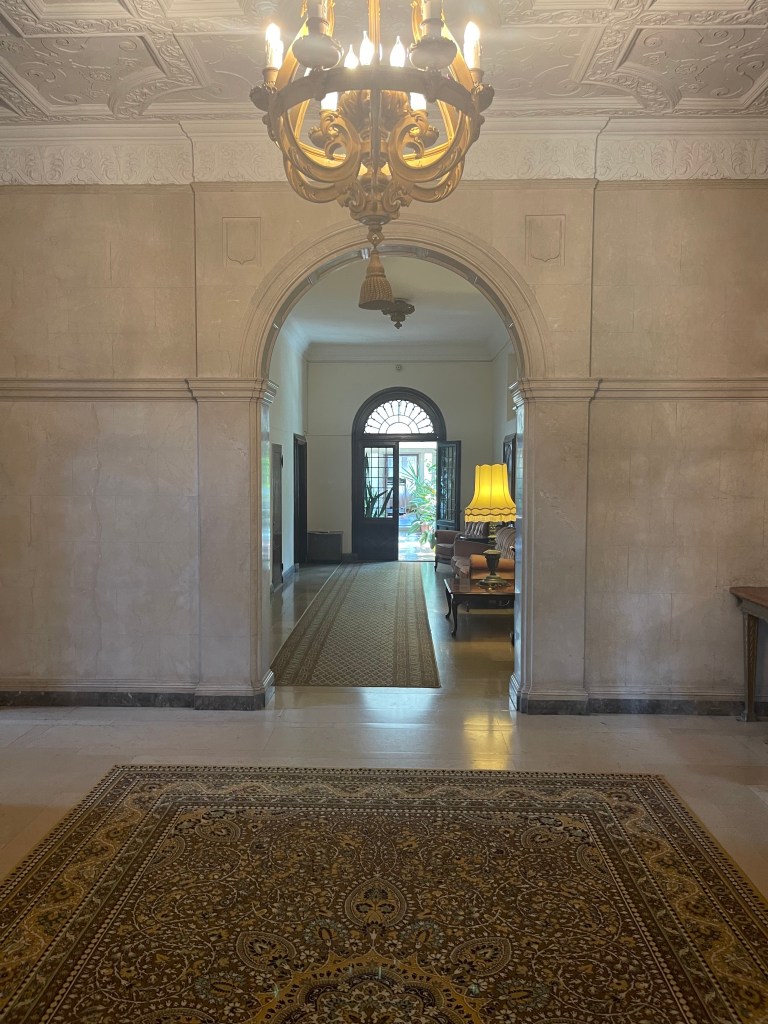
In the end, I am so grateful to share these pictures with you, and rather than explaining them one by one, I suggest you check them out yourself. After all, this might be the last time for a while we can all see inside Killenworth.


Leave a Reply